Djupivogur Iceland

58 Cruises availables At departure or passage at this port

Viking Ocean Cruises (29 Cruises)

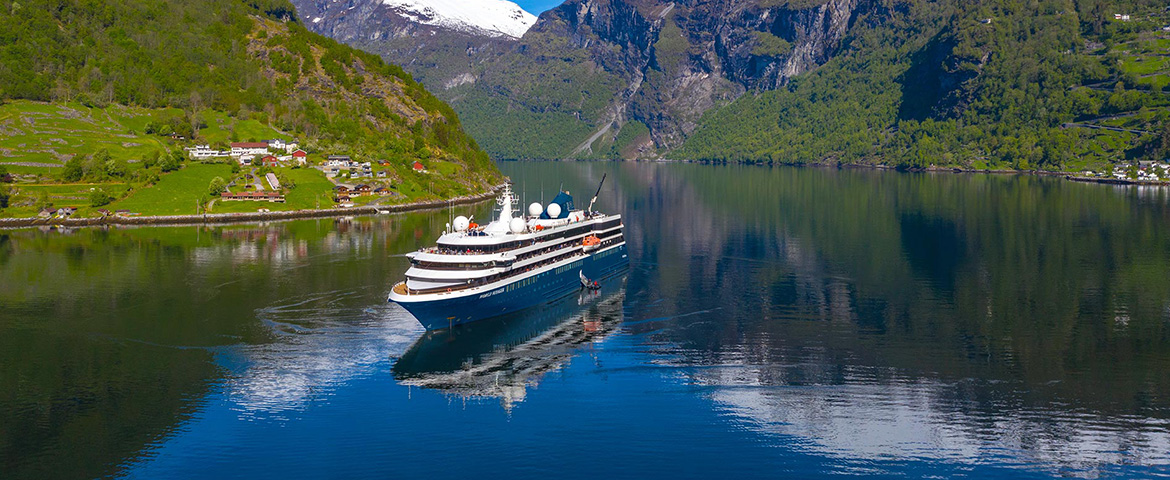
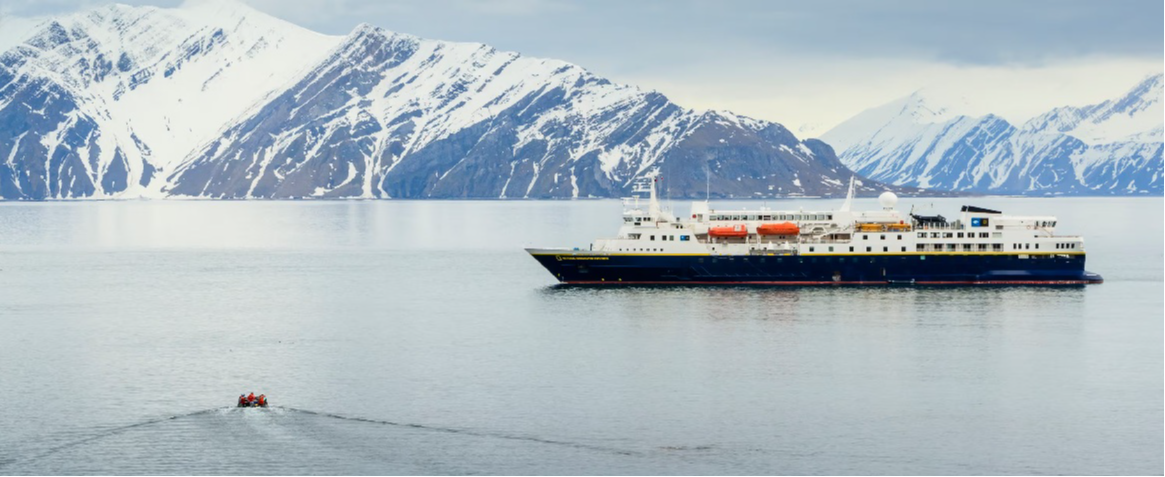
Long before the quay, it is a mountain that announces Djúpivogur. Búlandstindur raises its almost perfect pyramid at 1,069 metres above Berufjörður, and its silhouette accompanies the ship throughout the approach. At its feet, a handful of coloured houses string around a basin where a few fishing boats swing. The village counts fewer than 500 residents; the port-call thus happens at human scale, at the pace of wind and bird cries. Depending on the ship's size, you moor at the Gleðivík quay, about ten minutes' walk from the centre, or disembark by tender close to the first houses.

A Danish Trading Post Become Café

The place's elder is called Langabúð. This long black wooden structure facing the basin dates to 1790, making it one of Iceland's oldest preserved commercial buildings. In the era of the Danish monopoly, wool, dried fish and goods from Copenhagen were traded there. The trading post today houses a café and small exhibitions devoted to local history and the region's artists. Settling near a window with a coffee and pastry, while mist clings to the fjord's slopes, ranks among this port-call's simple pleasures.

The Granite Eggs of Gleðivík

Running the shore toward Gleðivík Cove, you stumble on one of the country's most singular public artworks: Eggin í Gleðivík, "the eggs of the happy bay." Icelandic artist Sigurður Guðmundsson has lined up 34 granite eggs on old industrial pedestals, each representing a bird species nesting in the region, each respecting the real proportions of its egg—from the tiny wren to the eider duck. The work invites walking past like an open-air lesson in nature, everyone seeking their favourite bird. The walk to the eggs, facing the fjord, takes about twenty minutes from the centre and sums up the spirit of the place: here, art, nature and daily life share the same shore.

Birds, Seals and Puffin Island

Djúpivogur was the first Icelandic village to join the international Cittaslow network, which advocates human-scale development, and the surrounding nature bears out that choice. The mudflats and ponds bordering the village attract a profusion of birds: Arctic terns, oystercatchers, divers and sea ducks let themselves be observed steps from the houses. Offshore, the island of Papey, today uninhabited, served as a refuge for monks from Ireland before the Viking era, tradition holds; in summer, thousands of puffins dig their burrows there. Boat sorties lead there when conditions permit, often crossing seals en route. Mineral enthusiasts will also find happiness: the region is renowned for its stones, notably zeolite, displayed in a local collection.

Organising Hours Ashore

  • One hour: the basin, Langabúð and the village laneways.
  • Two to three hours: add the walk to Gleðivík's eggs and bird watching.
  • Half-day: a sortie to Papey or an excursion along Berufjörður, between waterfalls and mountains.

The Pyramid in the Rearview

Local belief holds that Búlandstindur grants wishes on summer solstice. Wish granted or not, the mountain makes each visitor a gift anyway: that of a peaceful port-call, where one relearns to walk slowly and look long. When the ship returns offshore and the pyramid fades in the fjord's light, many passengers remain on deck, silent, watching it disappear.

Frequently Asked Questions

It depends on the ship's size. Vessels that can berth use the Gleðivík quay, about ten minutes' walk from the centre; others tender passengers ashore right beside the first houses. Either way, no shuttle is needed.
Entirely. The village has fewer than 500 residents and everything is walkable: the harbour basin, the lanes, Langabúð, and the twenty-minute stroll out to the Gleðivík eggs. Only boat trips and excursions along Berufjörður call for transport.
Búlandstindur, rising 1,069 metres above Berufjörður, its near-perfect pyramid escorting the ship throughout the approach. Local belief holds that it grants wishes at the summer solstice.
The village's oldest building: a long black timber structure facing the harbour, dating from 1790 and one of the oldest surviving trading houses in Iceland. Under the Danish trade monopoly, wool, dried fish and goods from Copenhagen changed hands here. Today it holds a café and small exhibitions on local history and regional artists.
Eggin í Gleðivík, "the eggs of the merry bay", a work by Icelandic artist Sigurður Guðmundsson: 34 granite eggs set on old industrial bases along the shore. Each represents a bird species that nests in the district and keeps the true proportions of its egg. Allow about twenty minutes on foot from the centre.
Yes, a few steps from the houses. The mudflats and ponds edging the village draw Arctic terns, oystercatchers, divers and sea ducks. It is one of the Icelandic calls where birdwatching needs neither a boat nor a long drive.
An island now uninhabited which, according to tradition, sheltered monks from Ireland before the Viking age. In summer thousands of puffins dig their burrows there. Boat trips run out when conditions allow, often passing seals on the way — but the weather has the final say.
One hour covers the harbour, Langabúð and the village lanes. Two to three hours add the walk to the Gleðivík eggs and some birdwatching. Half a day opens up Papey or an excursion along Berufjörður, between waterfalls and mountains.
Because it was the first in Iceland to join that international network, which promotes development on a human scale. You feel it: art, nature and daily life share the same shoreline here, and the call runs to the rhythm of wind and birdcalls rather than a schedule.
The Icelandic króna and Icelandic. Cards work everywhere, including the Langabúð café and the local mineral collection — the district is known for its stones, particularly zeolite. English is spoken easily; French rarely.