Aburatsu-Nichinan Japan Miyazaki

73 Cruises availables At departure or passage at this port

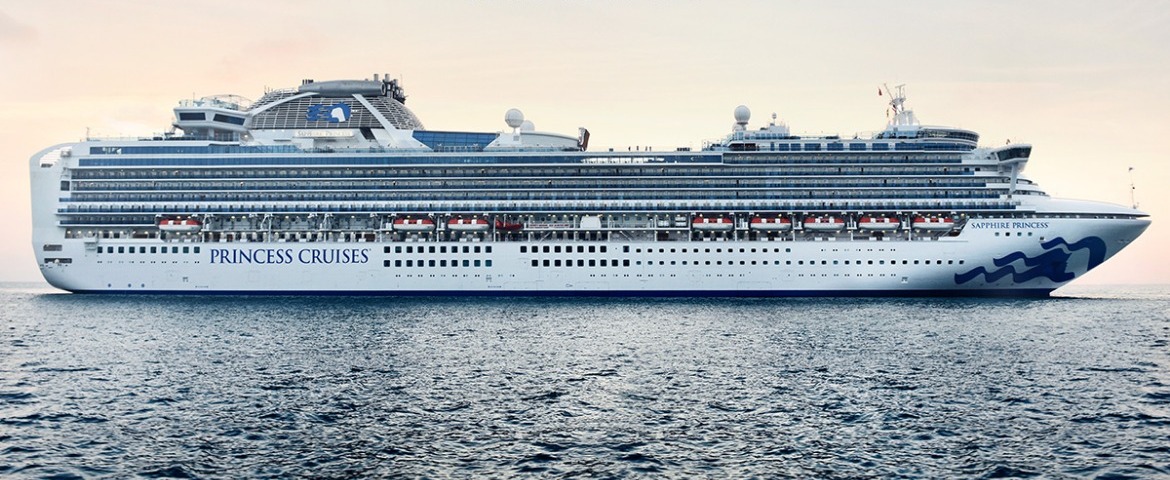
Princess Cruises (27 Cruises)

Port of Aburatsu, Nichinan, Japan | Cruise Port Guide

The coast of Nichinan has the air of a forgotten Japanese Riviera, off the beaten tour trail: a road winding between pines and palms, small islands resting on a deep blue Pacific, fishing villages clinging to coves. It is in this setting of southern Kyushu that the ship moors at Aburatsu, a small port in Miyazaki Prefecture that has become, almost by surprise, an appreciated stop on Japanese itineraries. Once prosperous through fishing and the precious timber trade of Obi, the region has retained a peaceful pace that you savour all the more in a single day.

A Dock in Direct Touch with the Region

Ships dock directly at Aburatsu Port, whose facilities have been modernised to welcome large cruise ships. The centre of the small town is reached in minutes; shuttles generally connect the dock to Aburatsu and Nichinan stations, from which trains and buses serve the coast. Taxis and organised excursions round out the options for exploring more distant sites.

Obi: The "Little Kyoto" of Kyushu

About 20 minutes inland by road, the former castle town of Obi deserves pride of place in your day. Behind the great Ote-mon Gate, reconstructed to original specifications, stretch stone walls, samurai residences and carefully tended gardens from the Edo period. The Itō clan ruled this fief for fourteen generations, and its history is recounted in the small museum adjoining the castle site. The gridded streets have kept their white walls and canals where coloured carp swim; you wander among family shops and workshops, far from any rush. The place merits two good hours, camera in hand.

Udo-jingū: The Shrine in the Sea Cave

About 40 minutes from the dock, the Udo Shrine occupies one of Japan's most spectacular shinto sites: a cave opened into a cliff face, facing the Pacific as it beats the rocks below. You descend by stairs cut into the stone wall, between vermilion torii gates and sea spray, while waves echo beneath the rocky vault. Local tradition invites you to toss small clay good-luck balls toward a cavity in the rock: success is said to promise fortune in love and business. Even without a direct hit, the view handsomely rewards the journey.

Moai Facing the Pacific

Along the same coast, Sun Messe Nichinan park displays seven moai replicas, created with official permission from Easter Island—the only ones in the world to have it. The hill that bears them overlooks the ocean and composes one of the prefecture's most photographed panoramas. It is the day's moment of ease, between two more solemn sites, with happiness bells to ring and Miyazaki mango ice cream as reward.

Day Planning Guide

SiteTravel time from dock
Aburatsu centre and shopping streetA few minutes on foot or by shuttle
Obi castle quarter20 to 30 minutes
Udo ShrineAbout 40 minutes
Sun Messe NichinanOn the way to Udo

By day's end, there is always time to taste the local speciality: bonito, which crews have landed here for generations, served grilled or raw at counters near the port, or obi-ten, a fish cake that you eat warm in the streets of Obi. The ship then slips its moorings along a coast ablaze at sunset, and you find yourself noting Miyazaki on the list of regions where you will return to take your time.

Frequently Asked Questions

Directly at Aburatsu port, whose facilities were upgraded to take large cruise ships. The small town centre is a few minutes away, and shuttles usually link the quay to Aburatsu and Nichinan stations.
Obi, the former castle town about twenty minutes inland, deserves top billing and a good two hours. Udo shrine, forty minutes in the other direction, needs about as much. Doing both on a short call means rushing: pick one.
For its grid of white-walled streets, samurai residences and Edo-period gardens, preserved behind the great Ote-mon gate. The Ito clan ruled here for fourteen generations. Coloured carp swim in the canals running alongside the lanes.
A Shinto shrine set inside a cave opening in a cliff face, looking out on the Pacific. You descend by steps cut into the rock, between vermilion gates and sea spray, with the waves echoing under the vault. Tradition invites you to toss small clay luck balls toward a hollow in the rock.
Not really. Access is by steps cut into the cliff, down and then back up, often damp with spray. Visitors with reduced mobility or unsure on stairs would do better to choose Obi, whose castle district is flat.
Sun Messe Nichinan park lines up seven moai replicas made with the official authorization of Easter Island, the only ones in the world to hold it. The hill they stand on overlooks the ocean and forms one of the prefecture's most photographed views. It is the easy stop of the day, on the way to Udo.
Bonito, landed here by fishing crews for generations, grilled or raw at the counters near the port. In Obi's streets, obi-ten, a fish fritter eaten warm. And Miyazaki mango ice cream, the prefecture's unapologetic specialty.
Yes, particularly Sun Messe Nichinan and the Obi castle district, both easy to walk. Children take to the carp in Obi's canals and the happiness bells at the park. Udo asks more of the legs.
The Japanese yen and Japanese. English remains rare in this part of southern Kyushu, even at tourist sites. Bring cash for Obi's family shops and the port counters, which do not all take cards.
Spring and autumn. Kyushu's summer is hot and very humid, and typhoon season runs from July to October, with a real risk of itinerary changes. The palms along the Nichinan coast give it a tropical look year-round.