Sapporo-Otaru Japan Shiribeshi
51
Cruises availables
At departure or passage at this port
Azamara Club Cruises (4 Cruises)
Azamara Pursuit
4 Cruises
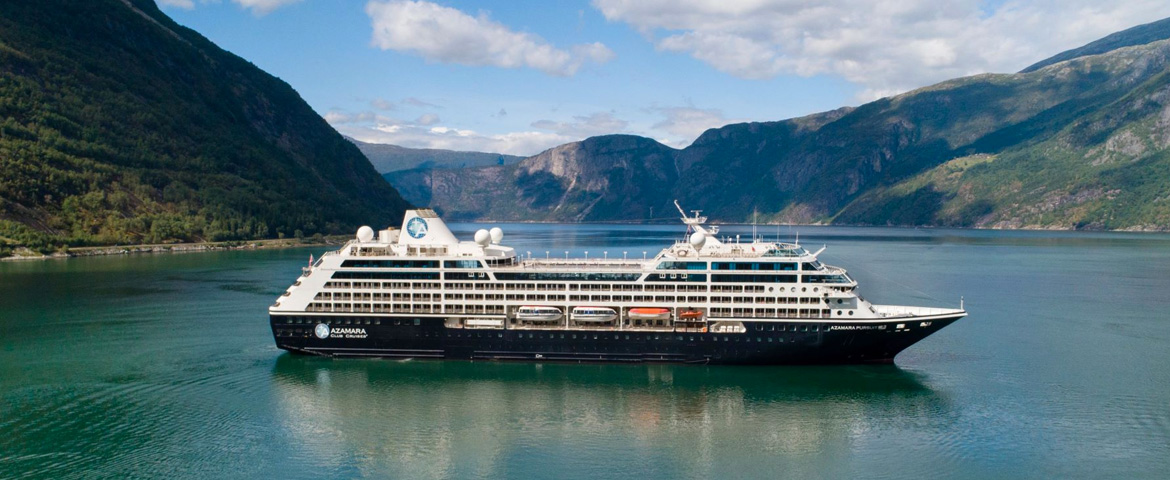

Carnival Cruise Line (1 Cruises)
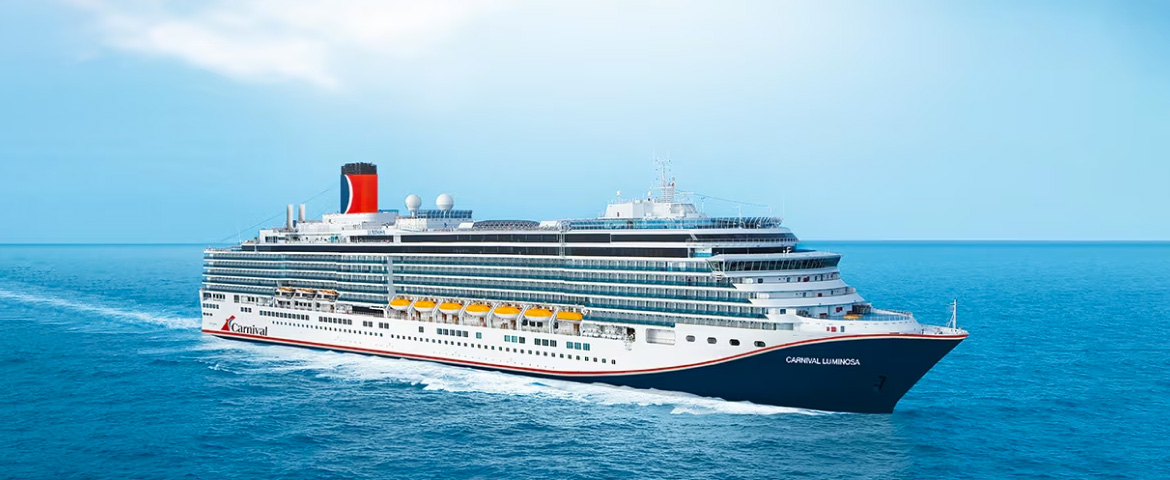

Holland America Line (3 Cruises)
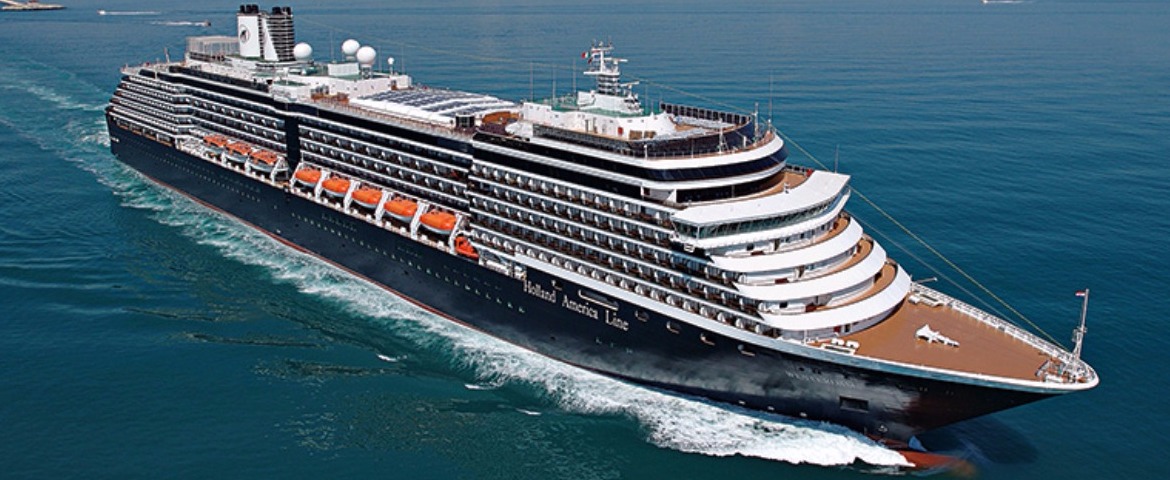

Lindblad Expeditions (5 Cruises)


Oceania Cruises (2 Cruises)
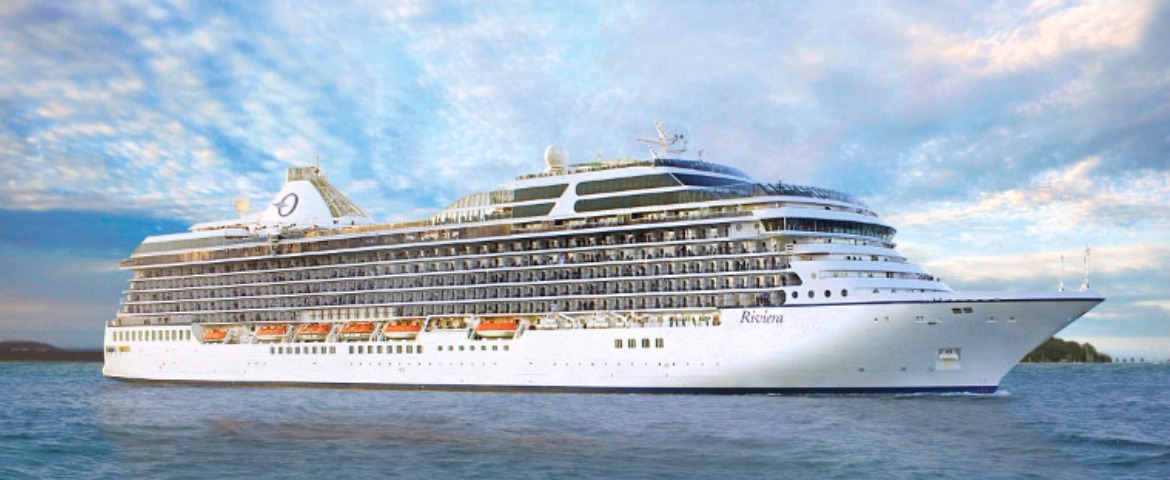

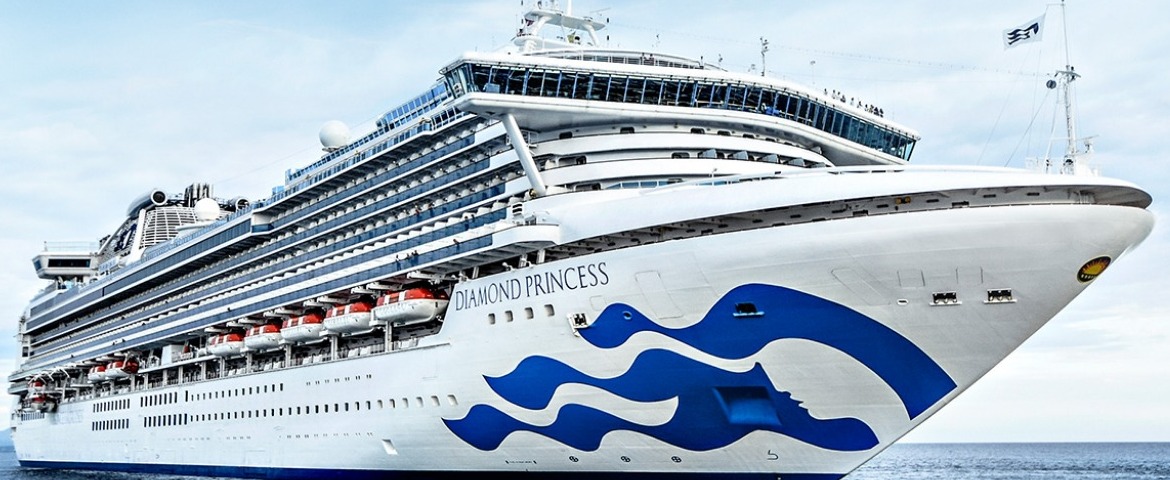
Princess Cruises (3 Cruises)

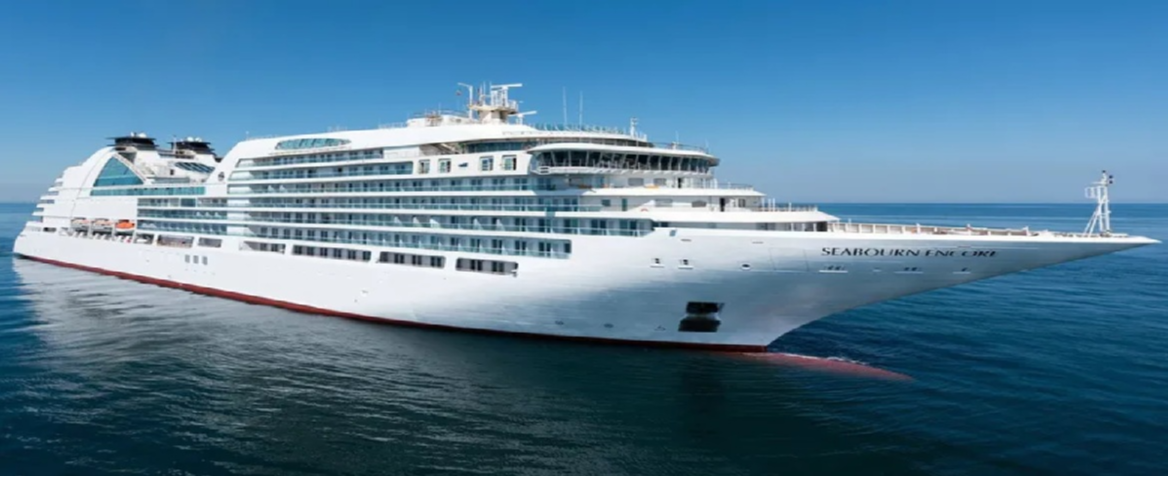
Seabourn Cruise Line (3 Cruises)

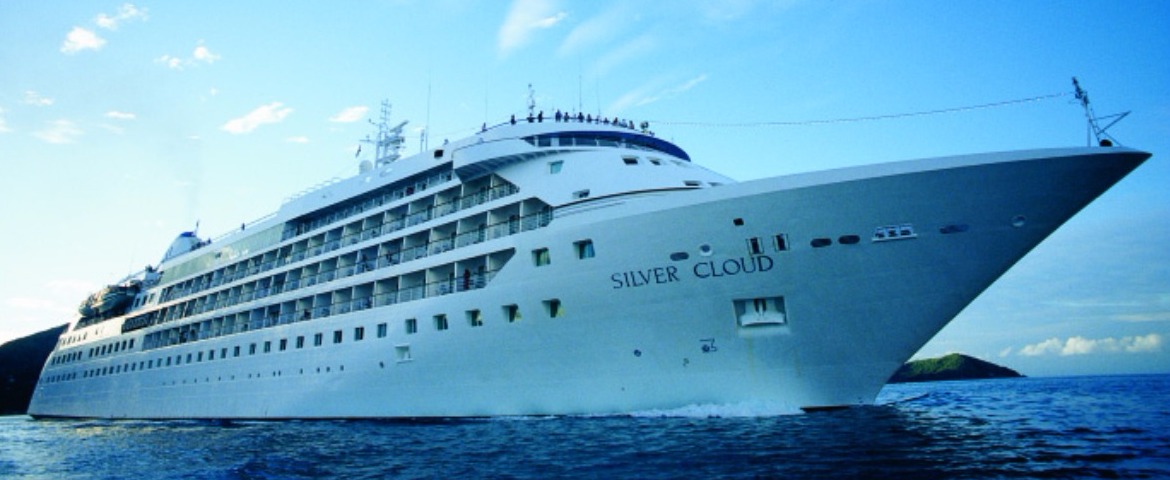
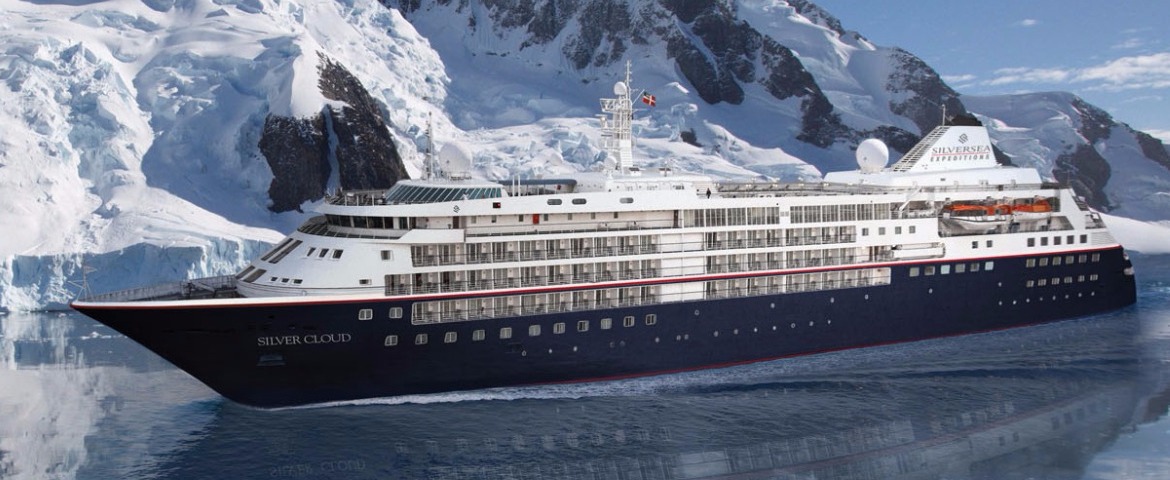
Silversea Cruises (4 Cruises)

Viking Ocean Cruises (26 Cruises)
Viking Orion
12 Cruises
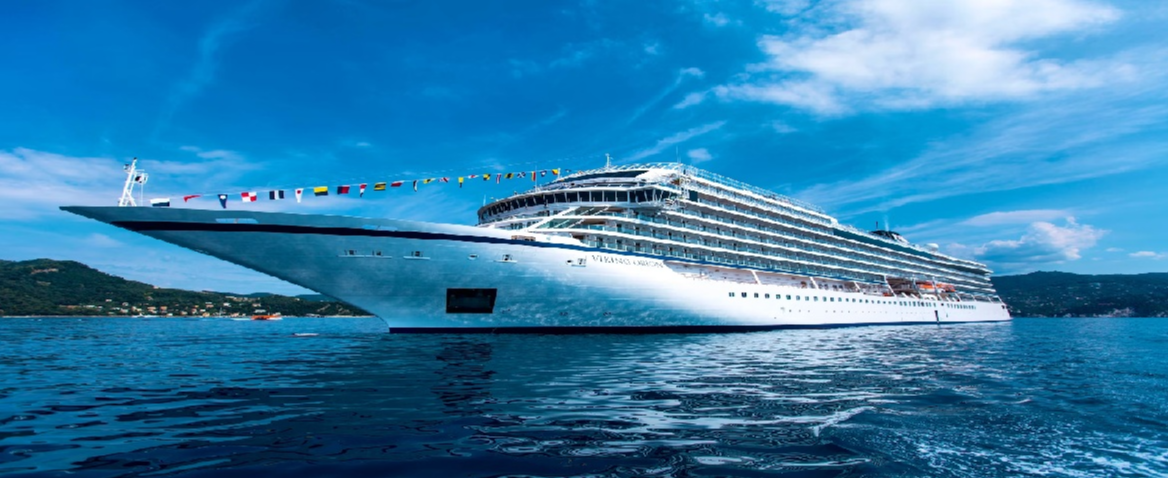

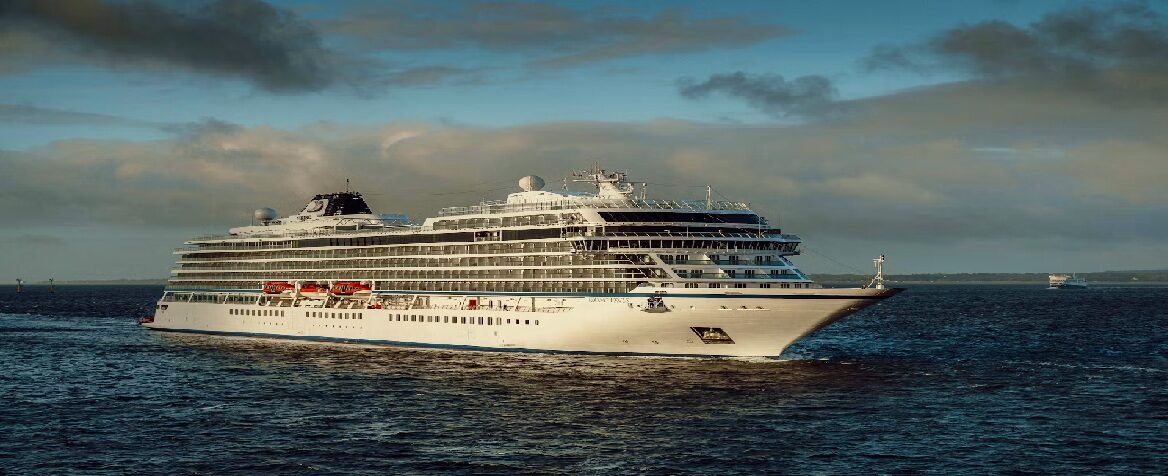
Viking Venus
14 Cruises
| 1 March | 90 nights | One-way from Auckland to Vancouver |
450-628-6241
Call us
|
| 14 March | 77 nights | One-way from Sydney to Vancouver |
450-628-6241
Call us
|

Otaru (Sapporo), Japan | Cruise Port Guide
Frequently Asked Questions
Ten to fifteen minutes on foot separate the gangway from the canal, and that proximity changes everything. The call runs with no coach and no queue: you step off, you walk, and the historic district appears along the water.
Everything is walkable: the promenade along the canal and its stone warehouses, Sakaimachi Street and its shop windows, then a sushi counter. Allow an hour or two for Sakaimachi alone, more if the shops catch you.
Its old stone and brick warehouses, dug in to serve merchant ships and now converted into restaurants, galleries and breweries. Early in the morning, before the crowds, the still water reflects the facades and old lanterns, and only the gulls break the quiet.
Yes, guided cruises of about forty minutes give a perspective right at water level. Guides describe the era when cargo passed straight from ships into the warehouses, when the town was one of northern Japan's financial centres.
Five minutes from the canal, this commercial spine of the old quarter lines up Taisho-era buildings occupied by glassblowers, music box makers, patisseries and sake houses. The music box museum and its steam clock add a nostalgic note.
Because fishing floats and marine lamps were made here in the herring days. The craft outlived the fishery and now appears as objects of every size in the workshops of Sakaimachi Street.
Almost anywhere: the port claims more than a hundred sushi restaurants, supplied each morning by the local auctions. Sea urchin, Hokkaido scallops, crab and salmon make up assortments of a freshness hard to match, and downtown counters also serve seafood rice bowls.
Yes, the JR line links Otaru to Sapporo in about thirty minutes along the coast on rapid trains. The round trip combines with a half-day in the historic district, provided you keep an eye on the all-aboard time.
The sloping lanes climbing towards the residential districts: wooden houses, mossy staircases, cats asleep on low walls and glimpses of the harbour between rooftops. On the way down you almost always find a patisserie or a coffee roaster in a century-old building.
The canal and Sakaimachi Street are flat and easy. It is the residential lanes that climb steeply, with mossy stairs, and those remain optional. In winter, snow and ice on the paving call for care.


