Acapulco Guerrero, Mexico Riviera

65 Cruises availables At departure or passage at this port

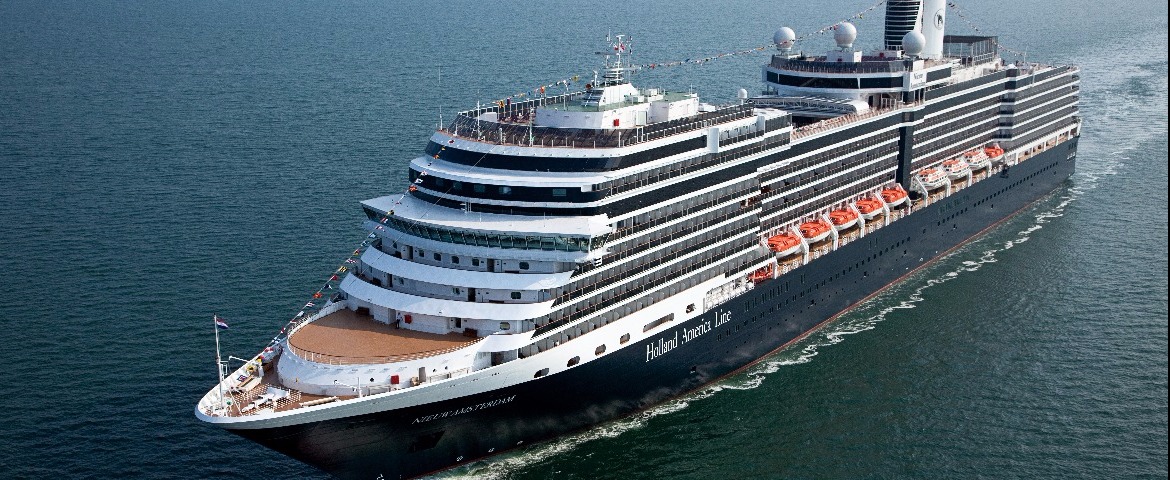
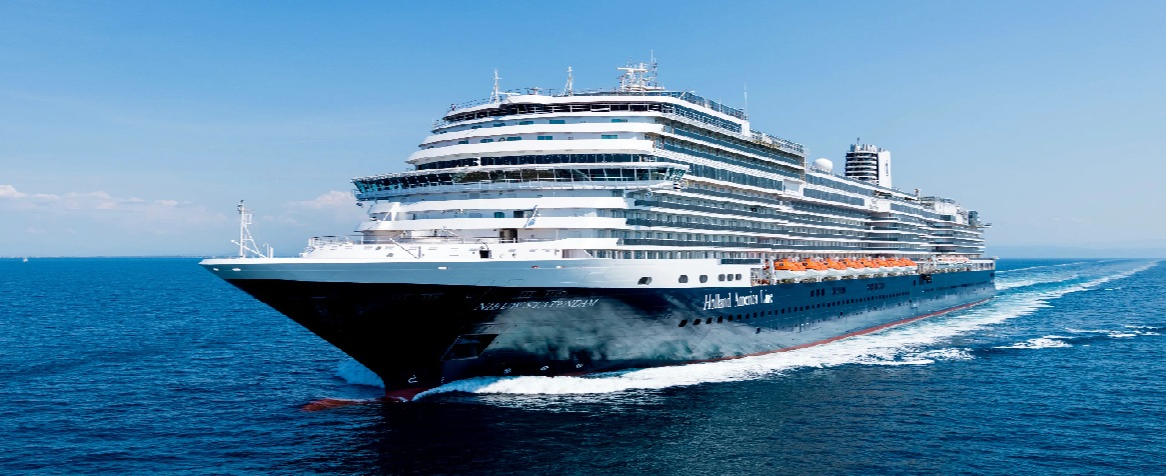
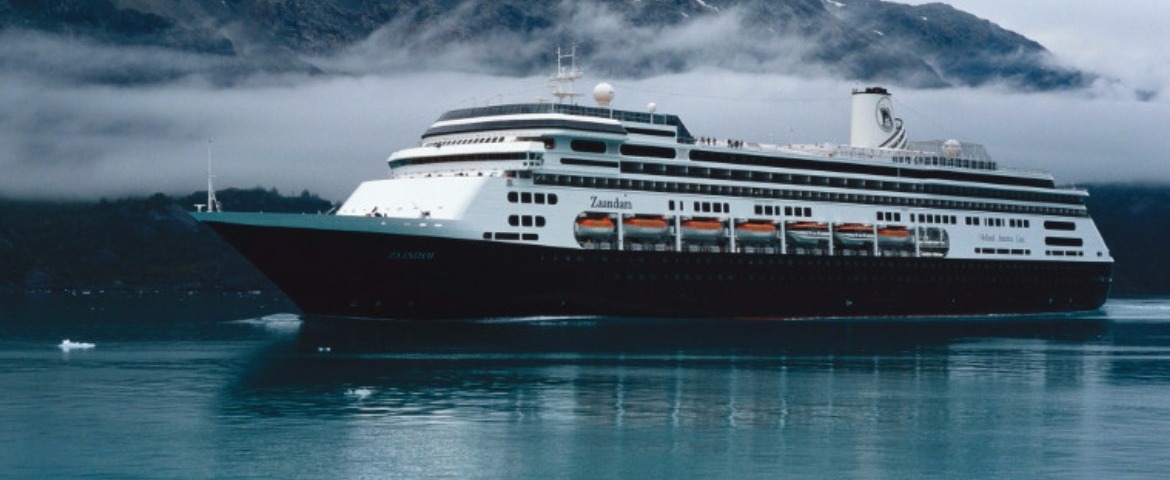
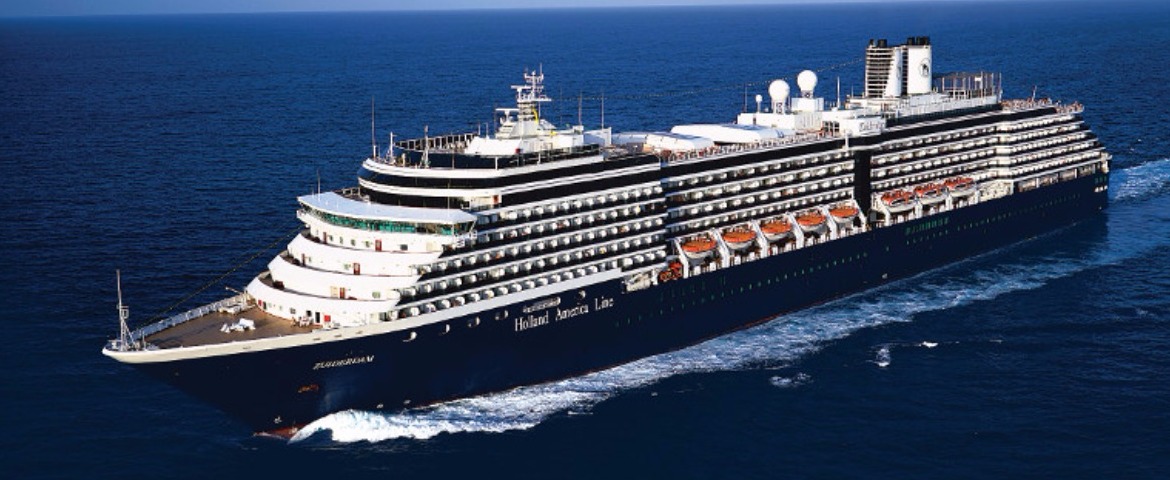
Holland America Line (15 Cruises)
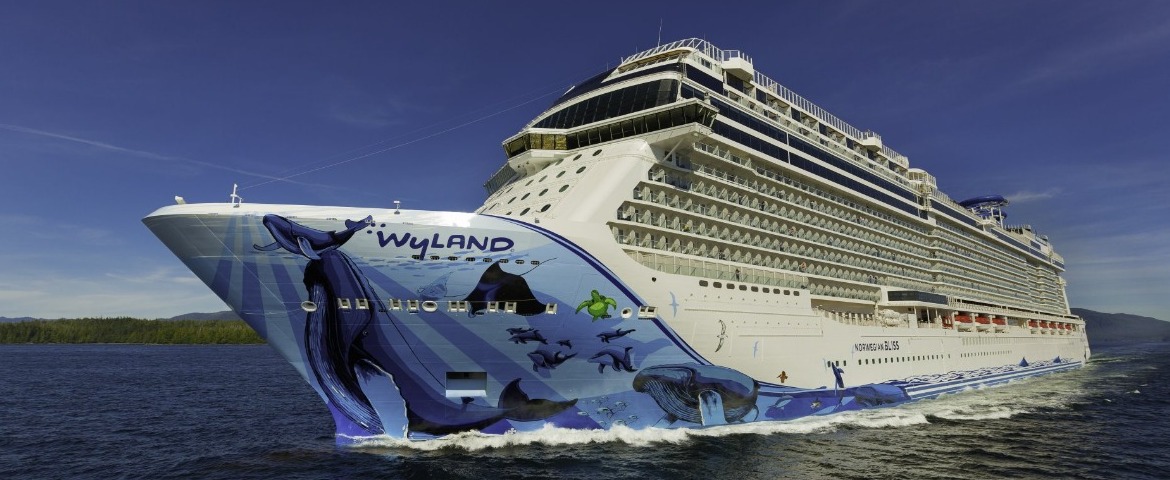
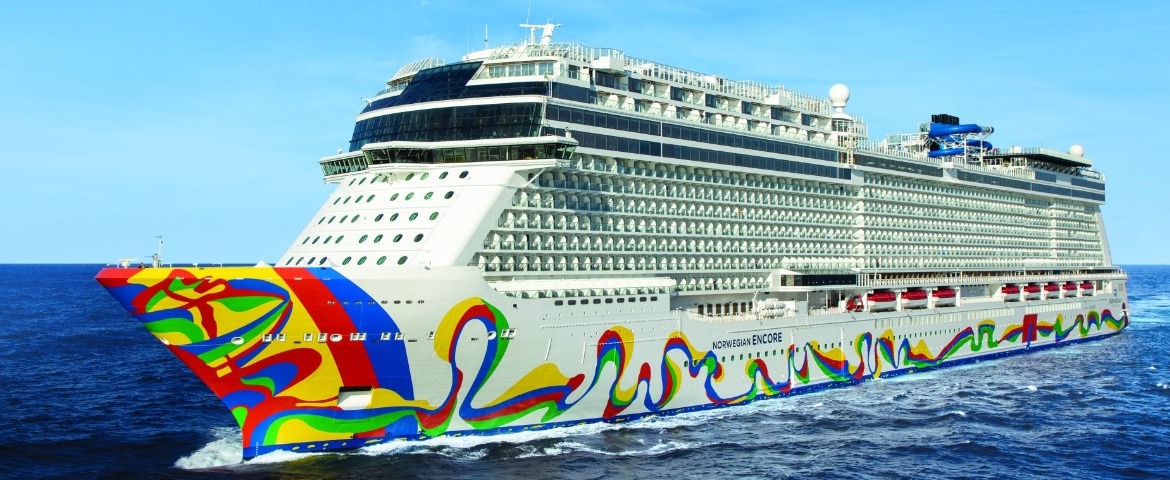
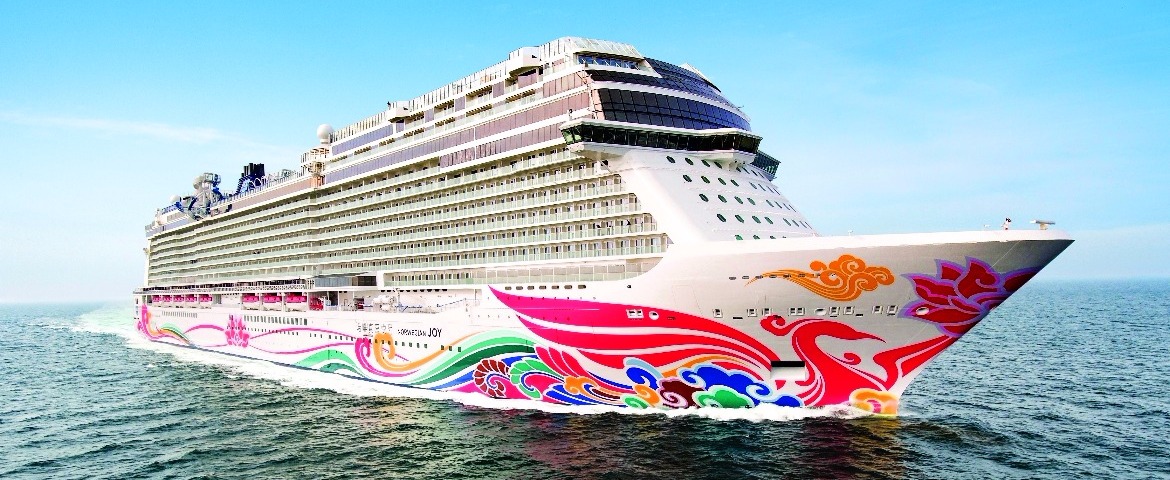
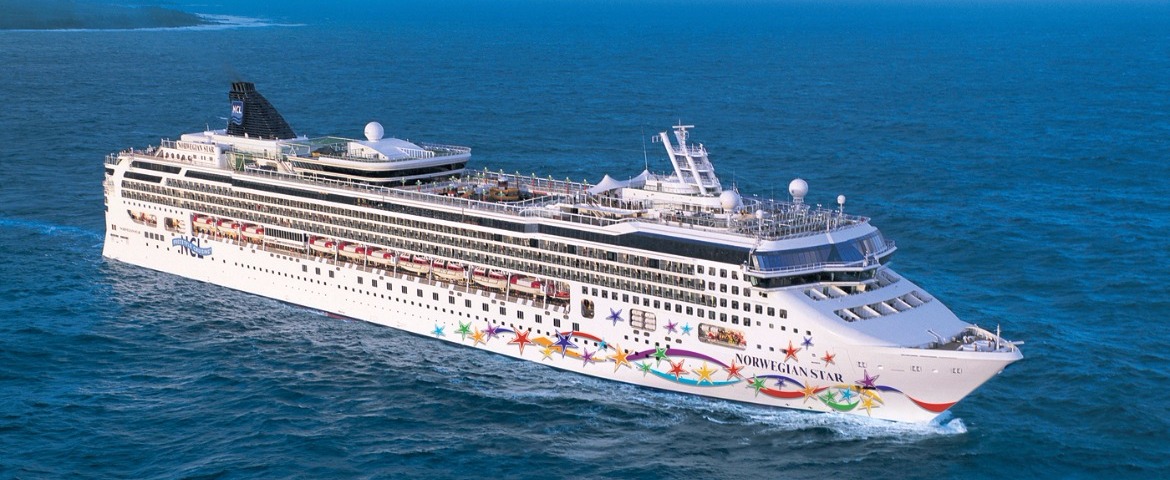
Norwegian Cruise Line (26 Cruises)

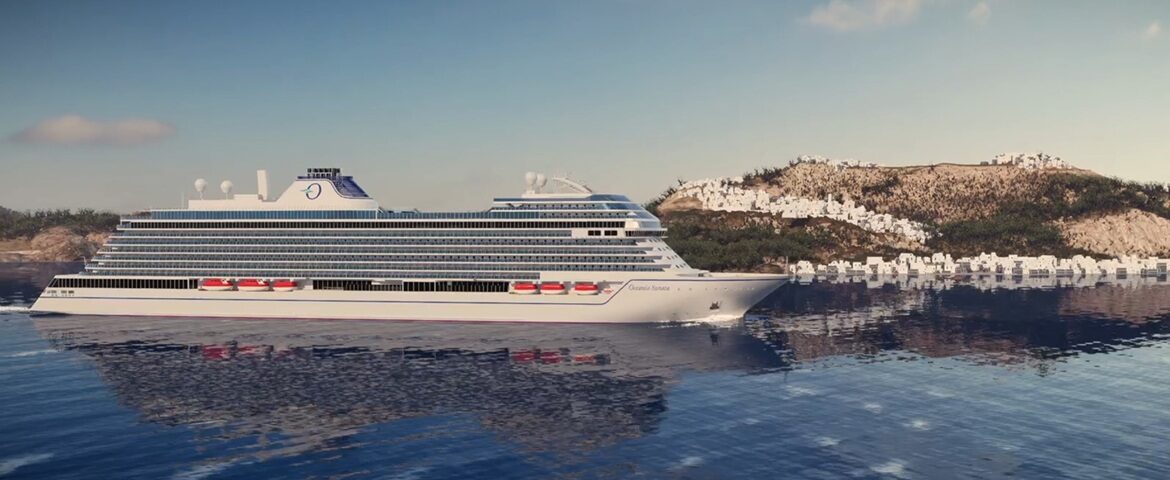
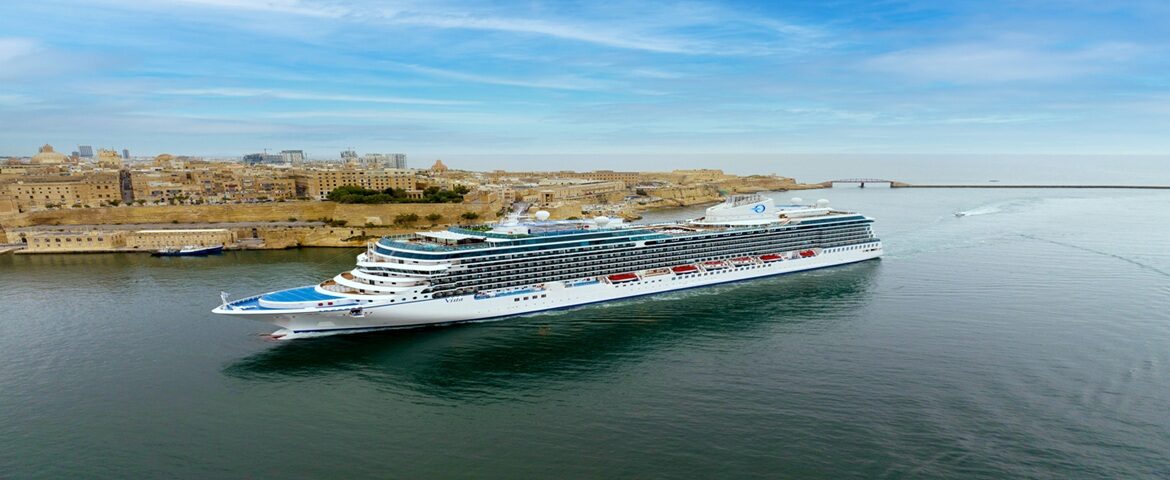
The bay opens suddenly, almost circular, bordered by hills where buildings climb in tiers. The ship glides toward Terminal Marítima, planted in the heart of old Acapulco. No shuttle needed: the gangway opens directly onto streets that built the legend of Mexico's Pacific coast in the 1950s, when Hollywood stars spent winters here.

Fort San Diego: Sentinel of the Pacific

About 10 minutes' walk from the dock, a five-pointed star fortress dominates the harbour. Fort San Diego once protected the Manila Galleon, the ship laden with silk and spices that linked Acapulco to the Philippines for two and a half centuries. The history museum housed in its chambers tells this transpacific trade, pirate attacks and earthquakes that shaped the region. From the ramparts, the gaze sweeps across the entire bay, with ships below.

The Zócalo and Its Market

On returning to the centre, the main square appears beneath a canopy of banyan trees offering dense shade, precious by mid-morning. The Cathedral of Nuestra Señora de la Soledad borders it with its singular façade, crowned with blue domes that evoke Byzantium more than colonial Mexico. Around it, shoe shiners, juice kiosks and domino players compose a daily scene with nothing touristy about it. The central market, a few streets away, lines dried chillies, mangoes and fish stalls in joyful cacophony.

La Quebrada: The Leap into the Void

A taxi ride of 5 to 10 minutes leads to the destination's most famous spectacle. Since 1934, cliff divers have launched themselves from a 35-metre cliff into a narrow cove, timing their plunge to the rhythm of the waves. They climb the wall bare-handed, pause before a small chapel, then dive beneath the eyes of spectators massed on viewpoints. The precision of the movement, passed from father to son, impresses far more than any modern attraction.

The Malecón and Life on the Bay

Between visits, the waterfront promenade connects the landing to the rest of the old centre. Vendors of iced coconut rub shoulders with sport-fishing agencies—marlin and sailfish built the fame of these waters—and shaded benches offer a perfect observation post for the ballet of boats. During the week, it is mainly residents you encounter, proof that old Acapulco belongs first to those who live there.

Caleta and Roqueta Island

Travellers wishing to end the port call with feet in the water make for the twin coves of Caleta and Caletilla, south of the old town. This is where Hollywood's elite swam in the golden age. The water remains calm here, Mexican families gather on weekends, and small glass-bottomed boats make the crossing to Roqueta Island, a few hundred metres offshore, to observe the seabed or walk to its lighthouse.

Practical Guide

From the landingDistance or timeHow to get there
Fort San DiegoAbout 800 metres, 10 minutesOn foot
Zócalo and market10 to 20 minutesOn foot
La Quebrada5 to 10 minutesTaxi
Caleta and CaletillaAbout 15 minutesTaxi

The old centre is easily explored on foot on flat ground. For La Quebrada and the coves, agree on the taxi fare before boarding.

Before Returning to Your Ship

Acapulco still bears the imprint of its great age, that of galleons and of the jazz of hotels perched on hillsides. Walking back toward the ship along the waterfront, you pass fishermen repairing their nets where the riches of Asia once docked. Four centuries of maritime traffic fill this bay, and a few hours suffice to grasp its echo.

Frequently Asked Questions

At the Terminal Marítima, right in the heart of old Acapulco. No shuttle is needed: the gangway leads straight onto the streets of the historic centre, the ones that made this Pacific coast famous in the 1950s.
Yes for the old centre, which is flat and compact. Fort San Diego is about ten minutes' walk, the zócalo and central market slightly further. For La Quebrada and the Caleta coves, take a taxi.
Fort San Diego and the zócalo in the morning, then a taxi to La Quebrada for the cliff divers. If you would rather be in the water, finish at the twin coves of Caleta and Caletilla south of the old town.
The cliff divers' leap. Since 1934 the clavadistas have thrown themselves from a 35-metre cliff into a narrow inlet, timing the jump to the waves. It is five to ten minutes by taxi from the pier. They climb the rock face barehanded and pause at a small chapel before diving.
A five-pointed star fortress and the city's history museum. The fort protected the Manila galleon, the silk-and-spice ship that linked Acapulco to the Philippines for two and a half centuries. From the ramparts the view takes in the whole bay, your ship included.
The Mexican peso. US dollars circulate in tourist-facing businesses, but change comes back in pesos at a rate that works against you. Cards are accepted in centre-city restaurants, much less so at the market.
Spanish. English is used in tourist businesses and by drivers used to cruise passengers, but not at the central market or on the zócalo.
Yes, at the twin coves of Caleta and Caletilla south of the old town. The water stays calm, Mexican families gather there on weekends, and small glass-bottom boats cross to Roqueta Island and its lighthouse.
Agree on the fare before you get in: taxis have no meters. That is simply how it is done locally, and it applies to La Quebrada as much as to the coves.
December to April, the dry season: reliable weather, bearable heat and calm seas. From June to October, Pacific rains and tropical storms can disrupt the call or the shore excursions.