Kinderdijk Netherlands South Holland
1474
Cruises availables
At departure or passage at this port
AmaWaterways (2 Cruises)
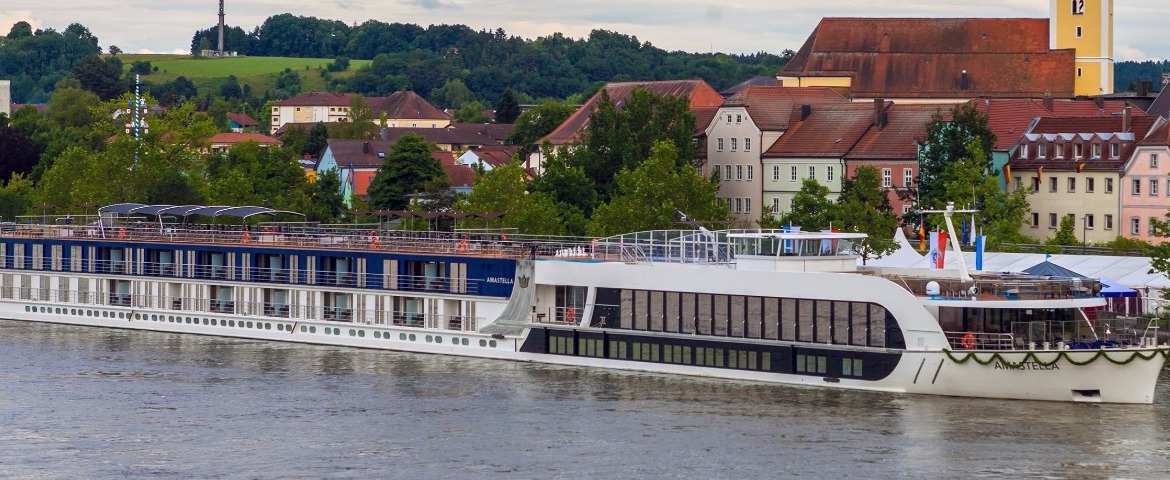

Avalon Waterways (12 Cruises)
Avalon Imagery II®
8 Cruises
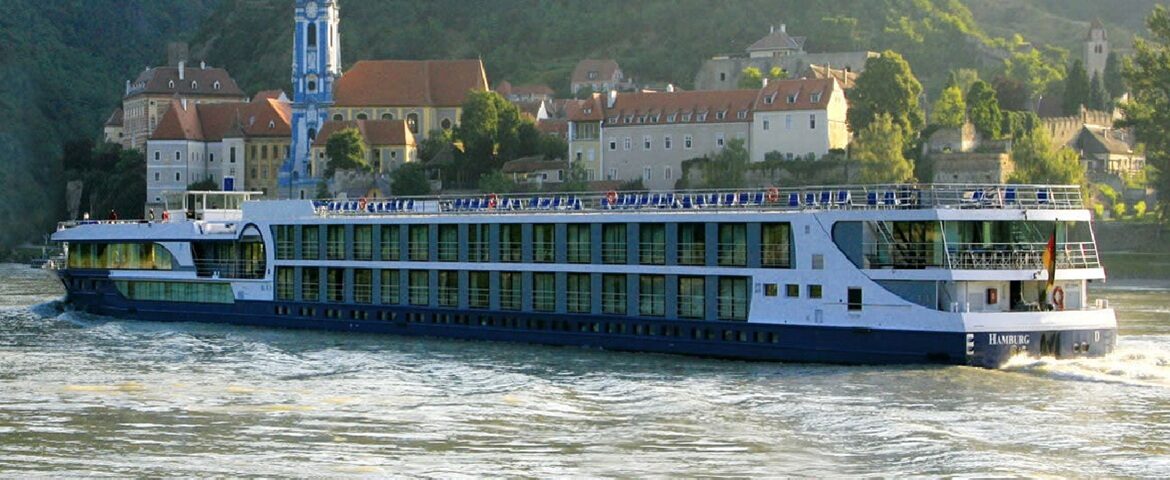

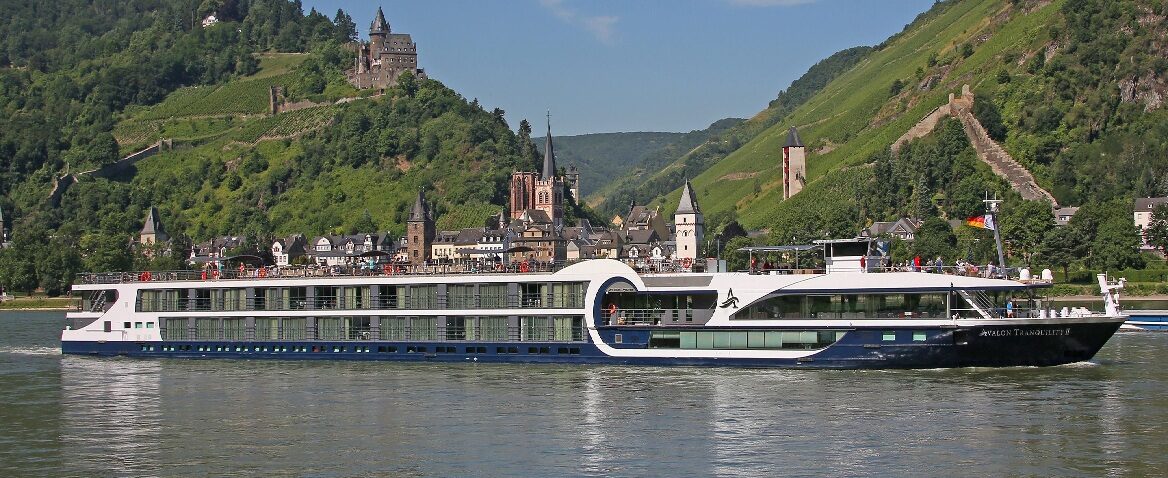
Tauck Cruises (10 Cruises)
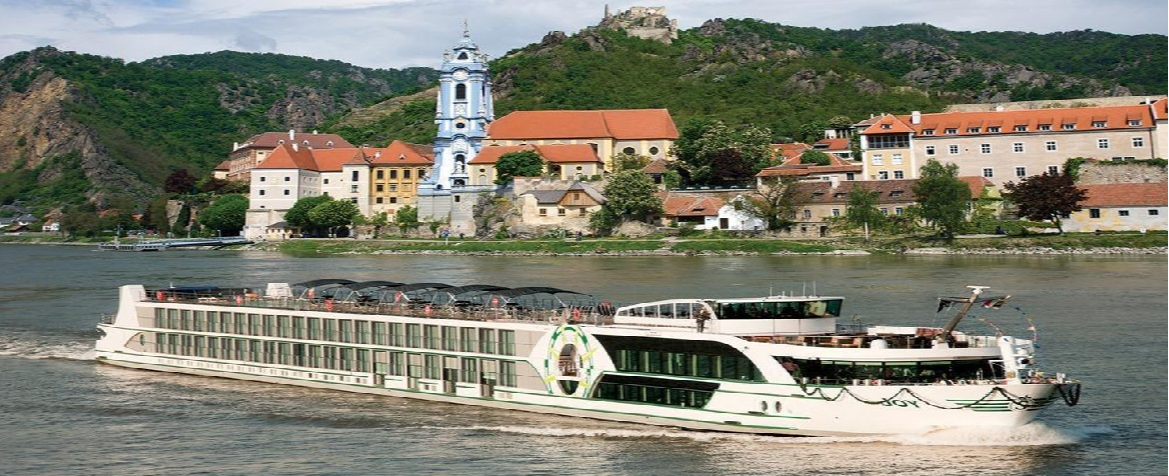
ms Joy
10 Cruises

| 31 March | 9 days | One-way from Brussels to Amsterdam |
450-628-6241
Call us
|
| 31 March | 7 days | One-way from Brussels to Amsterdam |
450-628-6241
Call us
|
Uniworld Boutique River Cruise (8 Cruises)
S.S. Victoria
8 Cruises


Viking River Cruises (1442 Cruises)
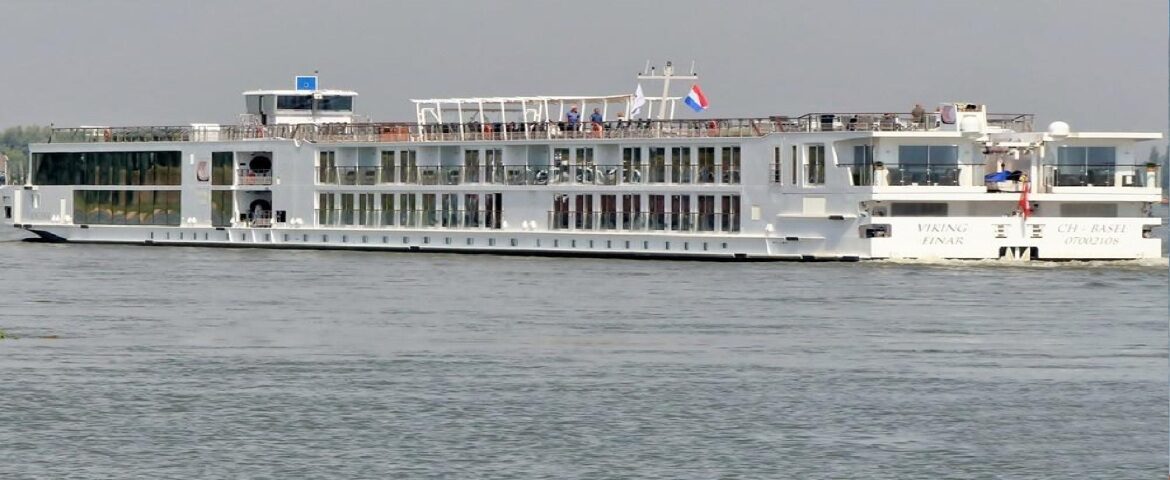
Viking Einar
76 Cruises

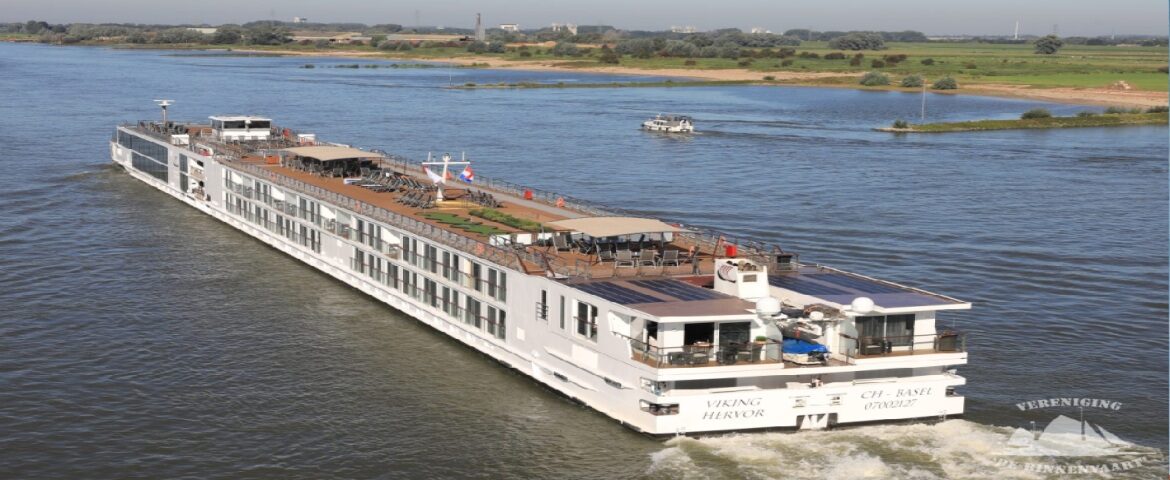
Viking Hervor
79 Cruises
| 18 March | 8 days | One-way from Basel to Amsterdam |
450-628-6241
Call us
|
| 25 March | 8 days | One-way from Amsterdam to Basel |
450-628-6241
Call us
|
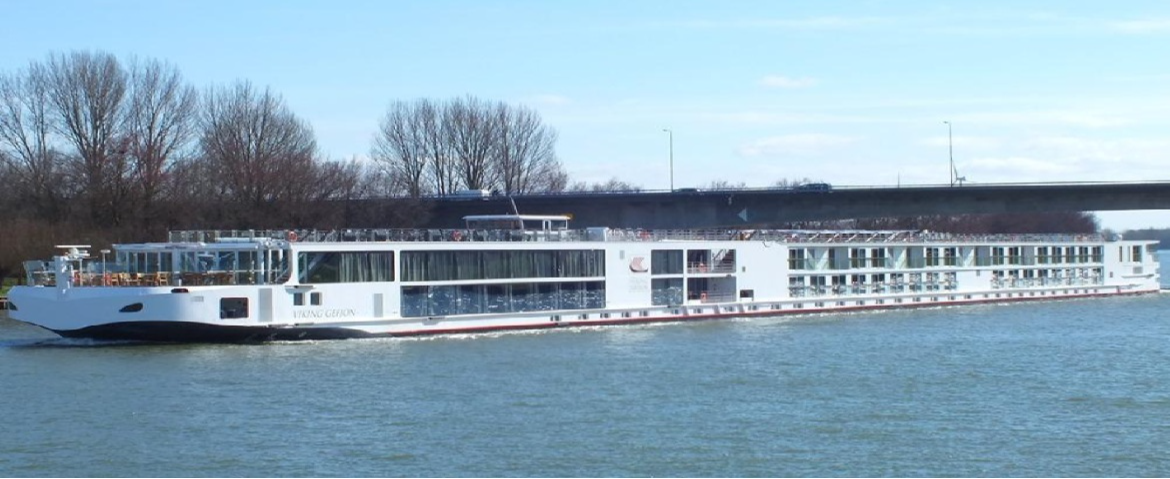
Viking Longship Gefjon
66 Cruises
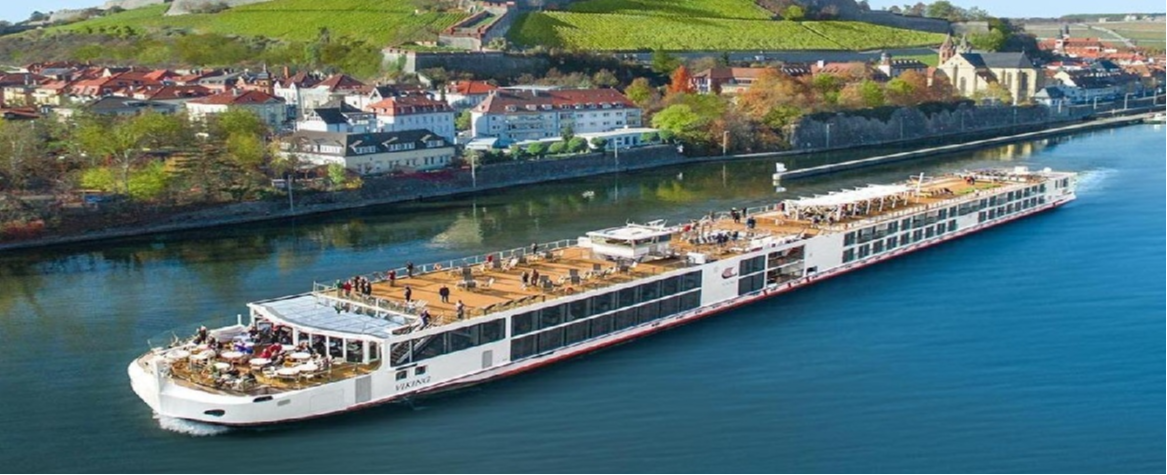
Viking Longships Alruna
64 Cruises
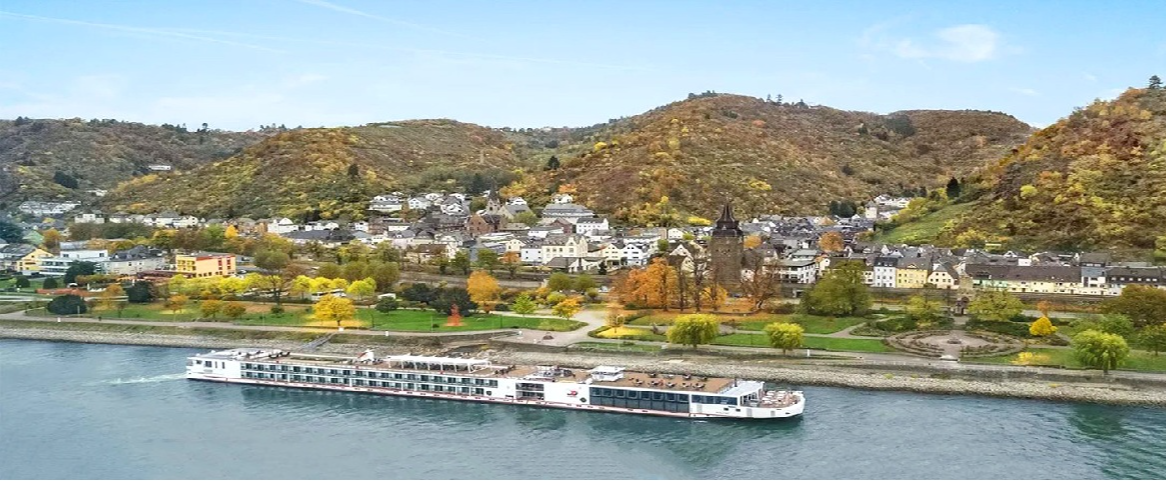
Viking Longships Baldur
22 Cruises
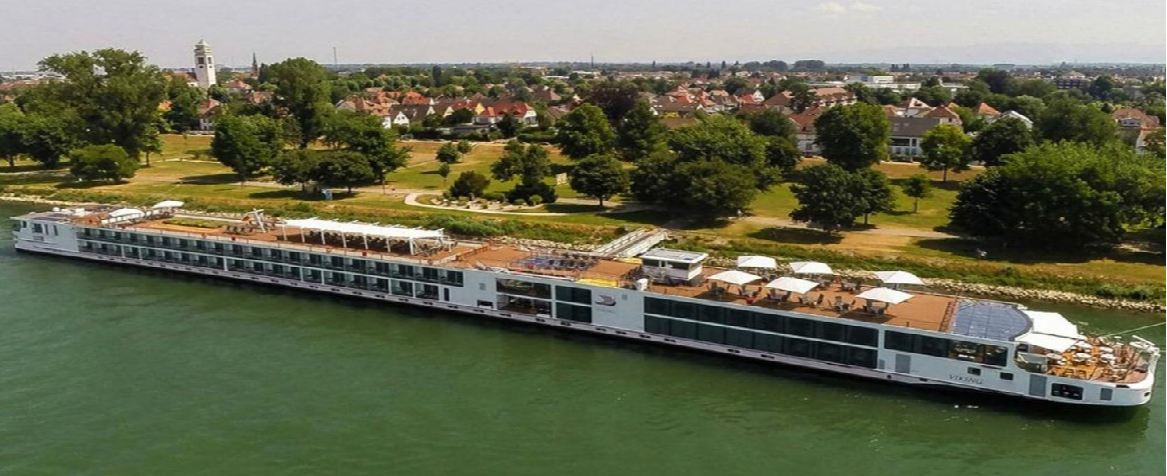
Viking Longships Buri
18 Cruises
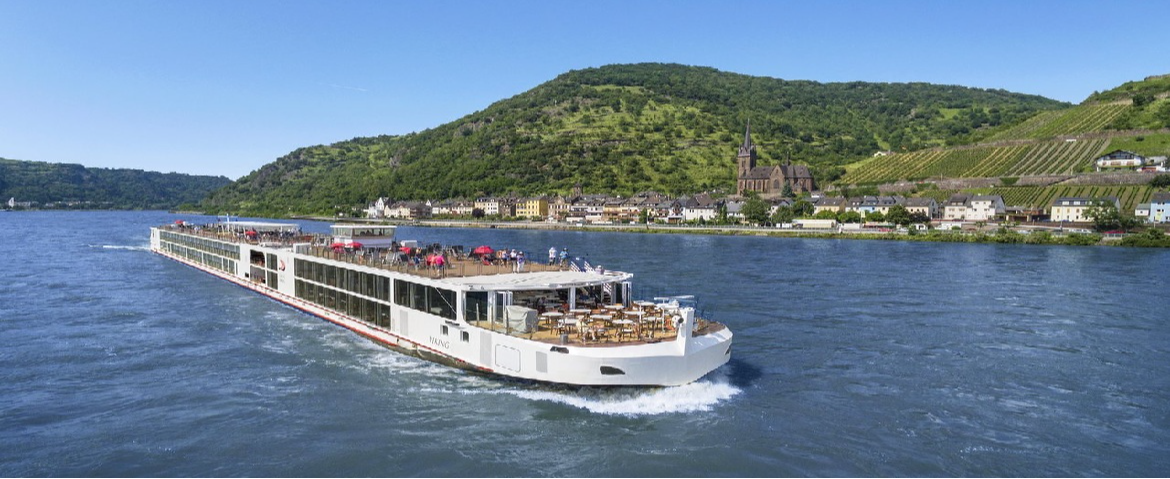
| 11 April | 15 days | One-way from Avignon to Amsterdam |
450-628-6241
Call us
|
| 25 April | 15 days | One-way from Avignon to Amsterdam |
450-628-6241
Call us
|
| 9 May | 15 days | One-way from Avignon to Amsterdam |
450-628-6241
Call us
|
| 23 May | 15 days | One-way from Avignon to Amsterdam |
450-628-6241
Call us
|
| 6 June | 15 days | One-way from Avignon to Amsterdam |
450-628-6241
Call us
|
| 20 June | 15 days | One-way from Avignon to Amsterdam |
450-628-6241
Call us
|
| 4 July | 15 days | One-way from Avignon to Amsterdam |
450-628-6241
Call us
|
| 18 July | 15 days | One-way from Avignon to Amsterdam |
450-628-6241
Call us
|
| 12 September | 15 days | One-way from Avignon to Amsterdam |
450-628-6241
Call us
|
| 26 September | 15 days | One-way from Avignon to Amsterdam |
450-628-6241
Call us
|
Viking Longships Delling
16 Cruises
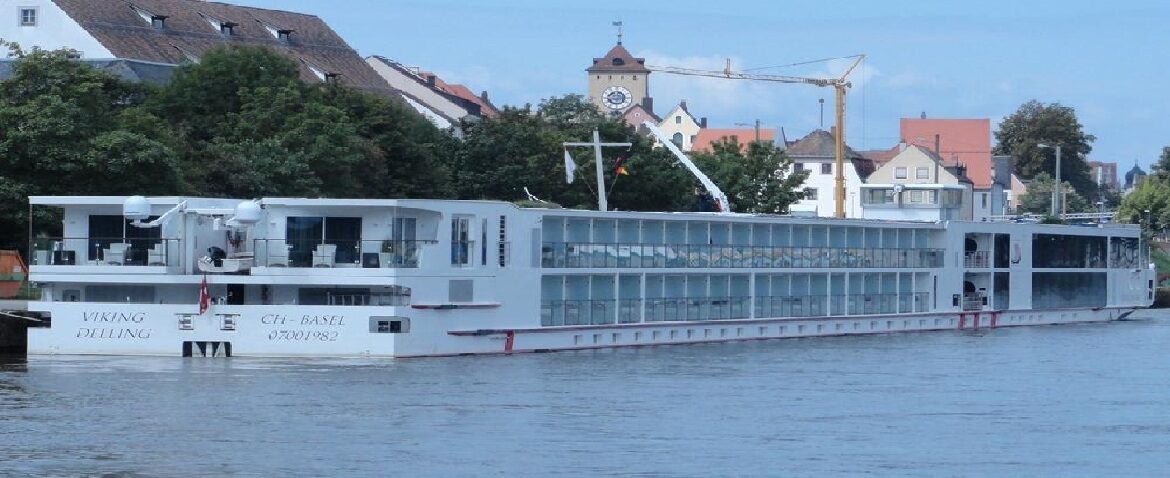
| 10 May | 15 days | One-way from Avignon to Amsterdam |
450-628-6241
Call us
|
| 24 May | 15 days | One-way from Avignon to Amsterdam |
450-628-6241
Call us
|
| 7 June | 15 days | One-way from Avignon to Amsterdam |
450-628-6241
Call us
|
| 21 June | 15 days | One-way from Avignon to Amsterdam |
450-628-6241
Call us
|
| 5 July | 15 days | One-way from Avignon to Amsterdam |
450-628-6241
Call us
|
| 19 July | 15 days | One-way from Avignon to Amsterdam |
450-628-6241
Call us
|
| 13 September | 15 days | One-way from Avignon to Amsterdam |
450-628-6241
Call us
|
| 27 September | 15 days | One-way from Avignon to Amsterdam |
450-628-6241
Call us
|
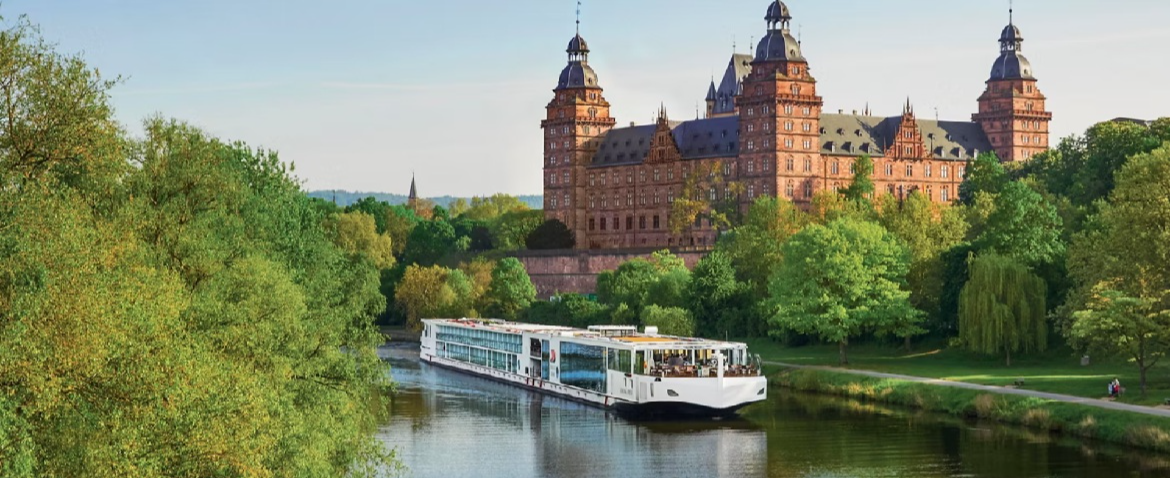
Viking Longships Eir
77 Cruises
| 19 March | 8 days | One-way from Basel to Amsterdam |
450-628-6241
Call us
|
| 26 March | 8 days | One-way from Amsterdam to Basel |
450-628-6241
Call us
|
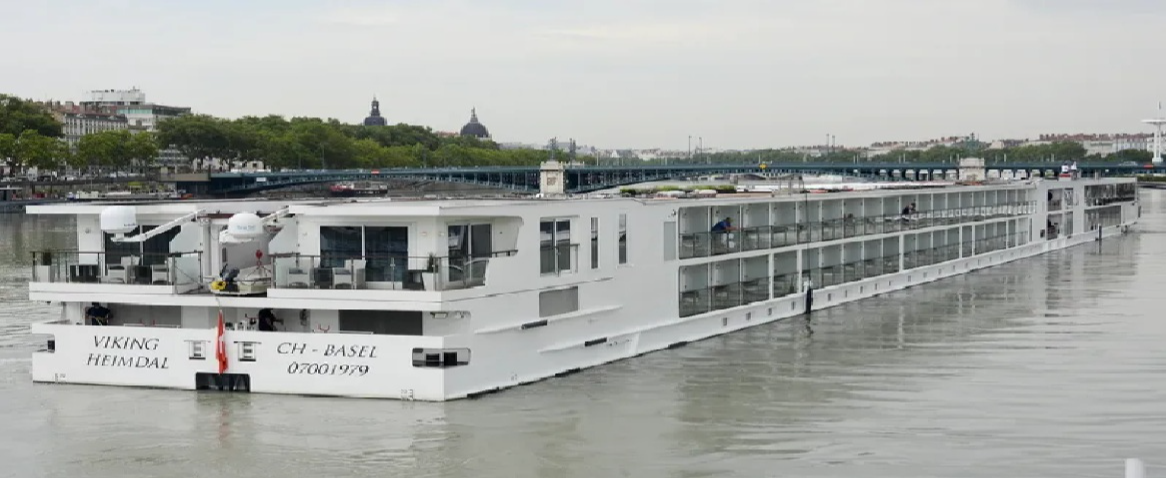
Viking Longships Heimdal
36 Cruises
| 4 April | 15 days | One-way from Avignon to Amsterdam |
450-628-6241
Call us
|
| 18 April | 15 days | One-way from Avignon to Amsterdam |
450-628-6241
Call us
|
| 13 June | 15 days | One-way from Avignon to Amsterdam |
450-628-6241
Call us
|
| 27 June | 15 days | One-way from Avignon to Amsterdam |
450-628-6241
Call us
|
| 11 July | 15 days | One-way from Avignon to Amsterdam |
450-628-6241
Call us
|
| 25 July | 15 days | One-way from Avignon to Amsterdam |
450-628-6241
Call us
|
| 8 August | 15 days | One-way from Avignon to Amsterdam |
450-628-6241
Call us
|
| 22 August | 15 days | One-way from Avignon to Amsterdam |
450-628-6241
Call us
|
| 5 September | 15 days | One-way from Avignon to Amsterdam |
450-628-6241
Call us
|
| 19 September | 15 days | One-way from Avignon to Amsterdam |
450-628-6241
Call us
|
| 14 May | 15 days | One-way from Avignon to Amsterdam |
450-628-6241
Call us
|
| 28 May | 15 days | One-way from Avignon to Amsterdam |
450-628-6241
Call us
|
| 11 June | 15 days | One-way from Avignon to Amsterdam |
450-628-6241
Call us
|
| 25 June | 15 days | One-way from Avignon to Amsterdam |
450-628-6241
Call us
|
| 9 July | 15 days | One-way from Avignon to Amsterdam |
450-628-6241
Call us
|
| 23 July | 15 days | One-way from Avignon to Amsterdam |
450-628-6241
Call us
|
| 6 August | 15 days | One-way from Avignon to Amsterdam |
450-628-6241
Call us
|
| 20 August | 15 days | One-way from Avignon to Amsterdam |
450-628-6241
Call us
|
| 3 September | 15 days | One-way from Avignon to Amsterdam |
450-628-6241
Call us
|
| 17 September | 15 days | One-way from Avignon to Amsterdam |
450-628-6241
Call us
|
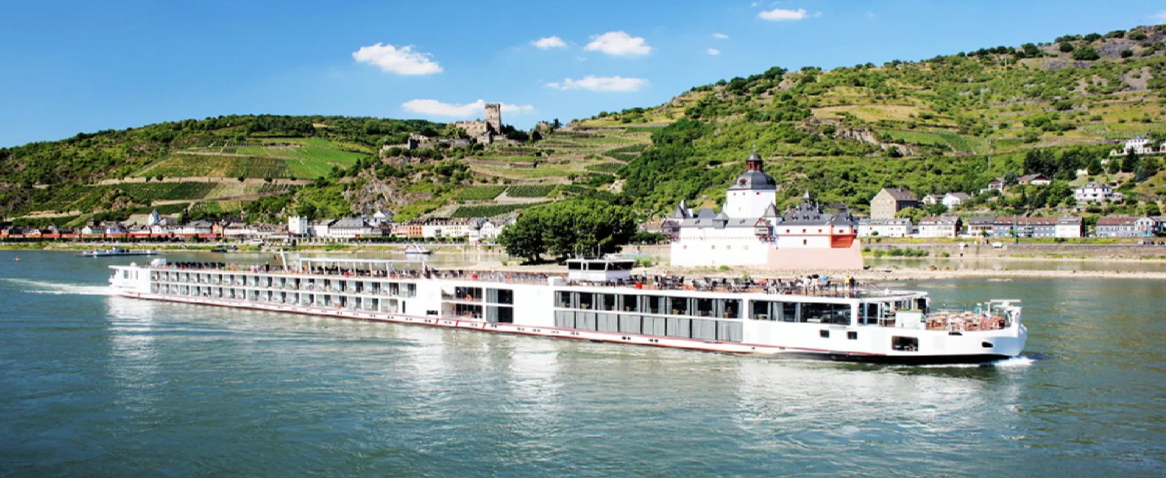
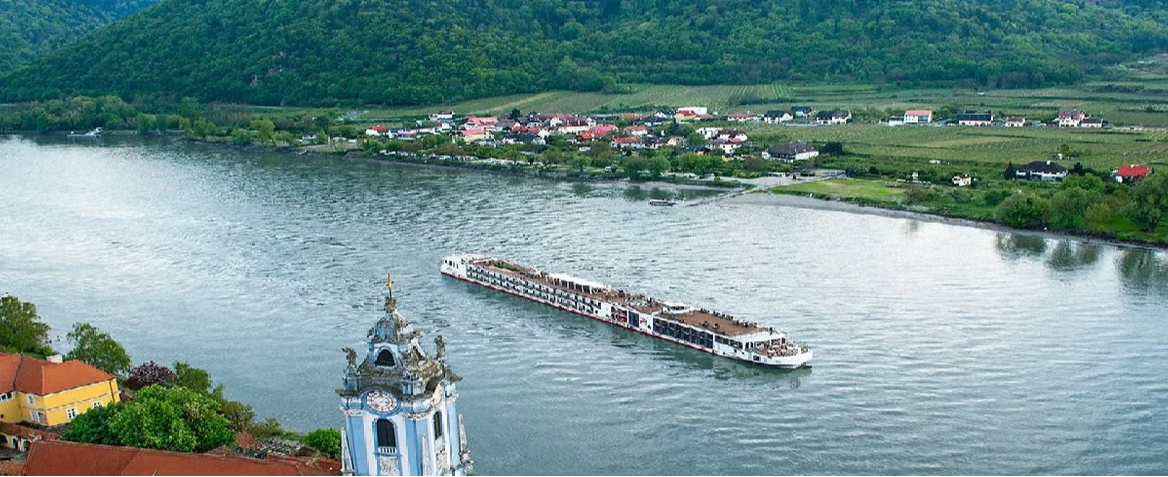
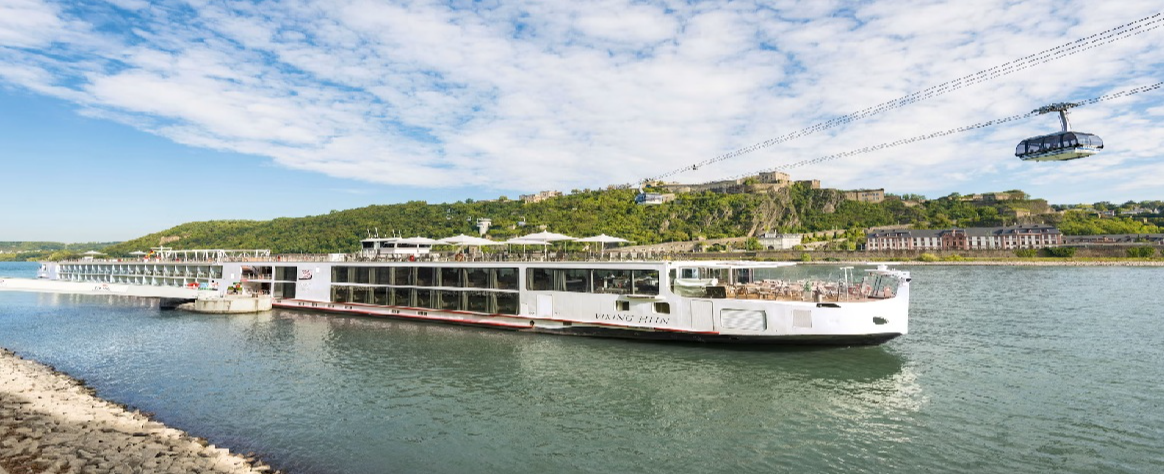
Viking Longships Hlin
111 Cruises
| 19 March | 8 days | One-way from Basel to Amsterdam |
450-628-6241
Call us
|
| 26 March | 8 days | One-way from Amsterdam to Basel |
450-628-6241
Call us
|
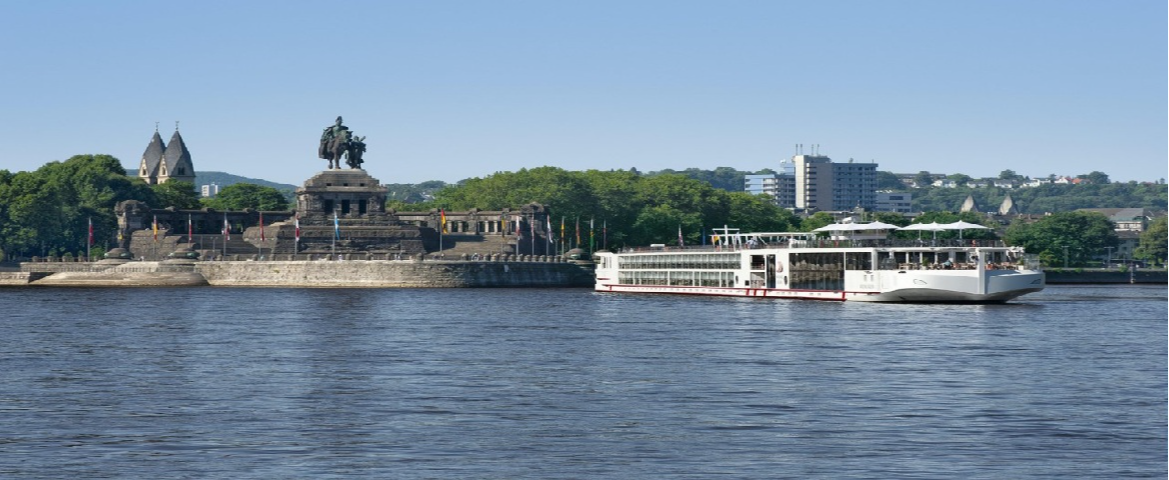
Viking Longships Kara
143 Cruises
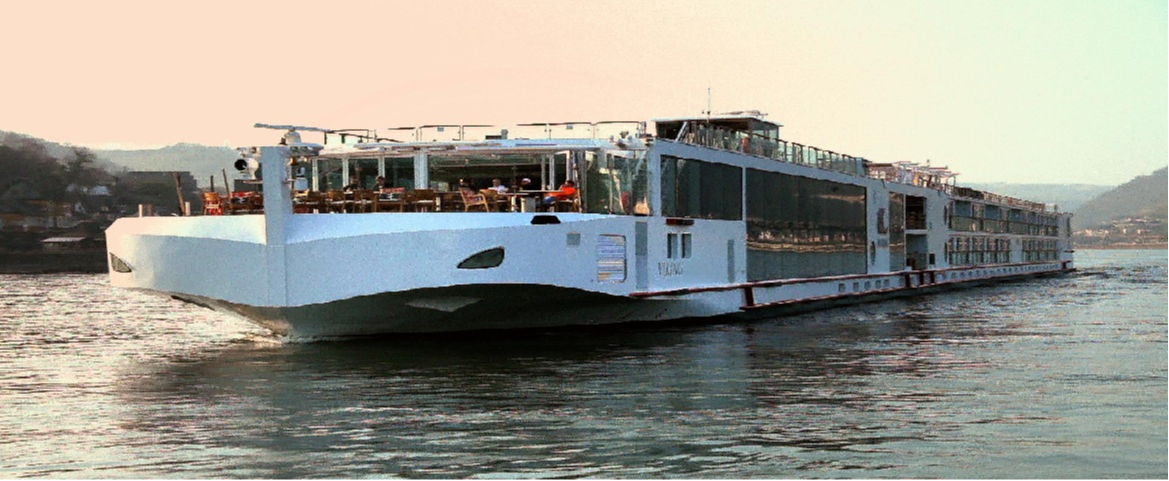
Viking Longships Kvasir
118 Cruises
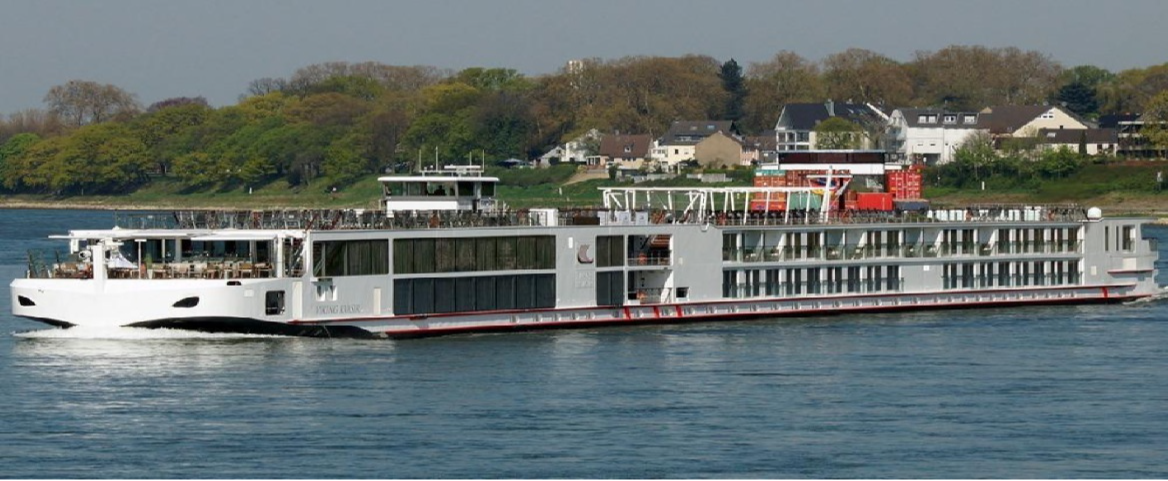
Viking Longships Lif
23 Cruises
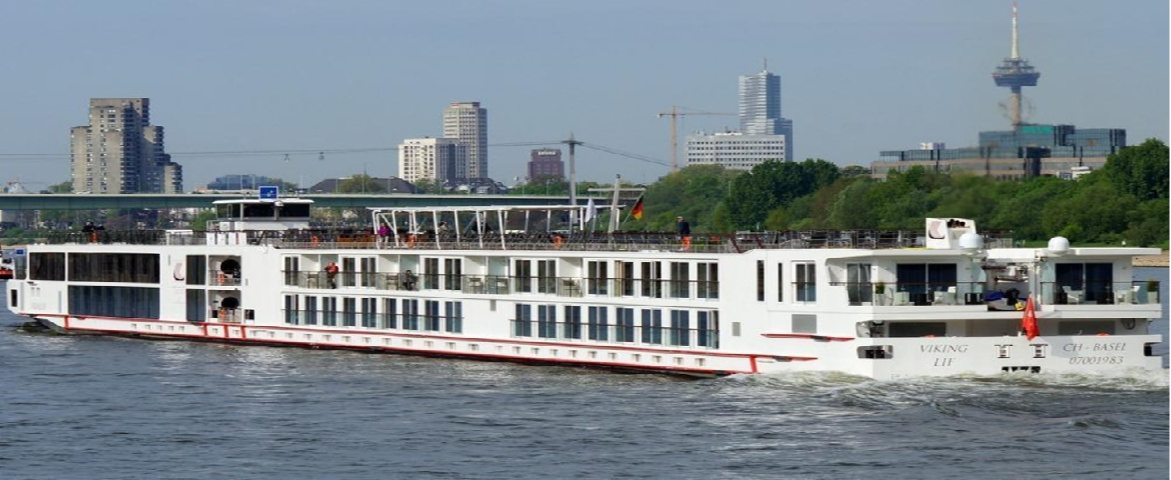
| 21 July | 22 days | One-way from Bucharest to Amsterdam |
450-628-6241
Call us
|
| 28 July | 15 days | One-way from Budapest to Amsterdam |
450-628-6241
Call us
|
Viking Longships Magni
35 Cruises
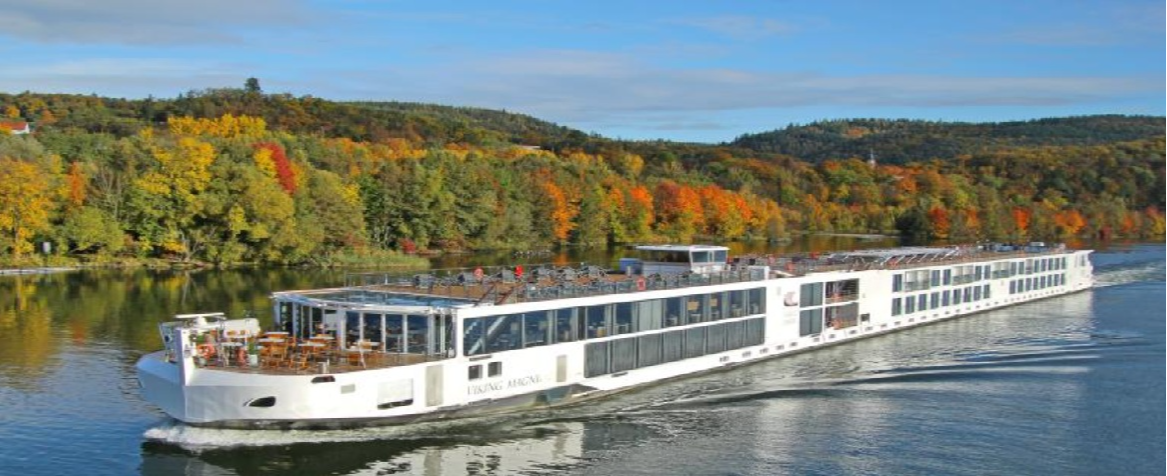
Viking Longships Mani
73 Cruises
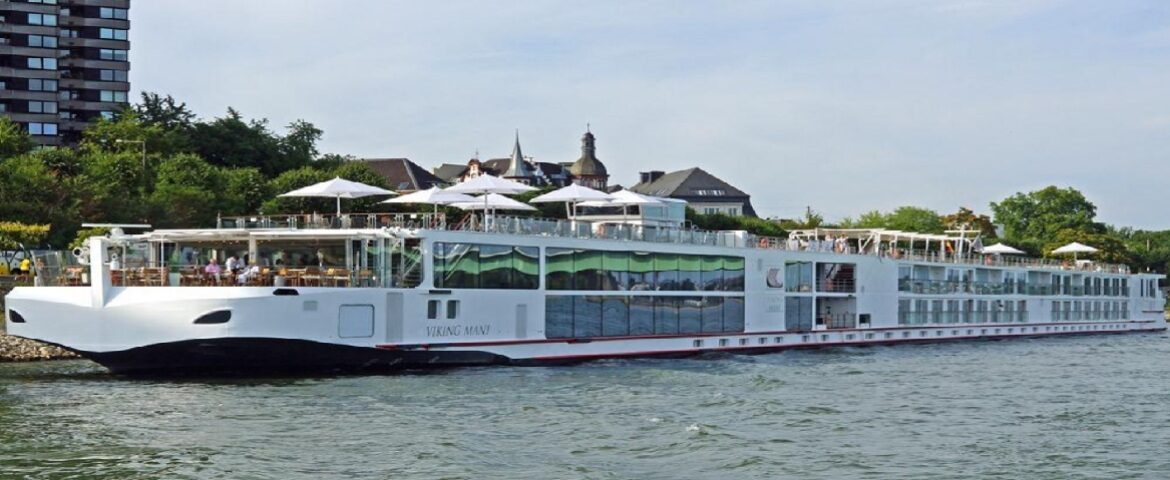
| 19 March | 8 days | One-way from Amsterdam to Basel |
450-628-6241
Call us
|
| 26 March | 8 days | One-way from Basel to Amsterdam |
450-628-6241
Call us
|
Viking Longships Mimir
33 Cruises
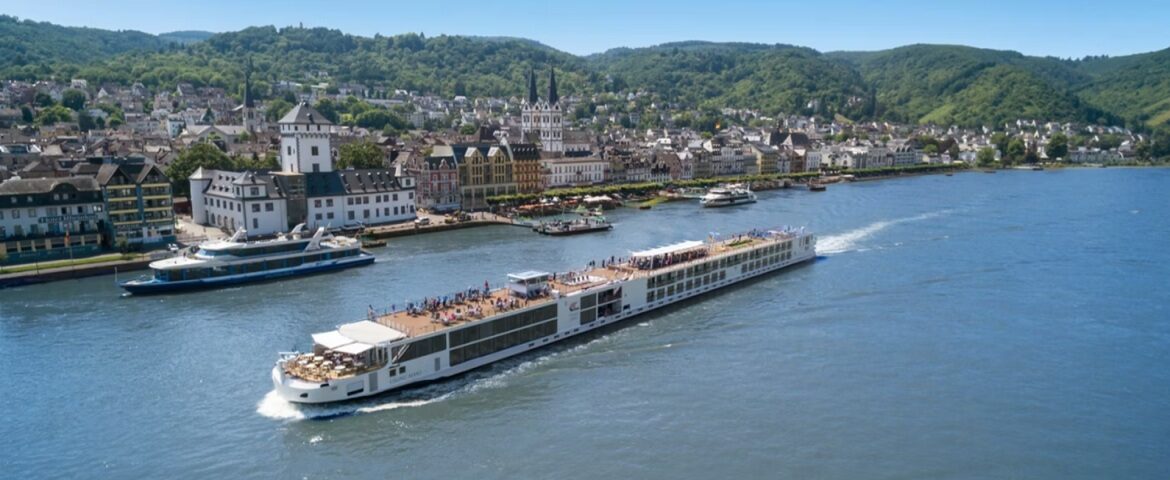
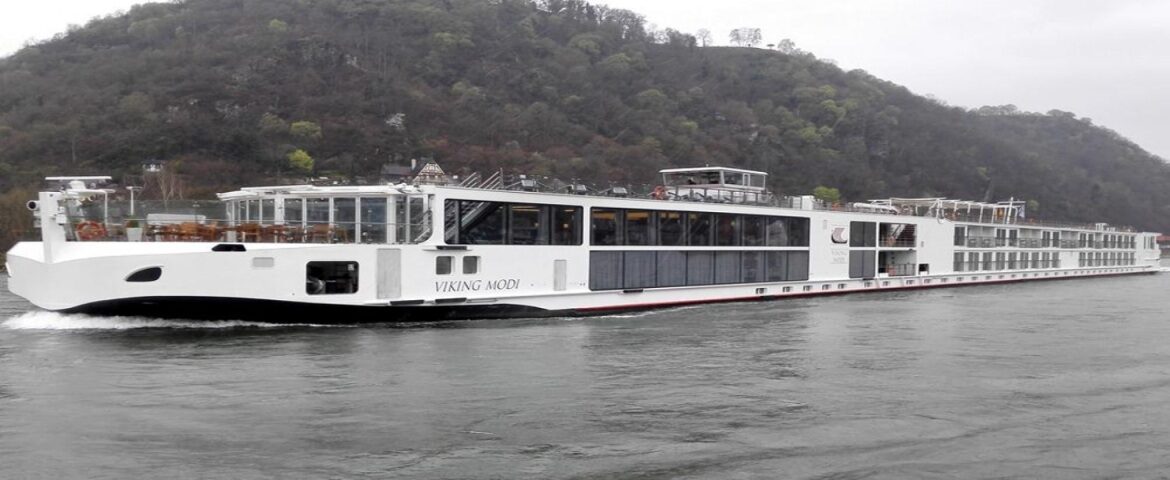
Viking Longships Modi
8 Cruises
Viking Longships Rolf
78 Cruises
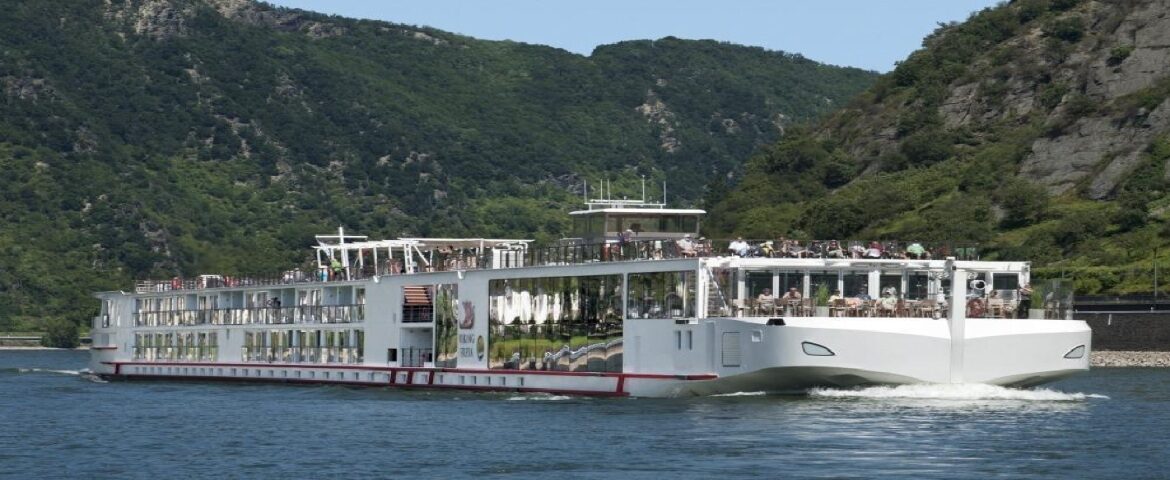
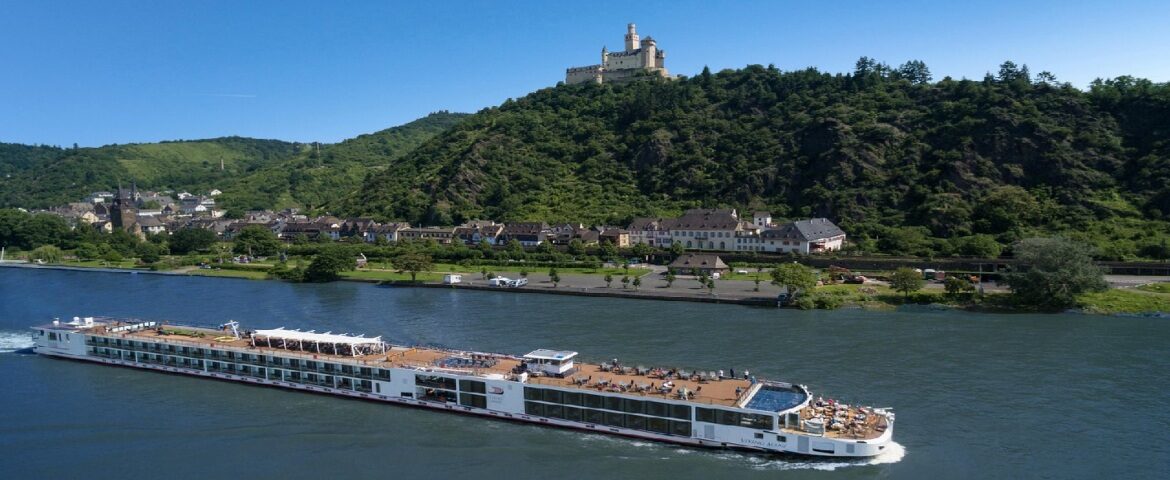
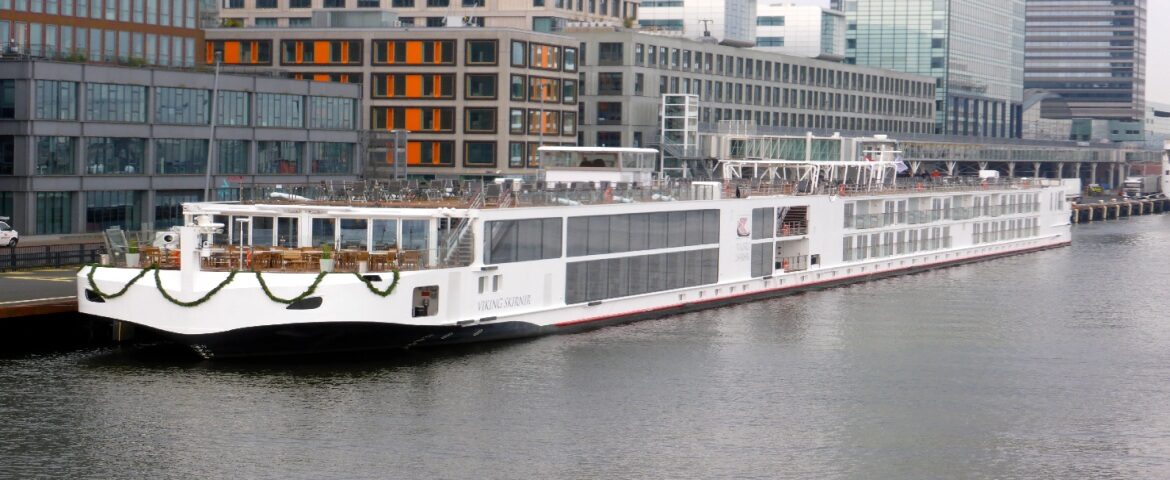
Viking Longships Skirnir
6 Cruises
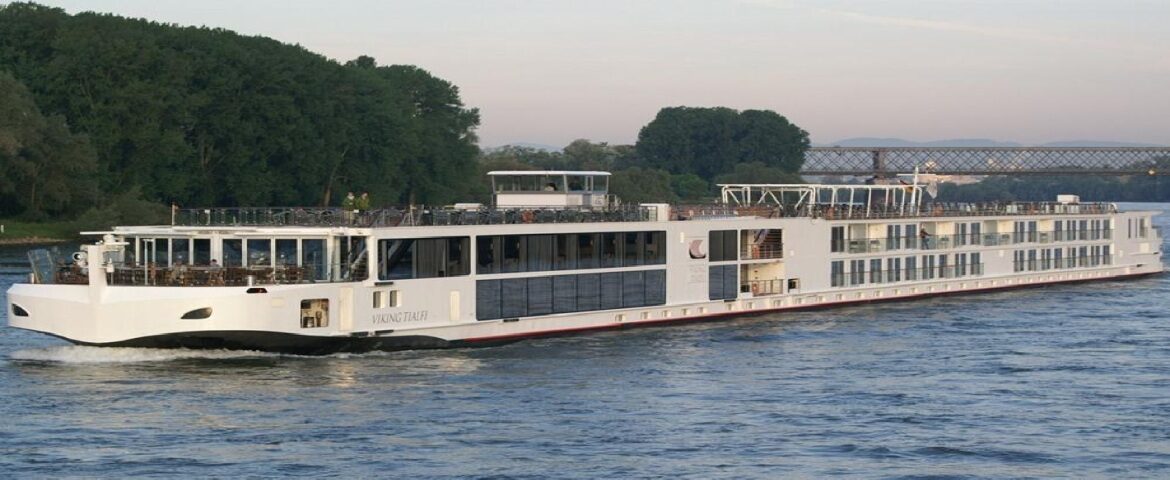
Viking Longships Tialfi
62 Cruises
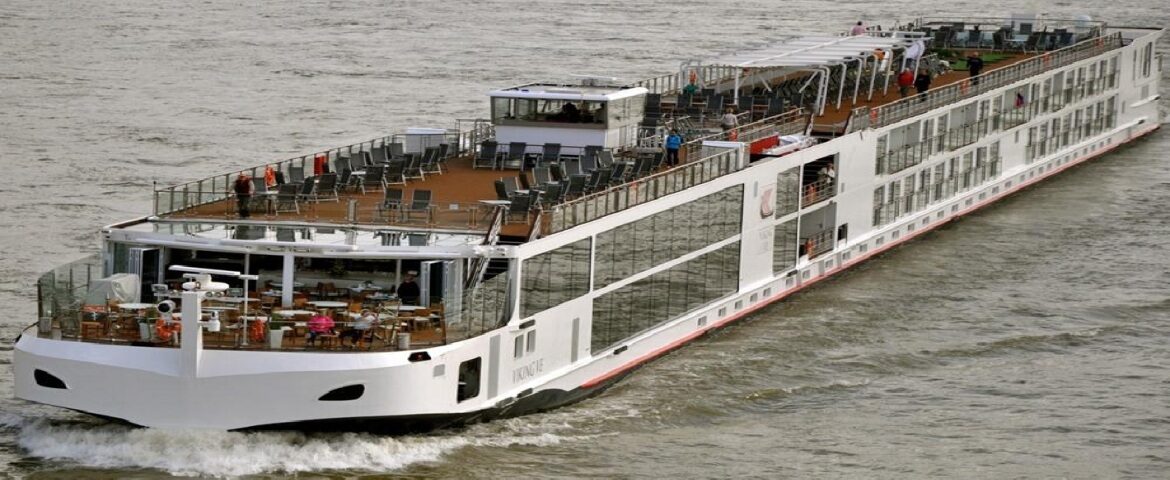
Viking Longships Ve
61 Cruises
| 25 March | 10 days | Round-trip from Amsterdam, Netherlands |
450-628-6241
Call us
|
| 25 March | 9 days | Round-trip Tulips Windmills |
450-628-6241
Call us
|
| 23 March | 10 days | Round-trip from Amsterdam, Netherlands |
450-628-6241
Call us
|
| 23 March | 9 days | Round-trip Tulips Windmills |
450-628-6241
Call us
|
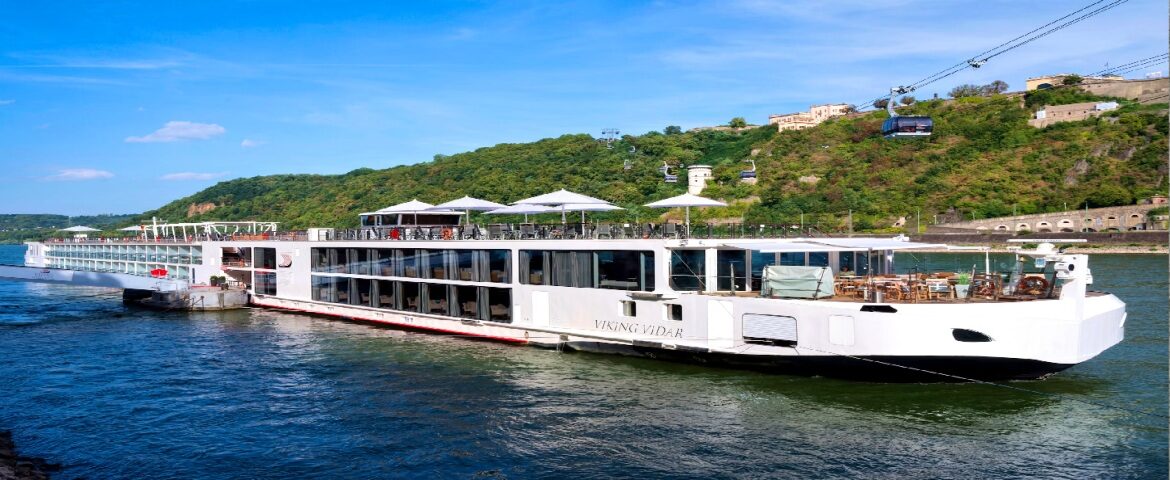
Viking Longships Vidar
27 Cruises
| 18 August | 22 days | One-way from Bucharest to Amsterdam |
450-628-6241
Call us
|
| 25 August | 15 days | One-way from Budapest to Amsterdam |
450-628-6241
Call us
|
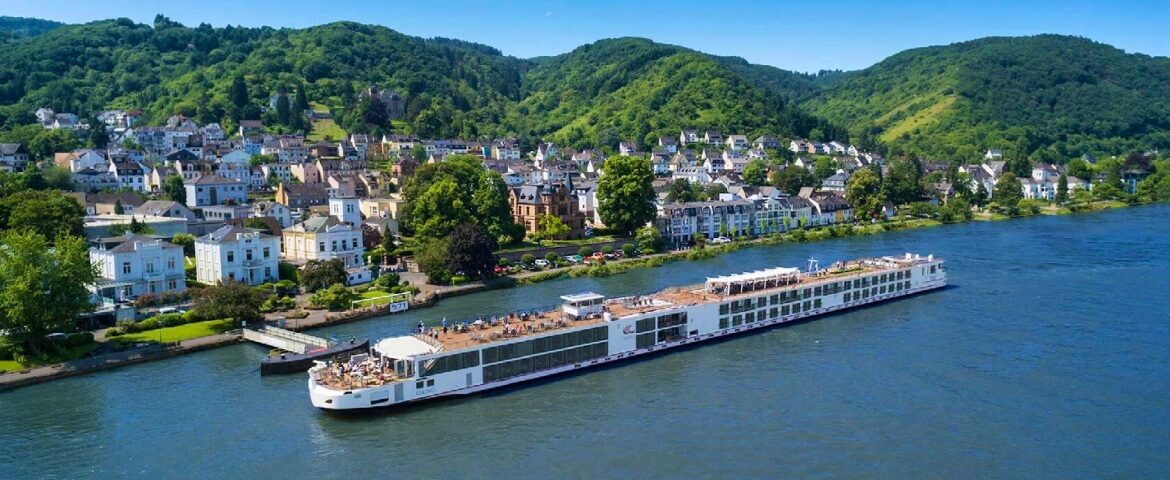
Viking Longships Vili
27 Cruises
Viking Sigrun
107 Cruises
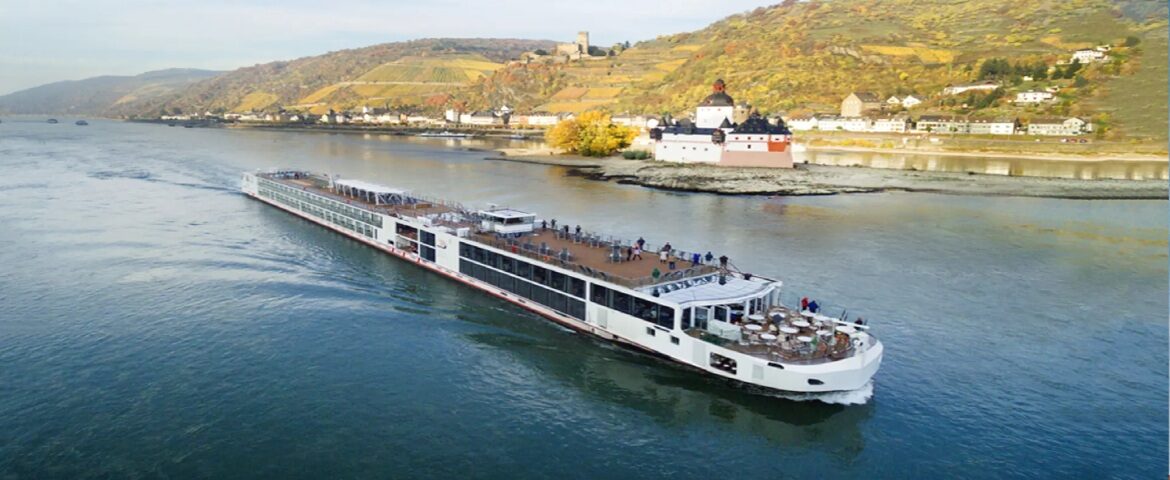
Viking Tialfi
62 Cruises
 Image not available
Kinderdijk, Netherlands | Cruise Port Guide
Frequently Asked Questions
Literally opposite the site. You walk down the gangway, cross the road and you are in the landscape: nineteen windmills lined along the canals. No shuttle is needed — it is one of the most direct arrivals on any Dutch river cruise.
Nineteen, built around 1740 and inscribed on the UNESCO World Heritage list since 1997. They stand in the Alblasserwaard polder between Rotterdam and Dordrecht, in countryside gridded with drainage ditches.
Lifting water. Their sails drove wheels that raised water from lower reaches into higher basins, stage by stage, until it reached the river. The land here lies below sea level: without that system it would all be marsh.
Yes, they remain in working order, even though motorised pumping stations took over the daily job. They are jealously maintained, and their sails sometimes turn for visitors.
A flat path of about 3 km follows the reaches past all nineteen mills; the full loop takes an hour and a half including photo stops. Two mill-museums and a visitor centre add roughly an hour.
It means child's dyke. After the great St Elizabeth's flood of 1421, so the story goes, a cradle floated on the water: a cat leapt from edge to edge to keep it level, and an infant slept dry inside. The tale has been passed down for six centuries.
Yes, two mill-museums are open. You can inspect the mechanisms and millstones, and also the living quarters where millers' families — often large — lived in a few square metres at the foot of the gears.
Yes. Millers still occupy some of these winged houses, and it is not unusual to see laundry drying outside a door. Respect their privacy: these are homes, not stage sets.
By walking past the first, busiest mill towards the last ones in the row. There, herons fish among the water lilies and you hear nothing but wind in the sails and the croak of frogs.
Early morning, when mist clings to the reeds and the frames emerge from a milky veil, or late in the day, when low sun doubles each mill in the still water. The site changes character with the hour and the season.


