Nijmegen Netherlands Gelderland
386
Cruises availables
At departure or passage at this port
AmaWaterways (13 Cruises)
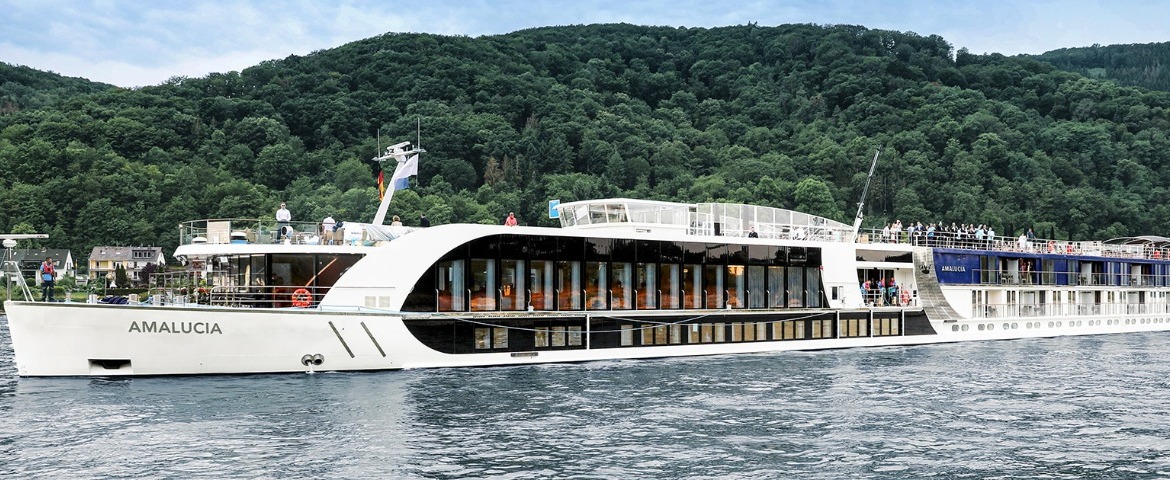
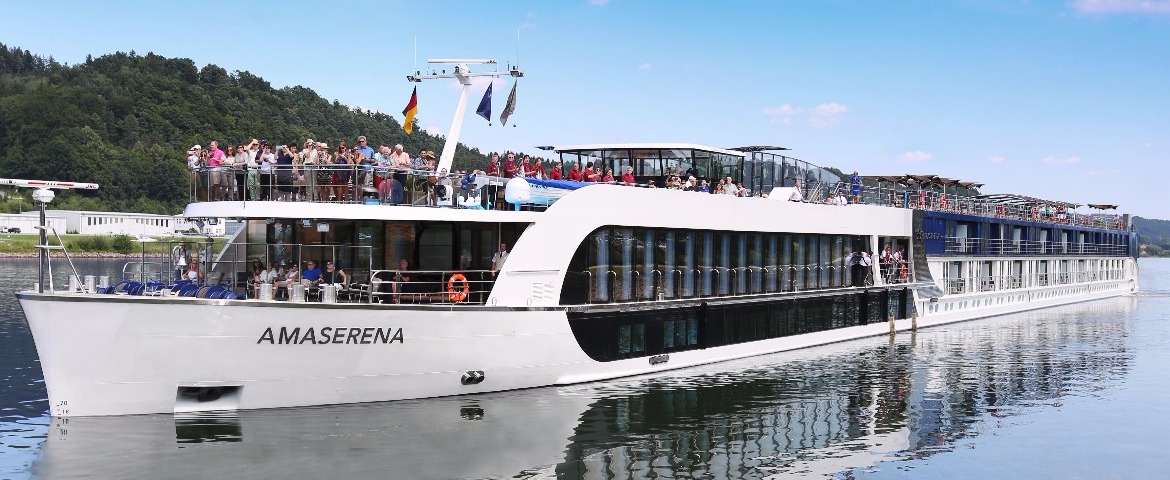
AmaSerena
4 Cruises
Avalon Waterways (30 Cruises)
Avalon Imagery II®
9 Cruises
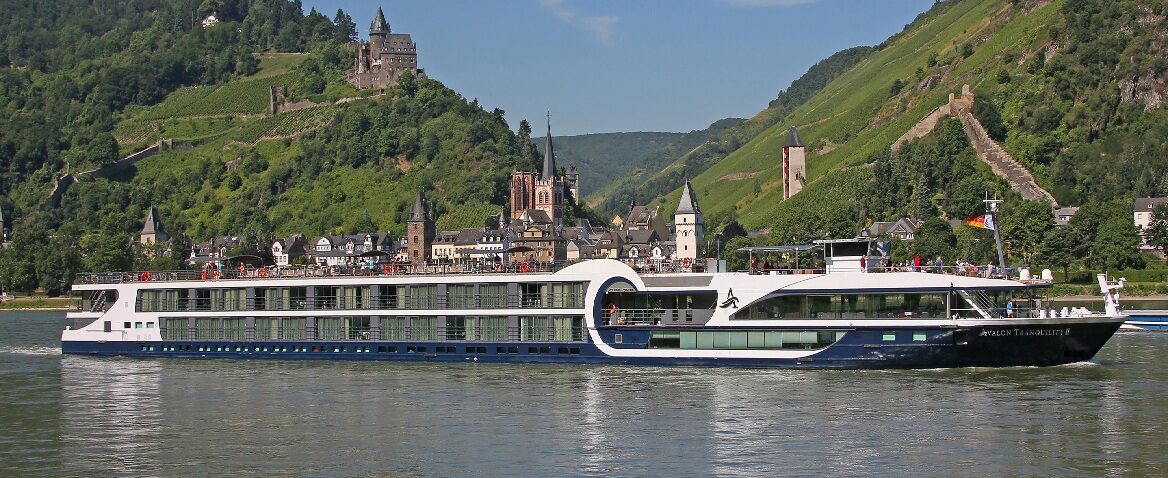
Avalon Tranquility II®
13 Cruises
| 5 June | 10 days | One-way from Amsterdam to Basel |
450-628-6241
Call us
|
| 24 June | 8 days | One-way from Amsterdam to Remich |
450-628-6241
Call us
|
| 1 July | 8 days | One-way from Remich to Amsterdam |
450-628-6241
Call us
|
| 8 July | 10 days | One-way from Amsterdam to Basel |
450-628-6241
Call us
|
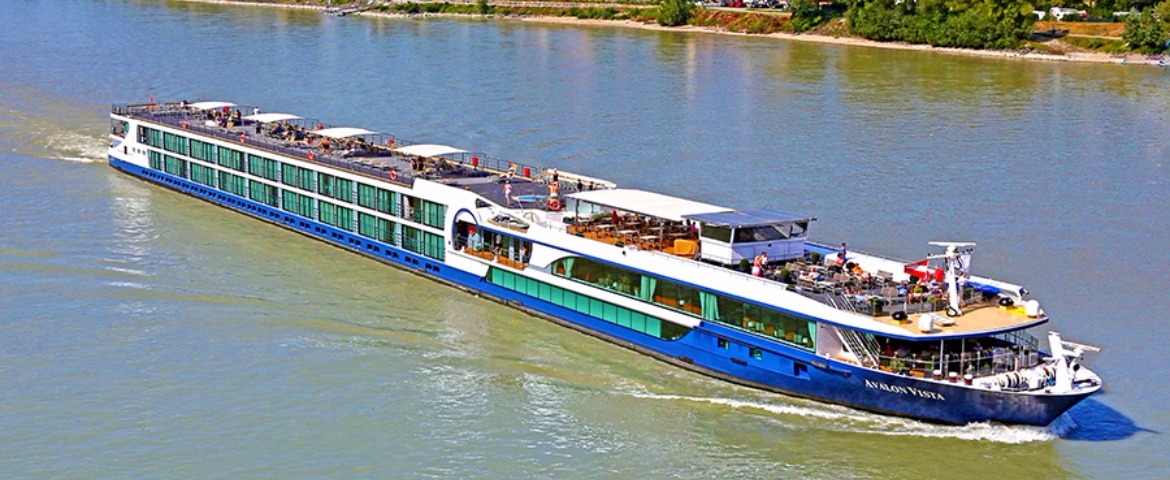
Avalon VistaSM
8 Cruises
CroisiEurope (55 Cruises)

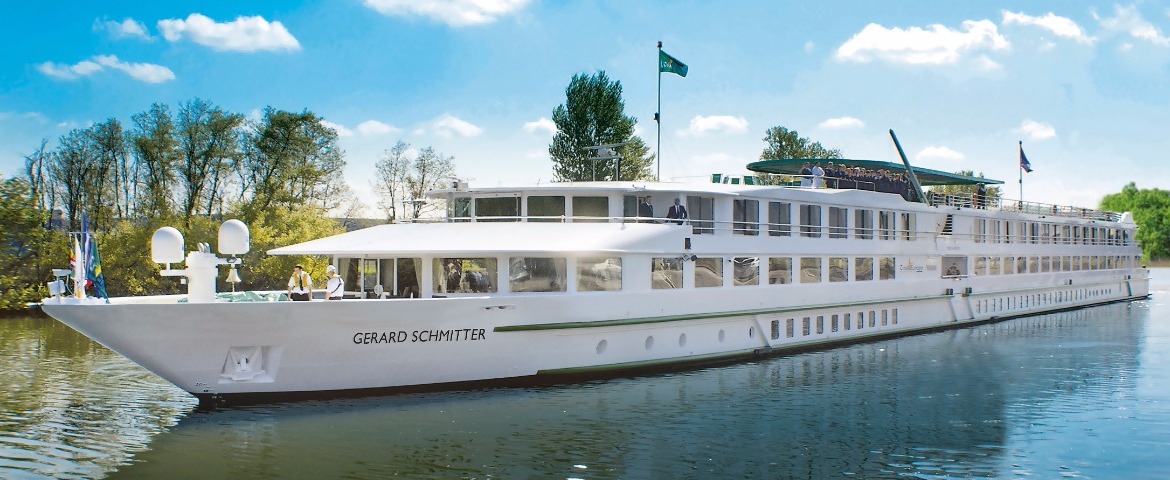
MS L'Europe
5 Cruises
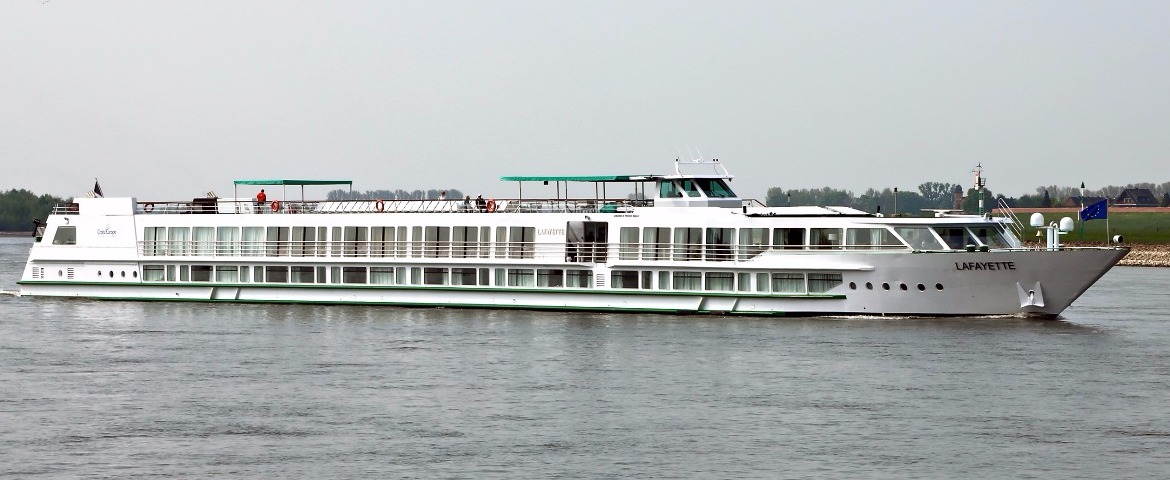
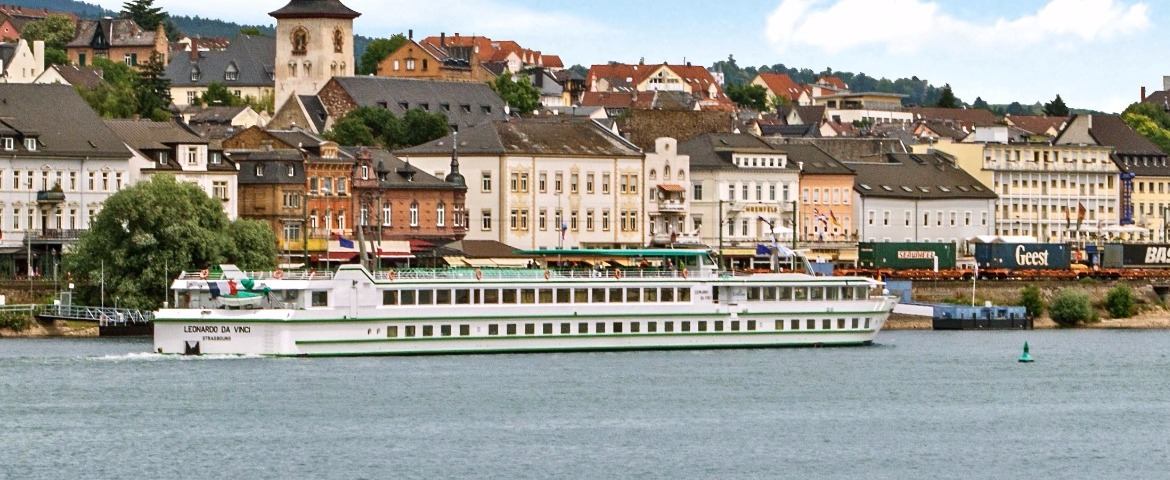
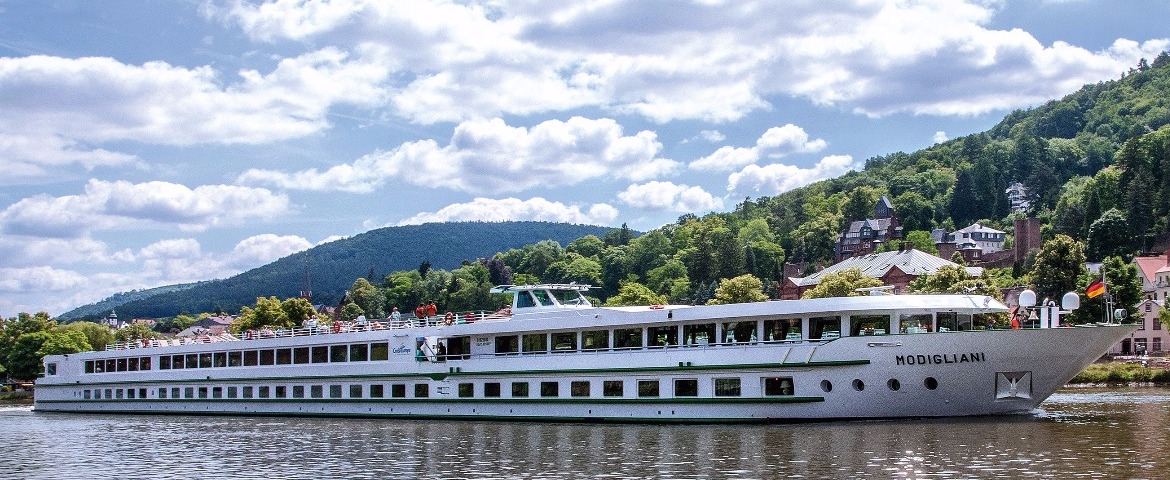
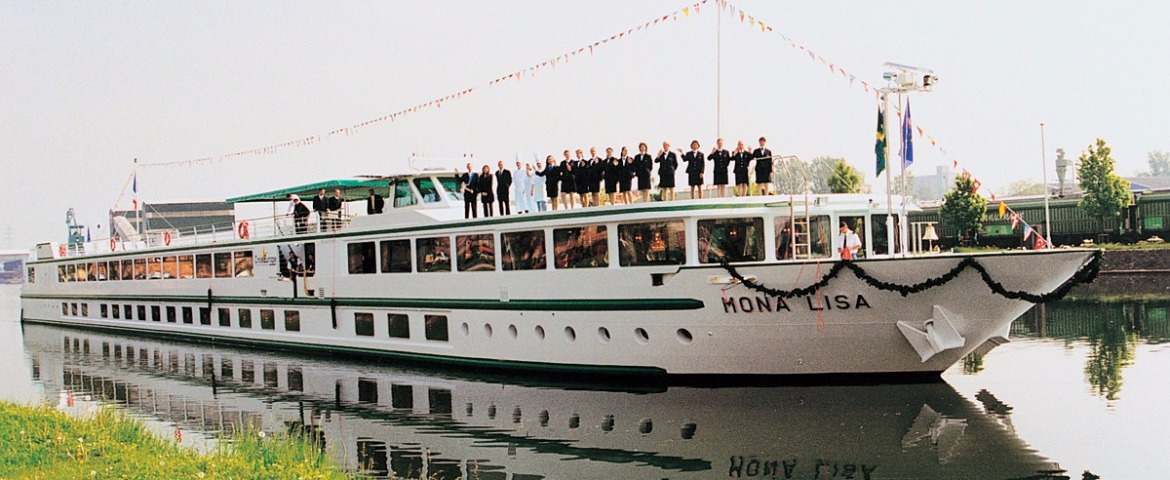
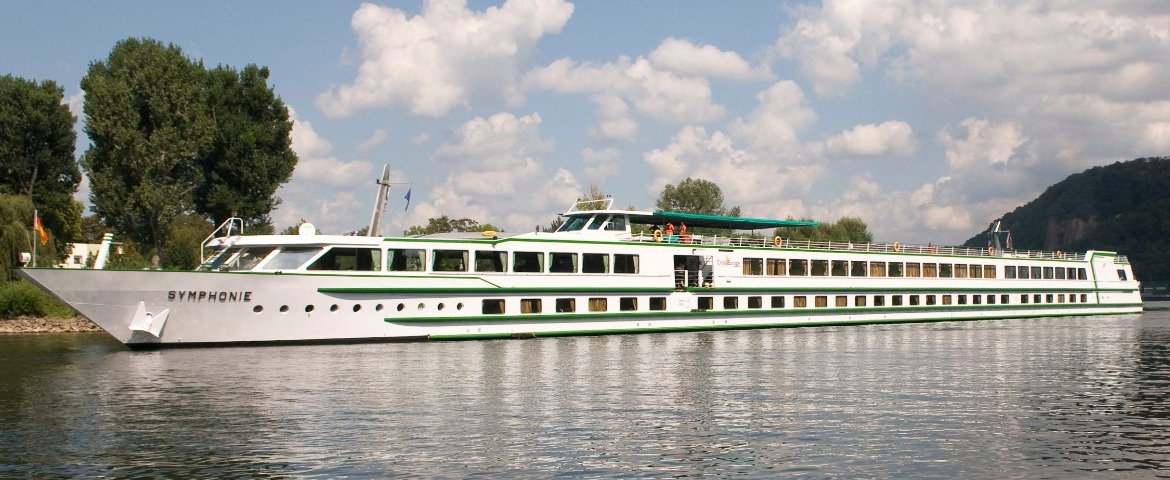
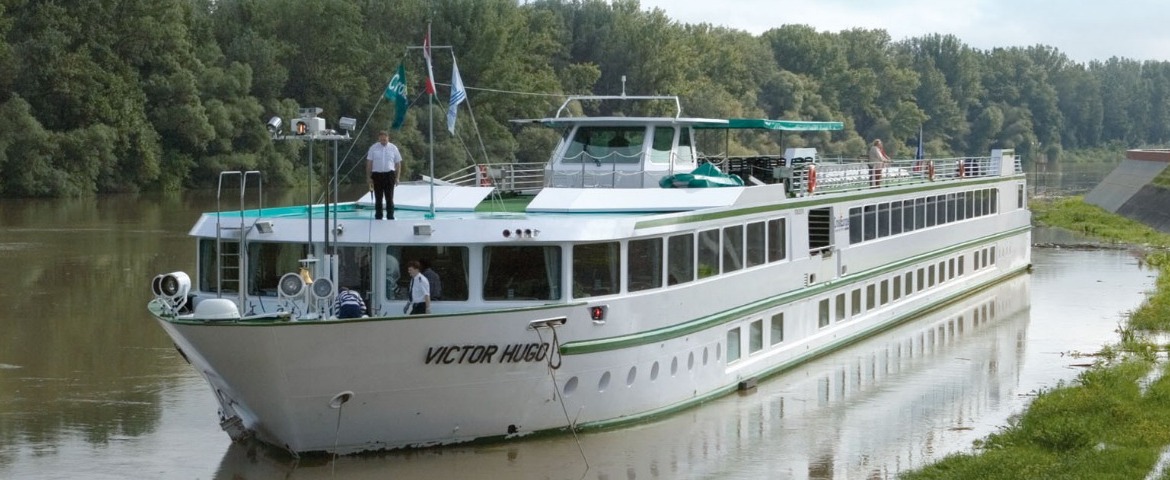
MS Symphonie
38 Cruises
Emerald Waterways (45 Cruises)
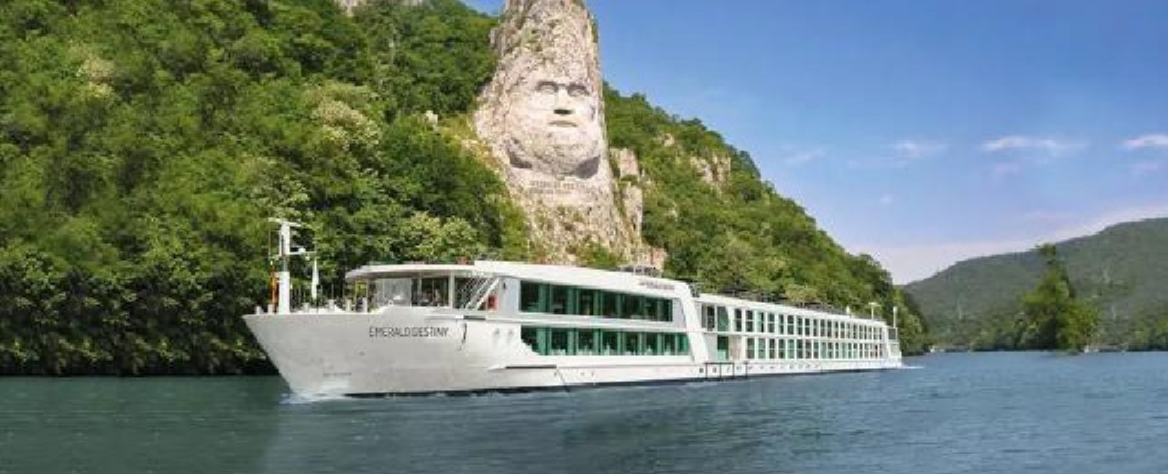
Emerald Destiny
17 Cruises

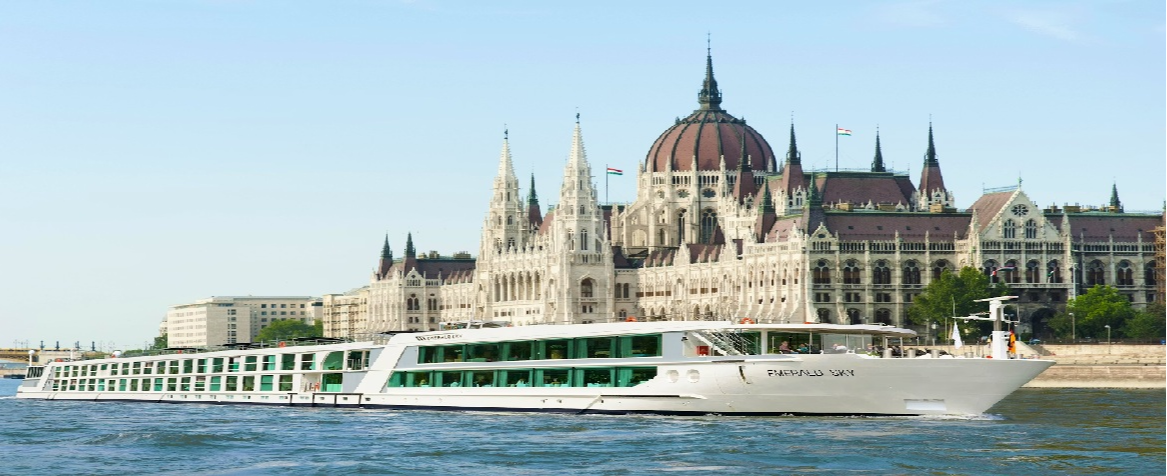
Emerald Sky
10 Cruises
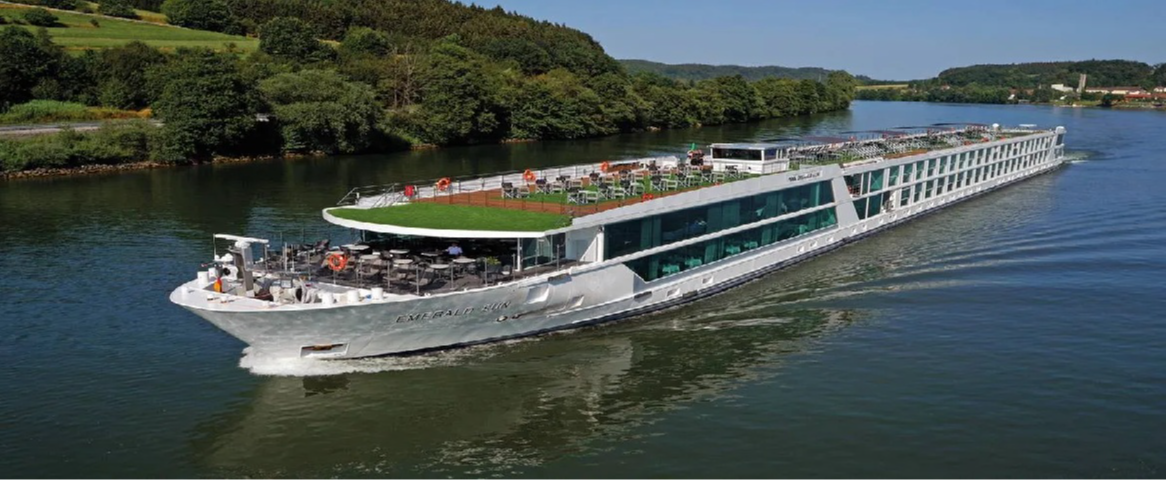
Emerald Sun
18 Cruises
Scenic Cruises (86 Cruises)



Scenic Opal
16 Cruises

| 16 April | 19 days | One-way from Basel to Amsterdam |
450-628-6241
Call us
|
| 20 April | 15 days | One-way from Basel to Amsterdam |
450-628-6241
Call us
|
Scenic Pearl
38 Cruises

Scenic Ruby
28 Cruises

| 2 June | 29 days | One-way from Budapest to Basel |
450-628-6241
Call us
|
| 23 June | 15 days | One-way from Basel to Amsterdam |
450-628-6241
Call us
|
Tauck Cruises (4 Cruises)
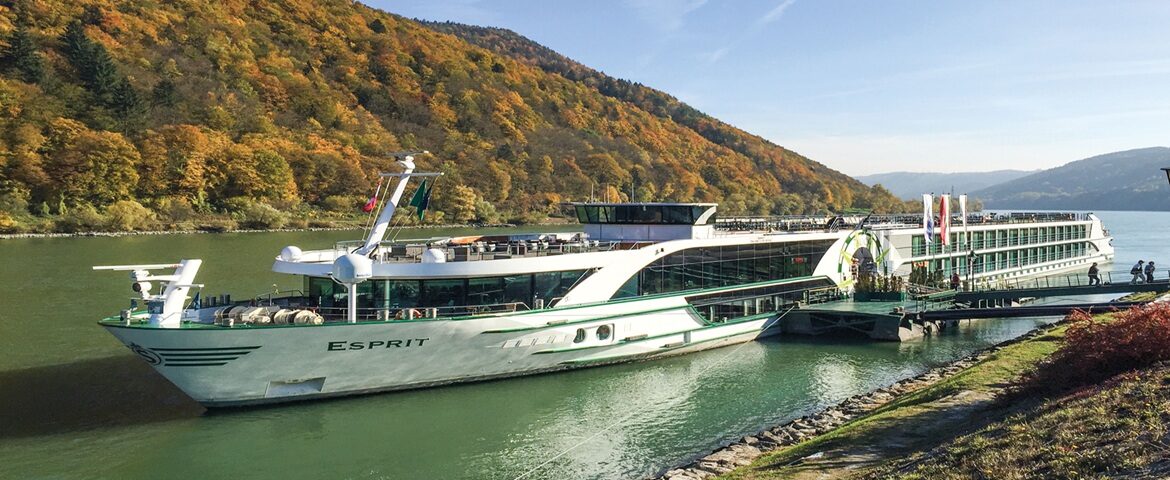

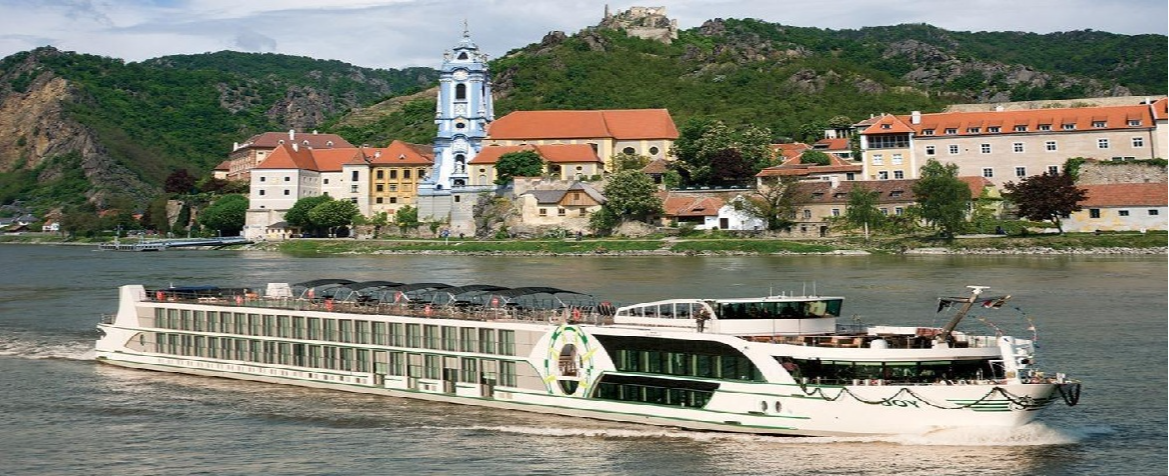
Uniworld Boutique River Cruise (20 Cruises)
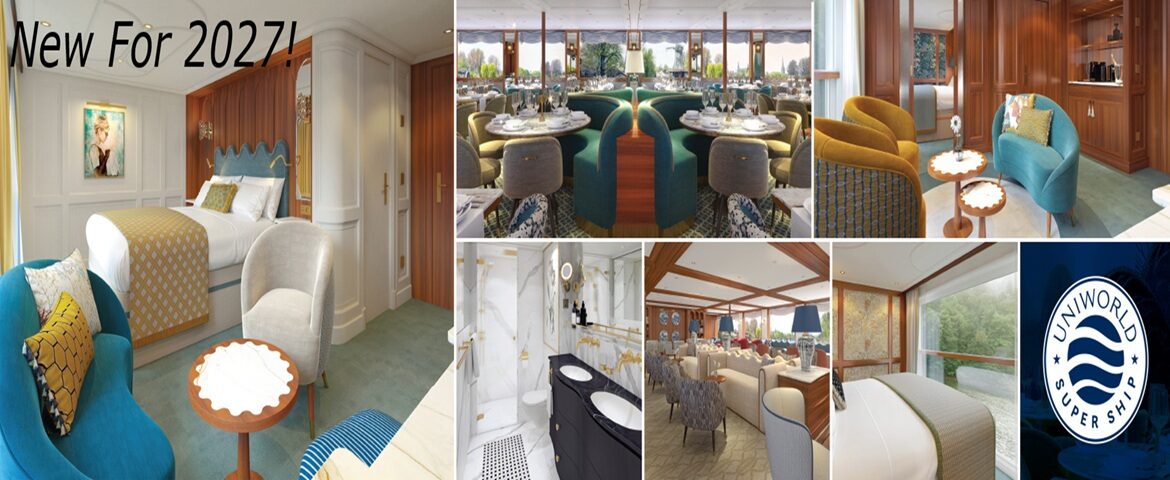
S.S Audrey
6 Cruises

| 21 March | 10 days | One-way from Amsterdam to Antwerp |
450-628-6241
Call us
|
| 30 March | 10 days | One-way from Antwerp to Amsterdam |
450-628-6241
Call us
|
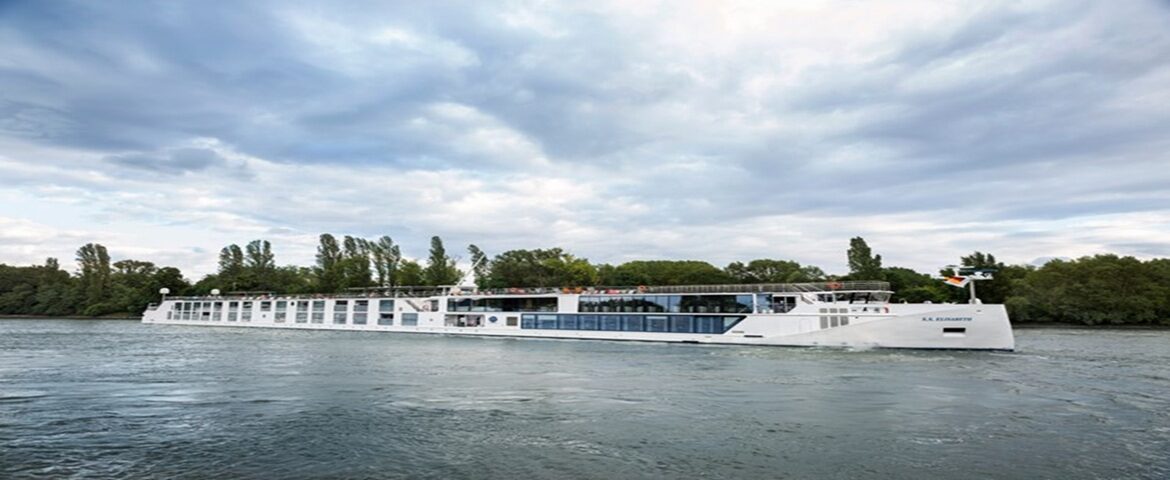
S.S Elisabeth
10 Cruises
| 25 March | 10 days | One-way from Antwerp to Amsterdam |
450-628-6241
Call us
|
| 25 March | 9 days | One-way from Antwerp to Amsterdam |
450-628-6241
Call us
|
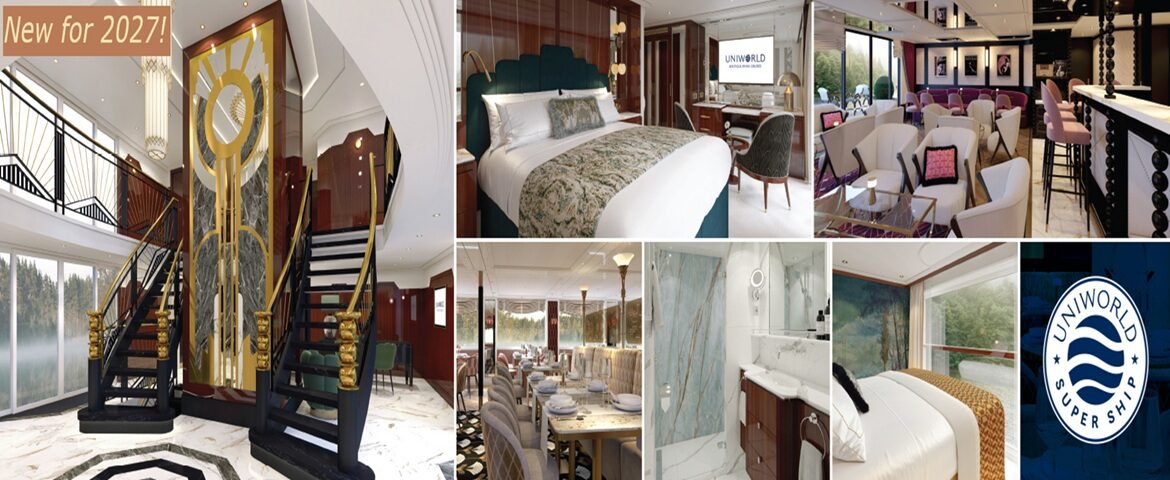
Viking River Cruises (133 Cruises)
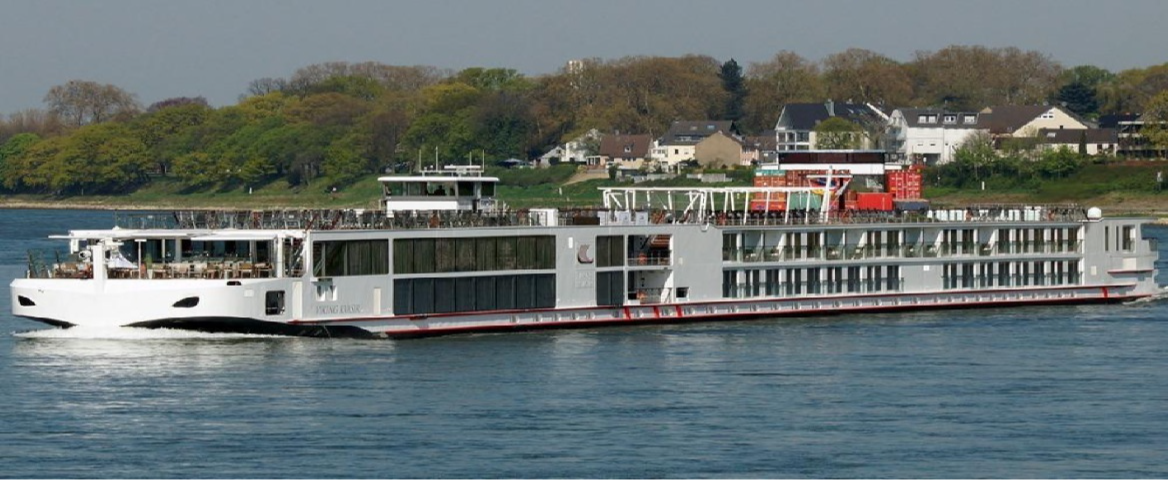
Viking Longships Kvasir
117 Cruises
Viking Longships Magni
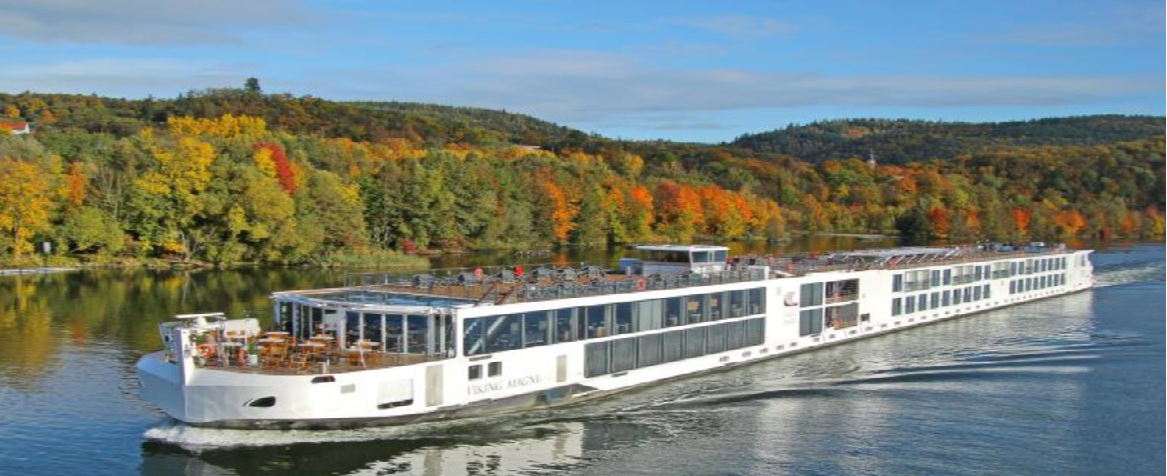
8 Cruises
Viking Longships Mimir
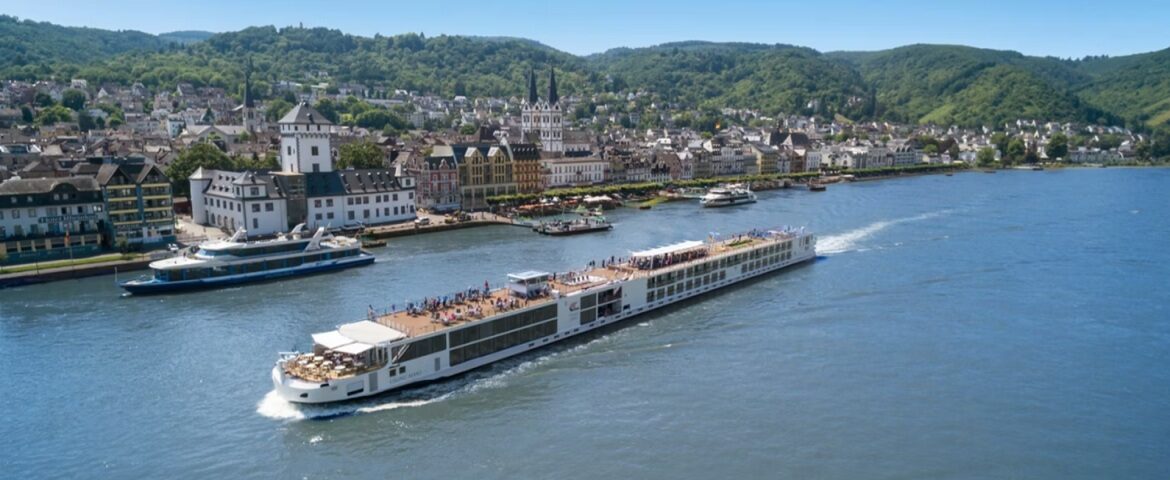
8 Cruises

Nijmegen, Netherlands | Cruise Port Guide
Frequently Asked Questions
Along the Waalkade, the riverside promenade lined with restaurants and galleries at the foot of the old town. Cross the gangway and you are minutes from the first shopping lanes.
It claims the title. Founded in Roman times on the hills above the Waal, the main arm of the Rhine, it carries more than 2,000 years of history — from legionary camps to Charlemagne's palace and on to the fighting of 1944.
A park minutes from the quay, on the site of a Roman camp that later became a Carolingian imperial palace. Charlemagne stayed here; a rotunda chapel and romantic ruins remain among the trees, with wide views over the river.
The region's Roman finds: helmets, glassware and fresco fragments dug from the very hills you are standing on. It sits right beside the Valkhof park, on the natural line of the call.
The city's mercantile heart since the Middle Ages, ringed by cafés under the gables. Nearby, St Stephen's church raises its Gothic mass; the stripped interior carries the marks of the wars of religion and the bombing of 1944.
A bombing devastated the centre in February, then Operation Market Garden made the city a decisive battlefield in September, with American paratroopers crossing the Waal. The national Liberation museum nearby retraces those days.
Yes, and it is worth the walk. Climbing to mid-span gives a full panorama over the old town, and the viewpoint carries meaning: this is the bridge the Allies wanted to capture intact in 1944.
Yes, the Velorama, on the Waalkade itself, a short walk from the quay. It presents two centuries of bicycles in the country that made cycling a way of life. It is a short, original visit, easy to fit into a call.
The Vierdaagse, the oldest of the great mass walking events, which each summer fills the city's streets with tens of thousands of walkers from around the world. If your call falls during it, expect a city in festival mode and considerable crowds.
Yes, the Kronenburgerpark, which preserves towers and stretches of the medieval walls in greenery around a pond. It makes an easy pause between visits, a short walk from the shopping centre.


