Alta Norway
Norway
104
Cruises availables
At departure or passage at this port
Azamara Club Cruises (12 Cruises)
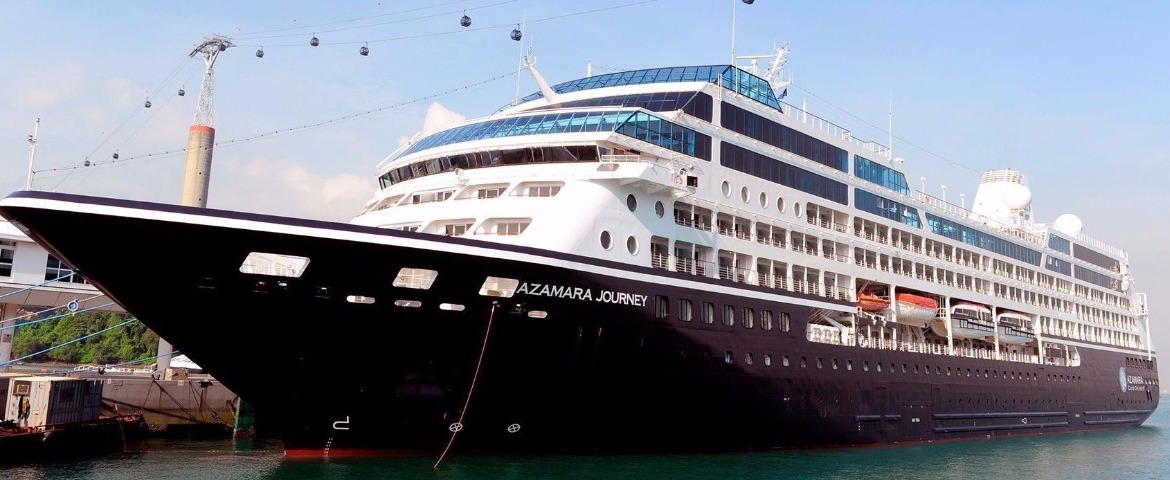
Azamara Journey
10 Cruises

Crystal Cruises (6 Cruises)

Holland America Line (6 Cruises)

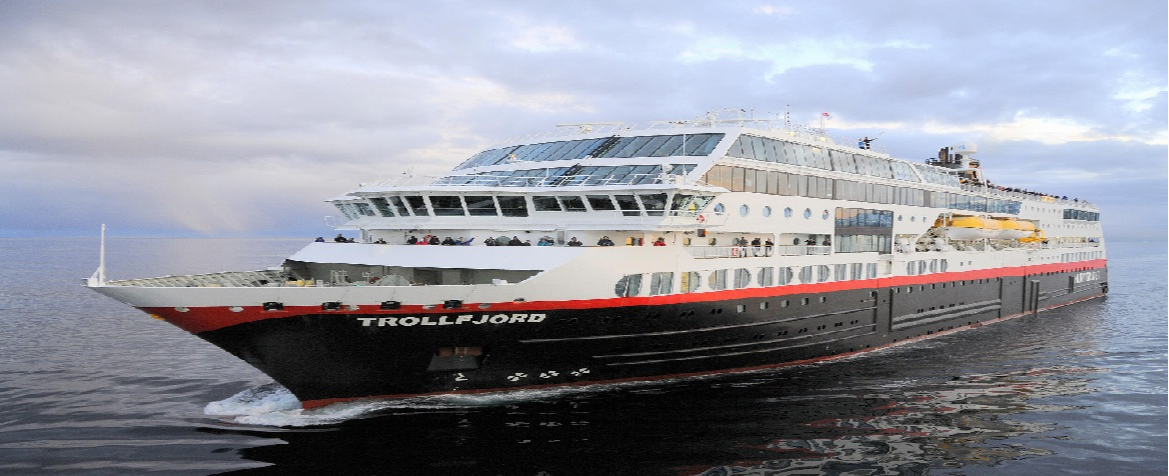
Hurtigruten (53 Cruises)
MS Trollfjord
53 Cruises

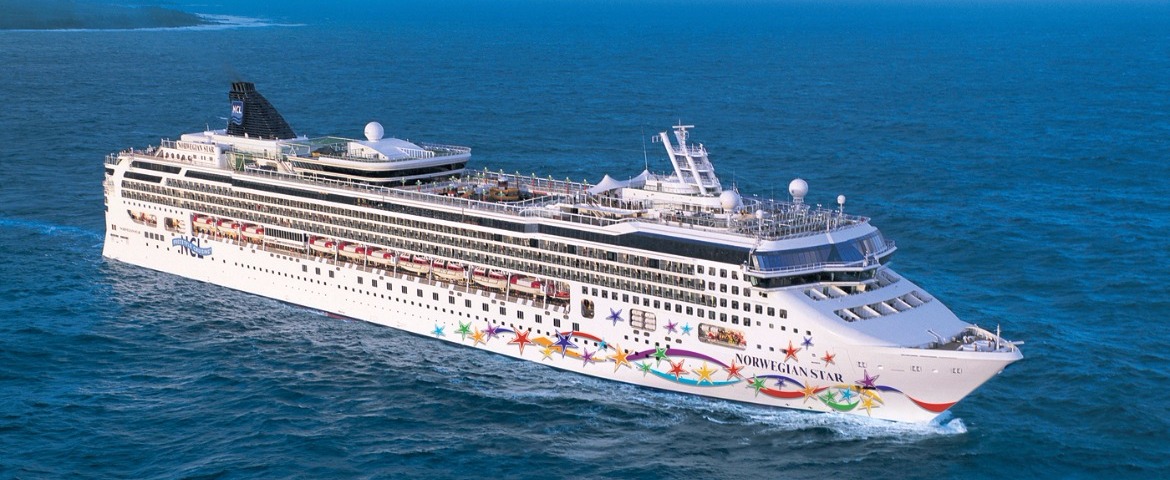
Norwegian Cruise Line (1 Cruises)

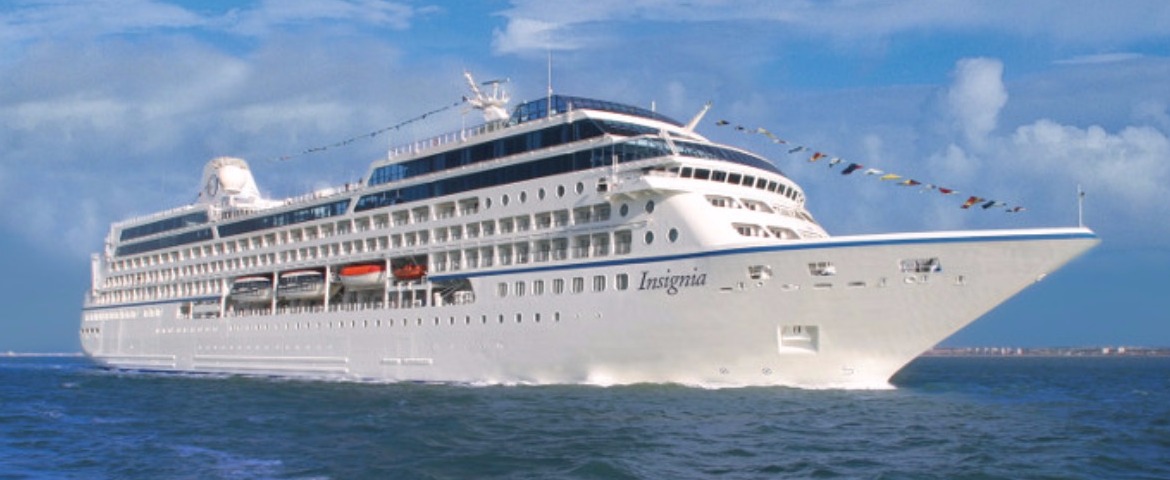
Oceania Cruises (2 Cruises)

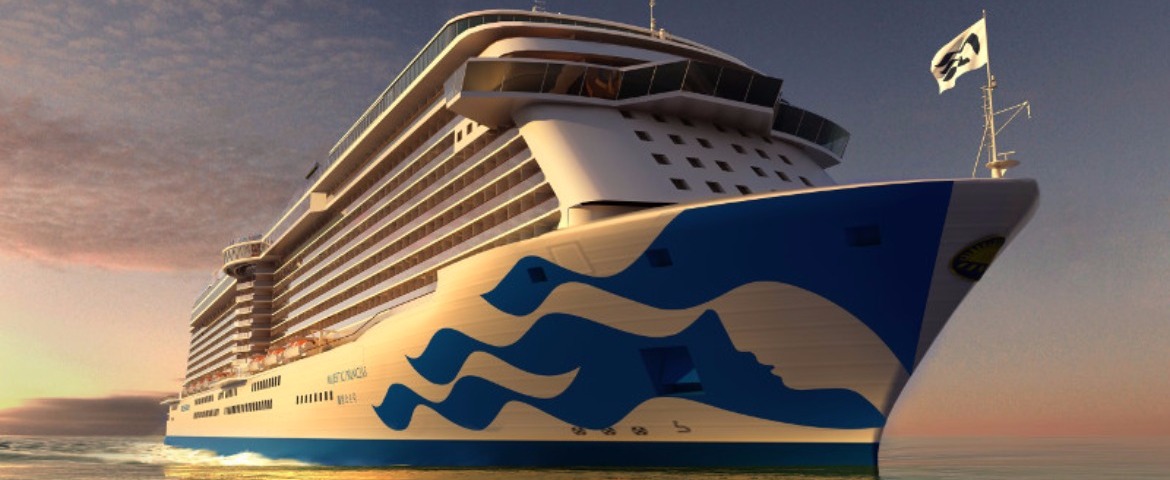
Princess Cruises (19 Cruises)
Majestic Princess
19 Cruises

| 9 February | 35 days | One-way from Buenos Aires to Southampton |
450-628-6241
Call us
|
| 10 February | 36 days | One-way from Buenos Aires to Southampton |
450-628-6241
Call us
|
| 24 January | 52 days | One-way from Buenos Aires to Southampton |
450-628-6241
Call us
|
| 25 January | 53 days | One-way from Buenos Aires to Southampton |
450-628-6241
Call us
|
| 10 February | 35 days | One-way from Buenos Aires to Southampton |
450-628-6241
Call us
|
| 11 February | 36 days | One-way from Buenos Aires to Southampton |
450-628-6241
Call us
|
| 3 March | 15 days | Round-trip from Southampton, United Kingdom |
450-628-6241
Call us
|
| 17 March | 15 days | Round-trip from Southampton, United Kingdom |
450-628-6241
Call us
|
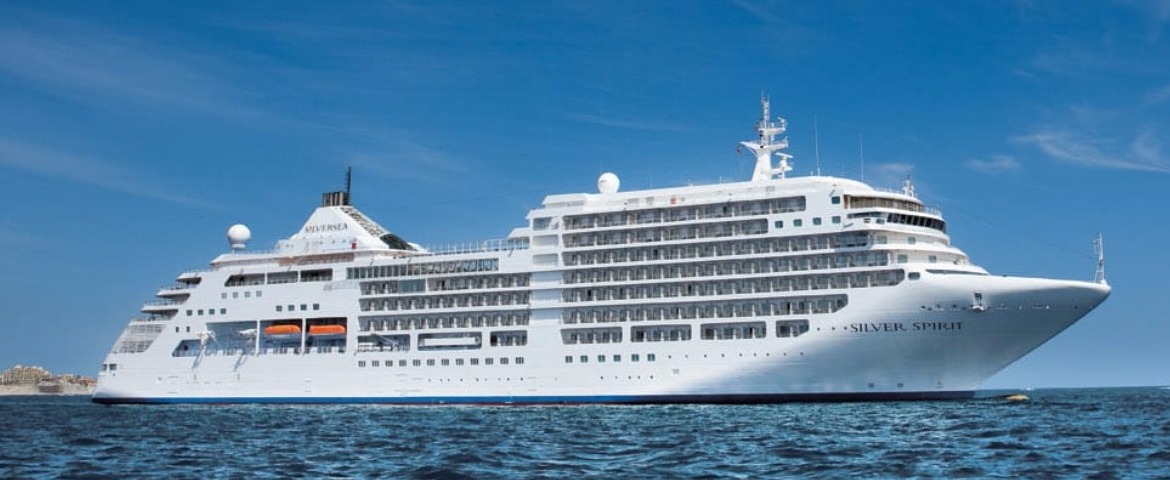
Silversea Cruises (5 Cruises)

Port of Alta, Norway | Cruise Port Guide
Frequently Asked Questions
At the Bukta quay, three to four kilometres from the centre. The walk along the road is not inviting: shuttles run on ship days.
The rock carvings, which need a good two hours, and the Northern Lights Cathedral in the town centre. Excursions to the canyon or to reindeer herders take longer.
A titanium spiral winding towards the sky like a shimmering drape frozen mid-movement, consecrated in 2013 at the end of the pedestrian street. Its metal skin catches the shifting northern light; the pared-back interior, all pale wood curves, invites you to sit.
Thousands of carvings inscribed on the UNESCO World Heritage list, on glacier-polished rock beside the fjord: reindeer, elk, bears, boats, hunting and fishing scenes. The oldest date back around 7,000 years — the largest concentration of rock art in northern Europe.
The local museum organizes the visit along wooden walkways winding three kilometres between the carved panels. The ochre-highlighted figures stand out against grey stone, with the fjord behind. Allow a good two hours.
Windproof clothing: the carvings site is fully exposed, and this is near the 70th parallel north. Even in summer, the wind off the fjord makes itself felt.
No. From mid-May to late July the sun refuses to set — that is the midnight sun, not the aurora. The lights dance above the fjord in winter, a season when cruise ships are rare here.
One of the largest canyons on the continent, cutting the inland plateau with vertiginous walls. Built viewpoints overlook it, and excursions reach it by coach or off-road vehicle.
Yes, visits to Sámi herders round out the excursion choices: meeting the herds, accounts of the seasonal migration, and the culture of the Indigenous people of the North.
Because the town was burned during the German retreat of 1944 and rebuilt after the war. The centre makes no claim to architectural prestige: a few shopping streets, cafes, and the ordinary life of Finnmark.


