Geiranger Norway
Norway
188
Cruises availables
At departure or passage at this port
Celebrity Cruises (3 Cruises)

Costa Cruises (36 Cruises)
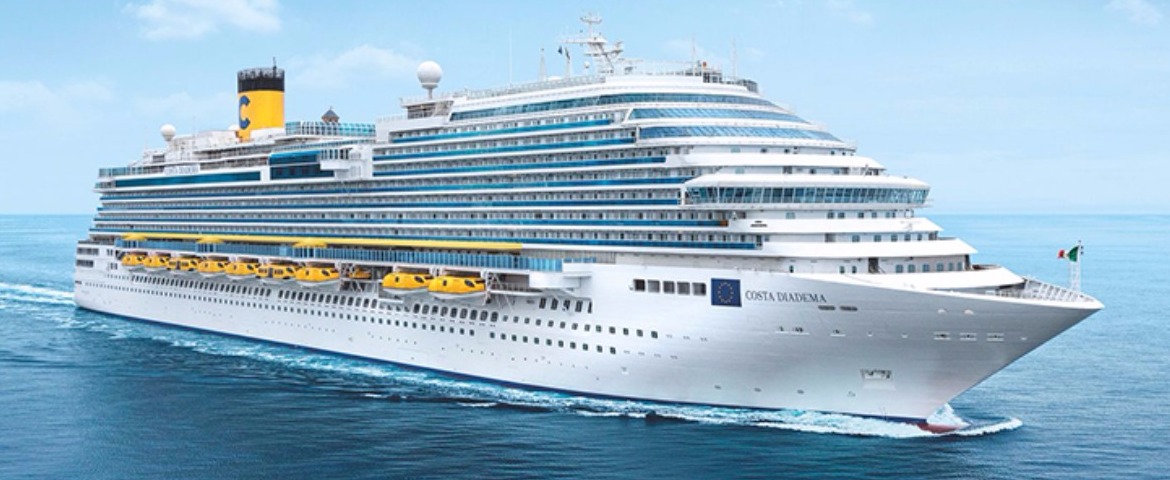
Costa Diadema
33 Cruises

Explora Journeys (4 Cruises)
Explora IV
4 Cruises

Holland America Line (18 Cruises)
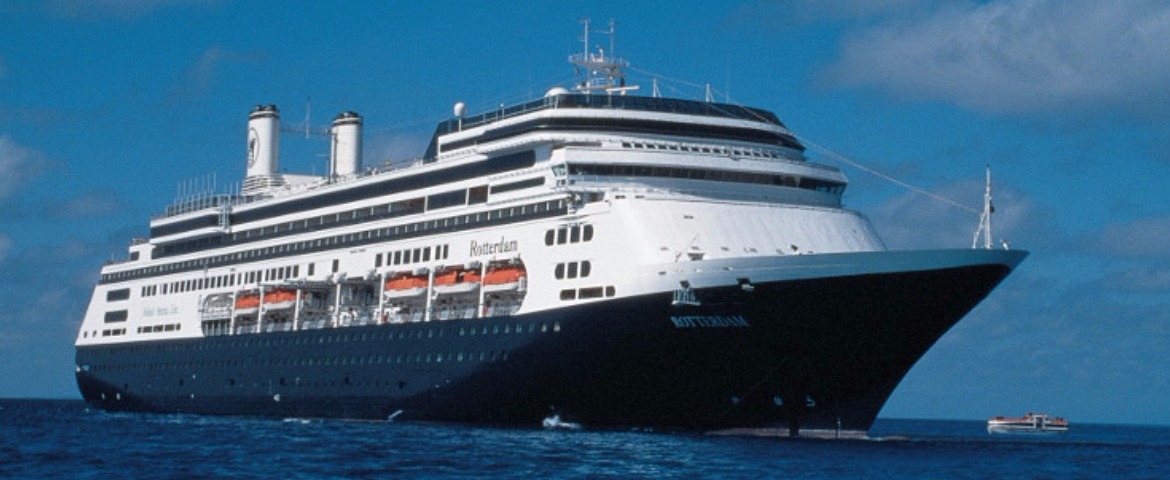
ms Rotterdam
18 Cruises

MSC Cruises (62 Cruises)
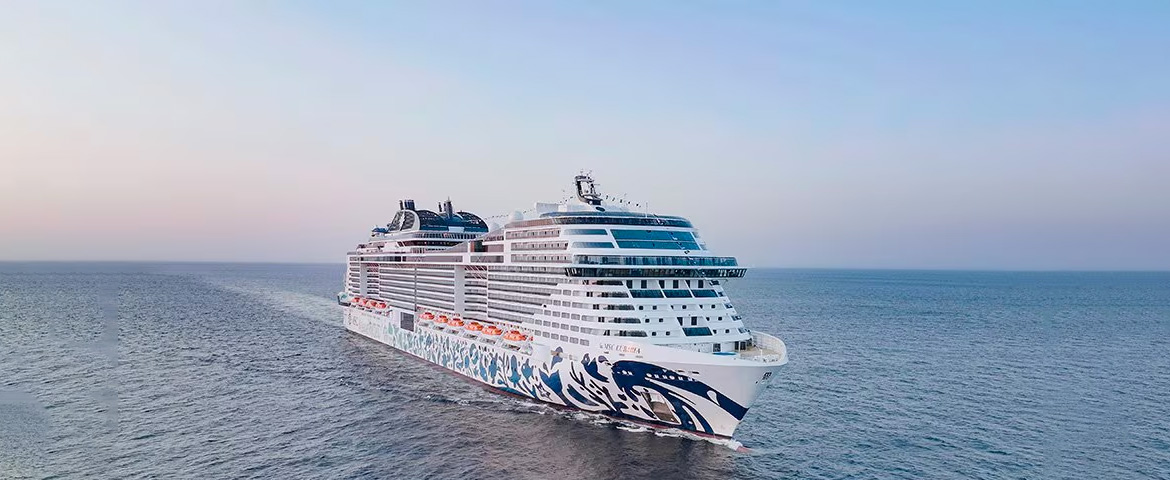
MSC Euribia
62 Cruises

Norwegian Cruise Line (8 Cruises)
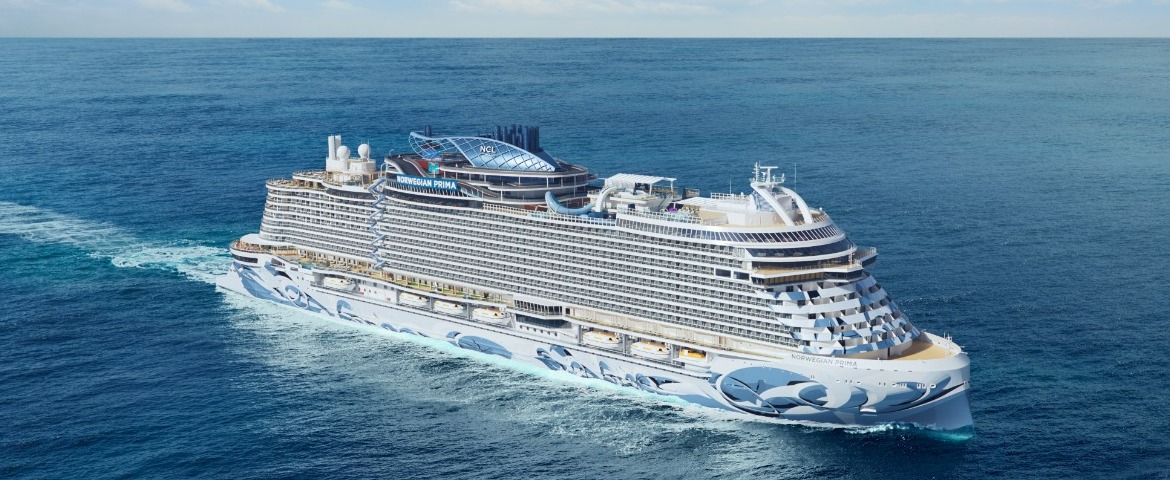
Norwegian Prima
8 Cruises

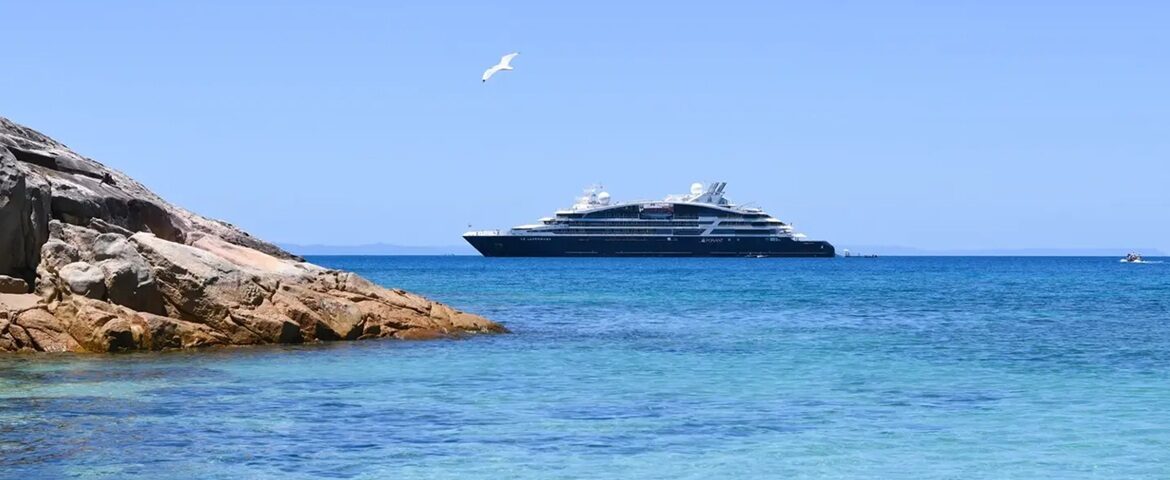
Ponant (12 Cruises)
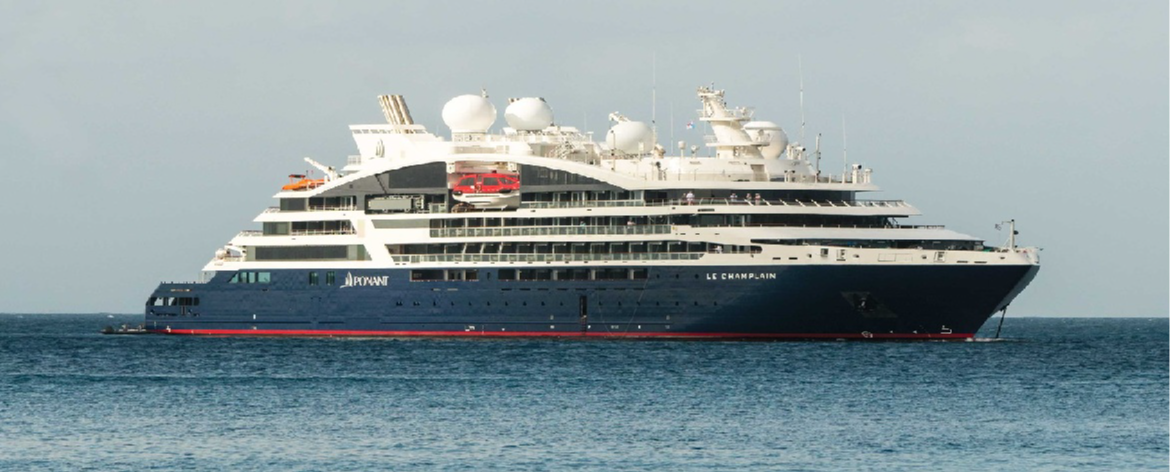
Le Champlain
6 Cruises

Scenic Cruises (16 Cruises)
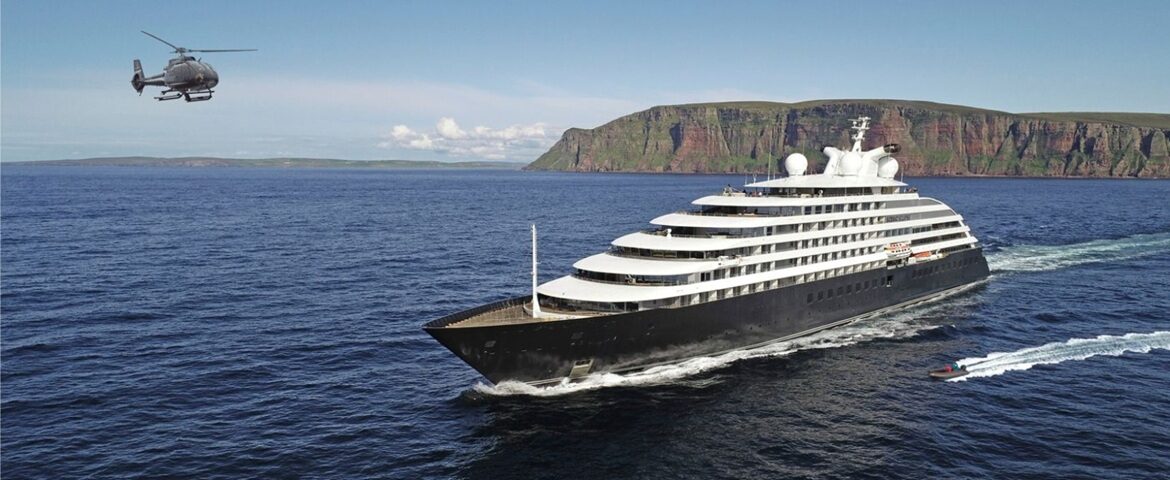
Scenic Eclipse
8 Cruises


Scenic Eclipse II
8 Cruises
Viking Ocean Cruises (24 Cruises)
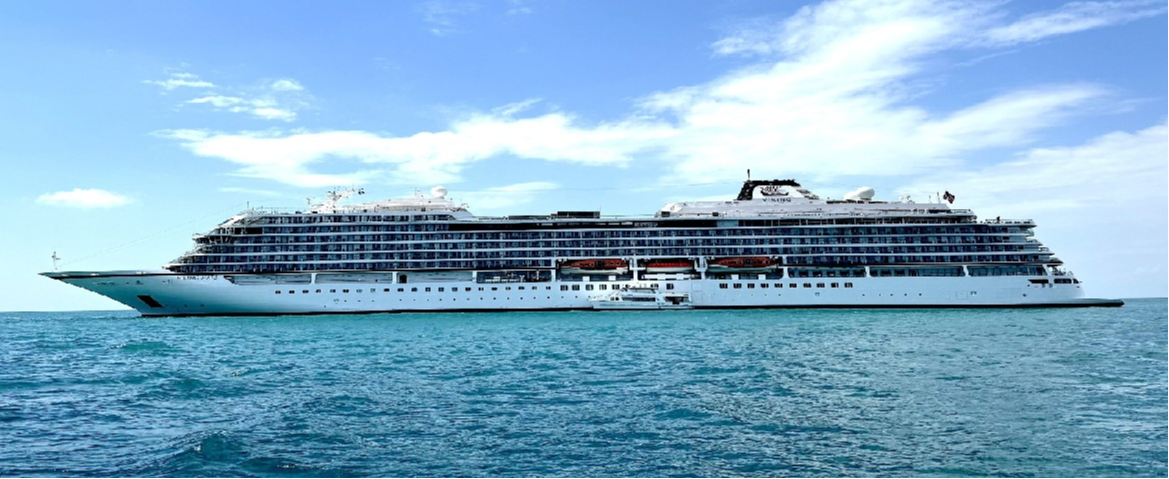
Viking Mars
16 Cruises

| 10 June | 11 days | One-way from Reykjavik to Bergen |
450-628-6241
Call us
|
| 22 June | 11 days | One-way from Bergen to Reykjavik |
450-628-6241
Call us
|
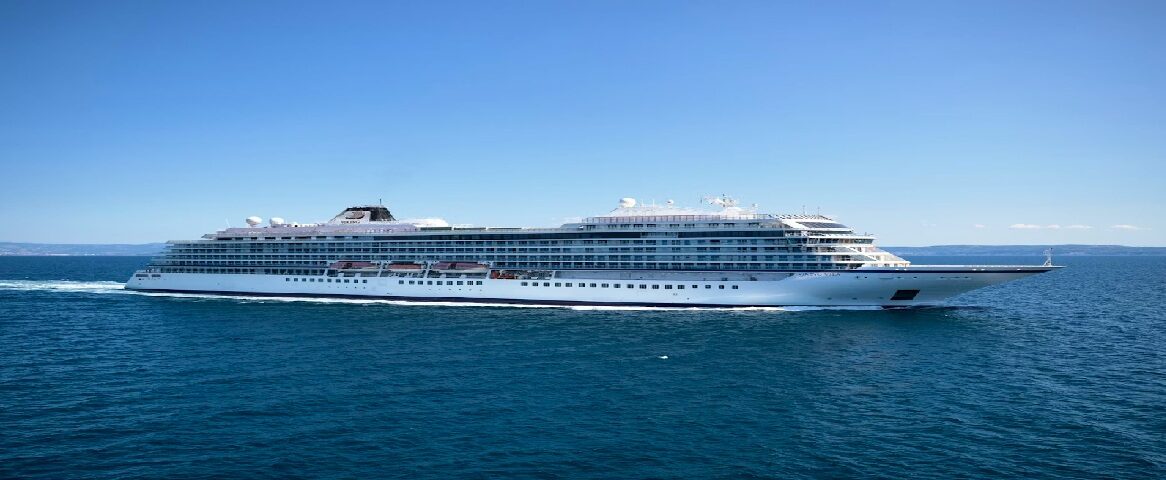
Viking Vela
8 Cruises
Windstar Cruises (5 Cruises)
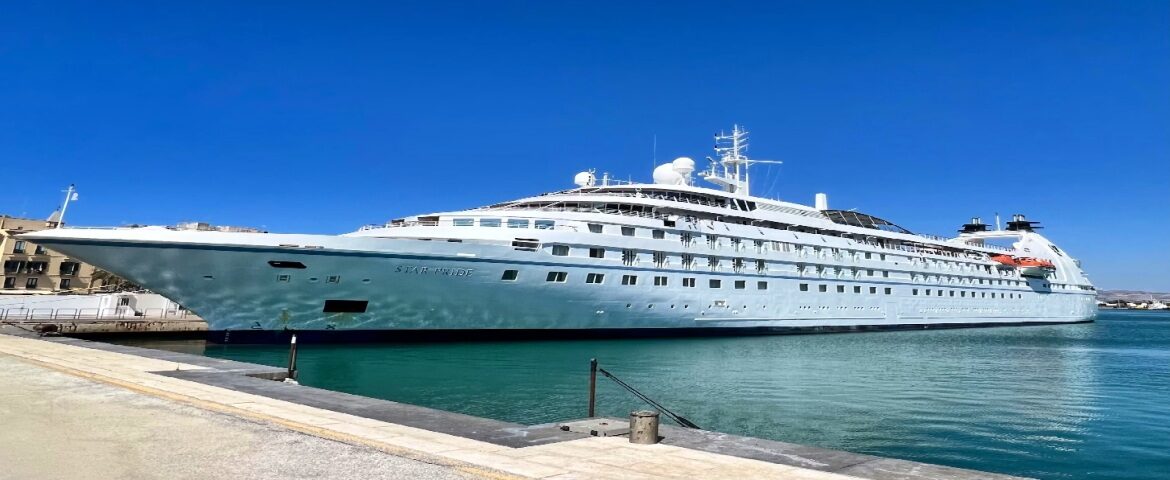
Star Pride
5 Cruises


Port of Geiranger, Norway | Cruise Port Guide
Frequently Asked Questions
No. Lacking a deepwater quay, ships anchor in the basin. Depending on position, passengers reach shore by tender or via the Seawalk, a floating walkway extended to the hull. The landing puts everyone in the village centre.
The call begins long before arrival: for over an hour the ship sails between walls rising close to 1,500 metres, so near in places that you can pick out abandoned farms clinging to the ledges. The Seven Sisters unfurl their veils of water on the north wall, and opposite, a lone waterfall answers them.
The solitary fall facing them is called the Suitor: local legend says he has courted the seven sisters for centuries without success. All eight are visible from the ship's deck on arrival.
The promontory about four kilometres from the landing stage, on the road climbing south. From it the eye plunges onto the village, the fjord and often the ship sitting in the middle like a toy. It is the image that travelled the world on Norway's posters.
A panoramic bus shuttles from the pier. Strong walkers can also go up on foot in about an hour, by a hairpin road where every bend recomposes the landscape.
A summit at 1,500 metres where the Skywalk, a platform suspended over the drop, gives a clear-weather view of the entire fjord, Lake Djupvatnet and snowfields that last through midsummer. The outing needs a long enough call and a warm jacket, even in July.
One big choice: Flydalsjuvet or Dalsnibba. The first leaves time for the Norwegian Fjord Centre and a boat trip; the second takes up most of the day. The village itself is walkable in a few minutes.
Yes. Small boats leave from the marina next to the landing stage and run tight along the rock walls: you approach the Seven Sisters close enough to feel their spray. The guide points out the Skageflå and Knivsflå farms perched on dizzying ledges.
An interpretation centre a ten-minute walk from the quay, up along the river and its waterfall. It explains the slow sculpting by glaciers, life on the mountain farms, avalanches, and the Geirangerfjord's UNESCO World Heritage listing in 2005. Allow an hour.
Yes, and it is best to be ready for it: the village has some 250 winter residents and receives several thousand passengers on some summer mornings. The Fossevandring stairway trail alongside the Storfossen waterfall offers a pleasant escape from the crowding in the centre.


