Pisco Paracas-Puerto General San Martin, Peru

69 Cruises availables At departure or passage at this port

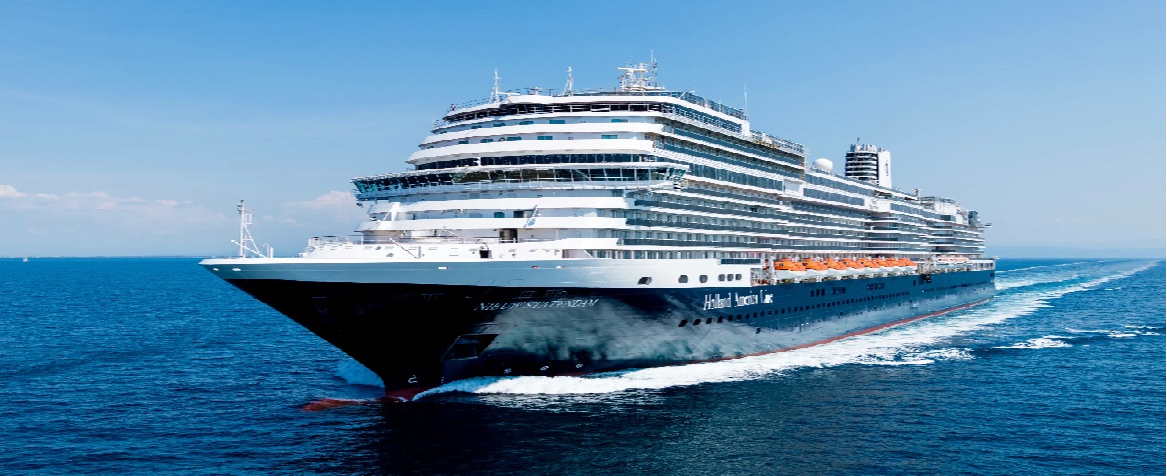
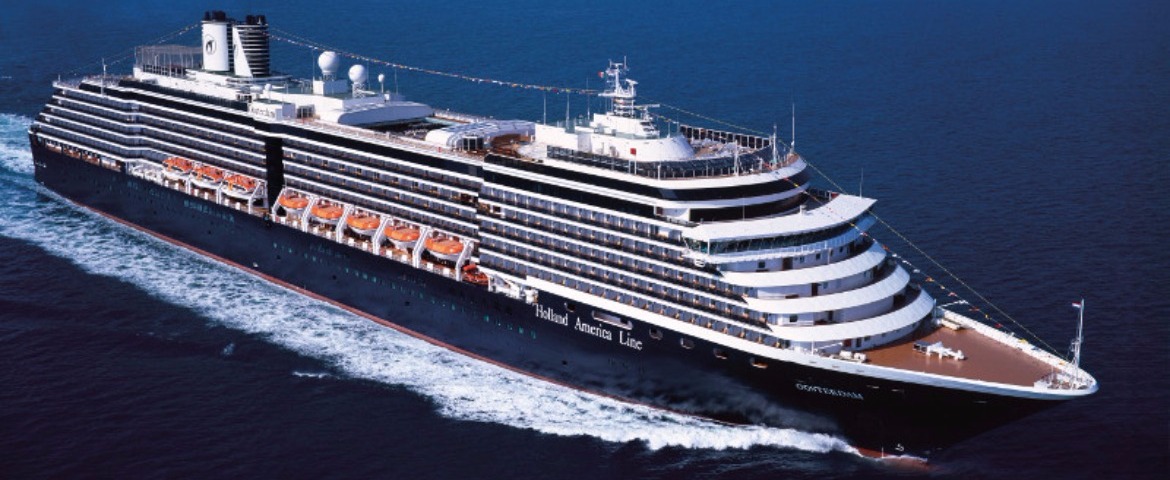
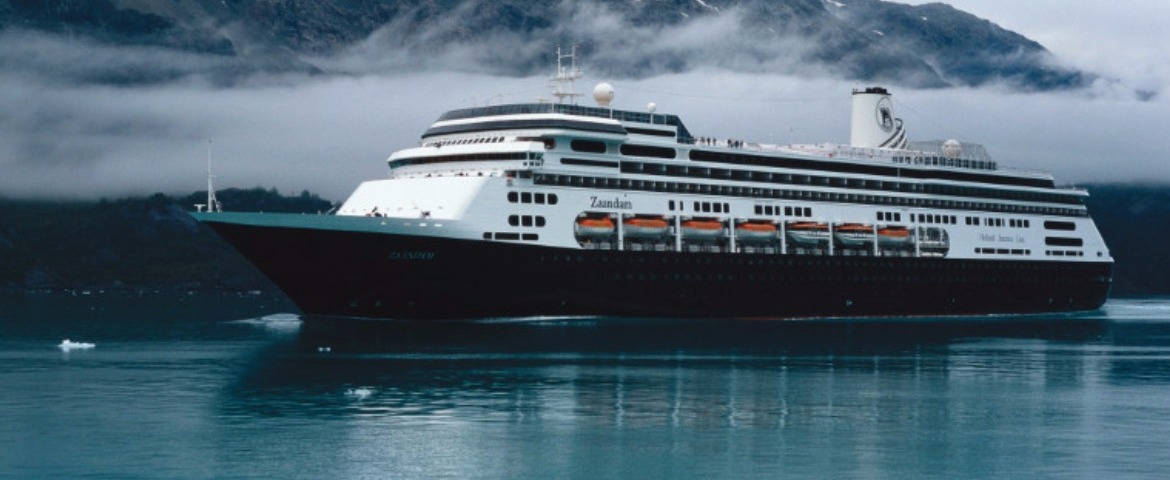
Holland America Line (20 Cruises)

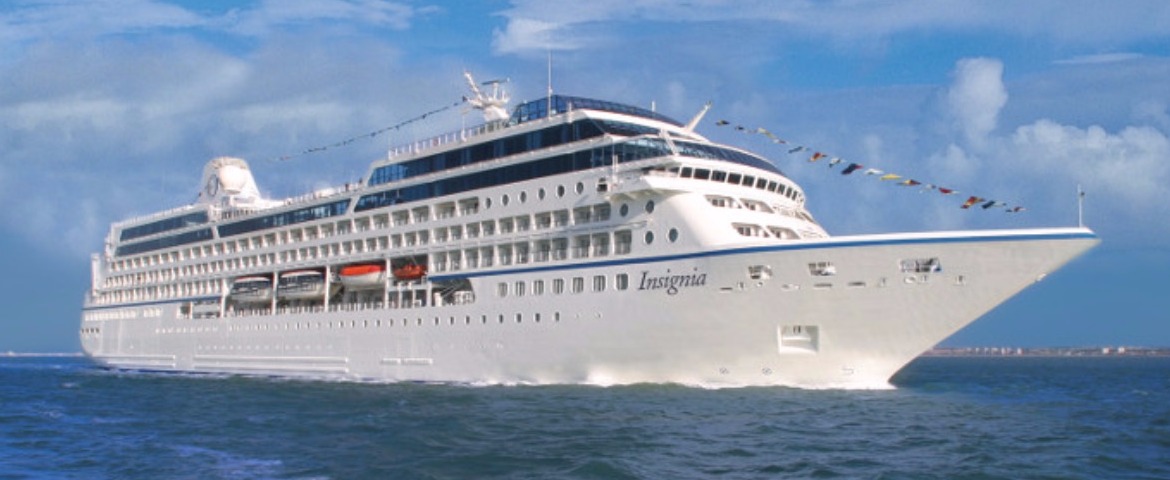
Seabourn Cruise Line (18 Cruises)

Pisco (Paracas), Peru | Cruise Port Guide

Here, the desert runs into the sea. Ships dock at Puerto General San Martín, a terminal set on the Paracas Peninsula, about 200 kilometres south of Lima, in a landscape of ochres and cliffs pounded by the Pacific. No town awaits at the foot of the gangway: this Peruvian port call plays out in the neighbouring national reserve, on the islands offshore and, for the most ambitious, as far as the enigmas traced on the plains of Nazca.

A terminal at the gates of the Paracas Reserve

The pier belongs to a mixed-use port, where cargo operations stand alongside passenger services. The distances require some planning: the village of El Chaco, the base for boat excursions in Paracas Bay, is about fifteen kilometres away, or 20 to 30 minutes by road, and the town of Pisco about thirty kilometres away. Almost all cruise passengers opt for an excursion, whether sold on board or booked in advance with local agencies that pick up their clients at the terminal.

The Ballestas Islands, havens for abundant wildlife

The most popular outing leads to the Ballestas Islands. From El Chaco, speedboats reach these rocky islets in half an hour; they are often nicknamed the "poor man's Galápagos," an unfair label given how well the spectacle stands on its own. Colonies of sea lions jostle for the beaches, Humboldt penguins balance on the ledges, and clouds of cormorants, boobies and pelicans wheel above arches carved by the swell. There is no landing: the boat threads its way between the rocks, engine idling. Along the way, most pilots stop in front of the Candelabra, a giant geoglyph etched into the sandy slope of the peninsula, whose origin and purpose are still debated.

The coastal desert and its colours

The Paracas National Reserve protects one of the continent's rare coastal deserts. The roads crossing it lead to lookouts where the cliff drops into surprisingly turquoise water, to reddish beaches and to mineral expanses swept by the wind that gave the place its name. This afternoon wind, regular on the peninsula, also explains why most outings depart in the morning. Land tours generally combine two or three viewpoints with a stop at the interpretation centre. Flamingos and shorebirds frequent the bay depending on the season.

Farther afield, the imprint of ancient civilizations

Some day excursions push on to Tambo Colorado, a remarkably preserved Inca adobe complex in the Pisco River valley, where entire sections of painted walls remain. Flights over the Nazca Lines, offered from regional airfields, require a full day and a substantial budget; they are suitable only for long port calls, and you must contend with the uncertainties of the weather and of small aircraft.

Practical pointers

DestinationDistance or time from the pier
El Chaco (Ballestas boat dock)About 15 km, 20 to 30 minutes
Town of PiscoAbout 30 km
National reserve tourHalf a day
Tambo ColoradoFull day or a long half-day

What you take home

On the way back, as the terminal recedes, the peninsula resumes its look of a sketch in ochre ink. From this port call without monuments or lanes, you keep images of rare clarity: the din of the sea lions, the flight of cormorants in formation and a red cliff above clear water. Few South American ports of call pack so much wildlife into so few hours.

Frequently Asked Questions

At Puerto General San Martín, a terminal on the Paracas peninsula, about 200 km south of Lima. It is a mixed port: cargo operations sit alongside passenger handling.
No, none. El Chaco village is about fifteen kilometres away, 20 to 30 minutes by road, and the town of Pisco about thirty. Almost all passengers take an excursion.
The Ballestas Islands by speedboat from El Chaco, or a land tour of the Paracas National Reserve. Both fit into a full day; on a half day you must choose.
Sea lion colonies, Humboldt penguins balancing on ledges, and clouds of cormorants, boobies and pelicans. You do not land: the boat threads between the rocks at idle.
A giant geoglyph carved into the sandy slope of the peninsula, where most skippers pause on the way to the Ballestas. Its origin and purpose are still debated.
Because of the wind. The paracas, the steady afternoon wind that gave the place its name, raises the sea. Boats to the Ballestas therefore sail in the morning.
Yes, by overflight from regional airfields, but it takes a full day and a substantial budget. Best kept for long calls, and you must accept the weather and small aircraft.
One of the continent's rare coastal deserts: cliffs dropping into turquoise water, reddish beaches and wind-scoured mineral flats. Flamingos and shorebirds use the bay seasonally.
Tambo Colorado, a remarkably preserved Inca adobe complex in the Pisco river valley, where whole sections of painted wall survive. Some full-day excursions go there.
The Ballestas trip usually delights them: sea lions, penguins, birds in the thousands. On the other hand there are no monuments or streets to explore, and the sea can be lively on the way back.