Porto Antigo Cinfaes, Portugal
288
Cruises availables
At departure or passage at this port
AmaWaterways (15 Cruises)
AmaDouro
15 Cruises
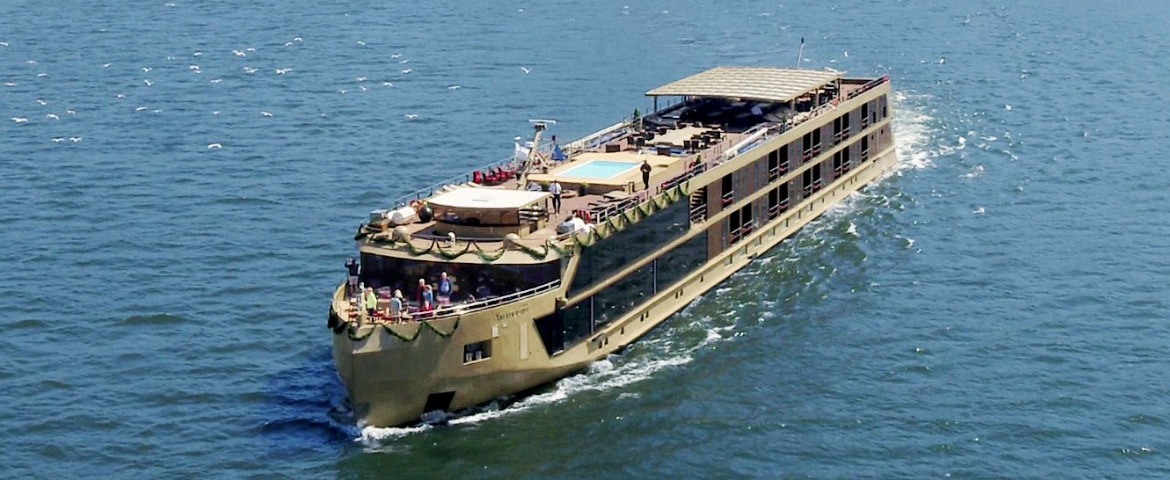

| 23 March | 7 nights | Round-trip from Porto-Leixoes, Portugal |
450-628-6241
Call us
|
| 30 March | 7 nights | Round-trip from Porto-Leixoes, Portugal |
450-628-6241
Call us
|
| 6 April | 7 nights | Round-trip from Porto-Leixoes, Portugal |
450-628-6241
Call us
|
| 20 April | 7 nights | Round-trip from Porto-Leixoes, Portugal |
450-628-6241
Call us
|
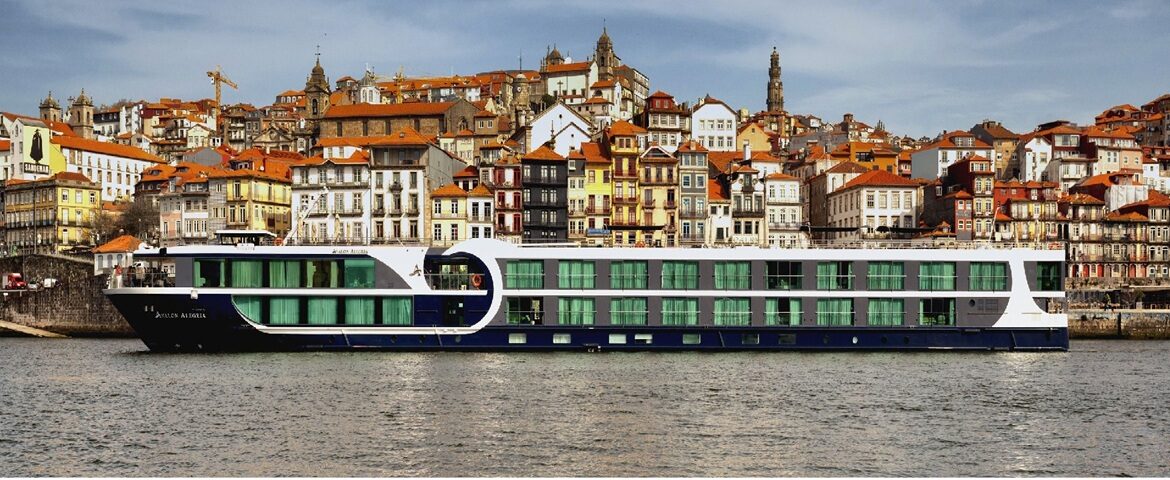
Avalon Waterways (4 Cruises)

CroisiEurope (62 Cruises)
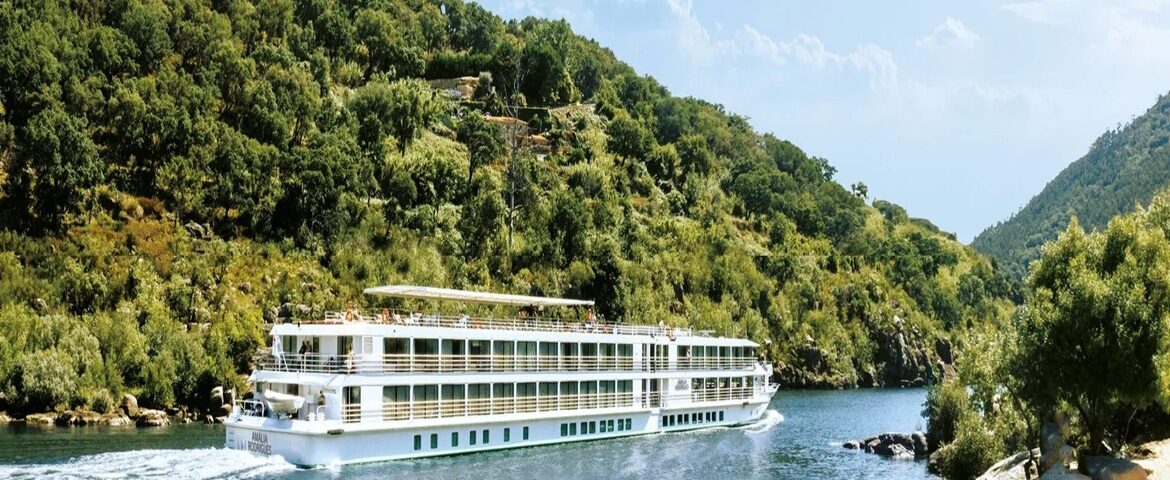

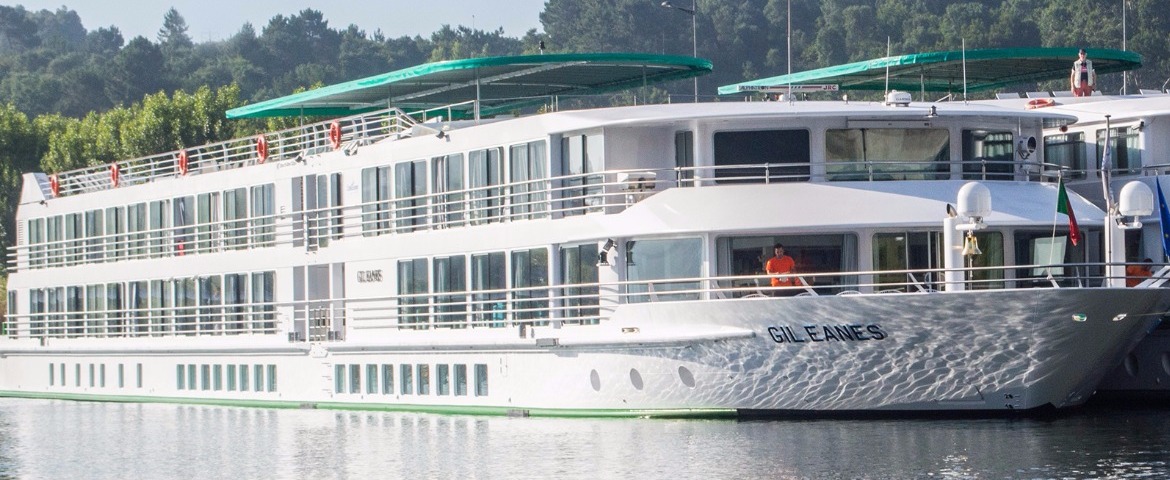
MS Fernao de Magalhaes
22 Cruises
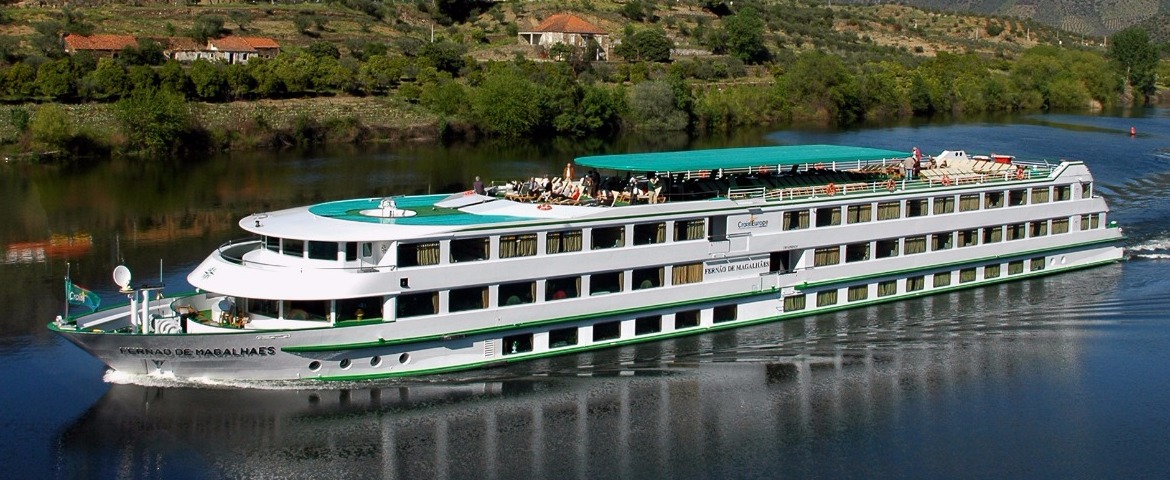
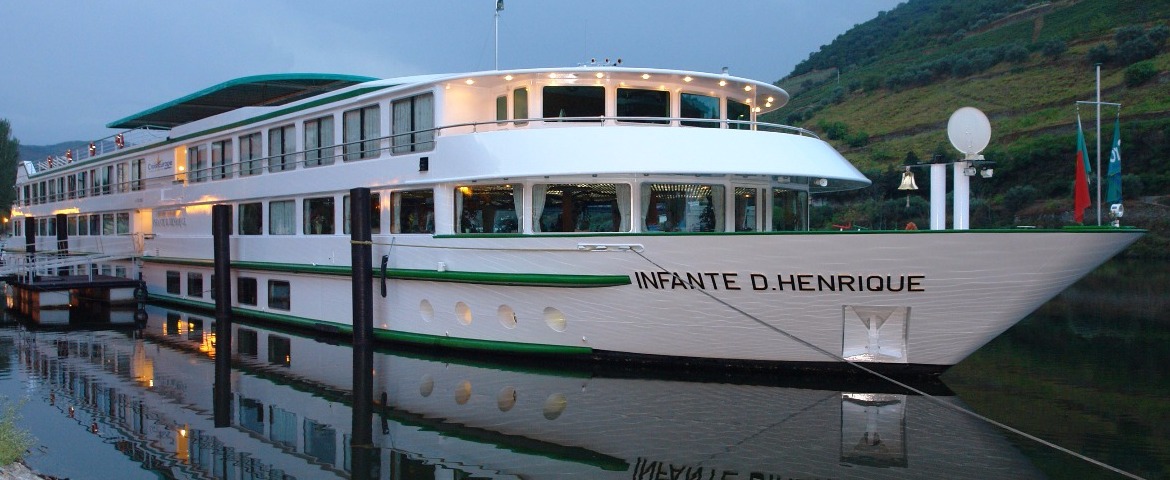
MS Infante Don Henrique
13 Cruises
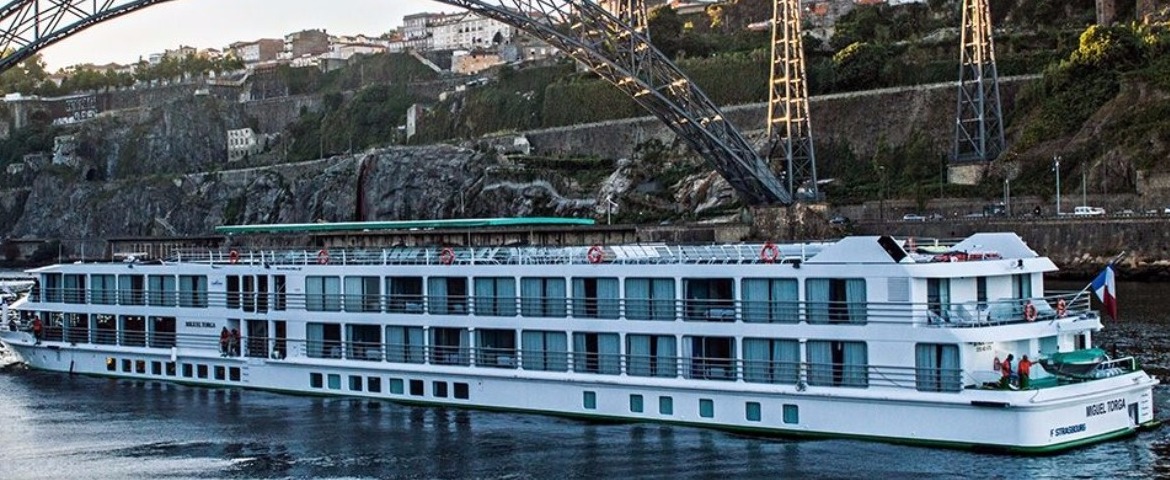
MS Miguel Torga
10 Cruises
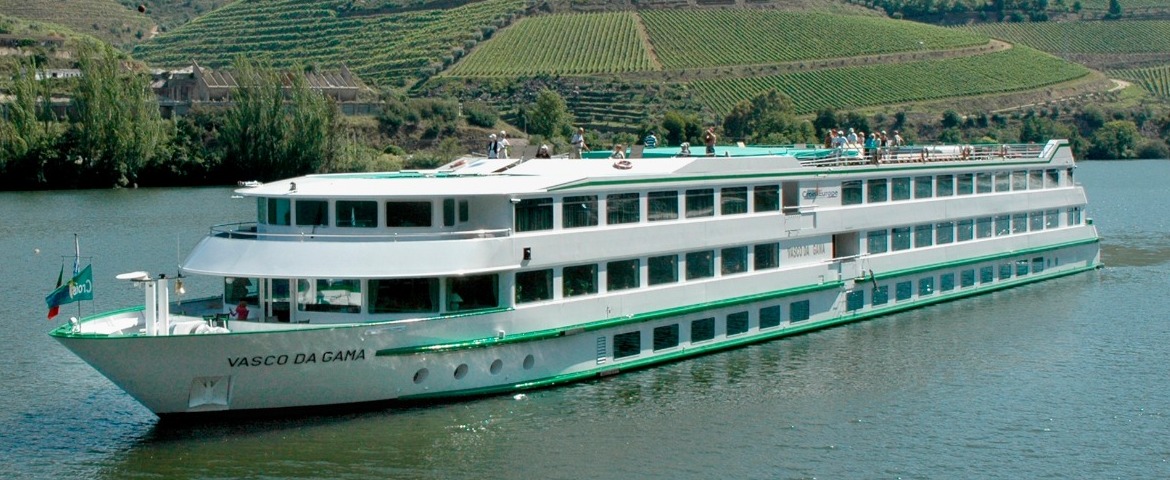
MS Vasco de Gama
12 Cruises
Tauck Cruises (50 Cruises)
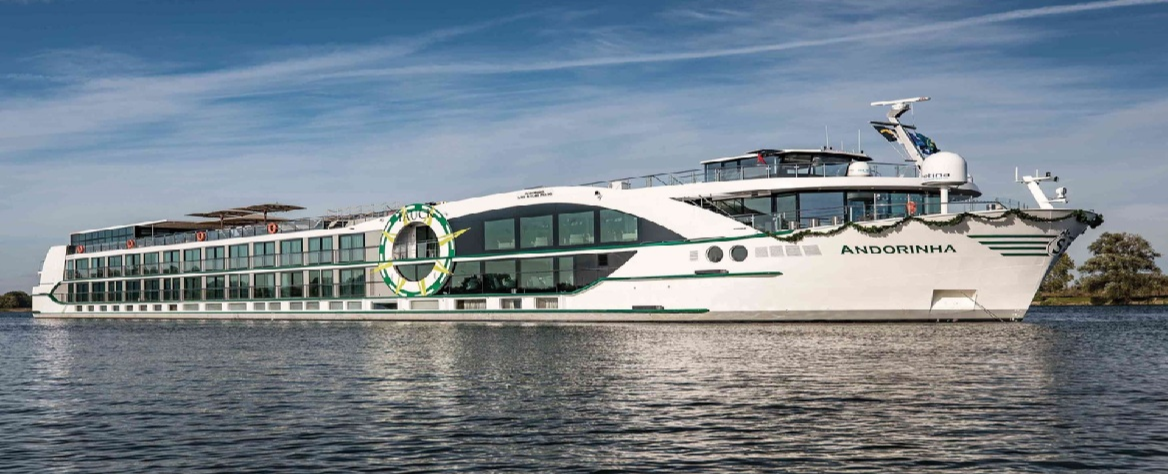
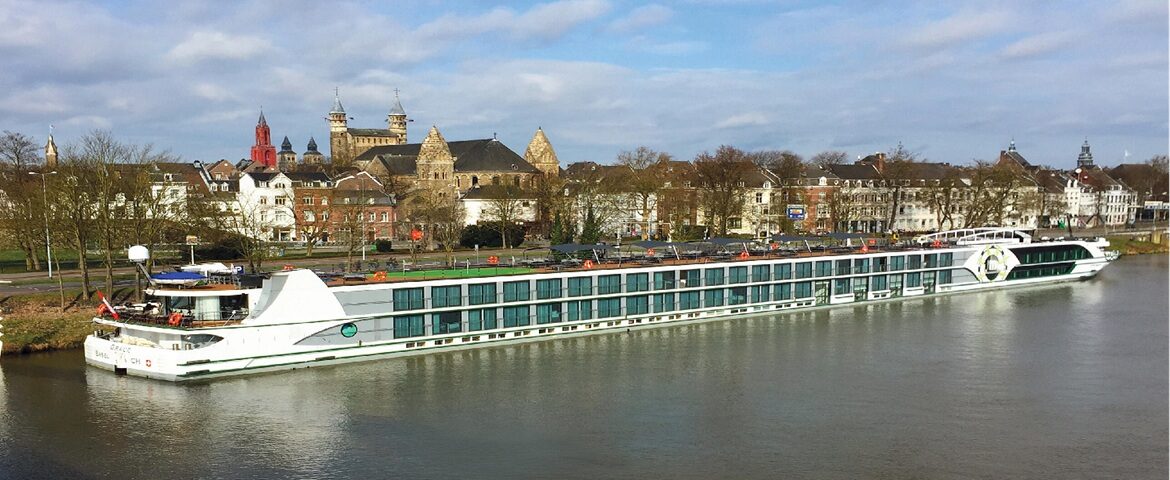
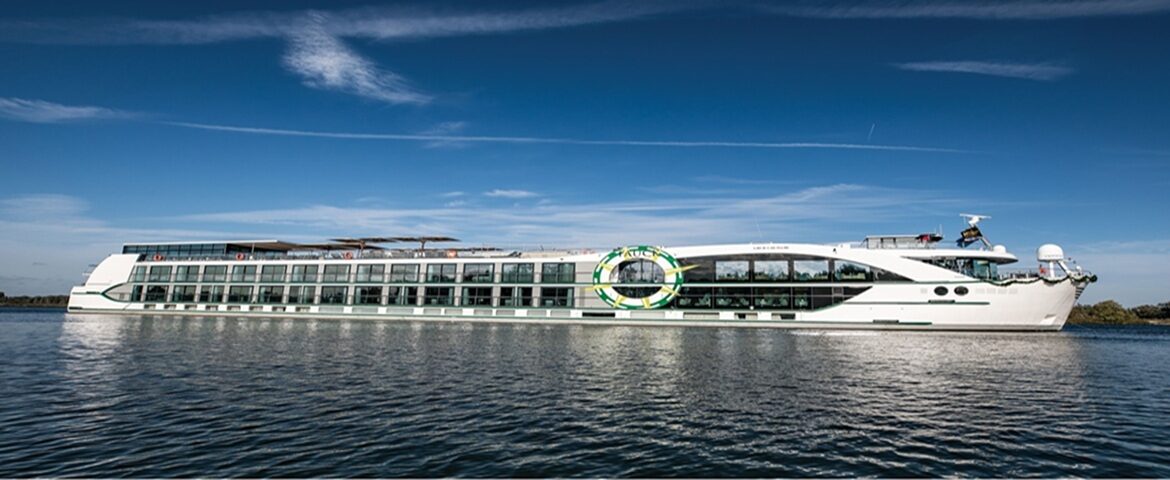
ms Andorinha
44 Cruises

Uniworld Boutique River Cruise (157 Cruises)
S.S. São Gabriel
157 Cruises


| 28 March | 10 nights | One-way from Porto-Leixoes to Lisbon |
450-628-6241
Call us
|
| 28 March | 7 nights | Round-trip from Porto-Leixoes, Portugal |
450-628-6241
Call us
|
| 26 March | 7 nights | Round-trip from Porto-Leixoes, Portugal |
450-628-6241
Call us
|
| 26 March | 10 nights | One-way from Porto-Leixoes to Lisbon |
450-628-6241
Call us
|

Porto Antigo Cinfães Portugal | Douro River Cruise Guide
Frequently Asked Questions
At an isolated pontoon in the municipality of Cinfães. There is no terminal and no town: a few houses, terraced hills plunging into the river and, in the distance, the heights of the Serra de Montemuro.
No, and it's best said upfront. Porto Antigo is a breathing space, not a sightseeing call. The main attraction plays out from the ship's deck: the bends of the Douro between slopes shaped by generations of winegrowers.
Watch the river, first. Then, depending on the program, an excursion to Cinfães and the Romanesque heritage of nearby valleys, or a quinta visit. Still water reflects the terraces and herons fish along the banks: many passengers keep this as the most peaceful memory of the cruise.
The deepest in Europe, a few kilometres downstream from Porto Antigo. It raises or lowers ships about thirty-five metres in a single movement. Enclosed between tall concrete walls that slowly open onto the sky, you grasp the scale of the works that tamed this river.
Because the mooring is quiet and well placed on the route. It's a quiet privilege: no traffic noise, stars of forgotten sharpness, water lapping the hull. In the morning, mist stretches over the water before the sun relights the terraces.
A small town between riverbank and mountain, in a region where granite surfaces everywhere. Northern Portugal preserves remarkable Romanesque heritage here: churches and chapels from the kingdom's first centuries dot the nearby valleys, modest and moving in their plain stone.
Those of two worlds meeting here: downstream, the fresh wines of vinho verde; upstream, the warm terraces of the classified Douro, home of port. Onboard tables and the quintas visited enjoy setting the two styles side by side.
The flat-bottomed boat that carried wine casks down to Porto before the dams, on a violent river strewn with rapids. The locks pacified the wine route, and those craft now serve only regattas and photographs.
The euro and Portuguese. There are no shops at the pontoon itself: bring what you need from the ship. Quintas and sites visited on excursion take cards.
Not very. There is nothing ashore for children, and the program rests on scenery and wine. Passing through the Carrapatelo lock, on the other hand, impresses them as much as the adults.


