Hambantota Sri Lanka
Sri Lanka
37
Cruises availables
At departure or passage at this port
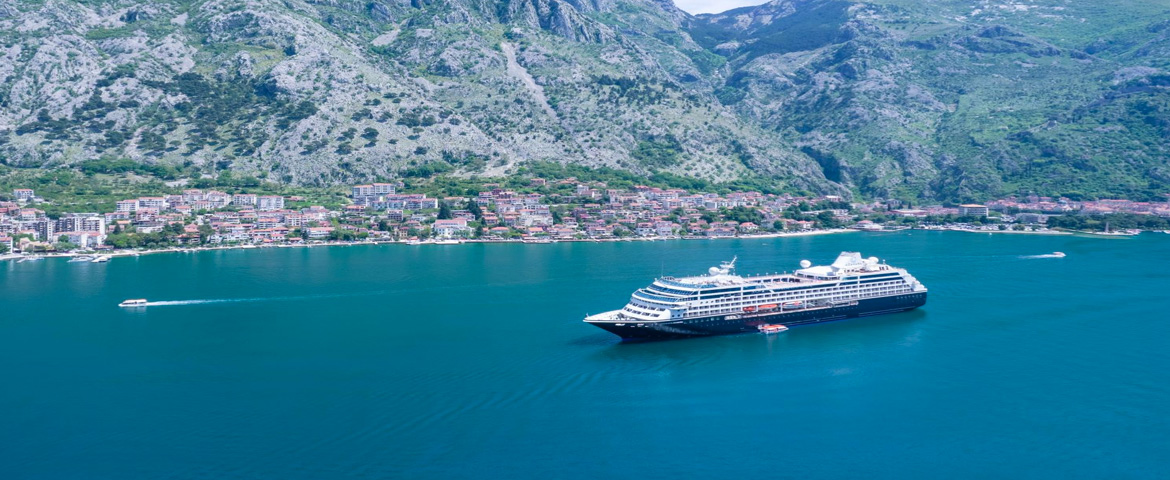
Azamara Club Cruises (13 Cruises)
Azamara Onward
13 Cruises

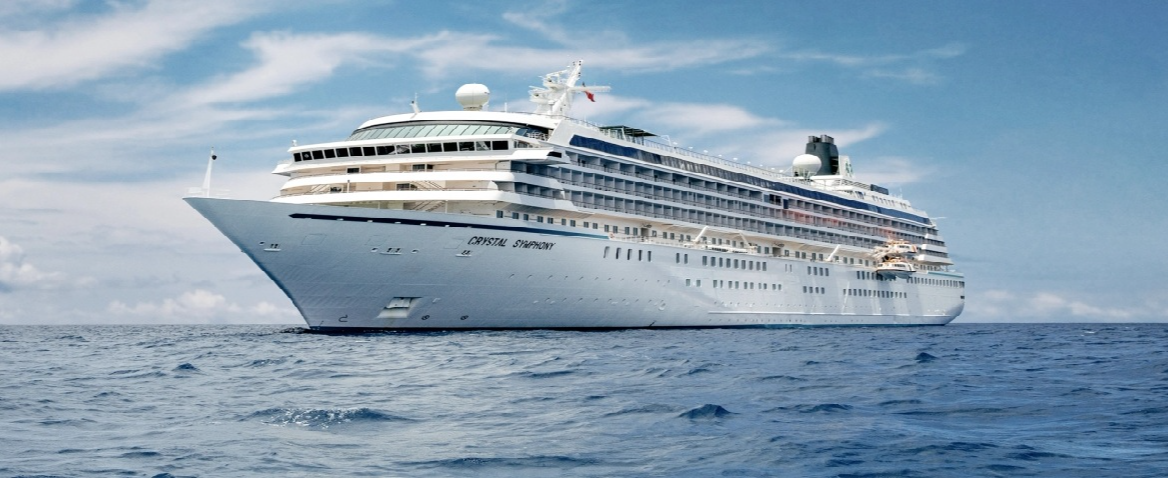
Crystal Cruises (6 Cruises)
Crystal Symphony
6 Cruises

| 11 January | 137 days | One-way from Fort Lauderdale to Barcelona |
450-628-6241
Call us
|
| 11 January | 151 days | Round-trip 150 Night Roundtrip Fort Lauderdale Cruise |
450-628-6241
Call us
|
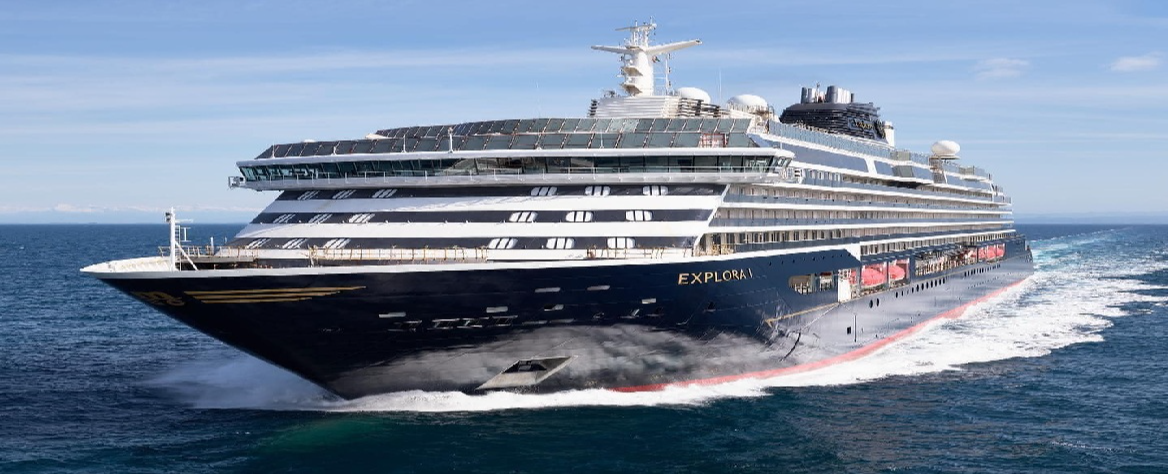
Explora Journeys (3 Cruises)

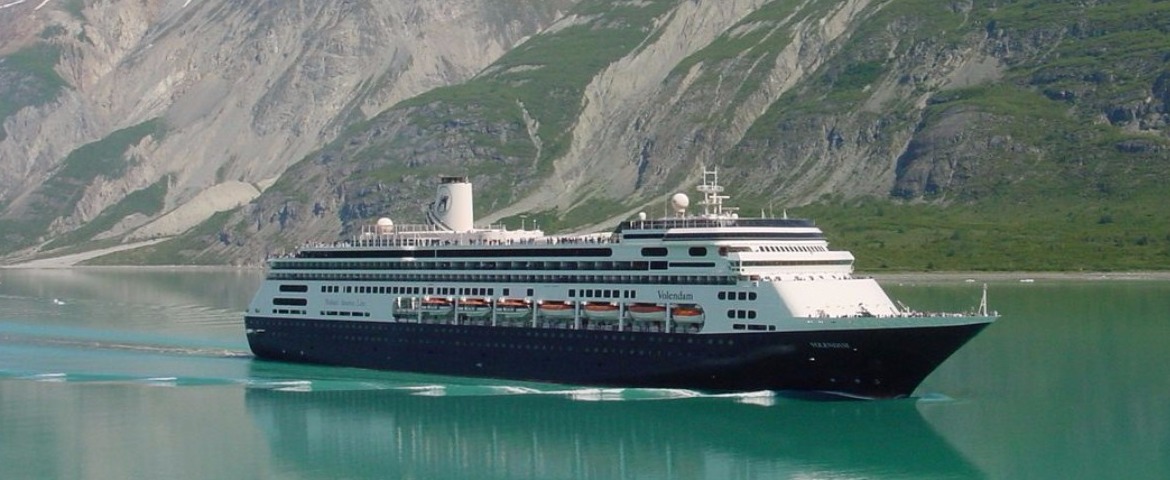
Holland America Line (2 Cruises)

Oceania Cruises (3 Cruises)




Port of Hambantota | Cruise Port Guide
Frequently Asked Questions
In a large deep-water port opened in 2010 on the south coast, in the middle of a dry plain swept by wind. The site is commercial first: cranes and warehouses, no tourist waterfront.
No. A compulsory shuttle runs from the quay to the maritime centre near the exit; from there any movement requires a pre-booked vehicle or an organised excursion. Casual taxis are scarce around the cranes.
A safari. Within less than two hours' drive lie some of the island's richest wild country, where leopards, elephants and migratory birds live in the open in thorn scrub. Few calls allow a full safari between lunch and sailing.
A little over an hour east, with one of the highest leopard densities in the world. Four-wheel drives file in from the moment the gates open, among ponds, granite outcrops and thorn thickets: elephant herds, marsh crocodiles, wild boar, peacocks in the middle of the track, fish eagles.
Nobody can promise it, and that is worth accepting before you go. Early departures improve the odds, before the heat drives animals into shade. Even without the big cat, the day stays rich in elephants, crocodiles and birds.
It is the safest option given the distances and the queues at the park gate: excursions sold on board guarantee your return to the ship. An independent driver may cost less, but he does not oblige the ship to wait for you.
A string of brackish lagoons closer to the landing, recognised as a wetland of international importance. Thousands of waders and migrants gather by season — painted storks, spoonbills, flamingos — among motionless crocodiles and wild buffalo. It is the shorter nature outing, far less busy than its famous neighbour.
A hat, water and binoculars make all the difference once you are on the track. The bush is dry, the dust constant and the sun merciless in an open vehicle.
Yes, the Mirijjawila dry zone botanical garden, which gathers local flora along quiet paths: half a day with no long drive. Those interested in religious history can push on to the Mulkirigala rock temple, whose painted shrines rise in tiers up a cliff about an hour away.
Southern Sri Lanka at its most everyday: salt pans worked by salt gatherers under cloth hats, paddy fields, lotus-covered ponds, monkeys perched on fences and coconut stalls at the roadside. The drive is part of the show.


