Portsmouth UK England
United Kingdom
106
Cruises availables
At departure or passage at this port
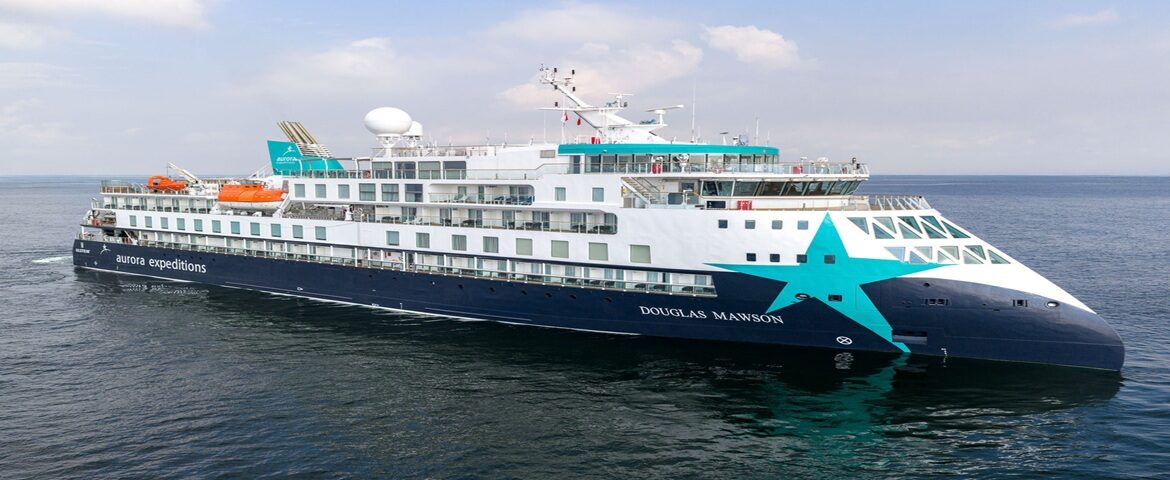
Aurora Expeditions (1 Cruises)

Azamara Club Cruises (50 Cruises)
Azamara Journey
24 Cruises
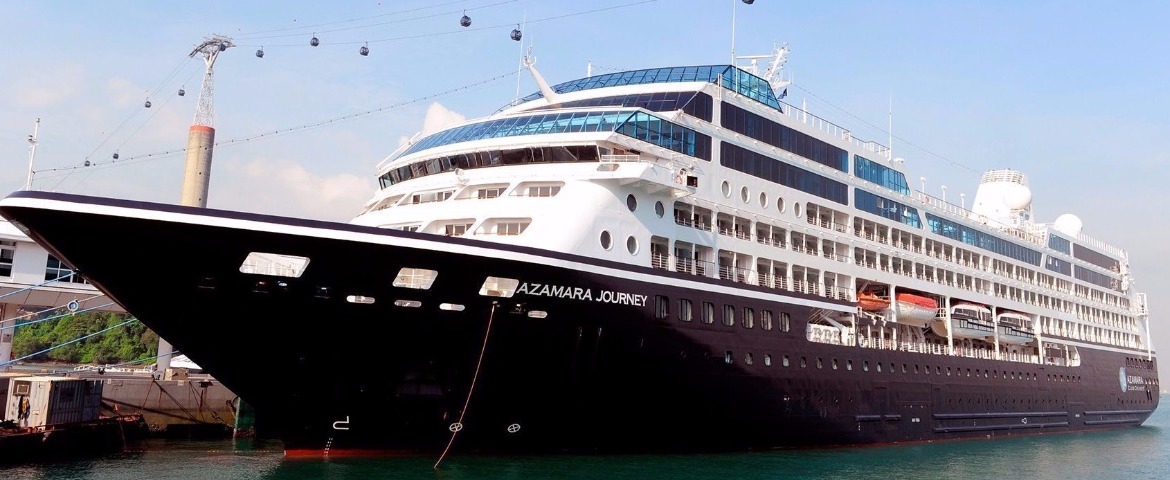

| 15 May | 36 days | One-way from Civitavecchia-Rome to Dublin |
450-628-6241
Call us
|
| 29 May | 11 days | One-way from Lisbon to Portsmouth UK |
450-628-6241
Call us
|
Azamara Quest
26 Cruises
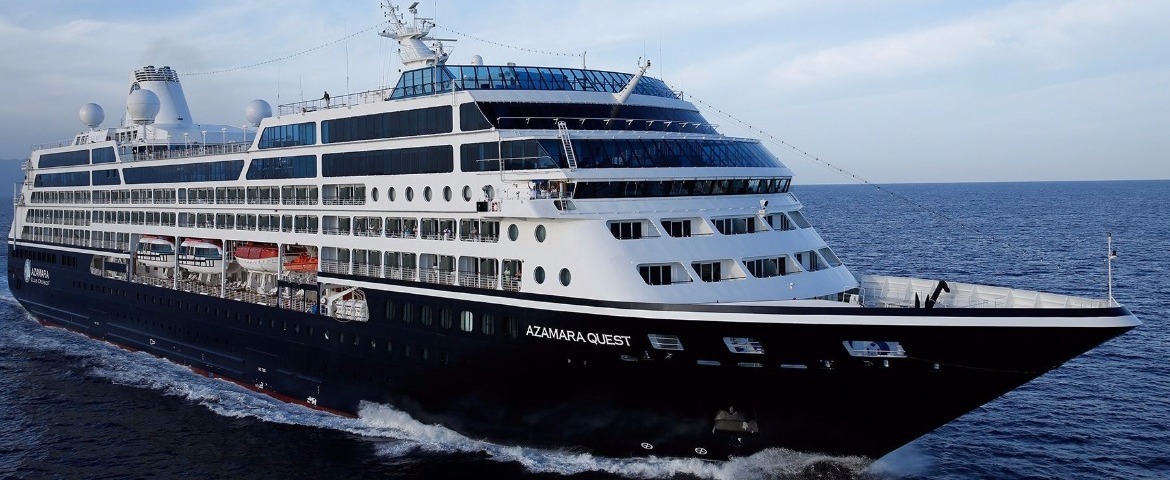
| 1 June | 12 days | One-way from Portsmouth UK to Leith-Edinburgh |
450-628-6241
Call us
|
| 1 June | 12 days | One-way from Portsmouth UK to Leith-Edinburgh |
450-628-6241
Call us
|
Crystal Cruises (18 Cruises)
Crystal Serenity
10 Cruises


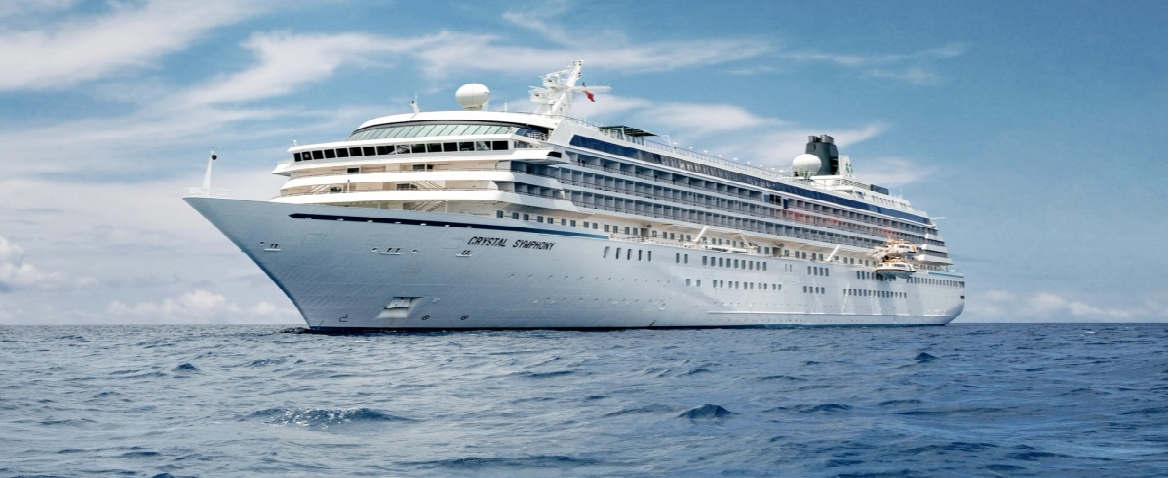
Crystal Symphony
8 Cruises
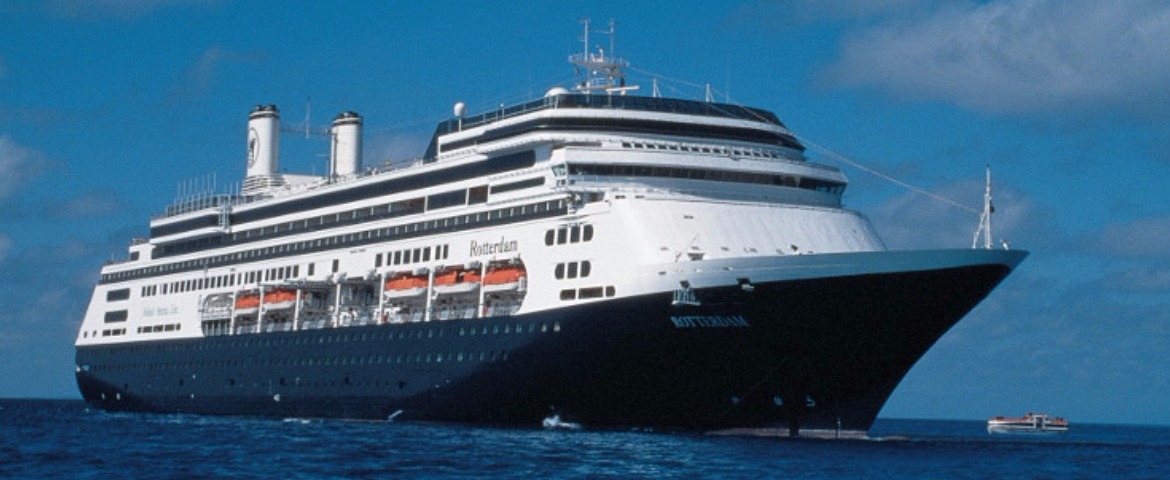
Holland America Line (11 Cruises)
ms Rotterdam
11 Cruises

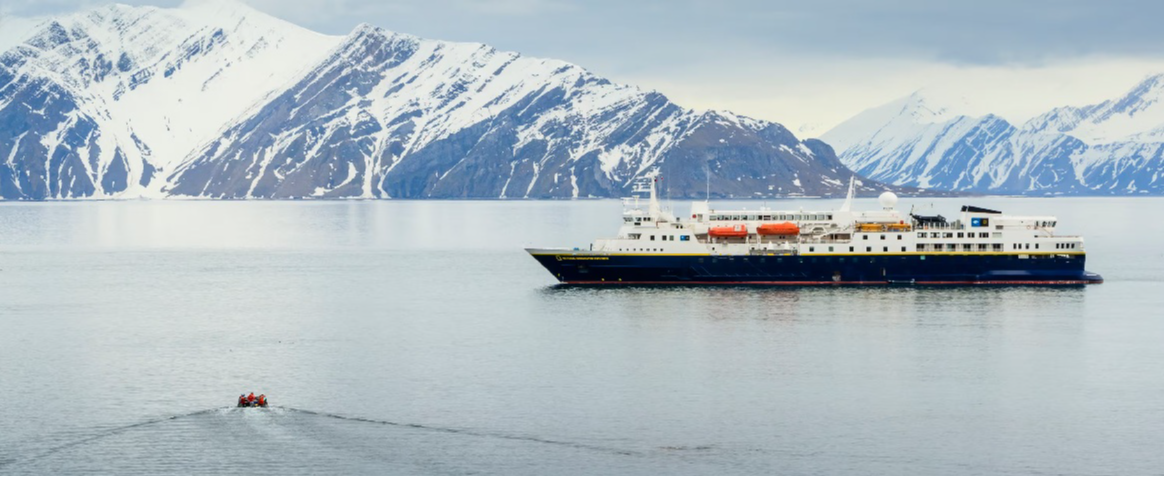
Lindblad Expeditions (4 Cruises)




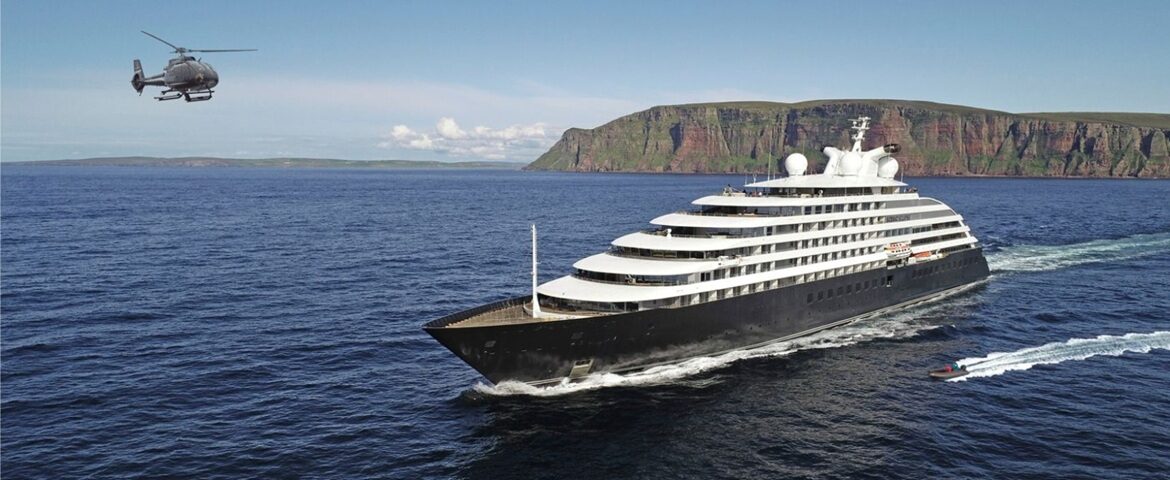
Seabourn Cruise Line (4 Cruises)
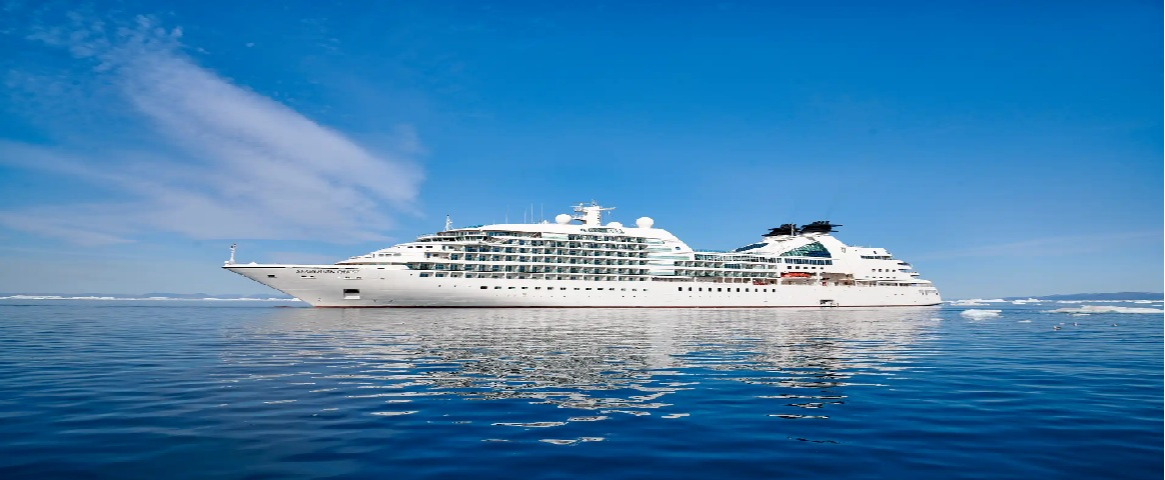

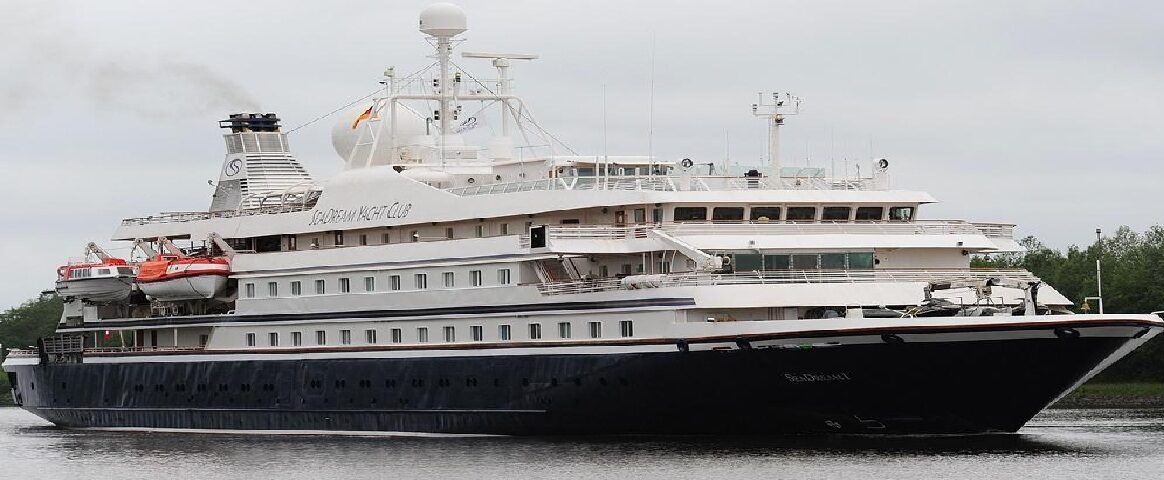
SeaDream Yacht Club (4 Cruises)
Seadream I
4 Cruises

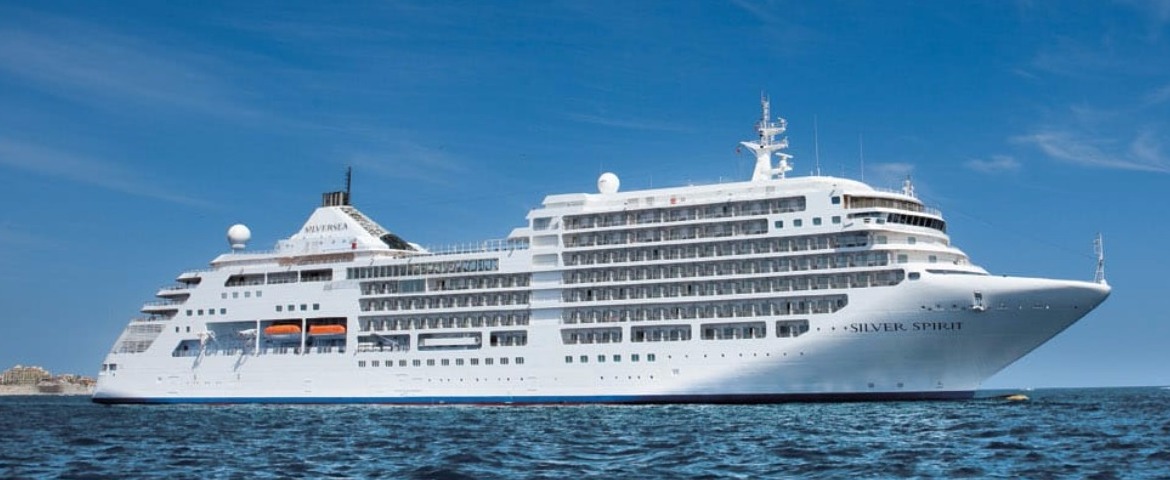
Silversea Cruises (3 Cruises)



Portsmouth, England | Maritime Cruise & Travel Guide
Frequently Asked Questions
At the cruise terminal, north of the city, about two and a half kilometres from the main attractions. Shuttles and taxis cover the distance in a few minutes. Portsmouth has been England's naval base for generations.
The Historic Dockyard, without hesitation. The historic naval yard concentrates everything within a single enclosed site, walked on foot between basins and Georgian brick storehouses. Half a day allows you to explore two ships properly without rushing.
Three, spanning five centuries of naval history. HMS Victory, Nelson's flagship at Trafalgar in 1805. The Mary Rose, Henry VIII's favourite ship, sunk in 1545 and raised in 1982. And HMS Warrior, the first iron-hulled armoured warship, launched in 1860.
A 16th-century Tudor carrack, sunk in 1545 and raised from the seabed in 1982 along with thousands of her crew's possessions: bows, chests, surgeon's instruments. A modern pavilion houses her, and the encounter between that ghostly hull and its frozen contents moves many visitors deeply.
Yes, from the hold to the gun decks. You duck under the beams, walk along the rows of cannon, and quickly grasp how hard life aboard was. She was Nelson's flagship at the Battle of Trafalgar.
Two, taking your time. Trying for three plus the museums means rushing. Combined tickets cover the whole site, including the Royal Navy museum, but available time remains the real constraint.
Yes, from the water. Harbour launches offer a tour that passes close to the frigates and destroyers in service, a living complement to the museum ships in the dockyard.
The former gunwharf turned shopping district, along the waterfront to the south. The white silhouette of the Spinnaker Tower, 170 metres high and shaped like a sail, rises above the shops.
Very much so. Going aboard real warships stays with children for good, and the dockyard is an enclosed, flat, traffic-free site. Bring some patience though: the decks are low and the ladders narrow on HMS Victory.
Pound sterling and English. Cards are accepted everywhere, including for the dockyard's combined tickets and the shuttles from the terminal.


