Punta del Este Uruguay
Uruguay

135 Cruises availables At departure or passage at this port

MSC Cruises (65 Cruises)

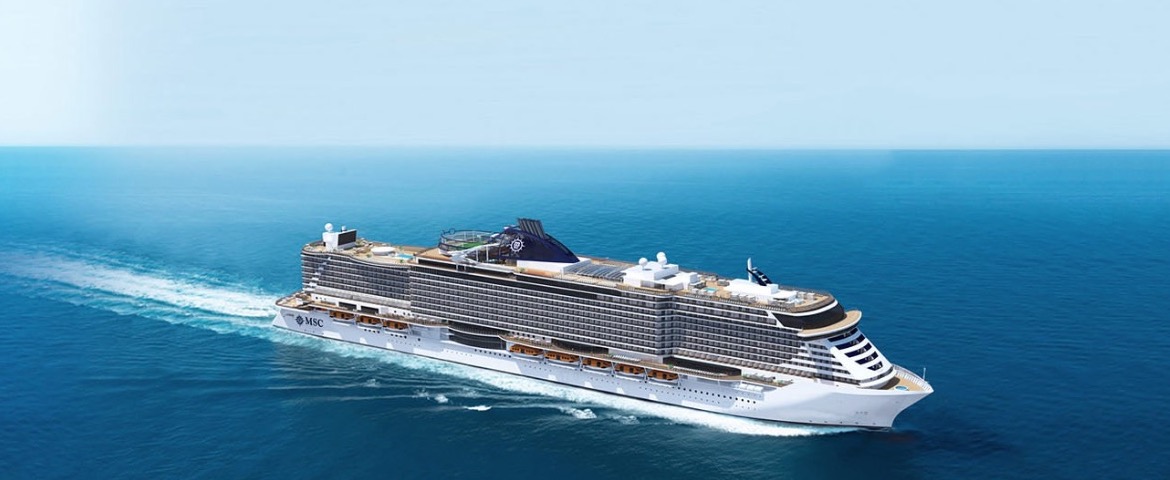
MSC Cruises Seaview Ship

MSC Seaview

5179 Passengers
154000 tons
Visit the ship's page
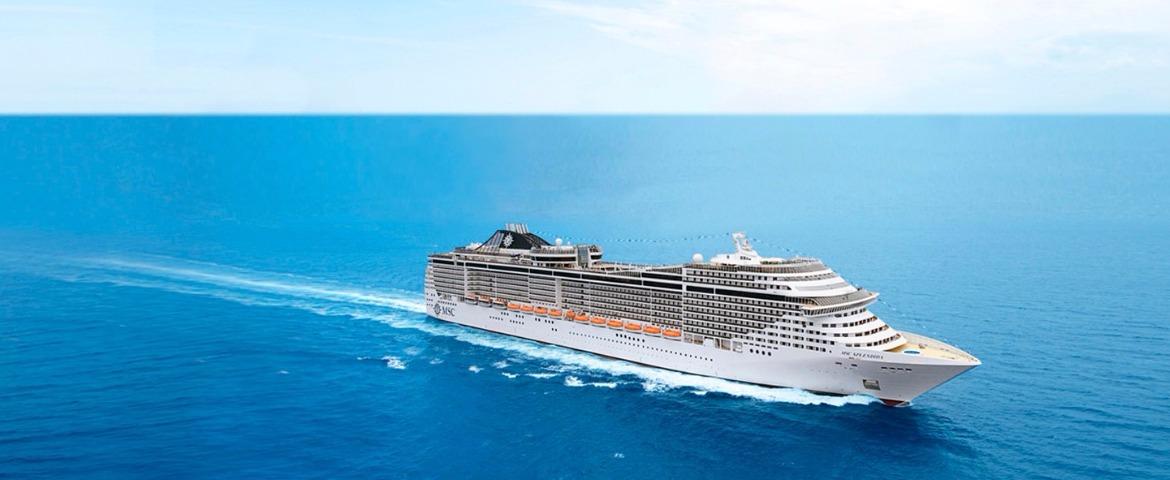
msc splendida cruise ship

MSC Splendida

4363 Passengers
137936 tons
Visit the ship's page

Punta del Este, Uruguay | Cruise Port Guide

Two seas for a single point of sand: that's the founding paradox of Punta del Este. On one side, Playa Mansa, where the Río de la Plata ends in gentle water; on the other, Playa Brava, where the Atlantic rolls in its swell. Between the two, a peninsula of white buildings and maritime pines serves as the beach capital of Uruguay and half of Argentina. Ships anchor offshore and tenders drop their passengers in the heart of the peninsula, a few blocks from the first terraces.

Fingers in the sand

The most photographed spot in the country emerges from Playa Brava: five giant concrete fingers, half buried, the work of Chilean sculptor Mario Irarrázabal. La Mano, which locals also call "the drowning man," dates from an international sculptors' gathering held in the early 1980s; it's a pleasant walk of about 25 minutes from the landing, along the docks and then the waterfront. Early in the morning, before the tour buses arrive, you share the sculpture with only joggers and a few gulls, in the slanting light that stretches the fingers' shadows across the sand.

Around the peninsula

The point can be explored on foot in a pleasant loop: the 19th-century lighthouse rising above the low rooftops, the Church of Nuestra Señora de la Candelaria, the shopping streets of Avenida Gorlero, then back along the docks where yachts crowd side by side. At the craft market, mate gourds, leather goods and woollens are a reminder that Uruguay remains ranching country, even in a beach resort. Artisanal ice cream shops and the avenue's confiterías serve the local alfajor with a strong coffee, a sweet break typical of the Río de la Plata. The walk reveals a town more peaceful than expected outside the big summer weekends.

The harbour's sea lions

A free and foolproof attraction: around the marina docks, lumbering sea lions watch for returning fishing boats, sometimes hauling themselves onto the docks to general indifference. The fishers toss them scraps from cleaning their catch, under the gaze of onlookers and gulls. This daily scene beats any organized show.

Gorriti, the island across the water

A fifteen-minute crossing away, Gorriti Island lines up its pale-sand coves beneath a forest of pines and eucalyptus, with a few remains of Spanish gun batteries as a bonus. Shuttle boats leave from the marina and turn the afternoon into an island break, towel on the sand and calm water on the sheltered side. Shaded trails crossing the islet lead from one cove to another in a few minutes of easy walking. It's the ideal option on a fine austral summer day.

Casapueblo, the white wave

About fifteen kilometres to the west, the immaculate silhouette of Casapueblo flows down a cliff like a stream of whitewash. Uruguayan artist Carlos Páez Vilaró shaped this house-studio without plans or straight lines over several decades; today you can tour a museum devoted to his work, among white terraces suspended above the water. A taxi covers the distance in about twenty minutes, and the sunset there is celebrated every evening like a ceremony.

Time to head back

As the tender pulls away, the peninsula lines up its white towers between its two beaches, a concrete hand on one side, sea lions on the other. Punta del Este cultivates a way of life made of long beaches, grilled fish and Atlantic light. Watching the coast fade from the aft deck, you understand why so many travellers from the Río de la Plata return every summer, as one goes back to a family home.

Frequently Asked Questions

Offshore: tenders land passengers in the heart of the peninsula, a few streets from the first terraces. There is no cruise berth, and swell can slow the tender runs on some days.
Because the point separates two bodies of water. On one side, Playa Mansa, where the Río de la Plata ends in docile water; on the other, Playa Brava, where the Atlantic rolls in its swell. Your choice of beach depends on what you want, calm bathing or waves.
On Playa Brava, about 25 minutes' walk from the landing, along the quays and then the seafront. These five giant half-buried concrete fingers are the work of Chilean sculptor Mario Irarrázabal and date from an international sculptors' gathering in the early 1980s.
The peninsula loop on foot: La Mano, the nineteenth-century lighthouse, the church of Nuestra Señora de la Candelaria, Gorlero avenue and the return along the quays where yachts sit side by side. Add the craft market and a sweet stop and the half day is full.
Yes, around the marina pontoons, where they watch for the fishing boats coming in and sometimes haul out on the quays to general indifference. The fishermen leave them the scraps from cleaning the catch. It is free, daily and never fails.
An islet a quarter of an hour's crossing from the marina, with pale sand coves under a forest of pines and eucalyptus, plus a few remains of Spanish gun batteries. Shuttles leave from the pontoons; check the return time before boarding.
Mate, leather goods and woollens from the craft market: Uruguay remains cattle country, even at a beach resort. The confiterías on Gorlero avenue serve the local alfajor with a short coffee, a classically Rioplatense pause.
The Uruguayan peso and Spanish. Shops on Gorlero avenue take cards; keep pesos for the craft market, the Gorriti shuttles and the artisan ice cream shops.
Very much so. Distances are short and flat, the beaches accessible, and the harbour sea lions delight every age. Choose Playa Mansa with young children: Playa Brava lives up to its name.
The southern summer, December to March, when the resort runs at full tilt. Outside the big summer weekends the town turns out quieter than expected, which suits those who come to walk rather than for the buzz.