Albany WA Western Australia
Australia

83 Cruises availables At departure or passage at this port

Princess Cruises (26 Cruises)

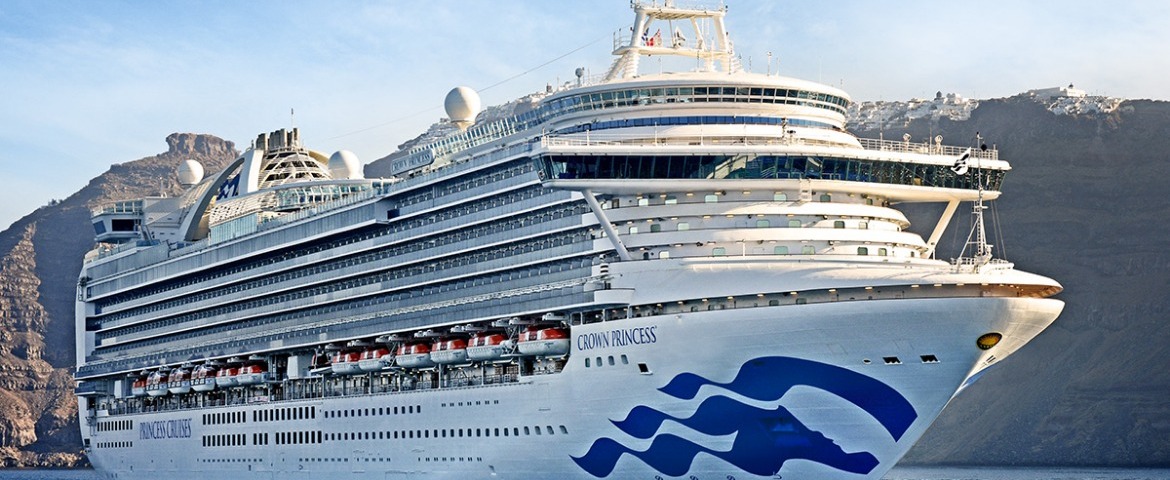
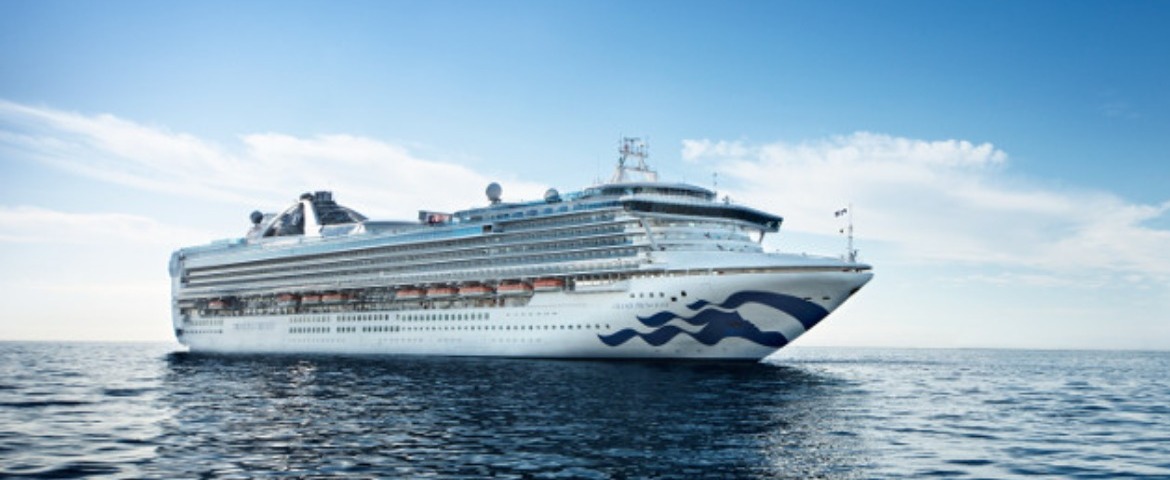
Cruise PCL Princess Grand Ship

Grand Princess

2600 Passengers
107751 tons
Visit the ship's page

The ship rounds granite promontories before entering King George Sound, a vast anchorage protected by islands where the swell of the Southern Ocean comes to die. It was through this entrance that Western Australia began: Albany, founded in 1826, precedes Perth by more than two years. The city has preserved from this antiquity a centre with colonial façades, and from its southern position a spectacularly jagged coastline.

From the Dock to York Street

Cruise ships dock in the deep-water port of Princess Royal Harbour, about two kilometres from the city's heart; shuttles generally make the connection. York Street climbs gently from the sea, bordered by nineteenth-century buildings—old clock-tower town hall, stone churches, worked verandahs—and cafés where locals take their time. The whole can be toured easily on foot. Near the regional museum, a full-scale replica of the brick Amity, the sailing ship that brought the first colonists in 1826, allows boarding from hold to deck: children play at sailors, adults measure the cramped conditions of a voyage of that era.

Mount Clarence and ANZAC Memory

In November 1914, the convoys carrying the first Australian and New Zealand soldiers toward the Great War gathered in the anchorage before weighing anchor. For thousands of men, Albany was the last image of their country. The National ANZAC Centre, on the slopes of Mount Clarence, traces their destinies one by one: each visitor receives the identity of a soldier and follows him from embarkation to the front. From the terraces, the view spans the entire anchorage—the same one seen by the convoys.

Frenchman Bay: The Last Whaling Station

Twenty-five kilometres by road, the former whaling station at Frenchman Bay hunted whales until 1978, the last of its kind in Australia. Reconverted as a museum, it tells this industry without softening it: oil vats become projection rooms, a blue whale skeleton, and the Cheynes IV, a hunting ship preserved ashore that you traverse from hold to bridge. The contrast with the tranquil bay below gives full measure to the distance travelled since.

The Gap and the Natural Bridge

In Torndirrup National Park, the Southern Ocean has worked the granite for millions of years. A steel walkway extends over The Gap, a crevasse where the swell rushes in and explodes forty metres below; beside it, the Natural Bridge spans the back-and-forth of the waves. On days of heavy seas, the ground seems to vibrate beneath your feet. You remain prudently behind the railings: the spectacle suffices entirely.

The Visitors of the Southern Winter

From June to October, southern right whales and humpback whales make stops in neighbouring bays, sometimes just hundreds of metres from shore. From the sand of Middleton Beach—whose wooden promenade skirts a cove suited to summer swimming—or from the heights of the city, it is not rare to glimpse a spout, a flipper, a tail slapping. The anchorage that saw soldiers depart has become a nursery for giants: few historical reversals are as happy.

As the ship returns to sea, the gaze lingers on the granite hills and the calm waters of the Sound. Albany leaves the memory of a port of call with two layers, where the beauty of the coastline is everywhere doubled by memory—that of pioneers, soldiers, penitent whalers. It would take several days to exhaust the surroundings—vineyards, forests of giants and deserted beaches await less than an hour away. Albany, decidedly, does not seem in any rush to see you go.

Frequently Asked Questions

In the deep water port of Princess Royal Harbour, about two kilometres from the town centre. Shuttles generally run to York Street.
The centre, yes : York Street climbs gently from the water, lined with 19th century buildings and cafes, and is easy to walk. Torndirrup National Park and Frenchman Bay, however, require a vehicle.
A museum on the slopes of Mount Clarence tracing one by one the fates of the Australian and New Zealand soldiers who sailed from Albany in November 1914. Each visitor is given a soldier's identity and follows him from embarkation to the front.
Because the convoys carrying the first soldiers to the Great War gathered in its sound before weighing anchor. For thousands of men, Albany was the last sight of their country.
Yes. Founded in 1826, Albany predates Perth by more than two years : Western Australia began here. The town has kept a centre of colonial facades from that period.
A full size replica of the vessel that brought the first settlers in 1826, set beside the regional museum. You can walk it from hold to forecastle : children play at being sailors, adults take the measure of how cramped such a crossing was.
Two granite formations in Torndirrup National Park, carved by the Southern Ocean. A steel walkway juts out above The Gap, a chasm where the swell rushes in and explodes some forty metres below; alongside, the Natural Bridge spans the surge.
The former station that hunted whales until 1978, the last of its kind in Australia, twenty-five minutes' drive away. Now a museum, it tells the story without dressing it up : oil tanks turned into screening rooms, a blue whale skeleton and the chaser ship Cheynes IV preserved ashore.
June through October. Southern right whales and humpbacks pause in the nearby bays, sometimes a few hundred metres from shore. Watch from Middleton Beach or from the high ground above town.
Yes, Middleton Beach, whose boardwalk follows a cove suited to summer swimming. It is also a good vantage point for whale watching during the austral winter.