Willis Island Coral Sea, Australia
Australia
93
Cruises availables
At departure or passage at this port
Azamara Club Cruises (3 Cruises)

Carnival Cruise Line (36 Cruises)

Carnival Encounter
20 Cruises
| 17 January | 6 nights | Round-trip from Brisbane, Australia |
450-628-6241
Call us
|
| 31 January | 6 nights | Round-trip from Brisbane, Australia |
450-628-6241
Call us
|
Carnival Luminosa
8 Cruises
Celebrity Cruises (4 Cruises)

Oceania Cruises (5 Cruises)

Princess Cruises (32 Cruises)
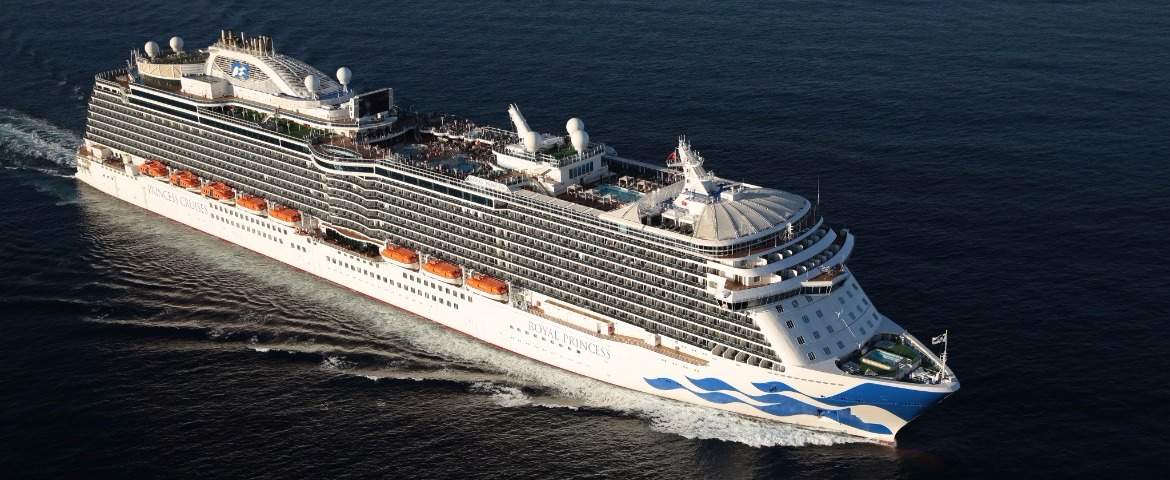
Grand Princess
24 Cruises

| 17 May | 15 nights | One-way from Fremantle to Brisbane |
450-628-6241
Call us
|
| 17 May | 17 nights | One-way from Fremantle to Sydney |
450-628-6241
Call us
|
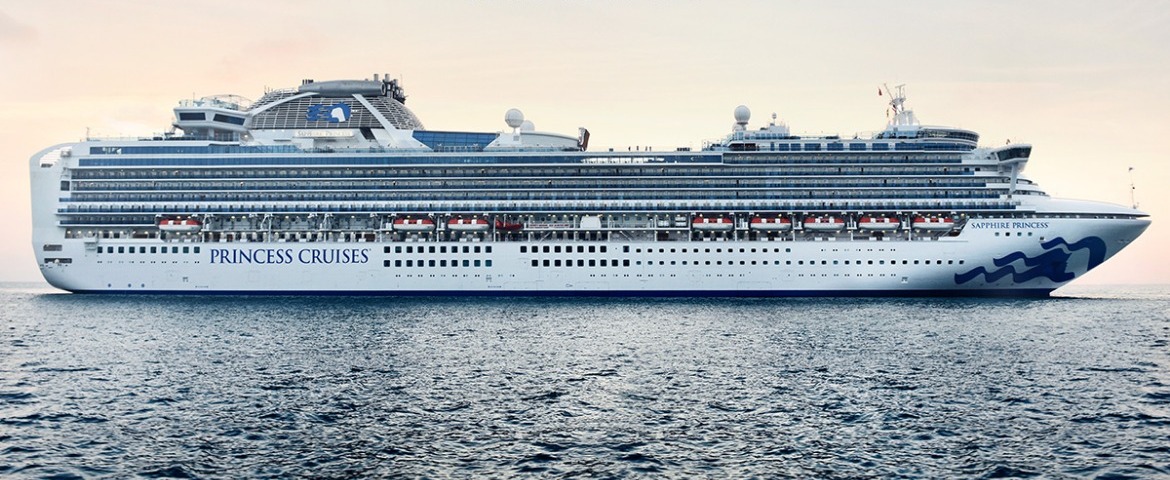
Sapphire Princess
6 Cruises
| 28 September | 28 nights | One-way from Singapore to Sydney |
450-628-6241
Call us
|
| 28 September | 25 nights | One-way from Singapore to Brisbane |
450-628-6241
Call us
|

Royal Caribbean Cruises (6 Cruises)




Silversea Cruises (3 Cruises)


Willis Island | Cruise Port Guide
Frequently Asked Questions
No, landing appears on no itinerary. The call is experienced entirely from the deck, binoculars in hand, around an islet almost nobody in the world has ever approached.
The ship slows on approach, then makes a slow loop around the islet, close enough to make out the buildings, the low vegetation and the line of surf on the reef. Commentary over the ship's system tells the story during the full circuit.
A seven-hectare coral cay lost in the Coral Sea, some 450 kilometres east of Cairns. Its total population is four people.
For the weather. Since 1921 an observation station has watched the Coral Sea sky from here, precisely because the cay sits on the track of cyclones that threaten the Queensland coast. For decades its readings have given coastal towns their precious hours of warning.
A small Bureau of Meteorology team, about four people, on rotations of several months: weather balloon releases, daily readings, instrument maintenance. Resupply by ship and an empty 360-degree horizon make it one of the most isolated postings in the country.
Binoculars reveal the solar panels, the radar under its dome, sometimes washing drying between two buildings. The seabirds need no optics: sooty terns, noddies and shearwaters wheel by the hundred above the cay, a rare nesting refuge in this ocean desert.
Early morning or late afternoon, when low light gives the scene depth. A telephoto lens makes all the difference, and the water then shifts from deep blue to pale turquoise over the coral shallows.
It happens. When the bridge exchanges a few words with them by radio, the station crew sometimes come out to wave: a simple moment, surprisingly moving, between thousands of holidaymakers and four people alone in the middle of the ocean.
The answer mixes geography and administration. Willis Island is part of an Australian external territory: routing past it lets cruises from Brisbane or Sydney count a call outside the country, with the onboard advantages that follow.
Not if you play along. A whole call without leaving the ship is disconcerting at first, then compelling: it's a glimpse of a scientific outpost in mid-ocean, living to the rhythm of weather balloons and passing birds, that no other format offers.


