Ilhabela Brazil

160 Cruises availables At departure or passage at this port

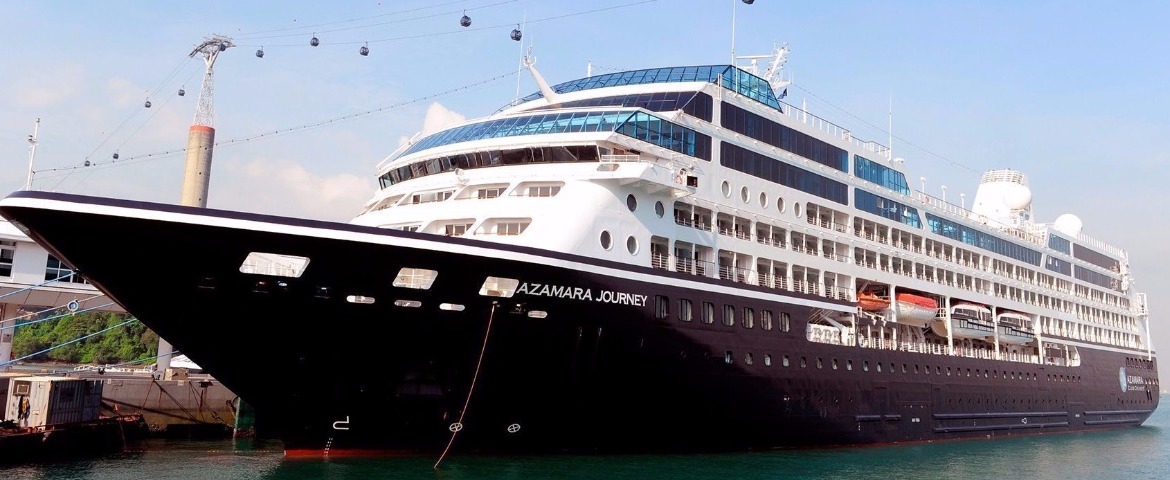
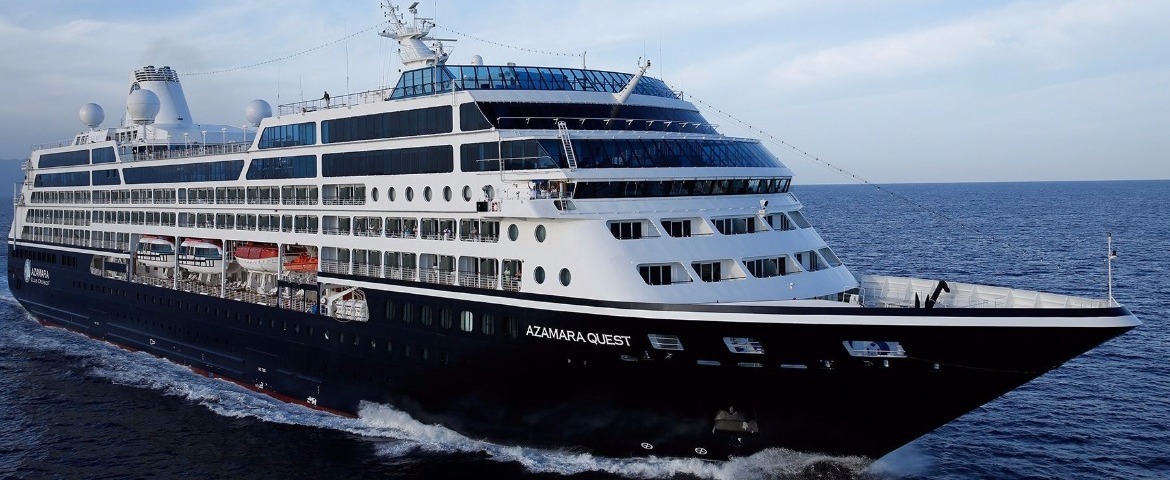
Azamara Club Cruises (21 Cruises)

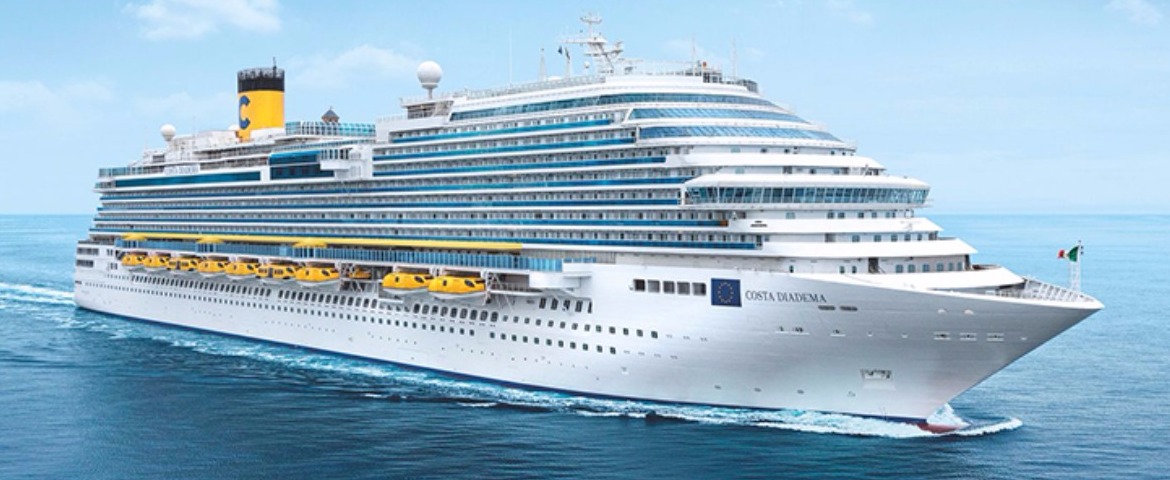
Costa Cruises (40 Cruises)

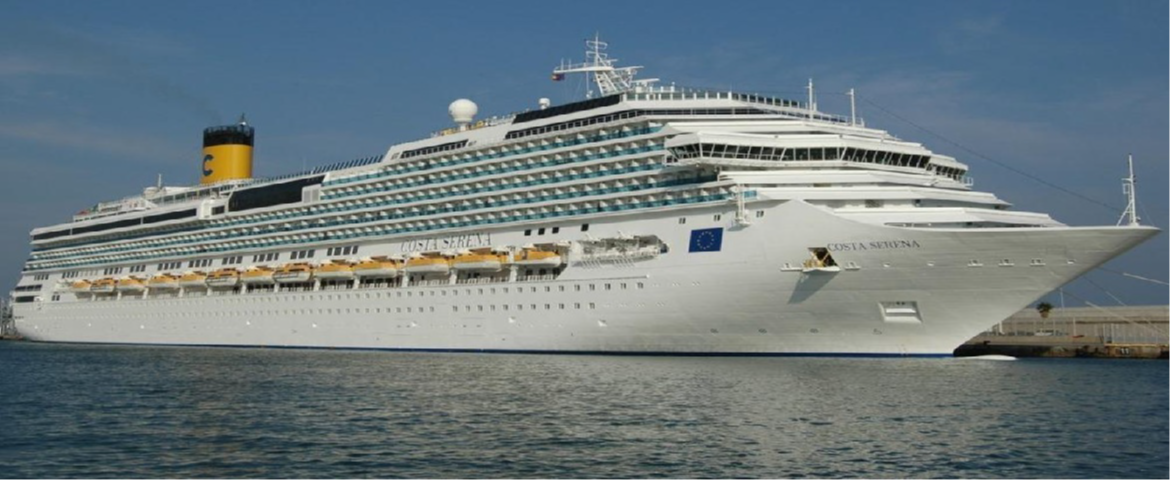
Costa Serena.

Costa Serena

3780 Passengers
114500 tons
Visit the ship's page

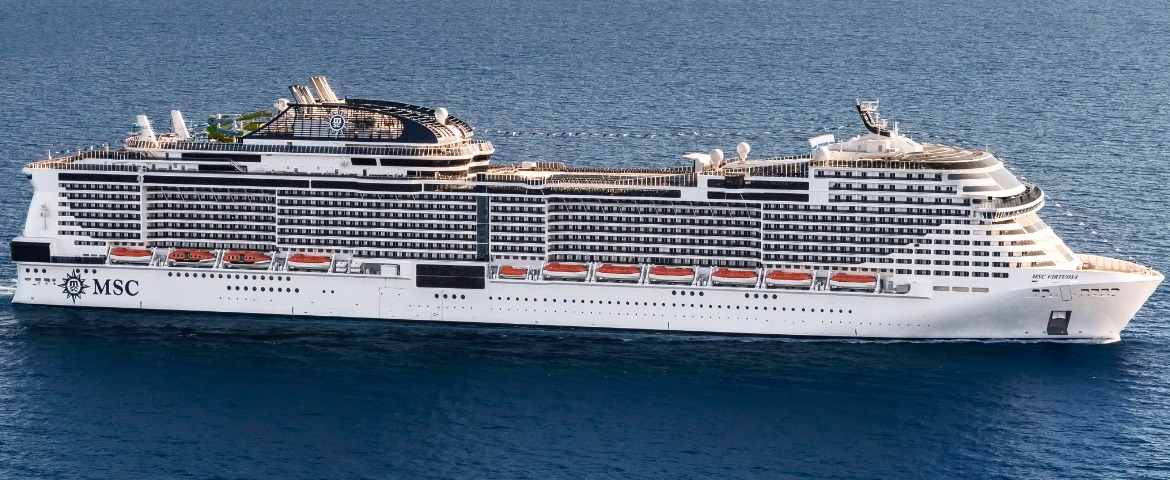
MSC Cruises (73 Cruises)

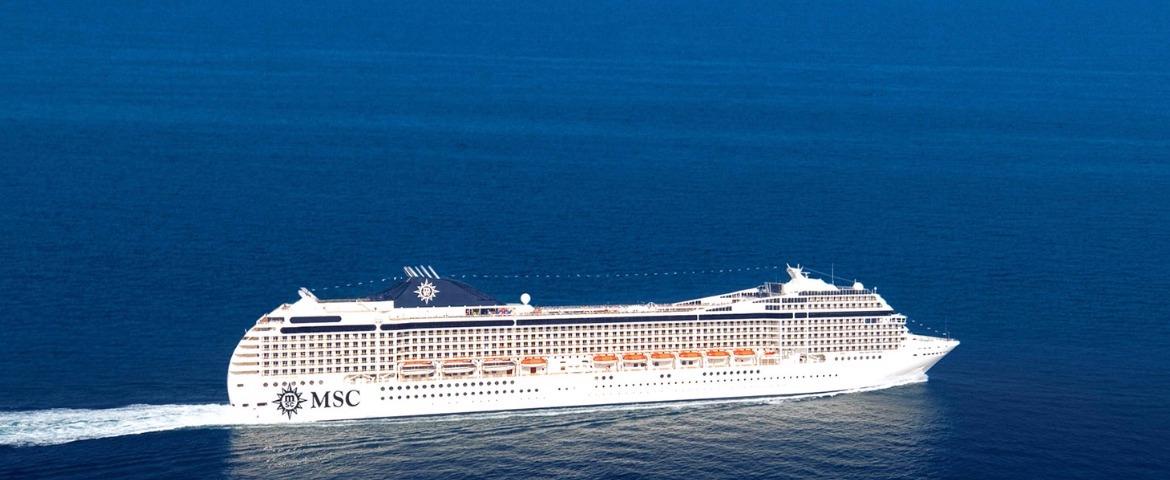
msc musica cruise ship

MSC Musica

3223 Passengers
92409 tons
Visit the ship's page
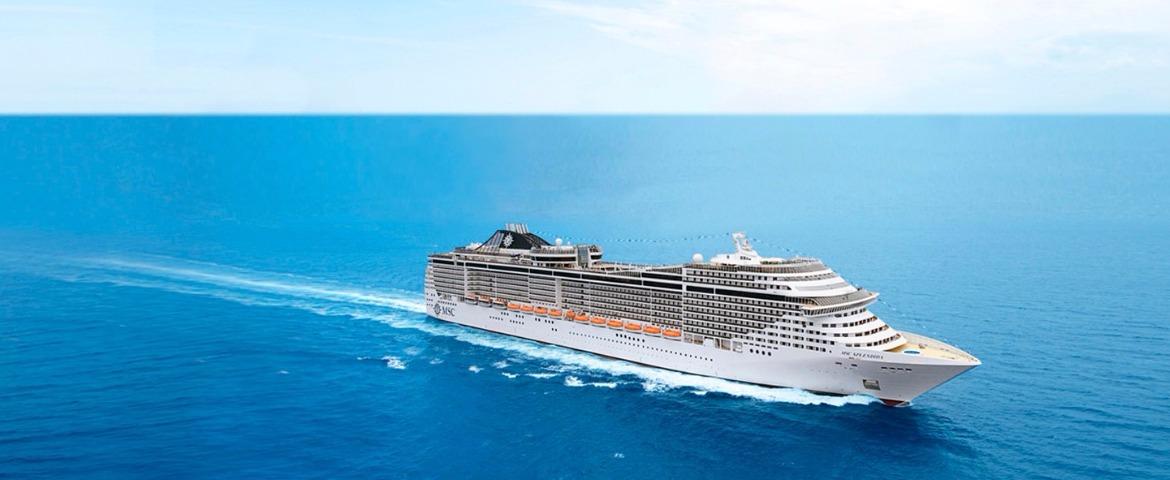
msc splendida cruise ship

MSC Splendida

4363 Passengers
137936 tons
Visit the ship's page

Ilhabela | Cruise Port Guide

A channel separates Ilhabela from the mainland, and that simple stretch of sea is enough to shift you into another world. On one side, São Sebastião and the São Paulo coast; on the other, a mountain set down on the water, forested all the way to its peaks, home to around 360 waterfalls. The ship anchors in the channel, ferries dock near the historic centre, and the day can follow either of two slopes: the shore or the forest.

The Vila, First Contact

The landing leads in just a few steps to the archipelago's old heart, set facing the mainland. Narrow streets line up cafés, seafood restaurants, and water-sports shops, while the waterfront unfolds its procession of anchored sailboats. Ilhabela is a major hub of Brazilian sailing: masts are simply part of the scenery, and regattas set the rhythm of the season. Wandering here for an hour, ice cream in hand, sets the tempo for the stop, relaxed and beach-town in feel, with the mountain always in the background. Late in the afternoon, when the light skims low across the channel, the terraces fill up and regulars watch the sailors coming home the way others watch a train go by, a local ritual that's easy to join.

Waterfalls by the Hundred

Forest covers most of the territory, protected within a state park. Trails lead to falls where you can swim in cool pools surrounded by giant ferns and philodendrons. Some can be reached by taxi and a short walk of under an hour, others call for a proper hike: local agencies know the access points and tailor the outing to the time available. After the heat of the coast, the mountain water takes your breath away, then wins you over completely. Even the shortest outings offer their reward: a pool all to yourself, the sound of the falling water, and that green light that only filters through beneath the tallest canopies.

Castelhanos, the Other Side

For those willing to take the track, a 4x4 crossing climbs over the heights to Castelhanos Bay, a wide curve open to the Atlantic where the swell draws surfers. A short trail there leads to the falls known as "do Gato" (the Cat's Falls), which tumble down near the shore. The round trip takes up a good part of the day: it's best done through an organized excursion, with the return time to the ship checked before setting out.

On the Water Side

The southern coves, such as Julião, are well suited to a relaxed half-day of swimming. Boat trips head out to coves reachable only by water, including Bonete, regularly ranked among the most beautiful on the Brazilian coast. Kayaking, snorkelling, and diving round out the options; the sheltered channel stays calm even when the open ocean gets rough on the outer side. The surrounding waters also hide several old shipwrecks, which have made the archipelago a well-known destination for Brazilian divers.

Planning Your Day

  • Ferries drop passengers at the centre: shops, agencies, and taxis are a few minutes' walk away, as are the tourist information counters.
  • Nearby waterfalls, a boat tour, or a crossing to Castelhanos: pick just one major activity and lock it in early.
  • Insect repellent is a must in the forest; borrachudos, small local biting midges, go for the ankles without warning.

Late in the afternoon, sailboats return one by one into the channel and the mountain turns deep blue above the rooftops, while the ferries make their last runs. Ilhabela shows itself from just one of its many angles, whichever you choose for the day: dozens more remain, and 360 waterfalls. It's the kind of stop you leave already making plans, a map of the archipelago folded in your pocket.

Frequently Asked Questions

The ship anchors in the channel separating Ilhabela from the mainland, and tenders drop passengers near the historic centre, the Vila. Landings are always by boat, never alongside a pier.
Yes. The landing is steps from the old core: cafés, seafood restaurants, water-sports shops, tourist information counters and taxis are all within a few minutes on foot.
Pick one main activity and start early. A nearby waterfall reached by taxi then a short walk, a boat tour to the southern coves, or a stroll through the Vila followed by a swim all fit in half a day.
Around 360, spread through the forest protected by a state park covering most of the archipelago. Some are reachable in under an hour by taxi and a short walk; others require a genuine hike.
It is possible, but the 4x4 round trip over the mountain track takes most of the day. Book an organized excursion and confirm the return time before committing, since the track is slow and delays are common.
The southern coves such as Julião offer quiet swimming a short taxi ride away. The channel stays sheltered and usable even when the ocean side gets rough; coves like Bonete are reachable only by boat.
The Brazilian real. Restaurants and shops in the centre take cards, but keep cash for taxis, boats and small beach counters.
Portuguese. English gets by at agencies and tourist-facing shops in the centre; elsewhere, a few written words and gestures do the job.
Yes, if you stay near the centre and the sheltered southern coves. Forest hikes and the crossing to Castelhanos demand stamina and a long rough-track drive, which suits young children poorly.
Yes, it is essential in the forest. Borrachudos, small local biting midges, go for the ankles without warning and the bites itch for days. Bring sunscreen and water-friendly shoes as well.