Gaspe Quebec Canada

84 Cruises availables At departure or passage at this port

Seabourn Cruise Line (22 Cruises)

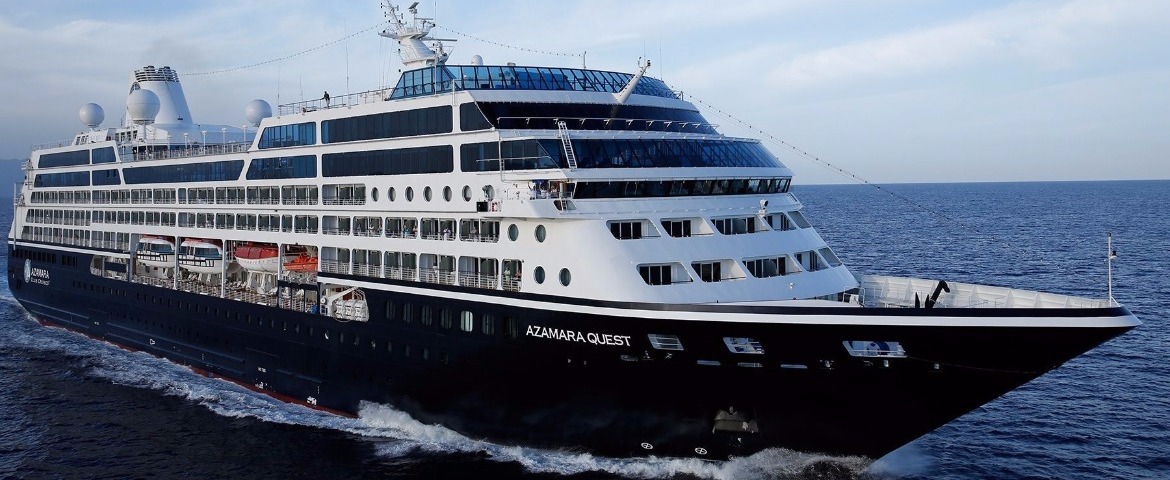
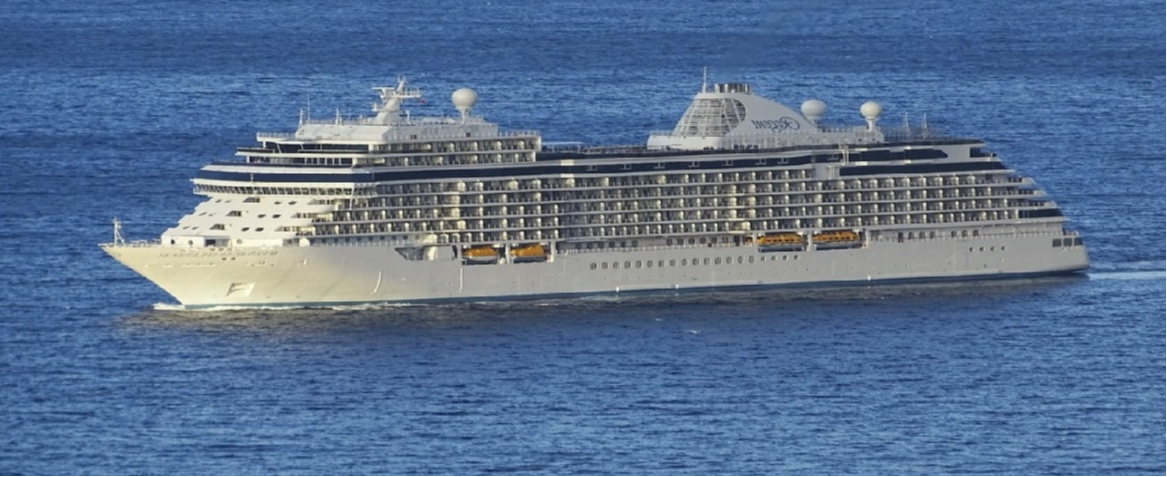
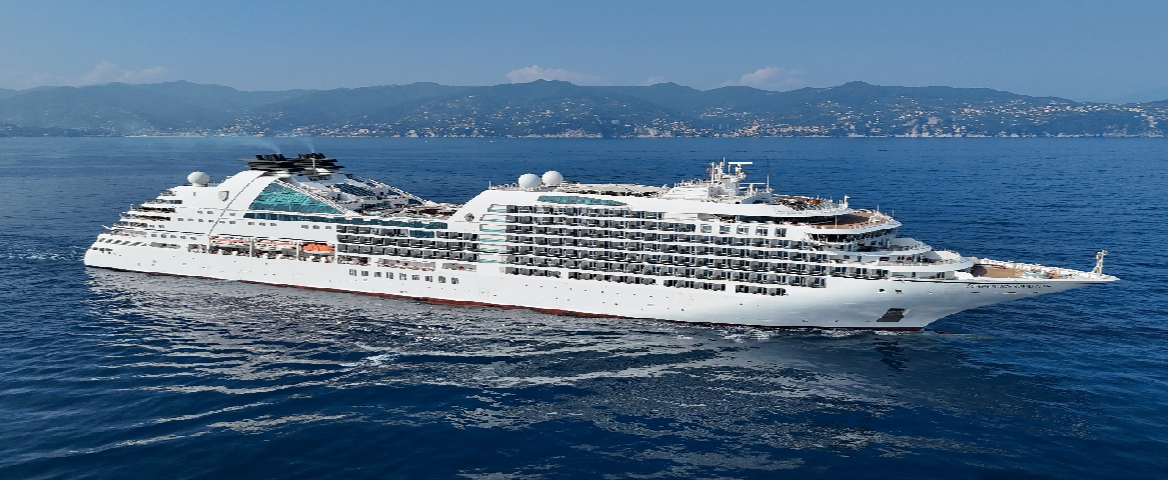
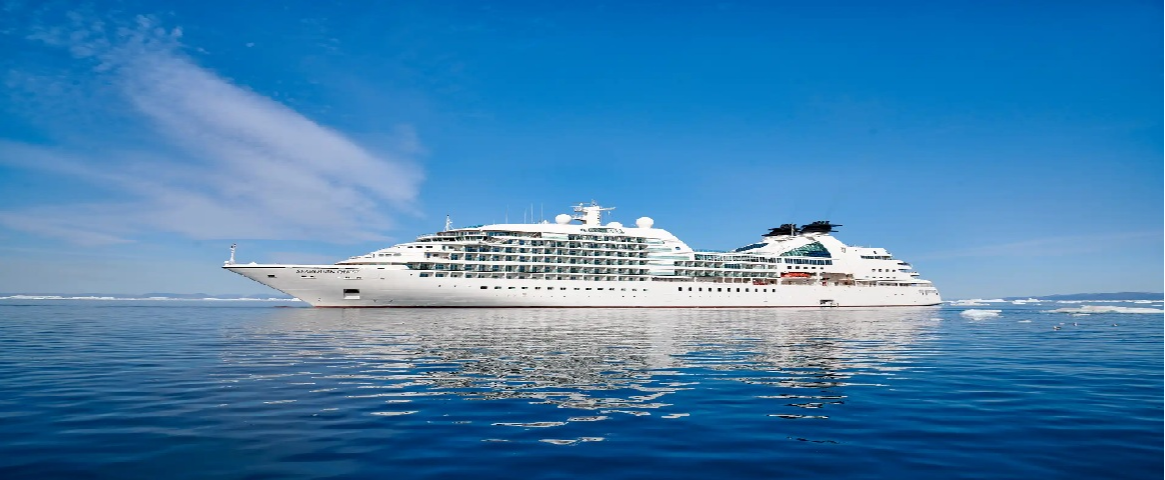
Seabourn Quest.

Seabourn Quest

32000 tons
Visit the ship's page

It was in this bay that Jacques Cartier planted a cross in July 1534 and claimed the territory in the name of the French king: Gaspé likes to recall that it was, in a sense, the cradle of Canada. The name itself may derive from the Mi'kmaq "Gespeg," the end of the lands. And that is precisely the impression that greets the passenger on arrival: a deep and sheltered inlet, forested hills, and beyond, all of Gaspésie unfurling with cliffs, headlands and colonies of seabirds.

Disembarking at the End of the Lands

Ships dock near the small town, whose centre is reached in minutes. Gaspé is easily explored: shopping streets, cafés, regional shops and constant views over the bay. On the heights, the Gaspésie Museum dedicates its rooms to Cartier, cod fishers and the peninsula's shipwrecks; its Monument to the Discoverers, facing the sea, symbolically marks the site of the famous 1534 cross. The Mi'kmaq community of Gespeg shares its culture through its interpretation centre, reminding visitors that the history here far predates French sailing ships.

Forillon, the Park at the Cape's End

Some 30 kilometres away, Forillon National Park occupies the peninsula's tip, where the Appalachians literally plunge into the gulf. Excursions reach it in under an hour: limestone cliffs, coves with crystalline waters, coastal trails and the Grande-Grave sector, which preserves the houses and shops of an early 20th-century fishing community. From the viewpoints, seals and whales are often spotted; the area ranks among eastern Quebec's finest land-based whale-watching posts, and Parks Canada guides enrich the visit with their stories. Nearby, the Cape Gaspé Rosiers lighthouse, Canada's tallest, has kept watch over the gulf since 1858.

Percé and Its Rock

Southward, the coastal road unfolds one of eastern Canada's most beautiful shorelines to the village of Percé, roughly an hour away. The famous rock then rises into view, a limestone wall over 400 metres long pierced by its arch, set in a sea that shifts colour with the sky. The town itself, with its docks, artist studios and fish restaurants, merits time spent. This excursion takes a good part of the day; it remains the most requested departure from the ships, and for good reason.

The Island of 110,000 Gannets

Across from Percé, Bonaventure Island shelters one of the world's most impressive accessible Northern gannet colonies: over 100,000 birds nest on its ledges. Local boats circle the island and dock for those who wish to walk to the colony, an experience as much acoustic and olfactory as visual, where the great white birds plunge like arrows mere metres from visitors. Photographers come back for more, and so do children, the ballet of dives seemingly never ceasing.

Gaspésie at Table

Between excursions, the region is tasted: lobster and snow crab in season, salt-cod prepared the traditional way, northern berries and local craft brewery beers. Waterside canteens serve lobster rolls that rank among the port call's simple pleasures, and fish shops let you assemble an impromptu picnic facing the bay.

Looking Toward the Open Sea

Gaspé condenses into a single day what the peninsula offers at its strongest: foundational history, Forillon's cliffs, Percé's rock and Bonaventure's winged tumult. As the ship departs and the bay slowly closes behind it, you understand why so many travellers promise to return to drive the full circuit of Gaspésie.

Frequently Asked Questions

Right beside the small town at the head of the bay. The centre is a few minutes' walk: the main shopping street, cafés, regional shops and constant views over the bay.
The Musée de la Gaspésie up on the hill plus a stroll through town fills a half day, or an excursion to Forillon National Park about thirty kilometres away. Percé and Bonaventure Island take most of the day.
Because Jacques Cartier planted a cross here in July 1534 and claimed the territory for the King of France. The monument to the discoverers, facing the sea, marks the symbolic spot.
From the Mi'gmaq word 'Gespeg', the end of the land. The Mi'gmaq community of Gespeg shares its culture through its interpretation site, a reminder that this history long predates the French ships.
The tip of the peninsula, where the Appalachians plunge into the gulf: limestone cliffs, clear-water coves, coastal trails and the Grande-Grave sector with its early 20th-century fishing houses. The Cap-des-Rosiers lighthouse, Canada's tallest, has stood watch nearby since 1858.
Yes, about an hour by the coast road. The excursion takes most of the day and remains the most requested from the ships. The rock, a limestone wall over 400 metres long pierced by its arch, justifies the trip.
One of the largest accessible northern gannet colonies in the world: more than 100,000 birds nest on its ledges. Local boats circle the island and land for those who want to walk up to the colony.
Often, from the Forillon lookouts, rated among the best land-based viewing points in maritime Quebec. Seals and whales pass regularly, though nothing is guaranteed.
Lobster and snow crab in season, cod prepared the old way, northern berries and beers from local microbreweries. Seaside canteens serve lobster rolls that count among the simple pleasures of the call.
June to September. The Bonaventure gannets are present from spring to late summer, and both snow crab and lobster follow the fishing seasons: asking what has just been landed is still the best advice.