Red Bay NL Newfoundland-Labrador Canada
71
Cruises availables
At departure or passage at this port
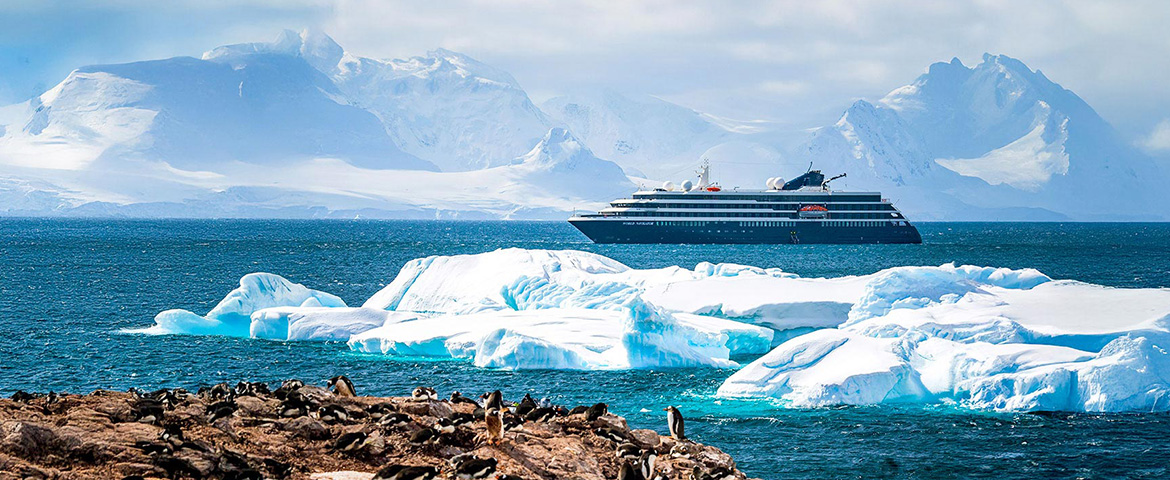
Atlas Ocean Voyages (2 Cruises)

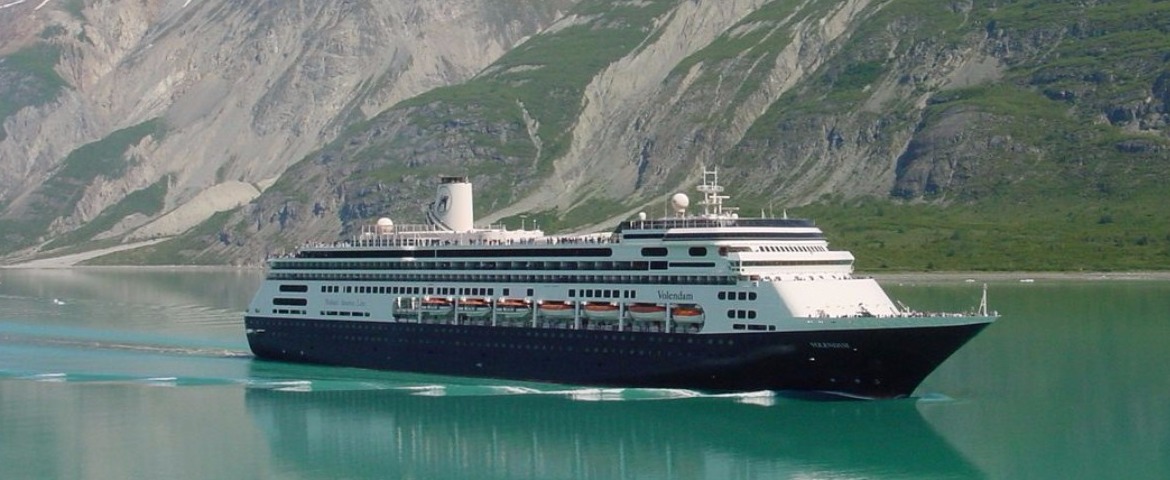
Holland America Line (3 Cruises)

HX Expeditions (1 Cruises)
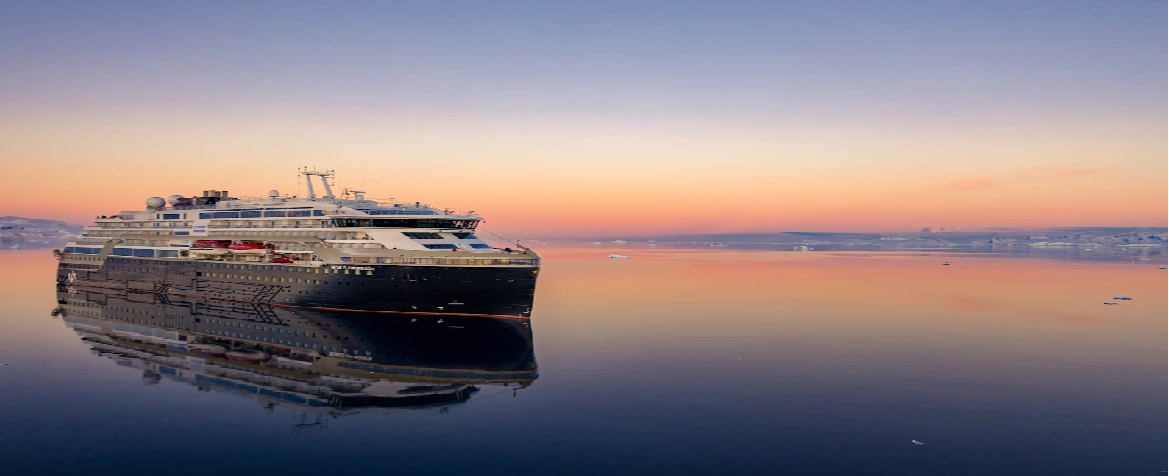

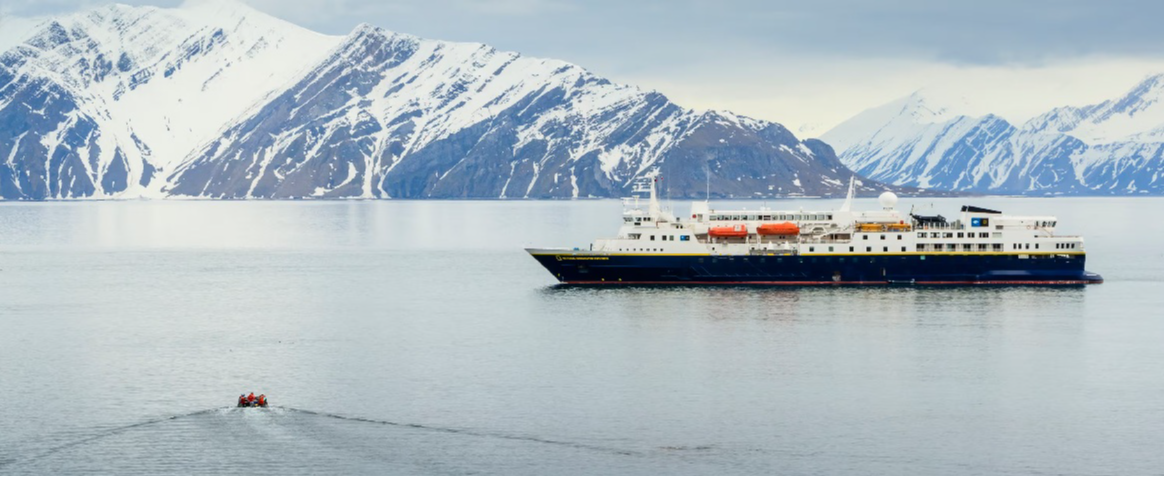


Seabourn Cruise Line (24 Cruises)
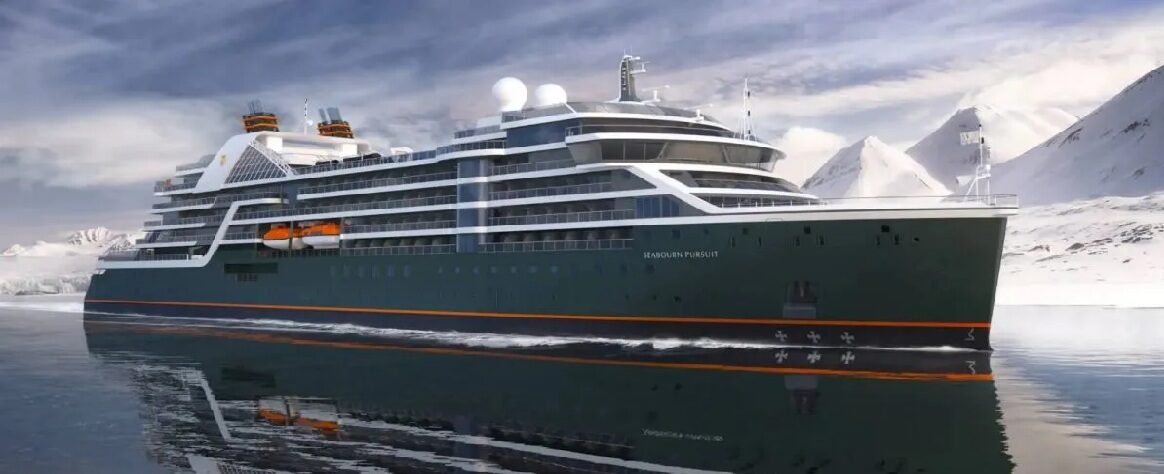
Seabourn Pursuit
8 Cruises

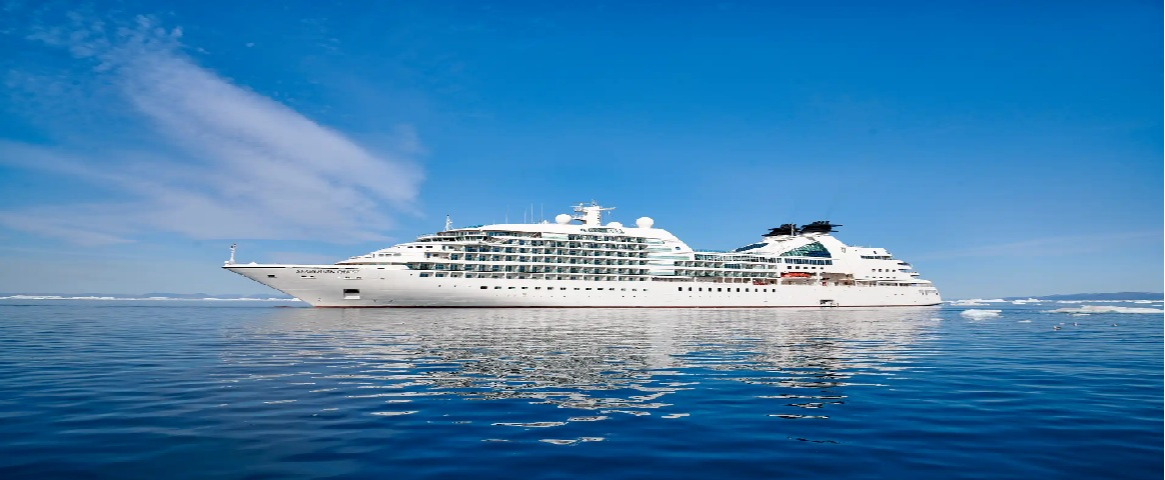
Seabourn Quest
6 Cruises
| 28 August | 38 days | One-way from Copenhagen to Montreal |
450-628-6241
Call us
|
| 28 August | 37 days | One-way from Copenhagen to Montreal |
450-628-6241
Call us
|
Seabourn Venture
10 Cruises
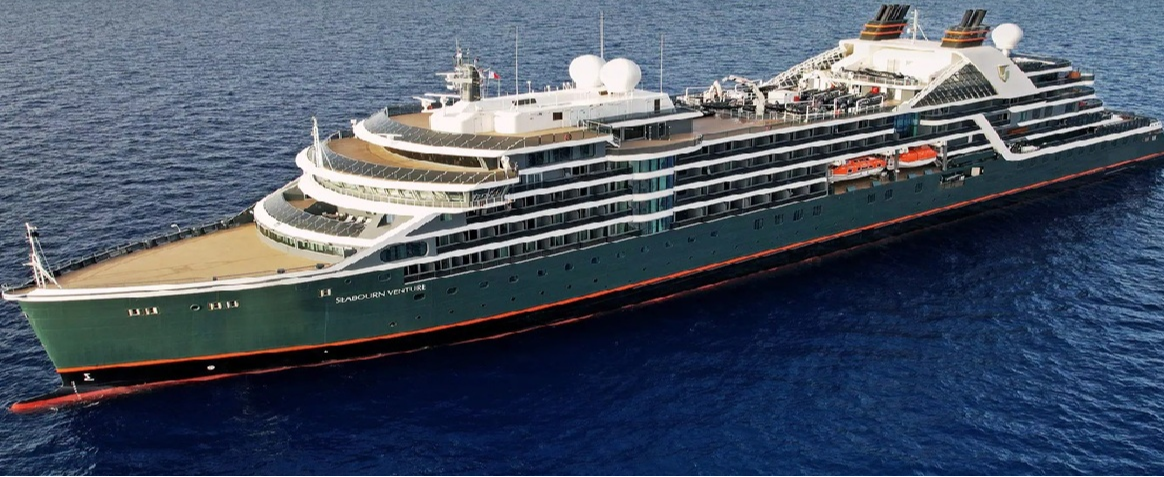
| 24 April | 83 days | One-way from Lisbon to Reykjavik |
450-628-6241
Call us
|
| 24 April | 68 days | One-way from Lisbon to Kangerlussuaq |
450-628-6241
Call us
|
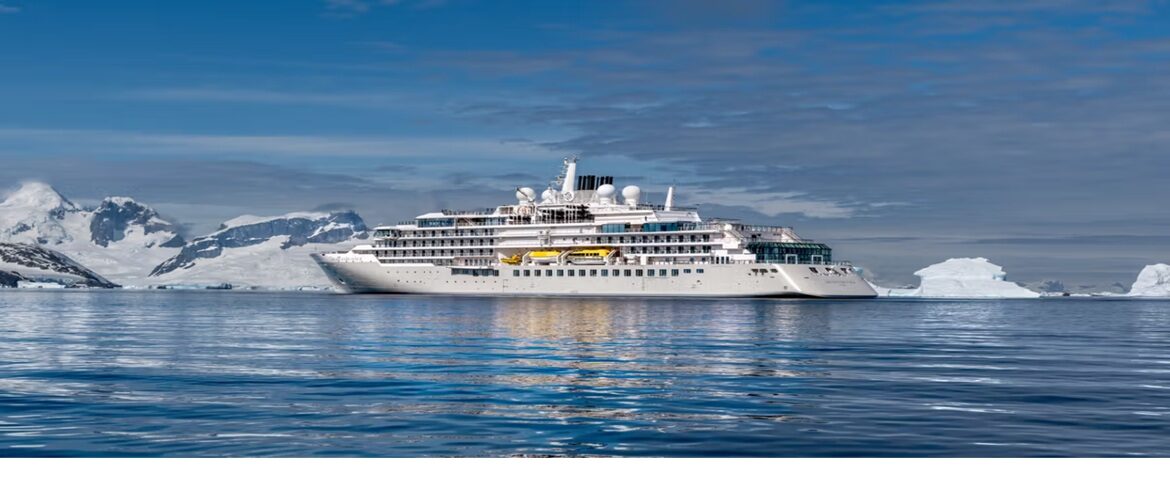
Silversea Cruises (1 Cruises)

Viking Ocean Cruises (30 Cruises)
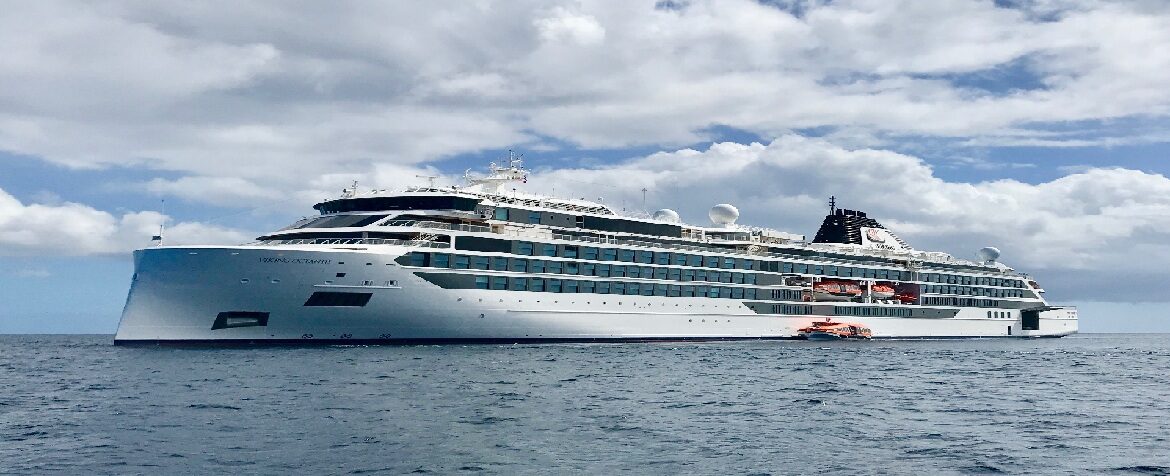
Viking Octantis
20 Cruises

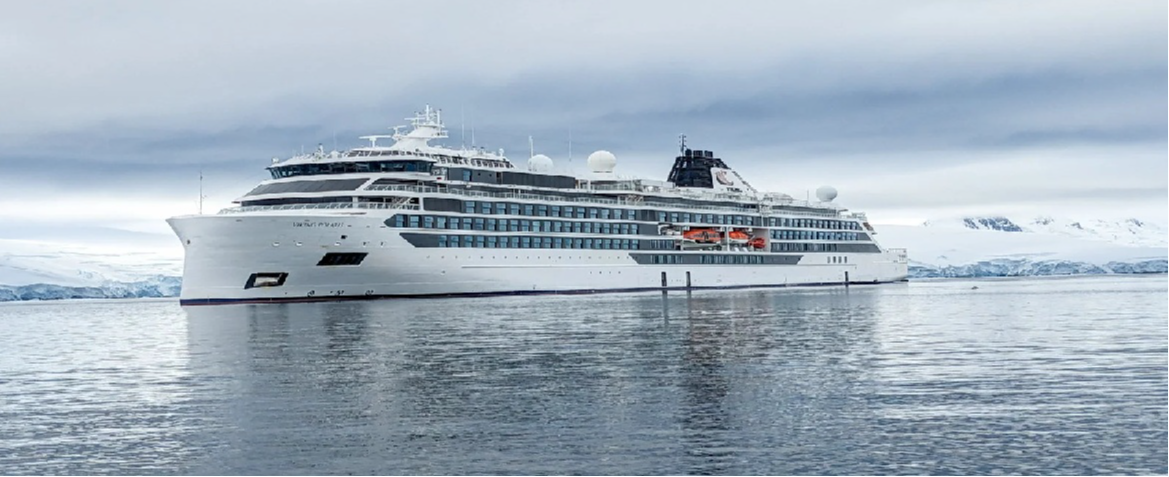
Viking Polaris
10 Cruises
Windstar Cruises (6 Cruises)
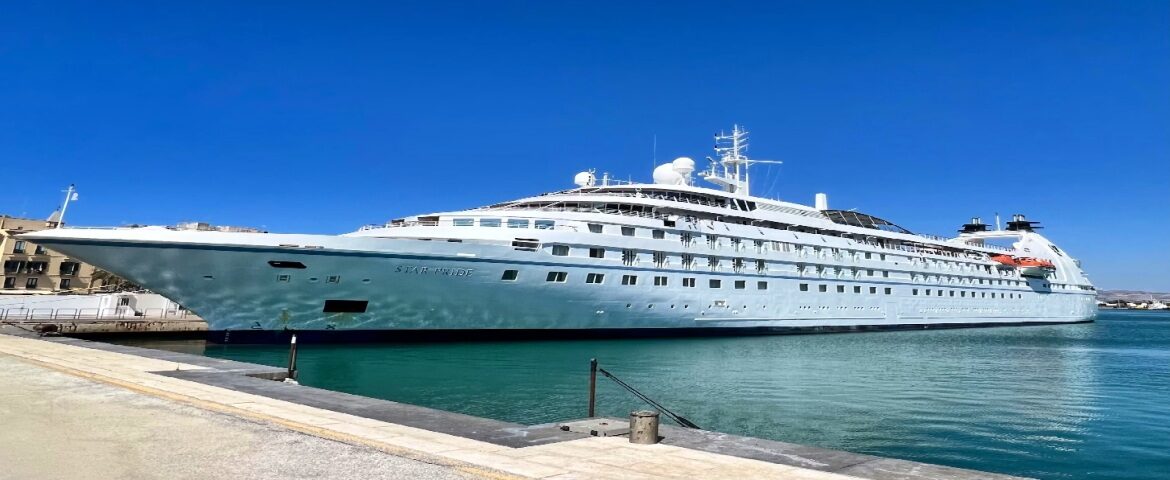
Star Pride
6 Cruises


Red Bay, Labrador | Cruise Port Guide
Frequently Asked Questions
By zodiac or tender, directly into the village. Expedition ships anchor in the bay, on the very spot where the Basque galleons once moored.
Because it preserves the earliest, most complete and best-preserved evidence of European whaling, inscribed in 2013. Basque sailors came here from the 16th century to hunt the right and bowhead whales of the Strait of Belle Isle.
The two Parks Canada interpretation centres, a few steps from the landing, then the Boney Shore trail and the wooden staircase of the Tracey Hill trail. Centres, trails and lookout fit comfortably into half a day.
The centrepiece is a chalupa, an eight-metre whaling boat found crushed beneath a galleon wreck and painstakingly restored, considered the oldest surviving craft of its kind. Around it: forged harpoons, red Basque roof tiles, woollen clothing and navigation instruments.
Depending on the season and sea state. A short crossing leads to an interpretive trail around the remains of the oil-rendering ovens, the cooperages and a cemetery holding roughly 140 whalers. From shore, binoculars help pick out the detail.
An easy thirty-minute walk along the shore where whale carcasses were abandoned after flensing. Fragments of bleached bone still show through the short grass, four and a half centuries later.
A Basque galleon sunk by a storm in 1565, lying in the waters of the bay and now one of the most studied wrecks in maritime archaeology.
Warm clothing and a windbreaker even in high summer, plus walking shoes: the ground is uneven in places and the wind almost never stops.
The Canadian dollar and English. The village has barely 140 residents: bring cash, services are minimal.
Yes for children able to walk on uneven ground and appreciate an archaeological site. Parks Canada guides, often from the village itself, add stories to the visit and answer questions readily.


