Puerto Chacabuco Coyhaique, Chile
Chile
115
Cruises availables
At departure or passage at this port
Azamara Club Cruises (12 Cruises)
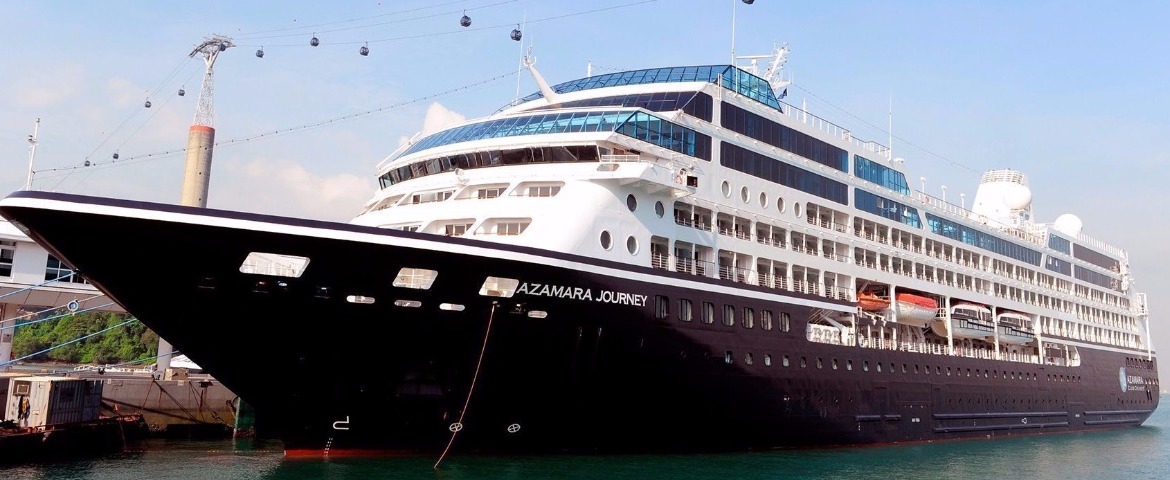
Azamara Journey
5 Cruises

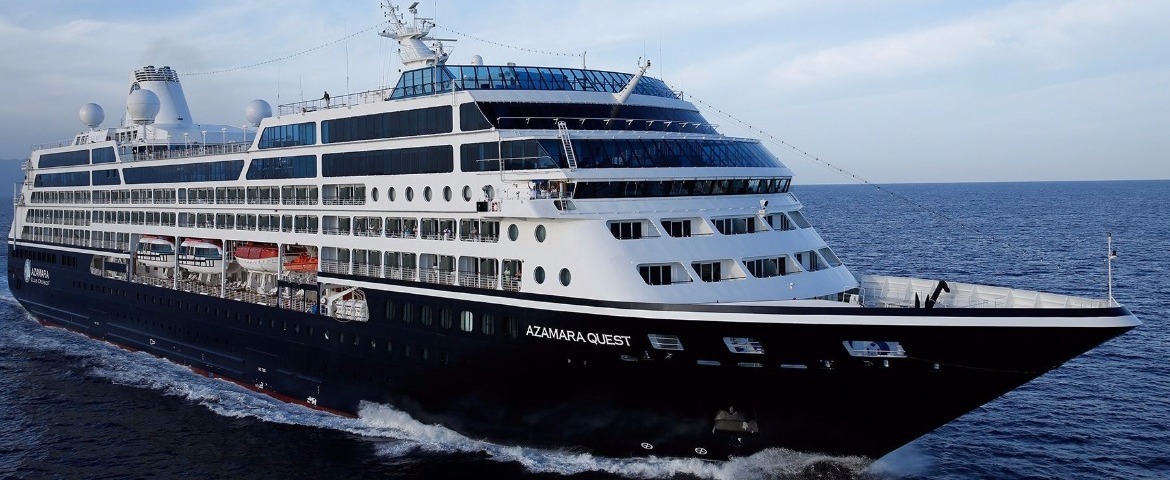
Azamara Quest
7 Cruises
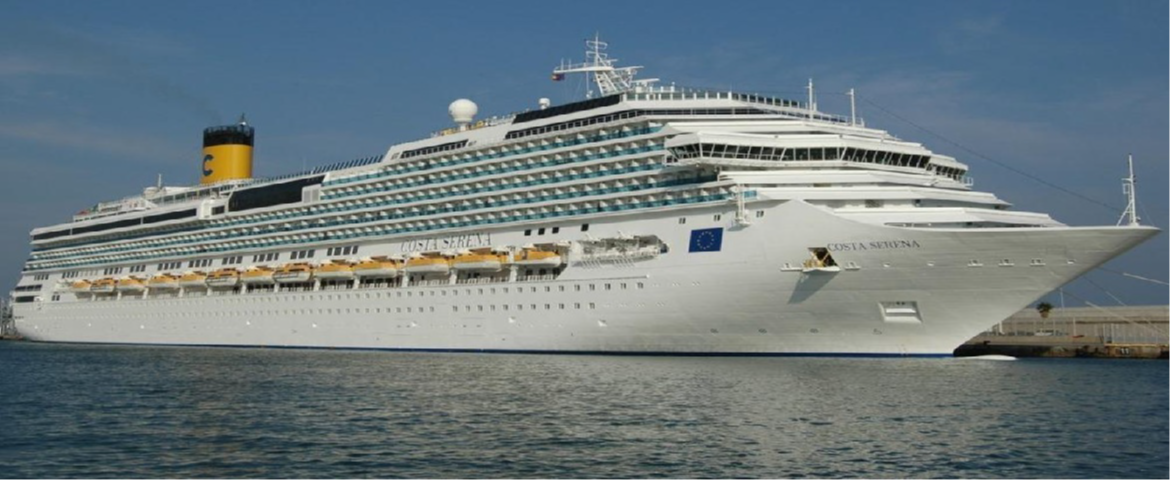
Costa Cruises (1 Cruises)

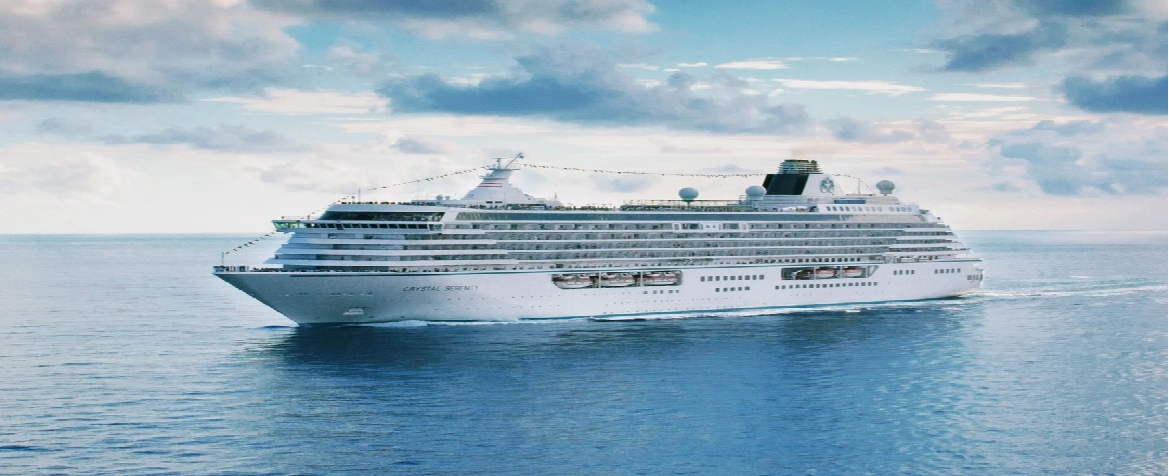

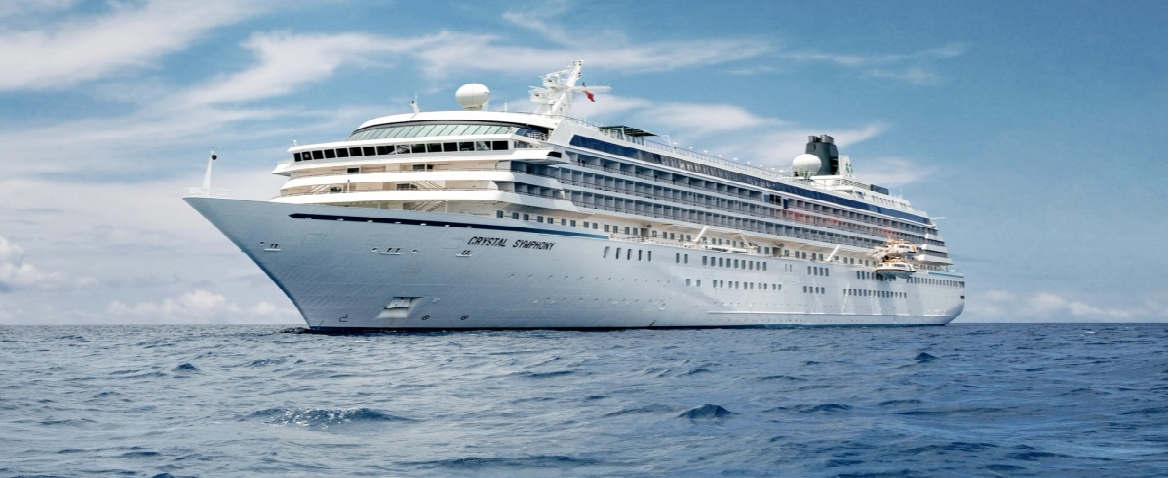
Holland America Line (30 Cruises)
ms Nieuw Amsterdam
10 Cruises
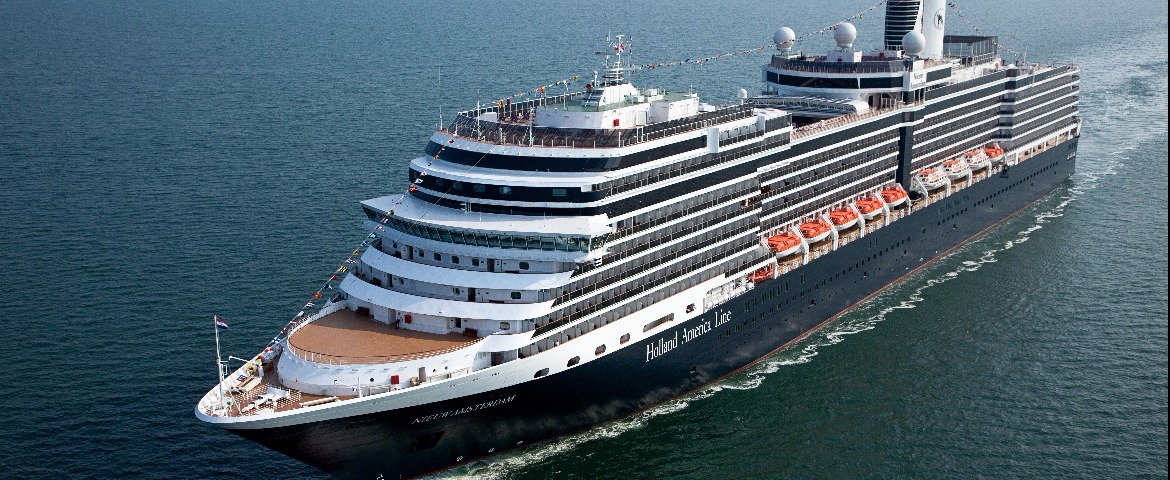

ms Nieuw Statendam
10 Cruises
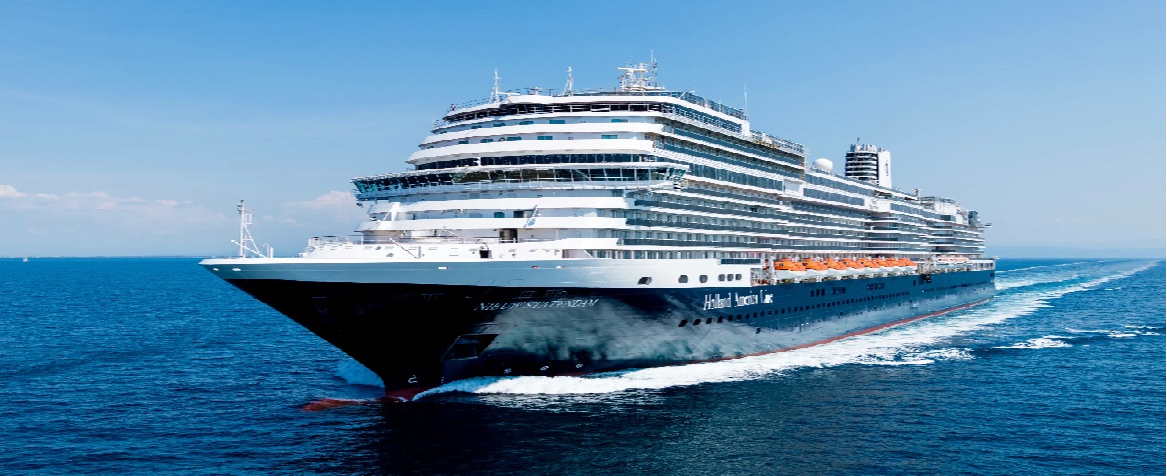
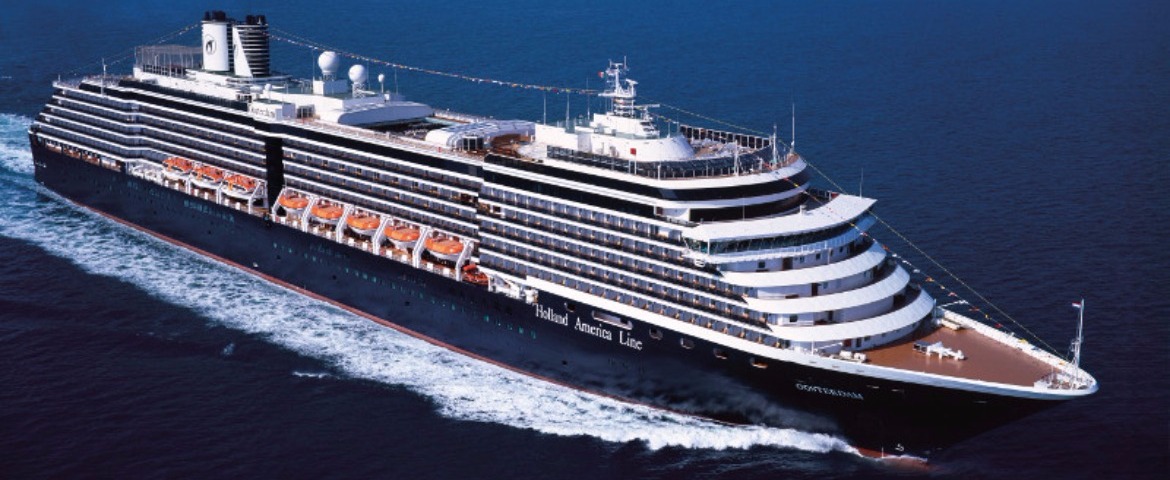
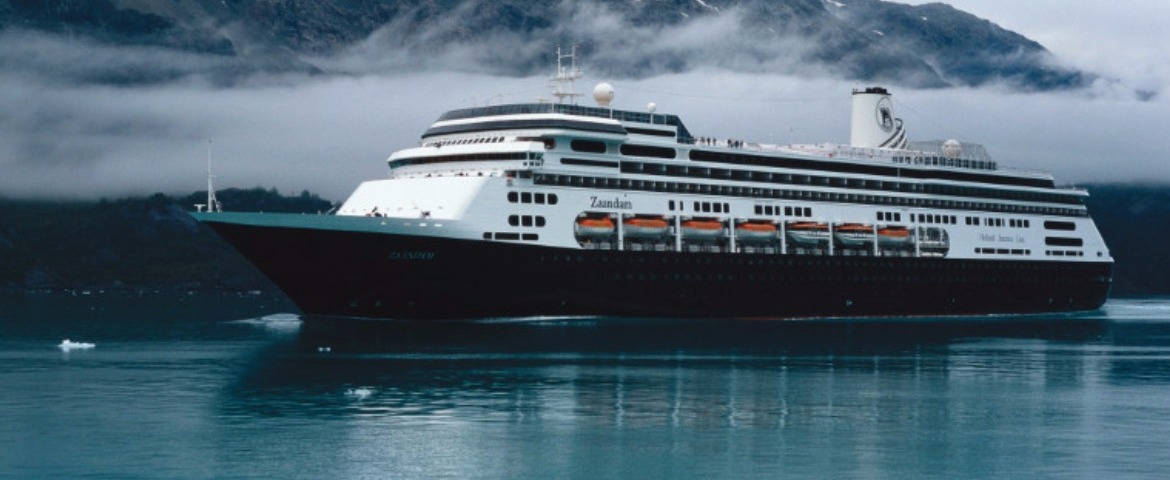
Lindblad Expeditions (3 Cruises)
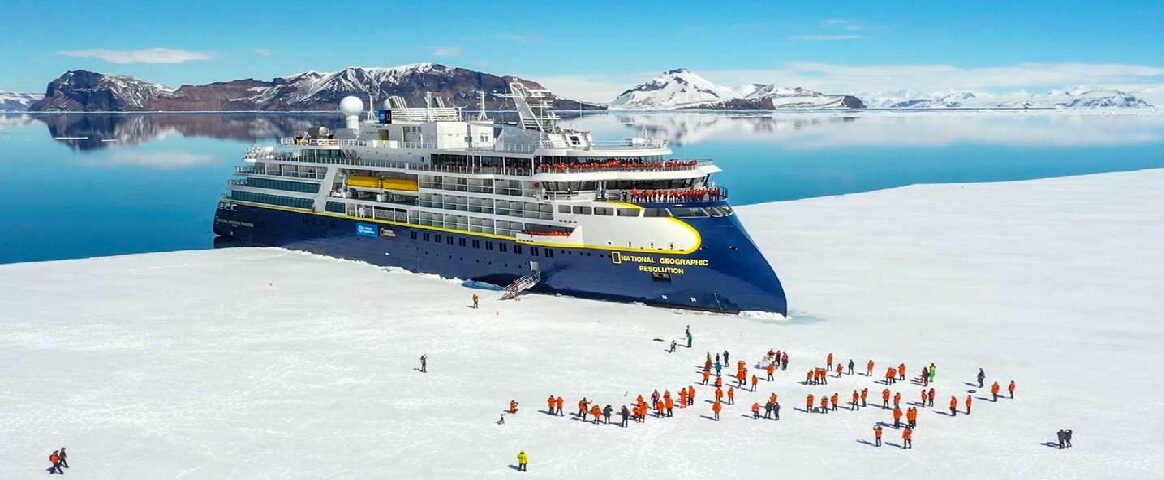
National Geographic Resolution
3 Cruises

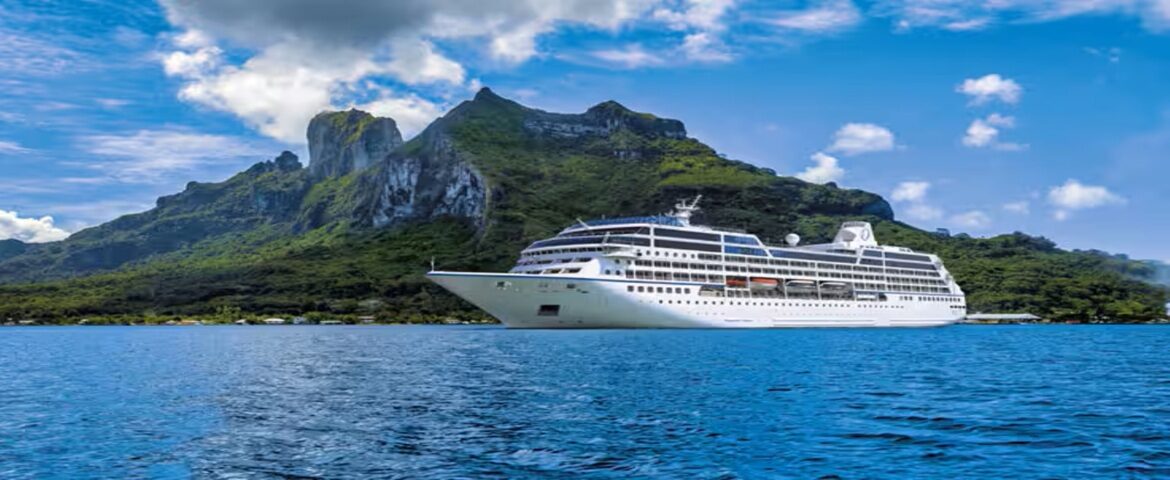
Oceania Cruises (12 Cruises)

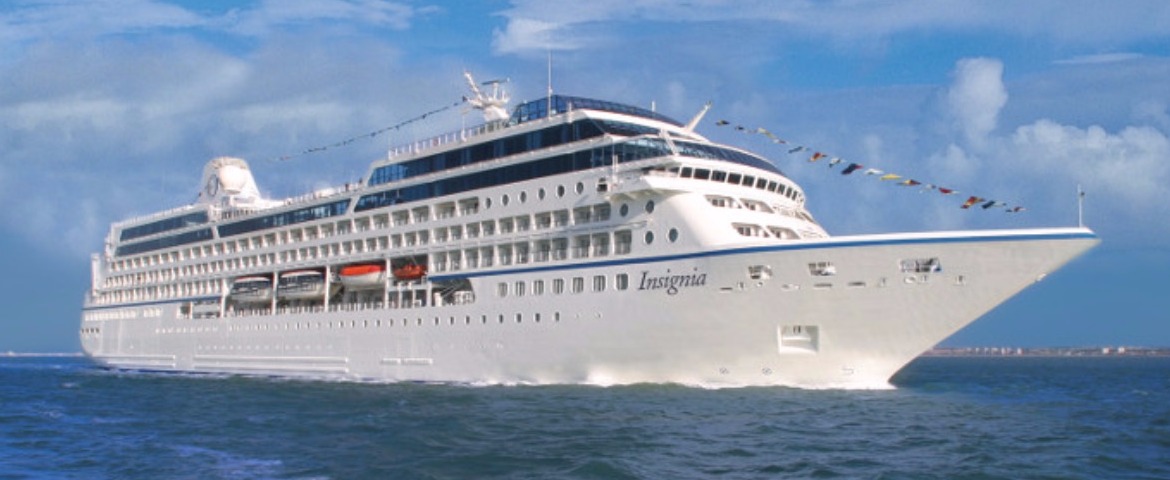
Oceania Insignia
6 Cruises

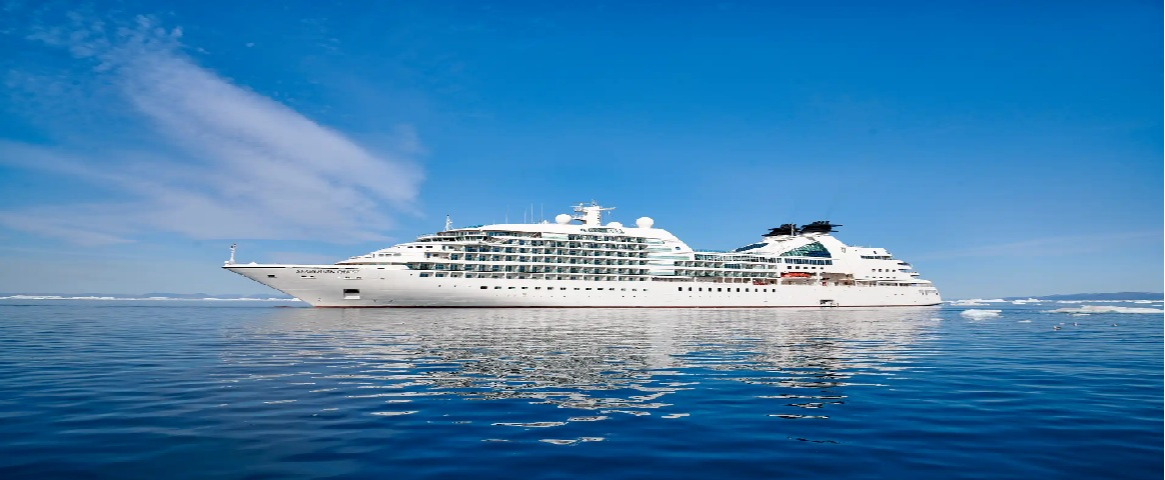
Seabourn Cruise Line (6 Cruises)
Seabourn Quest
6 Cruises

Viking Ocean Cruises (39 Cruises)
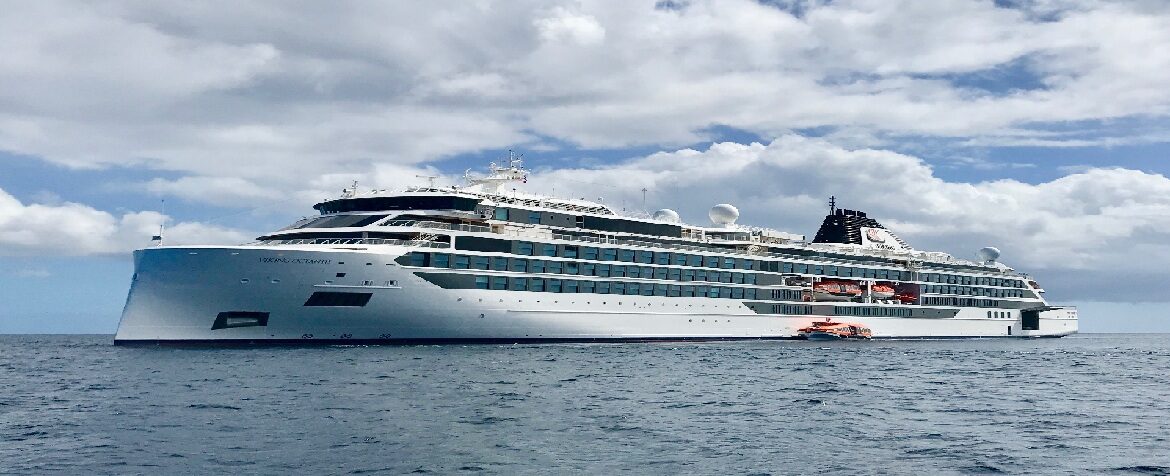
Viking Octantis
22 Cruises

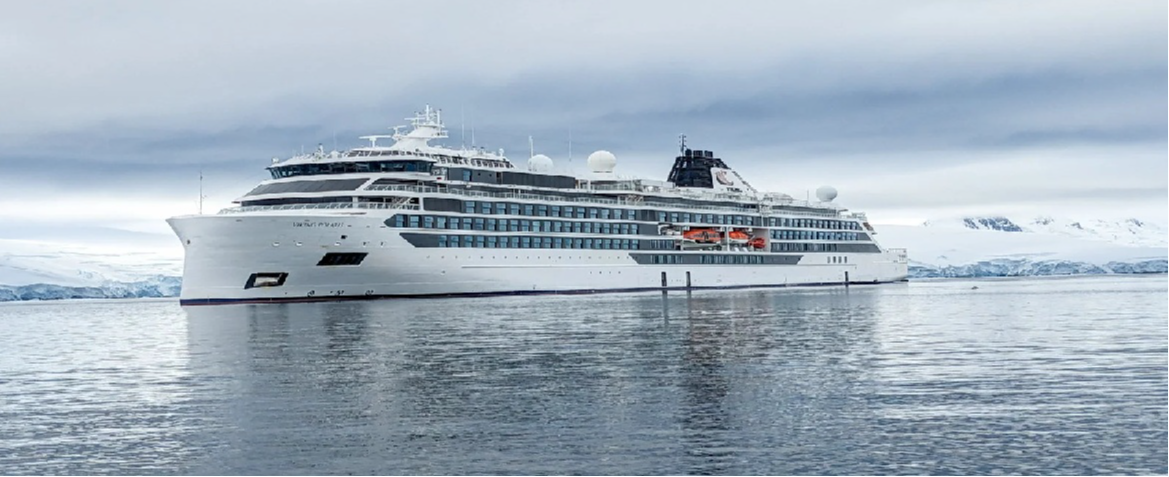
Viking Polaris
17 Cruises
| 26 February | 41 nights | One-way from Buenos Aires to Fort Lauderdale |
450-628-6241
Call us
|
| 27 February | 40 days | One-way from Buenos Aires to Fort Lauderdale |
450-628-6241
Call us
|
| 28 March | 13 nights | One-way from Buenos Aires to Valparaiso-Santiago |
450-628-6241
Call us
|
| 29 March | 12 days | One-way from Buenos Aires to Valparaiso-Santiago |
450-628-6241
Call us
|

Puerto Chacabuco, Chile | Cruise Port Guide
Frequently Asked Questions
At the head of the Aysén fjord, where passengers reach land by tender. The hamlet amounts to a few quays, sheet-metal houses and salmon farms in the coves. There is nothing to do in the village itself: everything happens inland.
Pick one major excursion. Puerto Aysén and the Simpson valley for a half day, Coyhaique for a full day, or Laguna San Rafael if the schedule allows. Trying to combine them does not work: the distances are real.
The region's former sea outlet, about fifteen kilometres away, before its river silted up and traffic moved to Chacabuco. What remains is the Presidente Ibáñez suspension bridge, a national monument spanning the Río Aysén, and the quiet life of a pioneer town.
About 80 kilometres, which means a full day round trip from the pier. The road follows the Río Simpson valley between steep walls, rainforest and pasture: it is spectacular from end to end.
A national reserve with short trails and an interpretation centre, the Virgin and Bridal Veil waterfalls, then the settlers' pastures where huasos, these Chilean horsemen at the end of the world, still move their herds.
Yes, several excursions include a stop at an estancia for mate, empanadas or spit-roasted lamb, served near the stove while the sheepdog keeps an eye on the yard. It is often the most human moment of the day.
A lagoon ringed by cold rainforest where a glacier from the Northern Patagonian Icefield calves blue icebergs. You get there by fast catamaran: the option takes a full day and depends on sea conditions.
The Aysén climate changes several times a day, even in southern summer. Waterproofs and warm layers are not excessive caution: they are the standard kit for a day here.
Chilean pesos in small notes for markets and cafes. Cards work well in Coyhaique, much less in the valley and the village. Spanish is the only language in common use.
With binoculars, yes: condors, kingfishers and sometimes huemul deer turn up along the way. Nothing is guaranteed, but the road crosses enough different habitats that paying attention pays off.


