Valparaiso-Santiago Chile
Chile
226
Cruises availables
At departure or passage at this port
Azamara Club Cruises (10 Cruises)
Azamara Quest
10 Cruises


Crystal Cruises (9 Cruises)
Crystal Serenity
6 Cruises



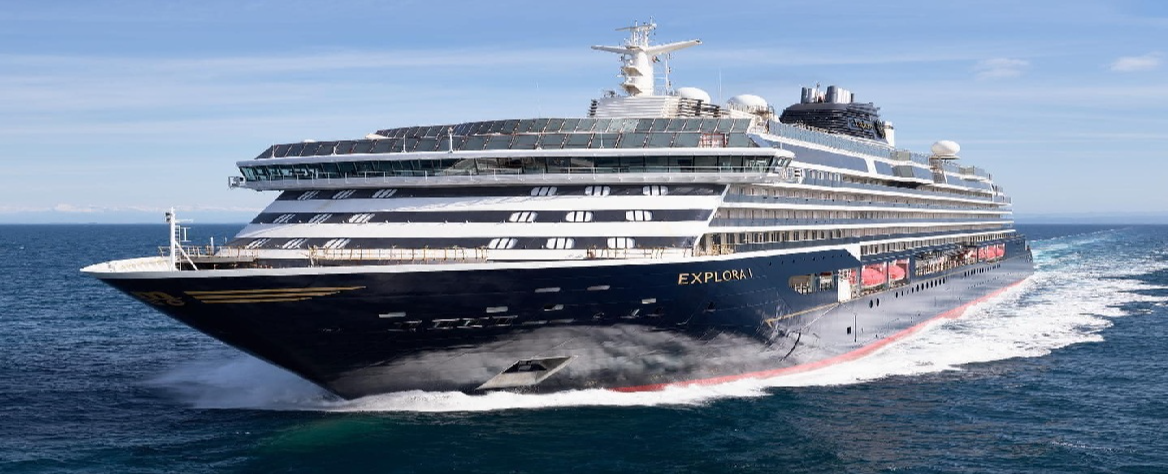
Explora Journeys (3 Cruises)


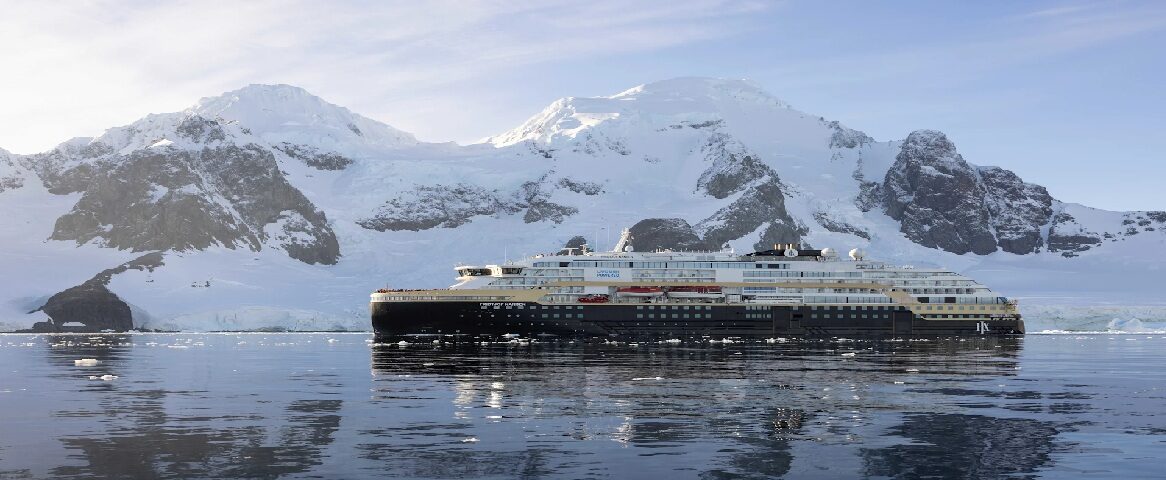
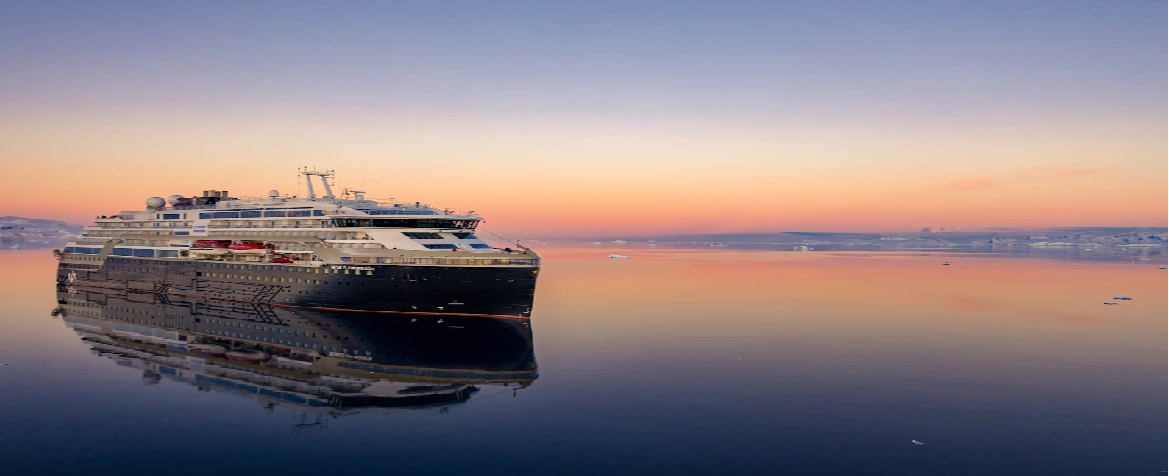
Lindblad Expeditions (35 Cruises)
National Geographic Explorer
4 Cruises
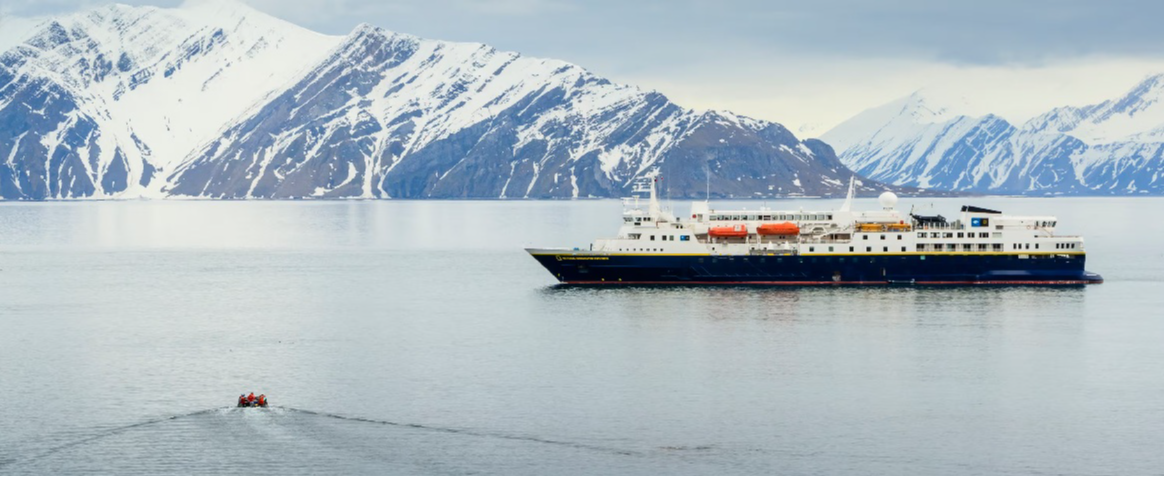

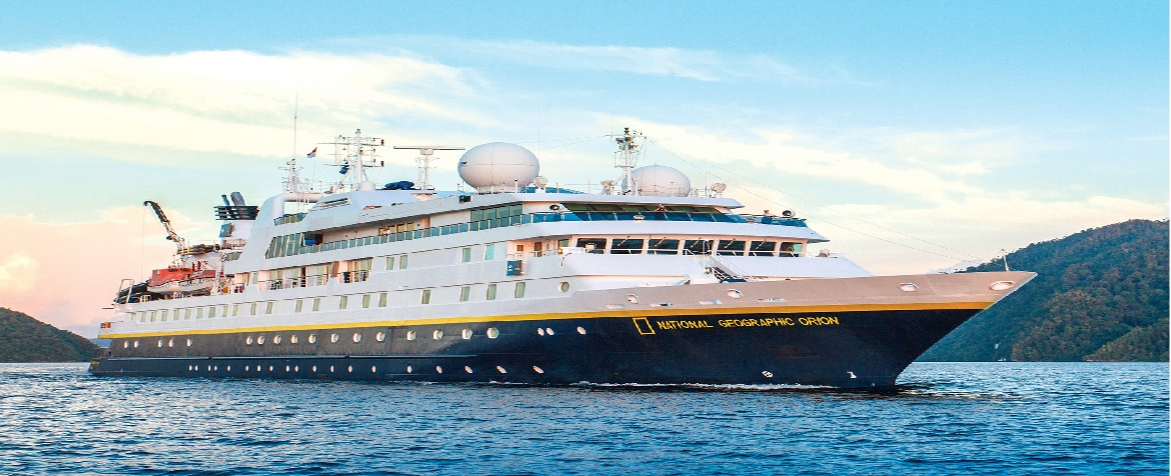
National Geographic Orion
3 Cruises
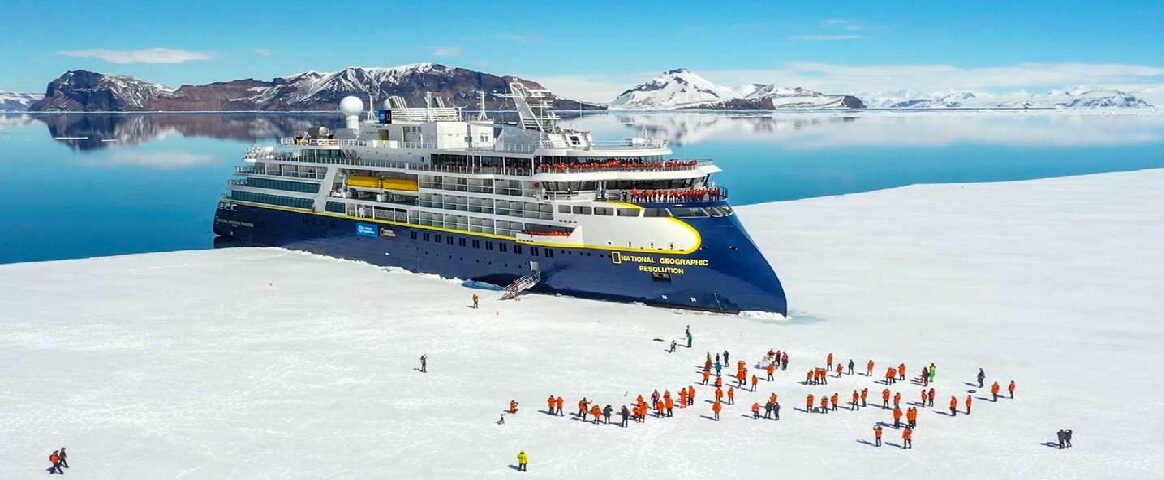
National Geographic Resolution
28 Cruises
| 5 January | 11 nights | One-way from Valparaiso-Santiago to Buenos Aires |
450-628-6241
Call us
|
| 15 January | 24 nights | Round-trip from Valparaiso-Santiago, Chile |
450-628-6241
Call us
|
| 15 October | 11 nights | One-way from Valparaiso-Santiago to Buenos Aires |
450-628-6241
Call us
|
| 25 October | 11 nights | One-way from Valparaiso-Santiago to Buenos Aires |
450-628-6241
Call us
|
MSC Cruises (10 Cruises)
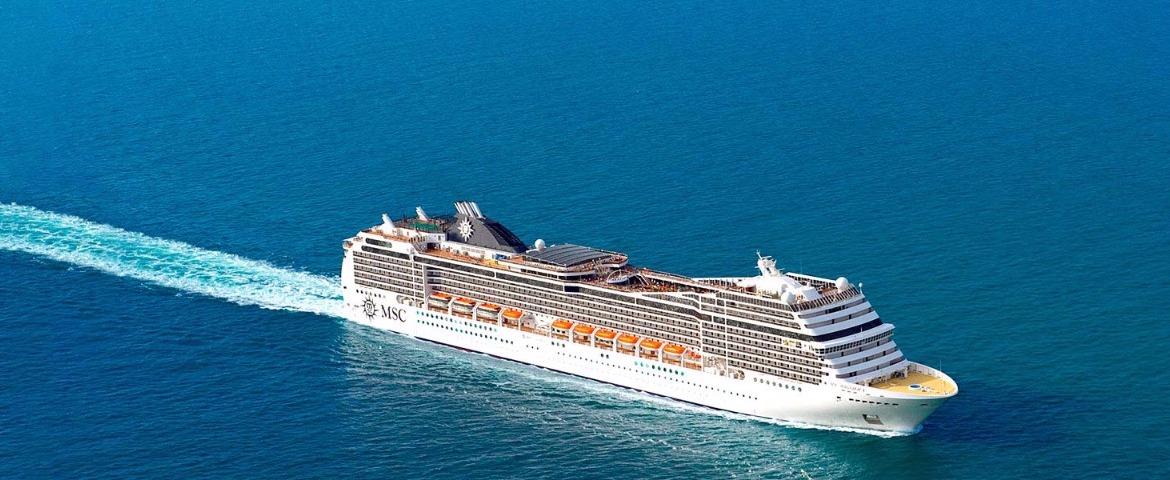
MSC Magnifica
10 Cruises





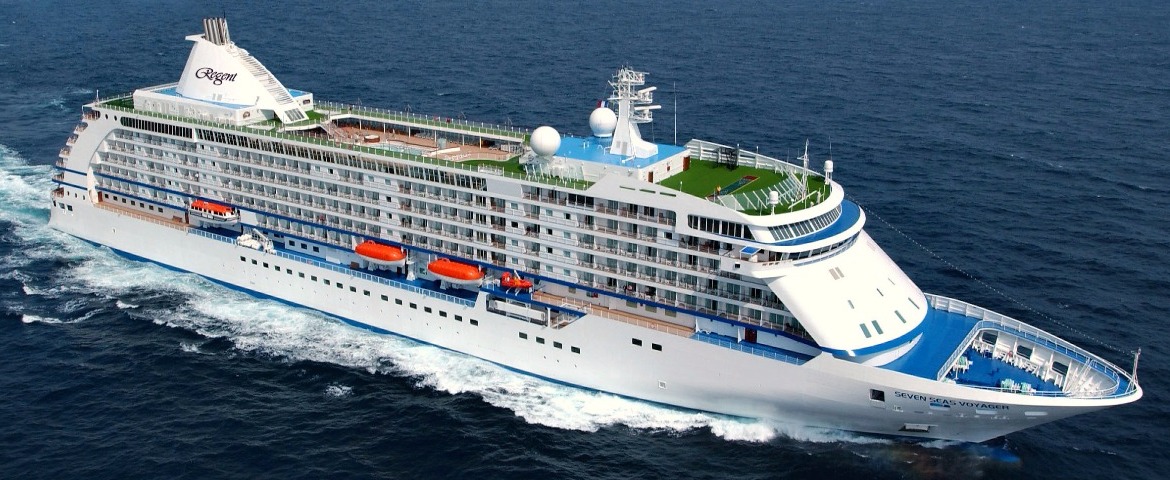
Scenic Cruises (40 Cruises)
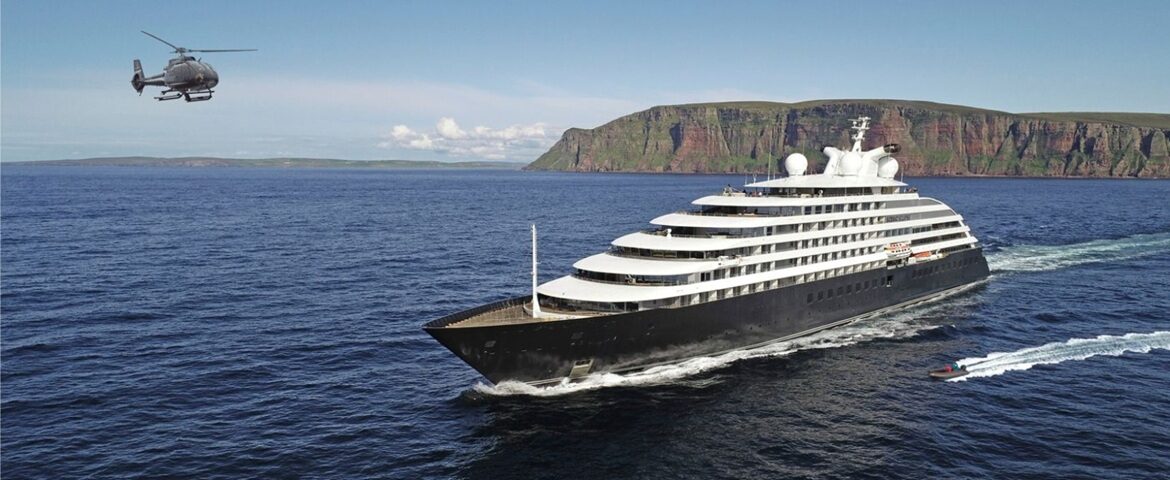
Scenic Eclipse
20 Cruises


| 10 January | 27 nights | One-way from Buenos Aires to Valparaiso-Santiago |
450-628-6241
Call us
|
| 11 January | 25 days | One-way from Buenos Aires to Valparaiso-Santiago |
450-628-6241
Call us
|
Scenic Eclipse II
20 Cruises
| 10 January | 27 nights | One-way from Buenos Aires to Valparaiso-Santiago |
450-628-6241
Call us
|
| 11 January | 25 days | One-way from Buenos Aires to Valparaiso-Santiago |
450-628-6241
Call us
|
Seabourn Cruise Line (16 Cruises)
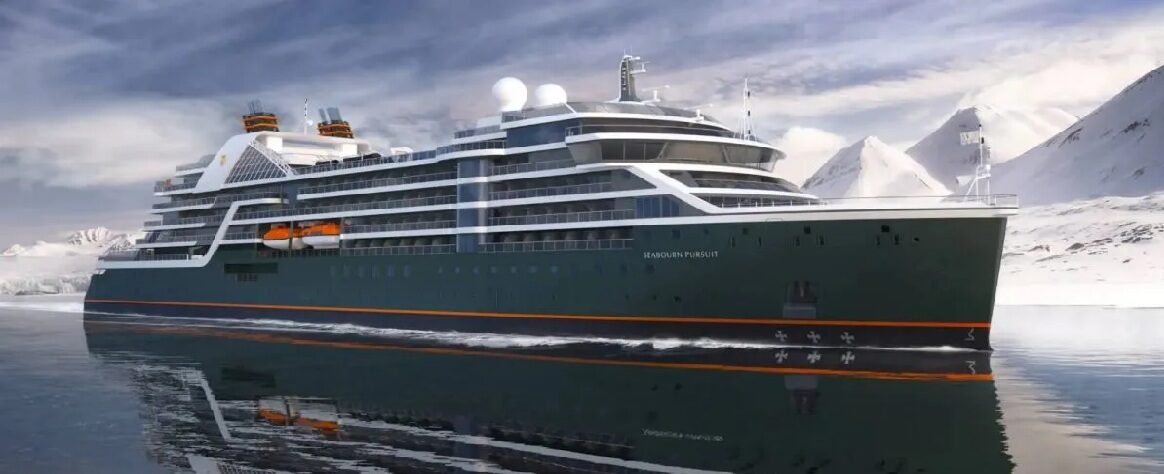
Seabourn Pursuit
9 Cruises

| 23 August | 78 nights | One-way from Reykjavik to Ushuaia |
450-628-6241
Call us
|
| 23 August | 56 nights | One-way from Reykjavik to Valparaiso-Santiago |
450-628-6241
Call us
|
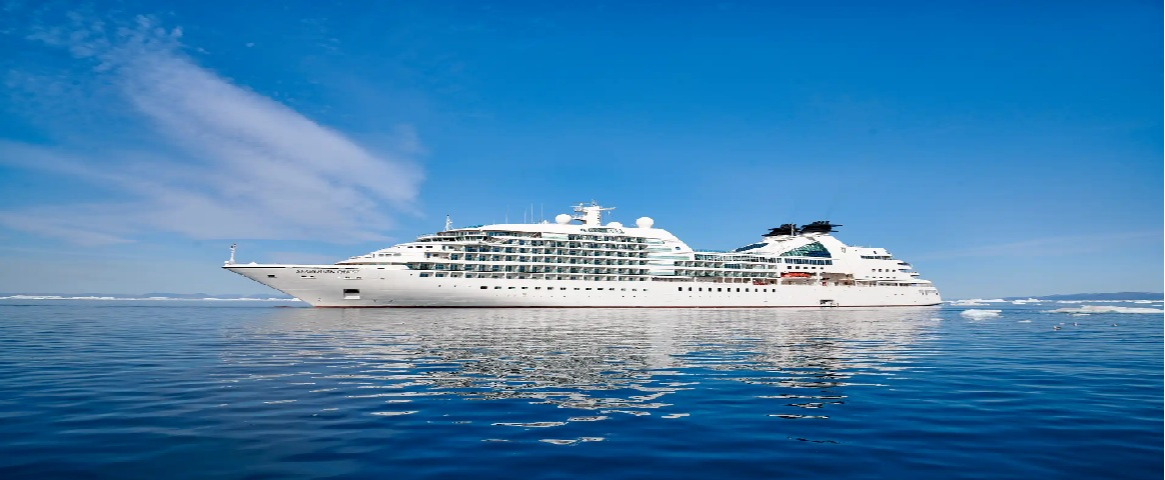
Seabourn Quest
7 Cruises
Silversea Cruises (21 Cruises)
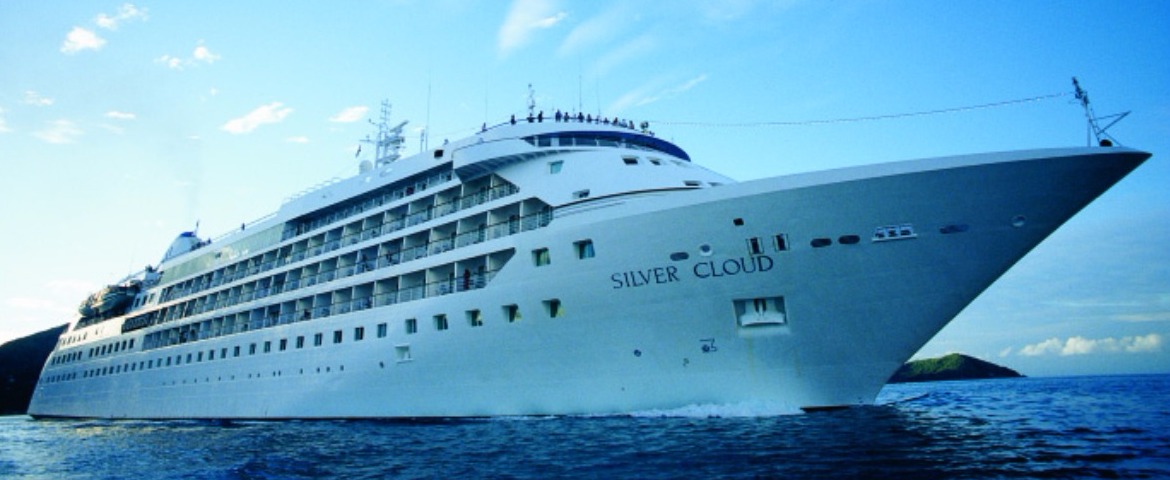

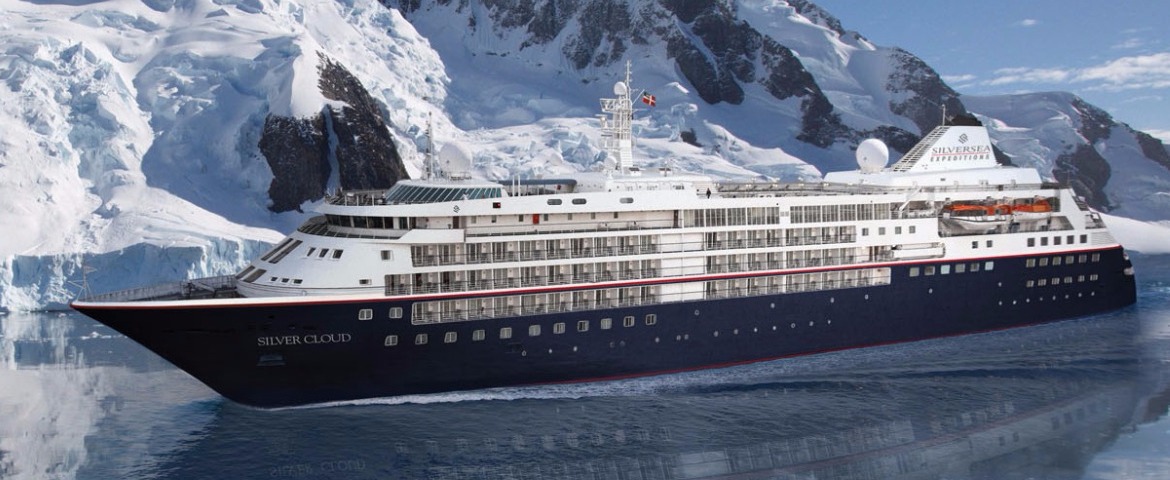
Silver Ray
4 Cruises
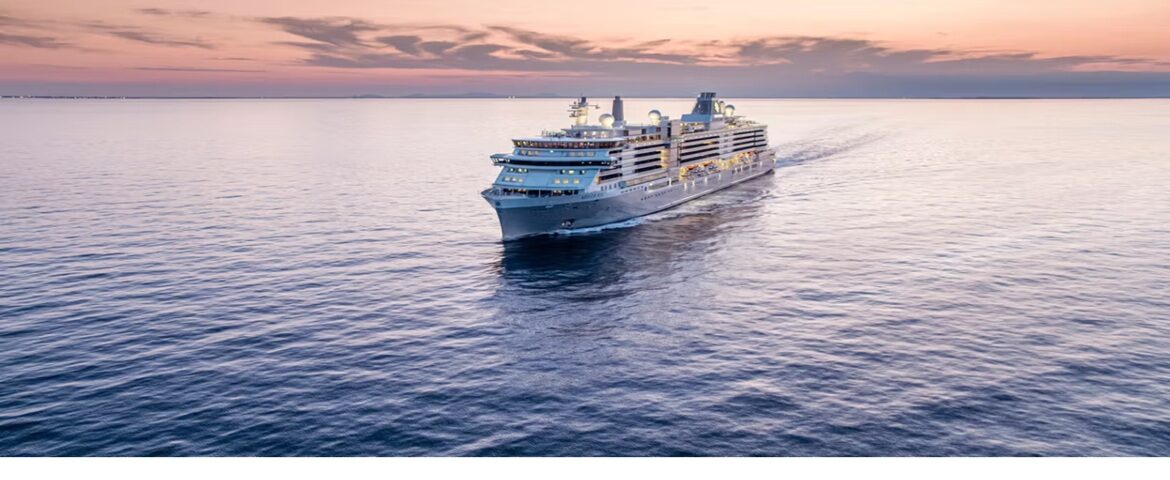
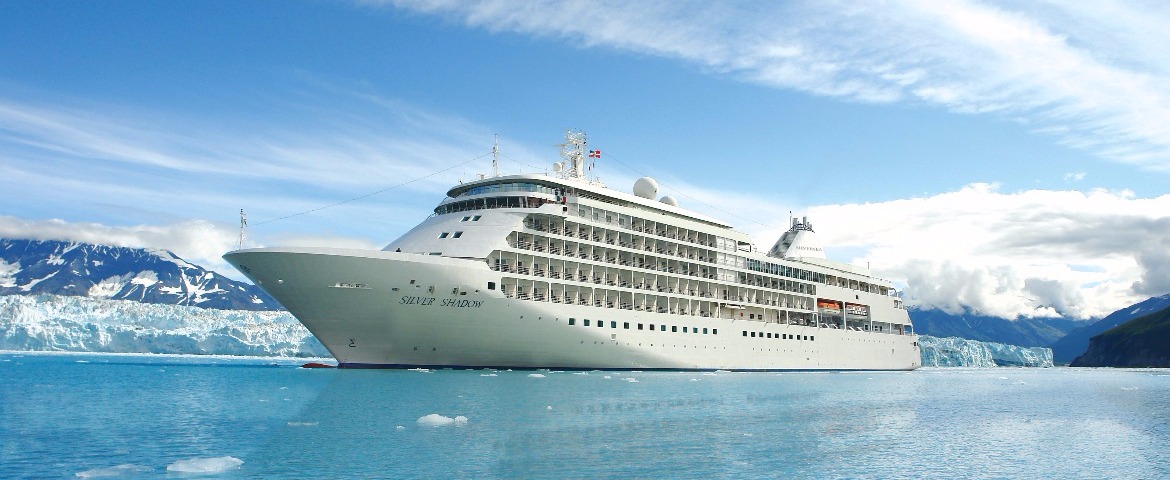
Viking Ocean Cruises (64 Cruises)
Viking Jupiter
12 Cruises
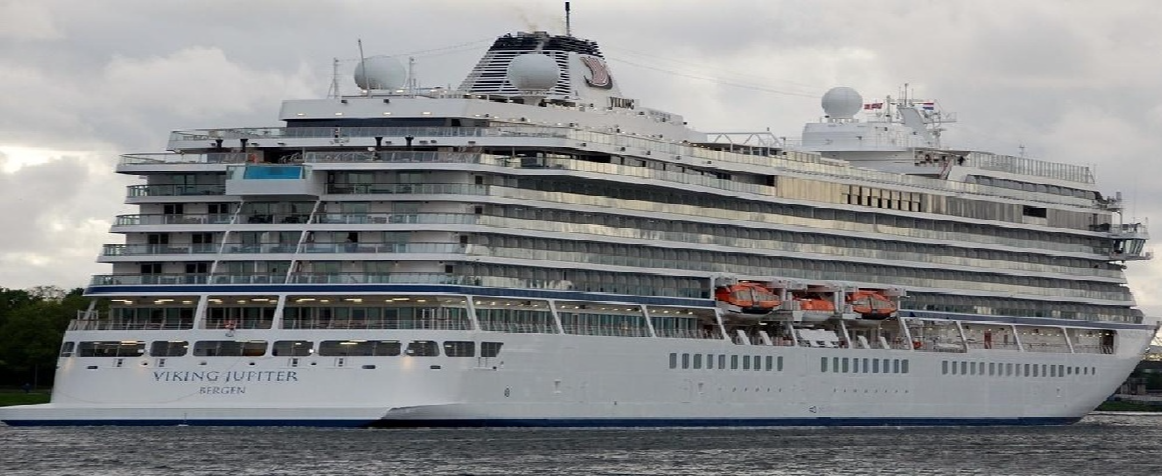

| 6 January | 15 nights | One-way from Buenos Aires to Valparaiso-Santiago |
450-628-6241
Call us
|
| 23 January | 15 nights | One-way from Valparaiso-Santiago to Buenos Aires |
450-628-6241
Call us
|
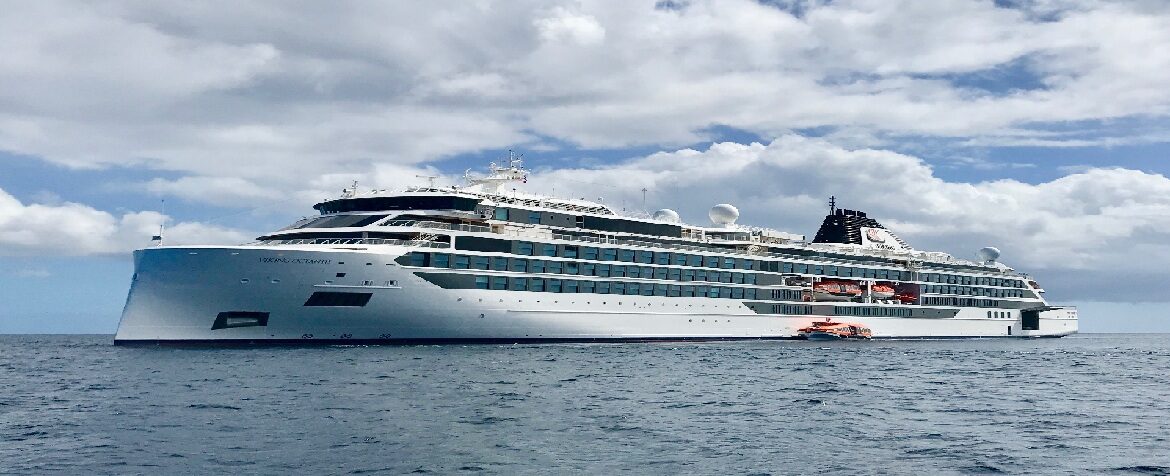
Viking Octantis
28 Cruises
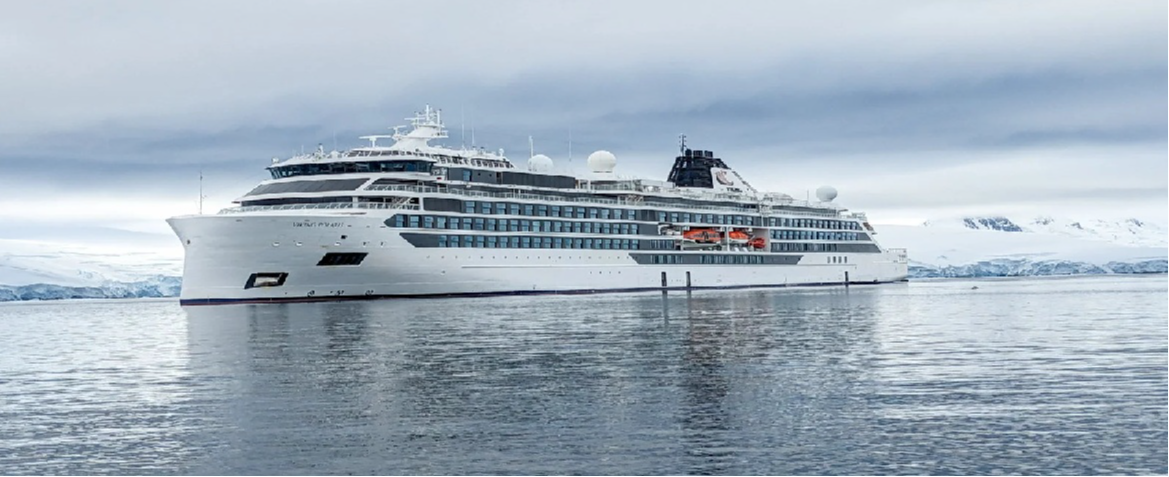
Viking Polaris
24 Cruises
| 26 February | 41 nights | One-way from Buenos Aires to Fort Lauderdale |
450-628-6241
Call us
|
| 27 February | 40 days | One-way from Buenos Aires to Fort Lauderdale |
450-628-6241
Call us
|
| 28 March | 13 nights | One-way from Buenos Aires to Valparaiso-Santiago |
450-628-6241
Call us
|
| 29 March | 12 days | One-way from Buenos Aires to Valparaiso-Santiago |
450-628-6241
Call us
|

Port of Valparaíso | Cruise Port Guide
Frequently Asked Questions
In the commercial port at the foot of the city. Shuttles take passengers to the Muelle Prat terminal, from where everything starts on foot: Plaza Sotomayor opens a few steps from the landing.
Let us be blunt: the round trip takes more than three hours of driving in total, leaving little time in the capital. For a one-day call, Valparaiso itself offers more. Santiago is better kept for those extending their trip by a night or two.
Plaza Sotomayor, one funicular, then Cerros Concepción and Alegre on foot. Add La Sebastiana if time allows. The centre is a UNESCO World Heritage site and is understood by climbing, not by walking straight.
Century-old funicular lifts, rattling wooden cabins that haul people up the hillsides for a few coins. The Ascensor Concepción, the oldest, leads to Paseo Gervasoni; El Peral to the Baburizza palace; Artillería, near the terminal, to Paseo 21 de Mayo.
Cerros Concepción and Alegre. Stepped lanes, Victorian facades in bold colours, murals that change over the years, cafes in former merchants' houses: these two hills hold the soul of the city.
The house of poet Pablo Neruda, high on the slopes, stacking its odd-shaped rooms like a ship run aground in the city. Its windows frame the bay better than any lookout. Reach it by taxi or bus.
Yes, with the usual precautions of a large port city. Stay in the busy heritage districts, leave valuables on board and the day will go smoothly. Avoid isolated lanes away from the visitor routes.
Yes, the neighbouring seaside town is about ten kilometres away, a few minutes by taxi or on the regional metro. It is the easy complement to a morning in the hills, especially for anyone wanting to see the sea from somewhere other than the deck.
Because its harbour was a major stop for sailing ships rounding Cape Horn, before the Panama Canal redrew the sea routes. That history of sailors, bankers and European immigrants left a unique historic centre clinging to some forty hills.
The Chilean peso and Spanish. English turns up in the cafes of the tourist hills, less so elsewhere. Cards work well downtown; keep coins for the funiculars, which are paid in cash.


