Safaga Luxor, Egypt
85
Cruises availables
At departure or passage at this port
Crystal Cruises (6 Cruises)
Crystal Symphony
6 Cruises


| 11 January | 151 days | Round-trip 150 Night Roundtrip Fort Lauderdale Cruise |
450-628-6241
Call us
|
| 11 January | 137 days | One-way from Fort Lauderdale to Barcelona |
450-628-6241
Call us
|
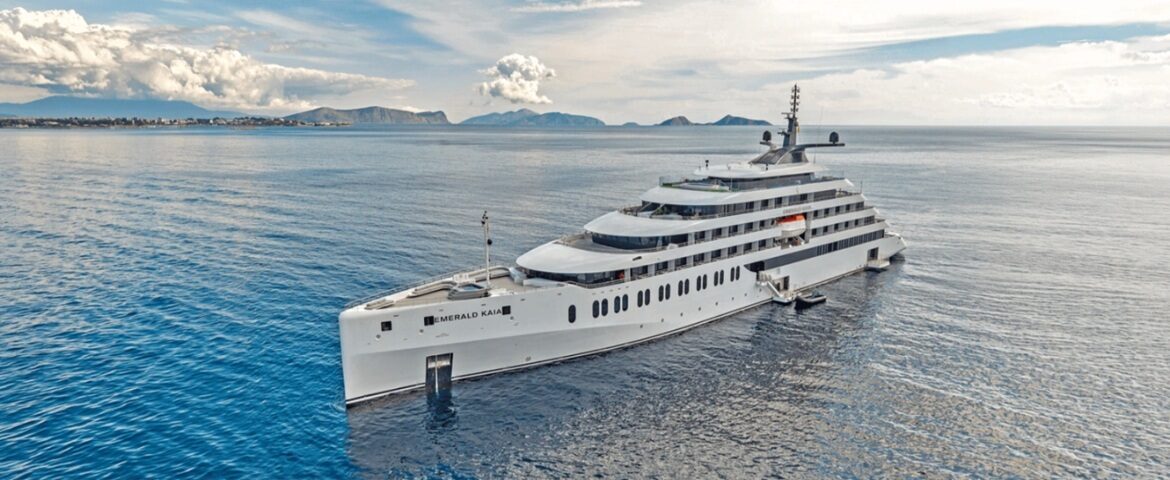
Emerald Waterways (6 Cruises)

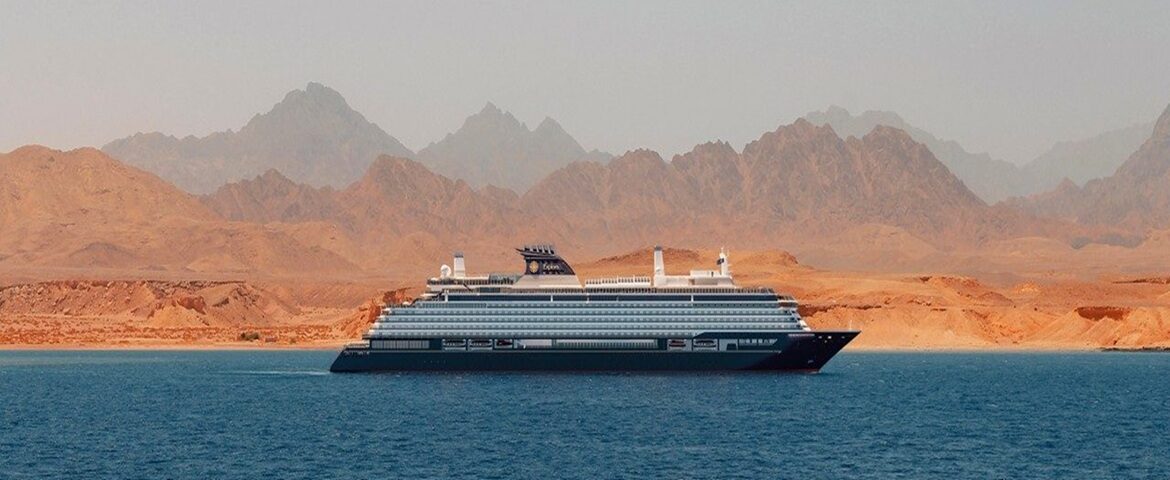
Explora Journeys (17 Cruises)
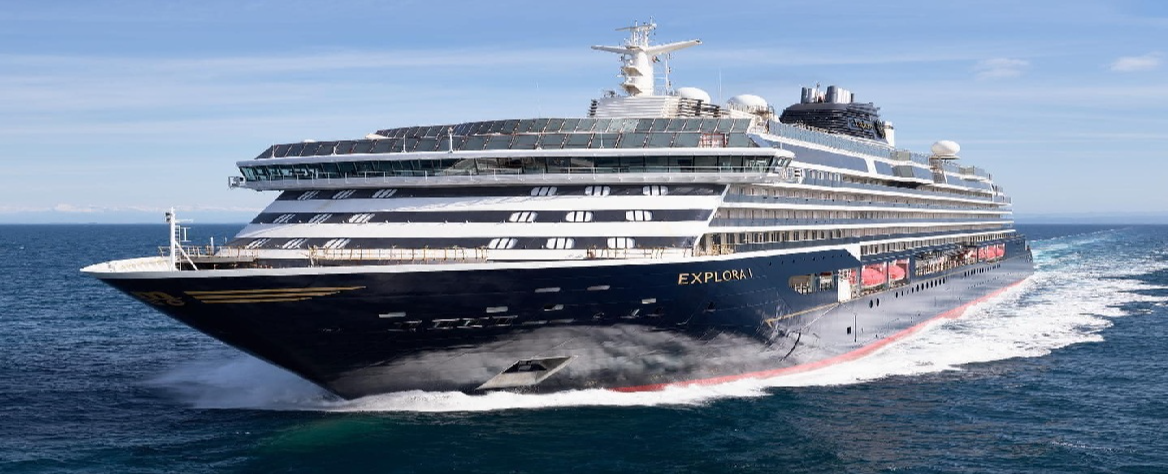

Explora V
12 Cruises
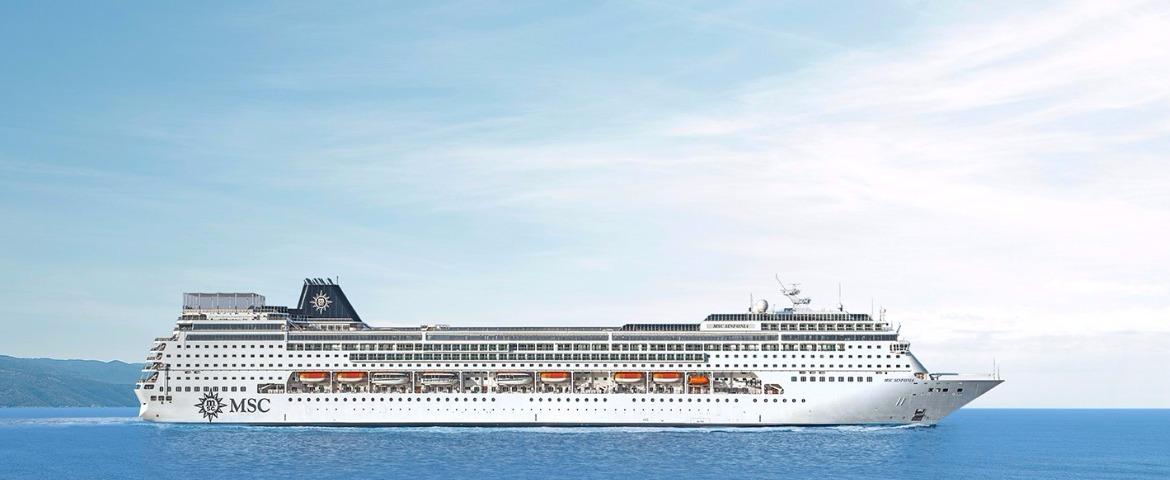
MSC Cruises (18 Cruises)
MSC Sinfonia
7 Cruises

MSC World Europa
11 Cruises
 Image not available
| 30 March | 20 days | One-way from Doha Qatar to Civitavecchia-Rome |
From
2438$
|
| 30 March | 23 days | One-way from Doha Qatar to Barcelona |
From
4840$
|
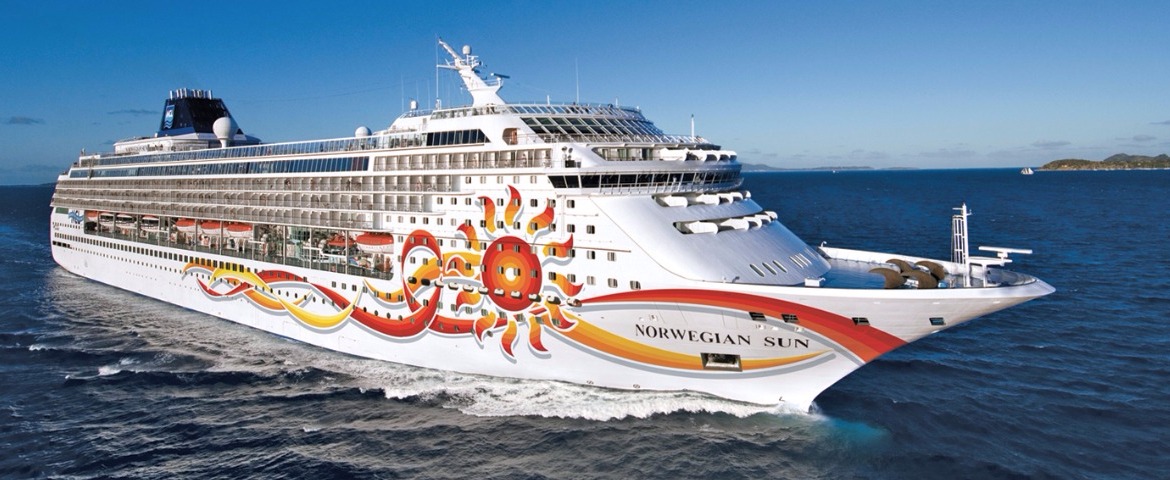
Norwegian Cruise Line (1 Cruises)

Oceania Cruises (21 Cruises)

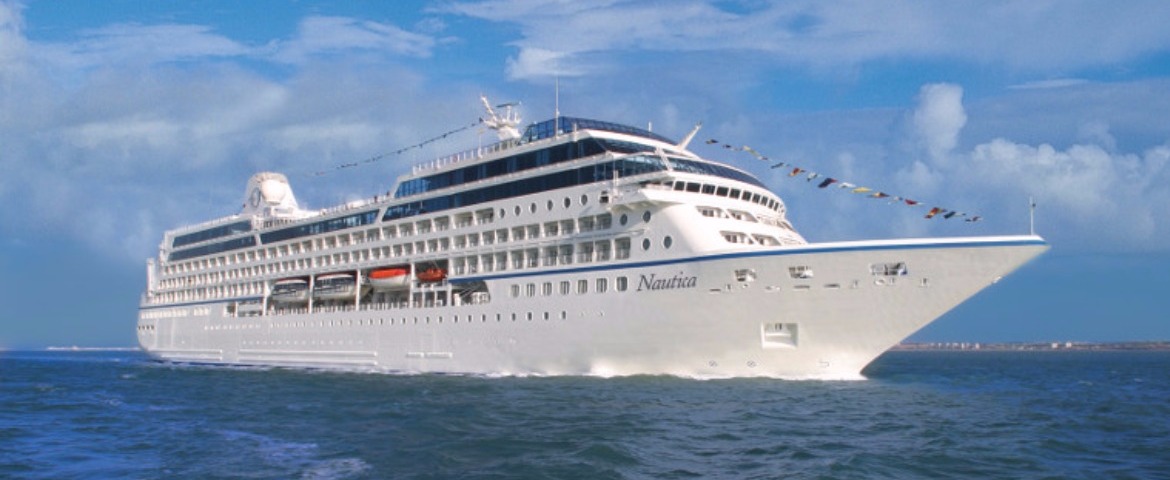
Oceania Vista
11 Cruises
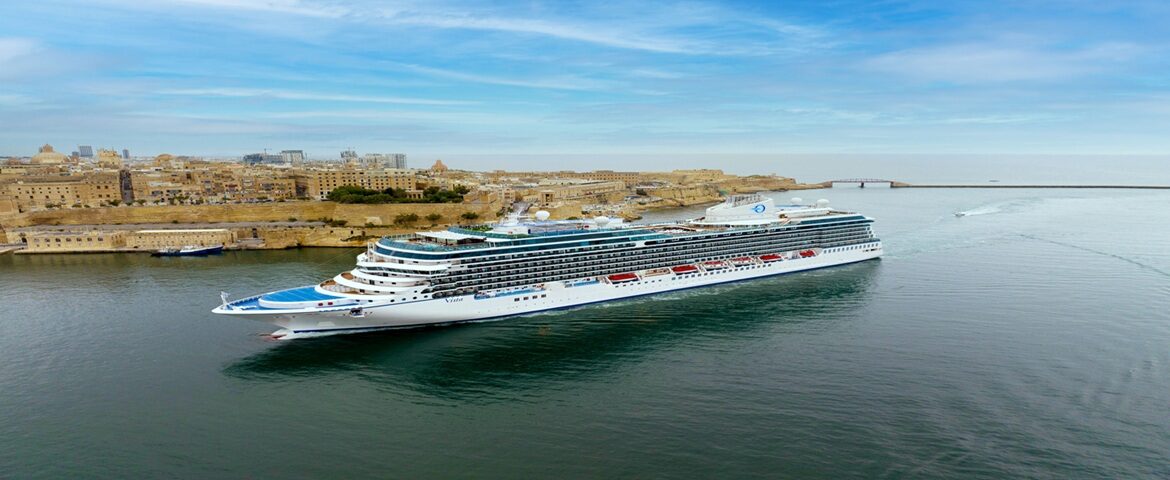
| 6 January | 180 days | One-way from Miami to Southampton |
450-628-6241
Call us
|
| 6 January | 244 days | One-way from Miami to New York |
450-628-6241
Call us
|
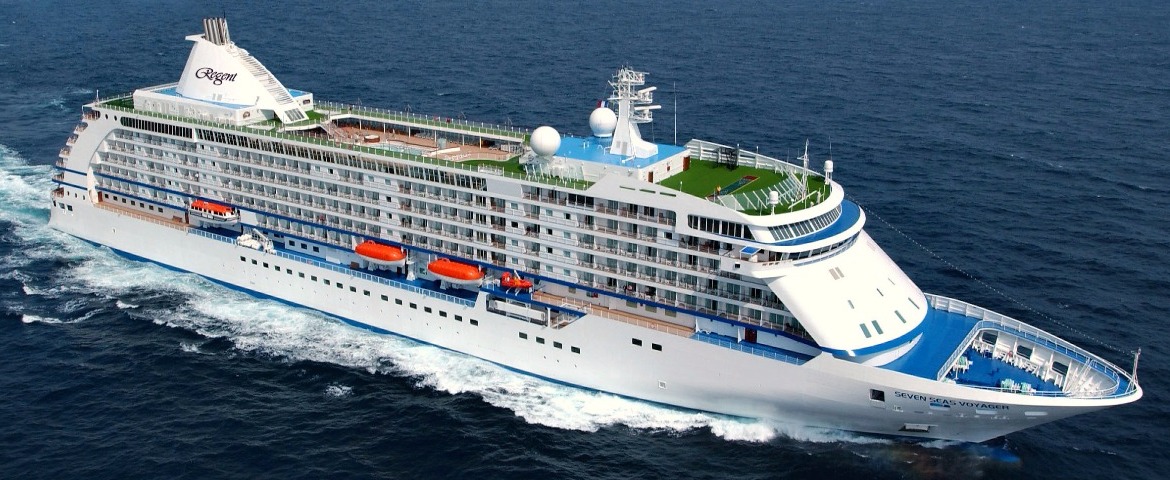
Regent Seven Seas Cruises (14 Cruises)
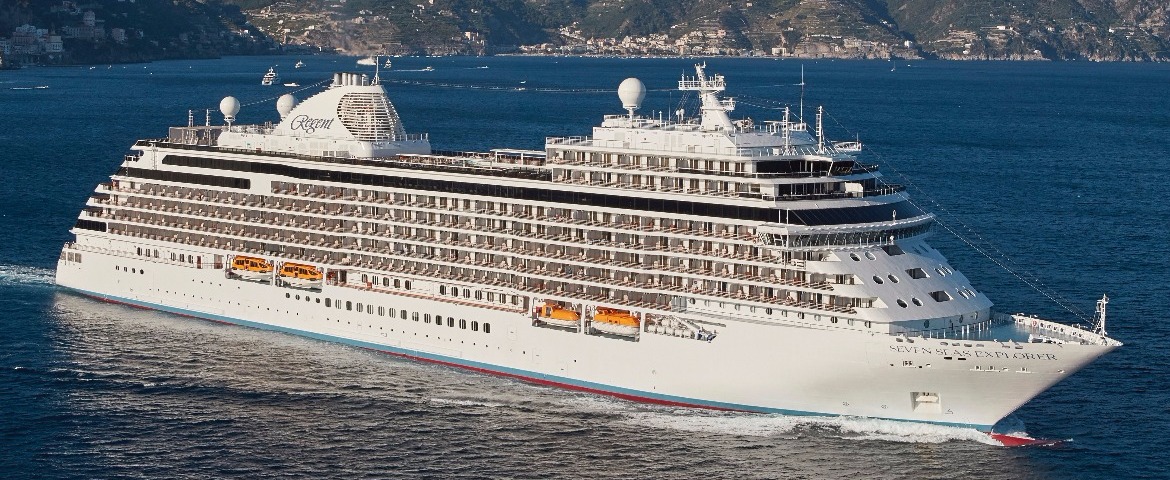


Seven Seas Splendor
4 Cruises
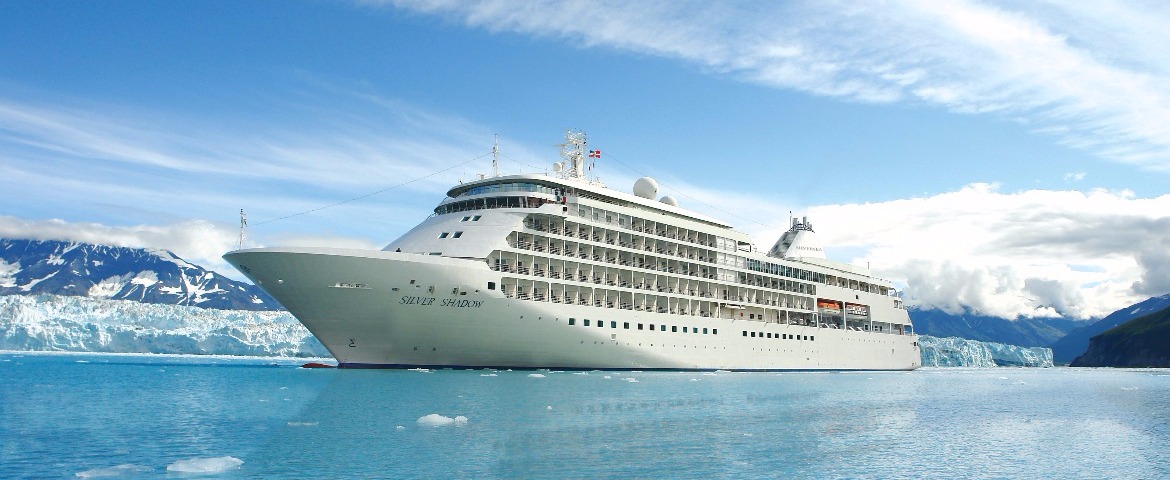
Silversea Cruises (2 Cruises)


Safaga, Egypt | Cruise Port Guide
Frequently Asked Questions
At a working commercial pier, with no frills. Formalities are quick and excursion coaches wait at the foot of the gangway. The town of Safaga lies about ten kilometres north of the pier.
For Luxor. The port is the sea gateway to ancient Thebes, some 230 kilometres inland. Most passengers will see nothing of Safaga but the palm trees along the road.
Twelve to fourteen hours: departure at dawn, about three hours on the road each way across the Eastern Desert, return after dark. It takes stamina, and you should know that before booking.
On the east bank, the temple of Karnak with its forest of columns as tall as buildings, then Luxor temple, once linked to Karnak by a restored avenue of sphinxes. On the west bank, the Valley of the Kings and Queen Hatshepsut's terraced temple. Tours usually combine two or three of these sites, with the Nile crossing and a meal included.
Yes, and Safaga has enough to hold you. Its waters hold some of the finest coral gardens on the coast: snorkelling or scuba outings over reefs frequented by butterflyfish and turtles. Allow 3 to 5 hours.
Yes, nearby and especially in neighbouring Soma Bay. Some properties open their facilities to day visitors. The region's steady winds make it popular with windsurfers.
Yes, it is about fifty kilometres north. Half a day covers its marinas, promenades and shopping if you prefer bustle to reefs or temples.
Bring the passport or the document your line requires for any outing beyond the port area. Precise instructions are given on board the evening before.
Sharp dry heat from May to September. Plenty of water, a hat and sun protection are not polite suggestions: the Luxor day is spent in full sun, with almost no shade.
Small denominations in dollars, euros or Egyptian pounds, useful for tips and purchases. Excursions are settled on board, but the day ashore runs on cash.


