Suez Canal Egypt
79
Cruises availables
At departure or passage at this port
Crystal Cruises (6 Cruises)
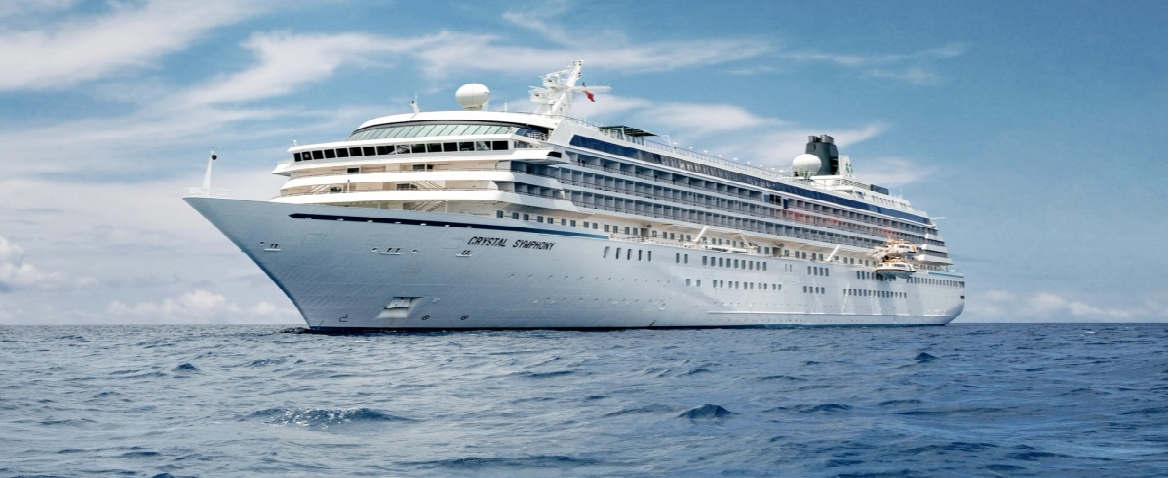
Crystal Symphony
6 Cruises

| 11 January | 151 days | Round-trip 150 Night Roundtrip Fort Lauderdale Cruise |
450-628-6241
Call us
|
| 11 January | 137 days | One-way from Fort Lauderdale to Barcelona |
450-628-6241
Call us
|
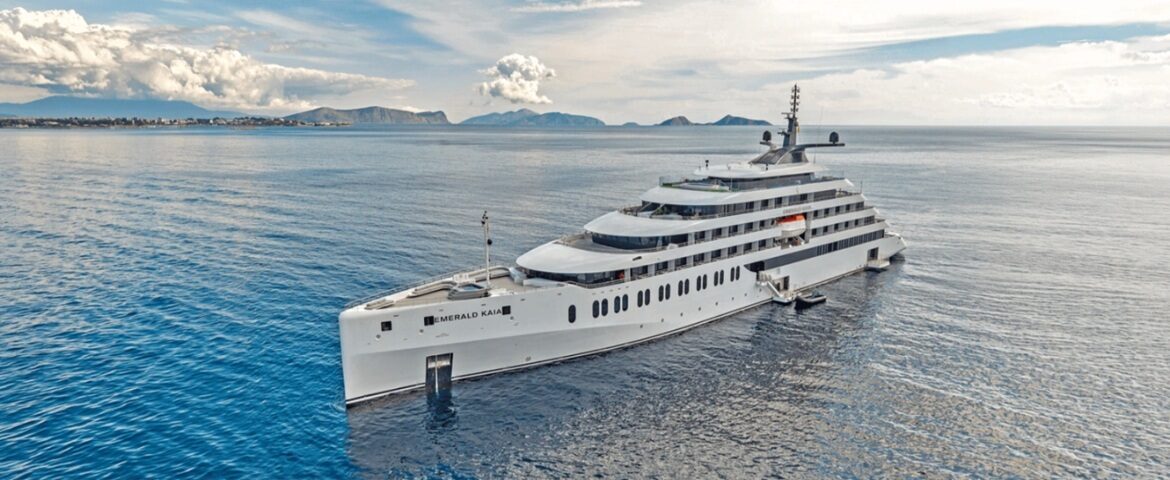
Emerald Waterways (2 Cruises)

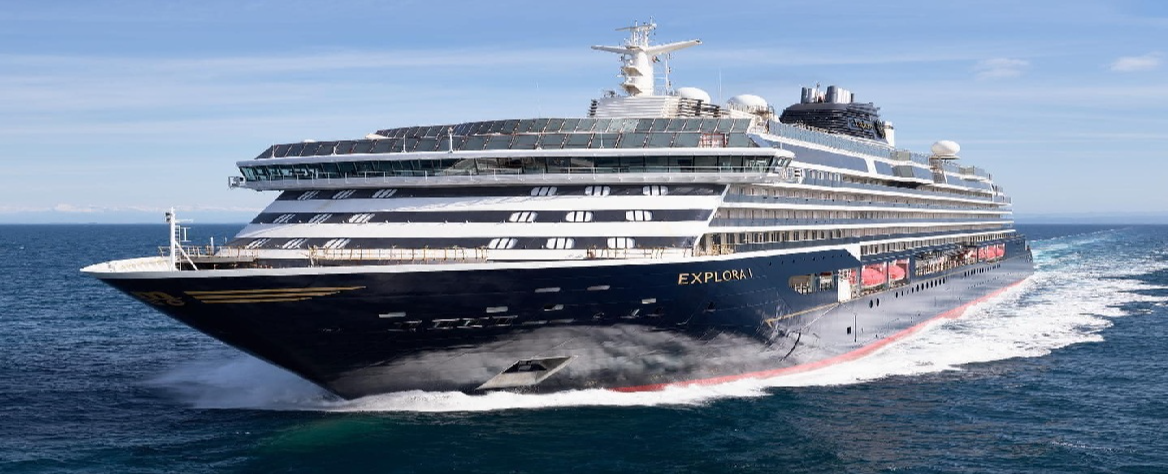
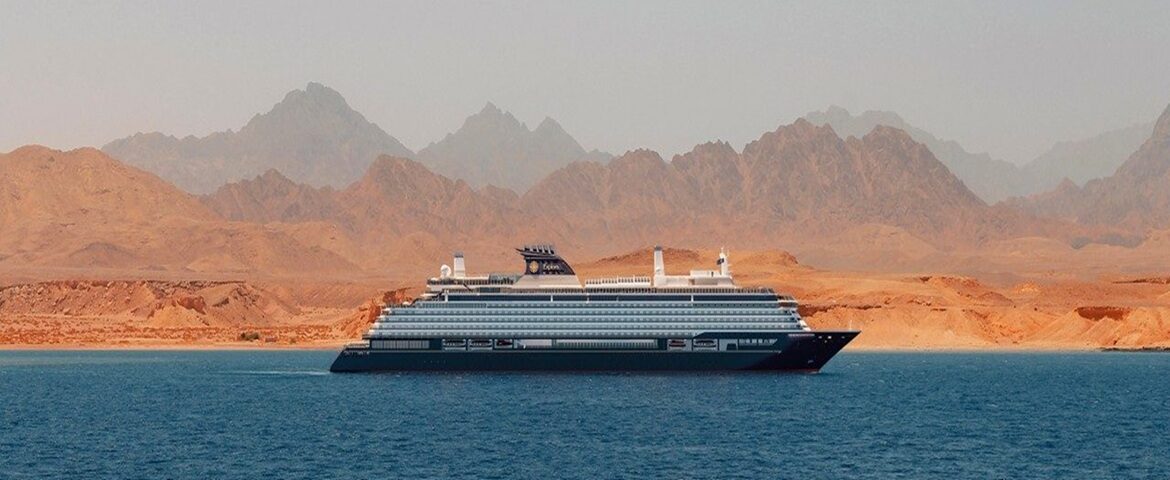
Explora Journeys (7 Cruises)

MSC Cruises (30 Cruises)
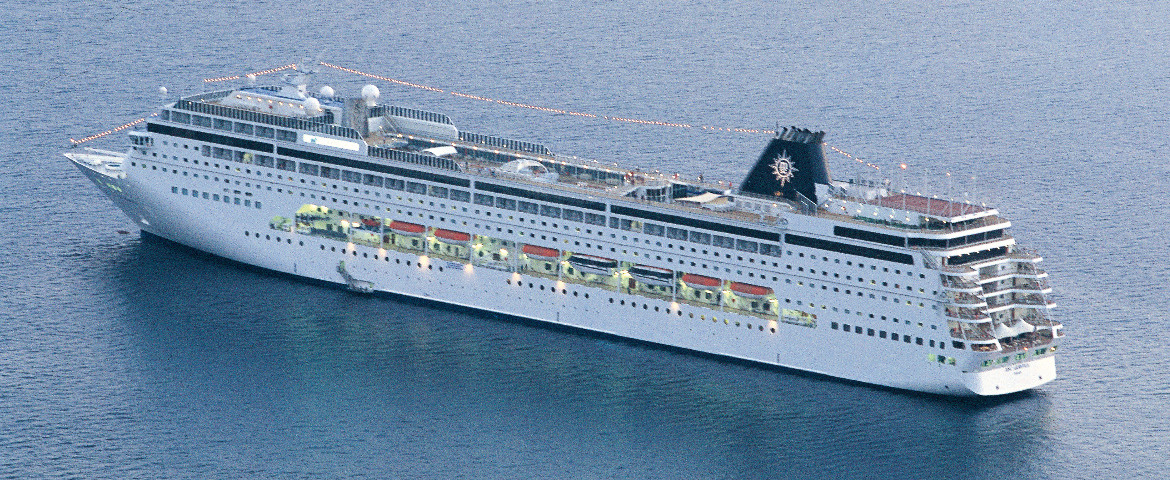

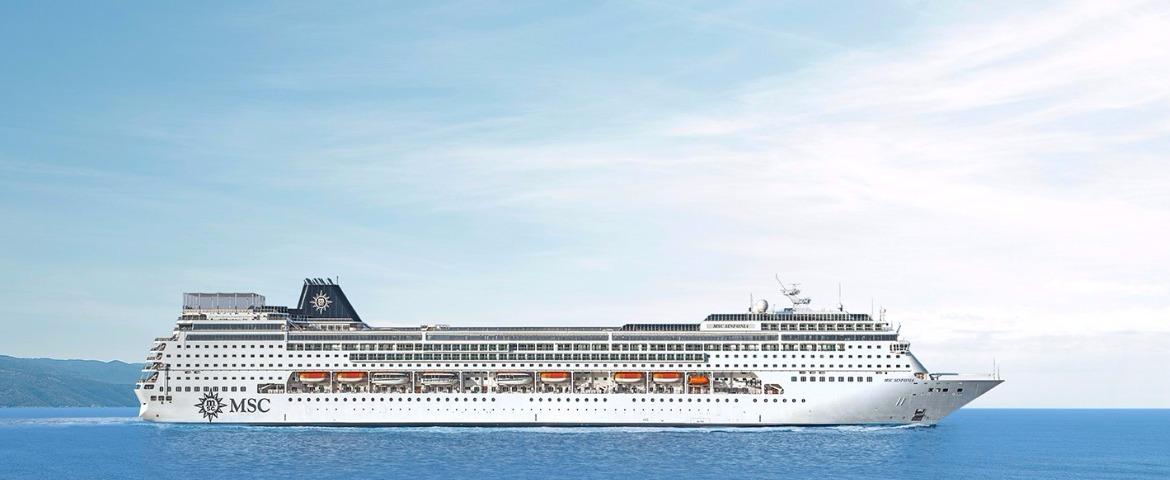
MSC Sinfonia
7 Cruises
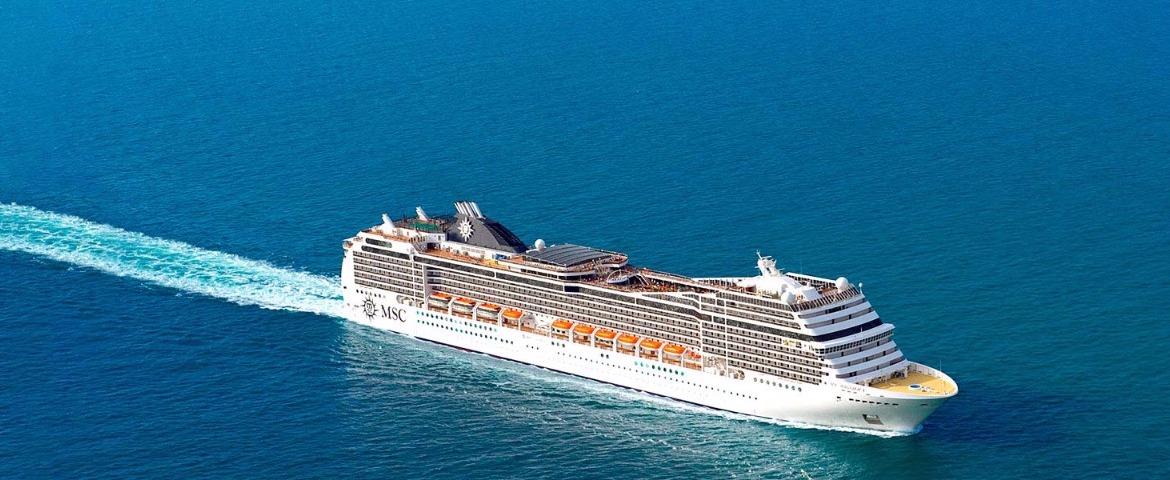
MSC World Europa
17 Cruises
 Image not available
| 30 March | 23 days | One-way from Doha Qatar to Barcelona |
From
4840$
|
| 30 March | 20 days | One-way from Doha Qatar to Civitavecchia-Rome |
From
2438$
|
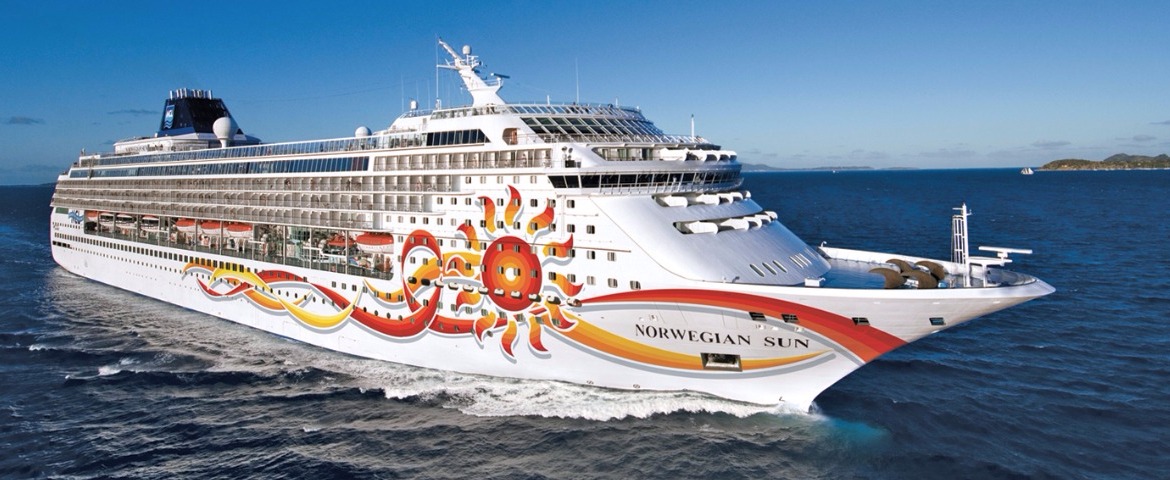
Norwegian Cruise Line (1 Cruises)

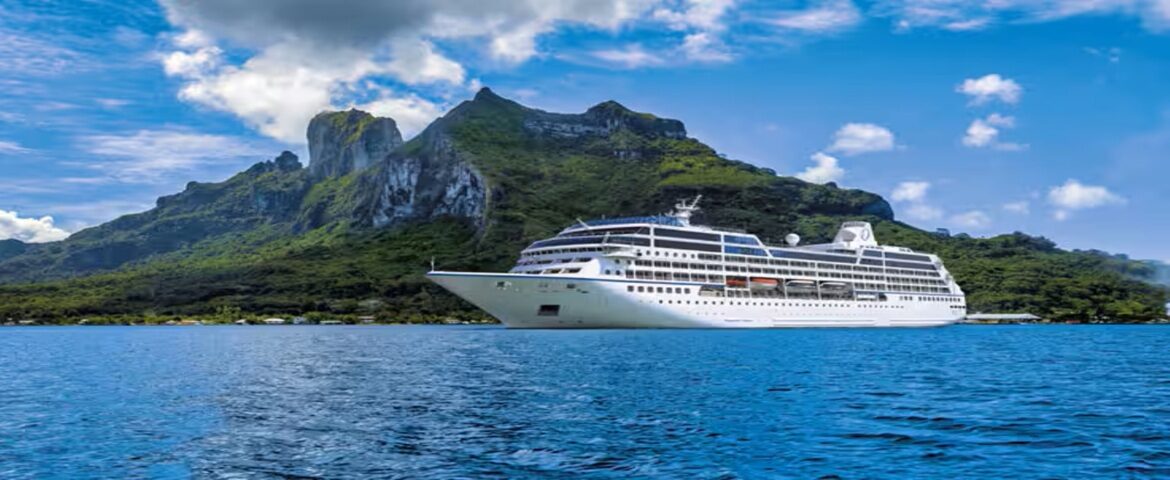
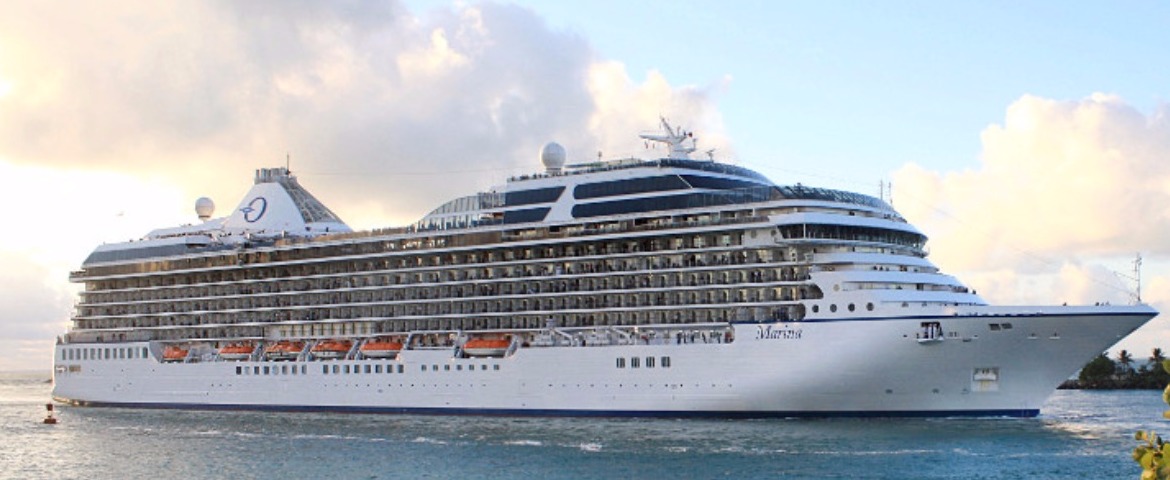
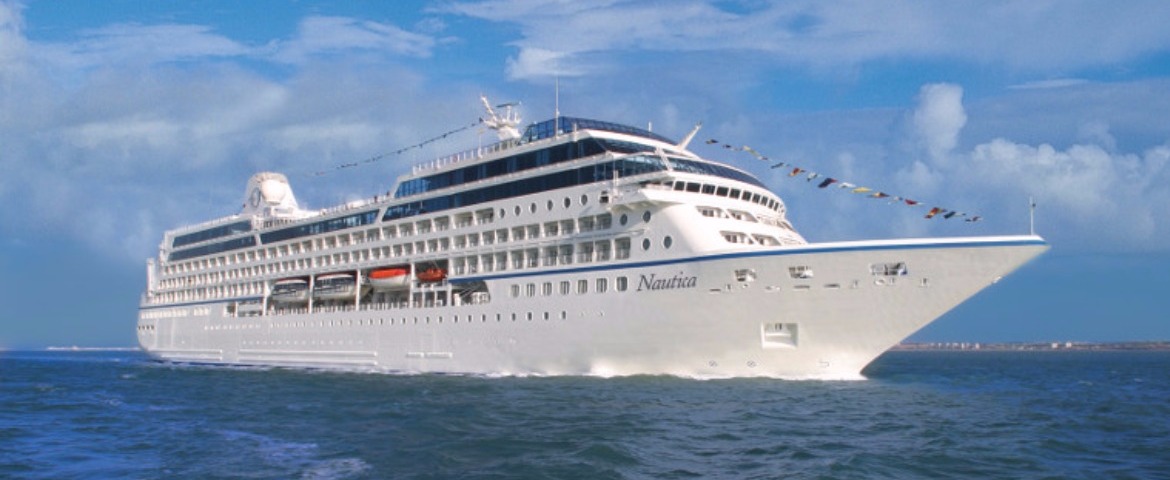
Oceania Cruises (18 Cruises)

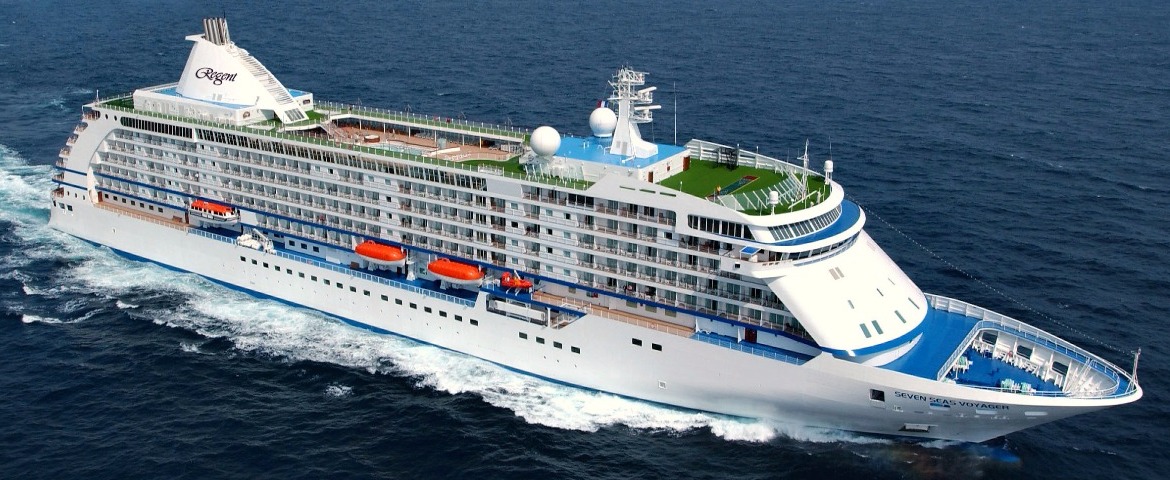
Regent Seven Seas Cruises (13 Cruises)

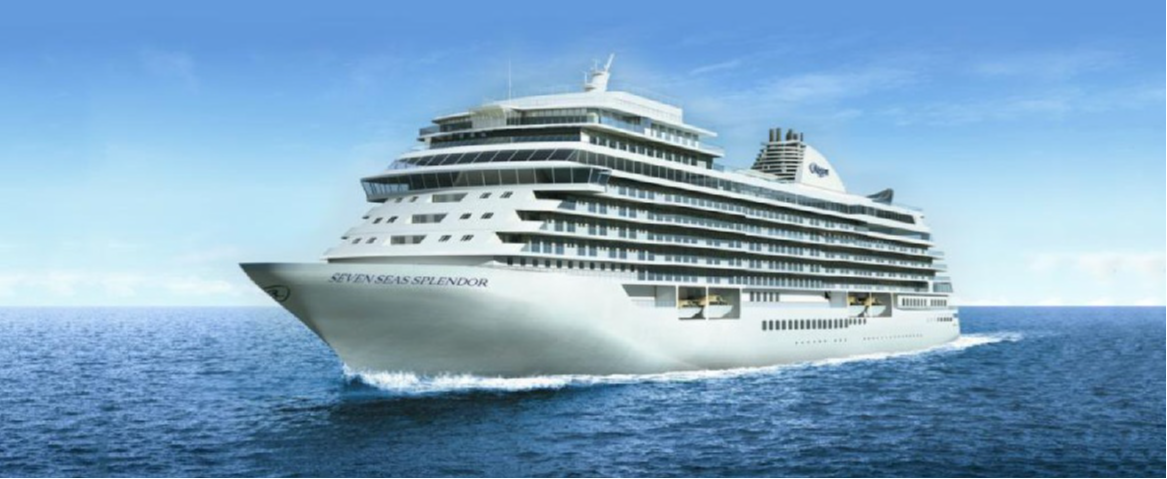
Seven Seas Splendor
4 Cruises
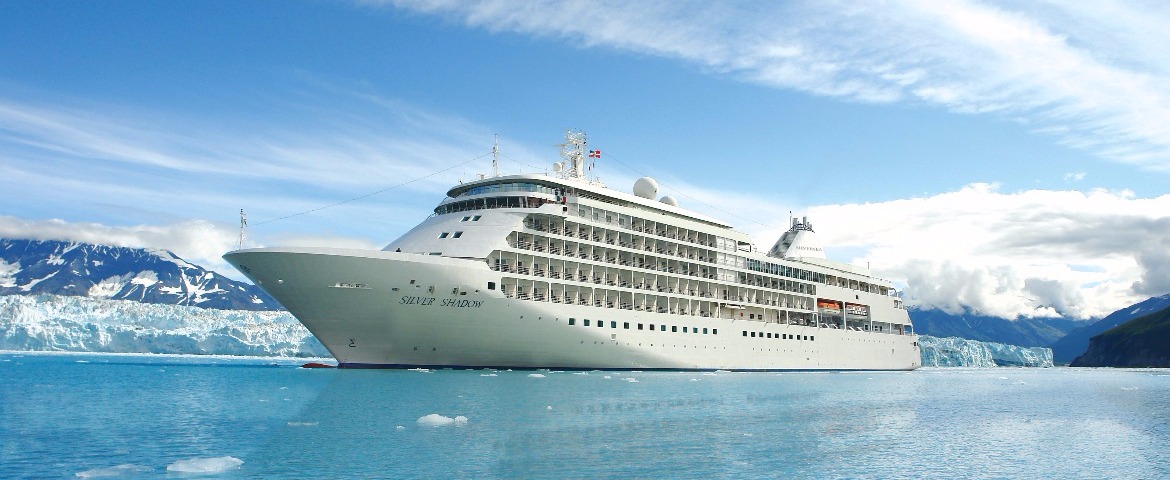
Silversea Cruises (2 Cruises)


Suez Canal, Egypt | Cruise Port Guide
Frequently Asked Questions
No. It is a scenic transit: nobody disembarks. For a dozen hours, sometimes a little more, the ship glides at reduced speed between Africa and Asia, and the whole show is watched from the decks.
Generally 12 to 16 hours depending on the convoy. The ship takes its place in the line at first light, after a night at anchor with the rest of the convoy.
None. The Mediterranean and the Red Sea meet at the same level along the roughly 190 kilometres of the route: the water stretches from horizon to horizon like a long mirror laid on the sand.
Two worlds. On the African side, palm groves, irrigated fields, villages and towns clinging to the water. On the Sinai side, desert reigns almost unchallenged, dunes and stony plains as far as you can see.
The Al-Salam road bridge at El Qantara, also called the Egyptian-Japanese Friendship Bridge, in a single soaring span; the Canal Authority building at Ismailia; then the Great Bitter Lake, the broad widening where convoys pass each other.
Because that is where convoys can pass. Ships slow there, sometimes stop altogether, and the deck becomes the best balcony from which to watch container ships going by at close range.
Opened in 1869 after ten years of work. It cut thousands of kilometres off the route between Europe and Asia by sparing ships the passage around Africa.
Hat, sunscreen and binoculars. The desert sun is unforgiving, and the binoculars serve as much for the fishermen in their boats as for the military posts, isolated farms and shepherds on the bank.
Yes. Close to a tenth of the planet's maritime trade passes this way. Recent modernisation doubled part of the route to smooth convoy traffic; the commentary broadcast on board sets out that history through the day.
Rarely, and that is the surprise. Passengers settle on deck early, have lunch facing the desert, compare photographs. The imposed slowness does everyone good in the middle of a busy itinerary, and the geography is learned at railing height.


