Rangiroa Atoll Tuamotus French Polynesia
French Polynesia
183
Cruises availables
At departure or passage at this port
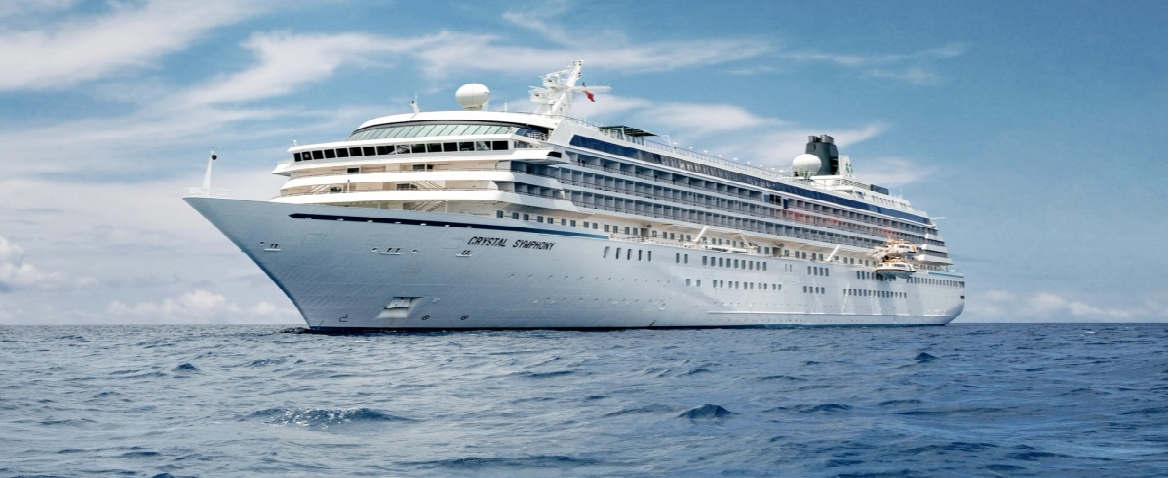
Crystal Cruises (11 Cruises)


Crystal Symphony
8 Cruises
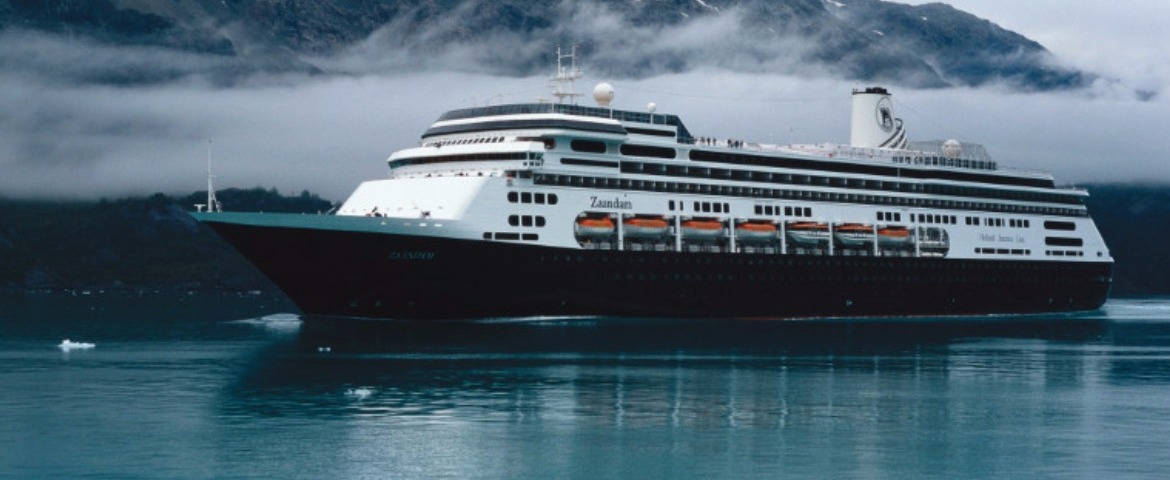
Holland America Line (1 Cruises)


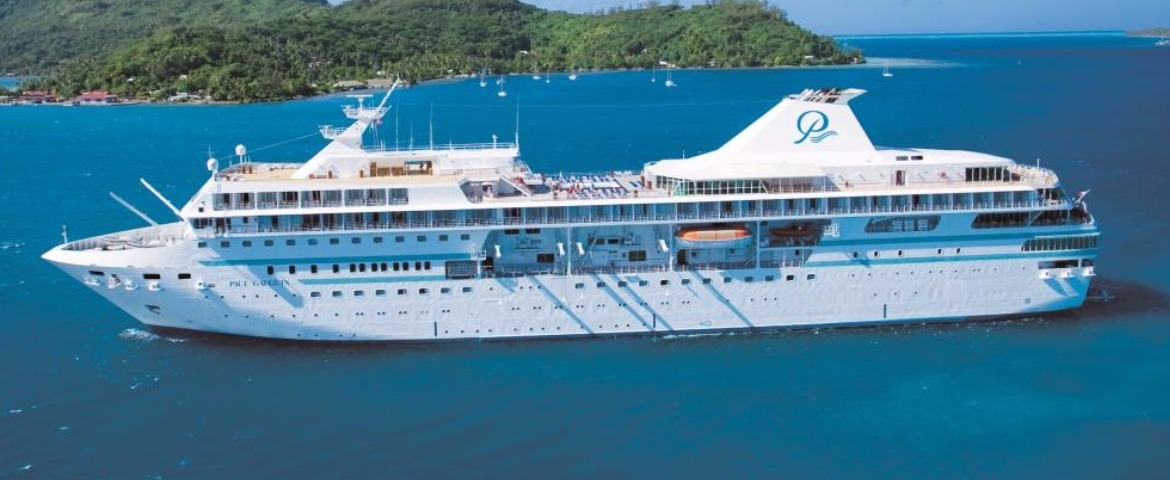
Paul Gauguin Cruises (32 Cruises)
M/S Paul Gauguin
32 Cruises

| 8 May | 14 nights | Round-trip from Papeete, French Polynesia |
450-628-6241
Call us
|
| 29 May | 10 nights | Round-trip from Papeete, French Polynesia |
450-628-6241
Call us
|
| 3 July | 14 nights | Round-trip from Papeete, French Polynesia |
450-628-6241
Call us
|
| 24 July | 10 nights | Round-trip from Papeete, French Polynesia |
450-628-6241
Call us
|
| 11 March | 10 nights | Round-trip from Papeete, French Polynesia |
450-628-6241
Call us
|
| 22 March | 9 nights | Round-trip from Papeete, French Polynesia |
450-628-6241
Call us
|
| 15 April | 10 nights | Round-trip from Papeete, French Polynesia |
450-628-6241
Call us
|
| 26 April | 9 nights | Round-trip from Papeete, French Polynesia |
450-628-6241
Call us
|
| 3 June | 10 nights | Round-trip from Papeete, French Polynesia |
450-628-6241
Call us
|
| 14 June | 9 nights | Round-trip from Papeete, French Polynesia |
450-628-6241
Call us
|
| 8 July | 14 nights | Round-trip from Papeete, French Polynesia |
450-628-6241
Call us
|
| 29 July | 10 nights | Round-trip from Papeete, French Polynesia |
450-628-6241
Call us
|
| 9 August | 9 nights | Round-trip from Papeete, French Polynesia |
450-628-6241
Call us
|
| 26 August | 14 nights | Round-trip from Papeete, French Polynesia |
450-628-6241
Call us
|
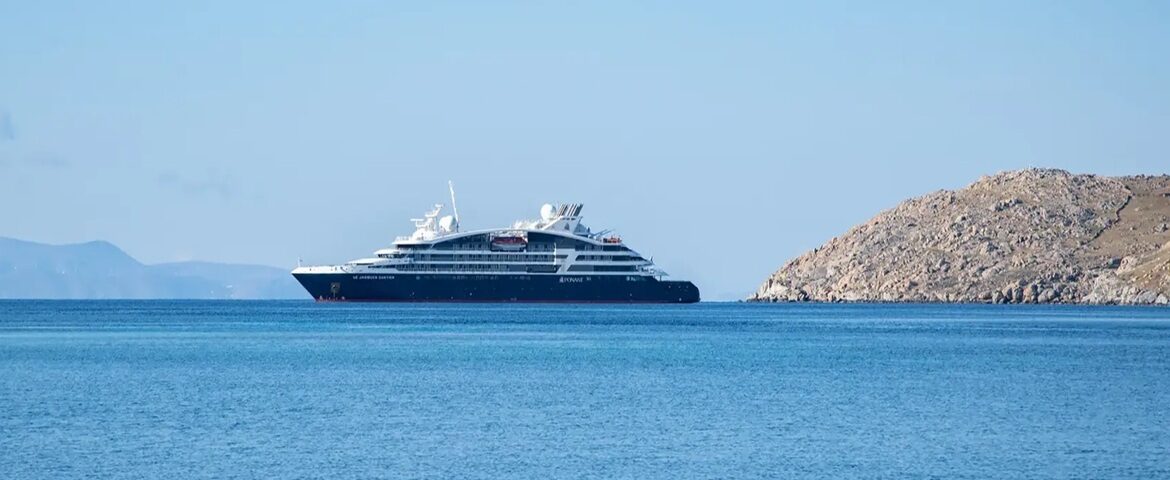
Ponant (9 Cruises)



Seabourn Cruise Line (5 Cruises)
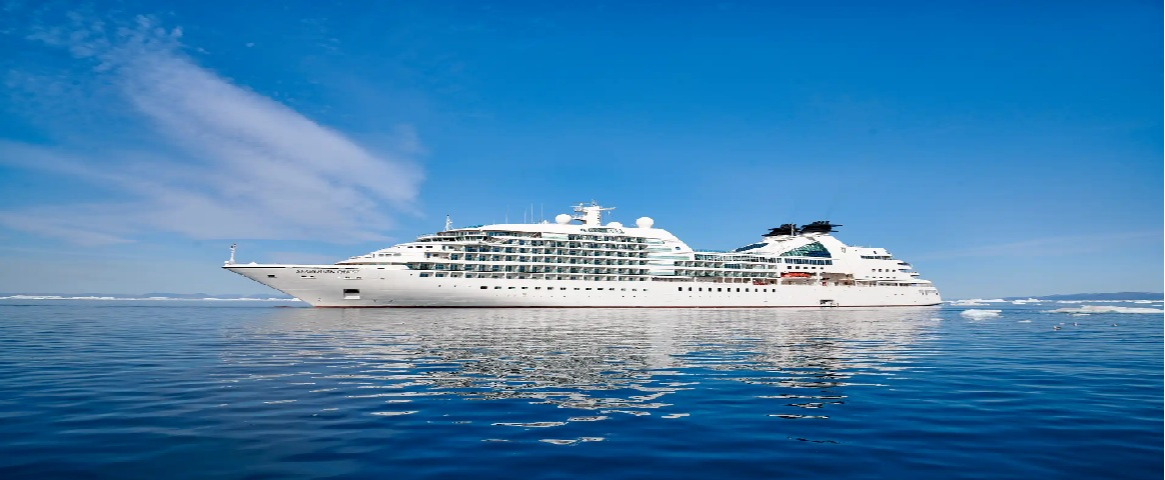
Seabourn Quest
5 Cruises

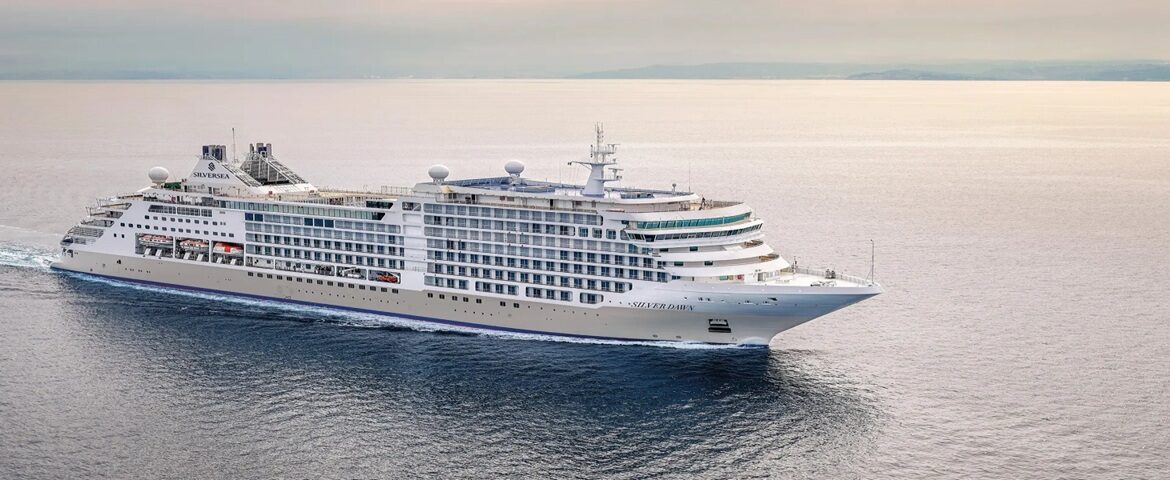
Silversea Cruises (36 Cruises)

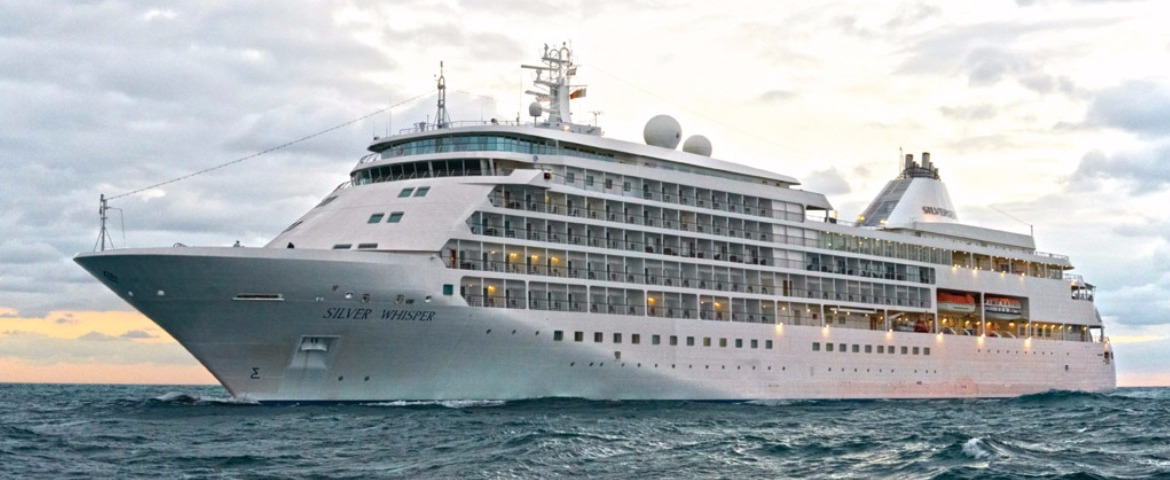
Silver Whisper
34 Cruises
| 7 March | 14 nights | Round-trip from Papeete, French Polynesia |
450-628-6241
Call us
|
| 21 March | 14 nights | Round-trip from Papeete, French Polynesia |
450-628-6241
Call us
|
| 9 September | 23 nights | One-way from Vancouver to Papeete |
450-628-6241
Call us
|
| 20 September | 12 nights | One-way from Honolulu to Papeete |
450-628-6241
Call us
|
| 3 October | 10 nights | Round-trip from Papeete, French Polynesia |
450-628-6241
Call us
|
| 13 October | 10 nights | Round-trip from Papeete, French Polynesia |
450-628-6241
Call us
|
| 6 January | 10 nights | Round-trip from Papeete, French Polynesia |
450-628-6241
Call us
|
| 23 January | 13 nights | Round-trip from Papeete, French Polynesia |
450-628-6241
Call us
|
| 19 March | 10 nights | Round-trip from Papeete, French Polynesia |
450-628-6241
Call us
|
| 29 March | 11 days | Round-trip South Sea Silver Whisper Papeete Tahiti |
450-628-6241
Call us
|
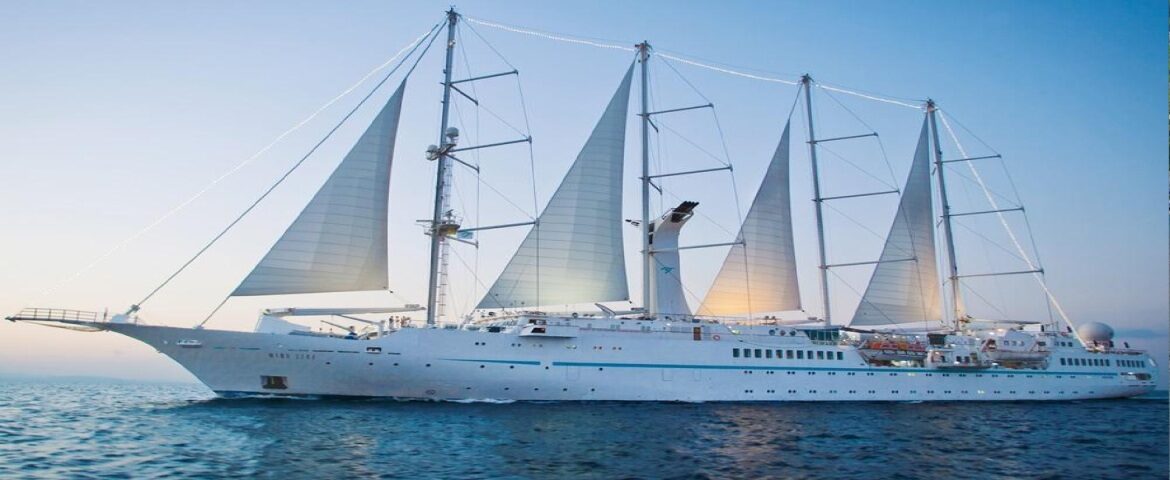
Windstar Cruises (85 Cruises)
Star Breeze
82 Cruises
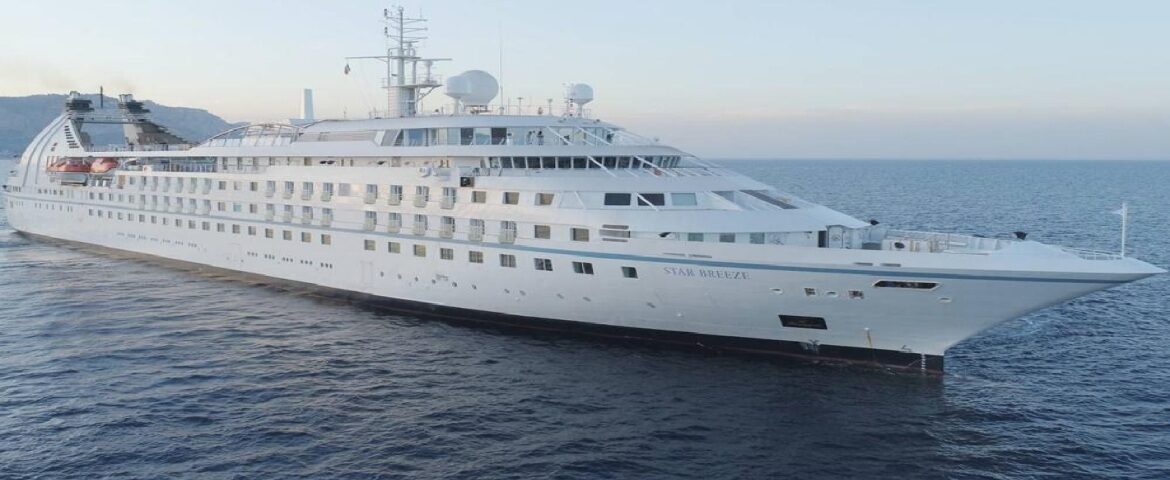

| 23 November | 17 nights | Round-trip from Papeete, French Polynesia |
450-628-6241
Call us
|
| 23 November | 9 nights | Round-trip from Papeete, French Polynesia |
450-628-6241
Call us
|
| 11 February | 17 nights | Round-trip from Papeete, French Polynesia |
450-628-6241
Call us
|
| 18 February | 10 nights | Round-trip from Papeete, French Polynesia |
450-628-6241
Call us
|
| 13 May | 16 nights | Round-trip from Papeete, French Polynesia |
450-628-6241
Call us
|
| 20 May | 9 nights | Round-trip from Papeete, French Polynesia |
450-628-6241
Call us
|
| 16 September | 16 nights | Round-trip from Papeete, French Polynesia |
450-628-6241
Call us
|
| 23 September | 9 nights | Round-trip from Papeete, French Polynesia |
450-628-6241
Call us
|
| 24 January | 51 nights | One-way from Singapore to Papeete |
450-628-6241
Call us
|
| 28 January | 47 nights | One-way from Benoa to Papeete |
450-628-6241
Call us
|
| 9 July | 17 nights | Round-trip from Papeete, French Polynesia |
450-628-6241
Call us
|
| 9 July | 10 nights | Round-trip from Papeete, French Polynesia |
450-628-6241
Call us
|

Rangiroa, French Polynesia | Cruise Port Guide
Frequently Asked Questions
Ships anchor near the northern passes and land passengers by tender, usually on the Avatoru side or near the Tiputa pass. That is where life in the atoll's two villages is concentrated. Landing depends on sea conditions.
Big enough to hold the whole island of Tahiti, and you never see the far shore. It is a coral ring with no peaks and no valleys, its land strip only a few hundred metres wide and planted with coconut palms.
For its resident bottlenose dolphins. Twice a day the ocean and the lagoon exchange water through the passes, creating powerful currents that draw exceptional marine life. The dolphins come to play in the turbulence and leap in the wake of passing boats.
Sometimes, yes. From the viewpoint built beside the Tiputa channel you can watch them with the naked eye, fin after fin. They are wild animals: their presence depends on the current and the hour, and nothing is guaranteed.
No. Drift snorkelling outings carry swimmers over the underwater gardens, borne along by the current like a moving walkway, in water of a clarity few places on Earth can match. Certified divers, for their part, come to drift among grey reef sharks and schools of barracuda.
A natural pool enclosed within the reef, about an hour away by boat, where baby blacktip reef sharks patrol in thirty centimetres of crystal water. Lunch is a picnic in the shade of the palms, feet in the sand. It is a full-day excursion: book aboard as early as you can, places go fast.
Yes, and it is the atoll's most unexpected curiosity: a vineyard planted on coral, its vines growing between lagoon and coconut grove. Its white wines are served at a few local tables.
Yes, those around Avatoru open their pontoons to visitors. You follow the grafting of the oysters and the harvest of black pearls with aubergine tones.
By bicycle or on foot along the thin strip of land, or by scooter. Rentals are near the Avatoru quays, and cash is appreciated. Along the way, the neat churches faced with bleached coral and the copra dryers scenting the road with coconut are worth a look.
Hat, water and sun protection: shade is scarce on an atoll. Add Pacific francs in cash and good sandals. Lagoon excursions leave early, so book at embarkation rather than the morning itself.


