Wertheim am Main Germany Baden-Wurttemberg
1102
Cruises availables
At departure or passage at this port
AmaWaterways (74 Cruises)
AmaCerto
31 Cruises
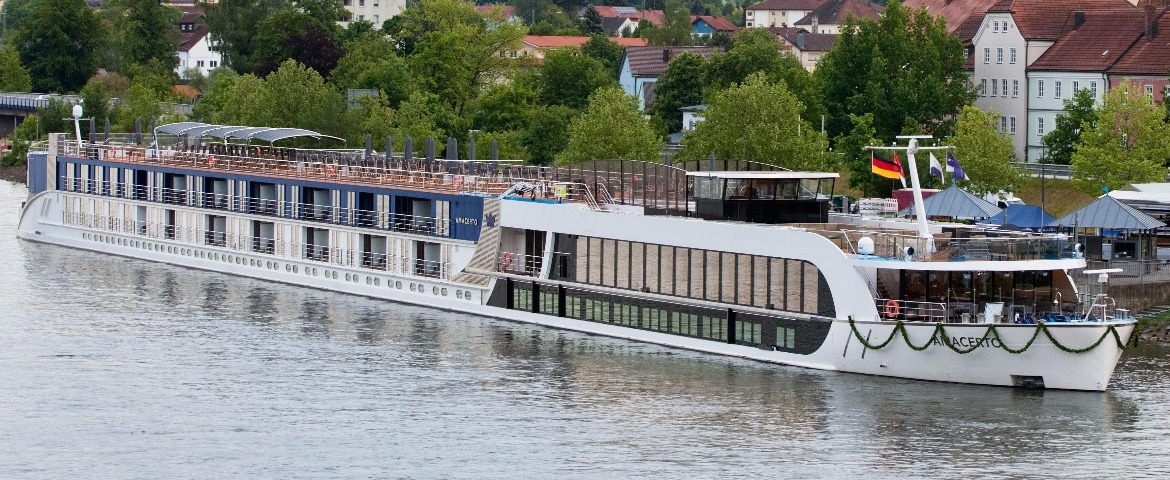

| 24 March | 7 nights | One-way from Basel to Nuremberg |
450-628-6241
Call us
|
| 31 March | 7 nights | One-way from Nuremberg to Remich |
450-628-6241
Call us
|
| 5 May | 7 nights | One-way from Basel to Nuremberg |
450-628-6241
Call us
|
| 12 May | 7 nights | One-way from Nuremberg to Remich |
450-628-6241
Call us
|
| 14 July | 7 nights | One-way from Basel to Nuremberg |
450-628-6241
Call us
|
| 21 July | 7 nights | One-way from Nuremberg to Remich |
450-628-6241
Call us
|
| 6 October | 7 nights | One-way from Basel to Nuremberg |
450-628-6241
Call us
|
| 13 October | 7 nights | One-way from Nuremberg to Remich |
450-628-6241
Call us
|
| 17 November | 7 nights | One-way from Basel to Nuremberg |
450-628-6241
Call us
|
| 24 November | 7 nights | One-way from Nuremberg to Frankfurt am Main |
450-628-6241
Call us
|
| 22 March | 7 nights | One-way from Basel to Nuremberg |
450-628-6241
Call us
|
| 29 March | 7 nights | One-way from Nuremberg to Remich |
450-628-6241
Call us
|
| 5 July | 7 nights | One-way from Basel to Nuremberg |
450-628-6241
Call us
|
| 12 July | 7 nights | One-way from Nuremberg to Remich |
450-628-6241
Call us
|
| 16 August | 7 nights | One-way from Basel to Nuremberg |
450-628-6241
Call us
|
| 23 August | 7 nights | One-way from Nuremberg to Remich |
450-628-6241
Call us
|
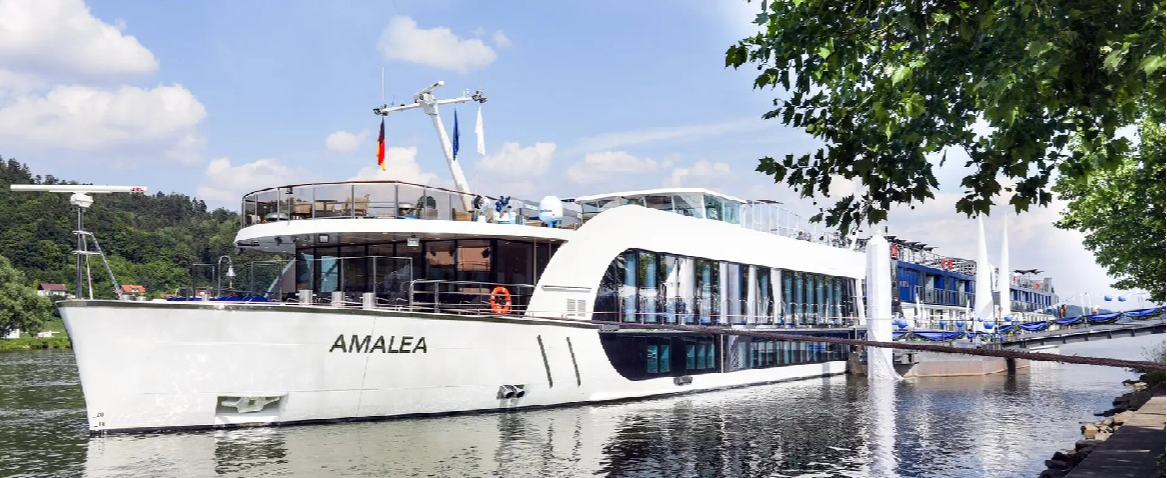
AmaLea
12 Cruises
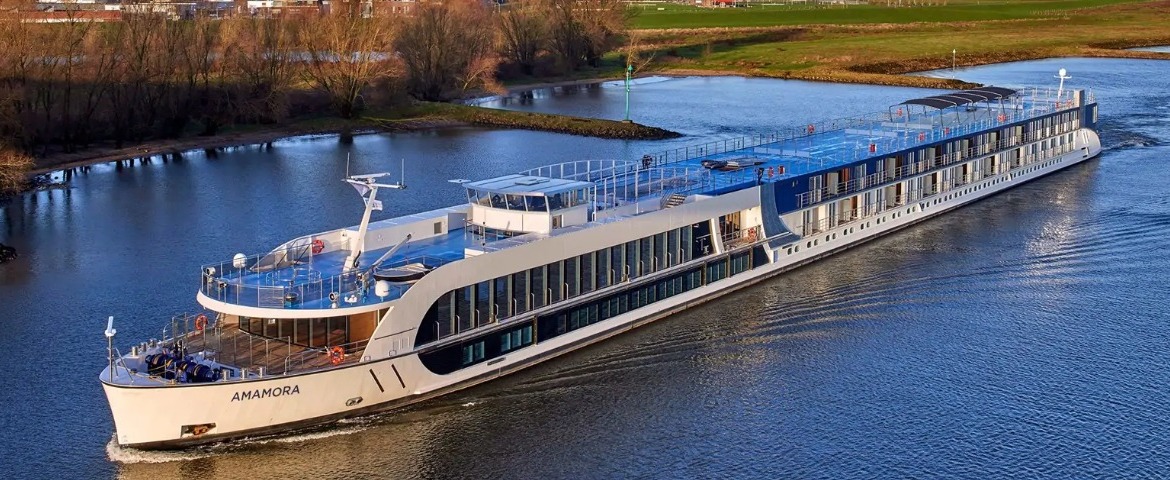
AmaPrima
29 Cruises
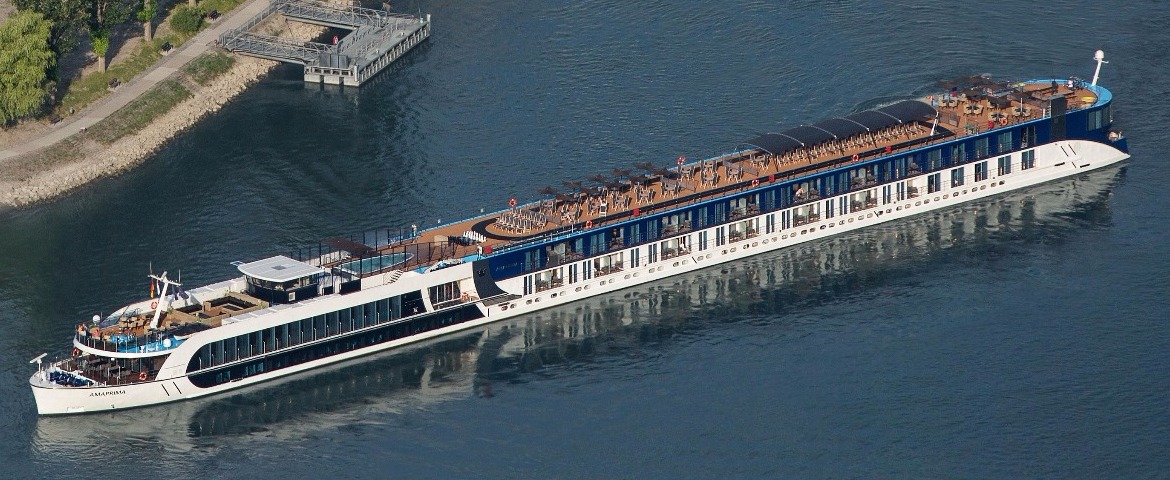
| 17 March | 7 nights | One-way from Basel to Nuremberg |
450-628-6241
Call us
|
| 24 March | 7 nights | One-way from Nuremberg to Remich |
450-628-6241
Call us
|
| 23 June | 7 nights | One-way from Basel to Nuremberg |
450-628-6241
Call us
|
| 30 June | 7 nights | One-way from Nuremberg to Remich |
450-628-6241
Call us
|
| 15 March | 7 nights | One-way from Basel to Nuremberg |
450-628-6241
Call us
|
| 22 March | 7 nights | One-way from Nuremberg to Remich |
450-628-6241
Call us
|
| 21 June | 7 nights | One-way from Basel to Nuremberg |
450-628-6241
Call us
|
| 28 June | 7 nights | One-way from Nuremberg to Remich |
450-628-6241
Call us
|
| 2 August | 7 nights | One-way from Basel to Nuremberg |
450-628-6241
Call us
|
| 9 August | 7 nights | One-way from Nuremberg to Remich |
450-628-6241
Call us
|
| 13 September | 7 nights | One-way from Basel to Nuremberg |
450-628-6241
Call us
|
| 20 September | 7 nights | One-way from Nuremberg to Remich |
450-628-6241
Call us
|
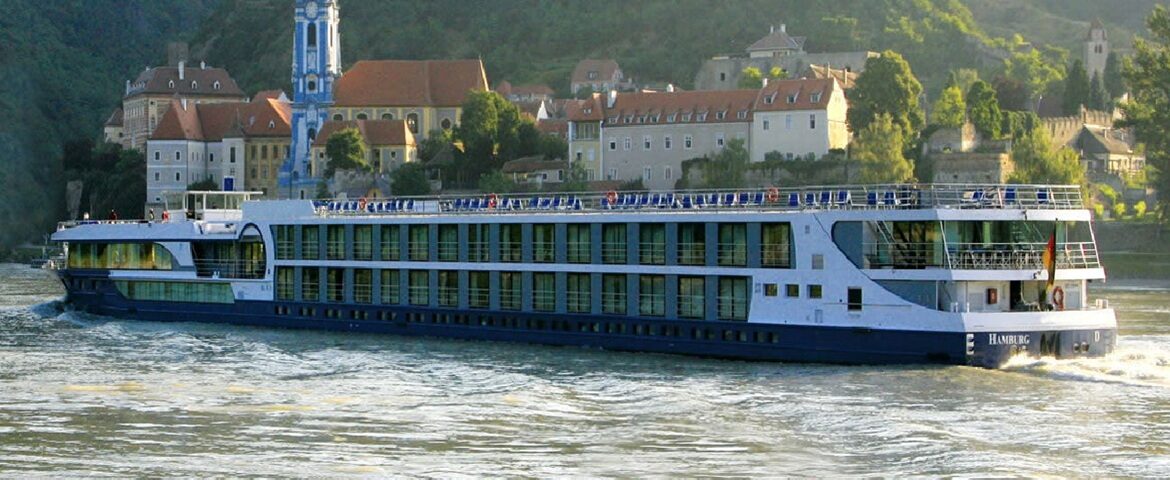
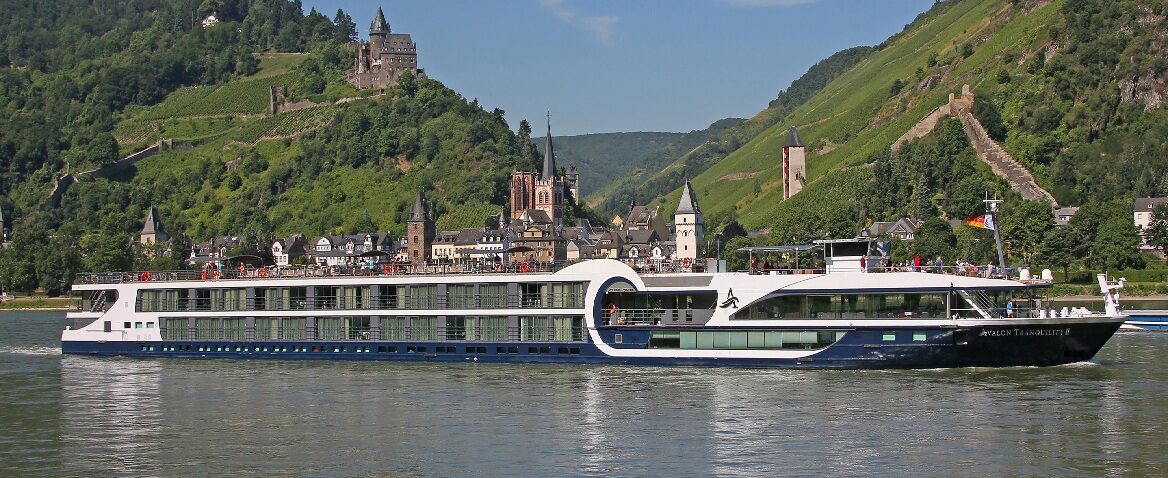
Avalon Waterways (12 Cruises)
Avalon Imagery II®
8 Cruises

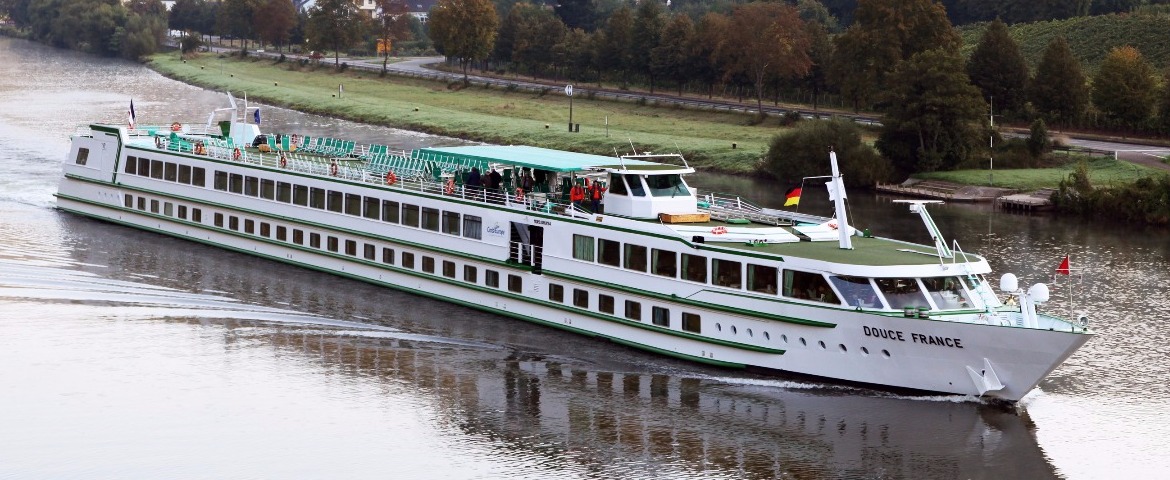
CroisiEurope (13 Cruises)

MS L'Europe
1 Cruises
 Image not available
MS Modigliani
8 Cruises
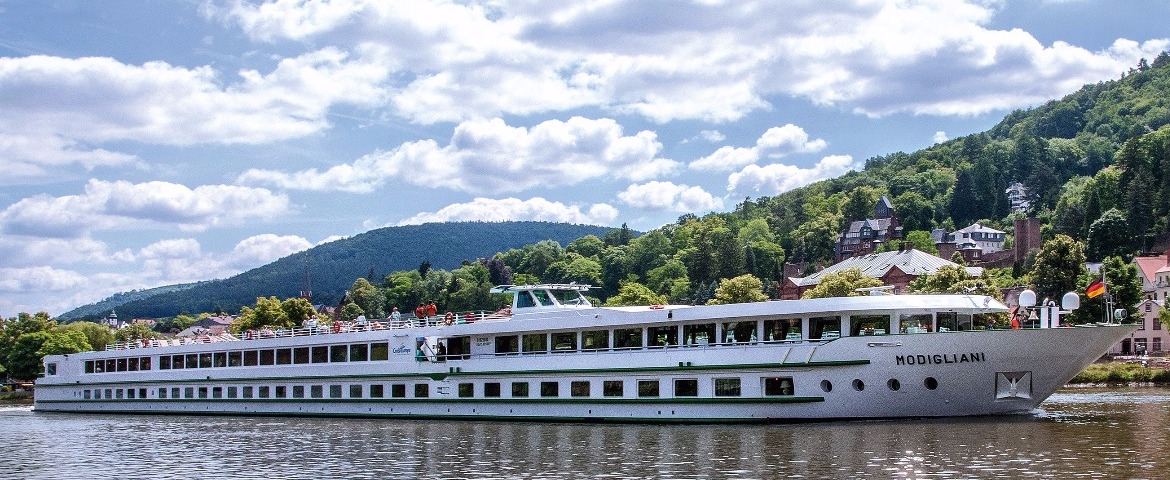
| 13 May | 13 days | One-way from Kehl-Strasbourg to Budapest |
450-628-6241
Call us
|
| 13 May | 12 days | One-way from Kehl-Strasbourg to Budapest |
450-628-6241
Call us
|
| 13 June | 12 days | One-way from Kehl-Strasbourg to Budapest |
450-628-6241
Call us
|
| 13 June | 12 nights | One-way from Kehl-Strasbourg to Budapest |
450-628-6241
Call us
|
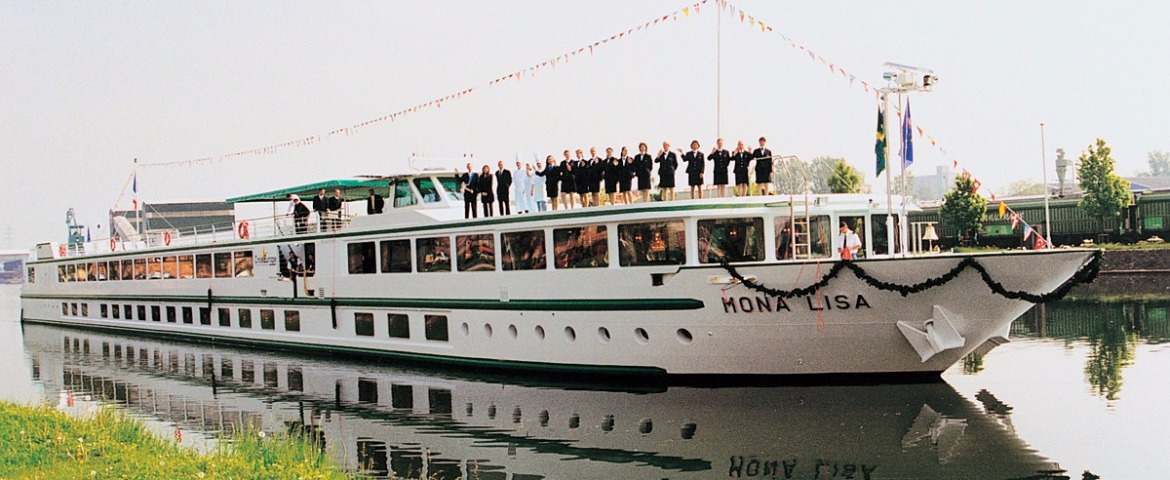
Emerald Waterways (235 Cruises)
Emerald Astra
12 Cruises
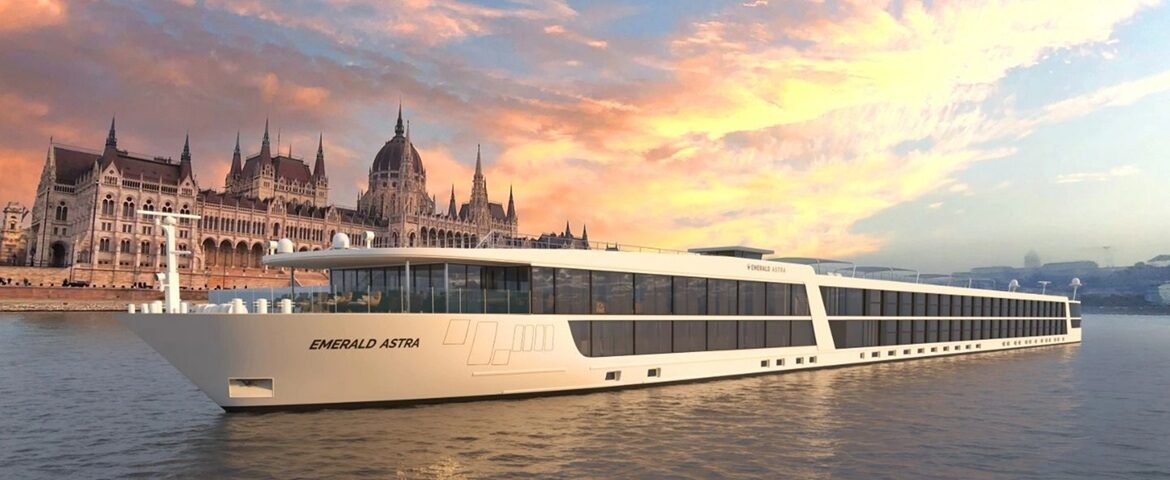

| 24 April | 14 nights | One-way from Amsterdam to Budapest |
450-628-6241
Call us
|
| 25 April | 12 days | One-way from Amsterdam to Budapest |
450-628-6241
Call us
|
| 19 June | 14 nights | One-way from Budapest to Amsterdam |
450-628-6241
Call us
|
| 20 June | 12 days | One-way from Budapest to Amsterdam |
450-628-6241
Call us
|
| 3 July | 14 nights | One-way from Amsterdam to Budapest |
450-628-6241
Call us
|
| 4 July | 12 days | One-way from Amsterdam to Budapest |
450-628-6241
Call us
|
| 29 October | 14 nights | One-way from Budapest to Amsterdam |
450-628-6241
Call us
|
| 30 October | 12 days | One-way from Budapest to Amsterdam |
450-628-6241
Call us
|
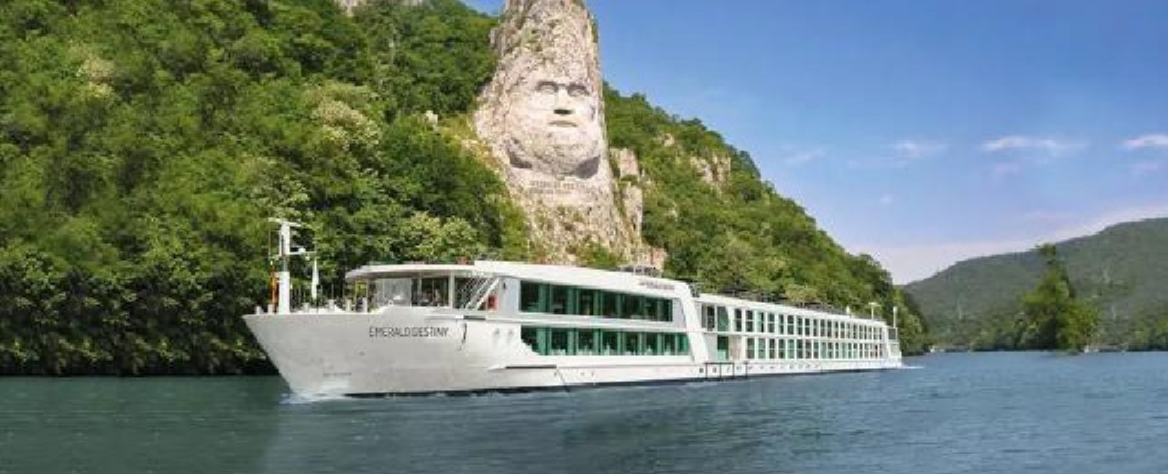
Emerald Dawn
43 Cruises
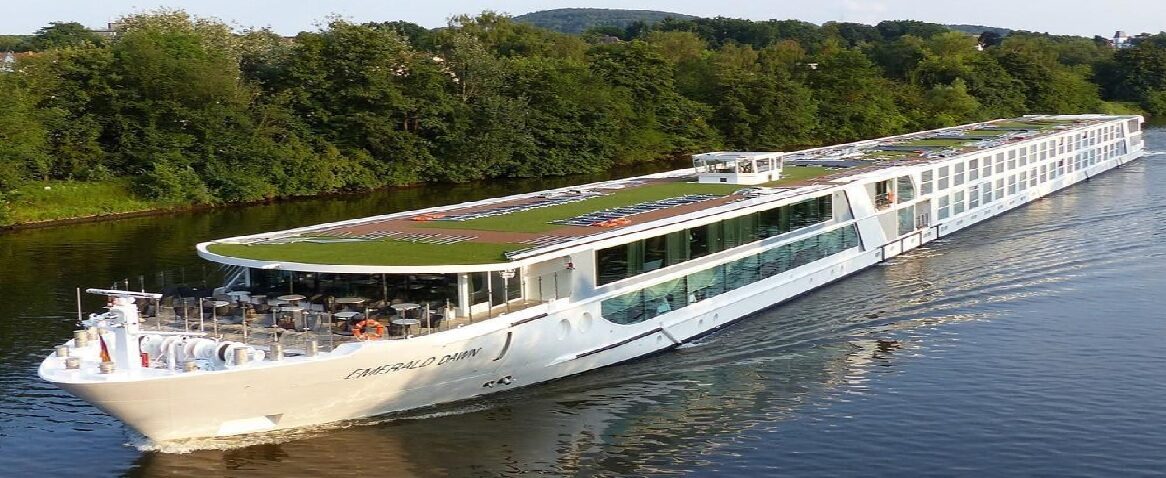
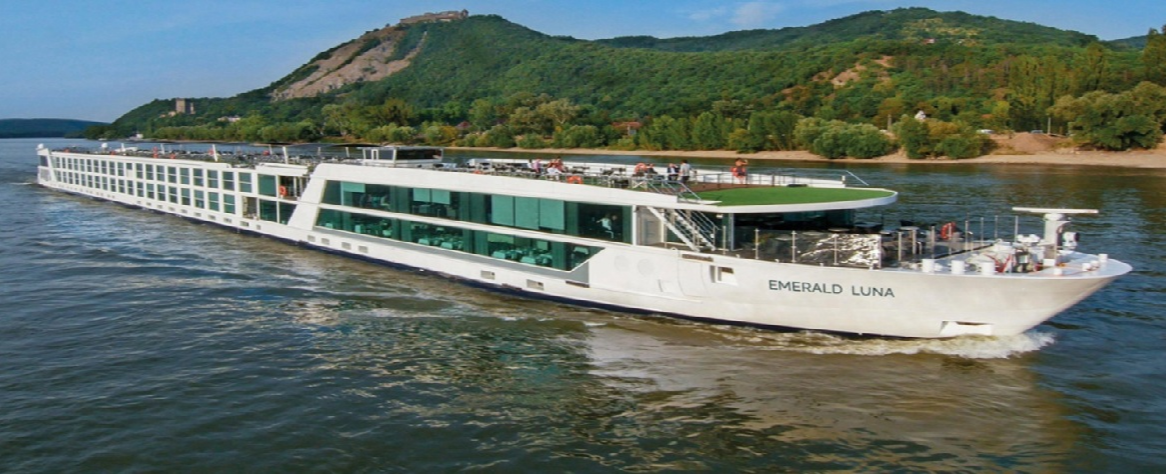
Emerald Luna
49 Cruises
| 30 October | 14 nights | One-way from Amsterdam to Budapest |
450-628-6241
Call us
|
| 30 October | 14 days | One-way from Amsterdam to Budapest |
450-628-6241
Call us
|
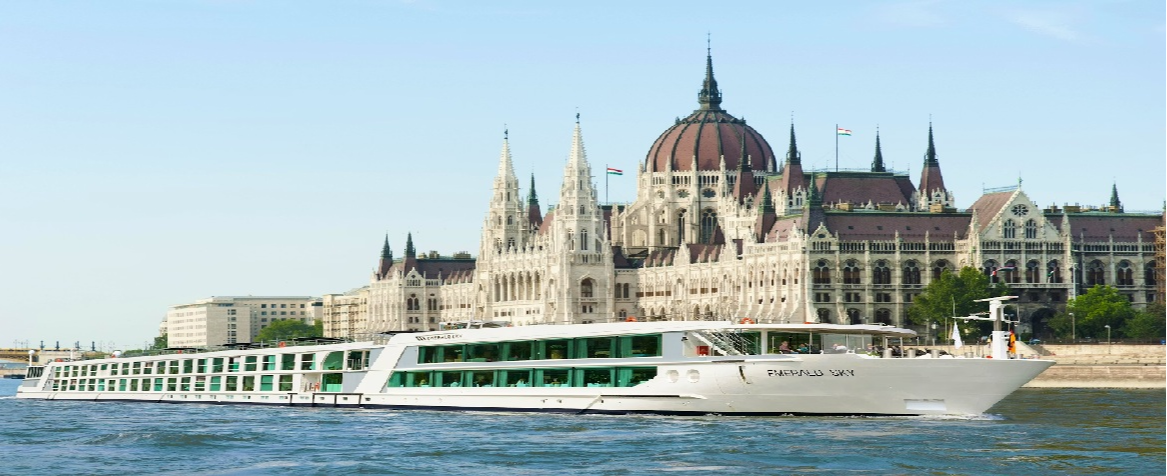
Emerald Sky
28 Cruises
| 22 February | 14 nights | One-way from Budapest to Amsterdam |
450-628-6241
Call us
|
| 22 February | 14 days | One-way from Budapest to Amsterdam |
450-628-6241
Call us
|
| 8 March | 14 nights | One-way from Amsterdam to Budapest |
450-628-6241
Call us
|
| 8 March | 14 days | One-way from Amsterdam to Budapest |
450-628-6241
Call us
|
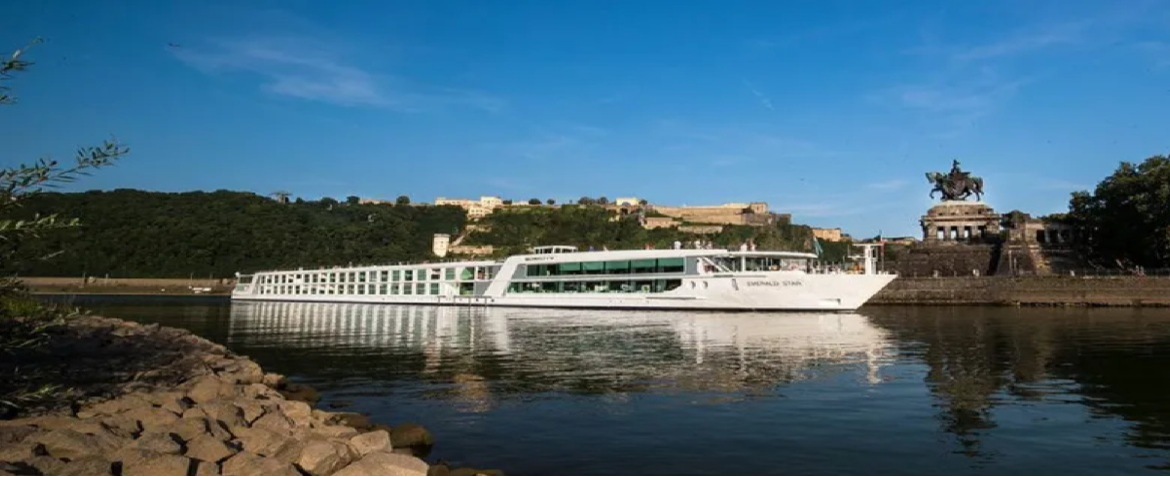
Emerald Star
60 Cruises
| 20 February | 14 days | One-way from Amsterdam to Budapest |
450-628-6241
Call us
|
| 20 February | 14 nights | One-way from Amsterdam to Budapest |
450-628-6241
Call us
|
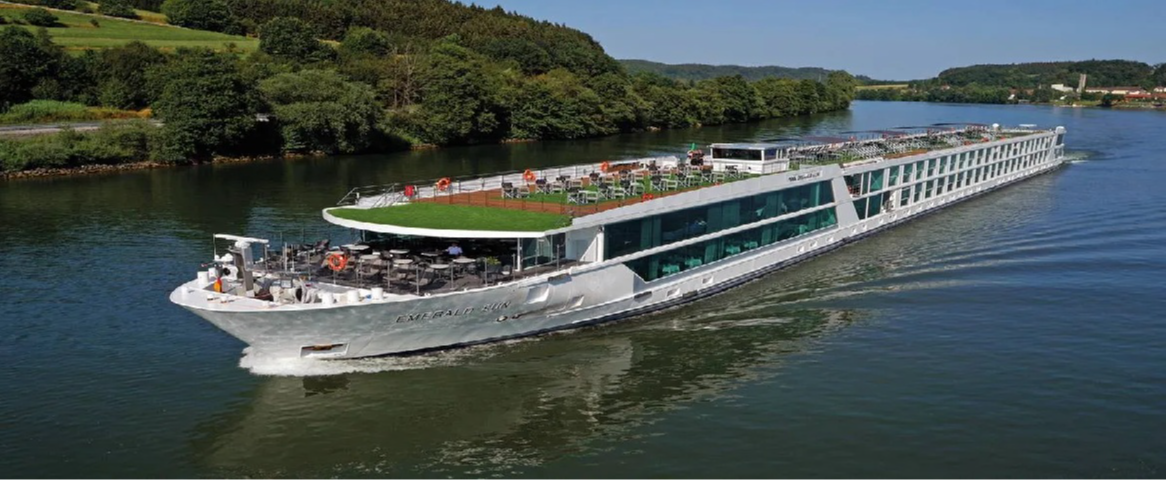
Emerald Sun
41 Cruises
Riviera Travel (10 Cruises)

Scenic Cruises (602 Cruises)
Scenic Amber
73 Cruises


| 22 February | 14 days | One-way from Budapest to Amsterdam |
450-628-6241
Call us
|
| 22 February | 14 nights | One-way from Budapest to Amsterdam |
450-628-6241
Call us
|
Scenic Crystal
50 Cruises

| 19 April | 14 nights | One-way from Amsterdam to Budapest |
450-628-6241
Call us
|
| 19 April | 17 nights | One-way from Amsterdam to Prague |
450-628-6241
Call us
|
Scenic Gem
11 Cruises

Scenic Jade
125 Cruises

Scenic Jasper
103 Cruises

| 28 May | 19 days | One-way from Zagreb to Amsterdam |
450-628-6241
Call us
|
| 28 May | 18 days | One-way from Zagreb to Amsterdam |
450-628-6241
Call us
|
Scenic Jewel
99 Cruises

| 12 March | 14 nights | One-way from Amsterdam to Budapest |
450-628-6241
Call us
|
| 12 March | 14 days | One-way from Amsterdam to Budapest |
450-628-6241
Call us
|
| 15 April | 17 nights | One-way from Prague to Amsterdam |
450-628-6241
Call us
|
| 18 April | 14 nights | One-way from Budapest to Amsterdam |
450-628-6241
Call us
|
| 11 July | 14 nights | One-way from Budapest to Amsterdam |
450-628-6241
Call us
|
| 25 July | 14 nights | One-way from Amsterdam to Budapest |
450-628-6241
Call us
|
Scenic Opal
107 Cruises

| 7 September | 14 nights | One-way from Amsterdam to Budapest |
450-628-6241
Call us
|
| 7 September | 14 days | One-way from Amsterdam to Budapest |
450-628-6241
Call us
|
Scenic Pearl
17 Cruises

Scenic Ruby
17 Cruises

Uniworld Boutique River Cruise (47 Cruises)


S.S Audrey
14 Cruises
| 1 May | 11 nights | One-way from Paris City to Prague |
450-628-6241
Call us
|
| 8 May | 11 nights | One-way from Prague to Paris City |
450-628-6241
Call us
|
| 18 June | 11 nights | One-way from Paris City to Prague |
450-628-6241
Call us
|
| 25 June | 11 nights | One-way from Prague to Paris City |
450-628-6241
Call us
|
S.S Elisabeth
8 Cruises
| 25 November | 7 nights | One-way from Frankfurt am Main to Nuremberg |
450-628-6241
Call us
|
| 25 November | 7 days | One-way from Frankfurt am Main to Nuremberg |
450-628-6241
Call us
|
S.S Marlene
15 Cruises
Viking River Cruises (109 Cruises)

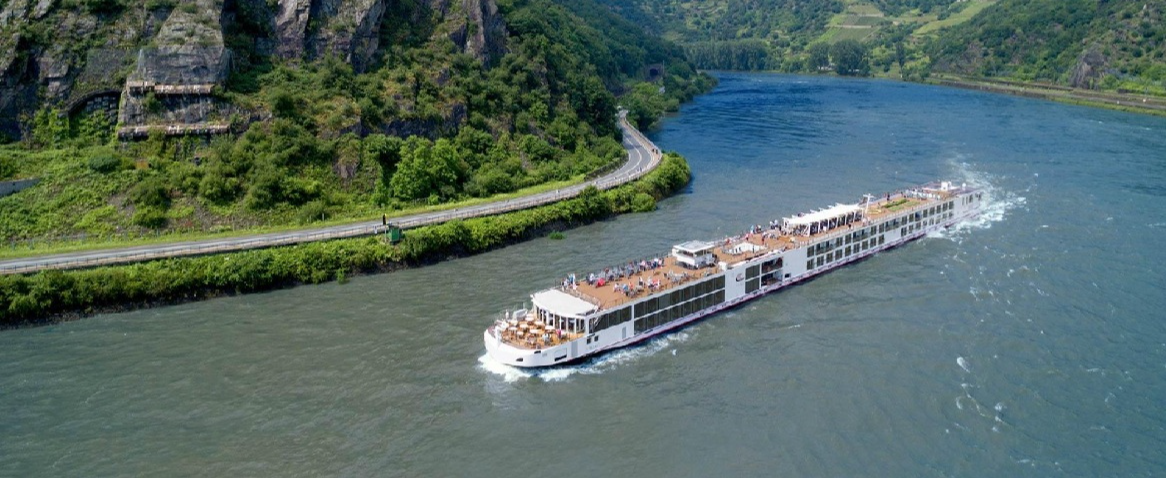
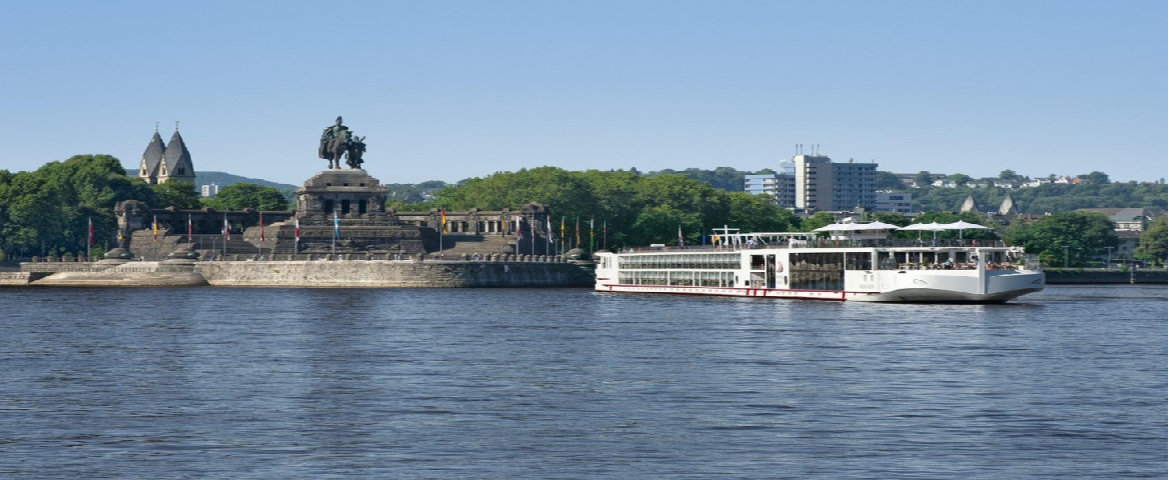
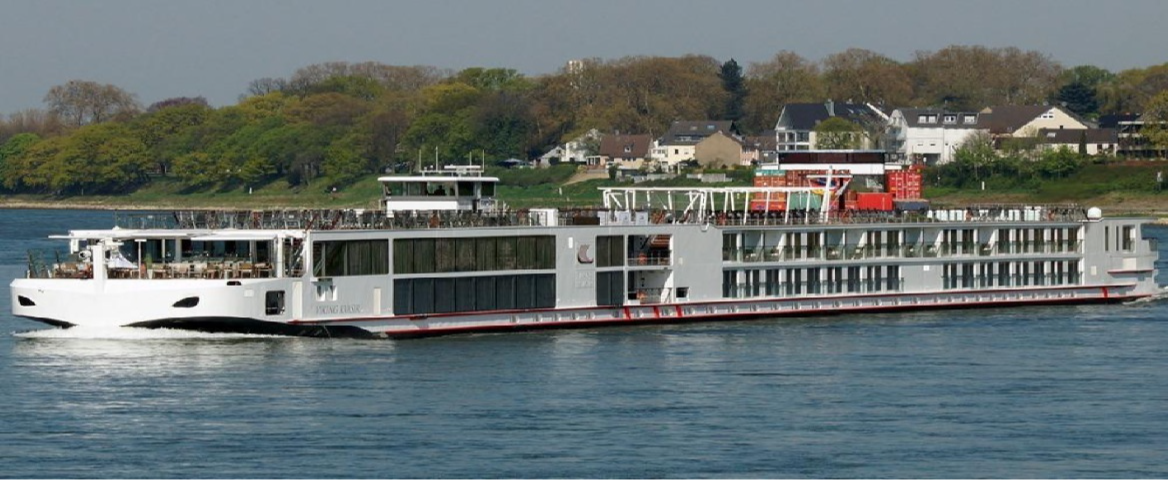
Viking Longships Lif
17 Cruises
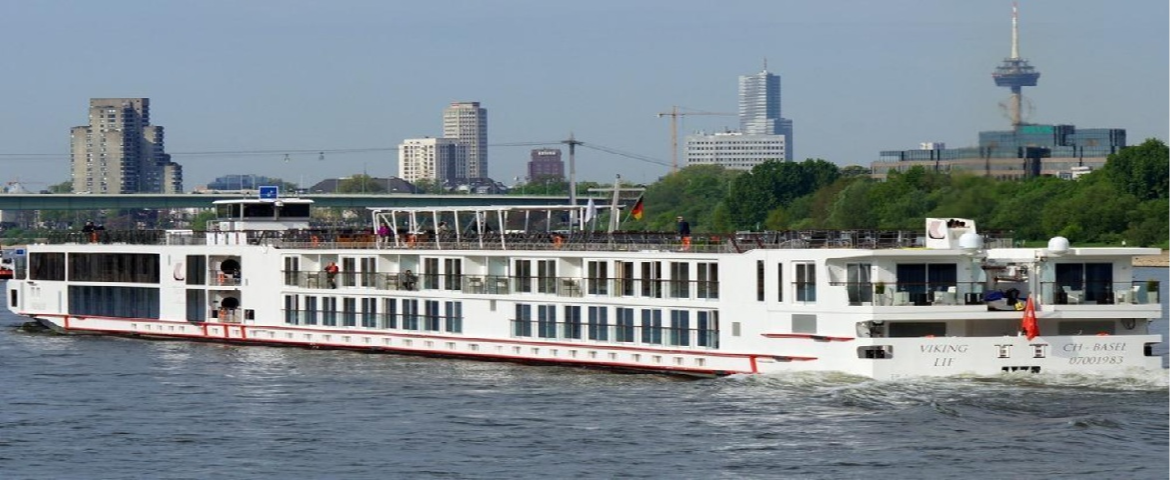
Viking Longships Magni
7 Cruises
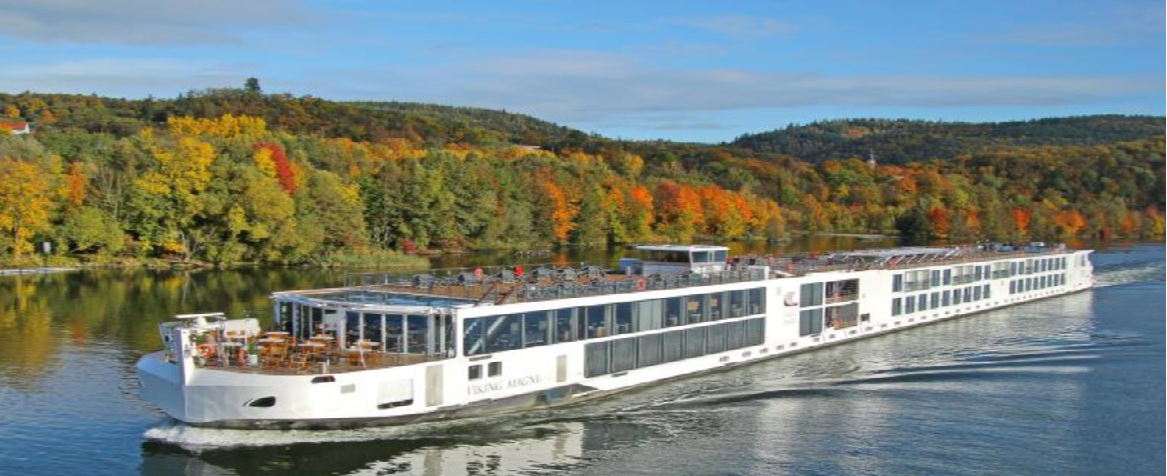
Viking Longships Mimir
16 Cruises
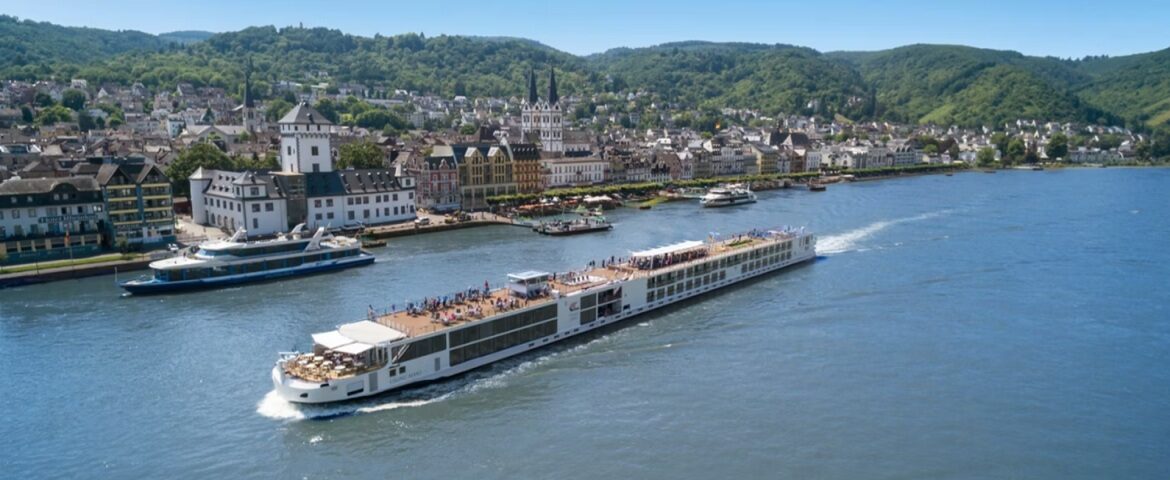
Viking Longships Ve
13 Cruises
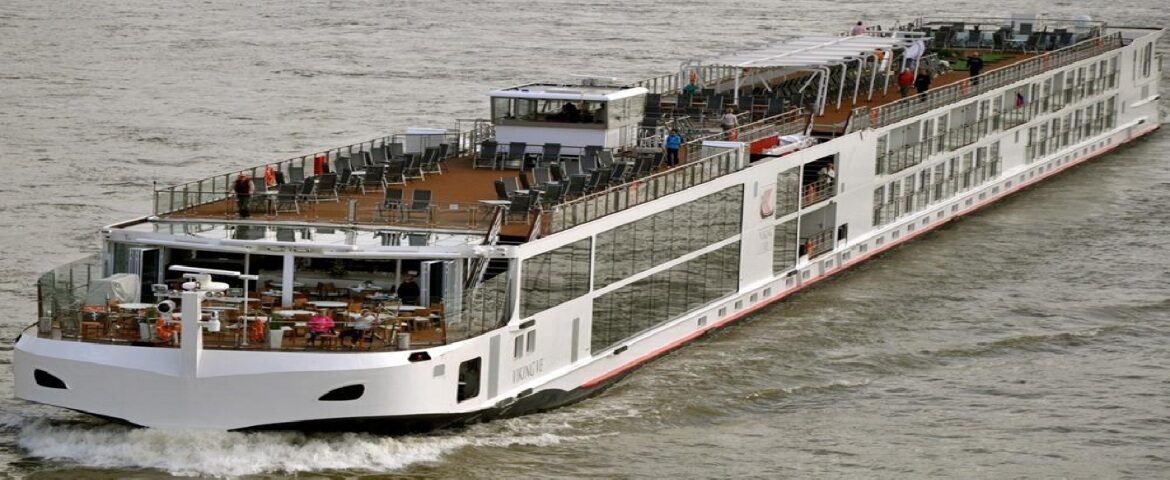
Viking Longships Vidar
10 Cruises
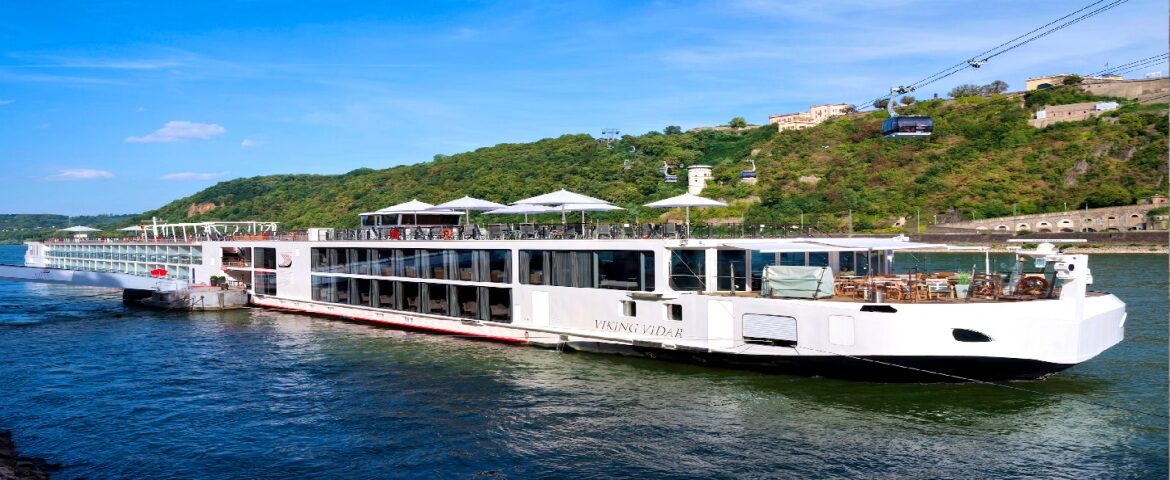
| 7 July | 21 nights | One-way from Bucharest to Amsterdam |
450-628-6241
Call us
|
| 14 July | 14 nights | One-way from Budapest to Amsterdam |
450-628-6241
Call us
|

Wertheim | Cruise Port Guide
Frequently Asked Questions
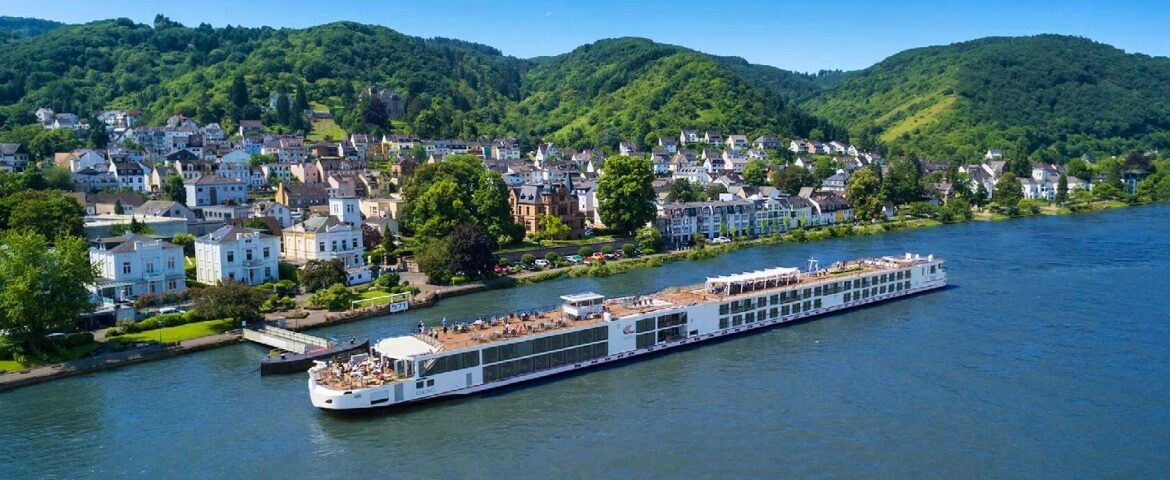
Right at the foot of the old town, a few steps from the point where the Tauber joins the Main. The day begins at the bottom of the gangway: steep lanes, tightly packed timber framing and, high above, a ruin watching over the confluence.
The leaning watchtower at the tip of the confluence, inherited from the medieval wall. Its red sandstone base carries flood marks cut into the stone, recording a long cohabitation with the whims of the two rivers.
The point of the confluence right off the gangway, the market square about 300 metres on, then the climb to the castle roughly a kilometre away. That still leaves time for the Glasmuseum or the path alongside the Tauber.
About twenty minutes, on a steady ascent of roughly a kilometre. At the top, the ruin of the counts of Wertheim tiers its red sandstone walls, broken open during the Thirty Years' War, and the panorama takes in both valleys and the slopes of the Taubertal.
A Renaissance well carved in 1574 from local sandstone, on the market square, which serves as the locals' meeting point. Around it, timber-framed houses lean on one another, so narrow they seem to hold each other up.
Because the small town keeps up a glassmaking tradition remarkable for its size: it built a reputation in technical and laboratory glass. The Glasmuseum shows every side of it, from ancient beads to scientific instruments.
Yes, workshops keep the craft alive, and watching a glowing ball take shape at the end of a pipe is a small spectacle that never quite palls. The artisans' display cases offer souvenirs rather more original than the usual fridge magnets.
Yes, the path that follows the Tauber: kitchen gardens, orchards, wooden footbridges, anglers motionless under the willows. The river seems to flow for itself alone, minutes from the bustle of the market, and a few well-placed benches let you enjoy it.
Partly. The point of the confluence, the market square and the riverbanks are reached without effort, but the lanes are steep and the climb to the castle is demanding. You can have a fine call without going up to the castle at all.
The euro, with cash for the craft workshops. On the religious side, the Stiftskirche, built in the late 14th century, adds its gothic clock tower to the scene, a few steps from the market square.


