Wurzburg Germany Bavaria
2067
Cruises availables
At departure or passage at this port
AmaWaterways (72 Cruises)
AmaCerto
30 Cruises
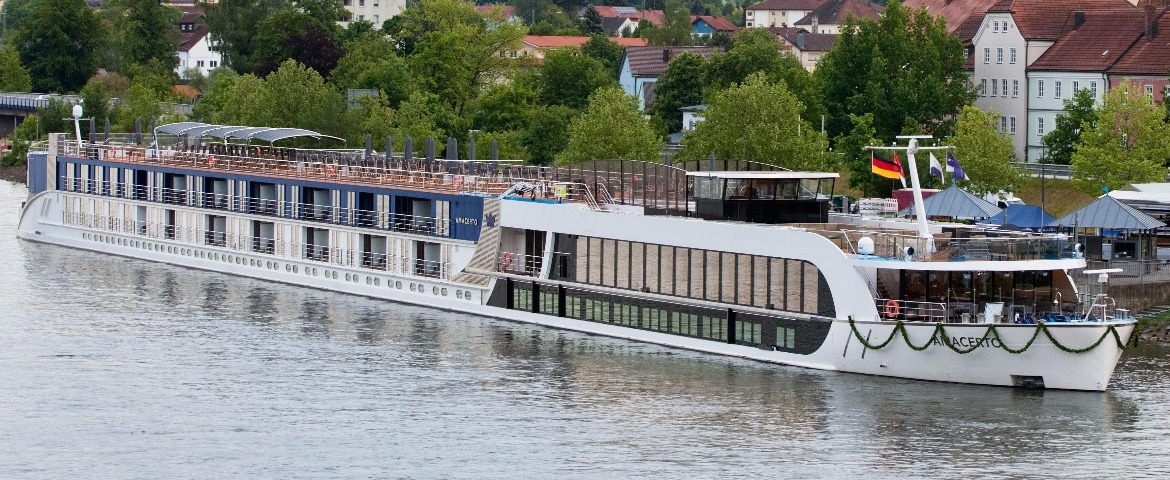

| 5 May | 7 nights | One-way from Basel to Nuremberg |
450-628-6241
Call us
|
| 12 May | 7 nights | One-way from Nuremberg to Remich |
450-628-6241
Call us
|
| 14 July | 7 nights | One-way from Basel to Nuremberg |
450-628-6241
Call us
|
| 21 July | 7 nights | One-way from Nuremberg to Remich |
450-628-6241
Call us
|
| 6 October | 7 nights | One-way from Basel to Nuremberg |
450-628-6241
Call us
|
| 13 October | 7 nights | One-way from Nuremberg to Remich |
450-628-6241
Call us
|
| 17 November | 7 nights | One-way from Basel to Nuremberg |
450-628-6241
Call us
|
| 24 November | 7 nights | One-way from Nuremberg to Frankfurt am Main |
450-628-6241
Call us
|
| 22 March | 7 nights | One-way from Basel to Nuremberg |
450-628-6241
Call us
|
| 29 March | 7 nights | One-way from Nuremberg to Remich |
450-628-6241
Call us
|
| 5 July | 7 nights | One-way from Basel to Nuremberg |
450-628-6241
Call us
|
| 12 July | 7 nights | One-way from Nuremberg to Remich |
450-628-6241
Call us
|
| 16 August | 7 nights | One-way from Basel to Nuremberg |
450-628-6241
Call us
|
| 23 August | 7 nights | One-way from Nuremberg to Remich |
450-628-6241
Call us
|
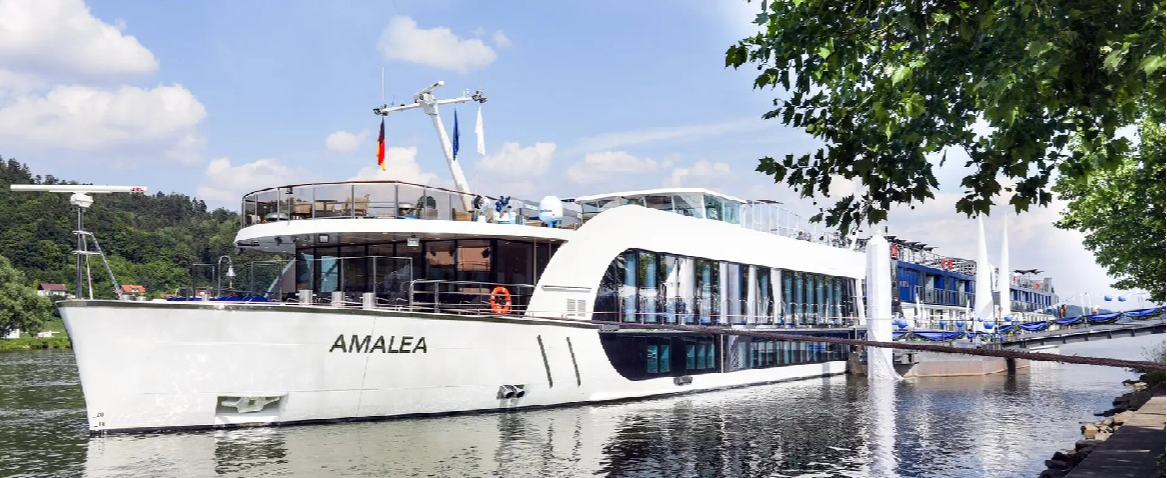
AmaLea
12 Cruises
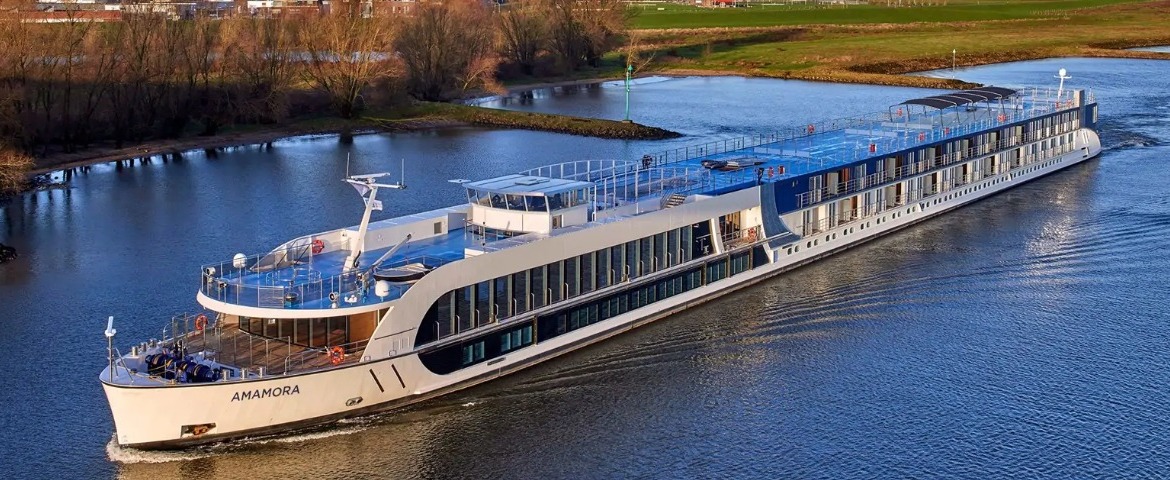
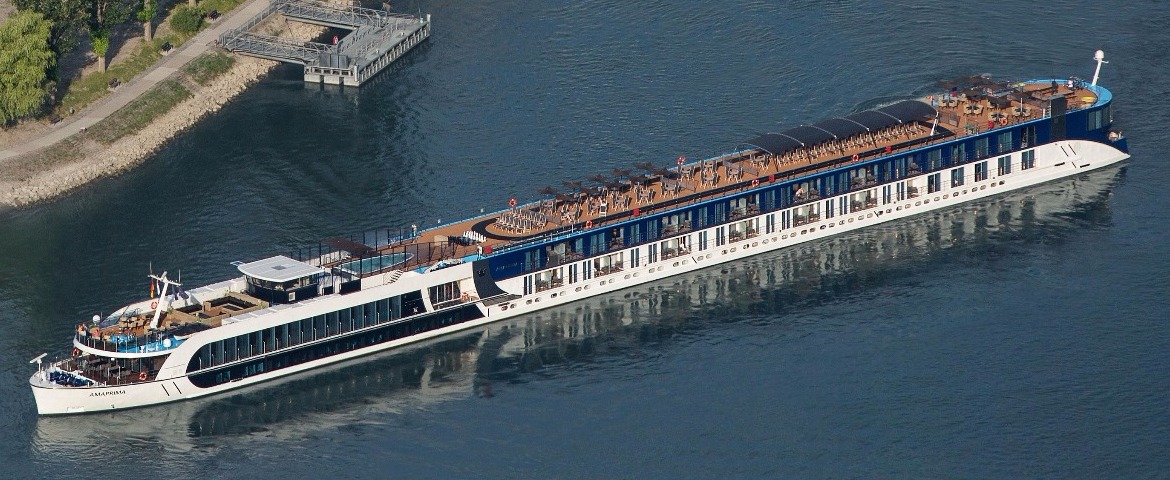
AmaPrima
28 Cruises
| 15 March | 7 nights | One-way from Basel to Nuremberg |
450-628-6241
Call us
|
| 22 March | 7 nights | One-way from Nuremberg to Remich |
450-628-6241
Call us
|
| 21 June | 7 nights | One-way from Basel to Nuremberg |
450-628-6241
Call us
|
| 28 June | 7 nights | One-way from Nuremberg to Remich |
450-628-6241
Call us
|
| 2 August | 7 nights | One-way from Basel to Nuremberg |
450-628-6241
Call us
|
| 9 August | 7 nights | One-way from Nuremberg to Remich |
450-628-6241
Call us
|
| 13 September | 7 nights | One-way from Basel to Nuremberg |
450-628-6241
Call us
|
| 20 September | 7 nights | One-way from Nuremberg to Remich |
450-628-6241
Call us
|
Avalon Waterways (156 Cruises)
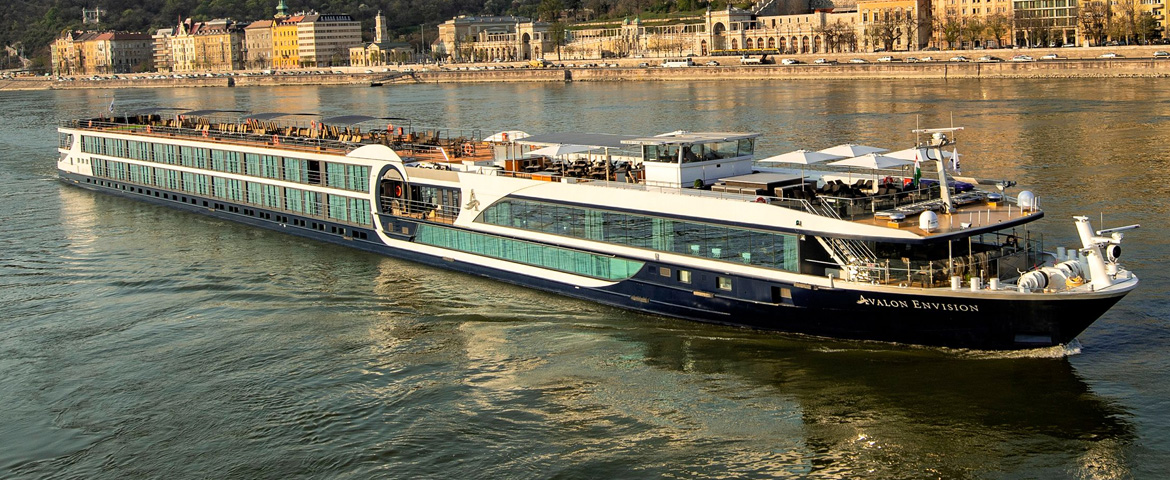
Avalon Envision
4 Cruises

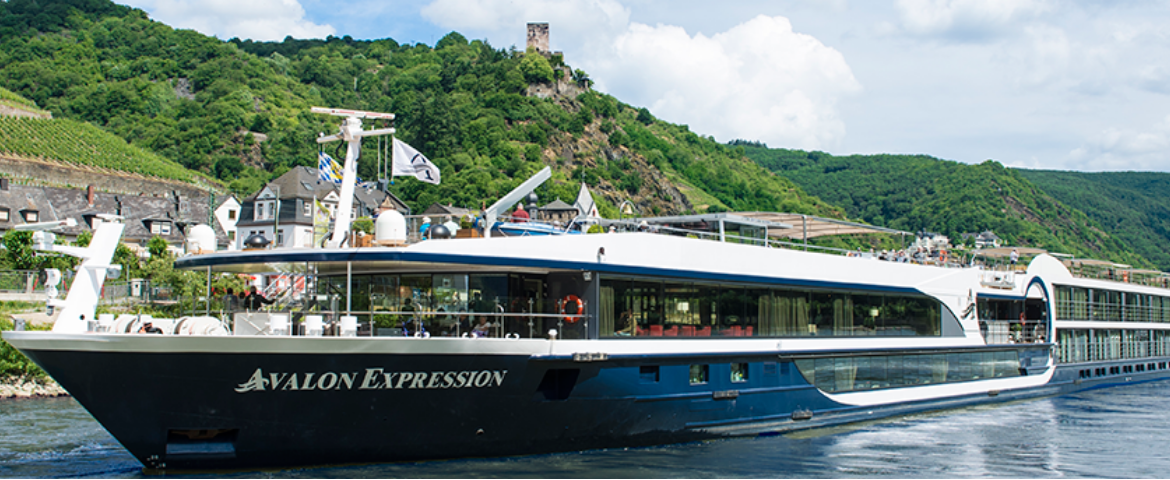
Avalon Expression®
24 Cruises
| 26 August | 14 days | One-way from Budapest to Amsterdam |
450-628-6241
Call us
|
| 26 August | 14 nights | One-way from Budapest to Amsterdam |
450-628-6241
Call us
|
| 9 September | 14 days | One-way from Amsterdam to Budapest |
450-628-6241
Call us
|
| 9 September | 14 nights | One-way from Amsterdam to Budapest |
450-628-6241
Call us
|
| 19 October | 14 days | One-way from Budapest to Amsterdam |
450-628-6241
Call us
|
| 19 October | 14 nights | One-way from Budapest to Amsterdam |
450-628-6241
Call us
|
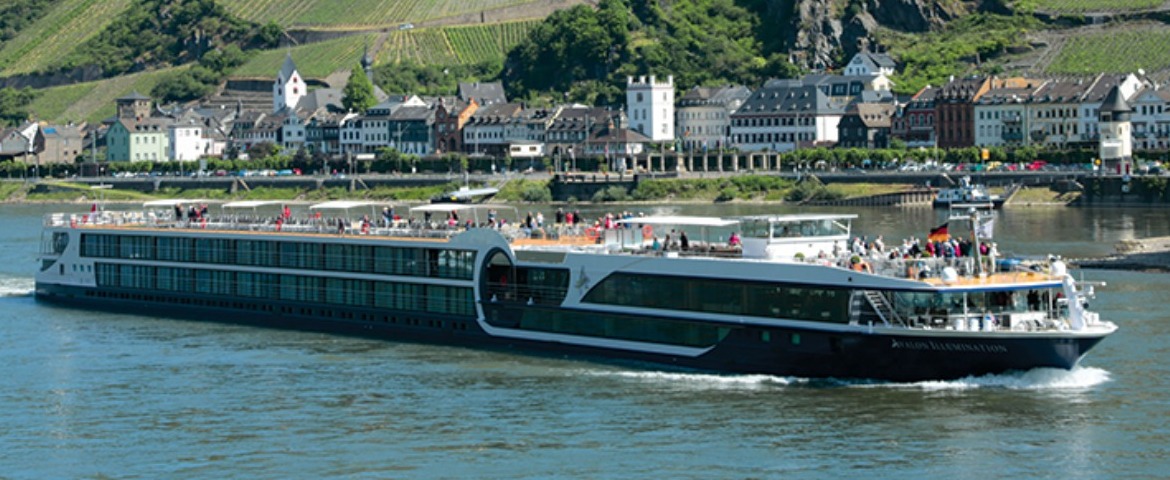
Avalon Illumination®
16 Cruises
Avalon Imagery II®
22 Cruises
| 29 November | 11 nights | One-way from Prague to Basel |
450-628-6241
Call us
|
| 29 November | 7 nights | One-way from Prague to Frankfurt am Main |
450-628-6241
Call us
|
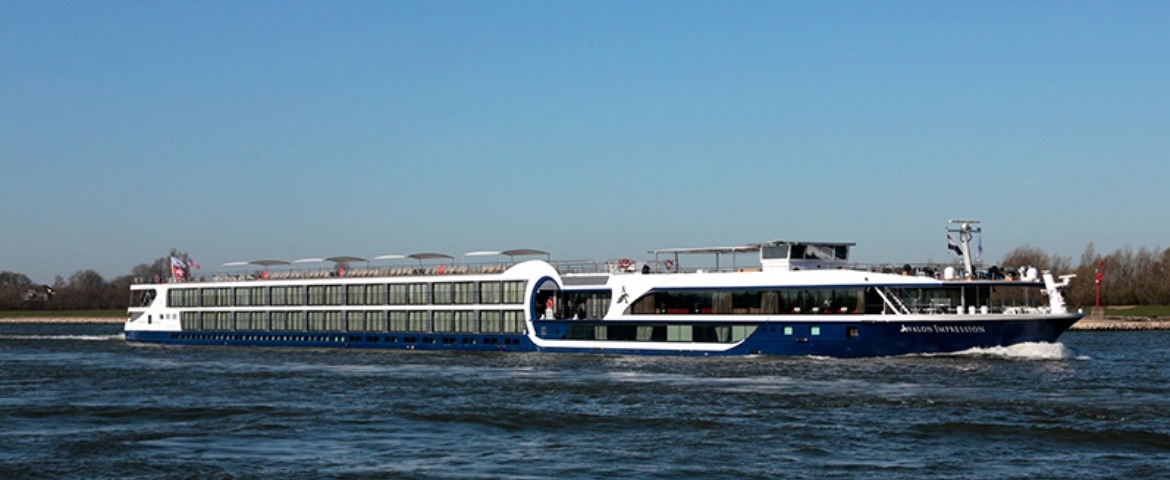
Avalon ImpressionSM
16 Cruises
| 28 May | 14 days | One-way from Budapest to Amsterdam |
450-628-6241
Call us
|
| 28 May | 14 nights | One-way from Budapest to Amsterdam |
450-628-6241
Call us
|
| 11 June | 14 days | One-way from Amsterdam to Budapest |
450-628-6241
Call us
|
| 11 June | 14 nights | One-way from Amsterdam to Budapest |
450-628-6241
Call us
|
| 21 July | 14 days | One-way from Budapest to Amsterdam |
450-628-6241
Call us
|
| 21 July | 14 nights | One-way from Budapest to Amsterdam |
450-628-6241
Call us
|
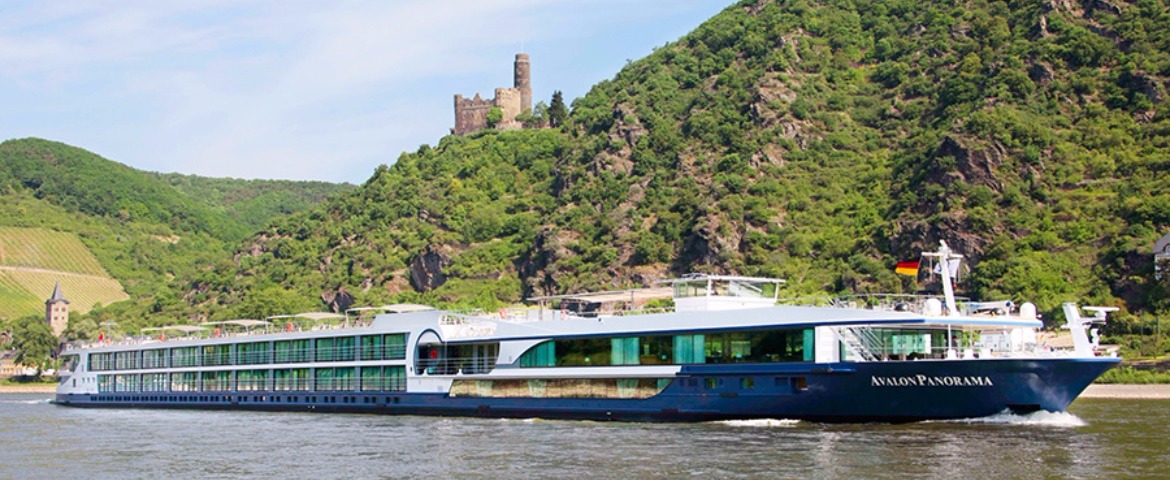
Avalon PanoramaSM
20 Cruises
Avalon Passion®
15 Cruises
| 16 October | 14 days | One-way from Amsterdam to Budapest |
450-628-6241
Call us
|
| 16 October | 14 nights | One-way from Amsterdam to Budapest |
450-628-6241
Call us
|
| 27 November | 14 nights | One-way from Budapest to Frankfurt am Main |
450-628-6241
Call us
|
| 29 November | 12 nights | One-way from Budapest to Frankfurt am Main |
450-628-6241
Call us
|
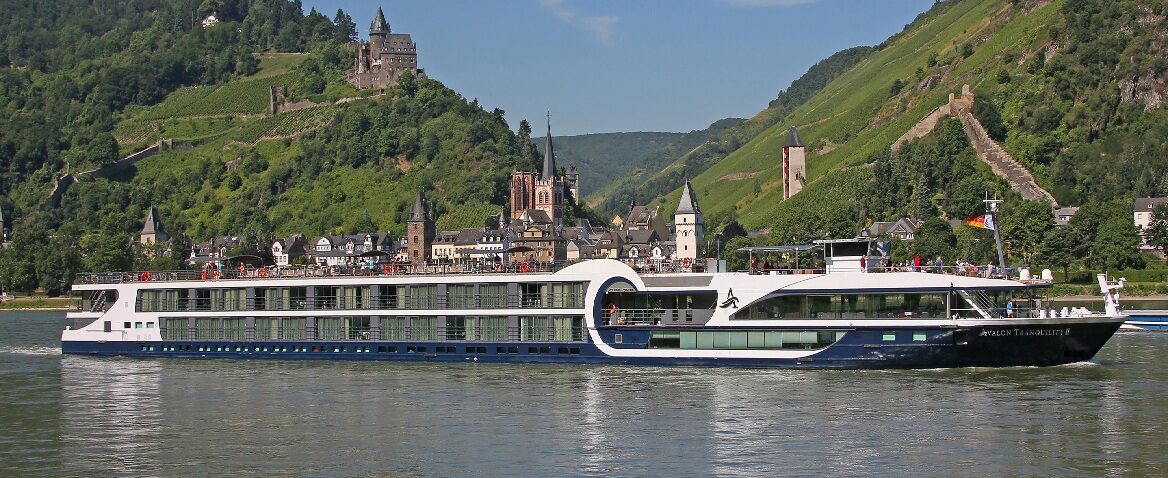
Avalon Tranquility II®
19 Cruises
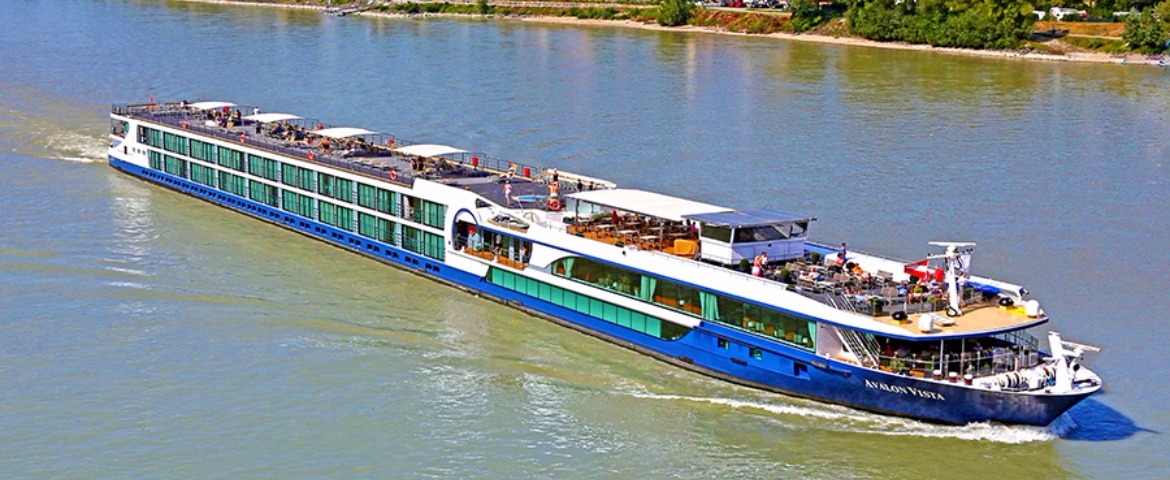
Avalon VistaSM
16 Cruises
CroisiEurope (16 Cruises)

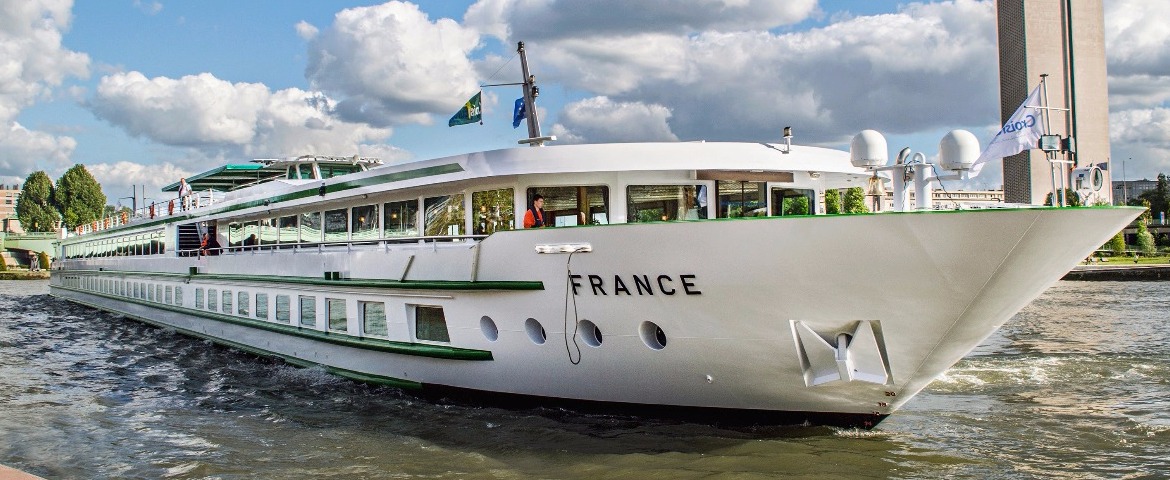
MS L'Europe
2 Cruises
 Image not available
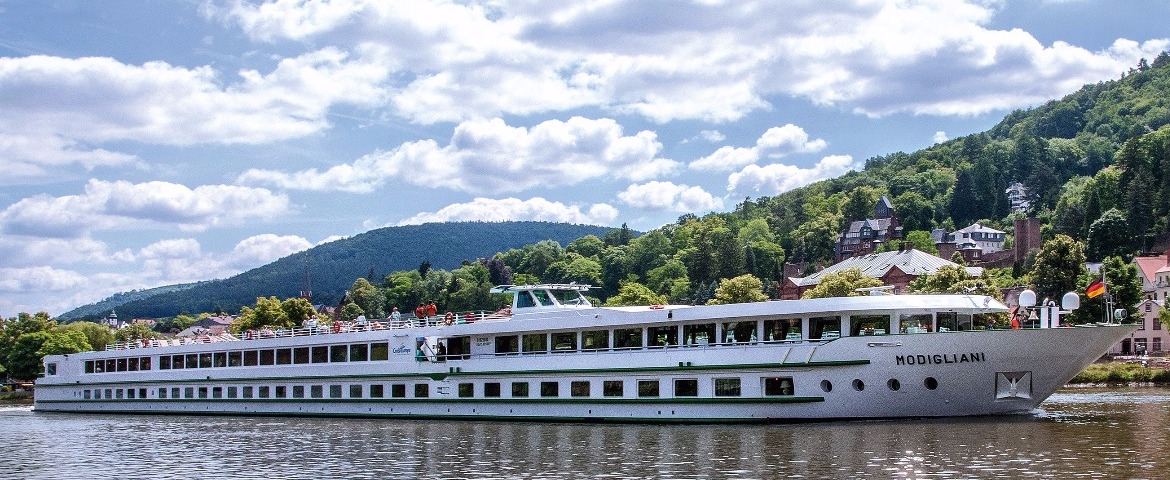
MS Modigliani
8 Cruises
| 13 May | 12 days | One-way from Kehl-Strasbourg to Budapest |
450-628-6241
Call us
|
| 13 May | 13 days | One-way from Kehl-Strasbourg to Budapest |
450-628-6241
Call us
|
| 13 June | 12 nights | One-way from Kehl-Strasbourg to Budapest |
450-628-6241
Call us
|
| 13 June | 12 days | One-way from Kehl-Strasbourg to Budapest |
450-628-6241
Call us
|
Emerald Waterways (235 Cruises)
Emerald Astra
12 Cruises
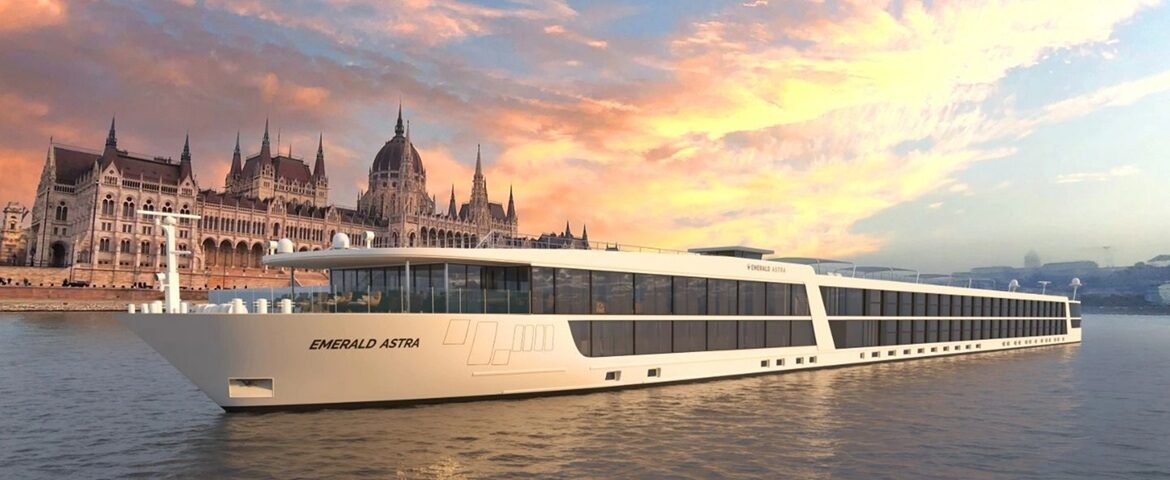

| 24 April | 14 nights | One-way from Amsterdam to Budapest |
450-628-6241
Call us
|
| 25 April | 12 days | One-way from Amsterdam to Budapest |
450-628-6241
Call us
|
| 19 June | 14 nights | One-way from Budapest to Amsterdam |
450-628-6241
Call us
|
| 20 June | 12 days | One-way from Budapest to Amsterdam |
450-628-6241
Call us
|
| 3 July | 14 nights | One-way from Amsterdam to Budapest |
450-628-6241
Call us
|
| 4 July | 12 days | One-way from Amsterdam to Budapest |
450-628-6241
Call us
|
| 29 October | 14 nights | One-way from Budapest to Amsterdam |
450-628-6241
Call us
|
| 30 October | 12 days | One-way from Budapest to Amsterdam |
450-628-6241
Call us
|
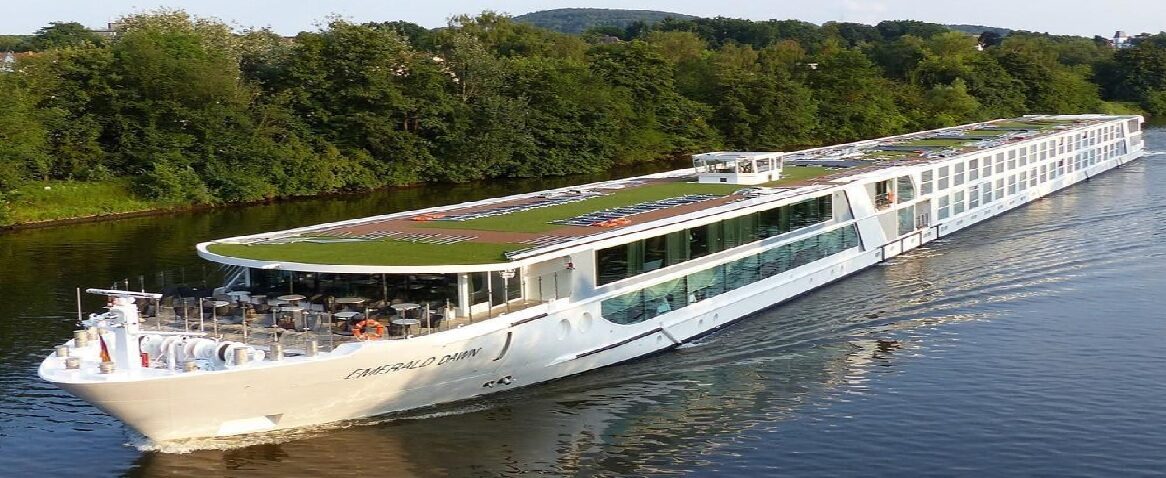
Emerald Dawn
43 Cruises
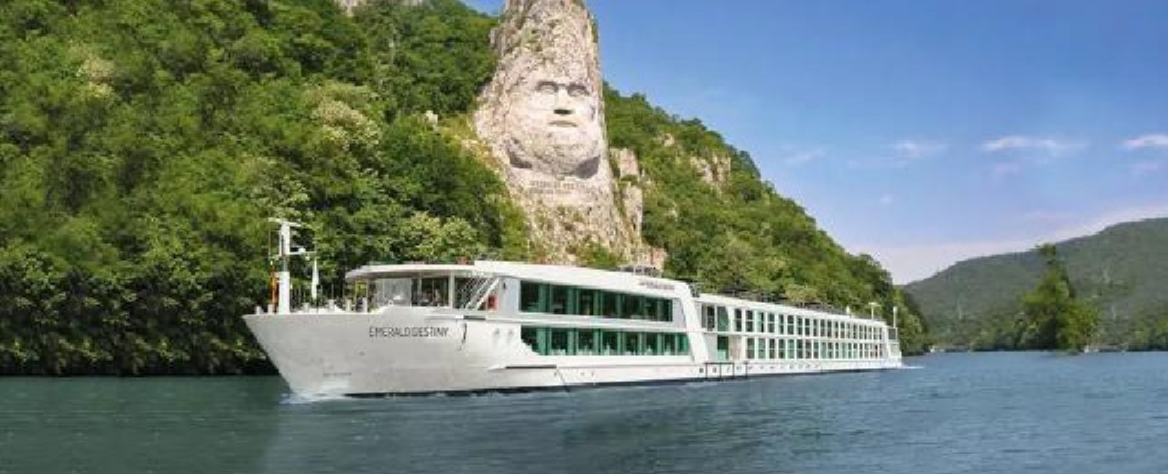
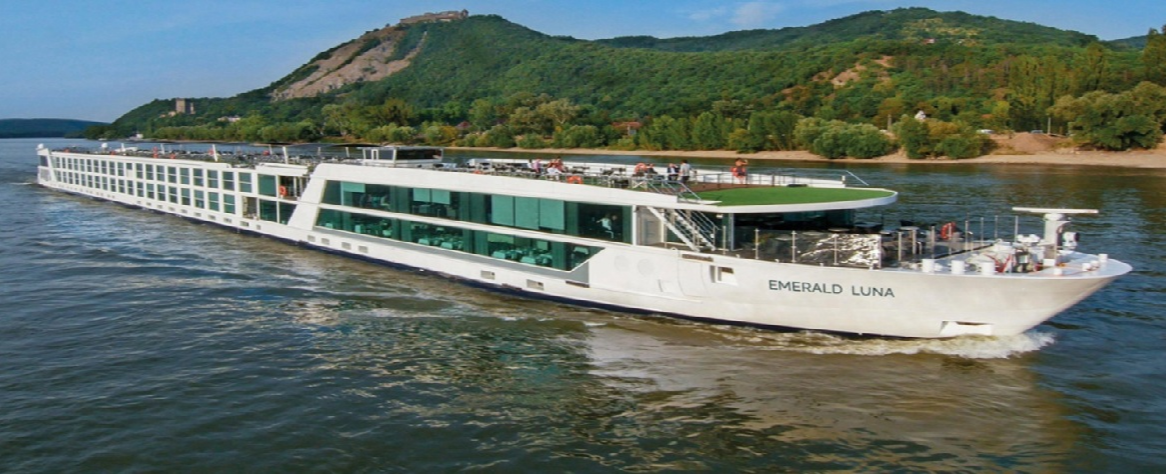
Emerald Luna
49 Cruises
| 30 October | 14 days | One-way from Amsterdam to Budapest |
450-628-6241
Call us
|
| 30 October | 14 nights | One-way from Amsterdam to Budapest |
450-628-6241
Call us
|
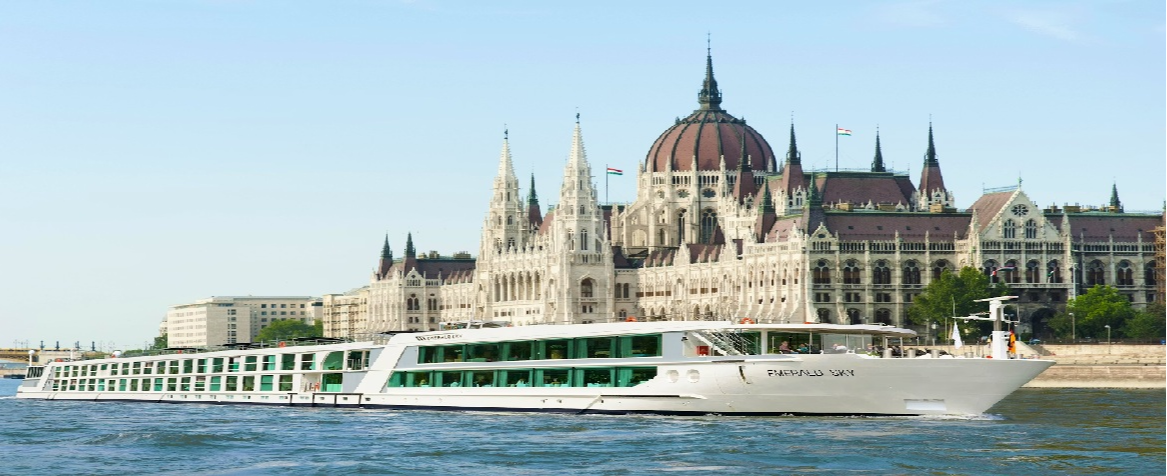
Emerald Sky
28 Cruises
| 22 February | 14 nights | One-way from Budapest to Amsterdam |
450-628-6241
Call us
|
| 22 February | 14 days | One-way from Budapest to Amsterdam |
450-628-6241
Call us
|
| 8 March | 14 days | One-way from Amsterdam to Budapest |
450-628-6241
Call us
|
| 8 March | 14 nights | One-way from Amsterdam to Budapest |
450-628-6241
Call us
|
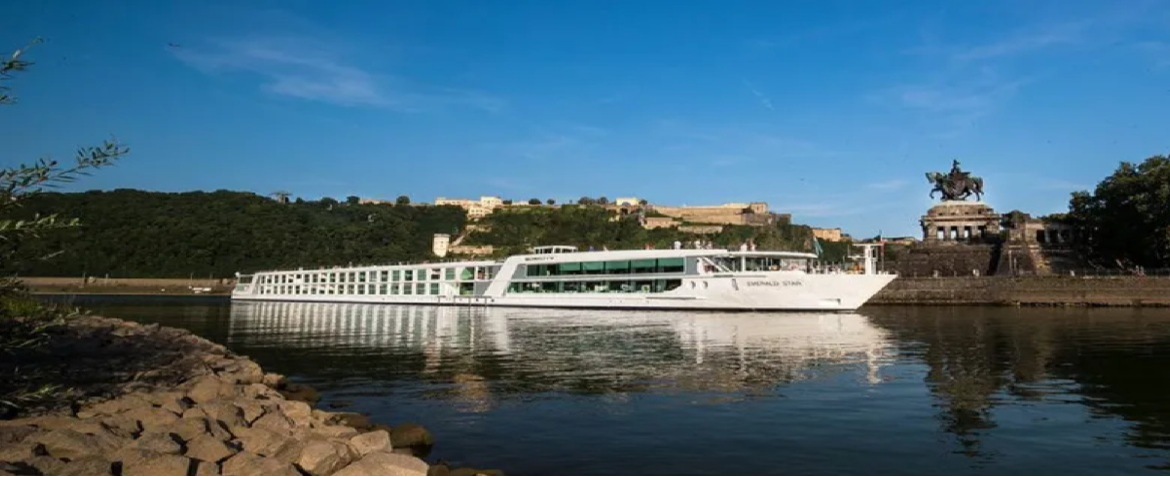
Emerald Star
60 Cruises
| 20 February | 14 days | One-way from Amsterdam to Budapest |
450-628-6241
Call us
|
| 20 February | 14 nights | One-way from Amsterdam to Budapest |
450-628-6241
Call us
|
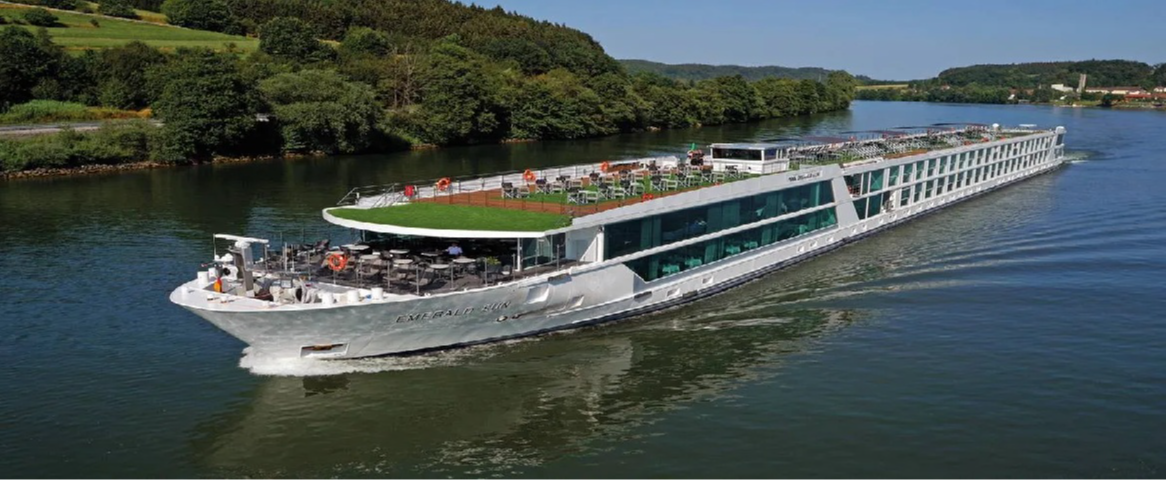
Emerald Sun
41 Cruises
Riviera Travel (22 Cruises)
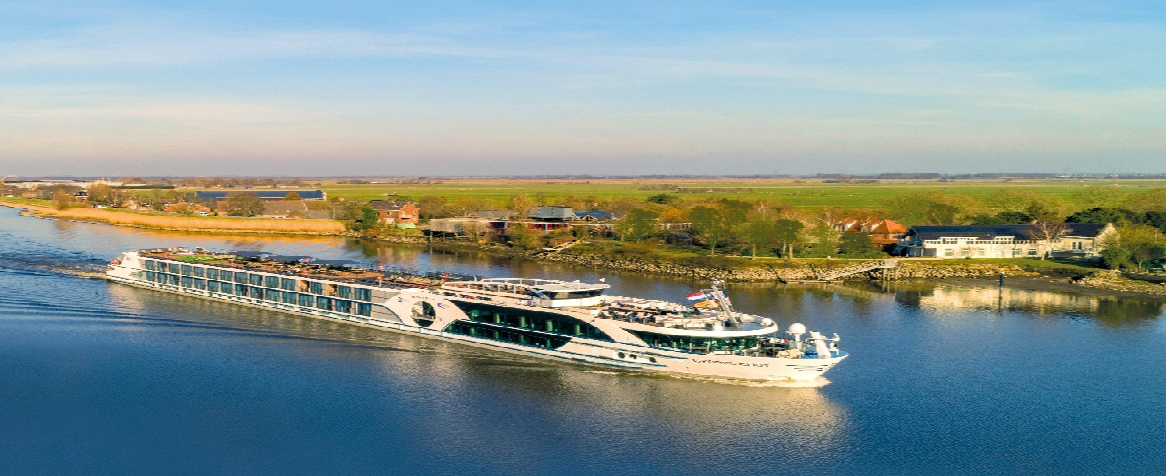
MS George Eliot
6 Cruises

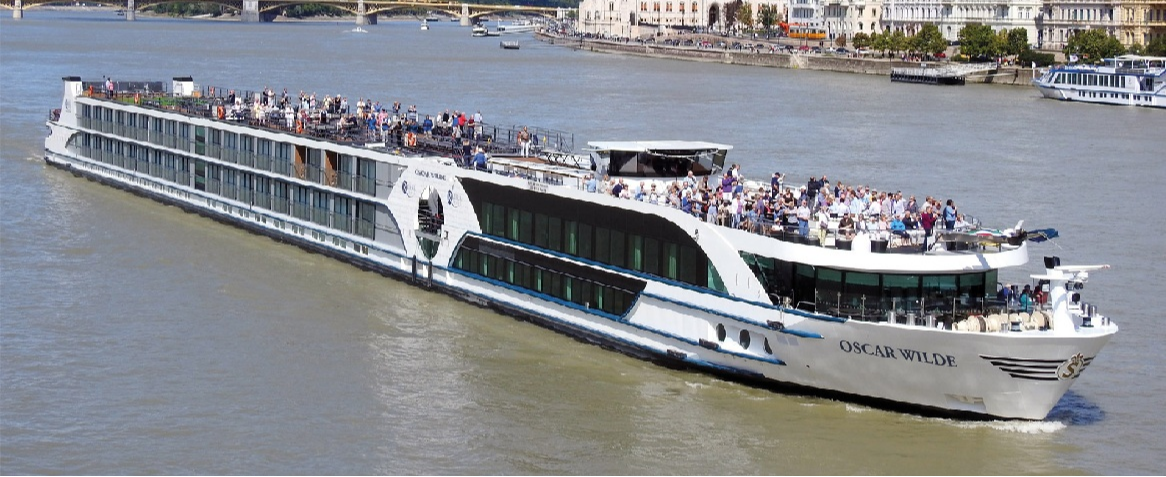
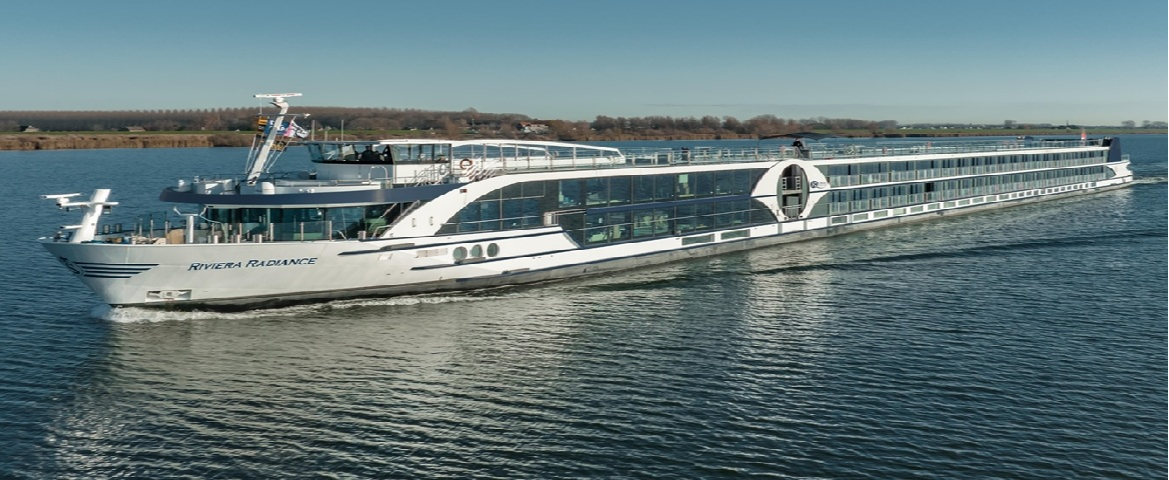
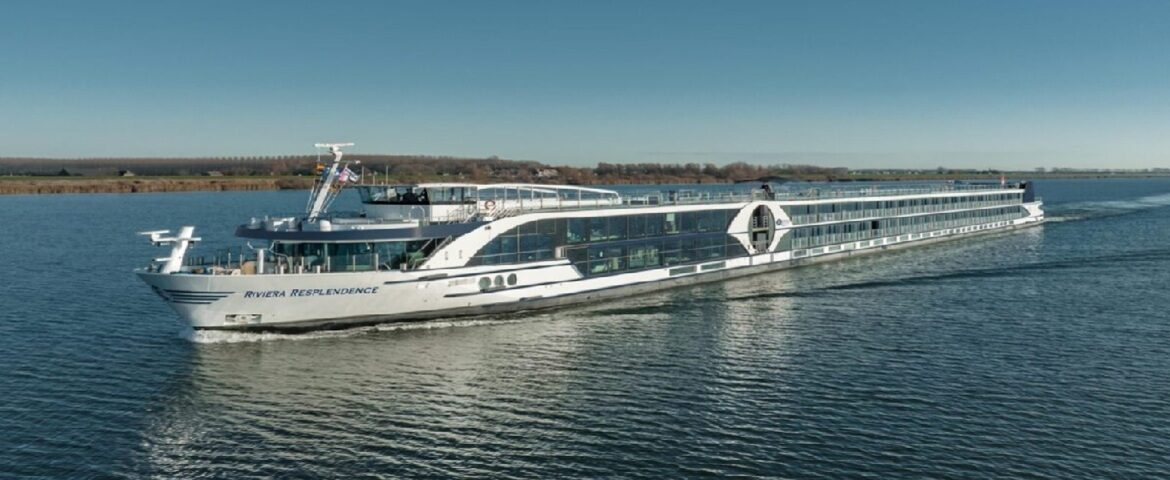
MS Riviera Resplendence
8 Cruises
| 12 May | 14 nights | One-way from Cologne to Budapest |
450-628-6241
Call us
|
| 12 May | 14 days | One-way from Cologne to Budapest |
450-628-6241
Call us
|
| 2 June | 14 nights | One-way from Budapest to Koblenz |
450-628-6241
Call us
|
| 2 June | 14 days | One-way from Budapest to Koblenz |
450-628-6241
Call us
|
Scenic Cruises (612 Cruises)
Scenic Amber
67 Cruises


| 22 February | 14 days | One-way from Budapest to Amsterdam |
450-628-6241
Call us
|
| 22 February | 14 nights | One-way from Budapest to Amsterdam |
450-628-6241
Call us
|
Scenic Crystal
50 Cruises

| 19 April | 14 nights | One-way from Amsterdam to Budapest |
450-628-6241
Call us
|
| 19 April | 17 nights | One-way from Amsterdam to Prague |
450-628-6241
Call us
|
Scenic Gem
11 Cruises

Scenic Jade
125 Cruises

Scenic Jasper
111 Cruises

| 28 May | 19 days | One-way from Zagreb to Amsterdam |
450-628-6241
Call us
|
| 28 May | 18 days | One-way from Zagreb to Amsterdam |
450-628-6241
Call us
|
Scenic Jewel
99 Cruises

| 12 March | 14 nights | One-way from Amsterdam to Budapest |
450-628-6241
Call us
|
| 12 March | 14 days | One-way from Amsterdam to Budapest |
450-628-6241
Call us
|
| 15 April | 17 nights | One-way from Prague to Amsterdam |
450-628-6241
Call us
|
| 18 April | 14 nights | One-way from Budapest to Amsterdam |
450-628-6241
Call us
|
| 11 July | 14 nights | One-way from Budapest to Amsterdam |
450-628-6241
Call us
|
| 25 July | 14 nights | One-way from Amsterdam to Budapest |
450-628-6241
Call us
|
Scenic Opal
115 Cruises

| 7 September | 14 days | One-way from Amsterdam to Budapest |
450-628-6241
Call us
|
| 7 September | 14 nights | One-way from Amsterdam to Budapest |
450-628-6241
Call us
|
Scenic Pearl
17 Cruises

Scenic Ruby
17 Cruises

Tauck Cruises (15 Cruises)
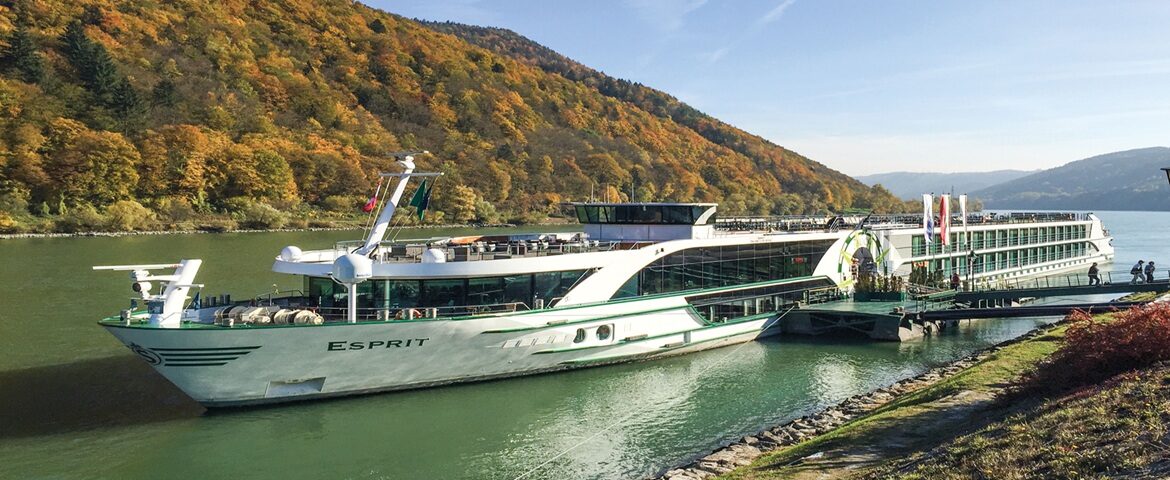
MS esprit
9 Cruises

| 20 June | 14 nights | One-way from Budapest to Amsterdam |
450-628-6241
Call us
|
| 21 June | 12 days | One-way from Budapest to Amsterdam |
450-628-6241
Call us
|
| 4 July | 24 nights | One-way from Amsterdam to Bucharest |
450-628-6241
Call us
|
| 22 July | 24 nights | One-way from Constanta to Amsterdam |
450-628-6241
Call us
|
Uniworld Boutique River Cruise (42 Cruises)


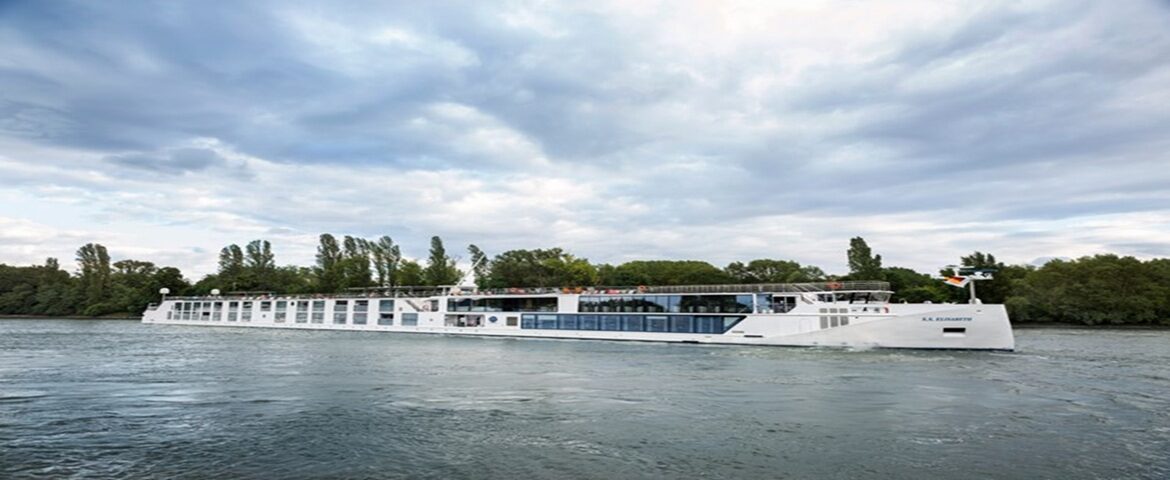
S.S Elisabeth
8 Cruises
| 25 November | 7 nights | One-way from Frankfurt am Main to Nuremberg |
450-628-6241
Call us
|
| 25 November | 7 days | One-way from Frankfurt am Main to Nuremberg |
450-628-6241
Call us
|
S.S Marlene
15 Cruises
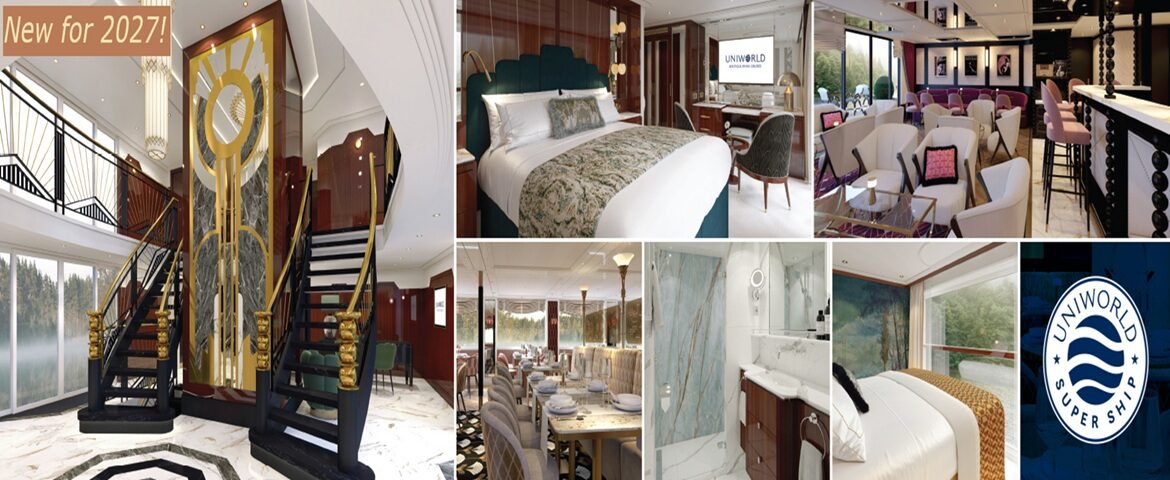
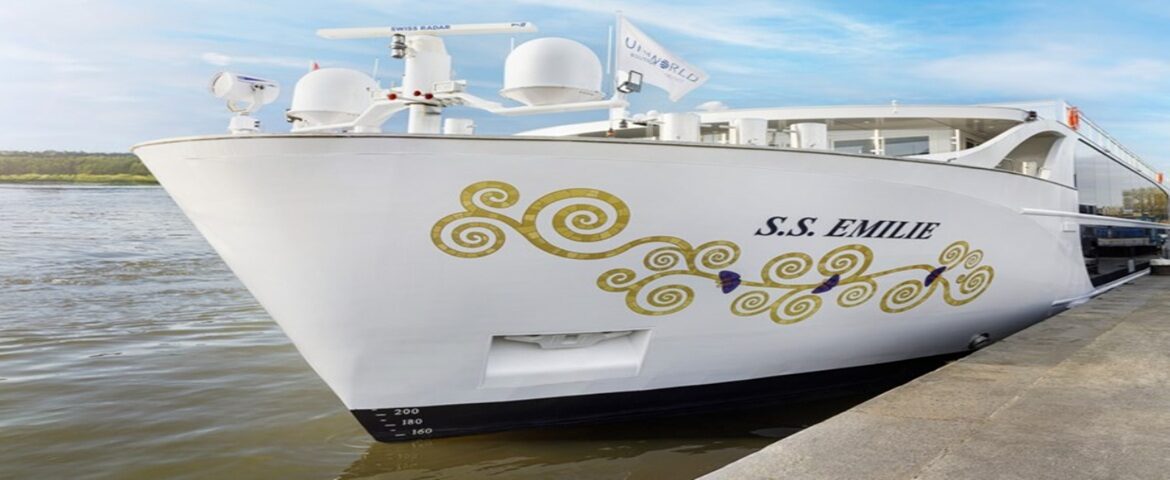
Viking River Cruises (897 Cruises)
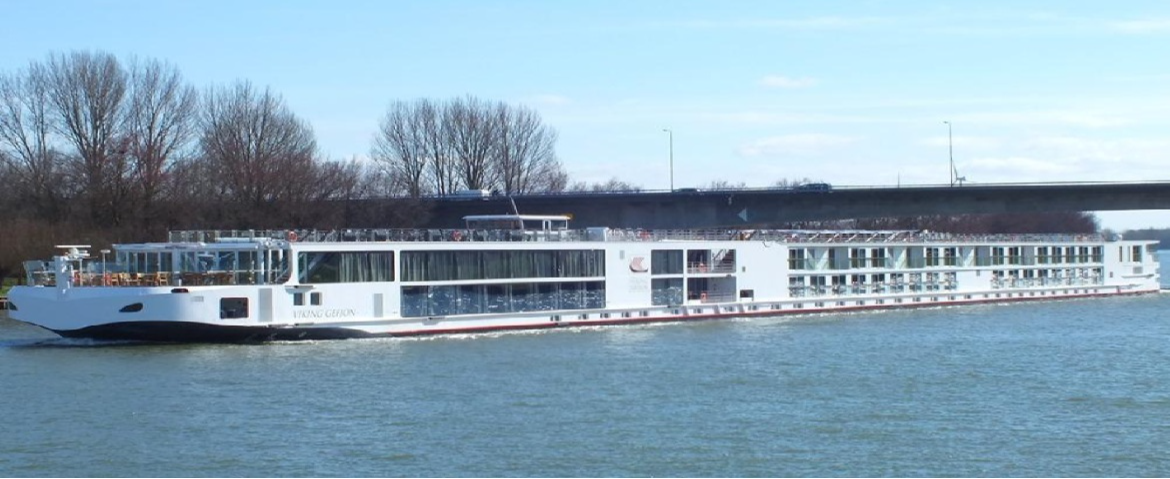
Viking Longship Gefjon
42 Cruises

Viking Longships Alsvin
228 Cruises
Viking Longships Atla
6 Cruises
Viking Longships Baldur
22 Cruises
Viking Longships Gullveig
6 Cruises
Viking Longships Idi
233 Cruises
Viking Longships Kvasir
5 Cruises
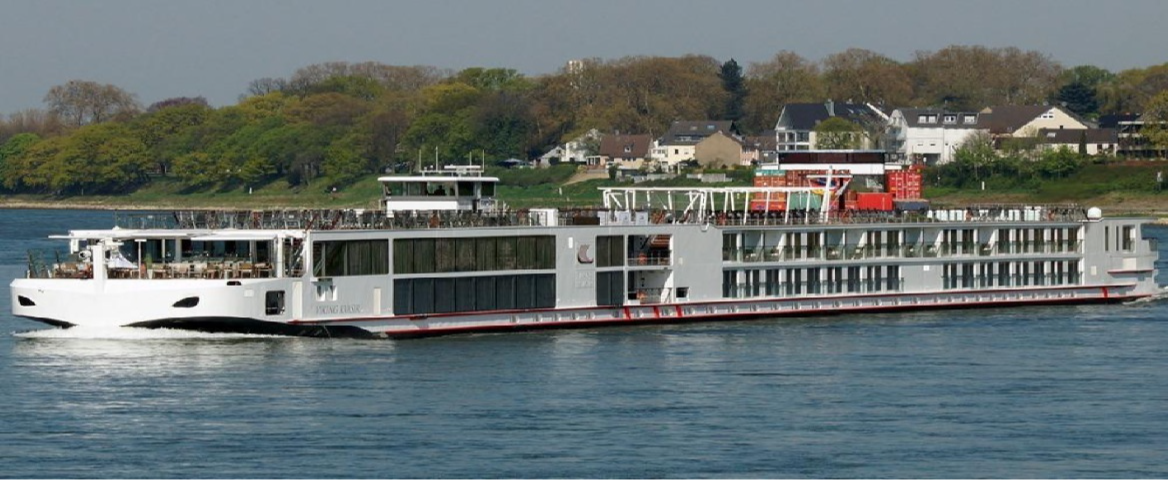
Viking Longships Lif
36 Cruises
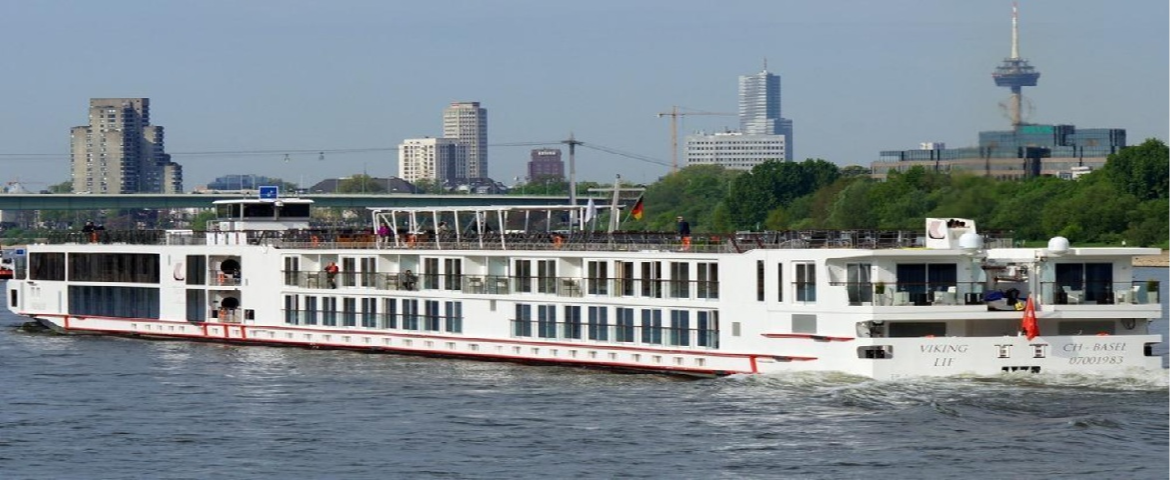
| 14 June | 14 nights | One-way from Budapest to Amsterdam |
450-628-6241
Call us
|
| 28 June | 14 nights | One-way from Amsterdam to Budapest |
450-628-6241
Call us
|
Viking Longships Magni
25 Cruises
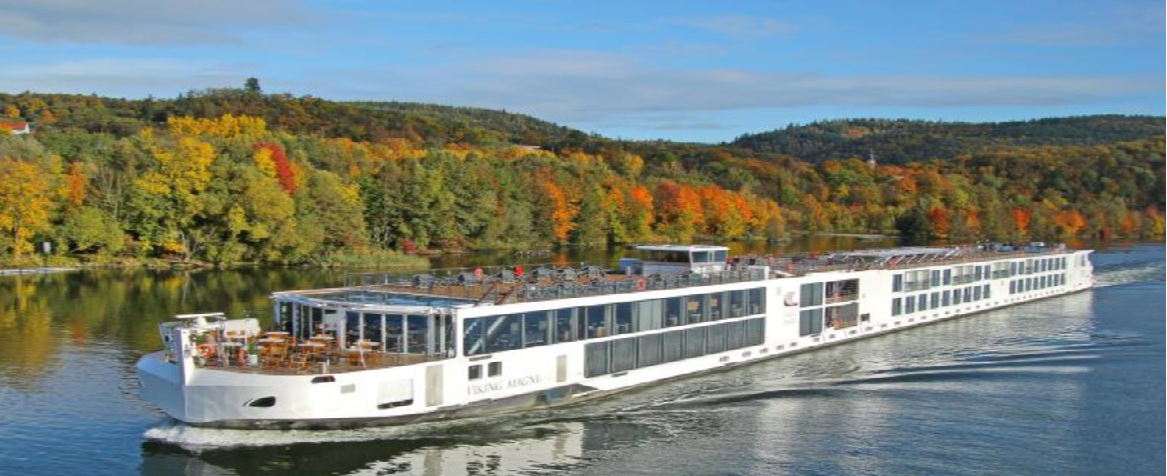
| 25 April | 14 nights | One-way from Amsterdam to Budapest |
450-628-6241
Call us
|
| 25 April | 14 days | One-way from Amsterdam to Budapest |
450-628-6241
Call us
|
Viking Longships Mimir
39 Cruises
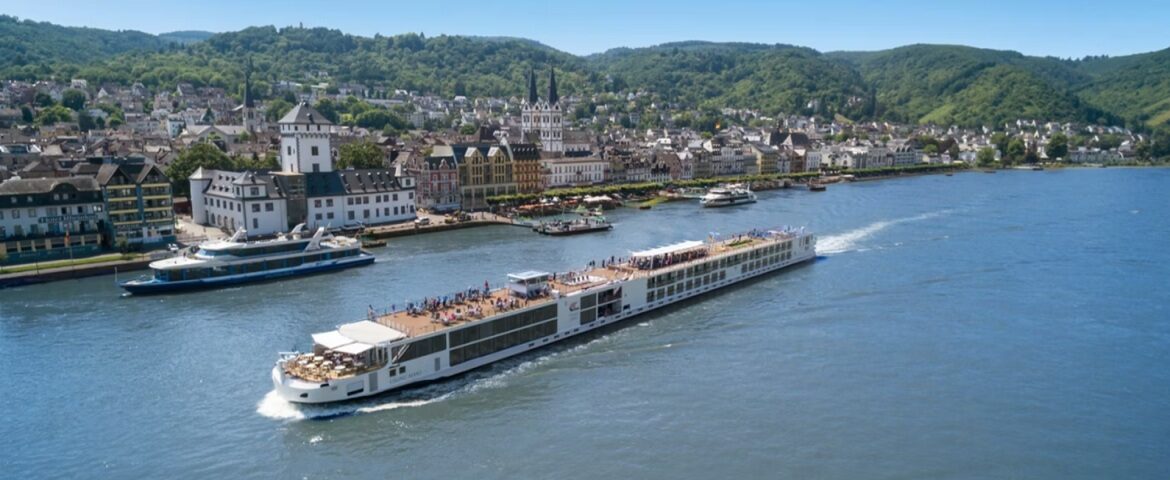
| 23 April | 14 nights | One-way from Amsterdam to Budapest |
450-628-6241
Call us
|
| 23 April | 14 days | One-way from Amsterdam to Budapest |
450-628-6241
Call us
|
| 14 July | 14 nights | One-way from Amsterdam to Budapest |
450-628-6241
Call us
|
| 28 July | 14 nights | One-way from Budapest to Amsterdam |
450-628-6241
Call us
|
| 11 August | 14 nights | One-way from Amsterdam to Budapest |
450-628-6241
Call us
|
| 25 August | 14 nights | One-way from Budapest to Amsterdam |
450-628-6241
Call us
|
| 8 September | 14 nights | One-way from Amsterdam to Budapest |
450-628-6241
Call us
|
| 22 September | 14 nights | One-way from Budapest to Amsterdam |
450-628-6241
Call us
|
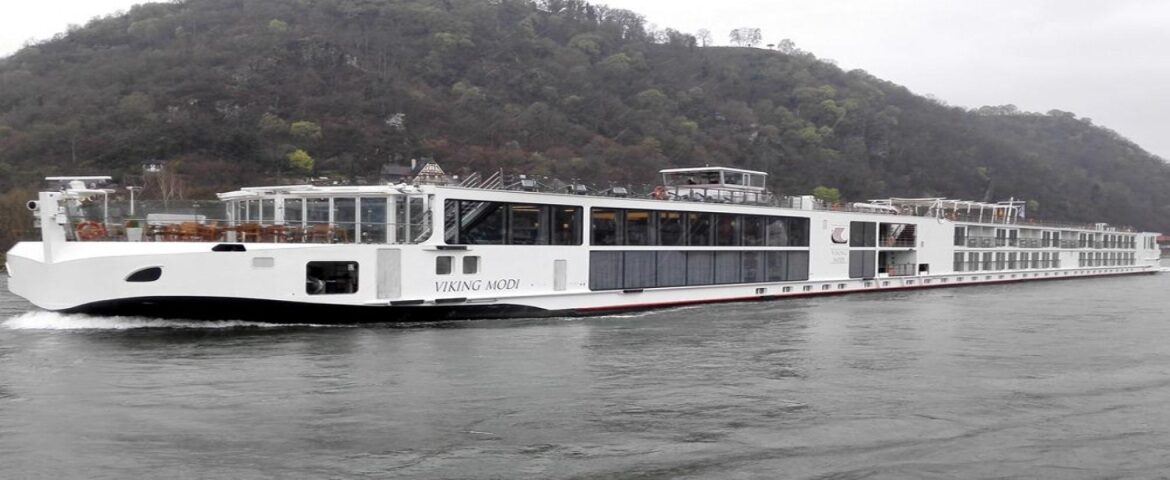
Viking Longships Modi
81 Cruises
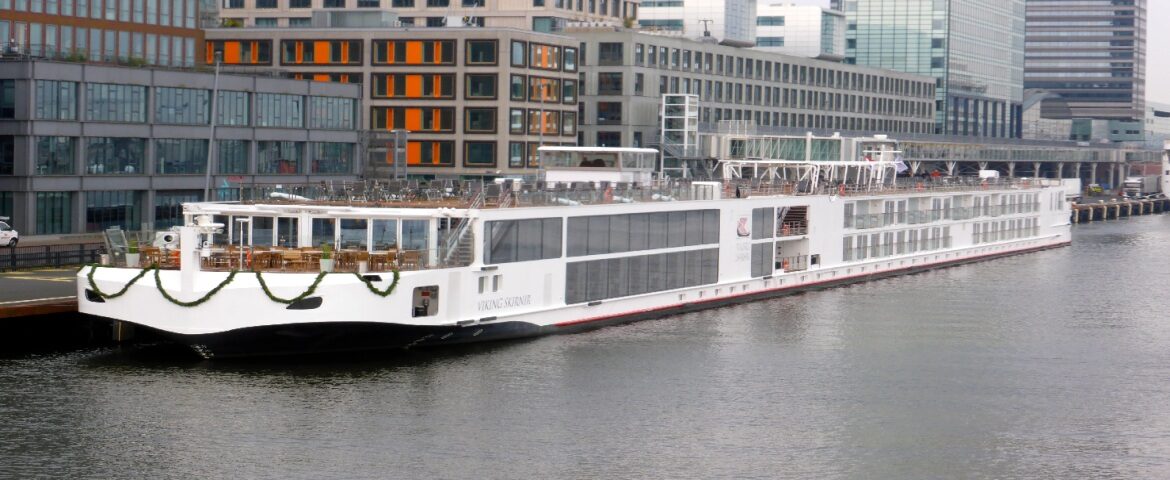
Viking Longships Skirnir
60 Cruises
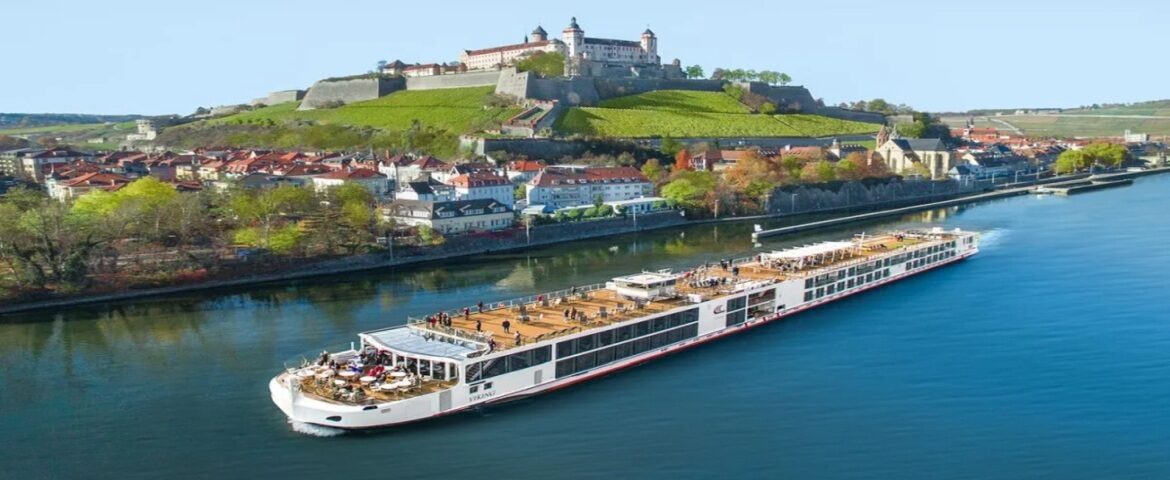
Viking Longships Var
6 Cruises
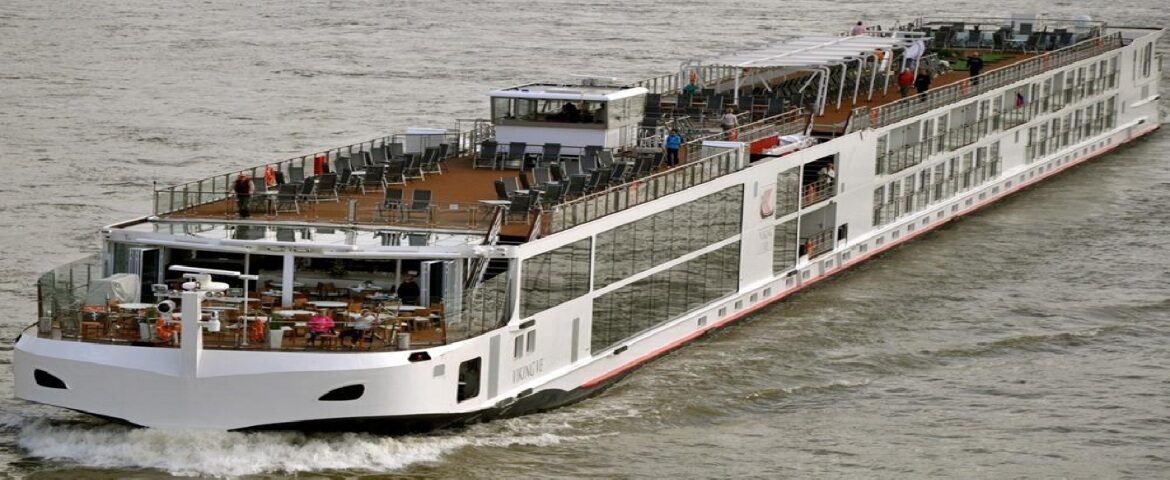
Viking Longships Ve
41 Cruises
| 18 May | 14 days | One-way from Amsterdam to Budapest |
450-628-6241
Call us
|
| 18 May | 14 nights | One-way from Amsterdam to Budapest |
450-628-6241
Call us
|
Viking Longships Vidar
26 Cruises
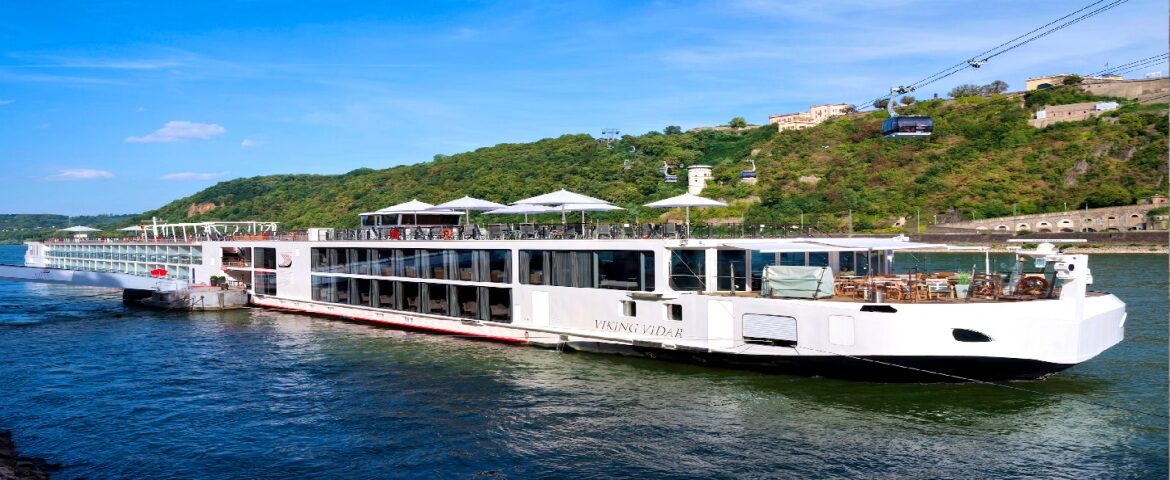
| 18 August | 21 nights | One-way from Bucharest to Amsterdam |
450-628-6241
Call us
|
| 25 August | 14 nights | One-way from Budapest to Amsterdam |
450-628-6241
Call us
|
Viking Longships Vili
41 Cruises
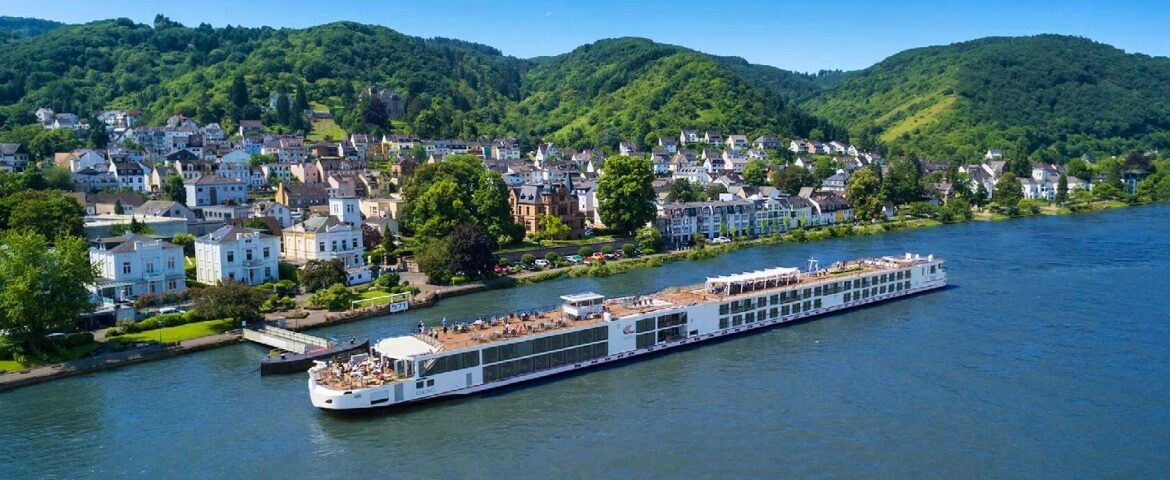
| 14 July | 14 nights | One-way from Budapest to Amsterdam |
450-628-6241
Call us
|
| 28 July | 14 nights | One-way from Amsterdam to Budapest |
450-628-6241
Call us
|
| 11 August | 14 nights | One-way from Budapest to Amsterdam |
450-628-6241
Call us
|
| 25 August | 14 nights | One-way from Amsterdam to Budapest |
450-628-6241
Call us
|
| 8 September | 14 nights | One-way from Budapest to Amsterdam |
450-628-6241
Call us
|
| 22 September | 14 nights | One-way from Amsterdam to Budapest |
450-628-6241
Call us
|

Port of Würzburg | Cruise Port Guide
Frequently Asked Questions
Along the Kranenkai, named after the 18th-century harbour crane that still raises its stone outline above the bank. The Main quays almost touch the old town: few river calls are this easy to explore on your own.
The old bridge is about 600 metres away, under ten minutes. The Residence is a kilometre, a quarter of an hour on foot. St. Kilian's cathedral is 700 metres away, and the Marienberg fortress roughly two kilometres.
A local ritual: a glass of white wine drunk standing, right in the middle of the old stone bridge lined with statues of saints. Nearby cafés serve the glass to take away, and many passengers adopt the habit within an hour of arriving.
A row of baroque statues, among them St. Kilian, the Irish monk who became patron of Franconia. From the deck the view takes in the steeples of the old town on one side and the Marienberg fortress on its planted slope on the other.
One of the most accomplished baroque palaces in Europe, inscribed as UNESCO World Heritage. The grand staircase designed by Balthasar Neumann opens beneath a vault painted by Tiepolo, considered the largest ceiling fresco in the world: the four continents unfold there in a whirl of skies and allegories.
The Imperial Hall, the mirror cabinet and the chapel complete the route, each outdoing the last in stucco and gilding. The court garden, free to enter, then offers a green pause among clipped yews and statues, with the baroque ramparts behind.
On foot, in half an hour, by the paths crossing the vineyard: a steady climb rewarded with a view over the red roofs, the steeples and the meanders of the Main. Those less keen on walking take a taxi or the bus.
Dry Silvaner, the standard-bearer of Franconian whites, bottled in the Bocksbeutel, a flattened bottle recognizable anywhere. Two centuries-old institutions, the Juliusspital and the Bürgerspital, have funded their hospital work from their vineyards for generations.
Largely not: the Franconian capital was patiently raised again after the destruction of 1945. So it is not an intact set, but the reconstruction is careful and the centre has recovered its proportions, between St. Kilian's cathedral and the Marienkapelle facing the market.
Dusk, when the citadel lights up and figures crowd the bridge deck again, glass in hand, while the river turns copper. You are back at the gangway within a few minutes. Currency: the euro.


