Pointe-a-Pitre Grande-Terre Island Guadeloupe
588
Cruises availables
At departure or passage at this port

Costa Cruises (170 Cruises)
Costa Fascinosa
49 Cruises
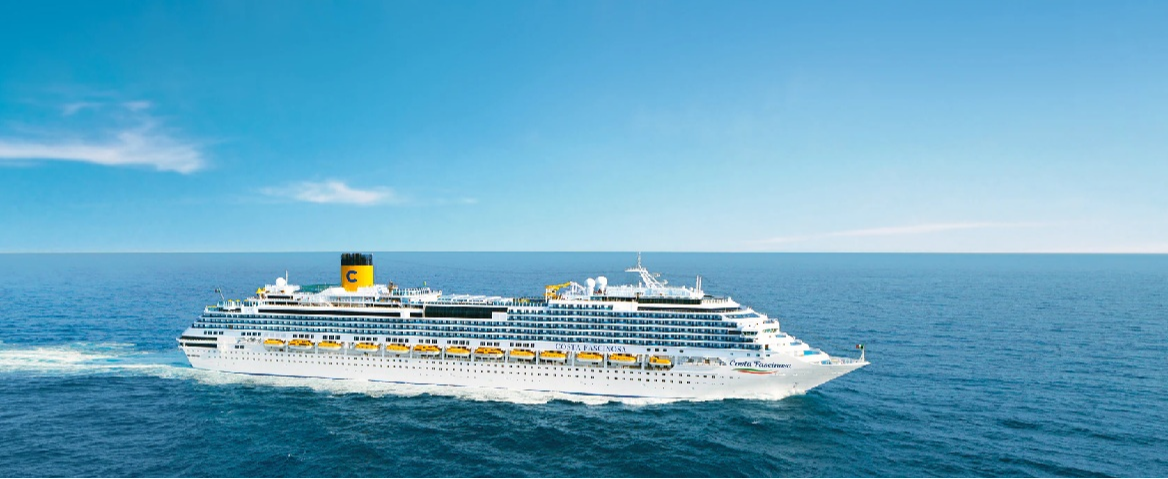

Costa Favolosa
59 Cruises
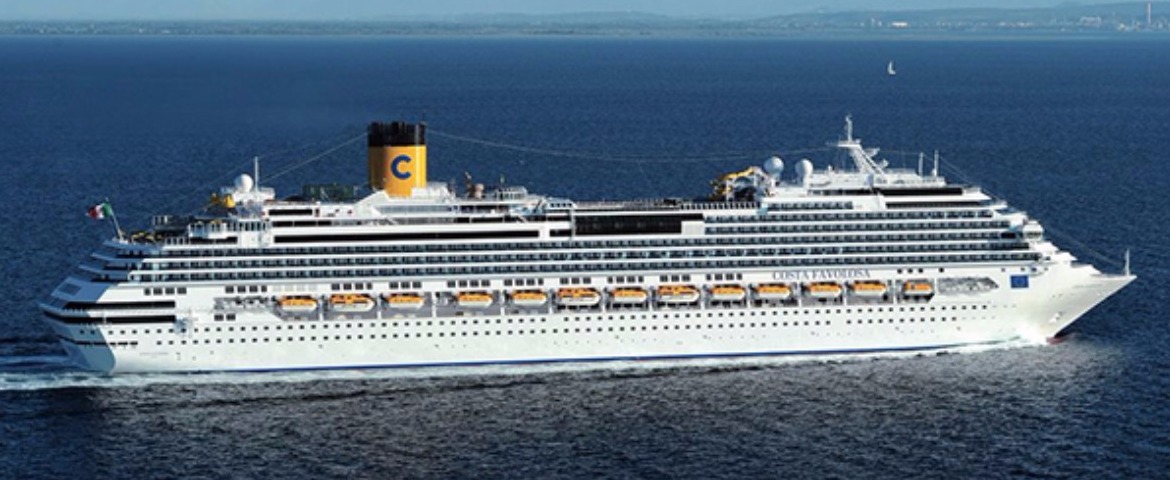
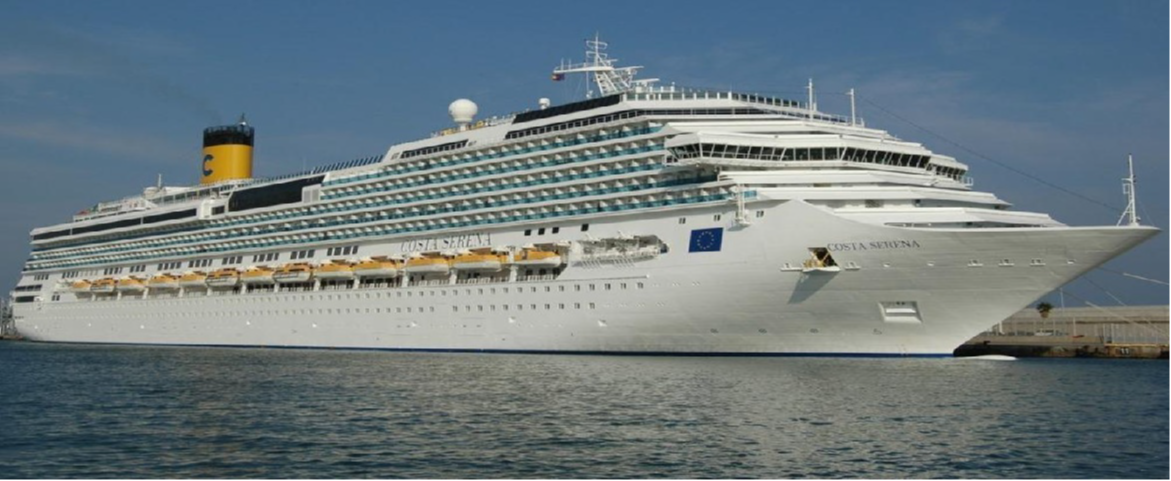
Costa Serena
62 Cruises
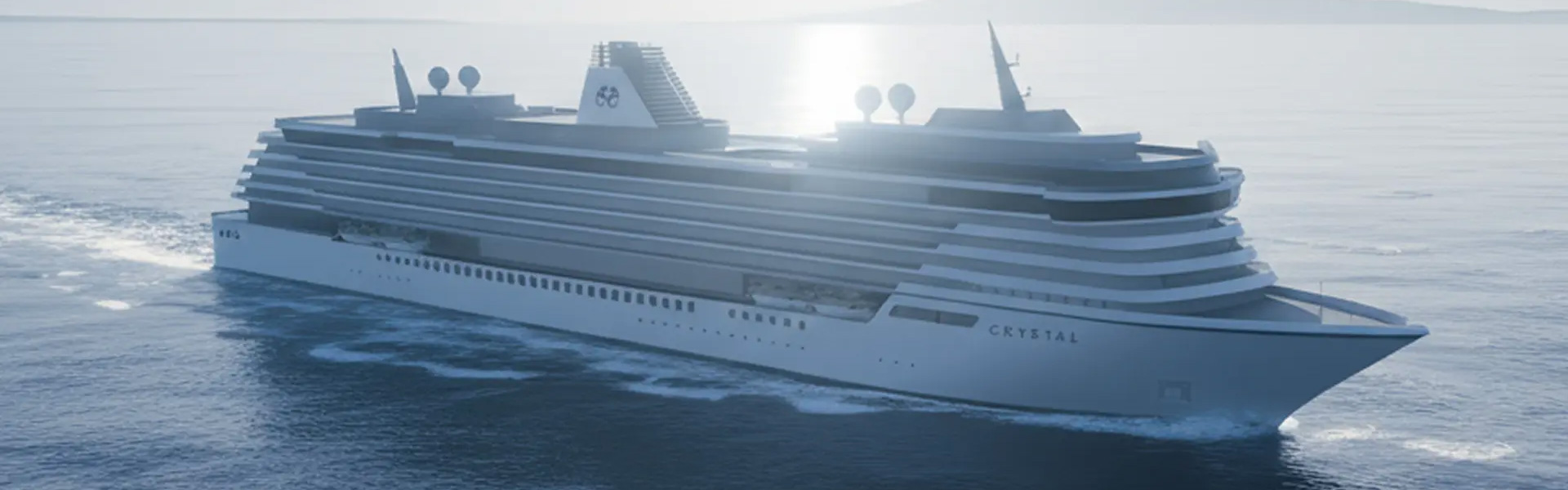
Crystal Cruises (21 Cruises)

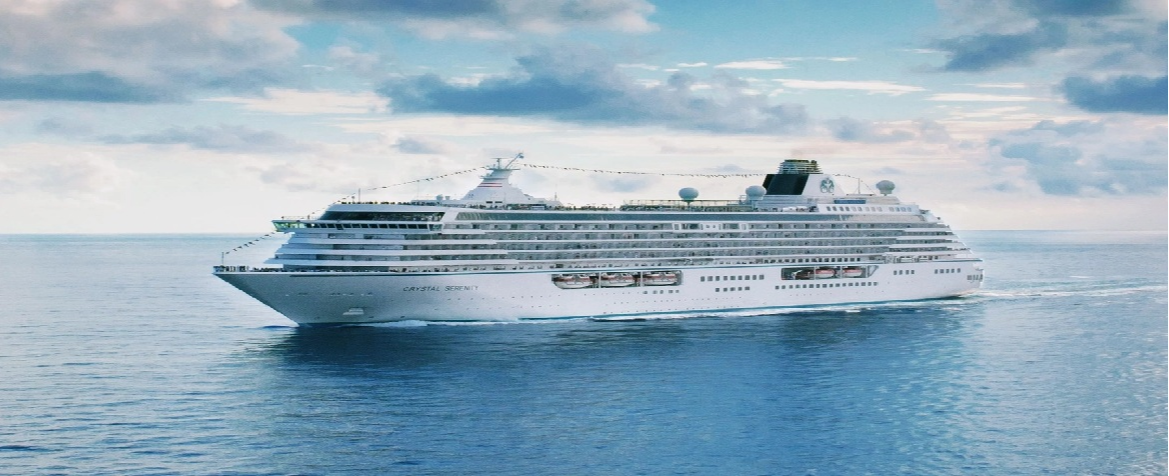
Crystal Serenity
15 Cruises
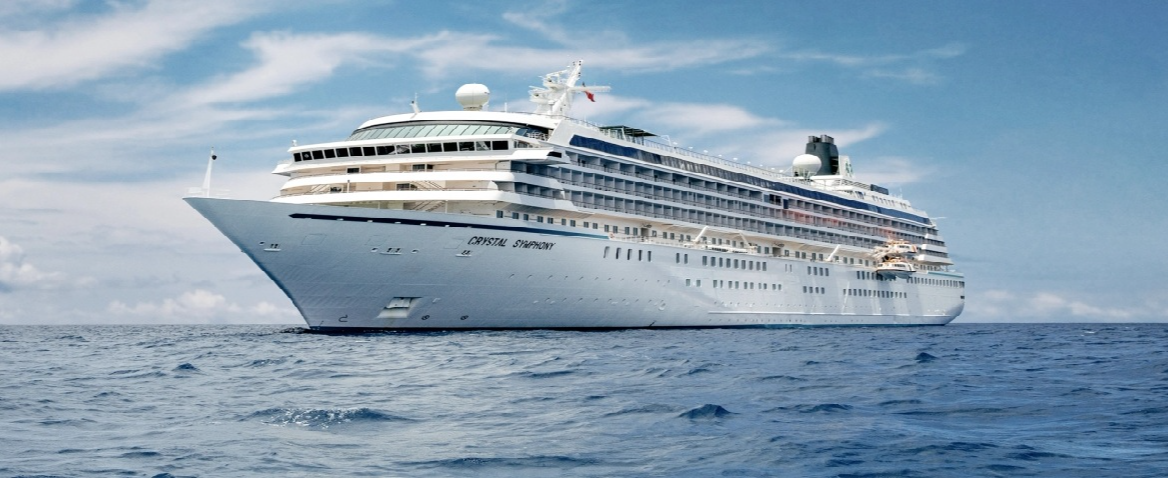
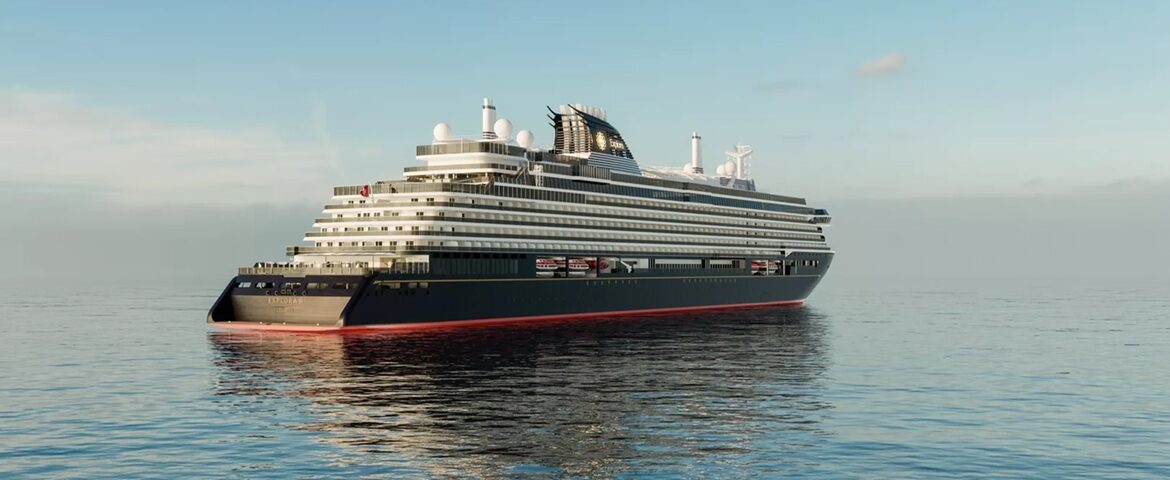
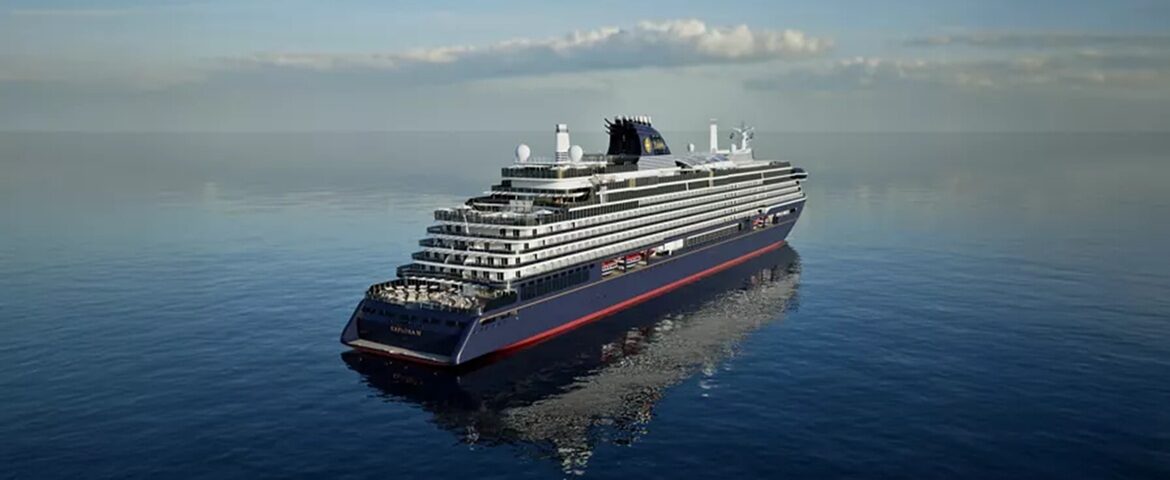
Explora Journeys (19 Cruises)
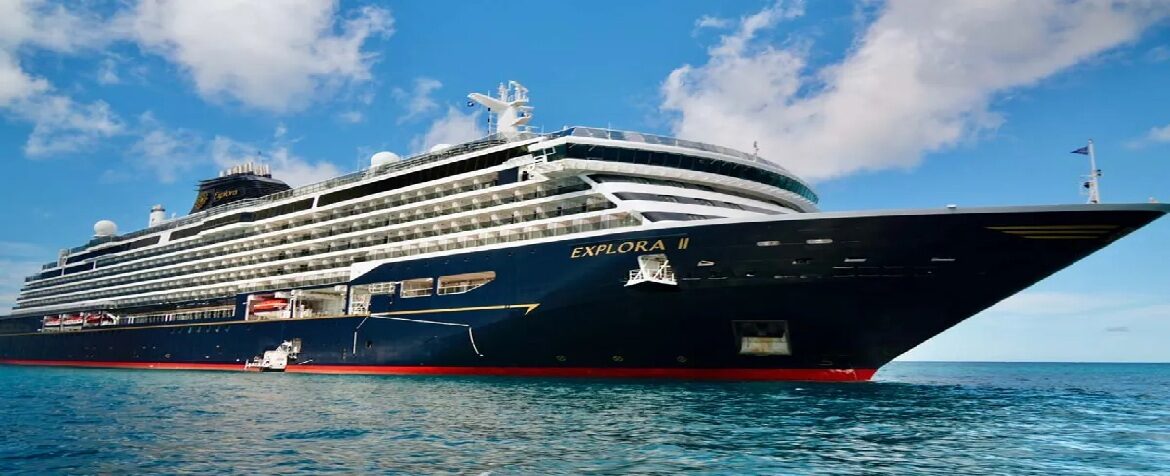

Explora III
9 Cruises
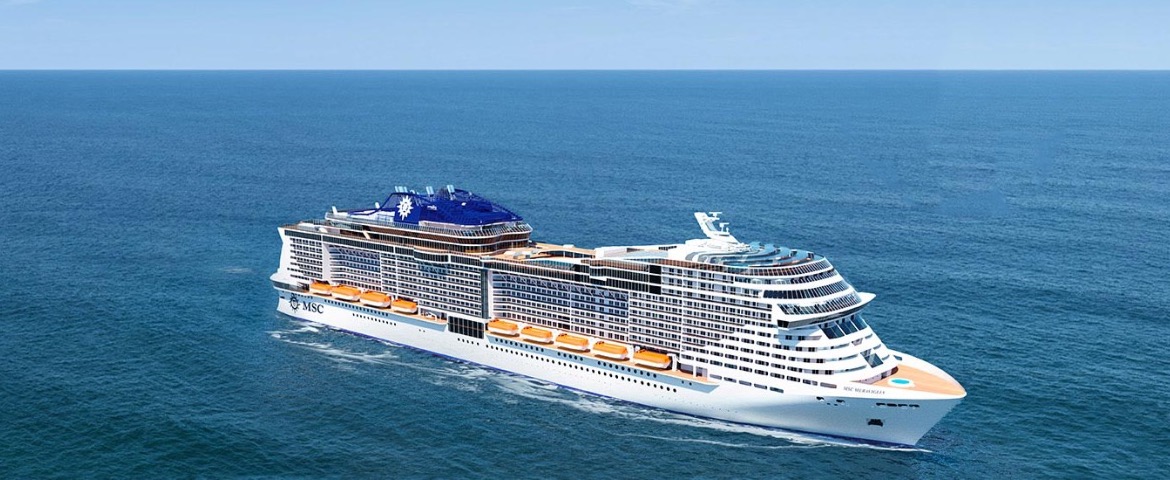
MSC Cruises (299 Cruises)
MSC Meraviglia
65 Cruises

MSC Opera
175 Cruises
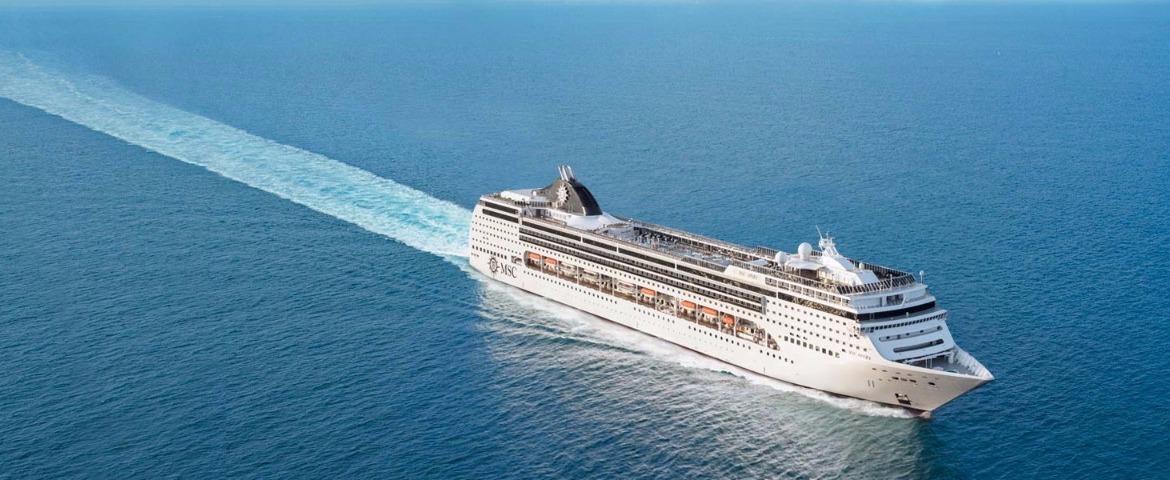
| 29 October | 26 days | One-way from Civitavecchia-Rome to La Romana |
450-628-6241
Call us
|
| 30 October | 25 days | One-way from Genoa to La Romana |
From
2278$
|
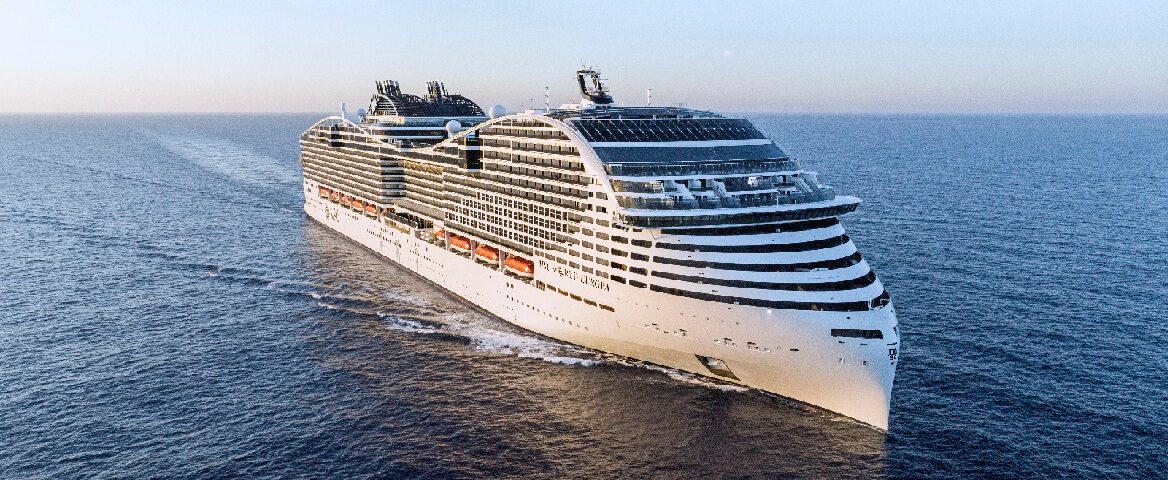
MSC World Europa
59 Cruises
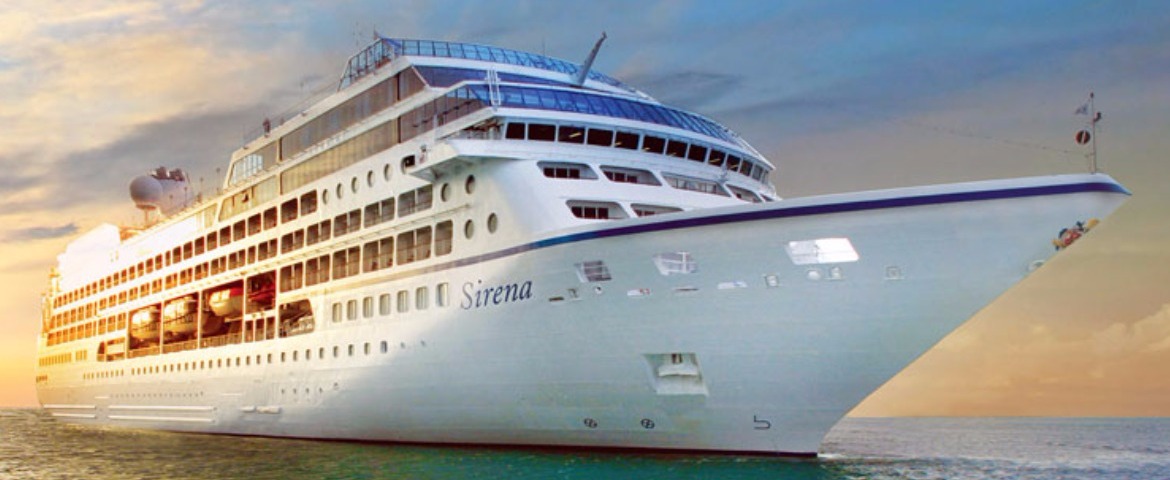
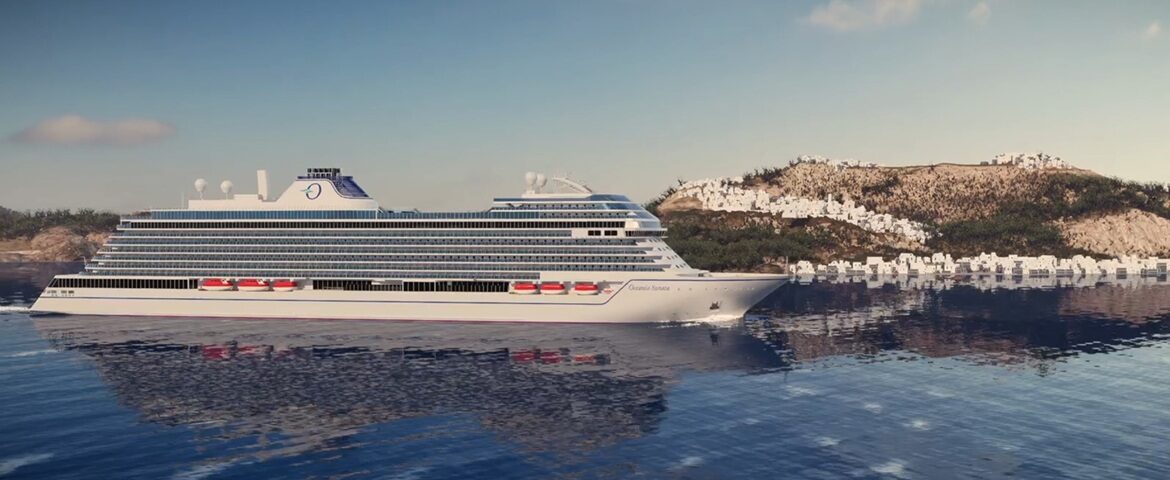
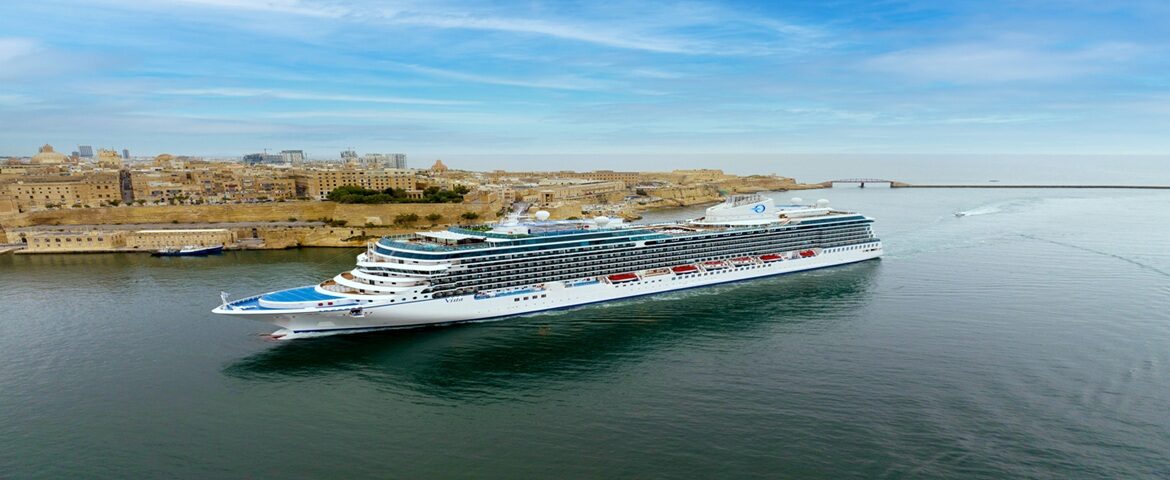
Oceania Cruises (15 Cruises)

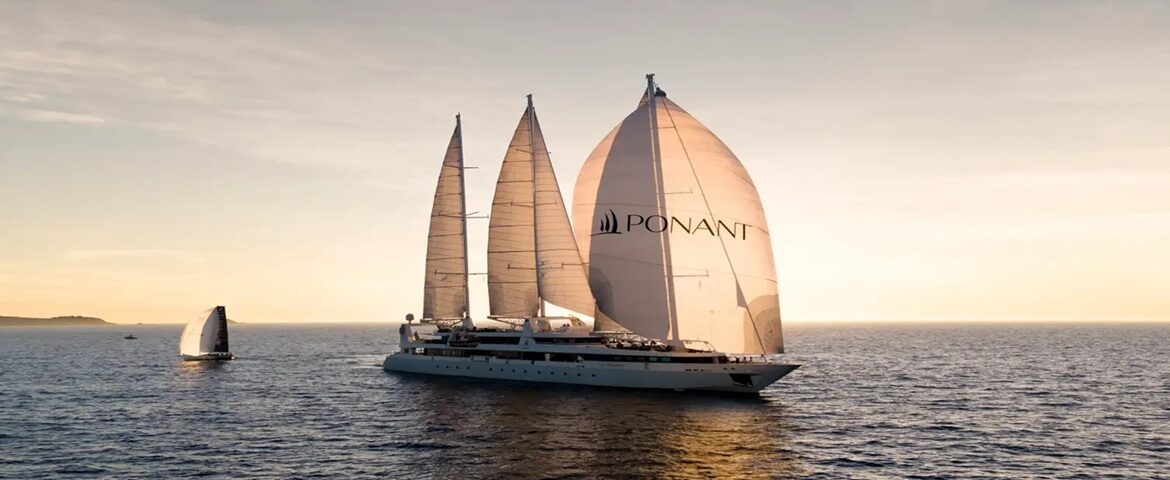
Ponant (35 Cruises)
Le Ponant
35 Cruises

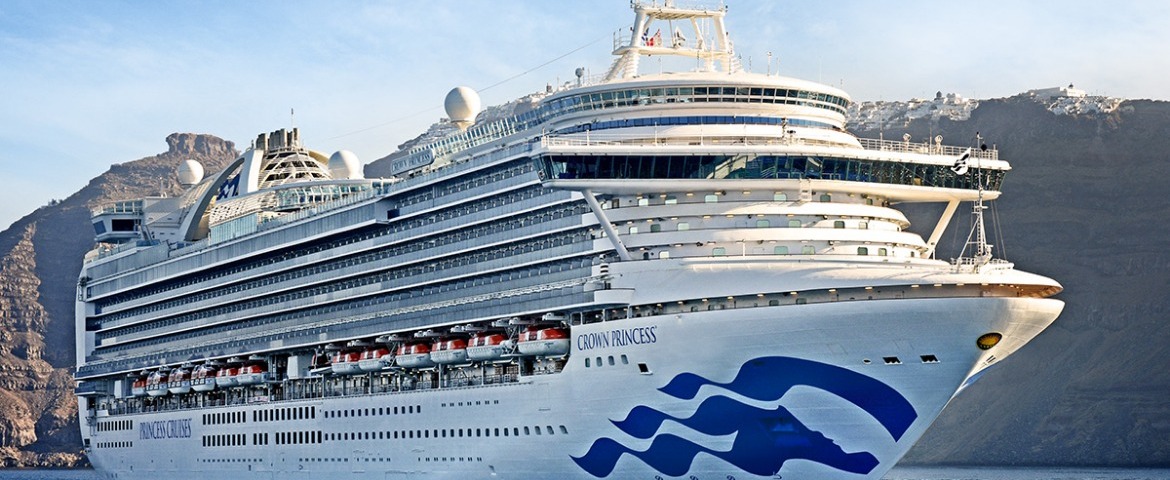
Princess Cruises (5 Cruises)
Crown Princess
4 Cruises

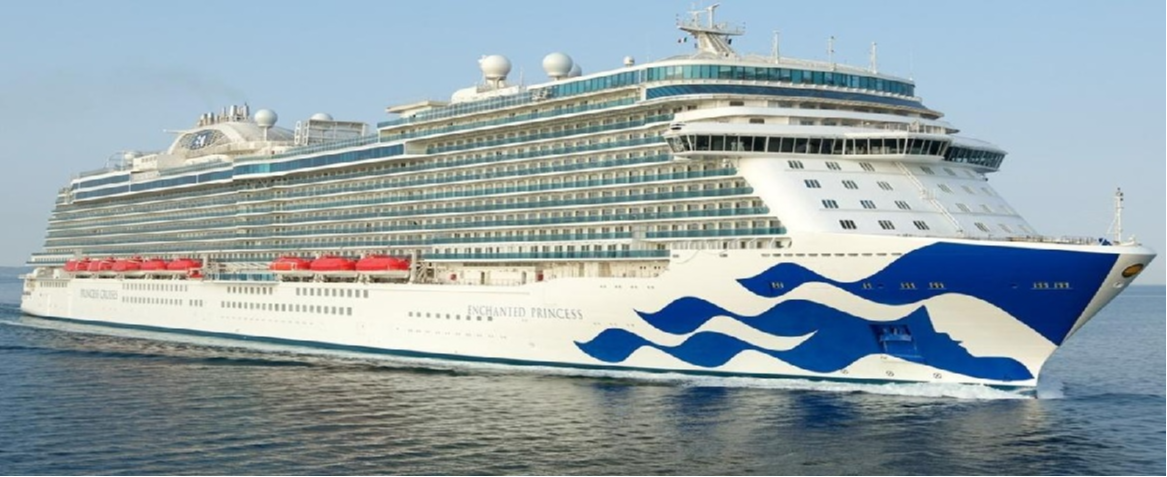
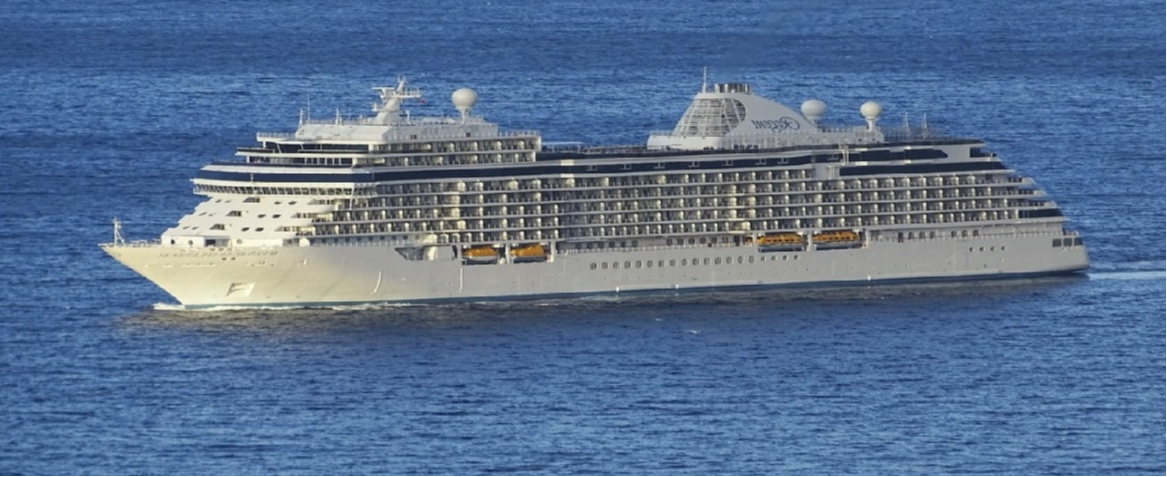
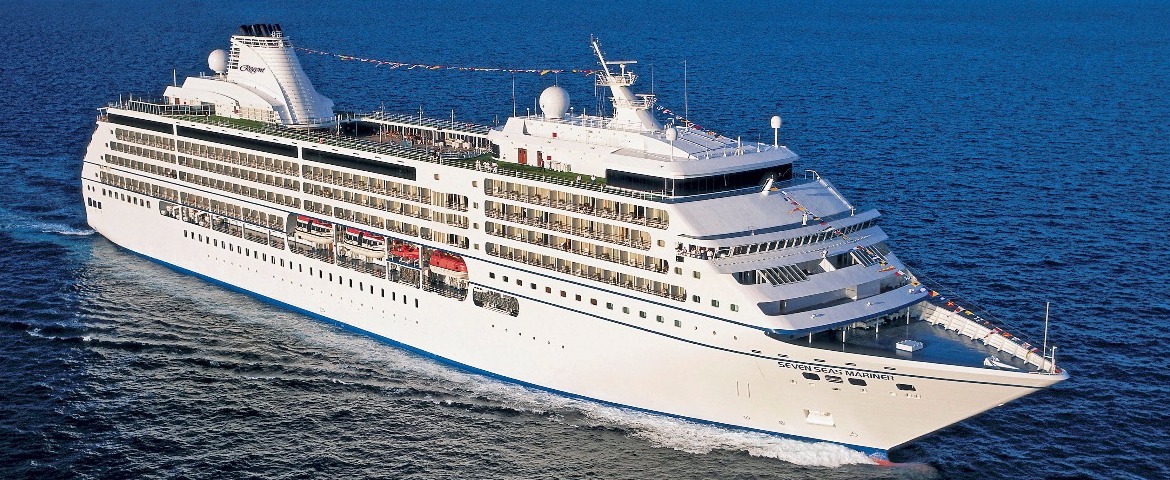
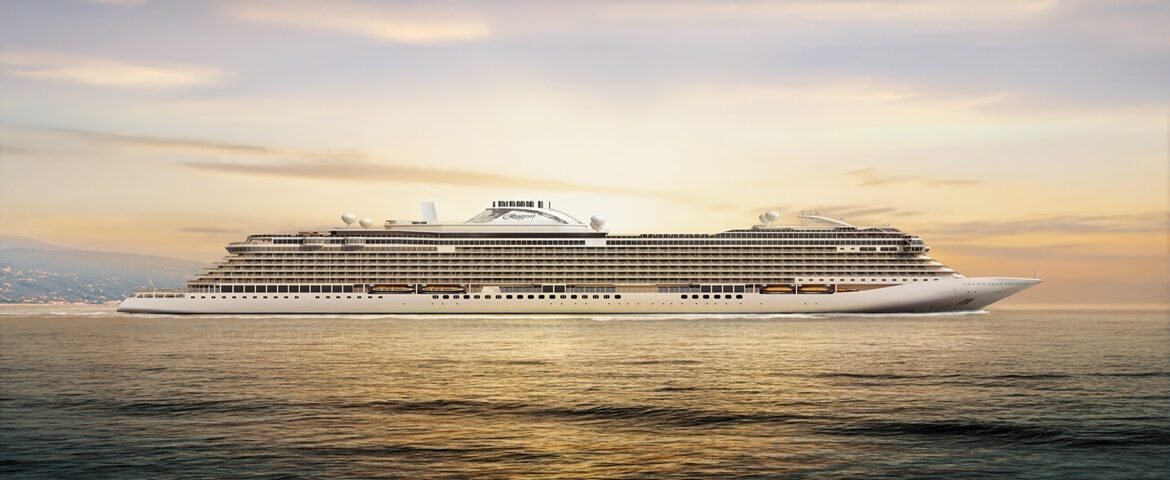
Regent Seven Seas Cruises (14 Cruises)
Seven Seas Grandeur
7 Cruises

Silversea Cruises (7 Cruises)
Silver Ray
6 Cruises

Port of Pointe-à-Pitre, Guadeloupe | Cruise Port Guide
Frequently Asked Questions
At the Saint-John Perse terminal, which opens directly onto the town centre. Everything is done on foot, with no shuttle and no detour.
No, Basse-Terre is the administrative capital. Pointe-à-Pitre has been the commercial heart since the 18th century, and it is where the ships tie up.
The Darse market on the waterfront, steps from the ships, for the morning's fish and medicinal herbs; and the spice market hall a little further up, for vanilla, cinnamon, colombo and rum punches.
Early. Fishermen lay out their catch at dawn, and the best pieces are gone before nine. By afternoon the town slows down noticeably.
The Caribbean centre devoted to the memory of the slave trade and slavery, on the site of the former Darboussier sugar factory, fifteen minutes' walk along the waterfront. Allow a good two hours: the permanent exhibition covers four centuries of Atlantic history.
Because behind its pale façade sits a bolted metal frame, designed in the 19th century to withstand earthquakes and hurricanes. Under its industrial arches, stained-glass light falls on dark wooden pews.
A broad esplanade lined with balconied colonial houses, five minutes from the market halls, shaded by century-old trees that have survived every hurricane. Bokit counters feed passers-by at all hours.
A fried sandwich born in Pointe-à-Pitre, sold at the counters on Place de la Victoire and across town. It is Guadeloupean fast food, and it earns the detour.
The poet and diplomat born here, Nobel laureate in literature in 1960. The museum bearing his name occupies an elegant Creole house with wrought-iron trim near Place de la Victoire, and traces his childhood in the city.
The euro. French and Creole share the conversation: step out of the terminal and it is the market women's Creole you hear first.


