Alghero Sardinia Italy
153
Cruises availables
At departure or passage at this port
CroisiEurope (6 Cruises)
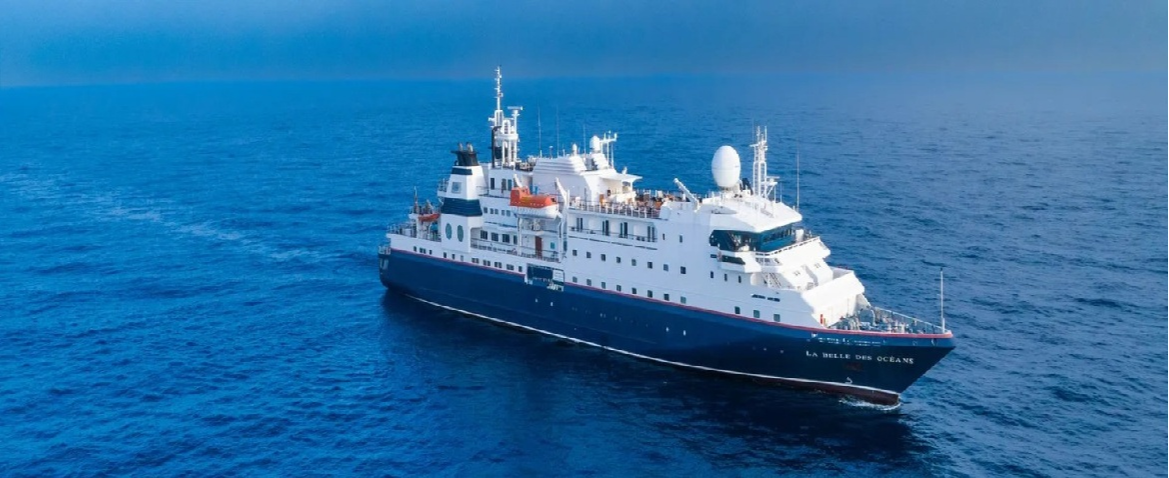
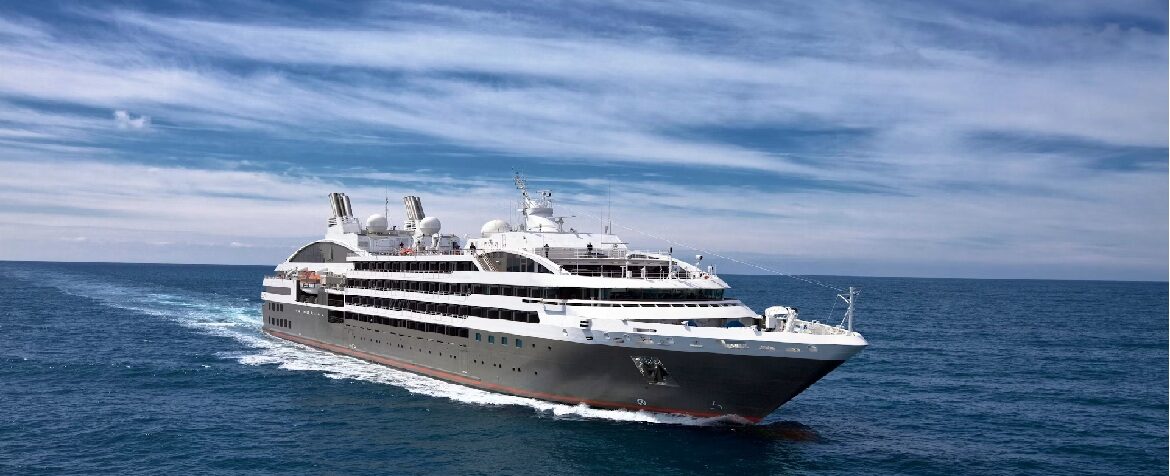
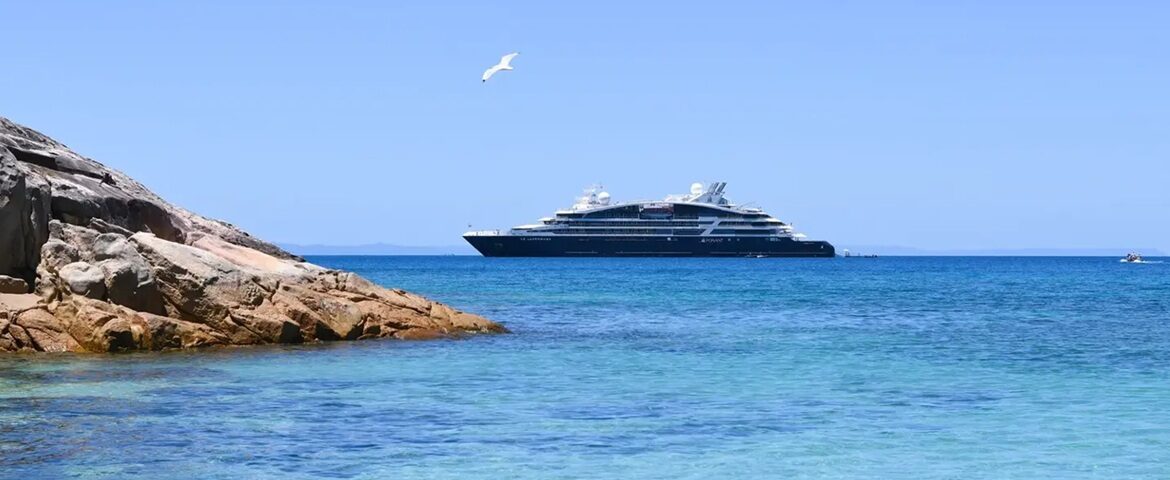
Mv La Belle Des Oceans
6 Cruises

| 30 April | 7 days | Round-trip La Dolce Vita along the Italian coastline - Tuscany, Sardinia, Elba, and the Cinque Terre port-to-port package |
450-628-6241
Call us
|
| 28 May | 7 days | Round-trip La Dolce Vita along the Italian coastline - Tuscany, Sardinia, Elba, and the Cinque Terre port-to-port package |
450-628-6241
Call us
|
| 25 June | 7 days | Round-trip La Dolce Vita along the Italian coastline - Tuscany, Sardinia, Elba, and the Cinque Terre port-to-port package |
450-628-6241
Call us
|
| 30 July | 7 days | Round-trip La Dolce Vita along the Italian coastline - Tuscany, Sardinia, Elba, and the Cinque Terre port-to-port package |
450-628-6241
Call us
|
Cunard (14 Cruises)
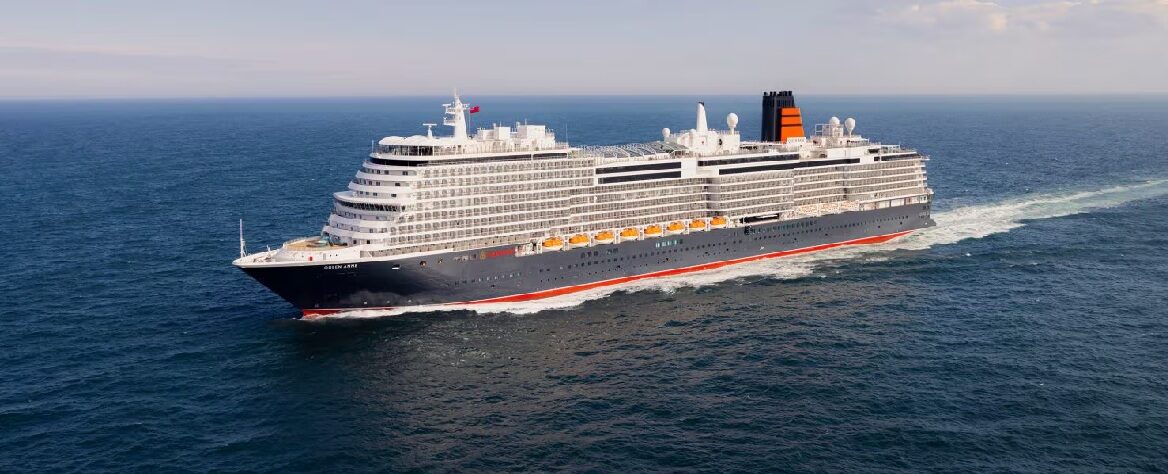

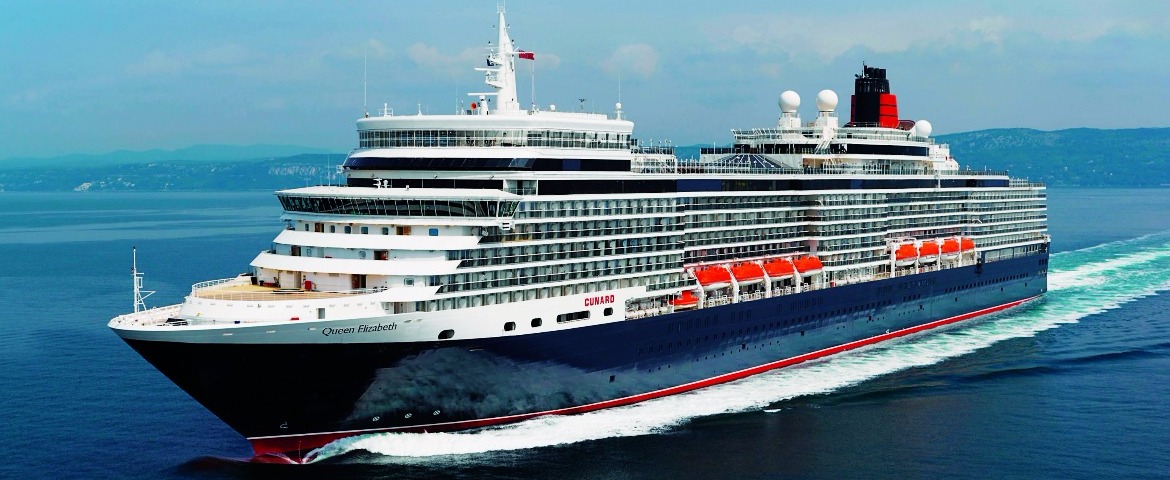
Queen Elizabeth
10 Cruises
Emerald Waterways (8 Cruises)
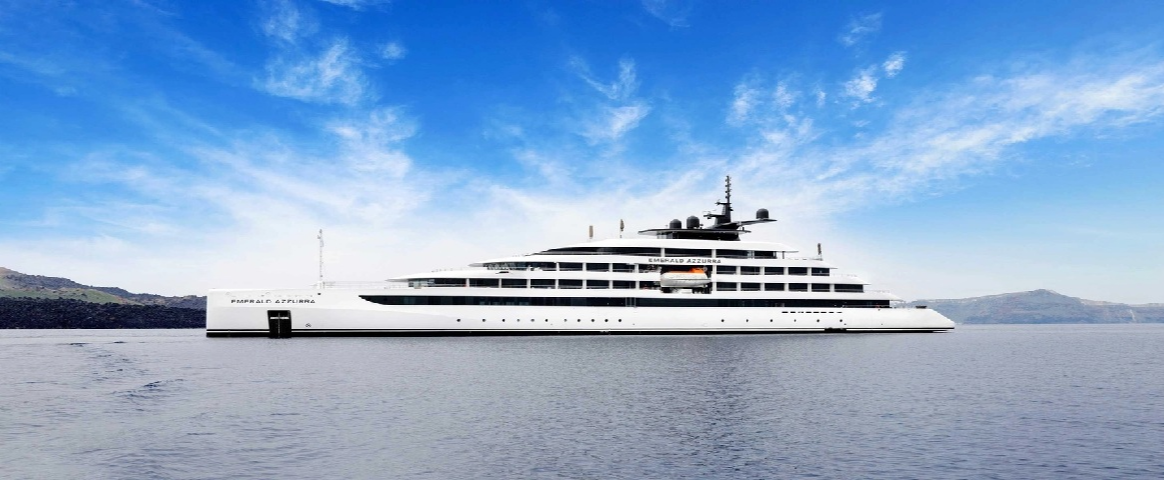

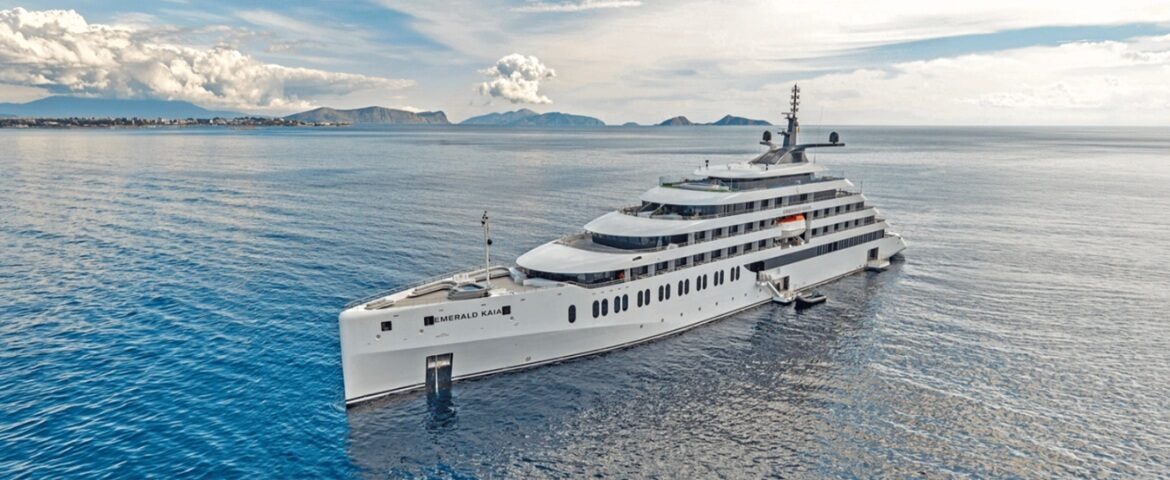
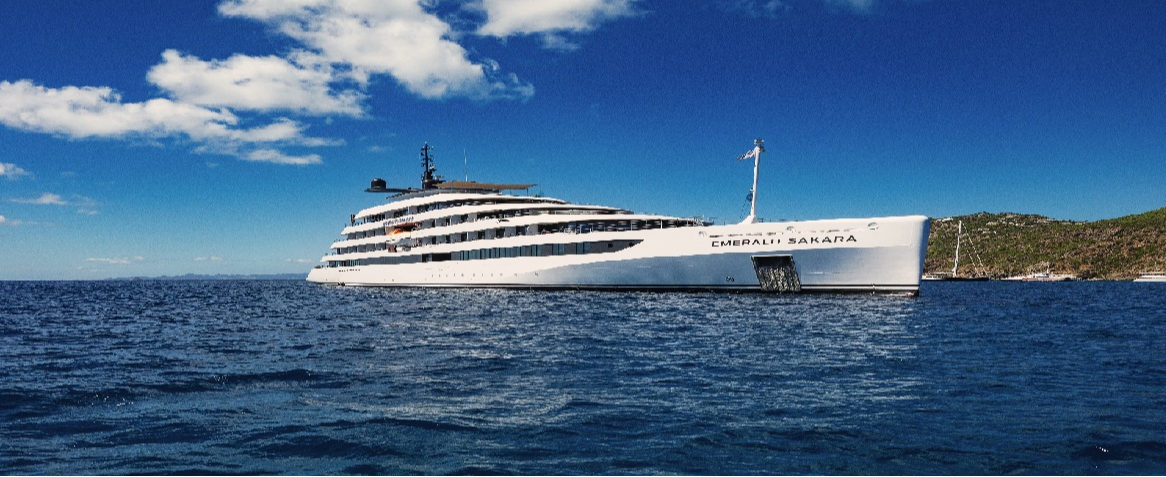
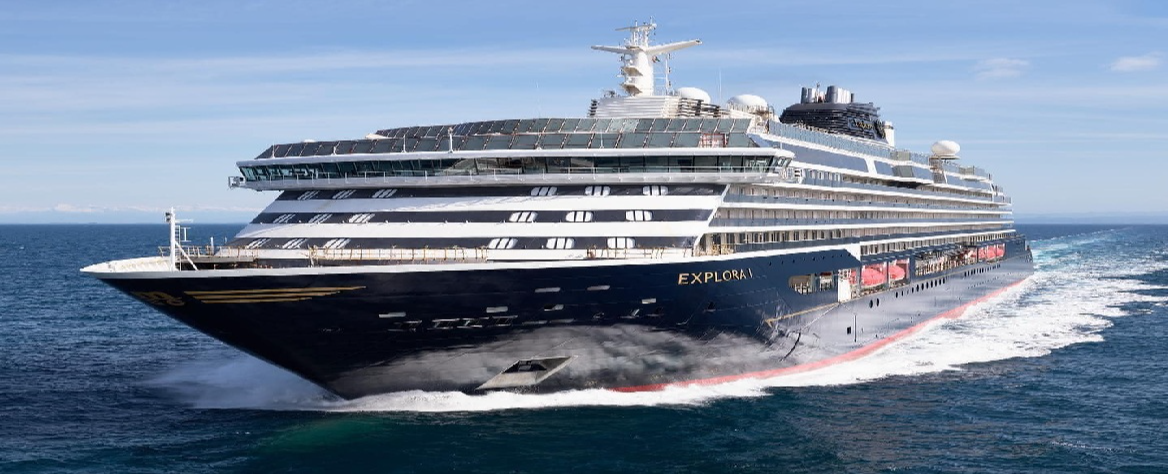
Explora Journeys (14 Cruises)
Explora I
14 Cruises

| 3 May | 8 days | One-way from Barcelona to Civitavecchia-Rome |
450-628-6241
Call us
|
| 3 May | 15 days | Round-trip from Barcelona, Spain |
450-628-6241
Call us
|

Princess Cruises (50 Cruises)
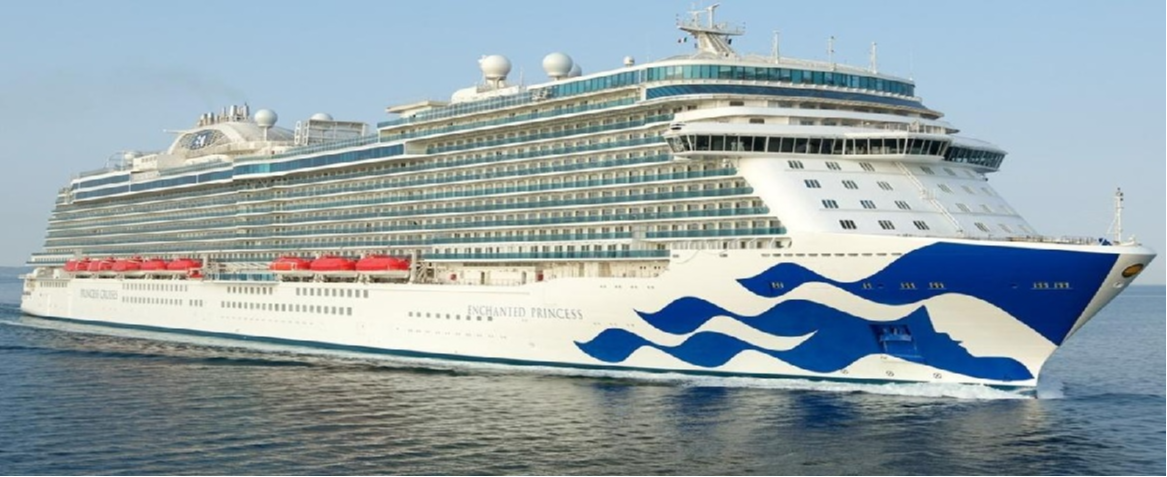
Enchanted Princess
33 Cruises

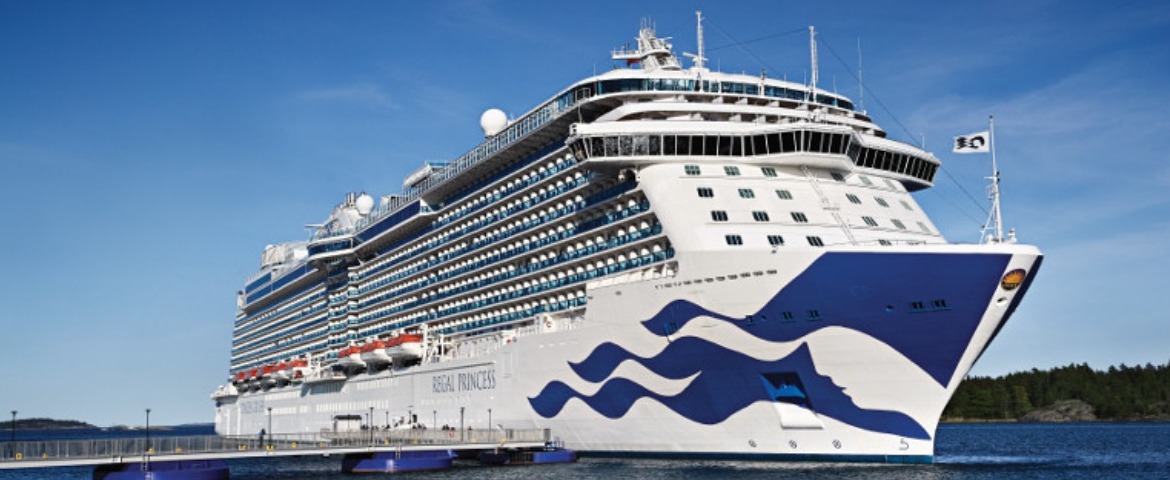
Regal Princess
11 Cruises
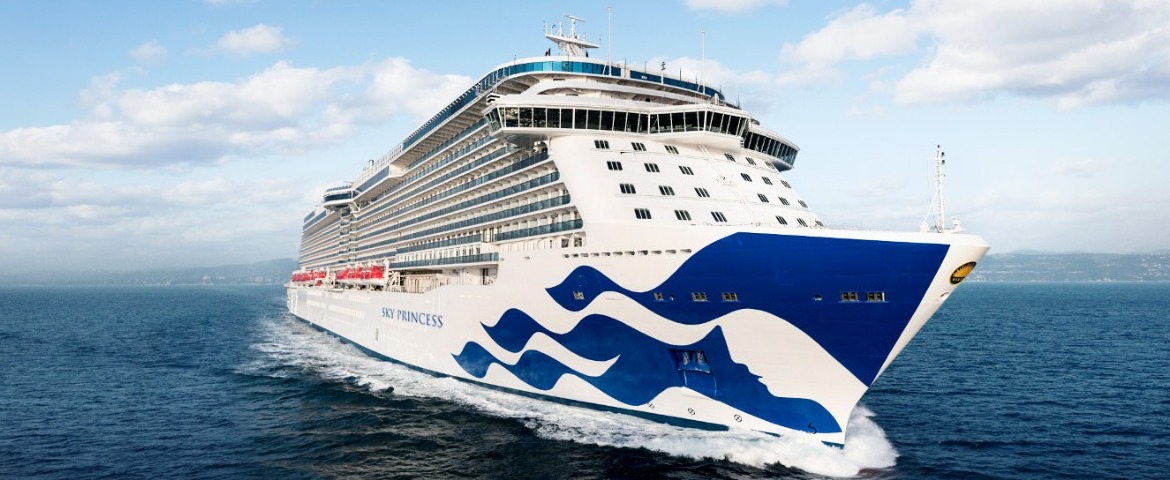
Sky Princess
6 Cruises
| 7 August | 15 days | Round-trip from Southampton, United Kingdom |
450-628-6241
Call us
|
| 28 August | 15 days | Round-trip from Southampton, United Kingdom |
450-628-6241
Call us
|
Seabourn Cruise Line (16 Cruises)
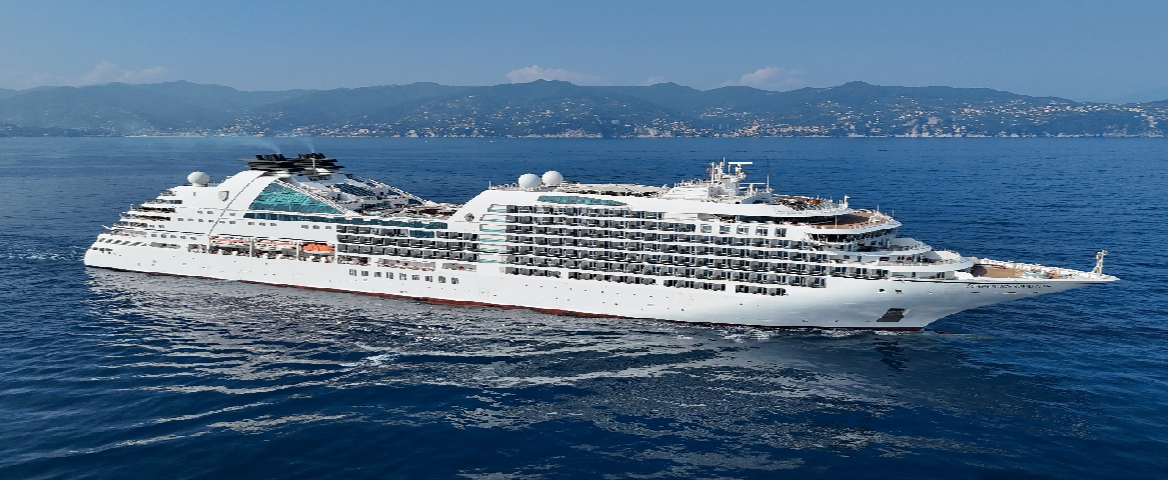
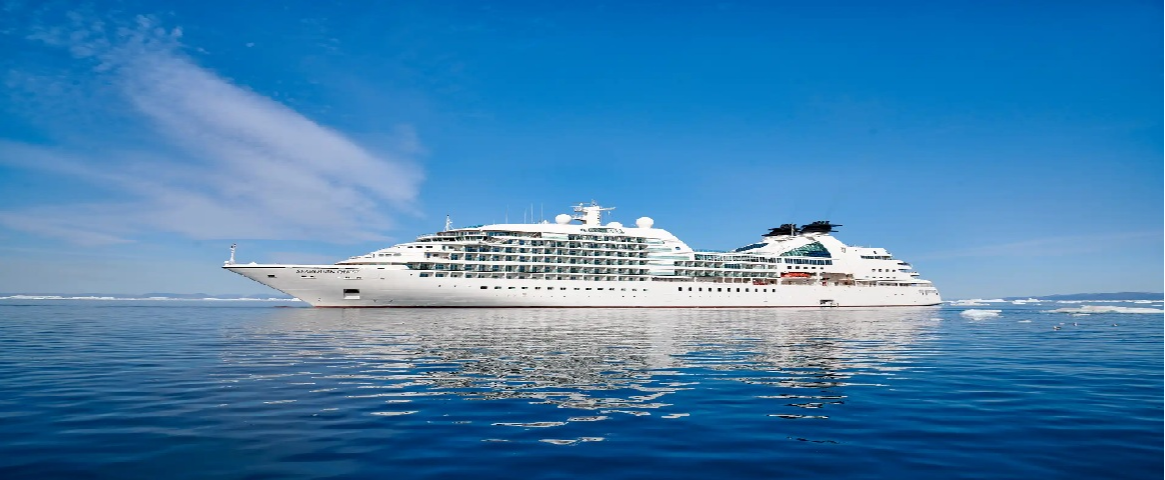
Seabourn Ovation
11 Cruises


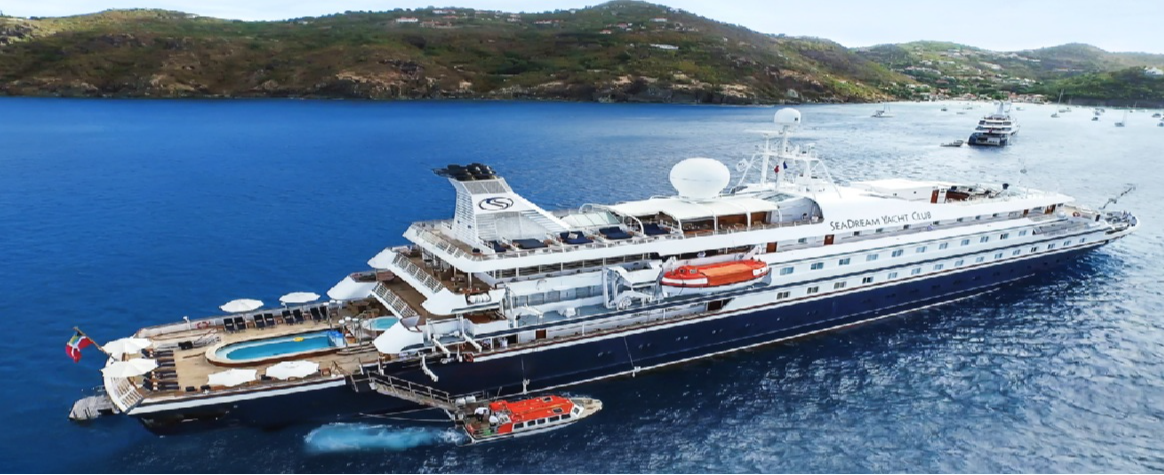
Silversea Cruises (26 Cruises)
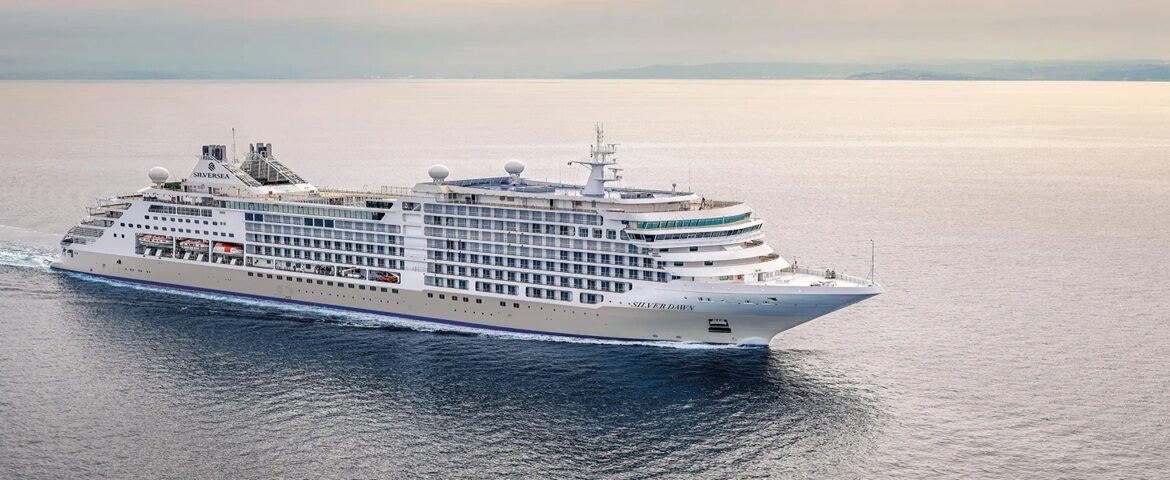

Silver Ray
13 Cruises
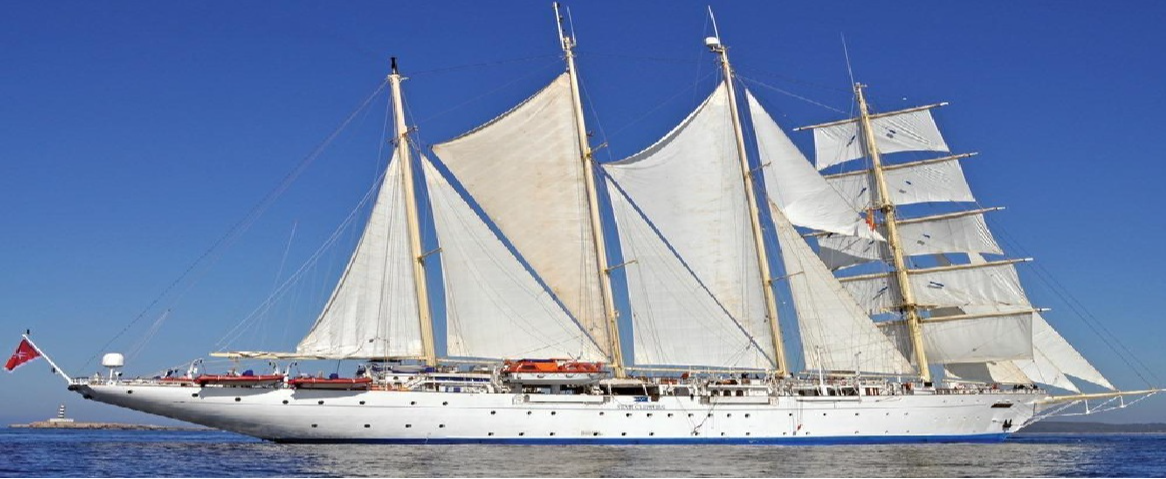
Star Clippers (10 Cruises)
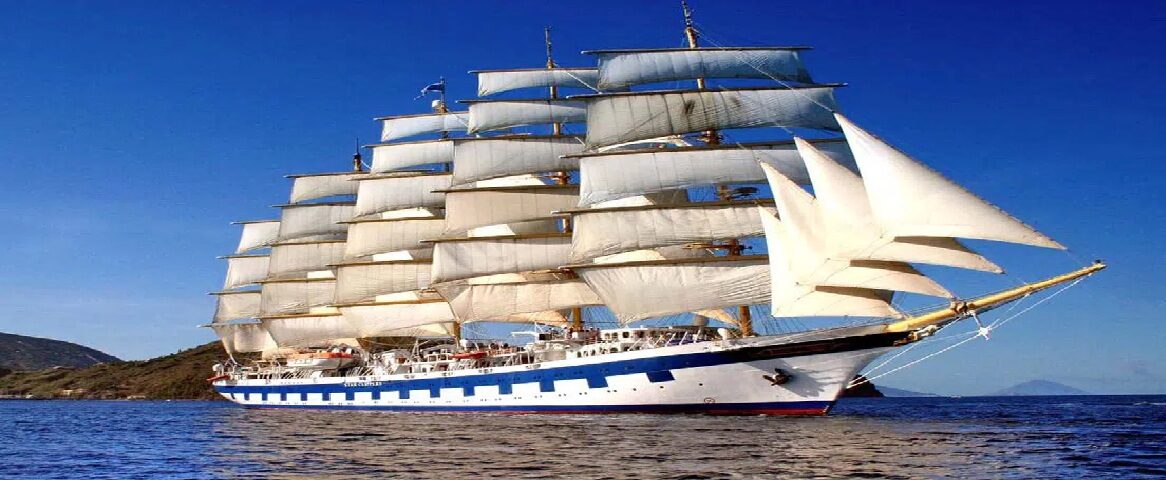
Royal Clipper
6 Cruises

Windstar Cruises (5 Cruises)
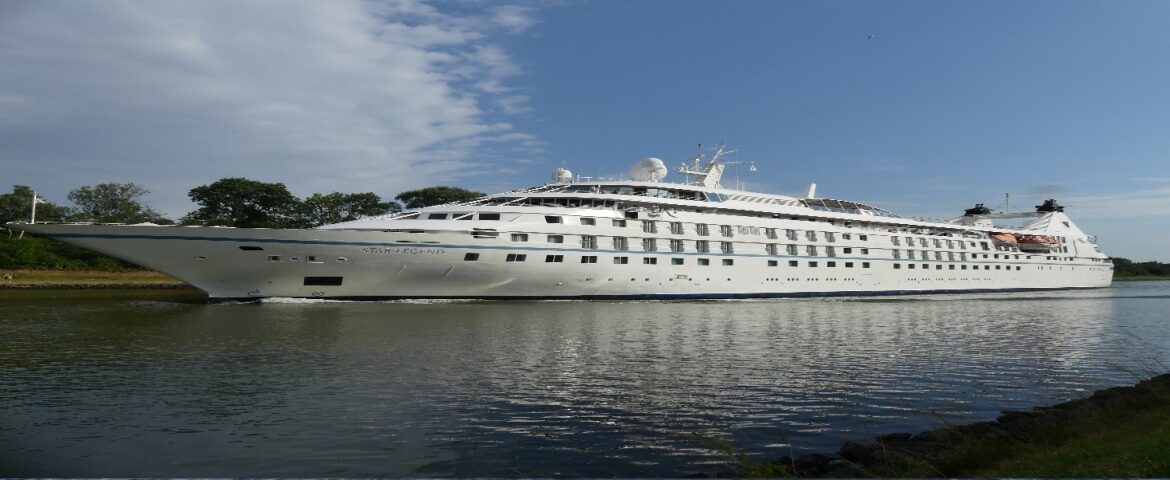
Star Legend
5 Cruises

Port of Alghero, Sardinia, Italy | Cruise Port Guide
Frequently Asked Questions
Ships anchor in the roadstead and tenders drop passengers right beside the old town: the ramparts stand less than thirty metres from the landing stage. No transfer, no waiting.
Yes, easily. The ramparts, the old town, the cathedral and the coral workshops are all walkable from the landing stage. A tourist office nearby can provide a map.
Because the town was resettled in the fourteenth century by colonists from Barcelona. Six centuries later their language still echoes in the lanes and on the street signs. Sardinians nickname the town Barceloneta, little Barcelona.
Two options. Stay in town: the rampart walk, Santa Maria cathedral, the San Francesco cloister and the red coral workshops. Or take a boat to Neptune's Grotto, which absorbs two to two and a half hours round trip.
Boats leave from the pier itself and reach Capo Caccia in about fifty minutes. Allow two to two and a half hours round trip, and book as soon as you come ashore. The fitter option is the Escala del Cabirol, a 654-step stairway cut into the cliff face.
A quarter of an hour is enough to walk the sixteenth-century Aragonese fortifications: watchtowers, sleeping cannons, terraces open to the water. The bastions carry explorers' names — Columbus, Magellan, Marco Polo — and the view reaches Capo Caccia.
A harvest practised offshore for generations, which earned the region the name Coral Riviera. Craftsmen in the old quarter turn it into jewellery of rare delicacy; their workshops can be visited freely in the lanes behind the cathedral.
Catalan-style lobster, sea urchins in season, pasta with bottarga, washed down with the mineral whites of the region. The trattorias along the ramparts chalk up the day's catch. For a quick stop, a slice of focaccia and a short coffee taken standing, as locals do.
The euro. Italian, Algherese Catalan, and decent English in the town-centre shops. Cards are accepted throughout the old town; keep some cash for markets and small workshops.
Yes, it is an anchorage: passengers come ashore by tender. In rough weather the swell can compromise the transfer. This is rare in summer, more common in spring and autumn when the mistral blows across north-western Sardinia.


