Otranto Italy

34 Cruises availables At departure or passage at this port

Otranto Puglia Italy | Adriatic Coast Cruise Guide

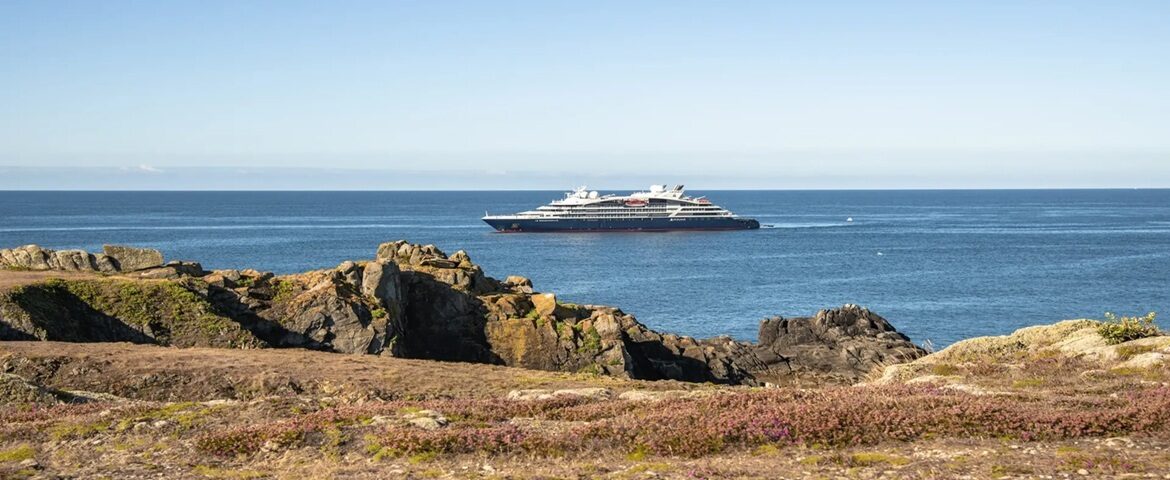
At the far eastern edge of Italy, where the Adriatic meets the Ionian Sea, Otranto has always looked toward the East. On clear days, the mountains of Albania can be made out on the horizon, less than 80 km away. Ships drop anchor in the bay and tender their passengers to the foot of the fortified old town, about 1.5 km from the centre depending on the landing point: ochre walls, a church dome and boats moored in a tiny harbour. The Salento's "gateway to the East" can be explored entirely on foot.

Entering the fortified town

Past the Porta Alfonsina, whitewashed lanes climb between artisans' shops, flower-filled balconies and little squares where laundry dries. Otranto's old town is small, dense and entirely pedestrian; it is easy to get lost for ten minutes before always ending up back at the sea. The ramparts can be followed on the seaward side, with views of the transparent waters that earned the region its maritime nicknames. On the jetty, fishermen mend their nets beneath the walls, indifferent to the comings and goings of holidaymakers.

The cathedral and its forest of mosaics

Nothing truly prepares you for the interior of the Cathedral of Santa Maria Annunziata, consecrated in the 11th century. The entire floor of the nave is covered with a 12th-century mosaic created by the monk Pantaleone: a giant tree of life where Adam and Eve, King Arthur, Alexander the Great, fabulous animals and the months of the year sit side by side. You literally walk on a medieval picture book, of a scale without equal in Europe. In a side chapel, the bones of the 800 Martyrs of Otranto, killed when the Ottomans took the town in 1480, are displayed behind large glass cases — a place of remembrance that grips visitors.

The Aragonese castle and little San Pietro

Rebuilt after 1480 to lock down the coast, the Aragonese castle presents its massive round towers and moats, crossed by a fixed bridge; its halls now host temporary exhibitions. The building gave its name to the first Gothic novel in history, Horace Walpole's The Castle of Otranto, published in 1764. A few lanes away, the Byzantine chapel of San Pietro, topped by a discreet dome, preserves ancient frescoes in a contemplative half-light — a five-minute visit worth more than many museums.

Swimming and coastal detours

At the foot of the walls, the town beach and nearby coves invite a dip in waters of remarkable clarity. The more curious will take a taxi or an excursion to two nearby sites: the Bay of the Turks and its shallow waters, or the former bauxite quarry, a small emerald lake surrounded by bright red cliffs, about 2 km from town. Farther south, the Punta Palascìa lighthouse marks the easternmost point of Italy — it is here that, every January 1, early risers come to greet the country's first dawn.

Flavours of the Salento

Otranto's tables celebrate the sea: raw fish dishes, orecchiette with seafood and the catch of the day fried. A pasticciotto, the small cream-filled cake typical of the Salento, is enjoyed with iced almond coffee, a summer specialty of the region. The town's shops also sell Apulian ceramics and Salento weavings, crafts that are very much alive in the province.

Returning to the tender, you turn around one last time toward the ramparts gilded by the setting sun. Otranto concentrates in a few hectares a millennium of encounters between East and West; the tree of life in its cathedral stays with travellers for a long time, well after the coast has disappeared behind the wake.

Frequently Asked Questions

Ships anchor in the bay and tender passengers ashore at the foot of the walled old town, about 1.5 km from the centre depending on the landing point. Like any tendered call, it can be cancelled if the sea picks up.
Completely. The walled town is small, dense and pedestrian: you enter through the Porta Alfonsina, climb between whitewashed lanes and always come back out at the sea. No transport is needed inside the walls.
The cathedral first, then the ramparts and the Aragonese castle, with a swim below the walls if the season allows. It all fits within a few hundred metres, which makes this one of the easiest calls to plan.
Its floor. The entire nave is covered by a 12th-century mosaic made by the monk Pantaleone: a vast tree of life where Adam and Eve, King Arthur, Alexander the Great, fabulous beasts and the months of the year all appear. You literally walk across a medieval picture book, on a scale unmatched in Europe.
Townspeople killed when the Ottomans took the city in 1480. Their bones are displayed behind large glass cases in a side chapel of the cathedral. It is a genuinely affecting memorial: warn sensitive children before going in.
Yes. A town beach and nearby coves lie at the foot of the walls, in remarkably clear water. Bring a swimsuit — this is one of the few ports where a swim is ten minutes' walk away.
A former pit that became a small emerald lake ringed by bright red cliffs, about 2 km from town, reached by taxi or tour. The contrast between green water and red earth is striking, but the site is raw and unimproved: closed shoes recommended.
The euro, and Italian. Cards work in old-town restaurants and shops, but keep cash for gelato and small vendors. English is spoken in tourist businesses, less so elsewhere.
May to June and September. The water is warm, the light is superb and the old town is easy to move through. July and August bring crowds of Italian holidaymakers into narrow lanes, and midday heat in the Salento is unforgiving.
Yes, remarkably so. Everything is within walking distance, the beach is right there, the round towers of the Aragonese castle appeal to children, and the lanes are traffic-free. Two caveats: uneven cobbles make strollers awkward, and the martyrs' chapel deserves a word of explanation first.