Porto Cervo Sardinia Italy

48 Cruises availables At departure or passage at this port

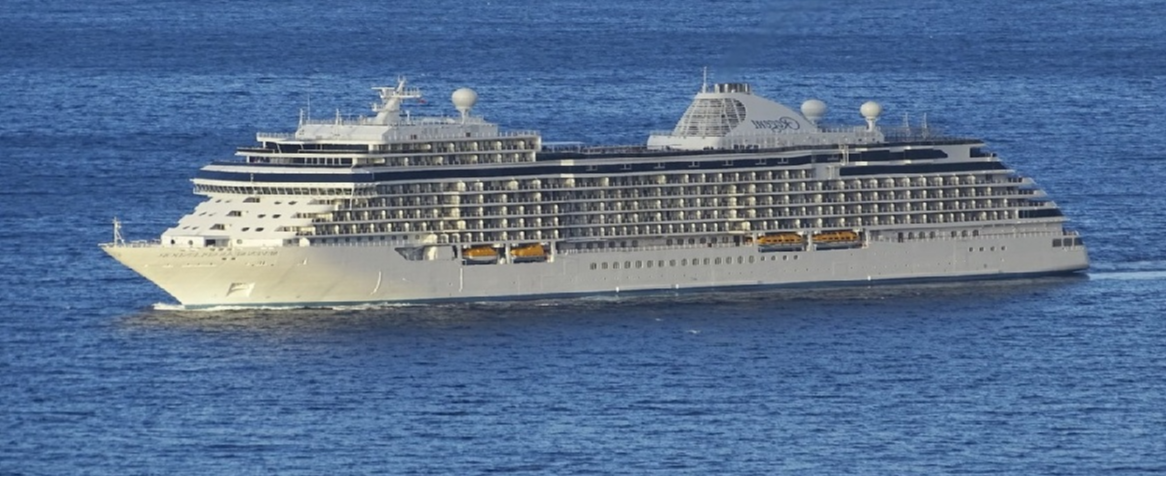
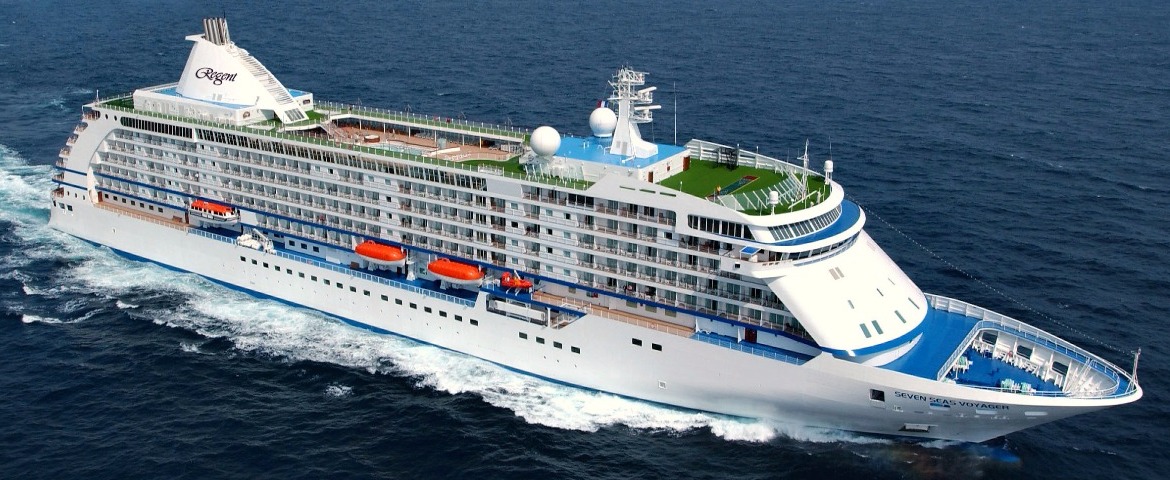
Emerald Waterways (17 Cruises)

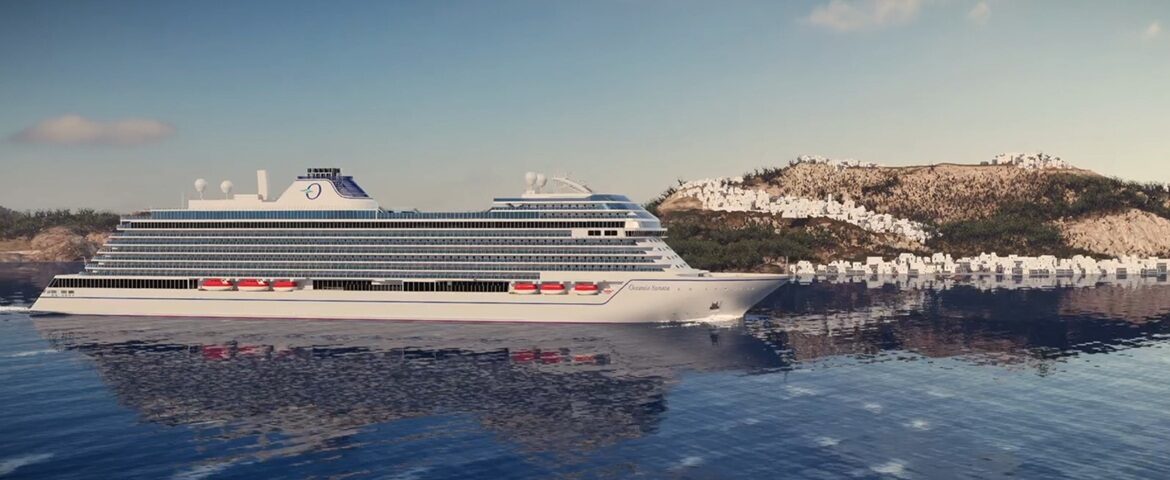
Oceania Cruises (14 Cruises)
Porto Cervo Sardinia | Costa Smeralda Cruise Guide

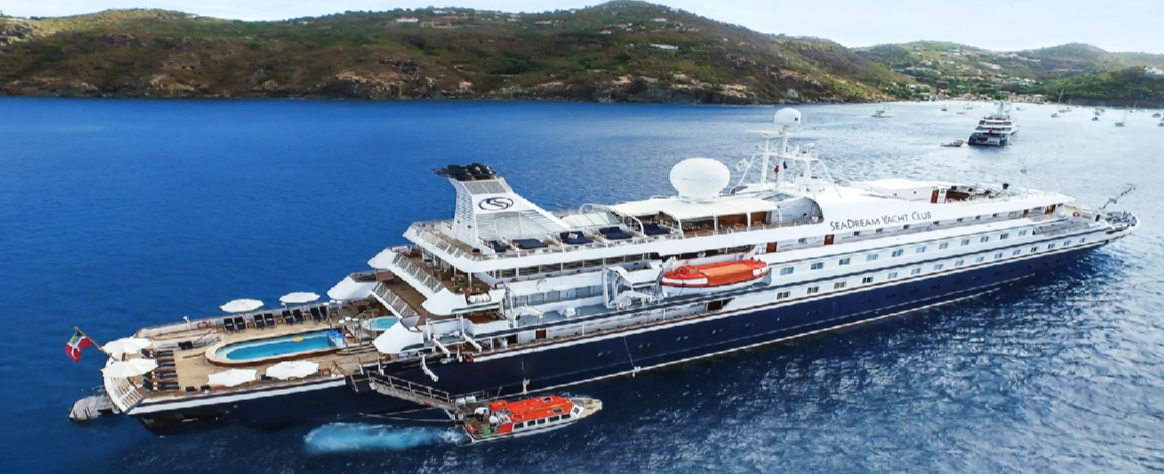
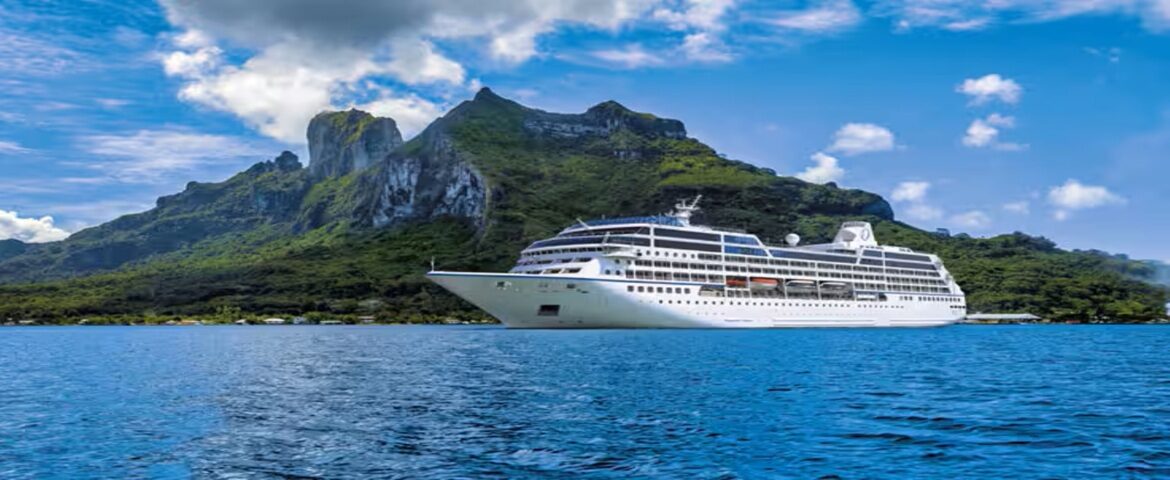
Porto Cervo is an invented village. In the early 1960s, the Aga Khan and a consortium of investors set their sights on this granite coast in northeastern Sardinia, then almost deserted, and entrusted architects with creating from scratch the capital of the Costa Smeralda. The result is both disconcerting and seductive: white and ochre houses with curved lines and no sharp angles, which seem to have grown between the rocks. Ships anchor in the bay and tenders drop their passengers right in the heart of the resort, a few metres from the first terraces.

The Piazzetta and the summer show

All the paths converge on the Piazzetta, the little central square where people come as much to watch as to be seen. The boutiques of the great Italian and French fashion houses hide behind deliberately modest façades, beneath the bougainvillea. In season, the show unfolds in the open air: racing yacht crews, families in espadrilles and celebrities behind dark glasses. Out of season, the village regains an almost unreal calm, and you can then quietly appreciate the astonishing architecture conceived by Luigi Vietti and his colleagues.

A panorama from Stella Maris

Climb a few minutes to the Stella Maris church, set on its hill above the harbour. This small 1960s building, all whiteness and curves, sums up the spirit of the place: a modernity that borrows from the Mediterranean vocabulary. From its forecourt, the view stretches over the marina and its masts to the hills of maquis that close off the horizon. It is the best viewpoint in the area, and it costs only a short climb. Inside, a Mater Dolorosa attributed to El Greco is a surprise in this holiday setting.

The marina, court of the giants

Below, the old harbour and the modern marina offer some 700 berths, about a hundred of them reserved for the largest yachts on the planet. A walk along the pontoons is like a permanent boat show: racing sailboats, classic schooners and private vessels the size of a ferry stand side by side. The waterfront cafés let you watch this ballet while sipping an espresso or a glass of Vermentino, the Gallura white wine produced a few kilometres away.

The water, the real wealth

Beyond the shop windows, the Costa Smeralda owes its name to the sea. A short distance from the village, the cove of Cala Granu offers pale sand and translucent water in a setting of pink granite and maquis. Boat excursions head to the La Maddalena archipelago, a national park of dozens of islands and coves where boats drop anchor for swimming: the shades of green and blue there explain the coast's success better than any speech. Along the way, guides point out Budelli Island and its pink beach, now protected, which you admire from the deck without setting foot on it. Snorkellers will find seabeds of a clarity rare in the Mediterranean.

Before raising anchor

Porto Cervo is visited the way you leaf through a magazine: without rushing, lingering over the pictures. With an artisanal ice cream in hand, treat yourself to one last tour of the Piazzetta and the vaulted passages that lead down to the water. You may smile at this setting designed for la dolce vita; you can also admire the coherence of the project and the raw beauty of the granite and sea surrounding it. Either way, the port call leaves a clear image: that of a place unique of its kind, born of a slightly crazy bet on one of the most beautiful coastlines in the Mediterranean.

Frequently Asked Questions

It doesn't: ships anchor in the bay and tenders land passengers in the heart of the resort, metres from the first terraces. Like any tendered call, it can be cancelled if the wind gets up on the Costa Smeralda.
Entirely. The village is small, pedestrian and compact: the Piazzetta, the vaulted passages running down to the water, the marina and the Stella Maris church all sit within a few hundred metres of the landing.
Two possible days, one at a time. Either the village and its marina, with the climb to Stella Maris and a stroll under the bougainvillea; or a boat excursion to the La Maddalena archipelago for swimming. Trying to do both means doing neither properly.
Because it was invented. In the early 1960s the Aga Khan and a group of investors commissioned architects, Luigi Vietti among them, to create the capital of the Costa Smeralda from scratch on a nearly empty granite coast. Hence the white and ochre houses with curved lines and no sharp angles, set among the rocks.
A Mater Dolorosa attributed to El Greco, unexpected in this holiday setting. The 1960s building, all whiteness and curves, is a few minutes' climb from the harbour, and its forecourt gives the best view around over the marina and the maquis-covered hills.
Yes. Cala Granu, a short distance from the village, offers pale sand and translucent water framed by pink granite and maquis. Boat excursions to La Maddalena also include swim stops.
A national park of dozens of islands and inlets north of the Costa Smeralda, where boats anchor for swimming in water whose greens and blues explain this coast's reputation better than any brochure. On the way, guides point out the island of Budelli and its pink beach, now protected: you admire it from the deck without setting foot on it.
Yes, in a different way. Off season the village returns to an almost unreal calm and you can take in the architecture at leisure, but some shops and restaurants close. In season the Piazzetta becomes open-air theatre: racing yacht crews, families in espadrilles, celebrities behind dark glasses.
The euro and Italian, though you will hear plenty of English, French and German: the clientele is international and staff adapt. Cards are accepted everywhere.
Yes, with one caveat. The village is pedestrian, safe and easy to cover, and children like Cala Granu. But there is no theme park and no museum: the day rests on strolling, shop windows and the sea. Younger children get bored unless swimming is part of the plan.