Porto Empedocle Agrigento, Sicily Italy
46
Cruises availables
At departure or passage at this port
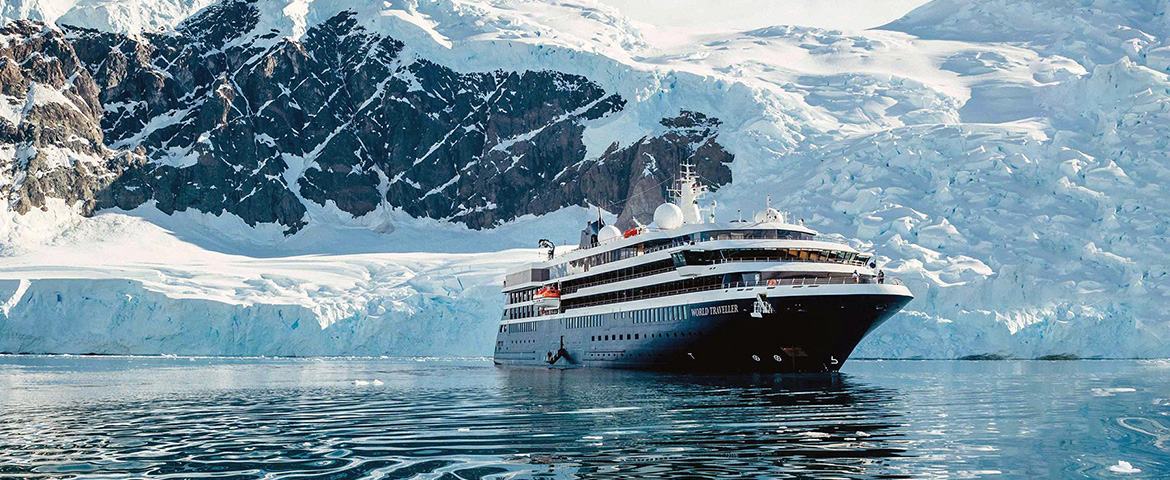
Atlas Ocean Voyages (2 Cruises)

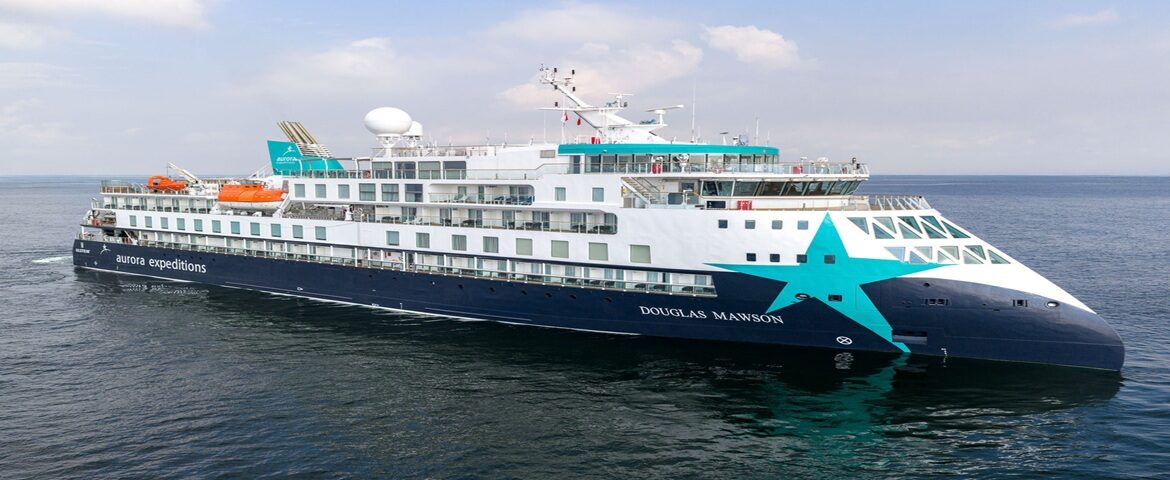
Aurora Expeditions (2 Cruises)

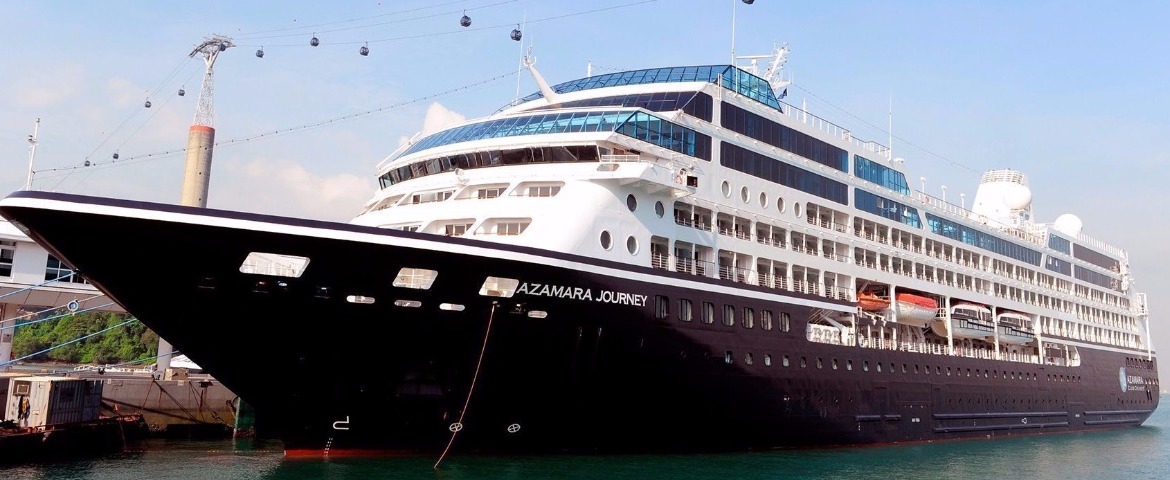
Azamara Club Cruises (2 Cruises)

CroisiEurope (7 Cruises)


Emerald Waterways (11 Cruises)
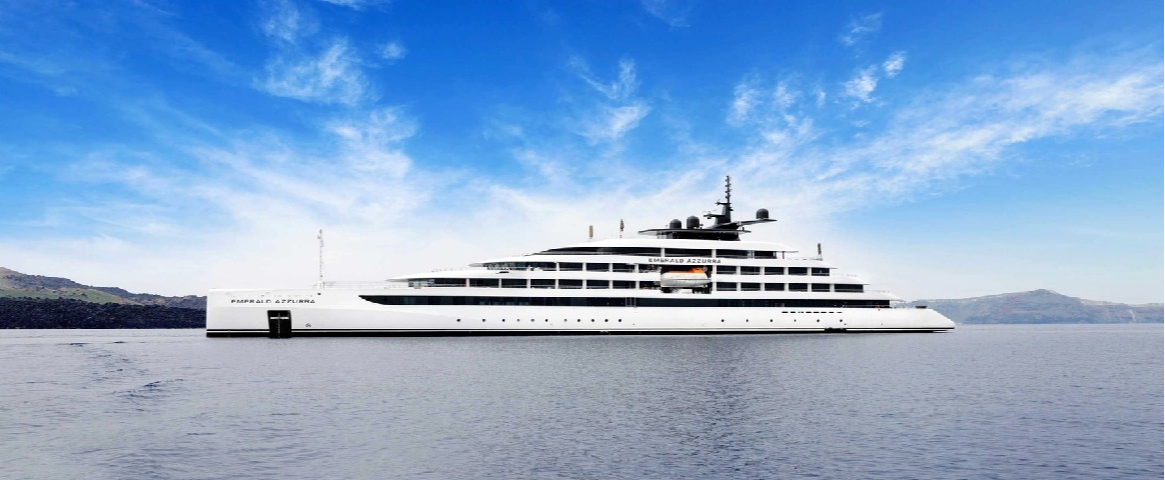
Emerald Azzurra
5 Cruises

Lindblad Expeditions (4 Cruises)
Sea Cloud
4 Cruises
 Image not available


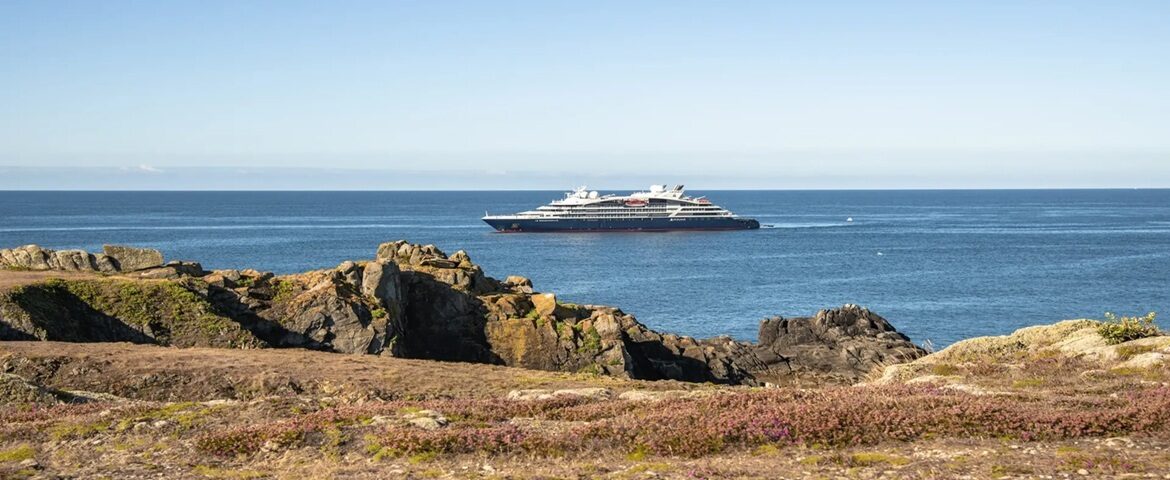
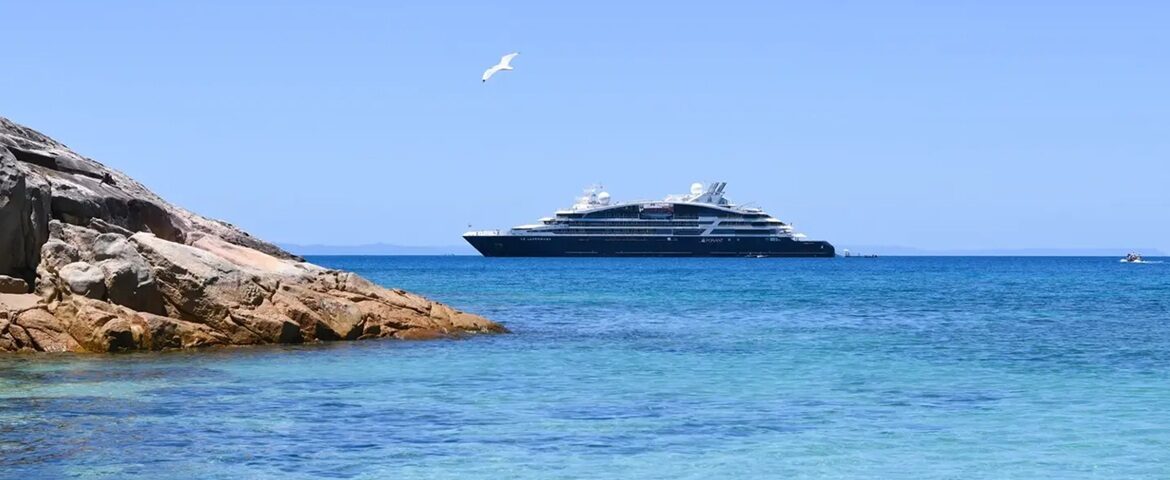
Windstar Cruises (14 Cruises)
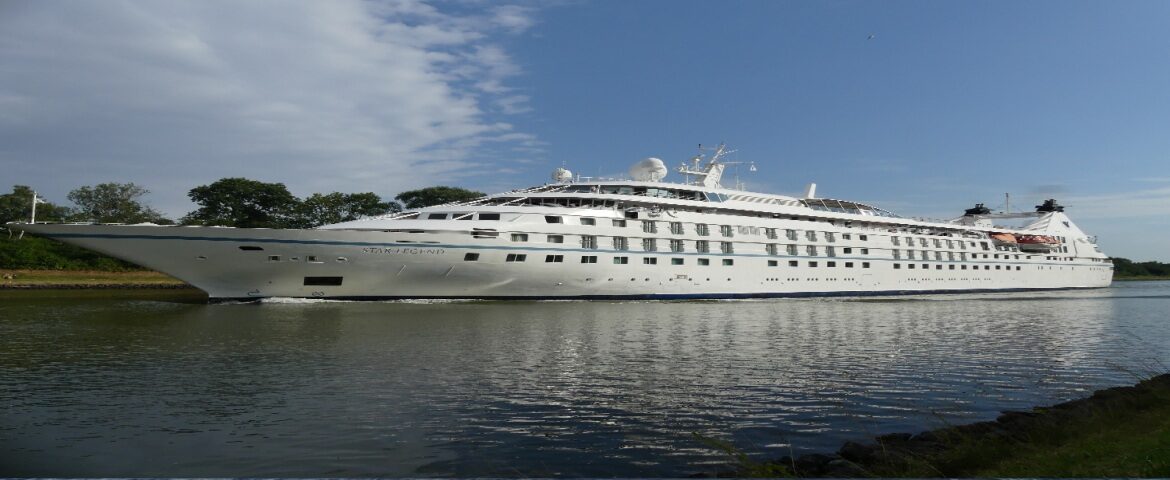
Star Legend
14 Cruises

| 24 June | 21 nights | One-way from Barcelona to Civitavecchia-Rome |
450-628-6241
Call us
|
| 28 June | 17 nights | One-way from Barcelona to Civitavecchia-Rome |
450-628-6241
Call us
|
| 5 July | 10 nights | Round-trip from Civitavecchia-Rome, Italy |
450-628-6241
Call us
|
| 5 July | 16 nights | Round-trip from Civitavecchia-Rome, Italy |
450-628-6241
Call us
|

Porto Empedocle Sicily | Valley of the Temples Cruise Guide
Frequently Asked Questions
At the Porto Empedocle basin on Sicily's south coast. It is a working port with silos and cranes: the town is walkable from the quay, but the heart of the call lies a few kilometres away, in the Valley of the Temples.
About 7 km from the quay. A short transfer by coach, taxi or tourist shuttle takes you to the Agrigento site, a UNESCO World Heritage property.
The Valley of the Temples, without hesitation. Allow two to three hours on site: it stretches over more than a kilometre. That leaves an hour for the town itself, or for the Scala dei Turchi if you prefer landscape to ruins.
The Doric sanctuaries of ancient Akragas, founded in the 6th century BC, lined along a ridge facing the sea among olive and almond trees. The Temple of Concordia, almost intact thanks to its medieval conversion into a church, is among the best-preserved Greek buildings anywhere; those of Hera and Heracles raise their golden columns against the sky.
A brilliant white marl cliff, wind-sculpted into rounded steps that drop toward turquoise water, 5 km west of the landing. Its name recalls the Barbary corsairs said to have come ashore there. Access to the rock itself is restricted to protect the site: you take it in from the viewpoints and the nearby beach.
Yes, several excursions pair them, and it is the ideal formula for a full day. On a short call you have to choose, and the temples deserve priority.
Andrea Camilleri, born here in 1925, modelled Vigàta, Inspector Montalbano's town, on his birthplace. The town honours him down to its street signs, and a bronze statue of the inspector sits eternally at a table on Via Roma, near the writer's birth house.
An hour, no more, and without illusions. It is an unvarnished working town where cafés serve lemon granita to dockers and travellers alike, with the tower of Charles V watching over the silos. That lack of tourist polish is its character, but anyone after a Sicilian postcard will be disappointed.
The euro and Italian. Cards work at the archaeological site and in restaurants, but keep cash for cafés and small shops. English is not widely spoken in town, rather better at the Valley of the Temples.
March to May and September to October. The archaeological site offers almost no shade and the Agrigento summer often tops 35 °C. The almond blossom, celebrated each winter around the temples, gives the region an entirely different face in February.


