Sasebo Japan Nagasaki
49
Cruises availables
At departure or passage at this port
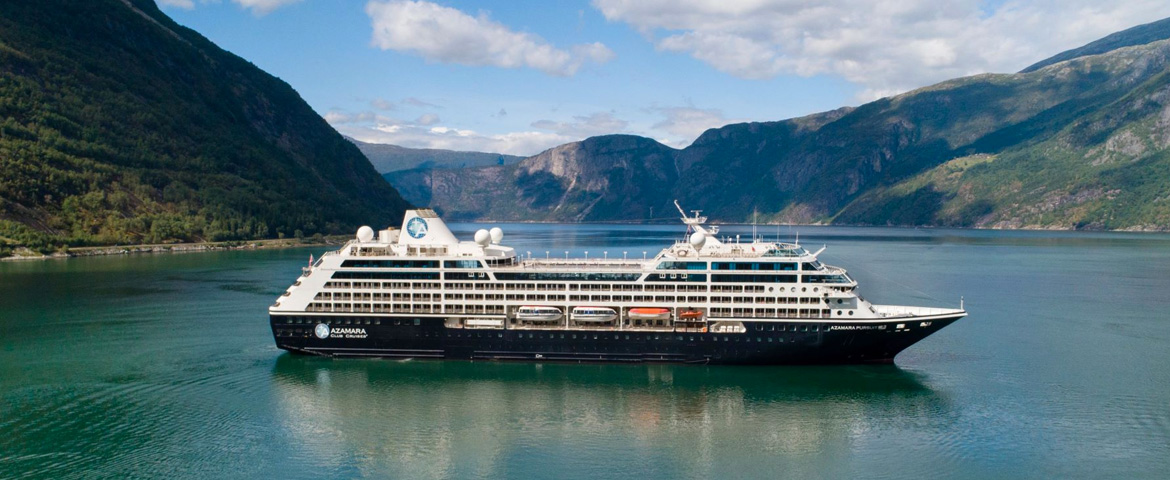
Azamara Club Cruises (9 Cruises)

Costa Cruises (8 Cruises)
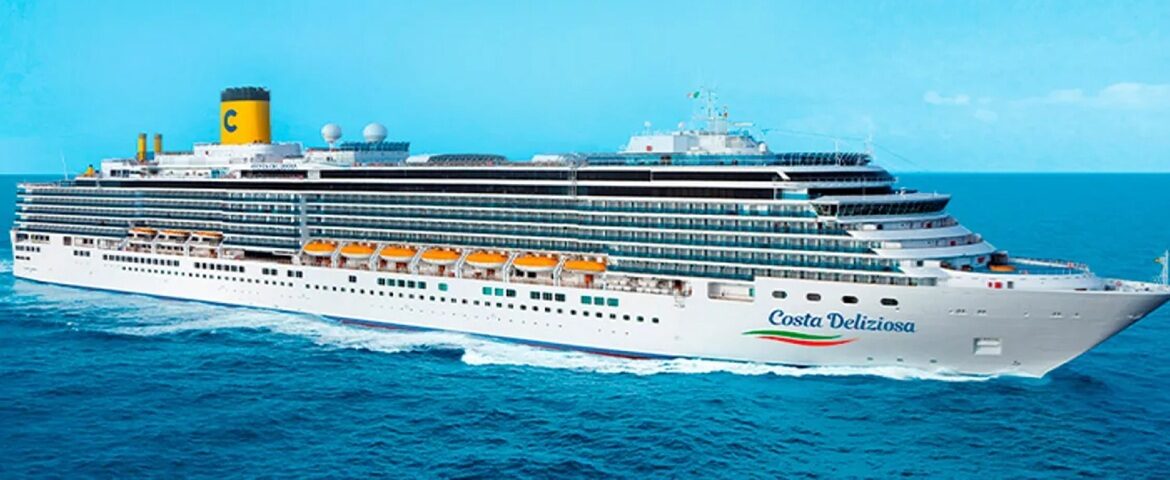
Costa Deliziosa
8 Cruises

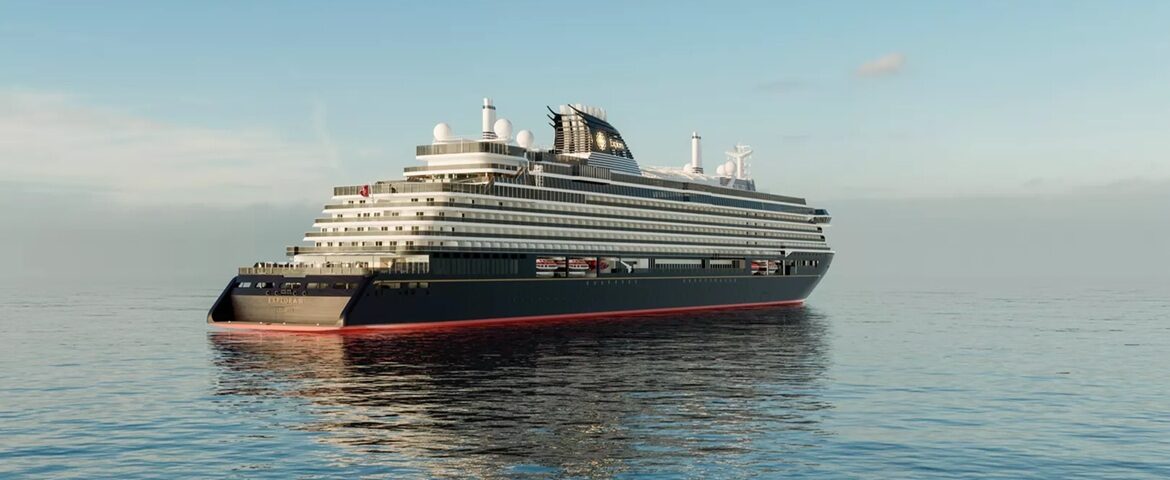
Explora Journeys (1 Cruises)

MSC Cruises (10 Cruises)
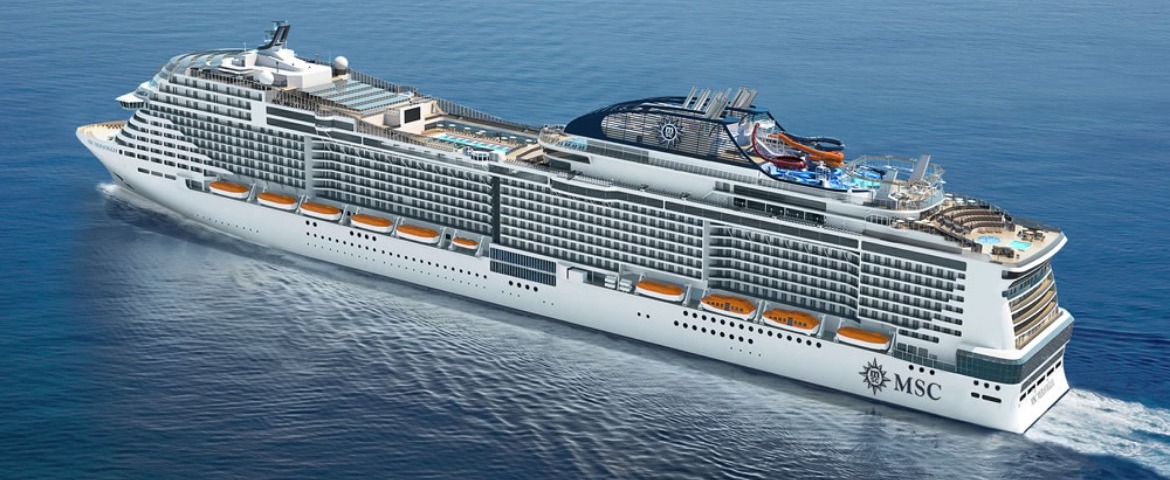
MSC Bellissima
10 Cruises

| 15 February | 5 nights | Round-trip from Shanghai, China |
From
907$
|
| 24 February | 9 nights | Round-trip from Shanghai, China |
From
1546$
|
| 24 February | 5 nights | Round-trip from Shanghai, China |
From
879$
|
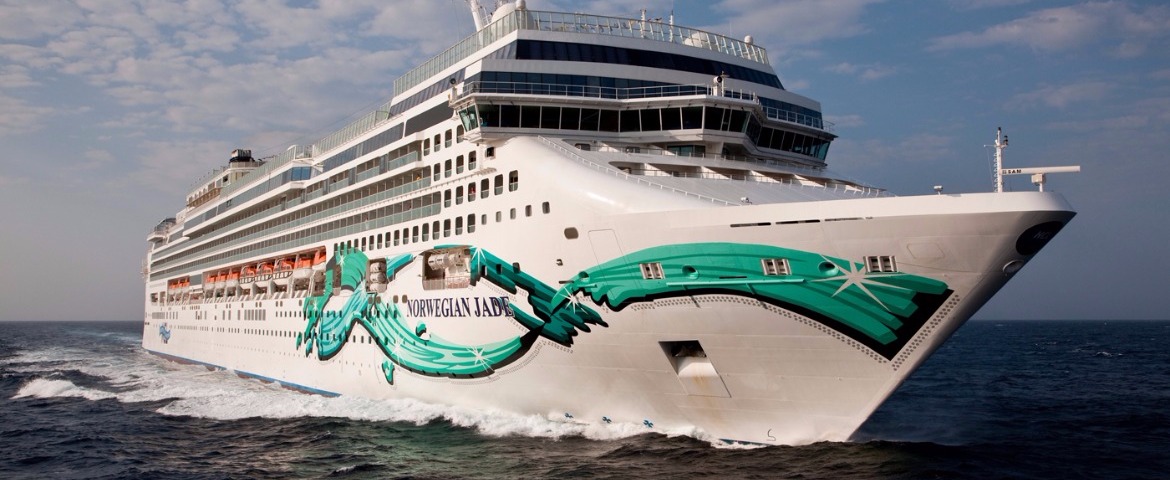
Norwegian Cruise Line (2 Cruises)

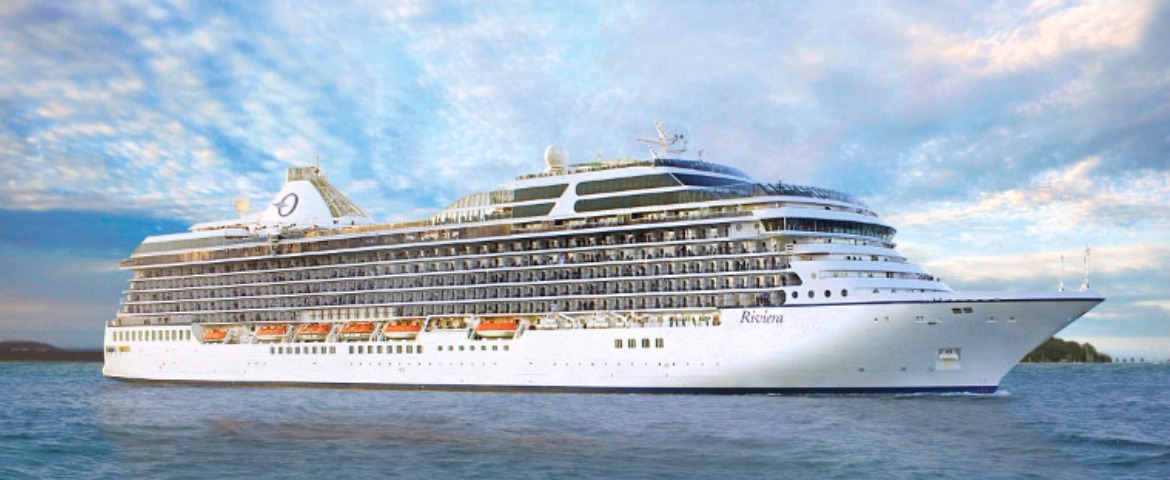
Oceania Cruises (1 Cruises)

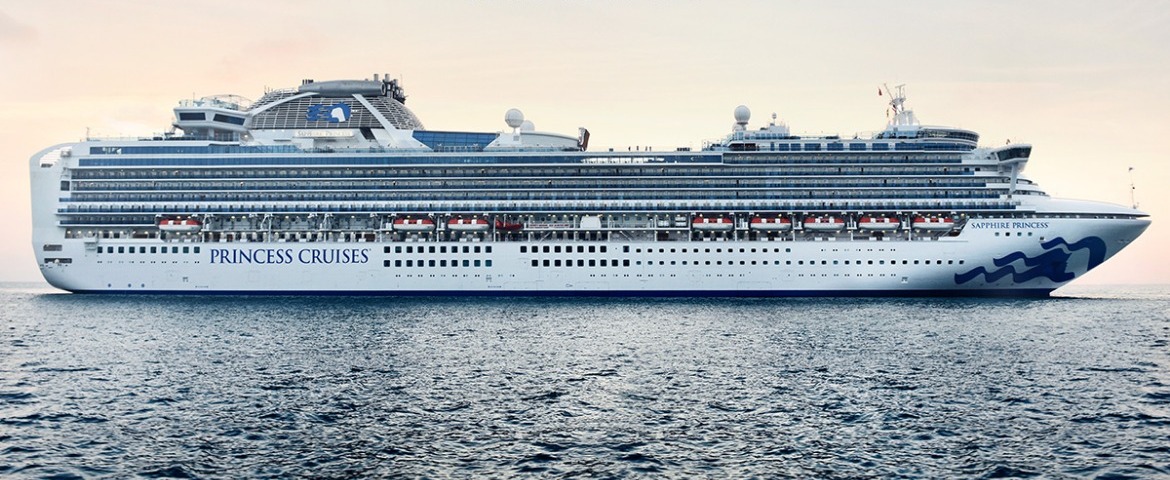
Princess Cruises (2 Cruises)



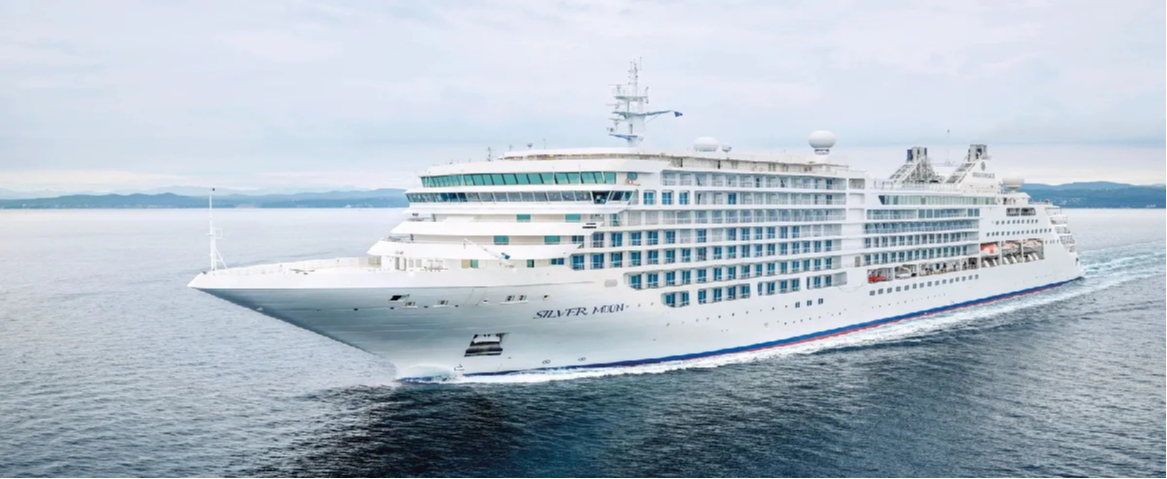
Silversea Cruises (14 Cruises)

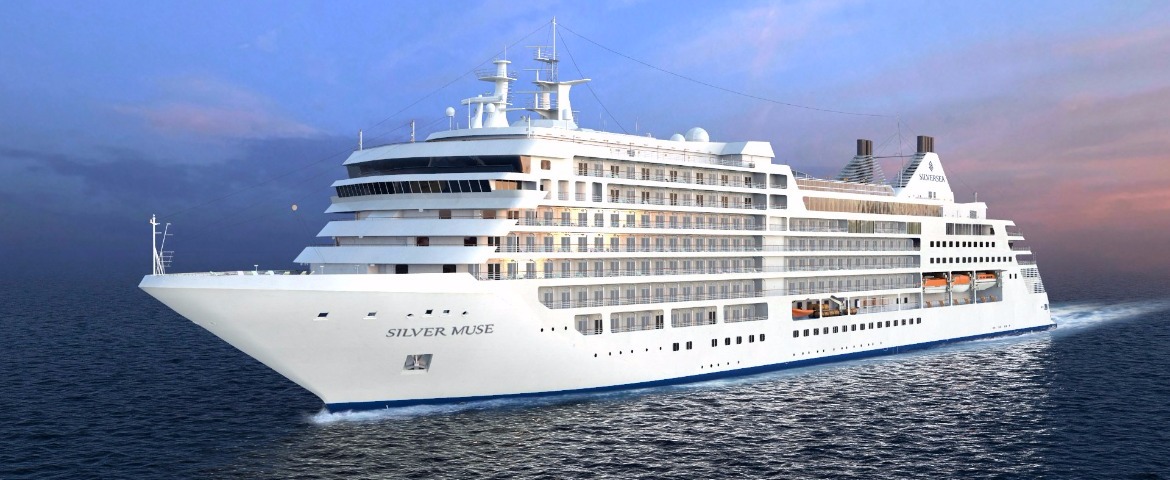
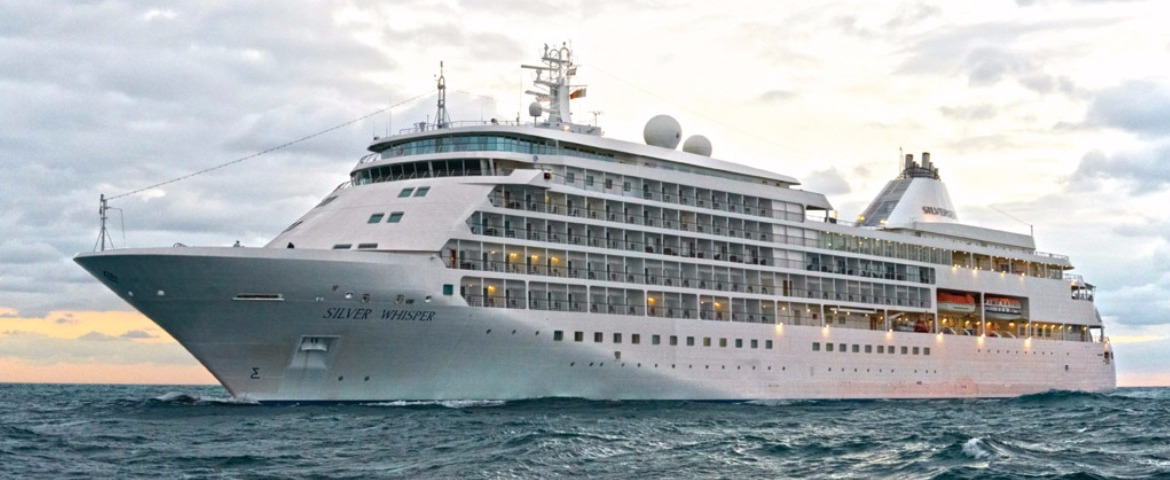
Silver Whisper
6 Cruises

Sasebo, Japan | Cruise Port Guide
Frequently Asked Questions
The main terminal is right downtown, about 400 metres from the JR station, so the day starts with no transfer at all. Very large ships sometimes use the Uragashira quay, farther out, served by a shuttle in about thirty minutes.
The ninety-nine islands: a constellation of wooded islets scattered across an inland sea that looks like a lake. It is the region's treasure and the main reason for the call. From the station, a bus reaches the Pearl Sea Resort in about 25 minutes.
By sightseeing cruises leaving from the Pearl Sea Resort, with regular departures through the day. On board you slip between pine-covered reefs, oyster farmers' rafts and channels so narrow the shores seem to touch. Sea kayaking and small-group outings round out the options.
Yes, especially with a family. It presents the wildlife of these unusual waters with an outdoor pool, dolphin shows and a jellyfish gallery considered one of the largest in western Japan. It sits on the same site as the cruises.
Yes, it is a signature activity at the Umi Kirara site: you open an akoya oyster yourself to extract a pearl, which can then be set into jewellery. Children leave the tanks with a pearl in the palm of their hand.
The equation is simple: half a day for Kujukushima and its aquarium, the rest for downtown and its restaurants. Sticking to the nearby viewpoints is possible, but it would mean missing the point of the call.
A long covered shopping arcade crosses the centre, lined with restaurants, shops and patisseries. The feel is more provincial town than tourist destination: locals cycle through it between showers.
It is a legacy of the American presence tied to the neighbouring naval base. The local burger has become a point of municipal pride, served in dozens of places downtown.
Late afternoon. Low light picks out each islet against the silvered surface, a scene that changes by the minute. From the excursion boats you also read the relief better than from town, with rooftops stacked behind the shipyard cranes.
Yes, and it is one of the port's strengths. On leaving, the ship threads between the same islets as the excursion boats, and everyone finds again from the deck the landscape they admired hours earlier. Few Japanese harbours offer so theatrical an exit.


