Male City Kaafu Atoll Maldives
Maldives
98
Cruises availables
At departure or passage at this port
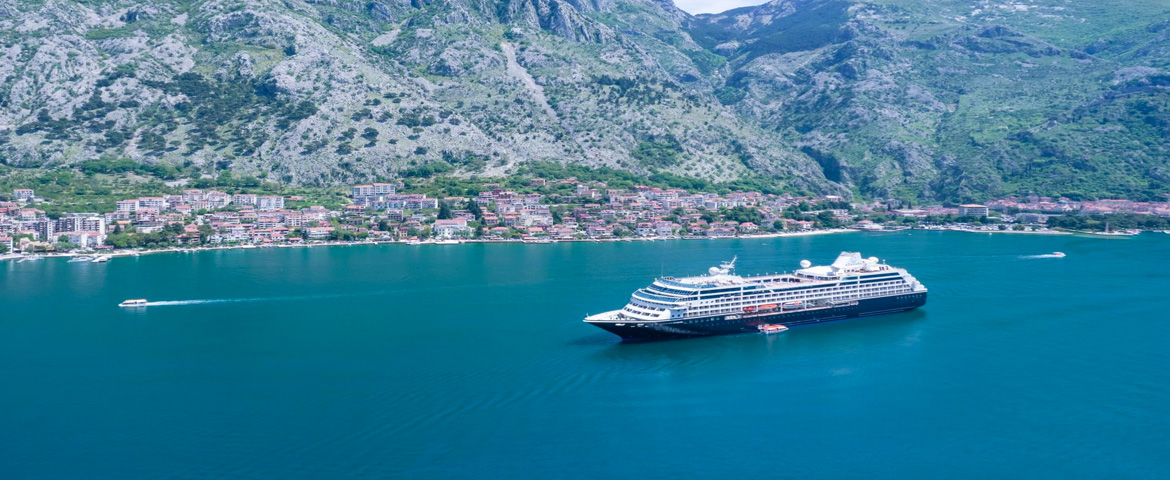
Azamara Club Cruises (13 Cruises)
Azamara Onward
13 Cruises

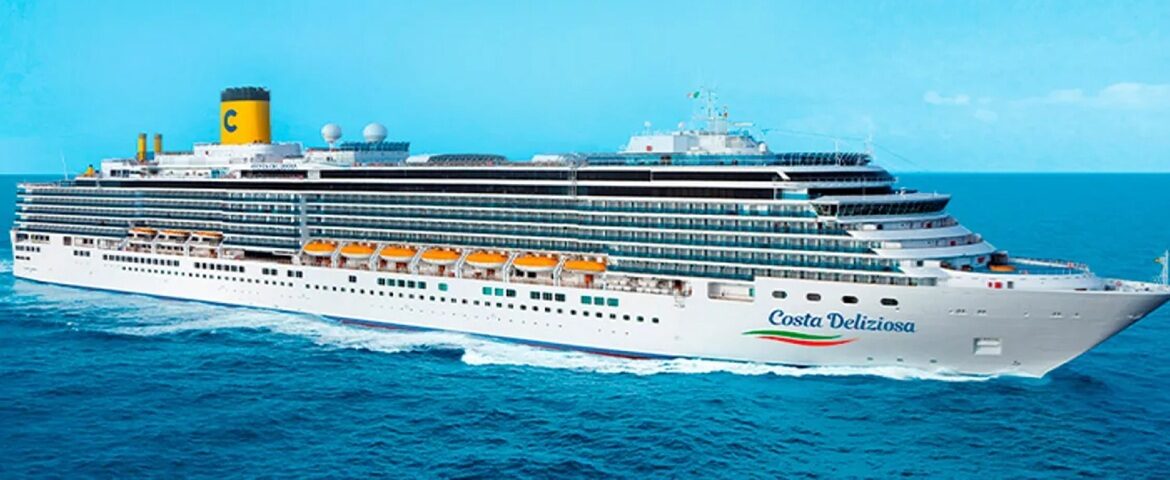
Costa Cruises (34 Cruises)
Costa Deliziosa
34 Cruises

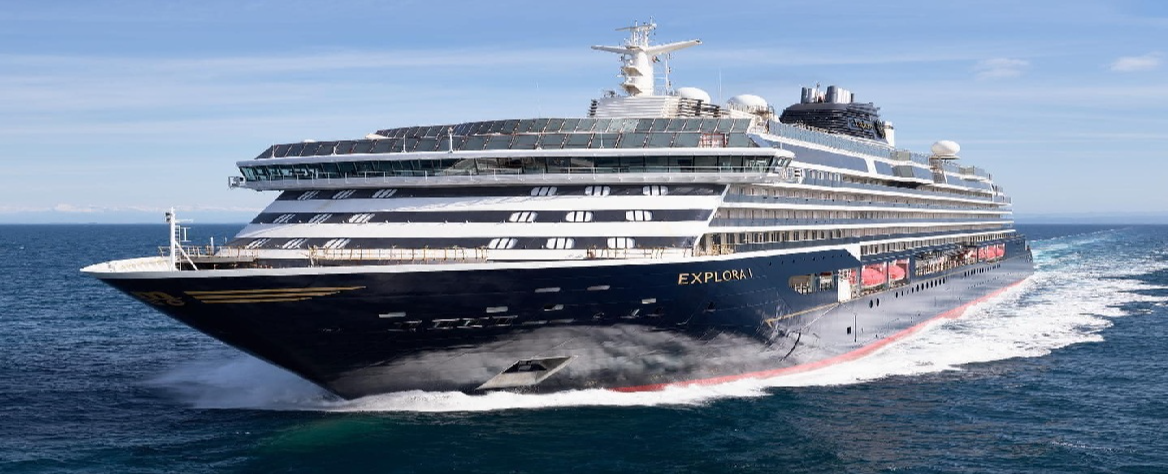
Explora Journeys (3 Cruises)

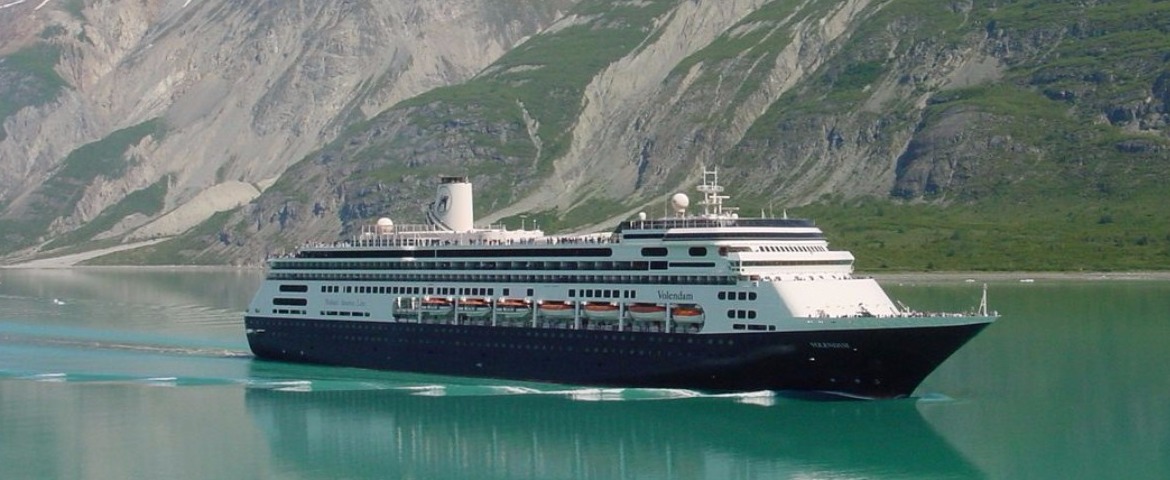
Holland America Line (2 Cruises)

Oceania Cruises (13 Cruises)
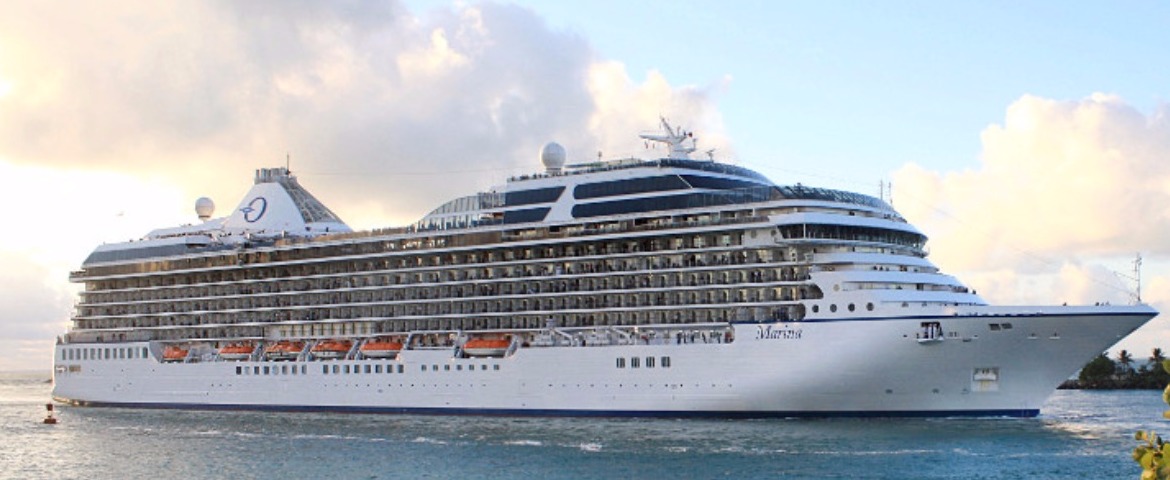

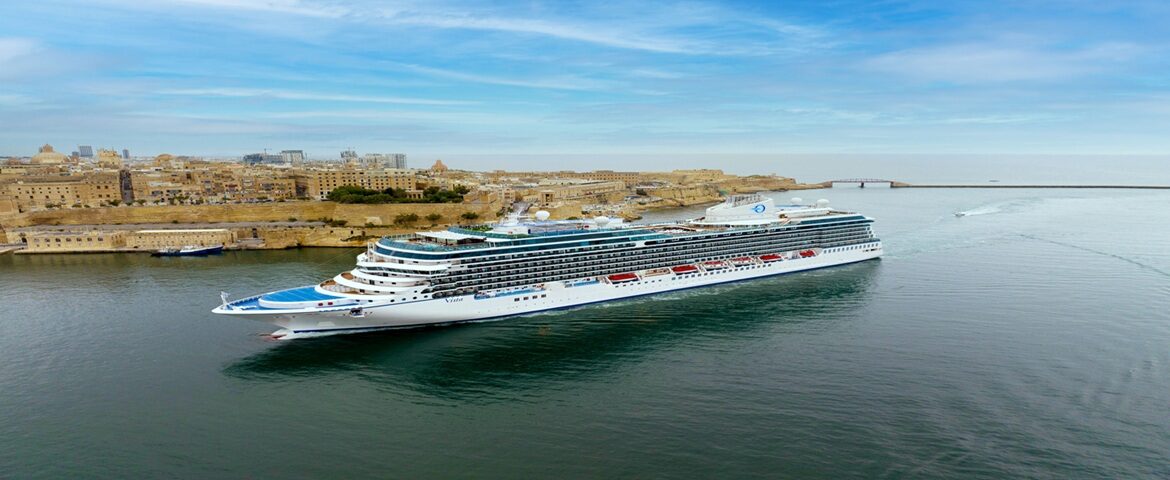
Oceania Vista
9 Cruises
| 6 January | 180 days | One-way from Miami to Southampton |
450-628-6241
Call us
|
| 6 January | 244 days | One-way from Miami to New York |
450-628-6241
Call us
|
| 26 February | 129 days | One-way from Sydney to Southampton |
450-628-6241
Call us
|
| 26 February | 130 days | One-way from Sydney to Southampton |
450-628-6241
Call us
|
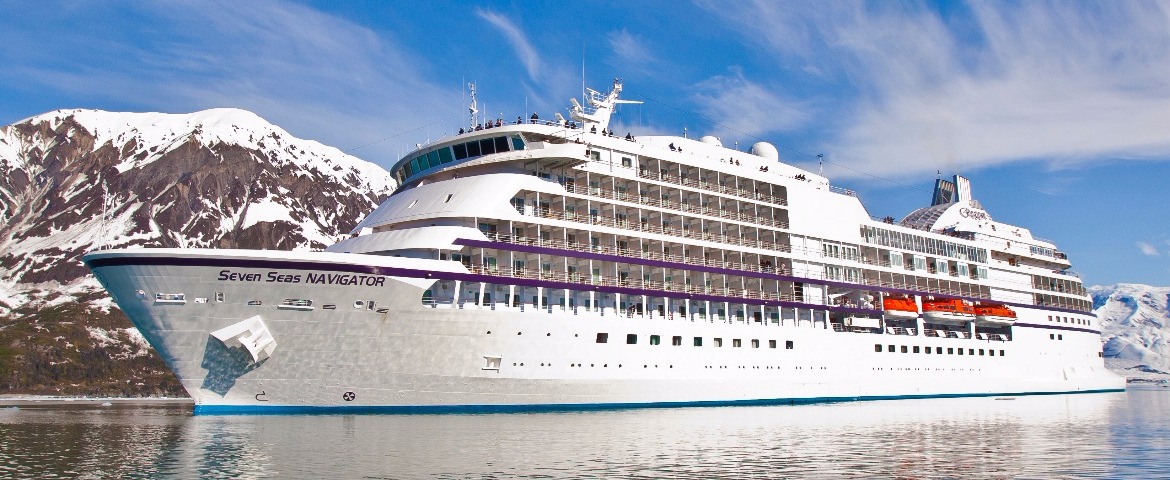
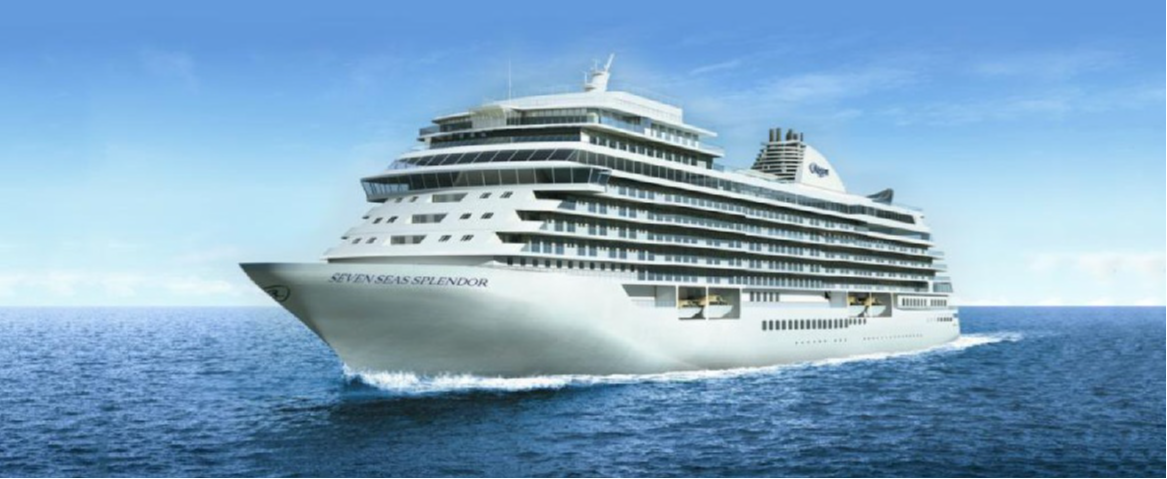
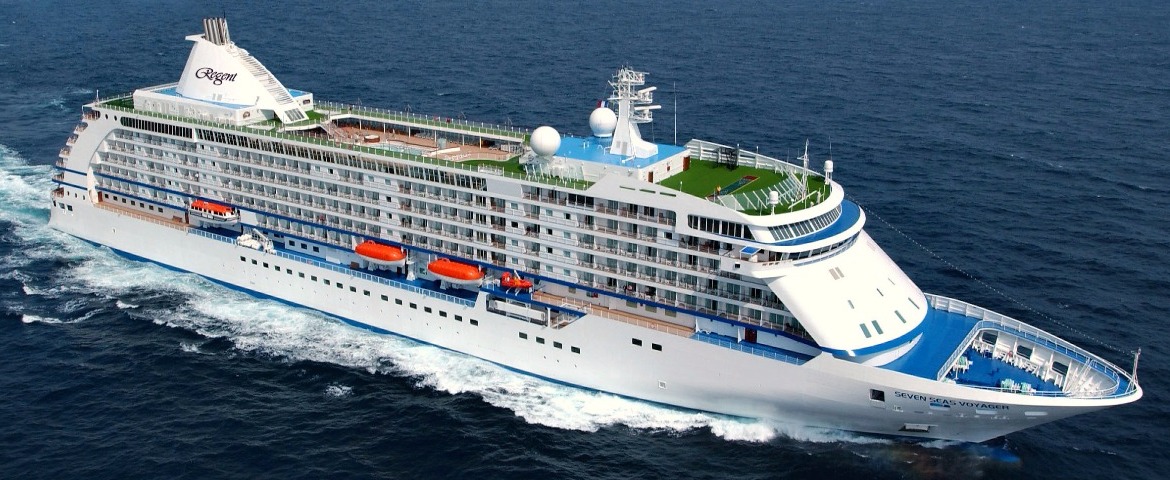
Regent Seven Seas Cruises (28 Cruises)
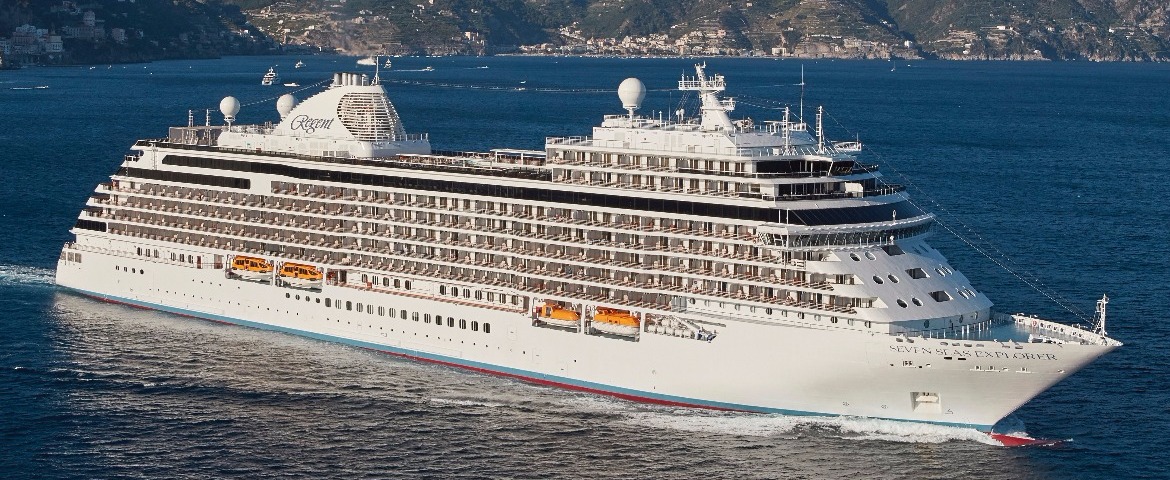

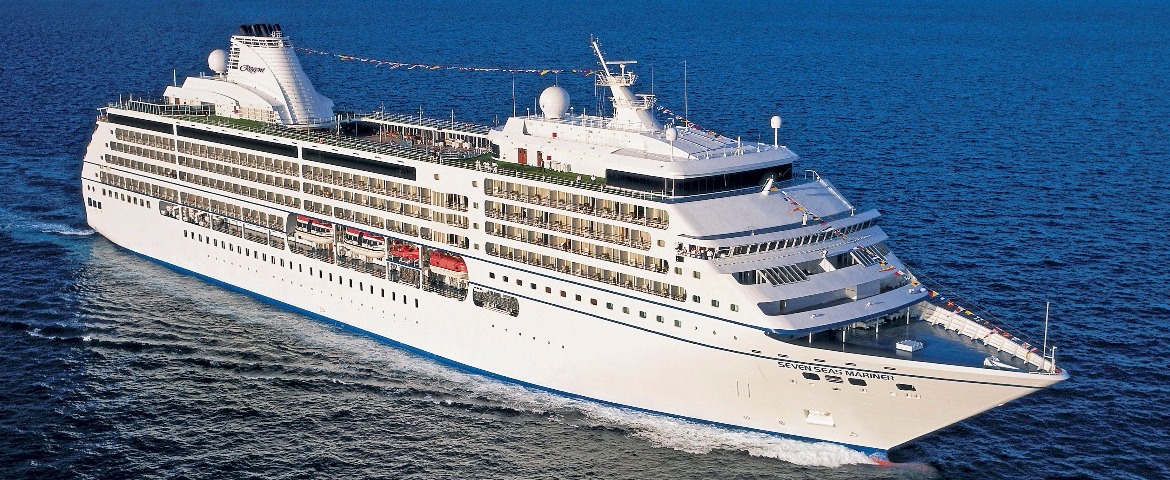
Seven Seas Mariner
15 Cruises
| 19 February | 69 days | One-way from Sydney to Cape Town |
450-628-6241
Call us
|
| 19 February | 69 days | One-way from Sydney to Cape Town |
450-628-6241
Call us
|
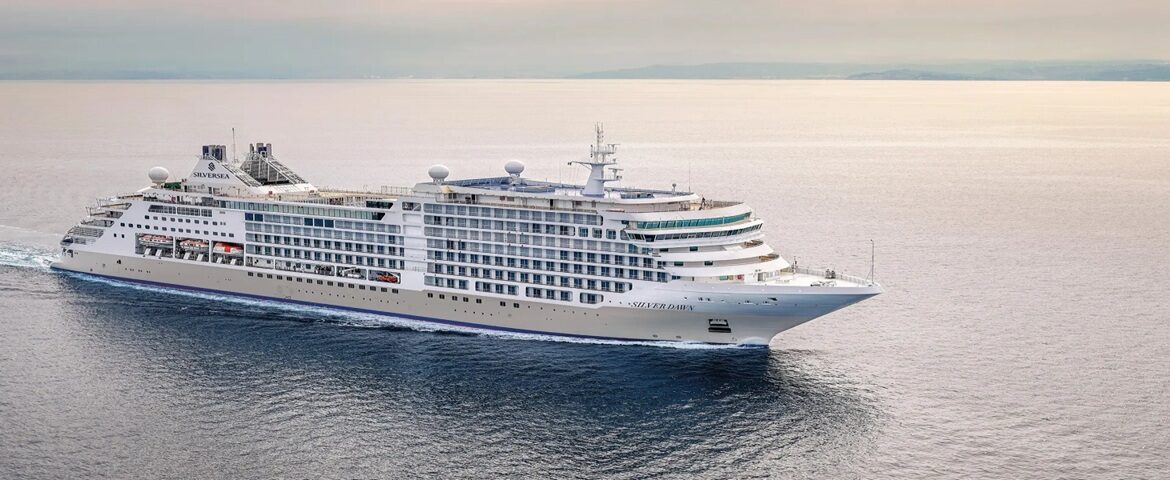
Silversea Cruises (1 Cruises)

Viking Ocean Cruises (4 Cruises)


Port of Malé, Maldives | Cruise Port Guide
Frequently Asked Questions
By tender. Ships anchor offshore, then tenders land passengers on the northern waterfront, right at the edge of the centre. Ten to fifteen minutes of crossing take you from the silence of the lagoon to the buzz of scooters.
Entirely. No point on the island is more than about thirty minutes' walk from the landing, and no transport is needed for the markets, the mosques or the museum. Malé fits on an islet of under six square kilometres.
Like a chequerboard of pastel towers set at water level. No hill, no forest: just tightly packed buildings ringed by the turquoise of the lagoon. Malé is among the densest cities on the planet, and that contrast with the usual images of the archipelago is precisely what makes it interesting.
The fish market, the old Friday Mosque, the Islamic Centre and the National Museum link up on foot within a small area. If time remains, the public ferry reaches neighbouring Villingili island in about ten minutes, where sandy streets and quiet beaches run at a completely different pace.
It is the best place to take the city's pulse, a short walk from the landing. Tuna arrive straight from the boats, carried on the shoulder, then cut with startling precision on tiled counters. Activity peaks in the afternoon, when the fishing boats return.
Hukuru Miskiy, raised in the 17th century, impresses with its finely carved coral stone walls and lacquered woodwork. It bears witness to an island craft of which few examples remain anywhere. Nearby, the Islamic Centre with its golden dome, the most visible landmark on the skyline, watches over the adjoining esplanade.
Clothing covering shoulders and knees is expected at religious sites, and mosques are visited outside prayer times. Malé is a capital city, not a resort island: swimwear has no place in the street.
It is the holy day, and many businesses close for part of it. If your call falls on a Friday, adjust your expectations: markets and shops will be quieter, though the main sites remain accessible around prayer times.
Not in the capital itself. Speedboat excursions reach day-use resort islands or sandbanks in the middle of the lagoon in fifteen to thirty minutes, ideal for swimming and snorkelling over the coral. That is where to go if the beach is your priority.
Allow for a wait for tenders at the morning peak and when everyone returns to the ship. That is the one real constraint of this call: the city itself is covered quickly, but the shuttle between ship and quay can hold you up longer than expected.


