Flam Norway
Norway
1145
Cruises availables
At departure or passage at this port
Celebrity Cruises (7 Cruises)
Celebrity Apex
7 Cruises
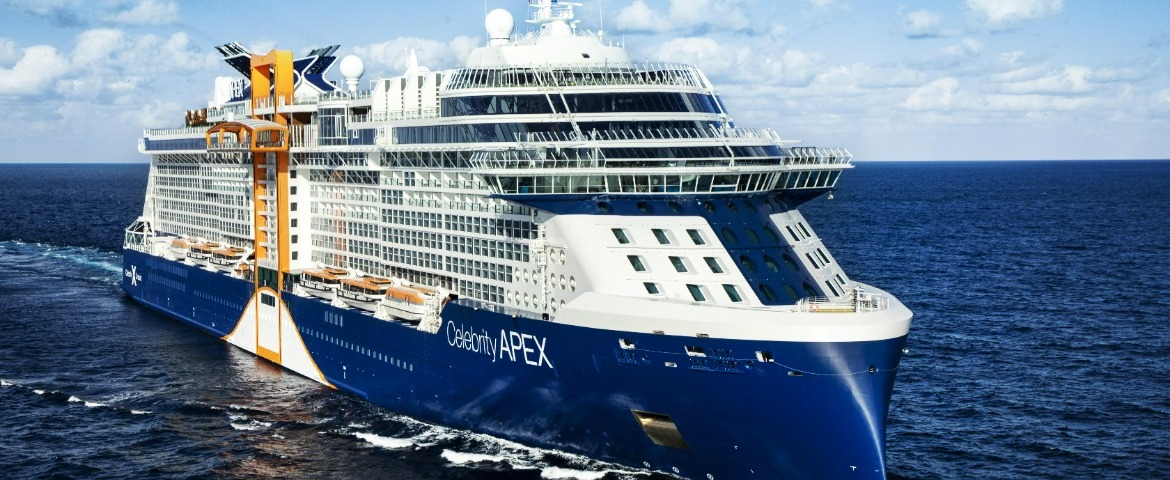

| 5 June | 14 days | Round-trip Norwegian Fjords Celebrity Apex Southampton |
From
16789$
|
| 19 June | 10 days | Round-trip from Southampton, United Kingdom |
450-628-6241
Call us
|
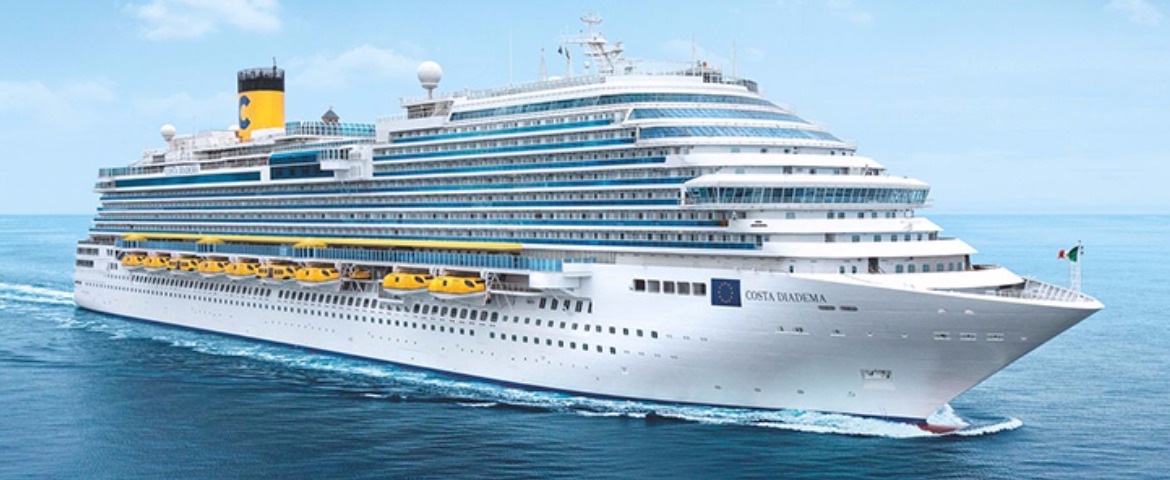
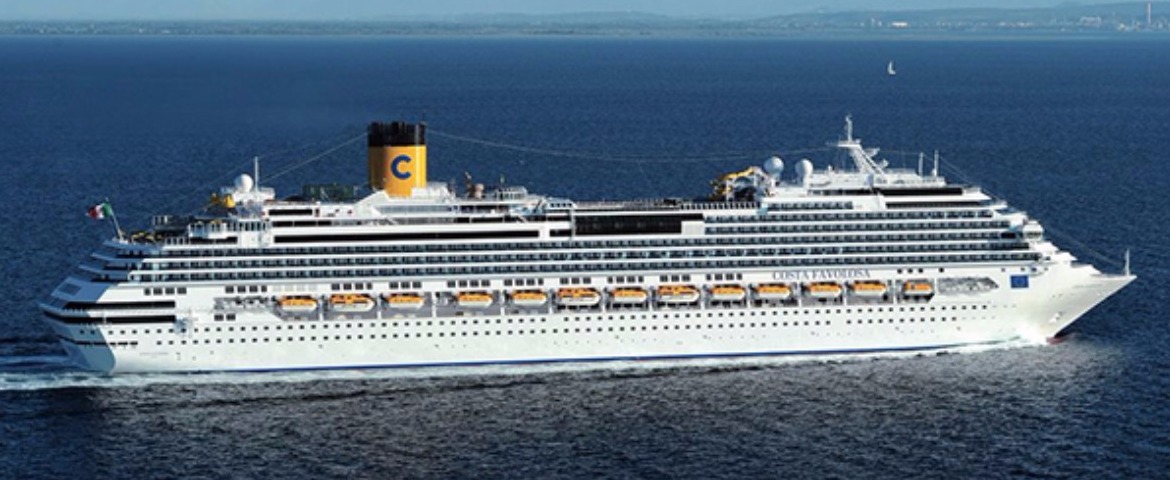
Costa Cruises (8 Cruises)

Explora Journeys (14 Cruises)
Explora IV
14 Cruises
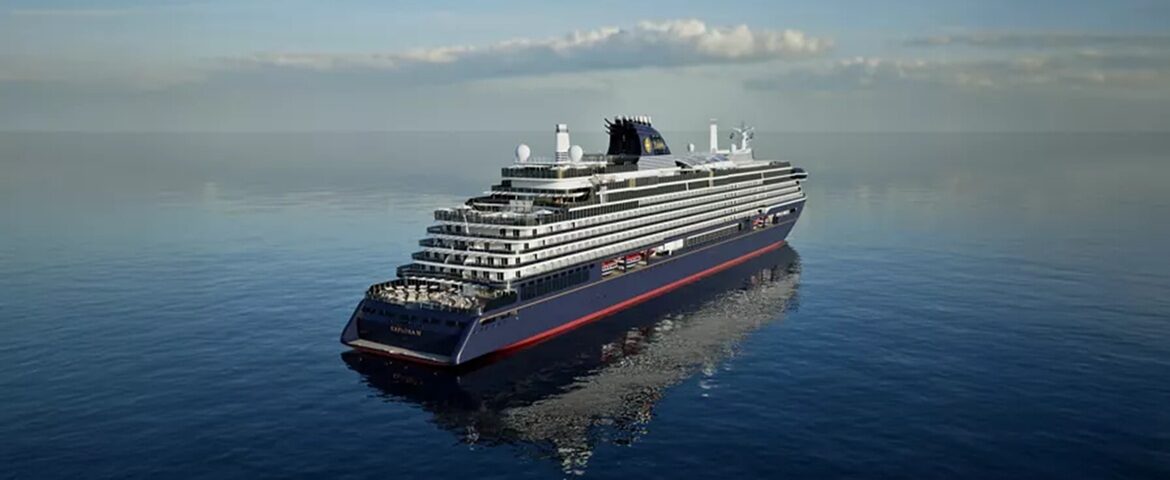

| 2 May | 9 days | One-way from Southampton to Copenhagen |
450-628-6241
Call us
|
| 2 May | 17 days | One-way from Southampton to Copenhagen |
450-628-6241
Call us
|
| 9 July | 8 days | One-way from Southampton to Copenhagen |
450-628-6241
Call us
|
| 9 July | 20 days | One-way from Southampton to Copenhagen |
450-628-6241
Call us
|
Holland America Line (27 Cruises)
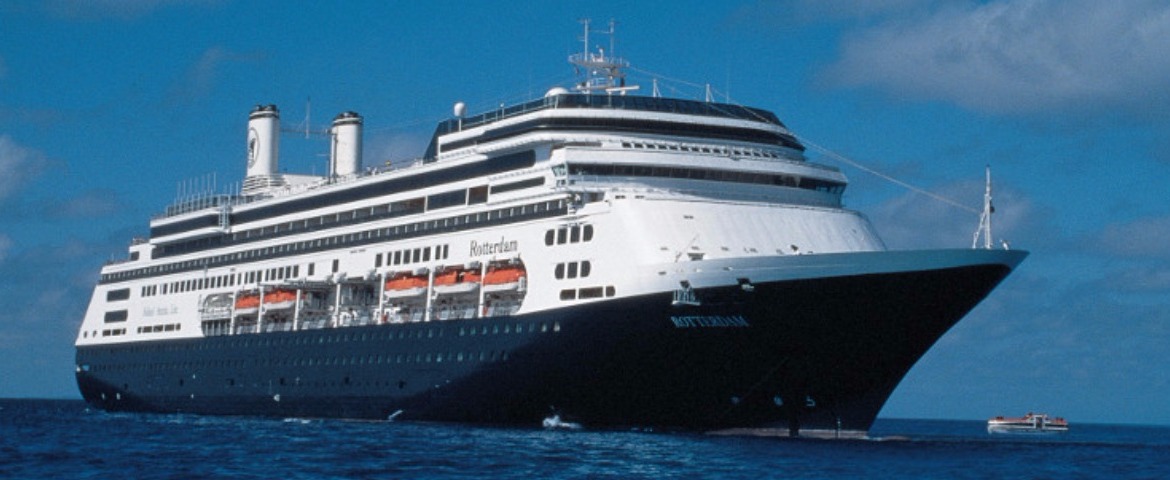
ms Rotterdam
27 Cruises

Hurtigruten (949 Cruises)
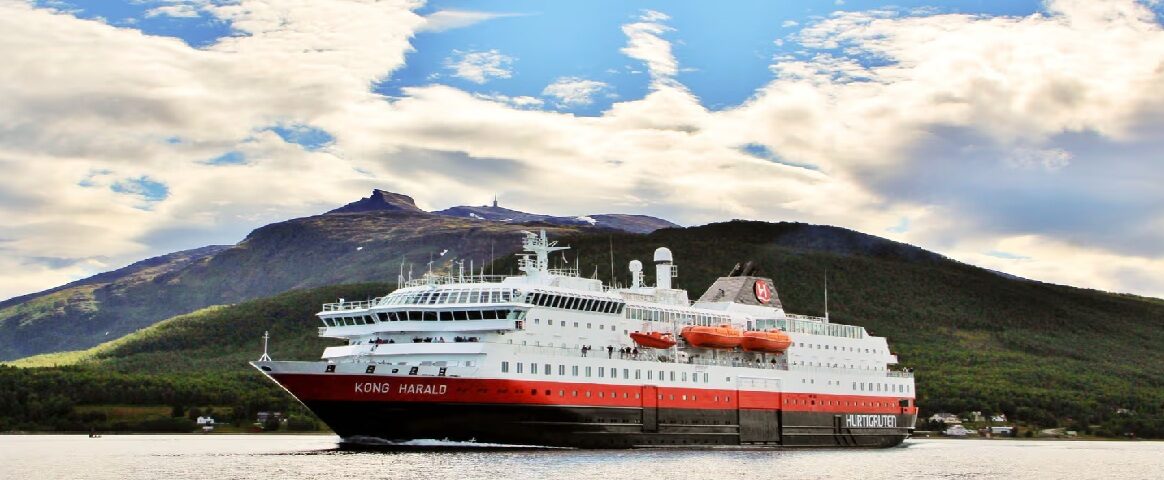
MS Kong Harald
189 Cruises

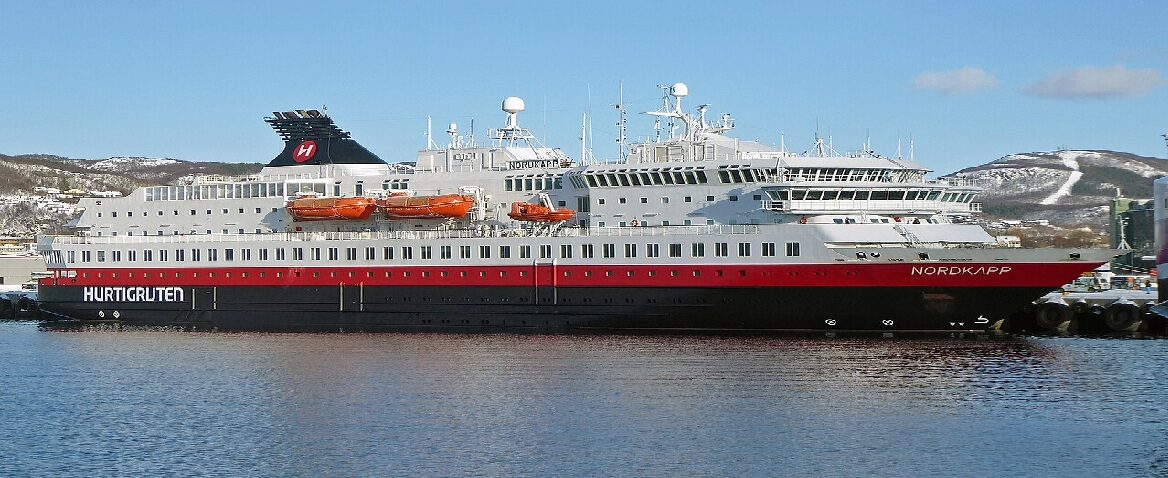
MS Nordkapp
195 Cruises
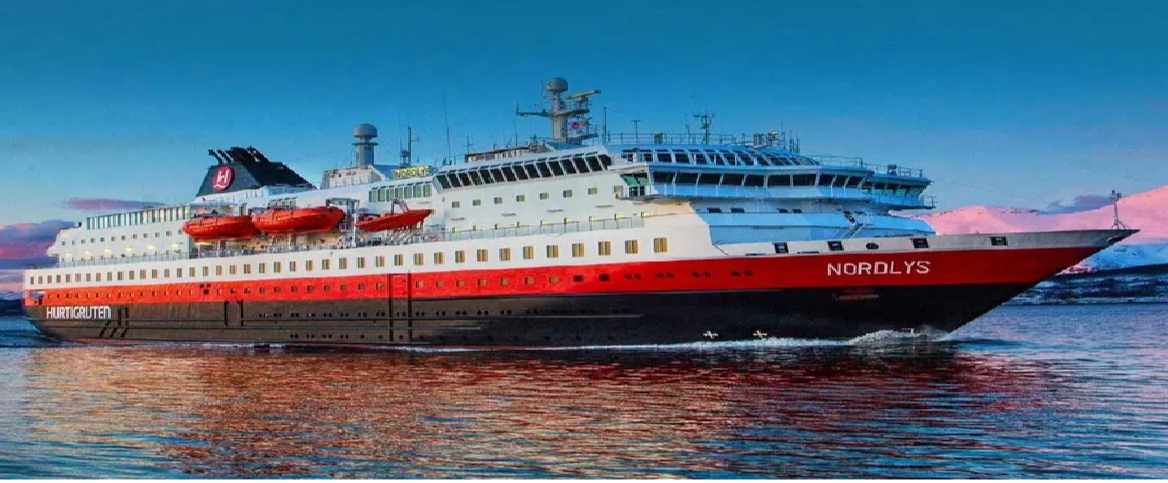
MS Nordlys
169 Cruises
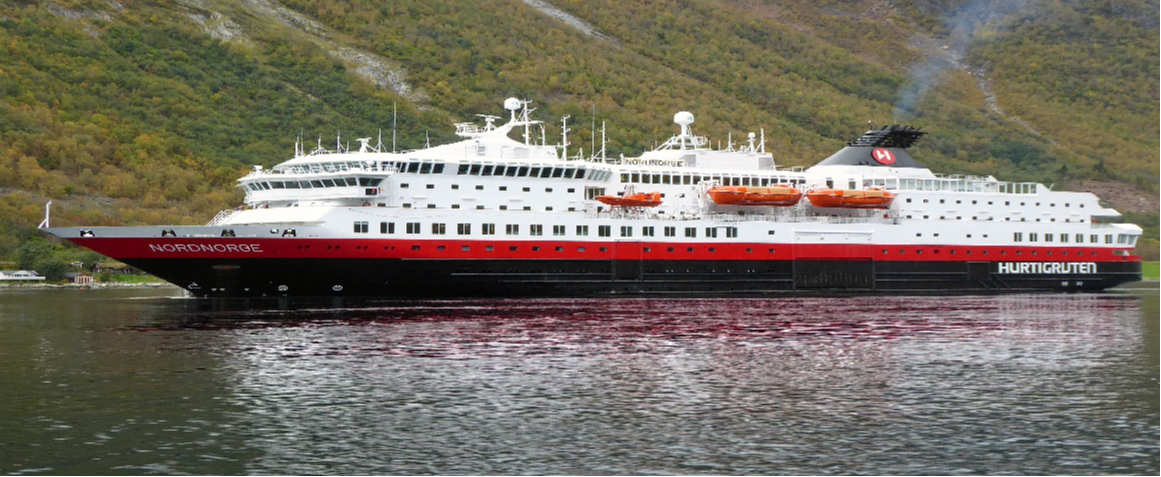
MS Nordnorge
182 Cruises
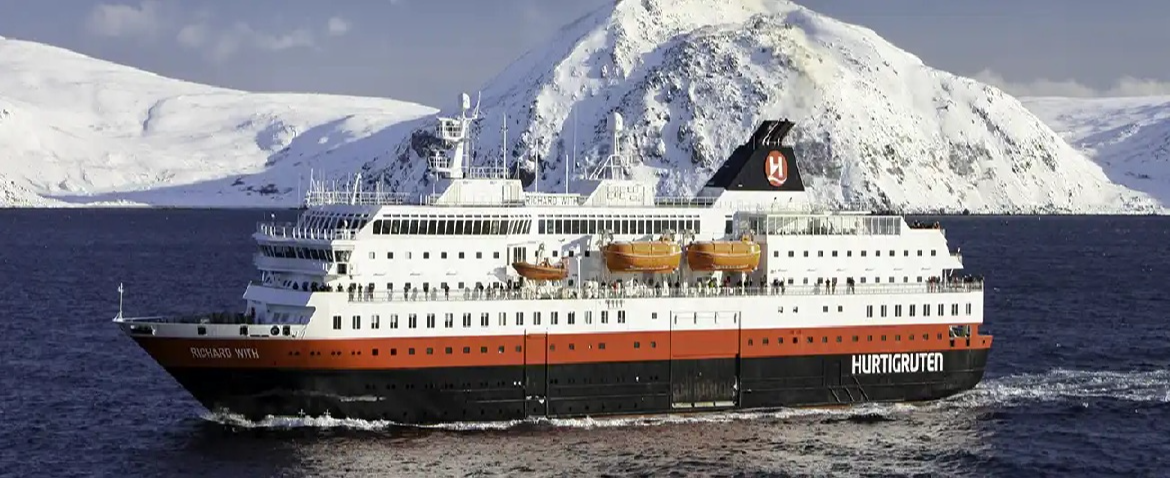
MS Richard With
182 Cruises
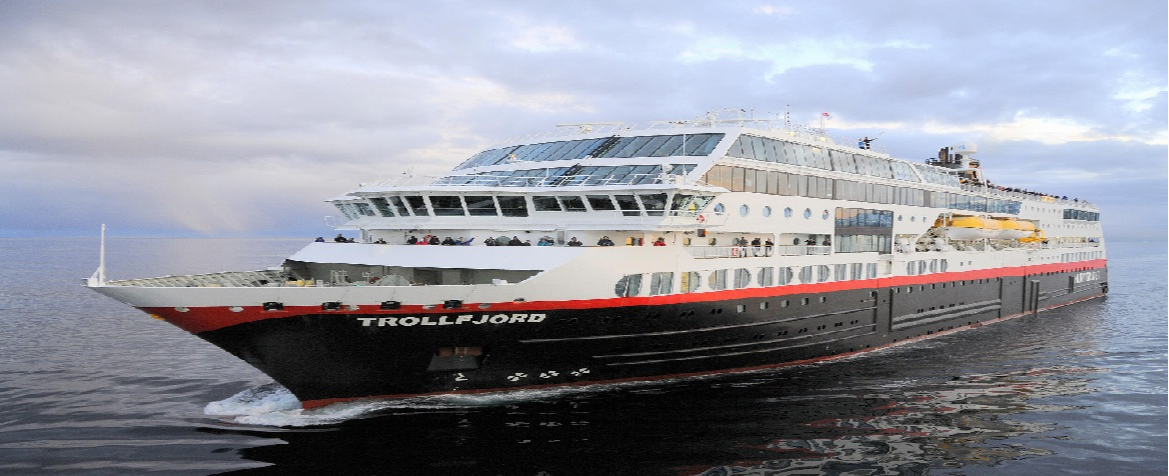
MS Trollfjord
32 Cruises
MSC Cruises (92 Cruises)
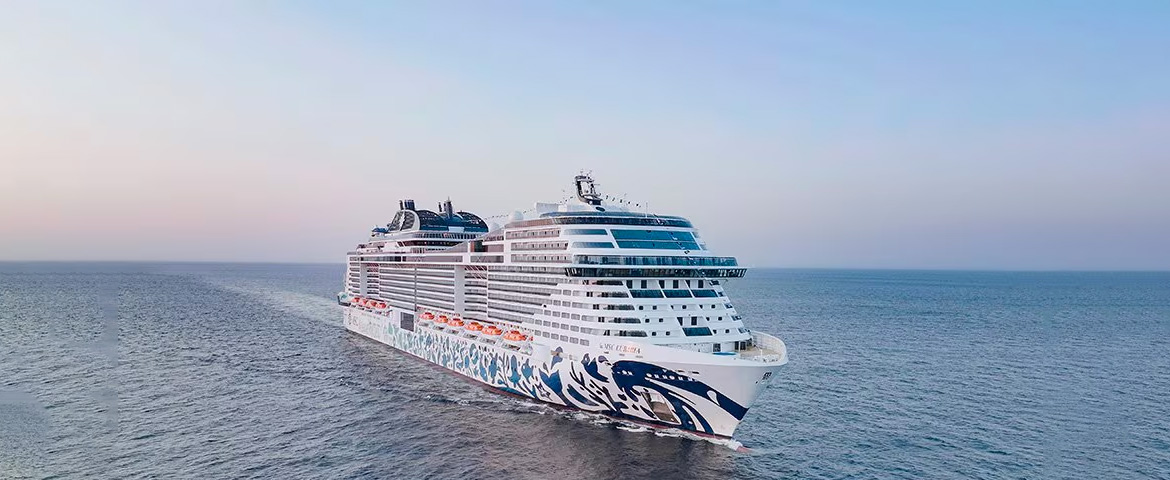
MSC Euribia
92 Cruises

| 24 April | 8 days | Round-trip from Kiel, Germany |
From
1769$
|
| 25 April | 8 days | Round-trip from Copenhagen, Denmark |
From
1763$
|
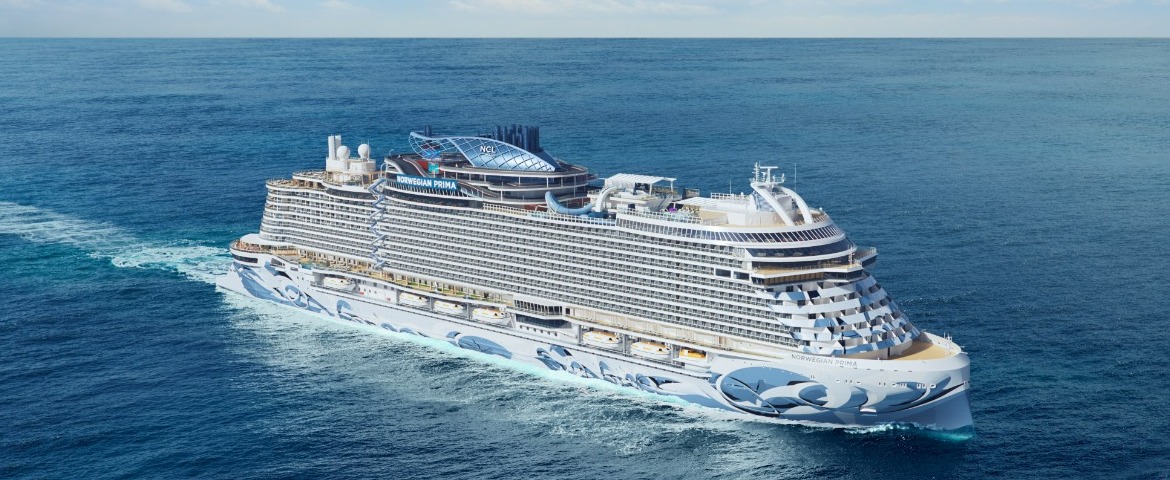
Norwegian Cruise Line (3 Cruises)

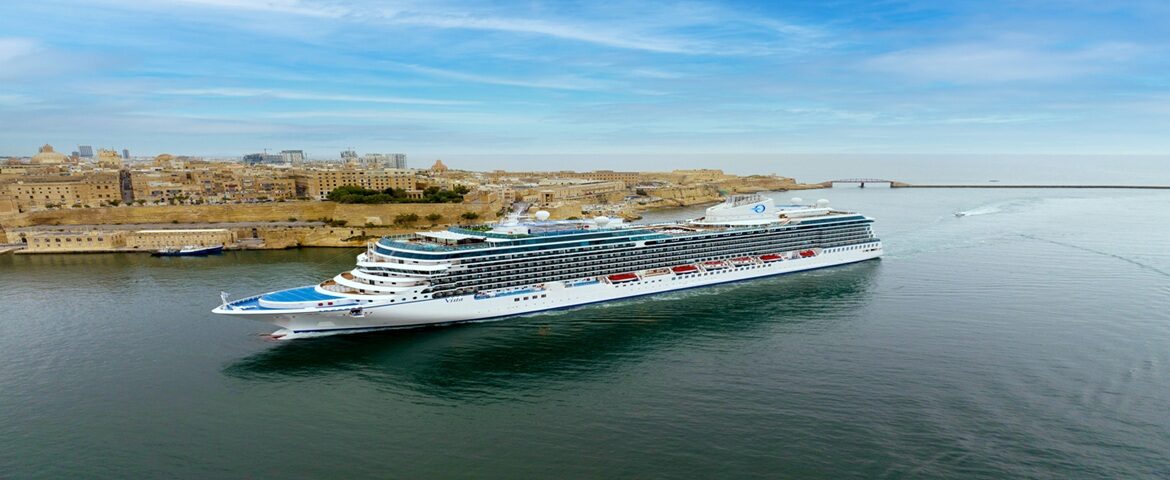
Oceania Cruises (4 Cruises)


Scenic Cruises (12 Cruises)
Scenic Eclipse
6 Cruises


Scenic Eclipse II
6 Cruises
Viking Ocean Cruises (21 Cruises)
Viking Mars
6 Cruises

Viking Vela
15 Cruises

Flåm, Norway | Cruise Port Guide
Frequently Asked Questions
In the heart of the village: the gangway lands two minutes from the railway station, and everything that matters is within walking distance. Flåm sits at the head of the Aurlandsfjord, an arm of the great Sognefjord, between walls nearly a kilometre high.
The railway that climbs from sea level to the mountain station at Myrdal, 866 metres up, in just twenty kilometres: one of the steepest standard-gauge lines in the world. Old-style green carriages run along gorges and through some twenty tunnels dug largely by hand.
About two hours return, including the photo stop at the Kjosfossen waterfall, which crashes down almost within reach. It is the headline excursion of the call and tickets go quickly on busy days: book early.
A wood and steel walkway perched 650 metres above the Aurland fjord. The platform juts 30 metres out from the mountainside and ends in an angled glass wall. Allow about an hour and a half, including the hairpin drive.
The Flåmsbana takes two hours, Stegastein an hour and a half: combining them is possible but tight depending on schedules. If you stay in the valley bottom, count on the Brekkefossen trail, the Flåmsbana museum and the microbrewery.
Yes, it is a Norwegian classic: the track follows the turquoise river between farms and waterfalls on a downhill route. Bicycle rental is available on site in Flåm.
Steep but short: allow about two hours return, with walking shoes. The reward is a plunging view over the village and the fjord, hard to get otherwise without an excursion.
A UNESCO World Heritage fjord, 250 metres wide in places, considered one of the narrowest in Europe. Some excursions take passengers out on silent electric boats; waterfalls fall on all sides and ships look tiny.
The building of the line, an engineering saga carried out in harsh conditions. The museum sits by the water, steps from the quay, and admission is free.
Yes, and it is worth expecting: the day runs to the timetables of the train and the boats, and the village has only a few dozen houses for a great many visitors. Anyone looking for quiet is better off aiming for the Brekkefossen trail than the station.


