Seville Spain Andalusia
227
Cruises availables
At departure or passage at this port
Atlas Ocean Voyages (6 Cruises)


World Voyager
4 Cruises
Aurora Expeditions (1 Cruises)

Avalon Waterways (9 Cruises)
Avalon Artistry II®
9 Cruises


Azamara Club Cruises (43 Cruises)
Azamara Journey
27 Cruises

| 10 April | 7 nights | One-way from Lisbon to Malaga |
450-628-6241
Call us
|
| 10 April | 14 nights | One-way from Lisbon to Barcelona |
450-628-6241
Call us
|
| 15 May | 35 nights | One-way from Civitavecchia-Rome to Dublin |
450-628-6241
Call us
|
| 22 May | 7 nights | One-way from Barcelona to Lisbon |
450-628-6241
Call us
|
| 9 September | 40 nights | One-way from Portsmouth UK to Piraeus-Athens |
450-628-6241
Call us
|
| 20 September | 9 nights | One-way from Lisbon to Barcelona |
450-628-6241
Call us
|
| 6 June | 9 nights | One-way from Barcelona to Lisbon |
450-628-6241
Call us
|
| 6 June | 46 nights | One-way from Barcelona to Stockholm |
450-628-6241
Call us
|
Azamara Onward
10 Cruises
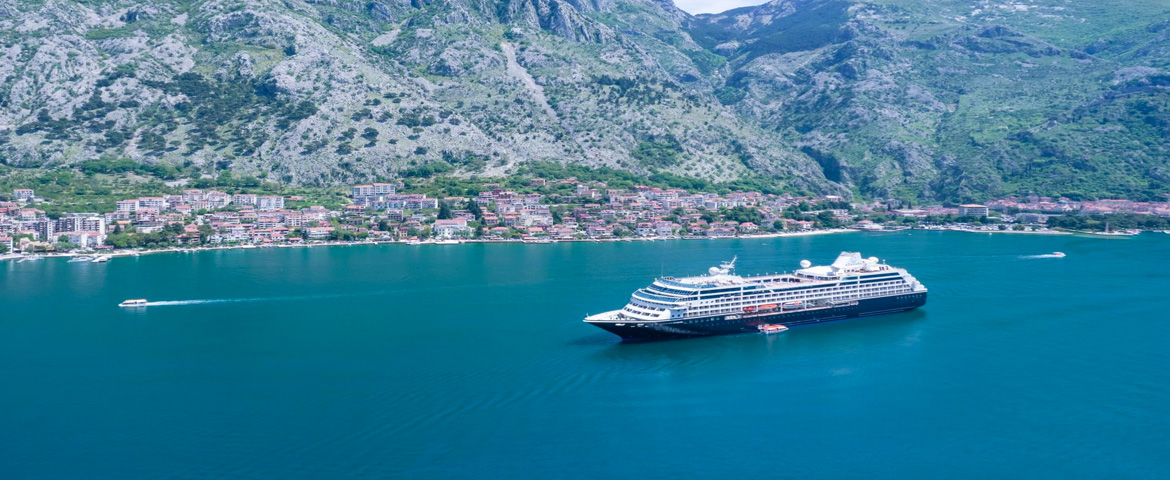
| 8 January | 14 nights | Round-trip from Lisbon, Portugal |
450-628-6241
Call us
|
| 15 January | 7 nights | One-way from Las Palmas de Gran Canaria to Lisbon |
450-628-6241
Call us
|
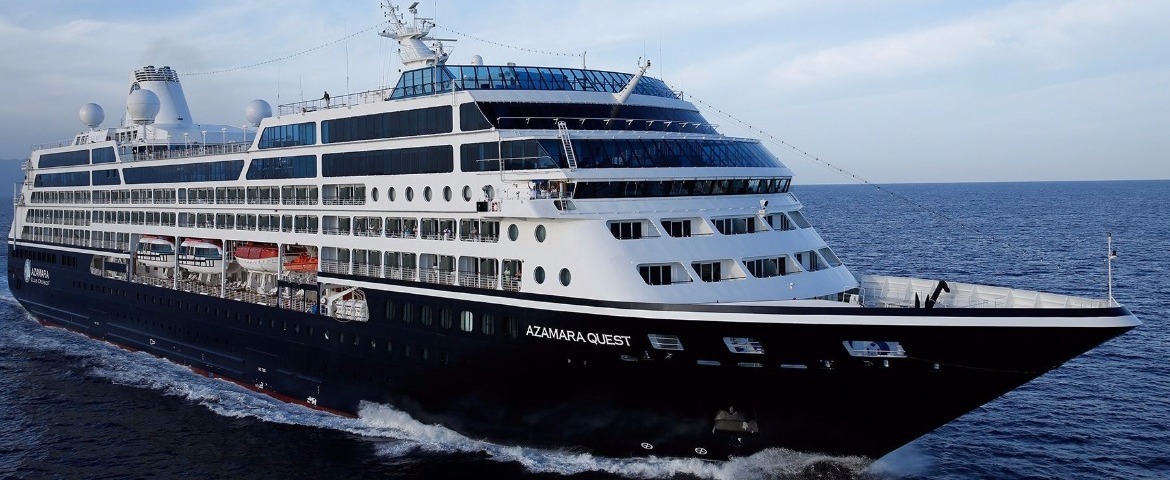
CroisiEurope (106 Cruises)
MS Belle de Cadix
106 Cruises
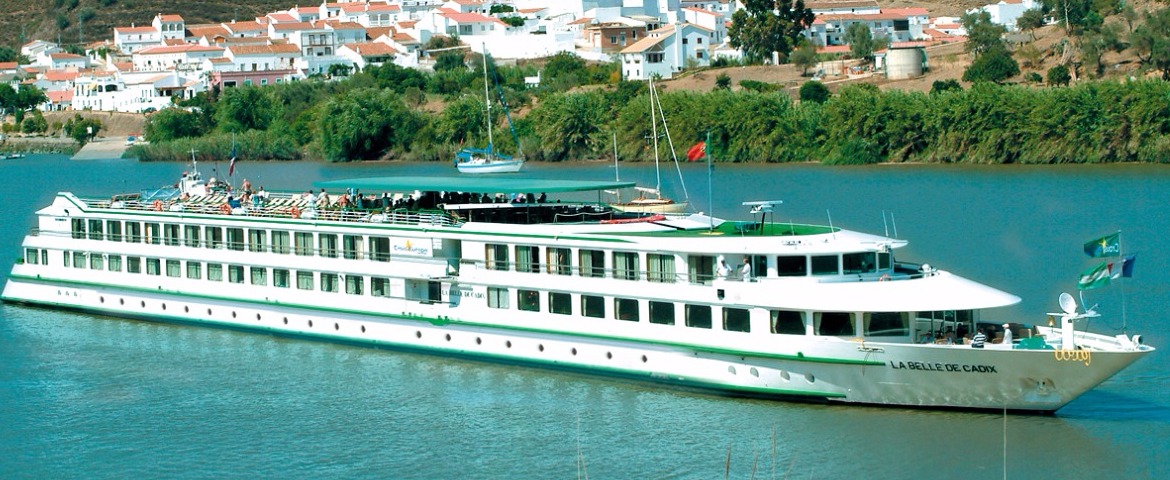

Emerald Waterways (6 Cruises)
Emerald Kaia
6 Cruises

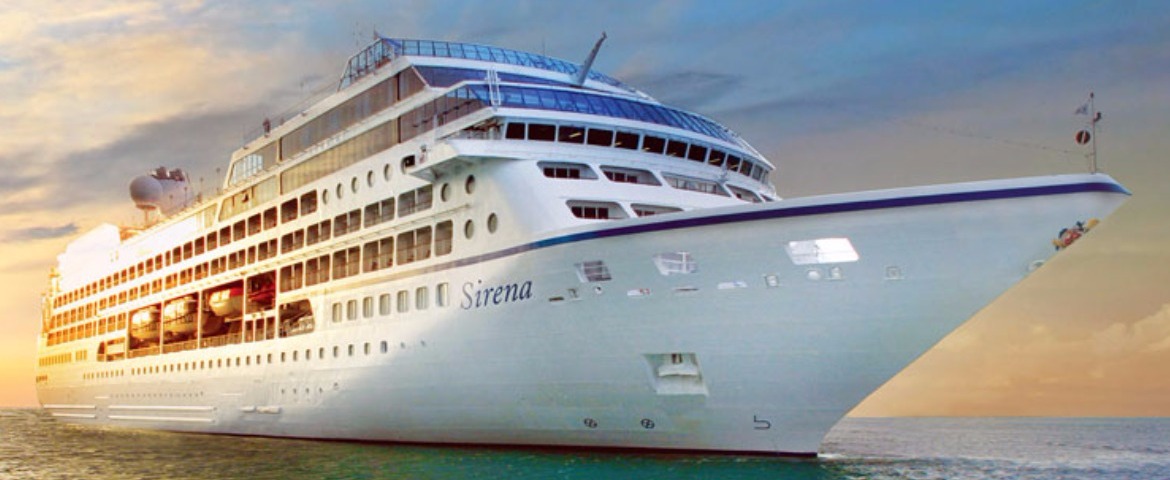
Oceania Cruises (3 Cruises)

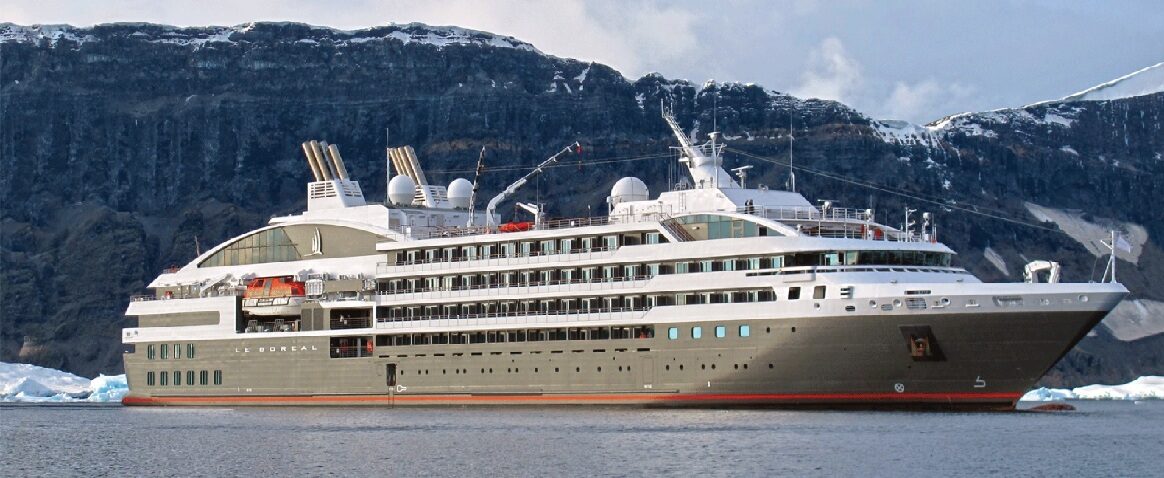
Ponant (2 Cruises)




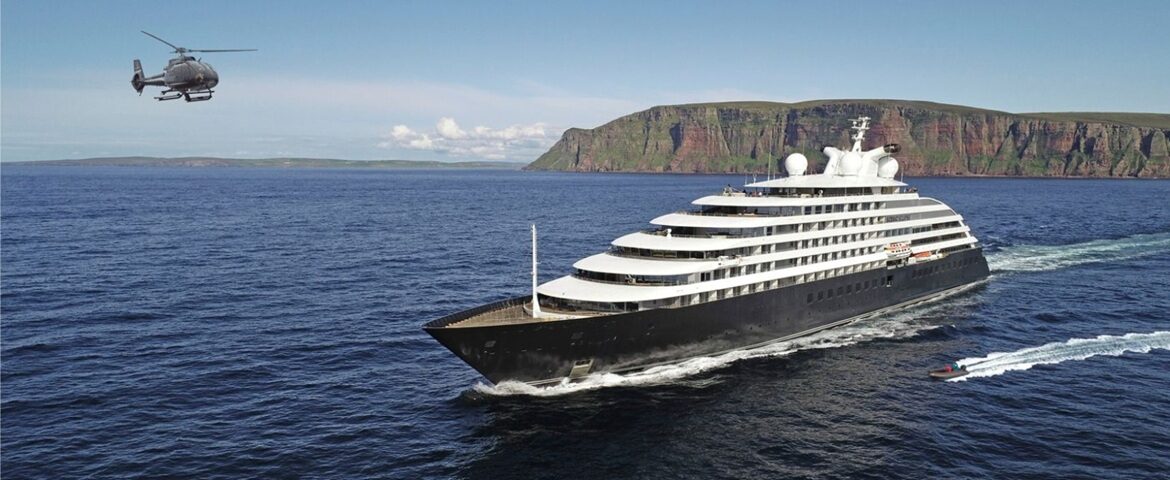
Seabourn Cruise Line (15 Cruises)
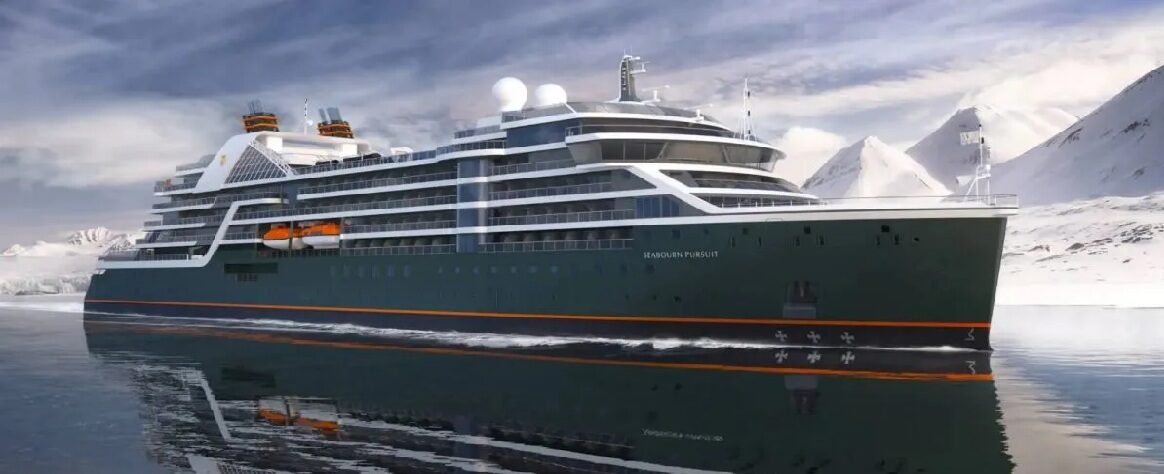
Seabourn Pursuit
5 Cruises

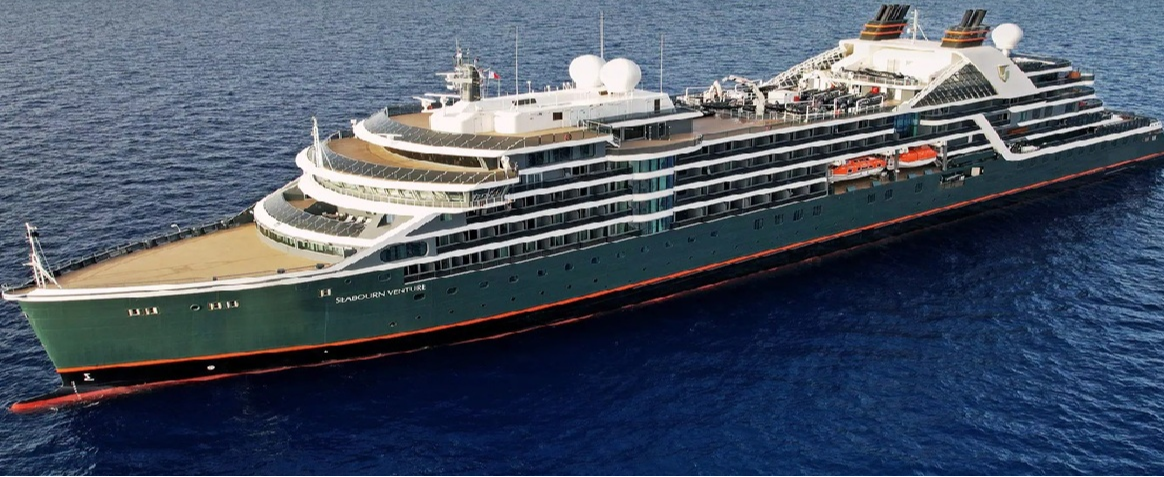
Seabourn Venture
10 Cruises
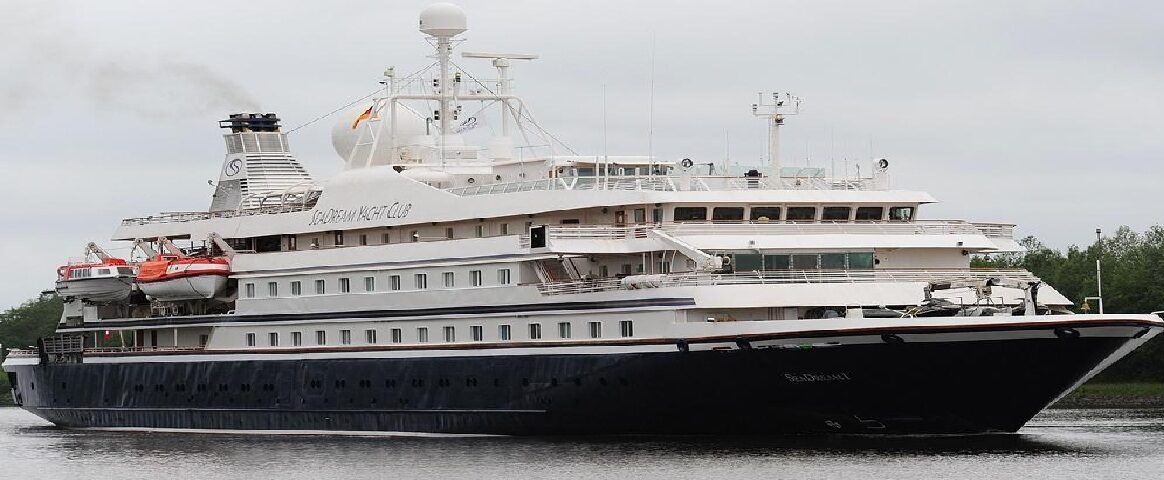
SeaDream Yacht Club (4 Cruises)

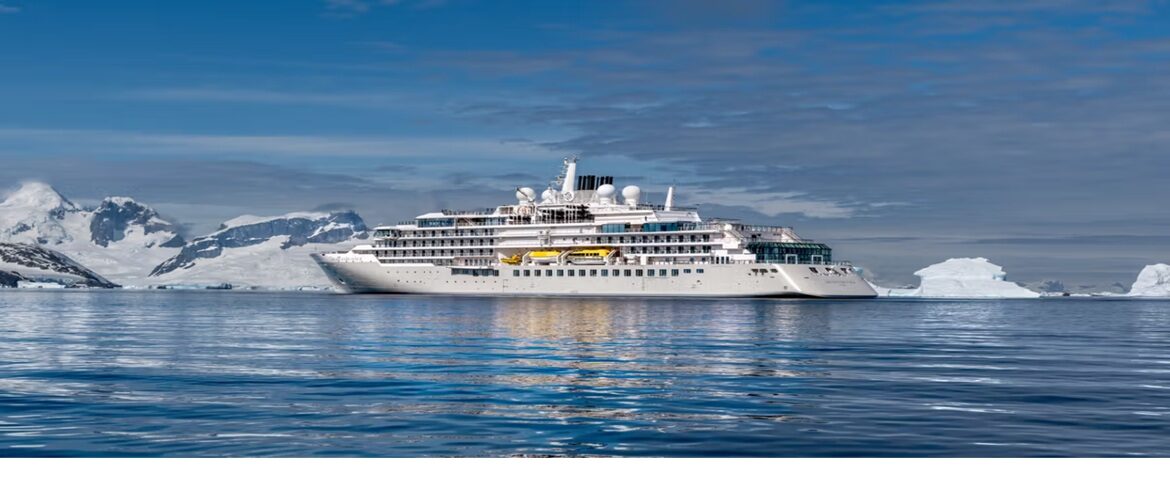
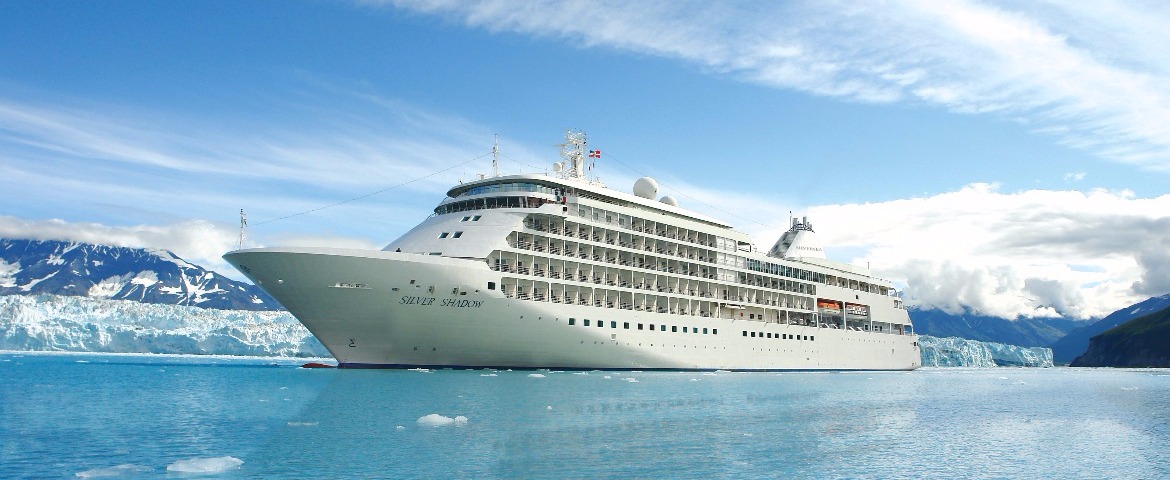
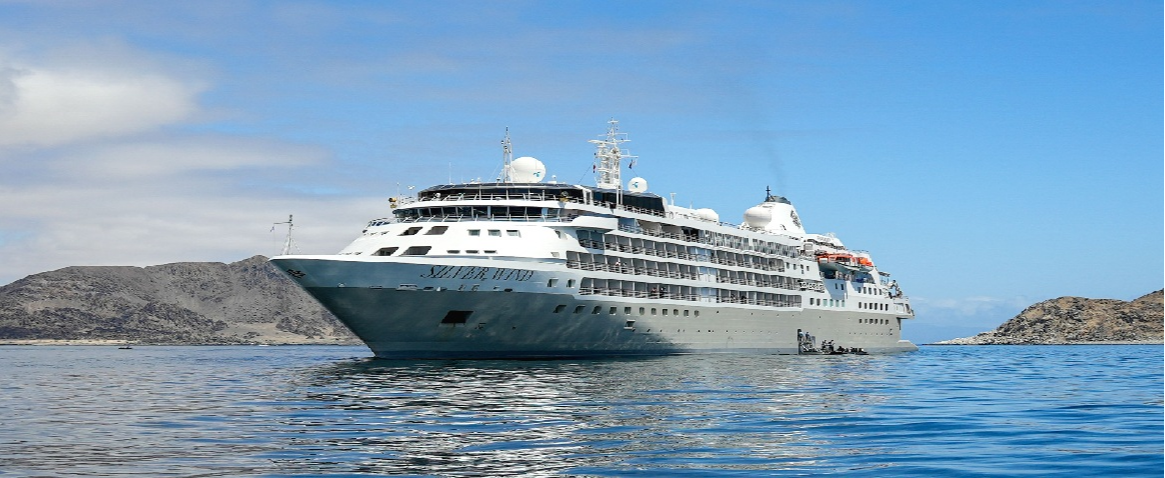
Silversea Cruises (4 Cruises)

Uniworld Boutique River Cruise (23 Cruises)
S.S. São Gabriel
23 Cruises


| 20 July | 19 days | One-way from Madrid to Porto-Leixoes |
450-628-6241
Call us
|
| 20 July | 19 nights | One-way from Madrid to Porto-Leixoes |
450-628-6241
Call us
|

Port of Seville, Spain | Cruise Port Guide
Frequently Asked Questions
By river. Seville is Spain's only inland cruise port: the ship leaves the Atlantic at Sanlúcar de Barrameda, then works 75 kilometres up the Guadalquivir between rice fields, marshes and pine woods.
At the Muelle de las Delicias, the quay of delights. The monumental centre begins about two kilometres away and María Luisa park is a few minutes' walk.
Yes, and that is the great advantage of this call. A 20 to 25 minute walk along the river and gardens brings you to the historic heart. No transfer is needed.
The cathedral and the Giralda, the Alcázar, then the Santa Cruz quarter. Plaza de España if time remains. Book the Alcázar in advance: slots go quickly and a queue can cost you half the day.
The former Almohad minaret of the great mosque, now the cathedral bell tower. You climb it by internal ramps — no stairs — to a full panorama of the city. The cathedral itself is the largest Gothic church in the world and holds the tomb of Christopher Columbus, carried by four bronze heralds.
Mudéjar halls, azulejo tilework and gardens where peacocks strut. The palace was begun by the emirs and continued by the Christian kings; it still serves as a royal residence during official visits. With the cathedral and the Archive of the Indies, it is on the UNESCO World Heritage list.
A vast brick and ceramic hemicycle edged by a canal where rowing boats drift, designed for the 1929 Ibero-American Exposition. Every Spanish province has its own tiled bench there. It sits 10 to 15 minutes' walk from the ship, inside María Luisa park.
The old Jewish quarter, a maze of white lanes, flowered patios and small squares shaded by orange trees, right beside the Alcázar. This is where Seville is easiest to take in, with a glass of orange juice or fino in hand.
Triana, cradle of ceramicists, sailors and flamenco. Its market bursts with life, its tile workshops welcome visitors, and the tapas bars of Calle Betis line up their coloured facades facing the river. It makes a perfect late afternoon before heading back aboard.
Spring and autumn. In July and August the Andalusian heat does not joke around: bring water, a hat, and do your sightseeing early. The rest of the year the city can be walked from morning to night without difficulty.


