Vavau Islands Tonga Neiafu
Tonga

44 Cruises availables At departure or passage at this port

Port of Neiafu (Vava'u Islands) | Cruise Port Guide

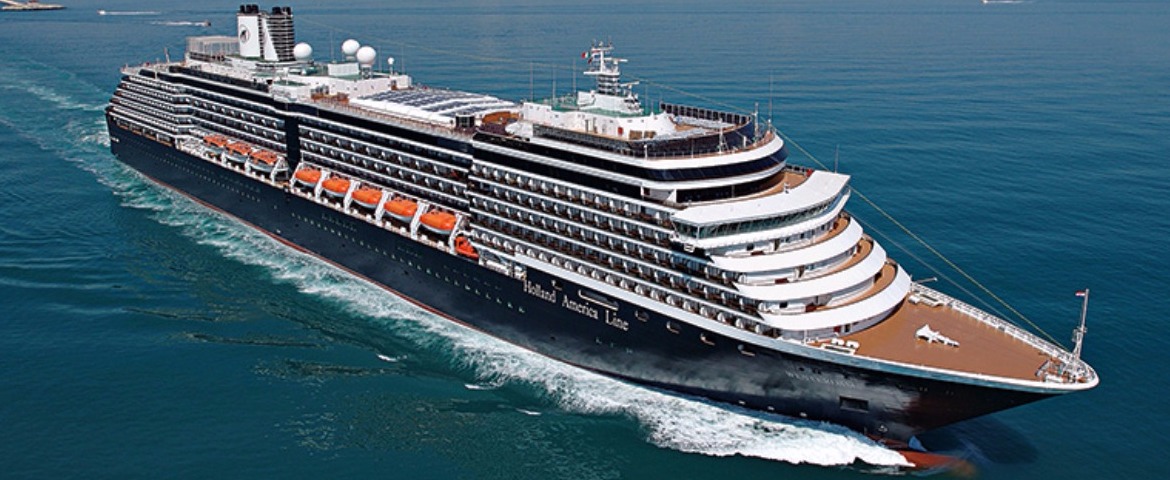
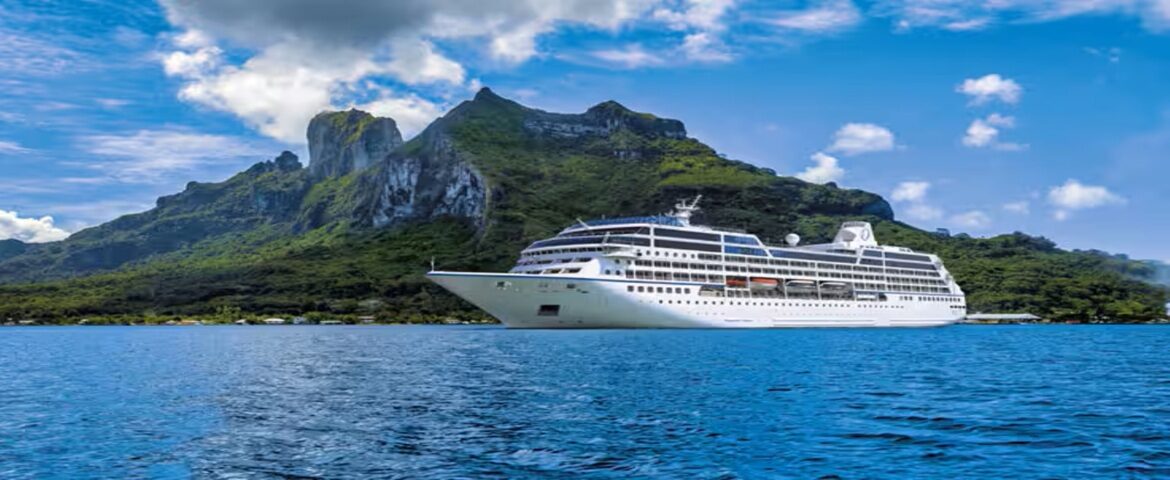
Eleven kilometres of winding channel between hills covered in coconut palms: the arrival in Neiafu feels more like sailing up a tropical fjord than approaching an atoll. At the end of the passage opens the Port of Refuge, one of the most sheltered natural anchorages in the South Pacific, where the masts of sailboats from around the world sway. Ships drop anchor in the middle of the harbour, in the north of the Kingdom of Tonga; tenders then bring passengers right into the heart of the small capital of Vava'u, steps from the market.

Neiafu, between wharf and hills

The Utukalongalu market sets the tone as soon as you step ashore: taro, pineapples, the morning's fish, and handicraft stalls piled with painted tapa, woven pandanus mats and shell jewellery. The streets climb gently toward the churches and schools, while the waterfront lines up cafés and excursion counters run by sailors who stayed ashore longer than planned. English and Tongan mix cheerfully here, at the kingdom's easygoing pace. A cathedral dominates the water from its promontory, and its bell tower serves as a landmark for sailors and walkers alike.

Mount Talau, a balcony over the harbour

Above the rooftops rises Mount Talau, a 131-metre table with a curiously flattened summit. A trail leaves from town and gets steeper toward the end, with a few steps helping on the steepest stretches. Up top, the reward comes all at once: the entire harbour, the maze of islets, white sails scattered across a gradient of blues and greens. It's the best place to understand why Pacific sailors speak of these waters with a catch in their voice.

The whales of the austral winter

From July to October, humpback whales come up from Antarctic waters to give birth and mate in the calm waters of the archipelago. Licensed operators offer to approach them by boat, sometimes even to slip into the water in small groups, under strict supervision: Tonga is one of the very few countries in the world to allow this kind of swim. Encounters take place at a respectful distance from mothers and their calves, following rules that Tongan guides apply with pride. Hearing a male's song resonate through the hull, watching a mother guide her calf to the surface: these are minutes that carry great weight in the memory of a voyage.

Caves and islets

The most popular sea outing leads to Swallows' Cave, carved into a cliff on the island of Kapa: you enter by small boat or by swimming, into a chamber where shafts of light plunge toward deep blue water. Some fifty islands and islets make up the archipelago, many edged with pale sand and reefs; excursions readily combine swimming, a picnic and snorkelling over the corals. Crews generally provide masks and snorkels; the clarity of the water does the rest.

Port of call at a glance

SiteDistance from the landingAccess
Utukalongalu marketRight nearbyOn foot
Mount TalauAbout 2 kmOn foot, steep trail
Swallows' Cave (Kapa)By boat onlySea excursion

When the ship heads back through the channel, the hills slide past one by one, slowly closing the harbour behind it. On the pontoons, the sailboats are preparing the evening rum; on deck, passengers watch this maze of warm water recede, where the whales met that morning may still be singing. You then understand why so many sailors, arriving here for a week, end up staying a whole season.

Frequently Asked Questions

It doesn't dock: the ship anchors in the middle of the Port of Refuge, one of the most sheltered natural harbours in the South Pacific, and tenders land passengers right in the heart of Neiafu, steps from the market. The arrival is worth getting up for: eleven kilometres of winding channel between coconut-covered hills.
Almost everything. Utukalongalu market is steps from the landing, the waterfront is lined with cafés and excursion desks, and the streets climb gently toward churches, schools and the cathedral that overlooks the harbour from its headland. The Mount Talau trail also starts in town.
From July to October, yes. Humpback whales come up from Antarctic waters to calve and mate in the archipelago's calm bays. Outside that window there is no point hoping: it is the one factor that should decide the season of your itinerary if whales are what bring you here.
Yes, and Tonga is one of very few countries in the world that permits it. Licensed operators approach the whales by boat and slip small groups into the water, closely supervised and at a proper distance from mothers and calves. Tongan guides enforce those rules with pride.
It has to be earned at the end. The trail leaves from town and steepens on its final stretch, with a few steps helping on the sharpest sections, reaching a flat summit at 131 metres. From the top: the whole harbour, the maze of islets and white sails scattered across blues and greens.
Taro, pineapple and the morning's fish, plus craft stalls piled with painted tapa, woven pandanus mats and shell jewellery. It is the natural first stop off the tender, and the best place to bring back something made here rather than imported.
In whale season, a boat trip and nothing else: it is the reason the call exists. Out of season, the market, the climb up Mount Talau and a boat excursion to the caves and islets fill half a day very well.
The Tongan pa'anga, and you need cash: ATMs are scarce and cards are taken only at a few waterfront businesses. Tongan and English, both official, mix cheerfully at the kingdom's unhurried pace.
Almost everything closes. Tonga observes Sunday strictly: market closed, shops closed, excursions limited. The churches, on the other hand, fill up, and the singing that pours out of them is reason enough to go ashore that day.
Yes for the market, the waterfront and boat trips out to the islets. Swimming with whales, however, requires being comfortable in deep water far from anything to hold onto: operators set their own age and ability limits, and they are right to.