Canakkale Troy, Turkey
Turkey
344
Cruises availables
At departure or passage at this port
Azamara Club Cruises (24 Cruises)
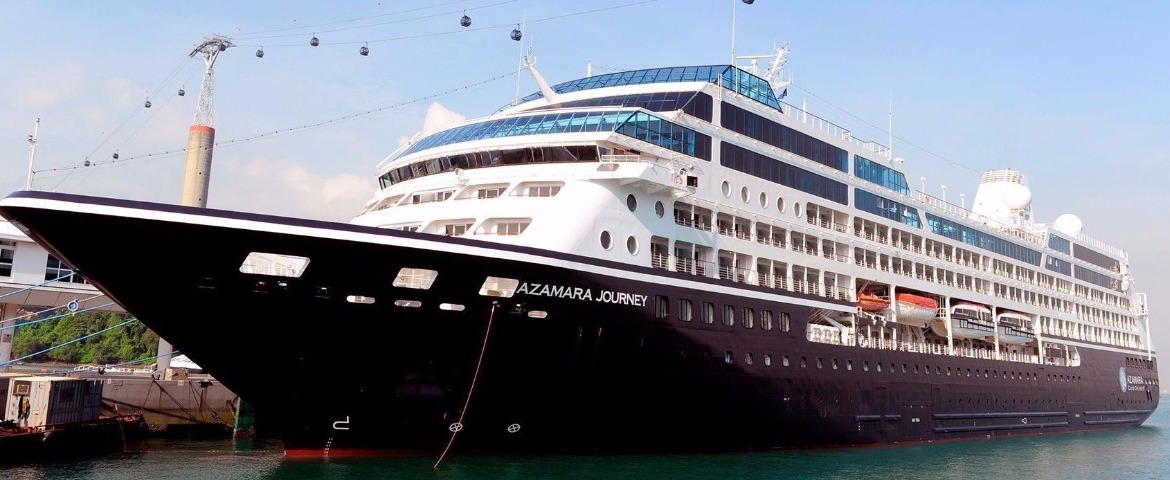
Azamara Journey
14 Cruises

| 26 August | 71 days | One-way from Portsmouth UK to Piraeus-Athens |
450-628-6241
Call us
|
| 26 August | 70 days | One-way from Portsmouth UK to Piraeus-Athens |
450-628-6241
Call us
|
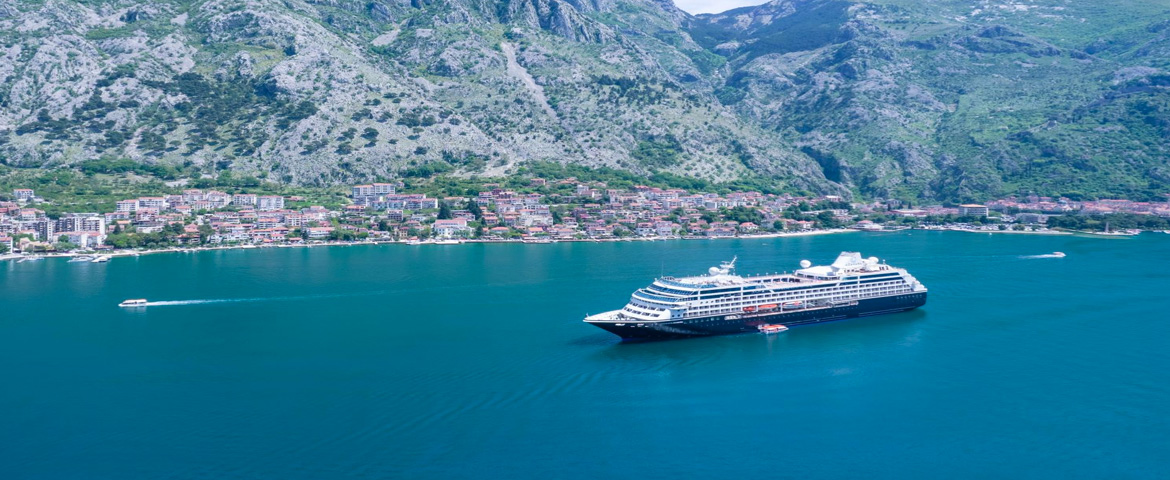
Azamara Onward
10 Cruises
| 29 June | 39 days | One-way from Piraeus-Athens to Civitavecchia-Rome |
450-628-6241
Call us
|
| 29 June | 10 days | Round-trip from Piraeus-Athens, Greece |
450-628-6241
Call us
|
Costa Cruises (47 Cruises)
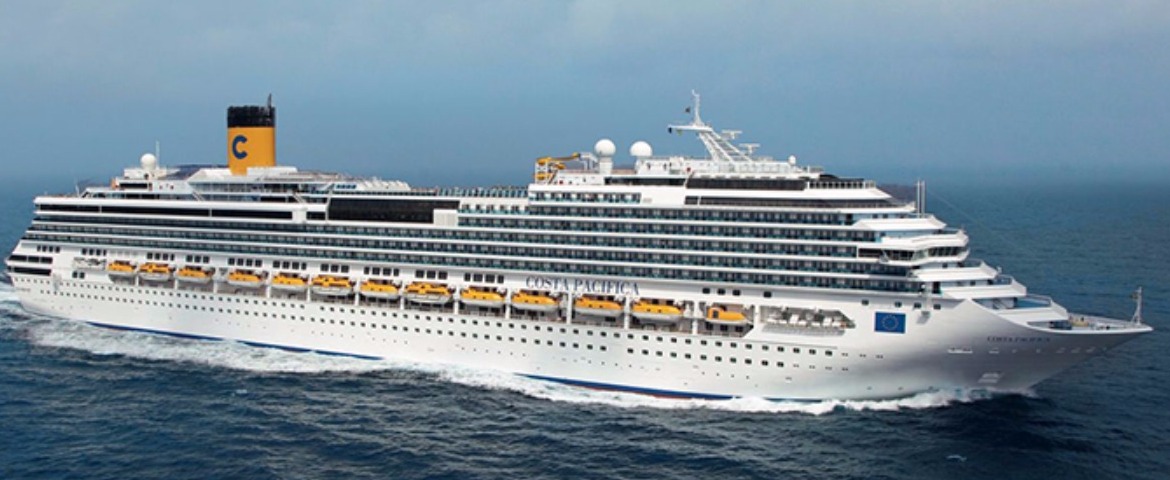
Costa Pacifica
47 Cruises

Cunard (32 Cruises)
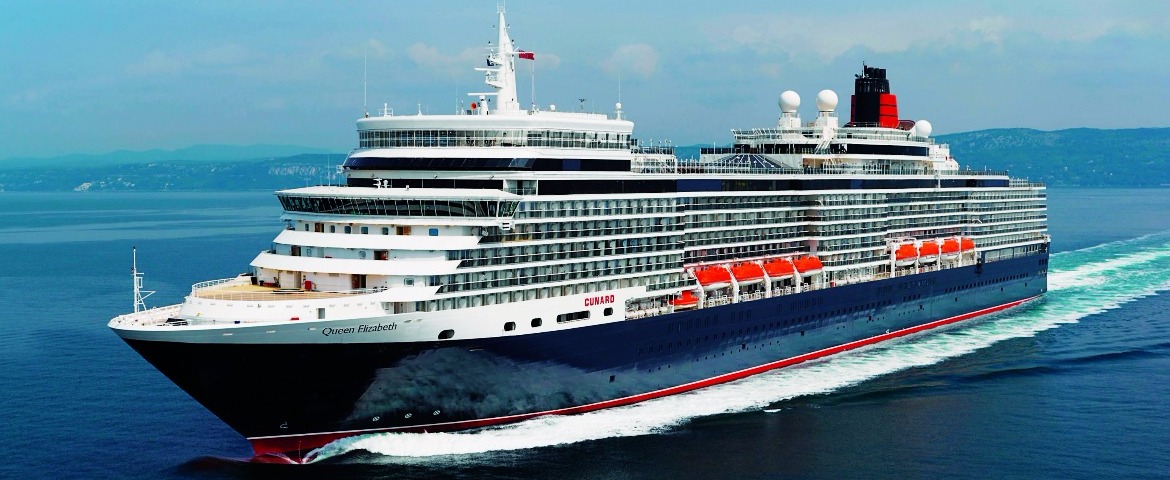
Queen Elizabeth
32 Cruises
Emerald Waterways (1 Cruises)

Explora Journeys (1 Cruises)

Holland America Line (8 Cruises)
Oceania Cruises (22 Cruises)

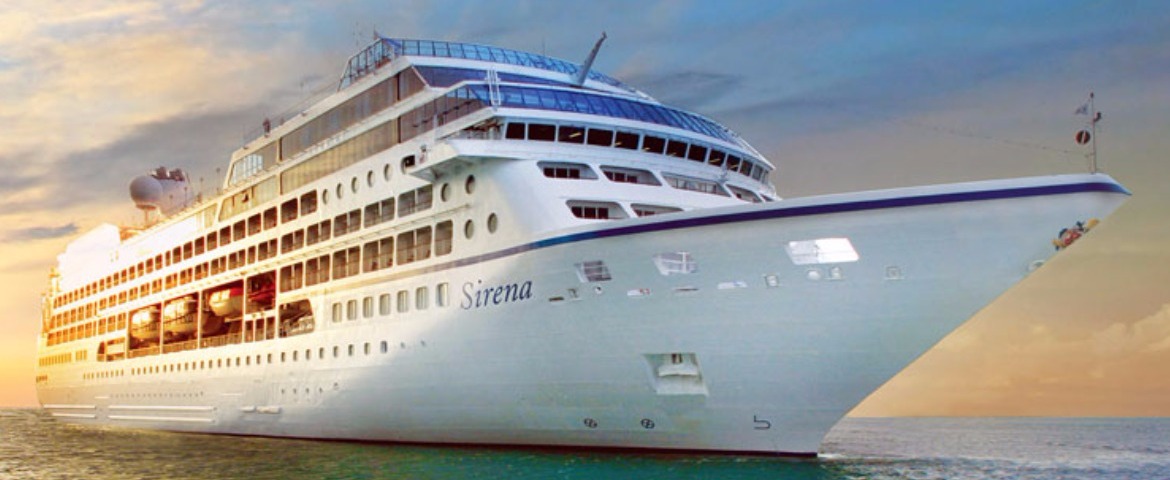
Oceania Sirena
7 Cruises
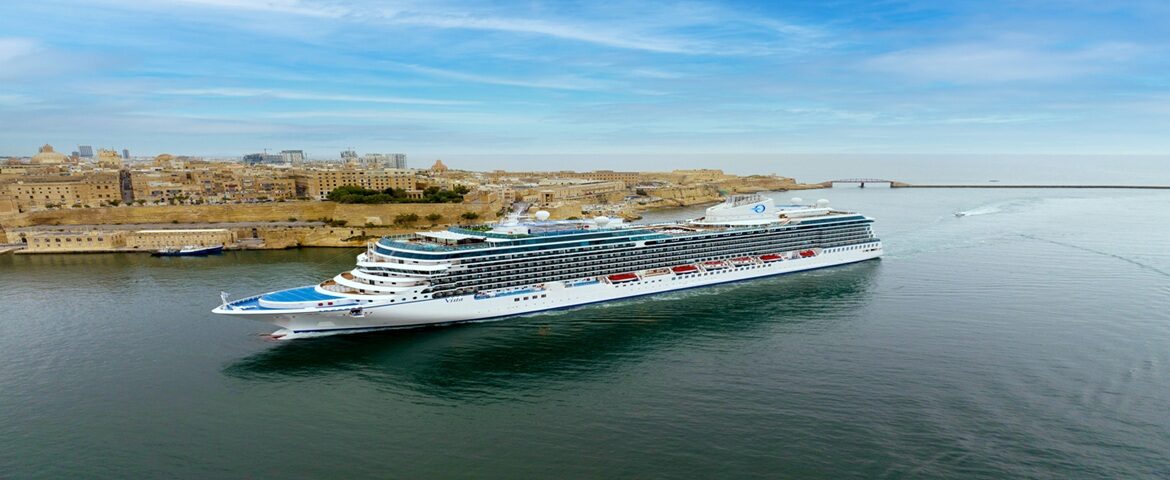
Oceania Vista
7 Cruises
| 4 January | 97 days | One-way from Auckland to Civitavecchia-Rome |
450-628-6241
Call us
|
| 4 January | 96 days | One-way from Auckland to Civitavecchia-Rome |
450-628-6241
Call us
|
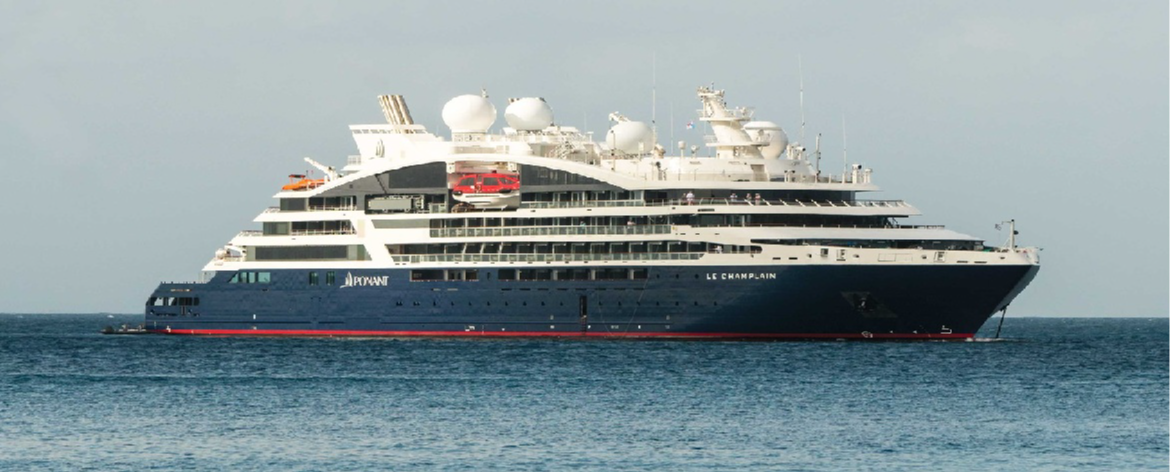
Ponant (1 Cruises)

Regent Seven Seas Cruises (8 Cruises)
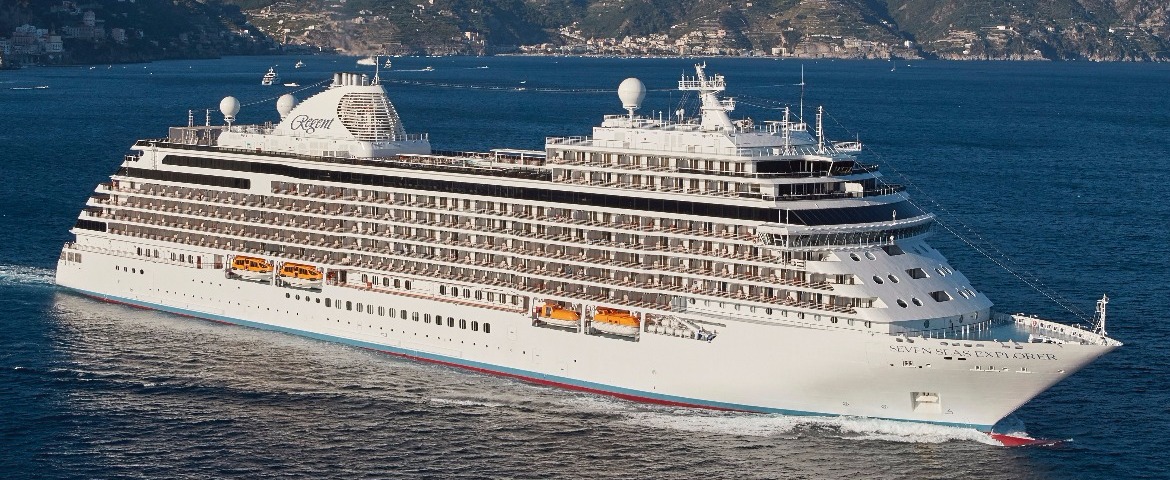
Seven Seas Explorer
6 Cruises
Scenic Cruises (28 Cruises)
Scenic Amber
12 Cruises


| 24 May | 29 days | One-way from Amsterdam to Istanbul |
450-628-6241
Call us
|
| 24 May | 28 days | One-way from Amsterdam to Istanbul |
450-628-6241
Call us
|
Scenic Crystal
8 Cruises


Seabourn Cruise Line (76 Cruises)
Seabourn Ovation
76 Cruises

| 25 September | 35 days | One-way from Barcelona to Piraeus-Athens |
450-628-6241
Call us
|
| 25 September | 36 days | One-way from Barcelona to Piraeus-Athens |
450-628-6241
Call us
|
Silversea Cruises (2 Cruises)

Viking Ocean Cruises (94 Cruises)
Viking Jupiter
17 Cruises
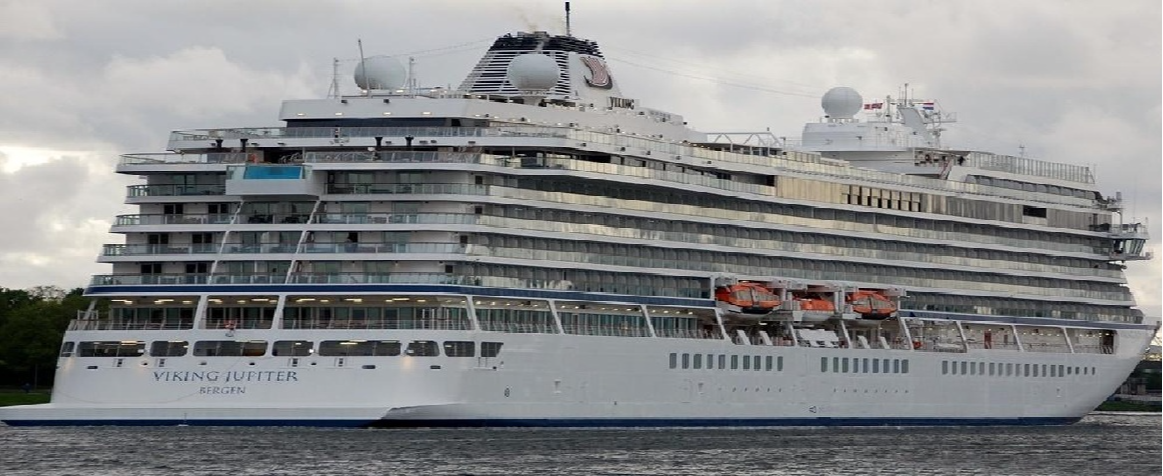

| 19 September | 34 days | One-way from Lisbon to Istanbul |
450-628-6241
Call us
|
| 26 September | 27 days | One-way from Barcelona to Istanbul |
450-628-6241
Call us
|
| 23 July | 27 days | One-way from Barcelona to Istanbul |
450-628-6241
Call us
|
| 29 July | 21 days | One-way from Civitavecchia-Rome to Istanbul |
450-628-6241
Call us
|
Viking Mars
19 Cruises
Viking Neptune
33 Cruises
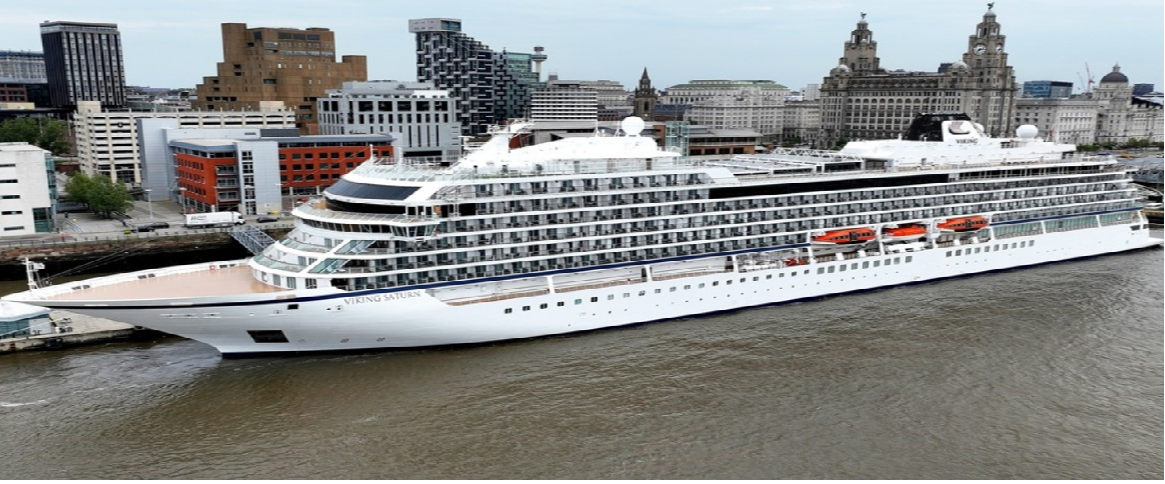
Viking Saturn
6 Cruises
Viking Sky
8 Cruises
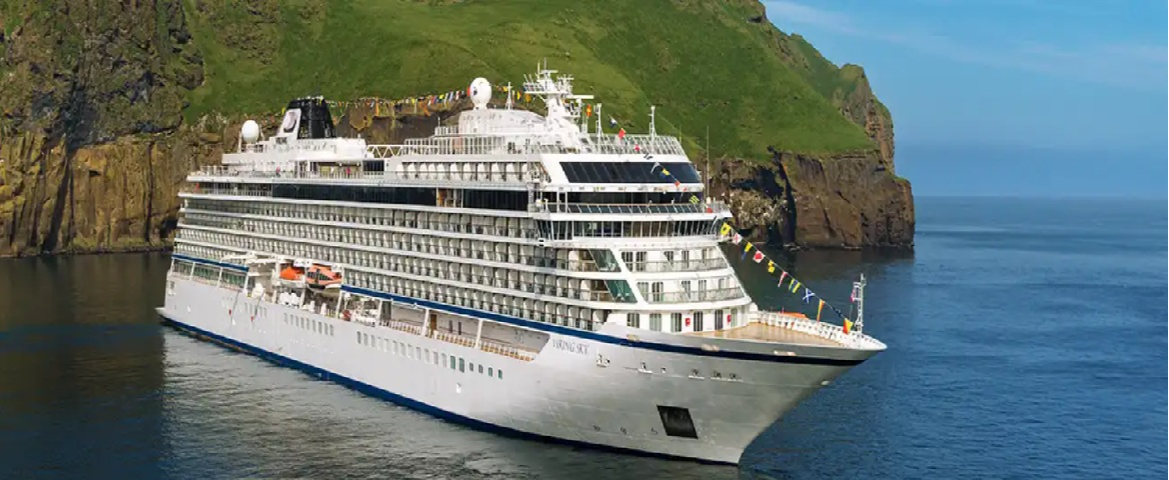
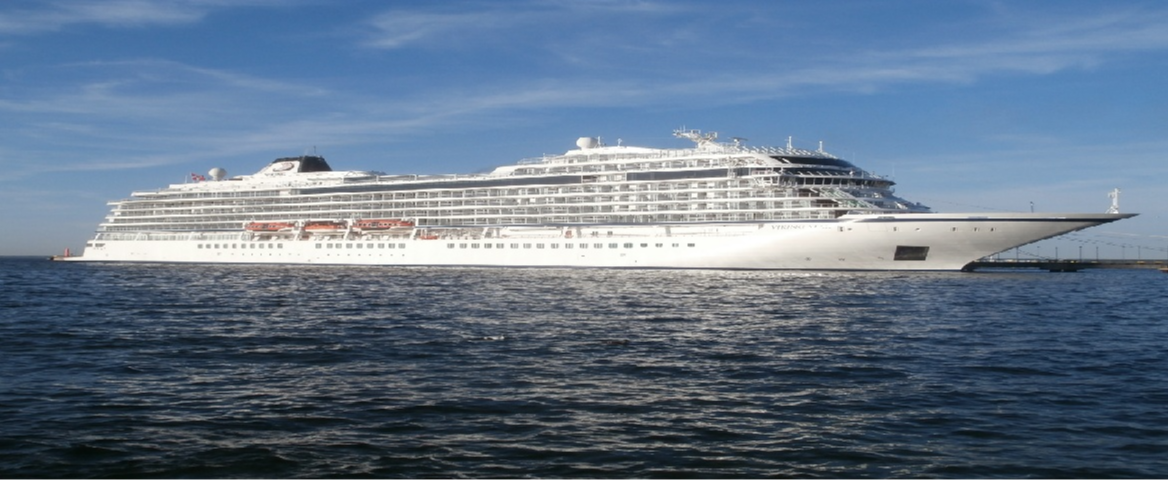
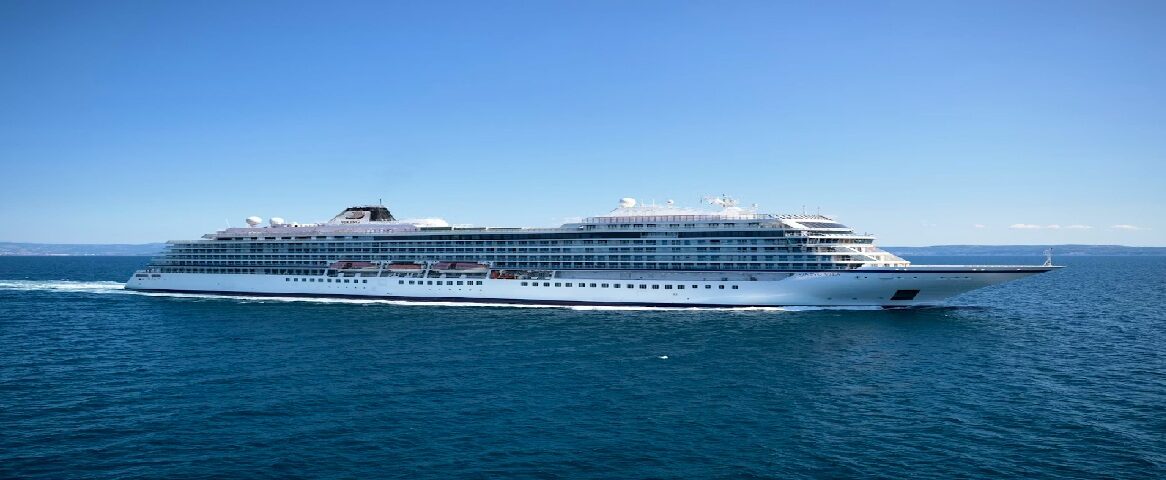
Viking Vela
7 Cruises

Canakkale Turkey | Aegean Cruise Port & History Guide
Frequently Asked Questions
It depends on its size. Smaller ships berth at the quay beside the ferry terminal, right in the heart of the city; larger ones use Kepez port a few kilometres south, with shuttles into the centre. Either way, the kordon, the waterfront promenade, quickly becomes your reference point.
About thirty minutes' drive south of the port. You can get there on a ship's excursion, by taxi, or by dolmuş, the local minibuses that leave from the bus station. That name is why most passengers come ashore here.
Honestly: Troy is read more than it is admired. The site layers nine successive cities, and without a guide or audio guide a hurried visitor will mostly see stone walls and excavation trenches. With an explanation, it is one of the most moving places in the ancient world.
Yes, if the ship berths in the centre. The kordon, the wooden horse, the shopping streets and Çimenlik fortress are all walkable. From Kepez you need the shuttle. Cafés, tea houses and simit sellers line the water, and locals walk there at all hours.
The enormous horse used in the 2004 Hollywood blockbuster, given to the municipality after filming and installed on the waterfront esplanade. It is not an ancient relic, then, but it is the photograph everyone takes, and it is impossible to miss.
A stronghold raised in the 15th century on the orders of Sultan Mehmed II to lock the Dardanelles passage, at the end of the waterfront. It now houses a naval museum devoted in part to the Dardanelles campaign of 1915, and its ramparts open fine views across to the European shore.
Because pottery gave it its name: Çanakkale means, in essence, the fortress of bowls. The ceramic shops in the commercial streets carry on the tradition, and it is the most fitting souvenir to bring back from this call.
Yes, they lie on the European shore opposite, reachable by the ferry that links the two continents in about twenty minutes. Set aside a good half-day: combining Troy and Gallipoli in a single call is rarely realistic. Choose before you go ashore.
The Turkish lira. Cards work in central restaurants and shops, but keep cash for dolmuş, taxis and site tickets. Turkish is spoken; English works with guides and along the kordon, less so in the shopping streets.
April to June and September to October. The site of Troy is walked in the open with no shade, and August heat there is punishing. The Dardanelles strait is also breezy year-round: pack a windbreaker even in summer.


