Puerto Madryn Argentina
109
Cruises availables
At departure or passage at this port
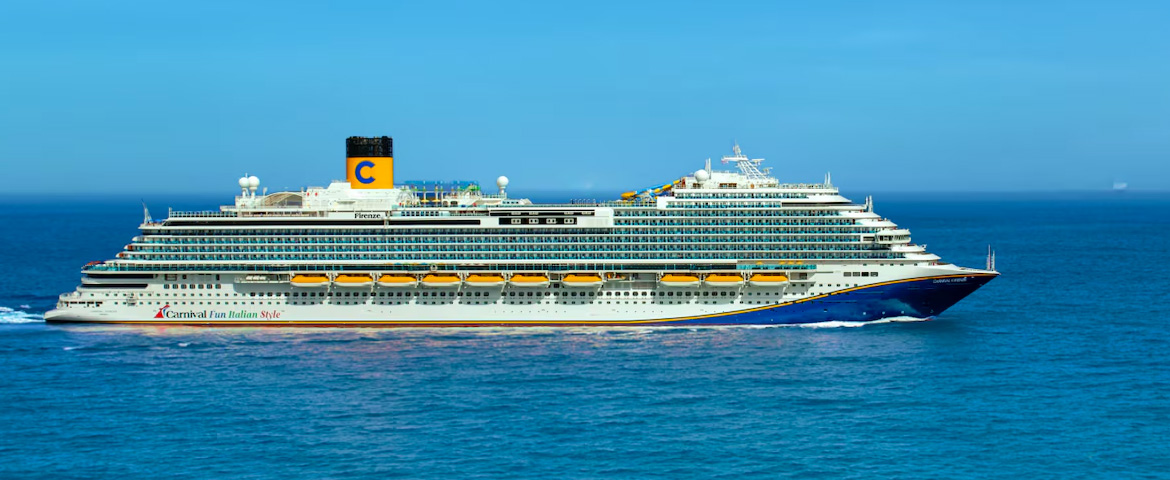
Carnival Cruise Line (1 Cruises)

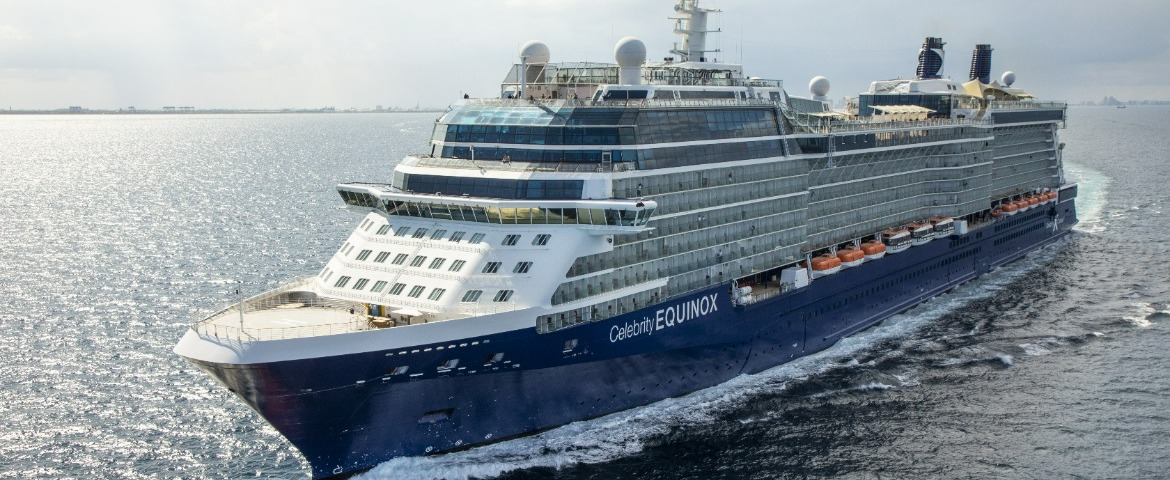
Celebrity Cruises (13 Cruises)
Celebrity Equinox
13 Cruises

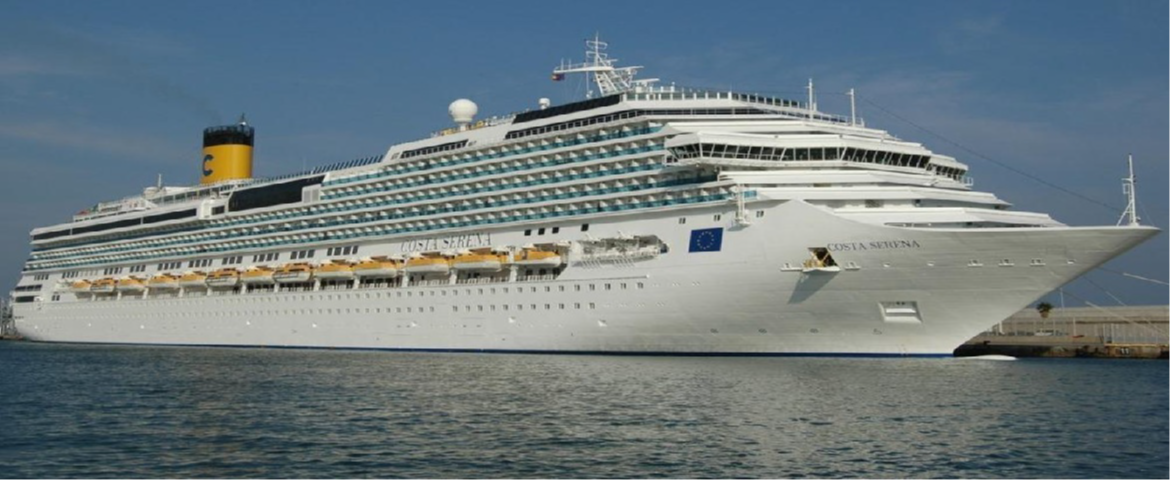
Costa Cruises (2 Cruises)



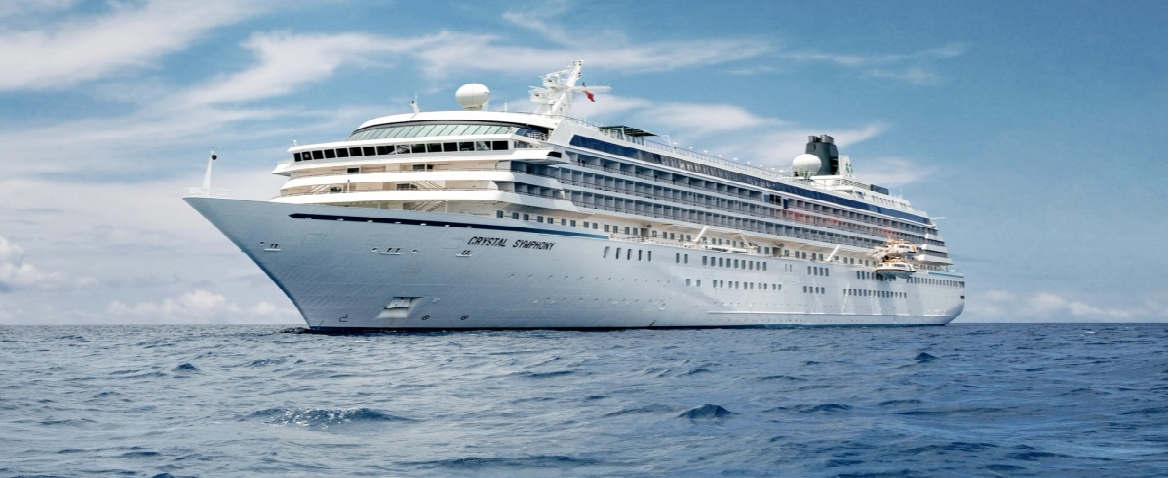
Cunard (5 Cruises)
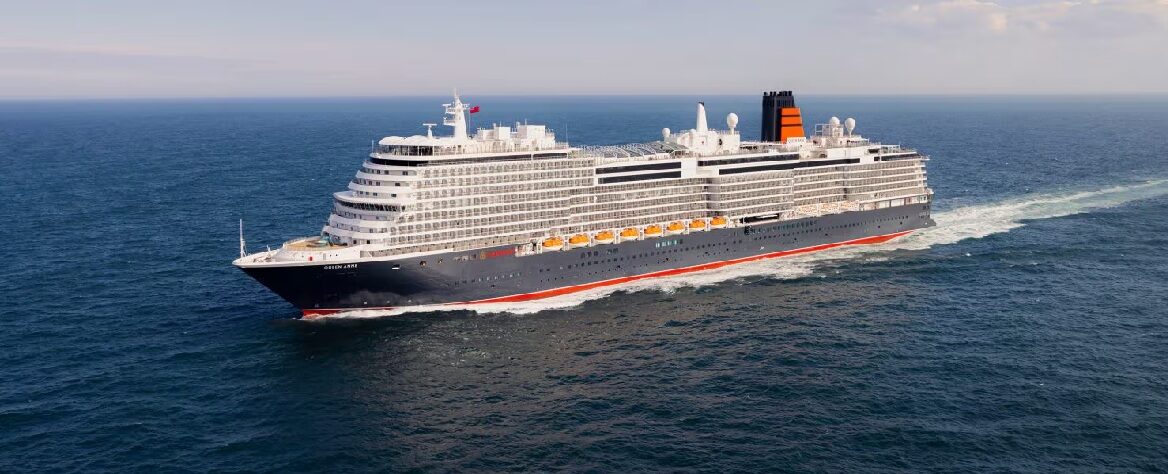
Queen Anne
5 Cruises

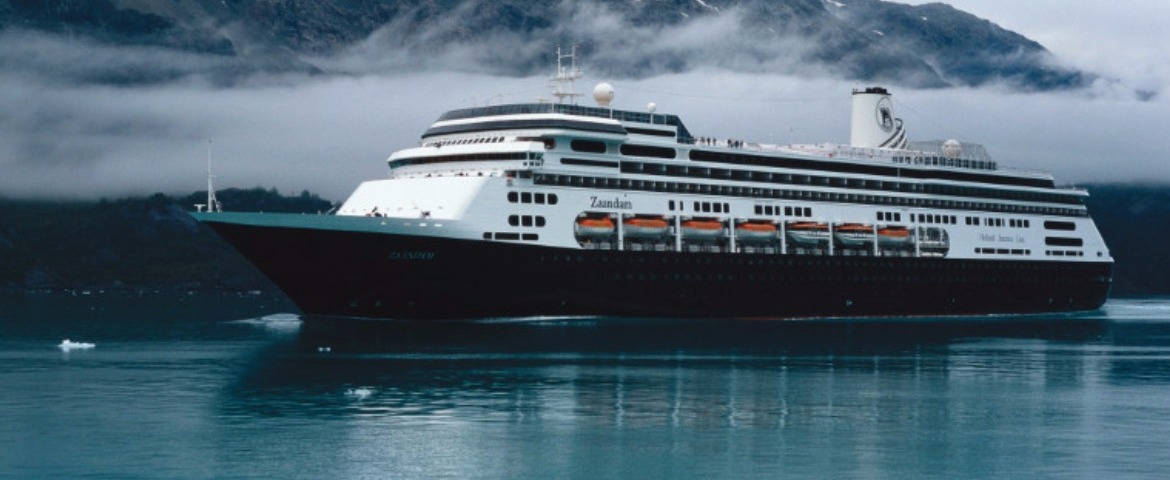
Holland America Line (16 Cruises)

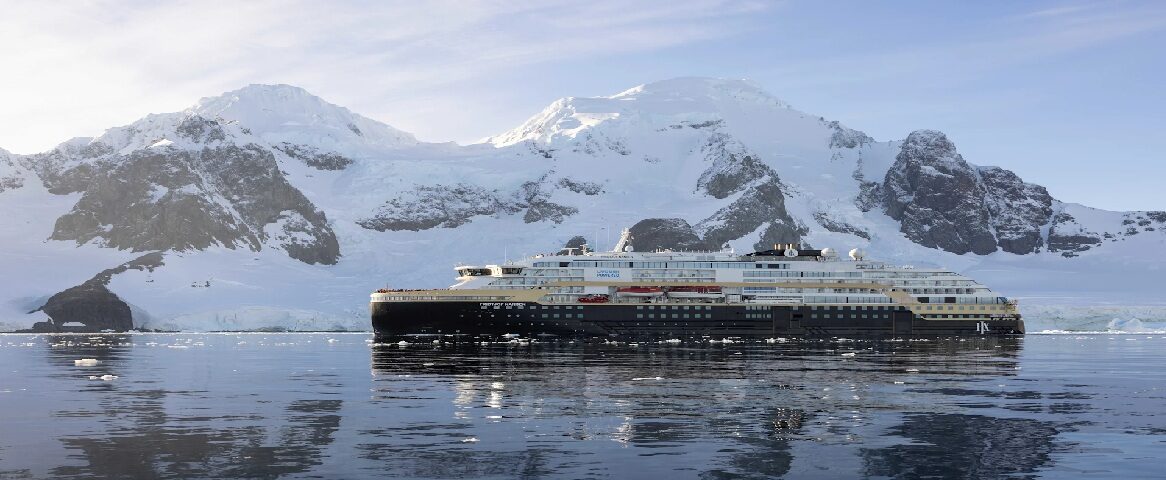
HX Expeditions (4 Cruises)

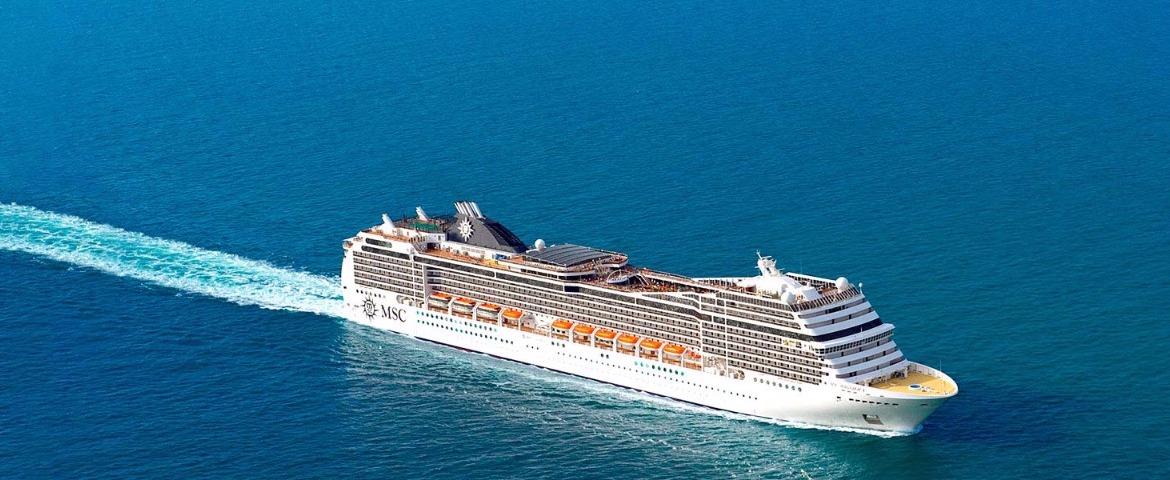
MSC Cruises (8 Cruises)
MSC Magnifica
8 Cruises

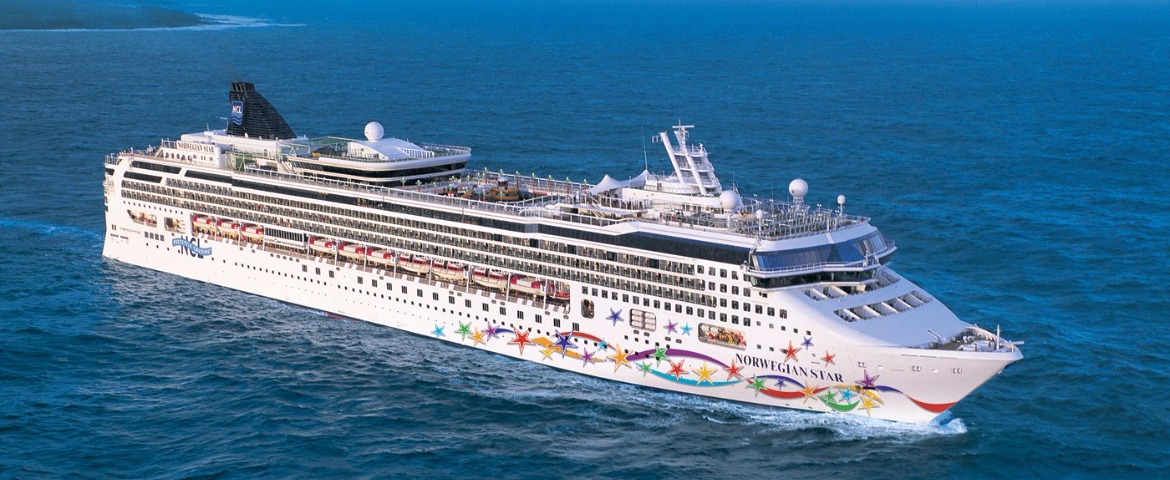
Norwegian Cruise Line (6 Cruises)
Norwegian Star
6 Cruises

Oceania Cruises (8 Cruises)
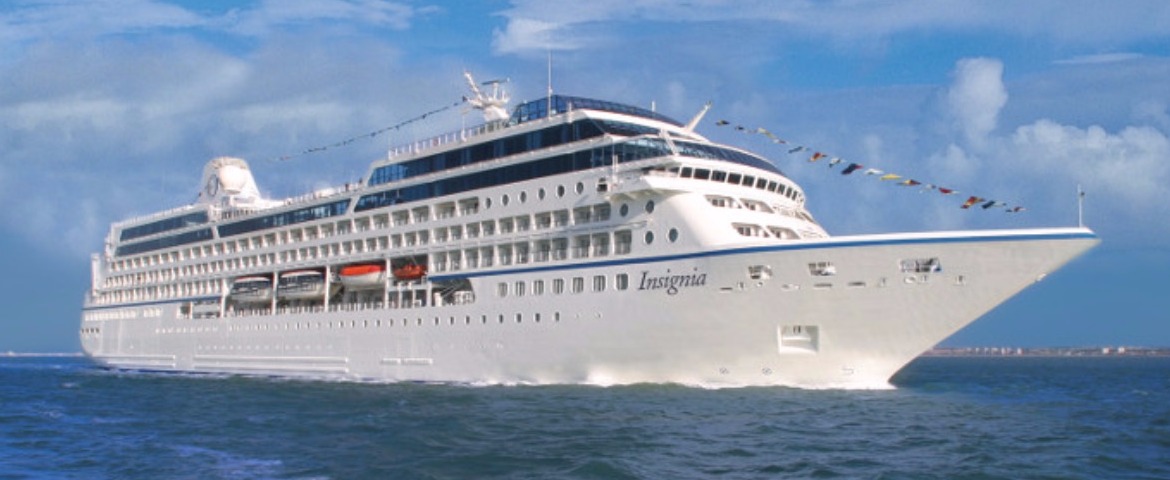
Oceania Insignia
6 Cruises


Princess Cruises (8 Cruises)



Seabourn Cruise Line (8 Cruises)
Seabourn Venture
8 Cruises

Silversea Cruises (4 Cruises)

Viking Ocean Cruises (12 Cruises)
Viking Jupiter
12 Cruises

| 6 January | 15 nights | One-way from Buenos Aires to Valparaiso-Santiago |
450-628-6241
Call us
|
| 23 January | 15 nights | One-way from Valparaiso-Santiago to Buenos Aires |
450-628-6241
Call us
|

Puerto Madryn, Argentina | Cruise Port Guide
Frequently Asked Questions
At the Piedra Buena pier. Downtown is about a fifteen minute walk along the bay, which makes Madryn one of the easiest ports in Argentine Patagonia.
Between June and November. Southern right whales come into the gulf to calve, sometimes within sight of the ship's deck. It is one of the few places in the world where this happens beside a town.
On boat trips from Puerto Pirámides, on the Valdes Peninsula, from June to December. The approach is made at a respectful distance : many travellers rank the moment among the most powerful of their lives.
A tongue of steppe framed by two gulfs, listed as a UNESCO World Heritage site, a good hour's drive north. You can see elephant seals, sea lions, Magellanic penguins in season, guanacos and maras, and depending on the month orcas off the points. Allow a full day.
A huge Magellanic penguin colony, hundreds of thousands of birds crossing the paths without minding visitors, from September to March. The drive takes about two and a half hours each way : the round trip fills the day.
No. You have to choose one major excursion : the two sites lie in opposite directions and each takes the whole day.
The town itself makes a pleasant half day. The coastal promenade runs several kilometres along the bay, dotted with beaches, and the Ecocentro, a museum perched on a cliff at the southern end, explains the Patagonian marine ecosystem with real intelligence.
In 1865, one hundred and fifty Welsh settlers landed on this coast of the Golfo Nuevo, looking for a land where they could preserve their language. A monument facing the sea marks that story, and many street names in the region still read in both languages.
Yes. Gaiman and Trelew are an hour's drive away, in the Chubut River valley. Brick chapels and tea houses there keep Welsh and buttered scones alive.
Squid, prawns and Patagonian lamb in the seafront restaurants, with an Argentine torrontés or malbec.


