Chilean Fjords Patagonia
Chile
291
Cruises availables
At departure or passage at this port
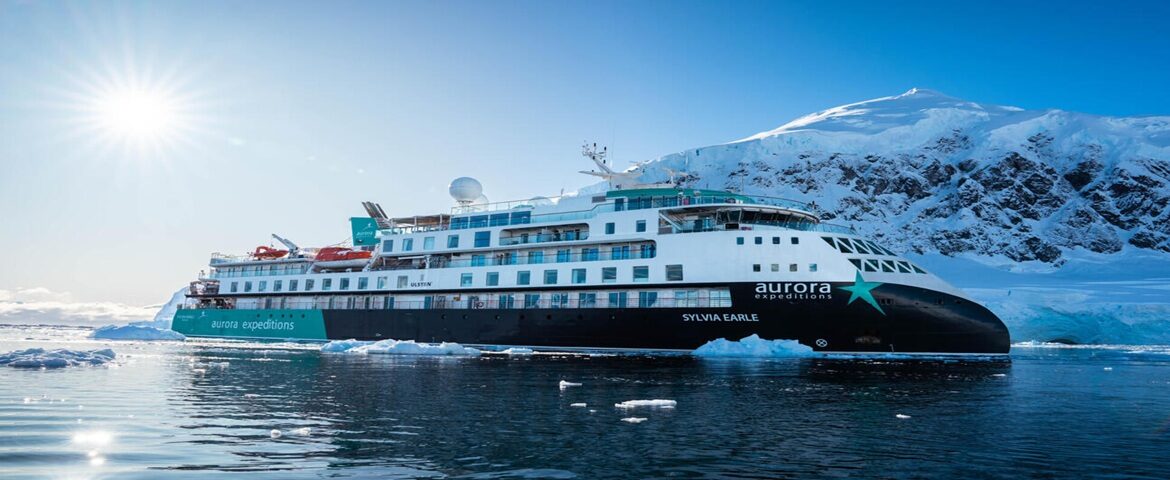
Aurora Expeditions (1 Cruises)

Azamara Club Cruises (10 Cruises)
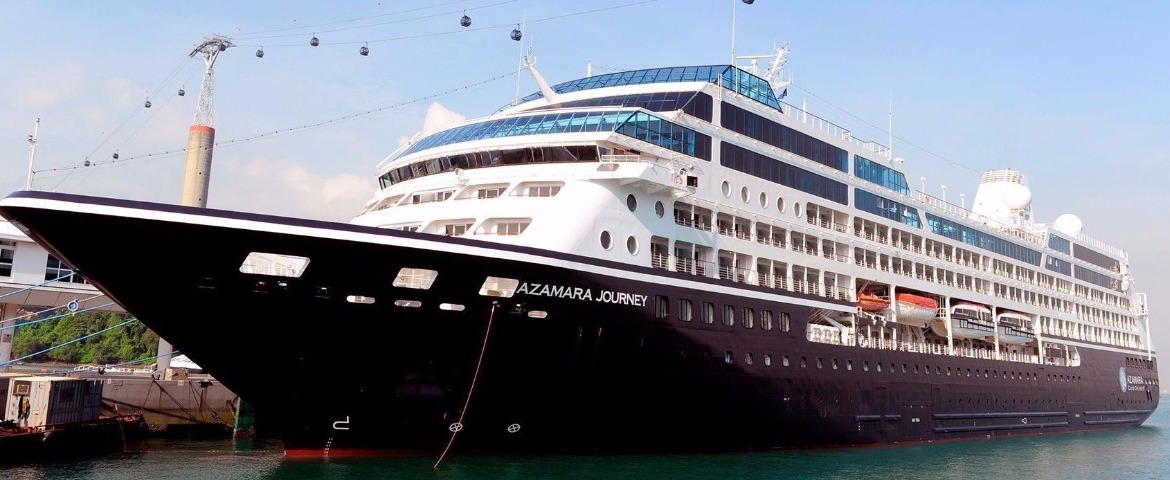

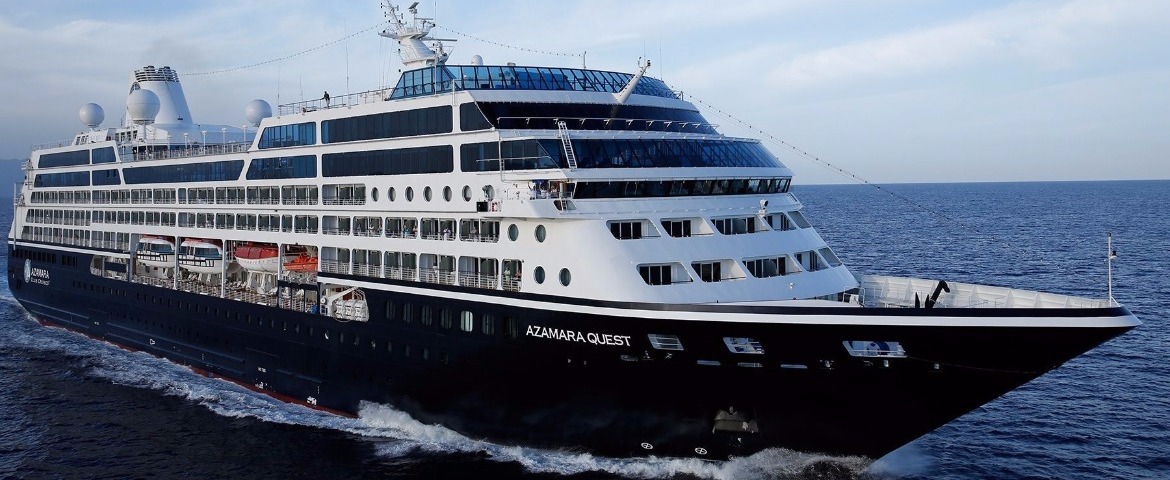
Azamara Quest
7 Cruises
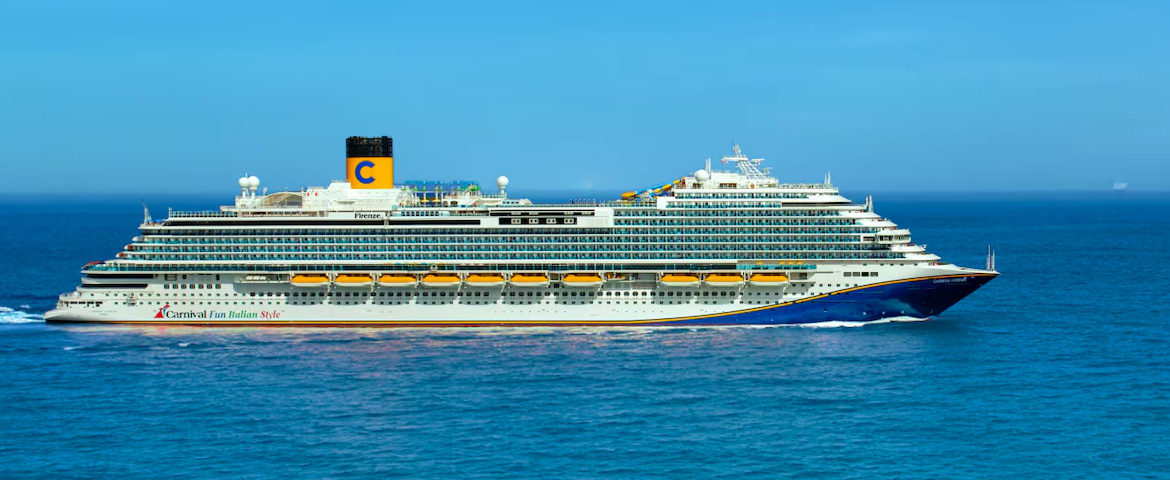
Carnival Cruise Line (1 Cruises)

Crystal Cruises (11 Cruises)
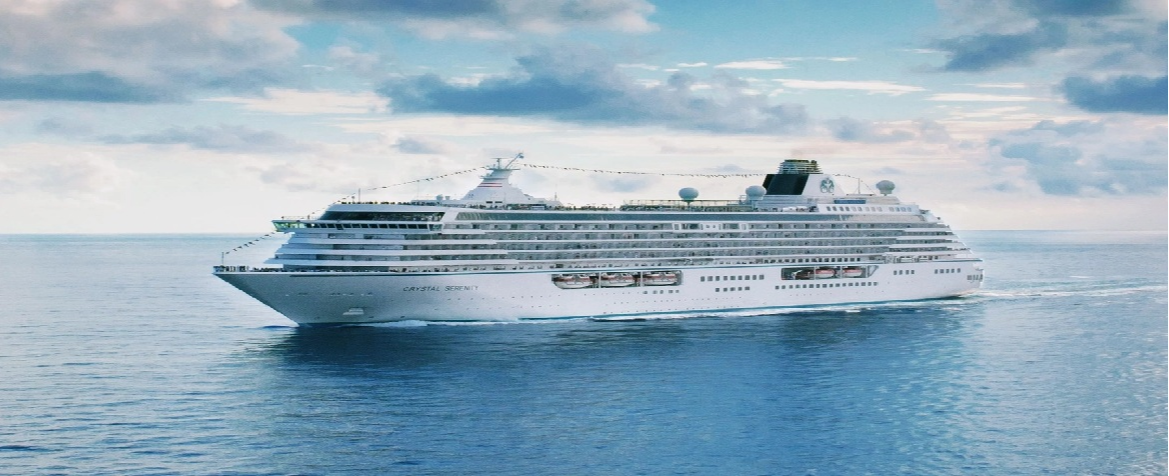
Crystal Serenity
8 Cruises

| 12 October | 71 days | One-way from New York to Fort Lauderdale |
450-628-6241
Call us
|
| 12 October | 72 days | One-way from New York to Fort Lauderdale |
450-628-6241
Call us
|
Cunard (10 Cruises)
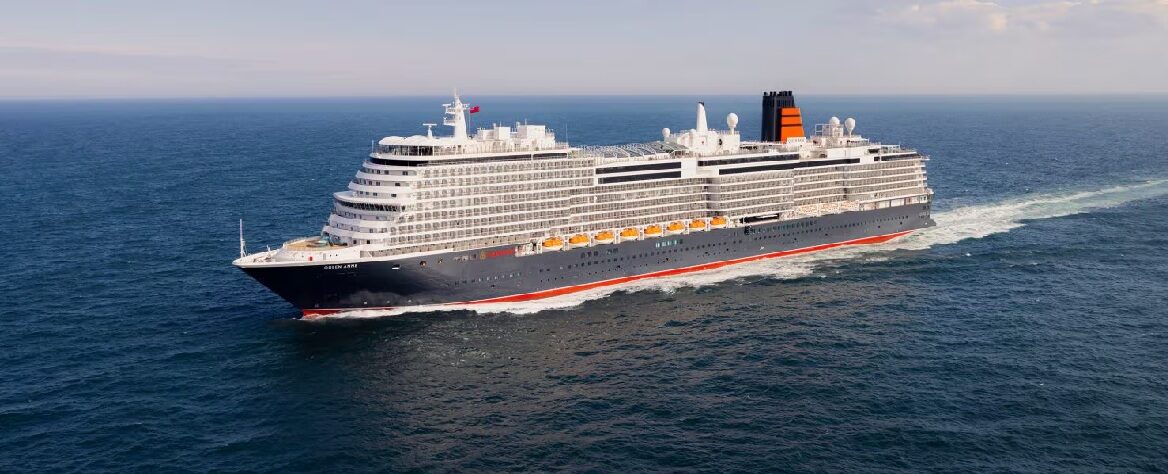
Queen Anne
10 Cruises

Holland America Line (53 Cruises)
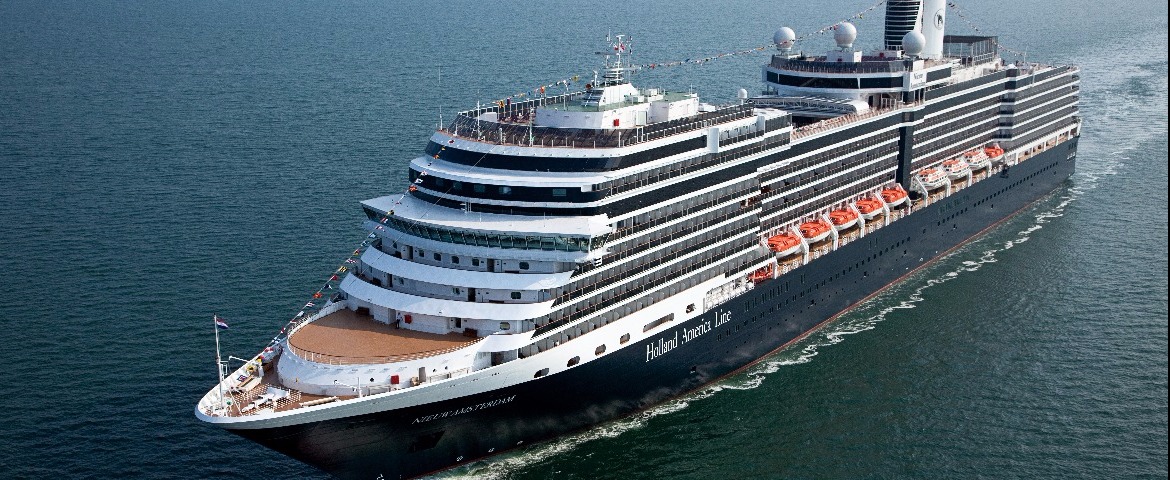
ms Nieuw Amsterdam
19 Cruises

| 8 January | 22 days | One-way from San Antonio to Buenos Aires |
450-628-6241
Call us
|
| 30 January | 21 days | One-way from Buenos Aires to San Antonio |
450-628-6241
Call us
|
| 21 February | 14 days | One-way from San Antonio to Buenos Aires |
450-628-6241
Call us
|
| 21 February | 15 days | One-way from San Antonio to Buenos Aires |
450-628-6241
Call us
|
ms Nieuw Statendam
19 Cruises
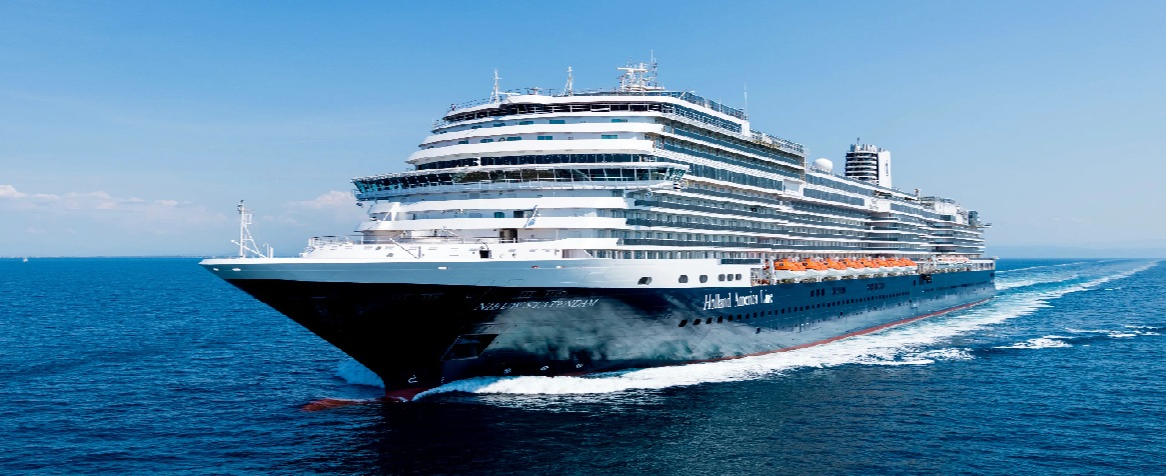
| 8 January | 22 days | One-way from San Antonio to Buenos Aires |
450-628-6241
Call us
|
| 30 January | 21 days | One-way from Buenos Aires to San Antonio |
450-628-6241
Call us
|
| 21 February | 15 days | One-way from San Antonio to Buenos Aires |
450-628-6241
Call us
|
| 21 February | 14 days | One-way from San Antonio to Buenos Aires |
450-628-6241
Call us
|
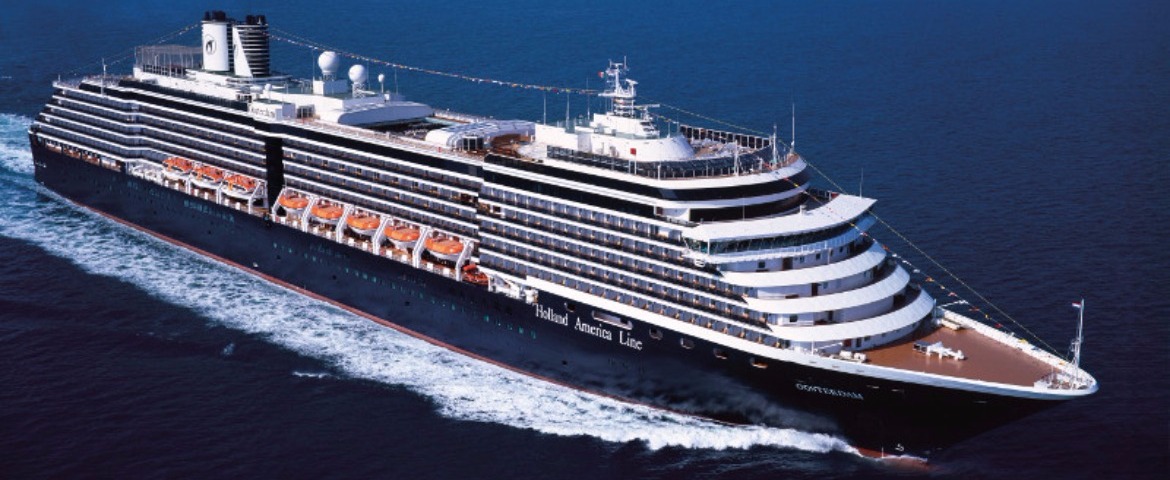
ms Oosterdam
12 Cruises
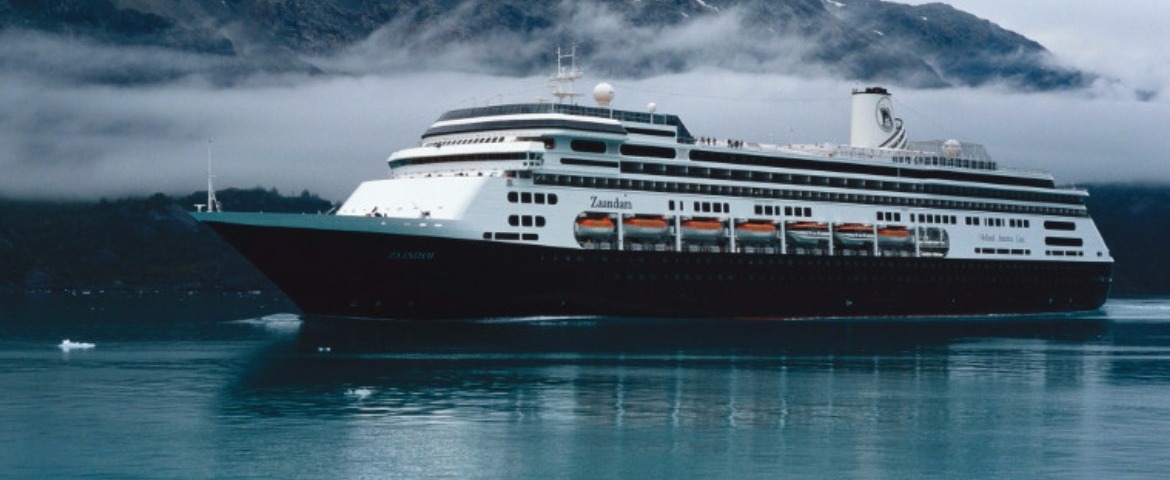
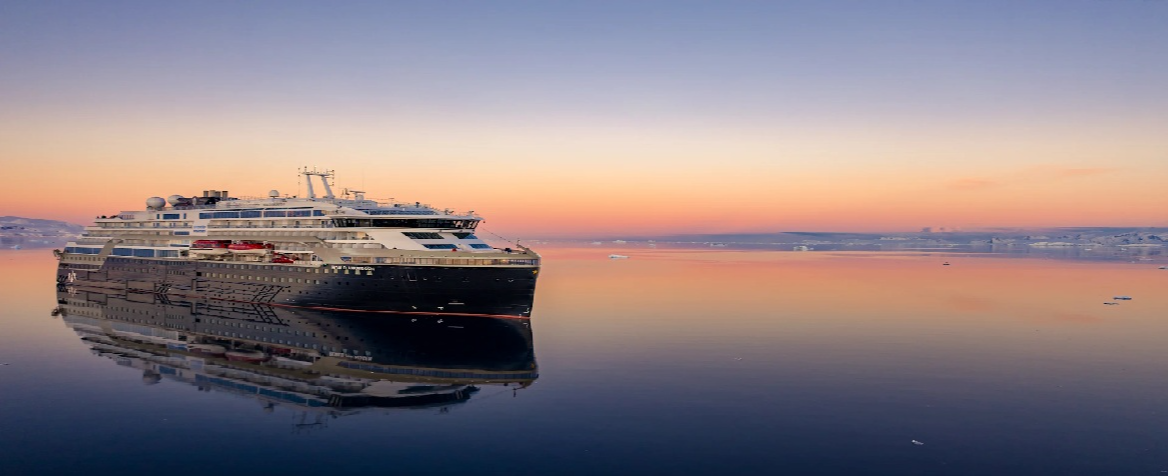
HX Expeditions (3 Cruises)
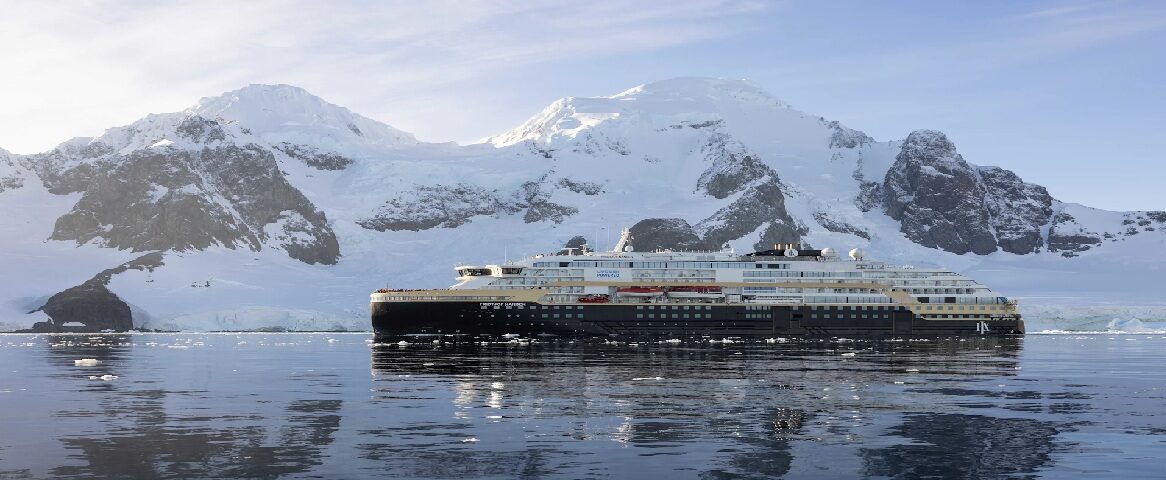

Lindblad Expeditions (28 Cruises)
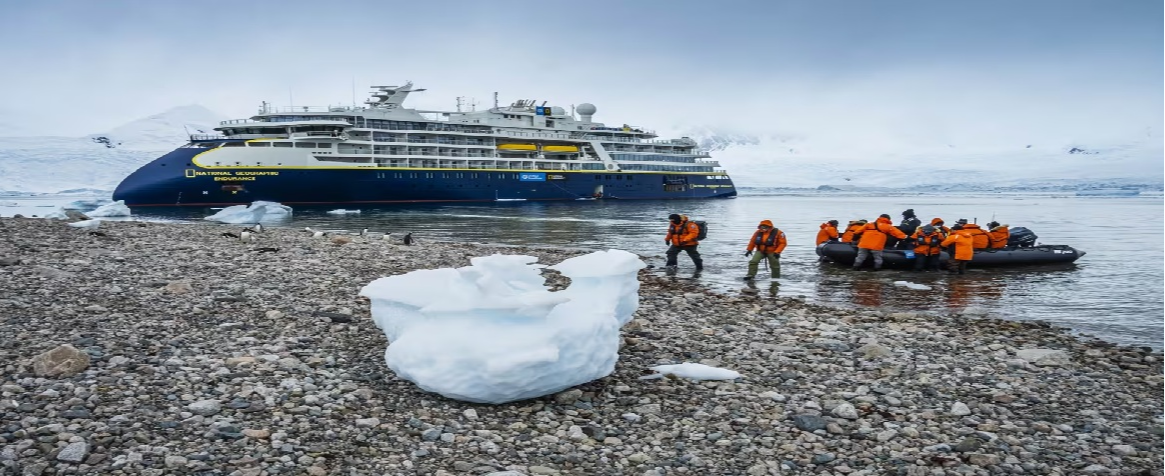

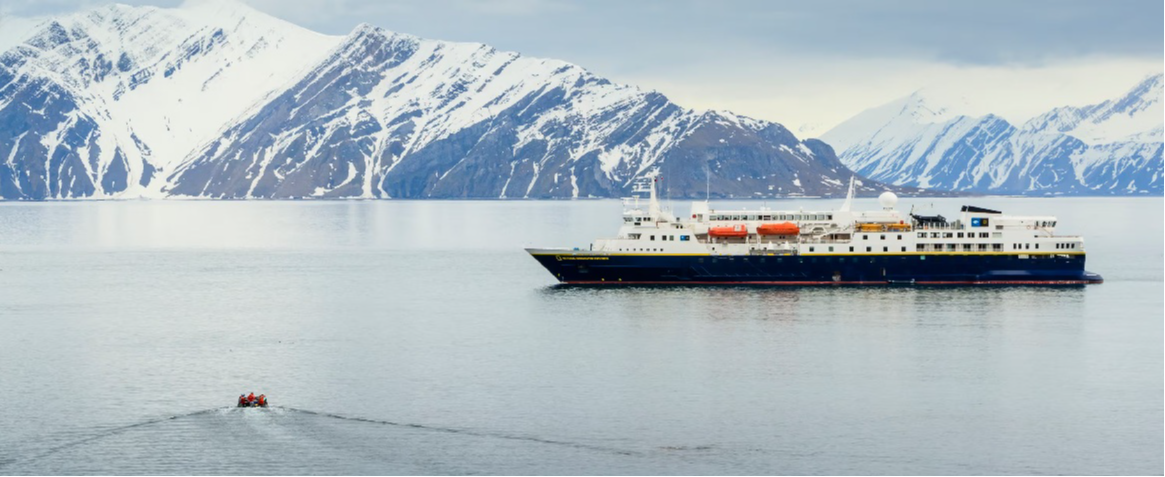
National Geographic Explorer
9 Cruises
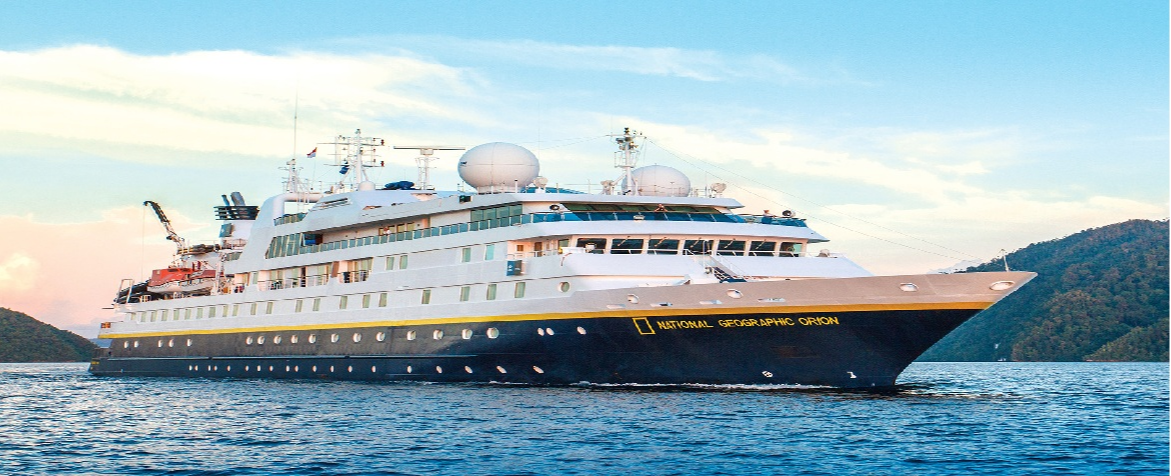
National Geographic Orion
6 Cruises
National Geographic Resolution
11 Cruises
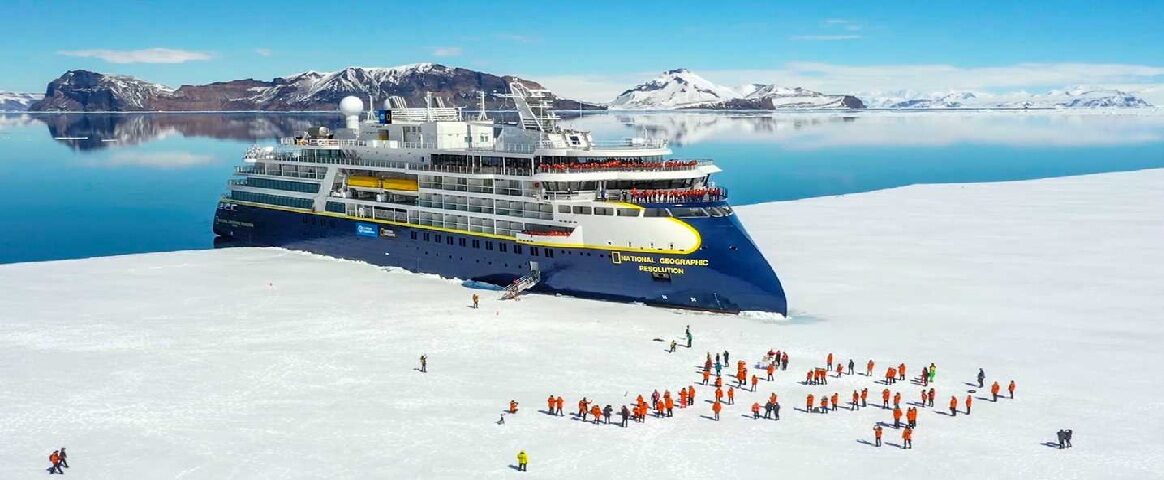
| 15 January | 25 days | Round-trip from Valparaiso-Santiago, Chile |
450-628-6241
Call us
|
| 16 January | 24 days | Round-trip from Ushuaia, Argentina |
450-628-6241
Call us
|
Oceania Cruises (12 Cruises)
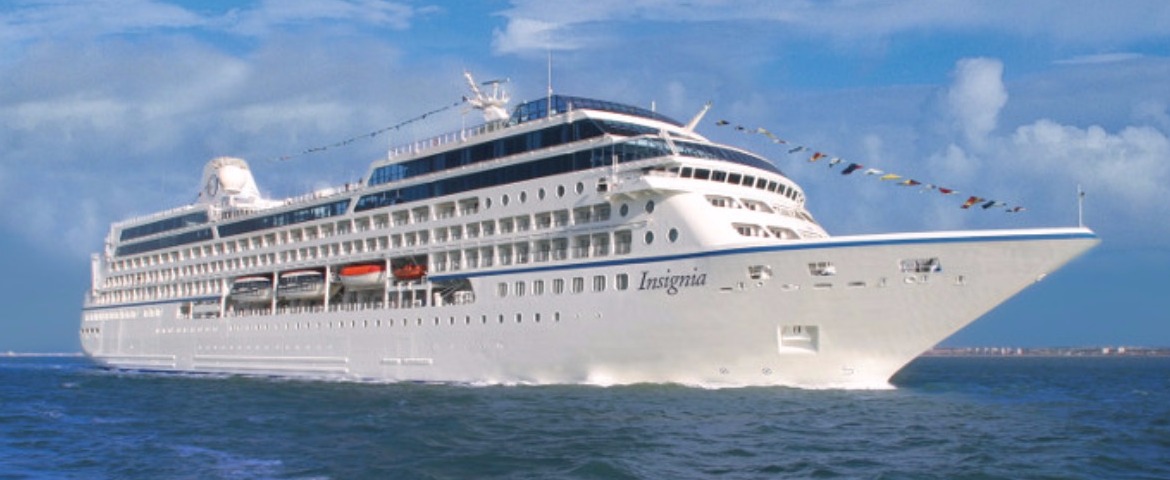
Oceania Insignia
10 Cruises

Ponant (4 Cruises)


Scenic Cruises (62 Cruises)
Scenic Eclipse
31 Cruises


| 20 February | 29 days | One-way from Valparaiso-Santiago to Rio de Janeiro |
450-628-6241
Call us
|
| 21 February | 26 days | One-way from Valparaiso-Santiago to Rio de Janeiro |
450-628-6241
Call us
|
| 10 January | 28 days | One-way from Buenos Aires to Valparaiso-Santiago |
450-628-6241
Call us
|
| 11 January | 25 days | One-way from Buenos Aires to Valparaiso-Santiago |
450-628-6241
Call us
|
Scenic Eclipse II
31 Cruises
| 20 February | 29 days | One-way from Valparaiso-Santiago to Rio de Janeiro |
450-628-6241
Call us
|
| 21 February | 26 days | One-way from Valparaiso-Santiago to Rio de Janeiro |
450-628-6241
Call us
|
| 10 January | 28 days | One-way from Buenos Aires to Valparaiso-Santiago |
450-628-6241
Call us
|
| 11 January | 25 days | One-way from Buenos Aires to Valparaiso-Santiago |
450-628-6241
Call us
|
Seabourn Cruise Line (28 Cruises)
Seabourn Pursuit
16 Cruises
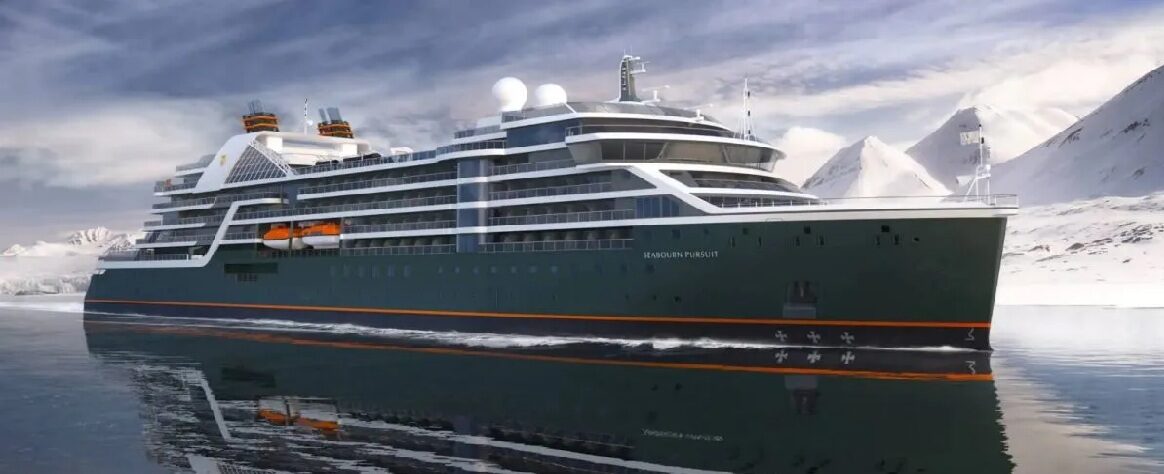

| 16 August | 82 days | One-way from Broome WA to Ushuaia |
450-628-6241
Call us
|
| 26 August | 72 days | One-way from Darwin to Ushuaia |
450-628-6241
Call us
|
Seabourn Quest
12 Cruises
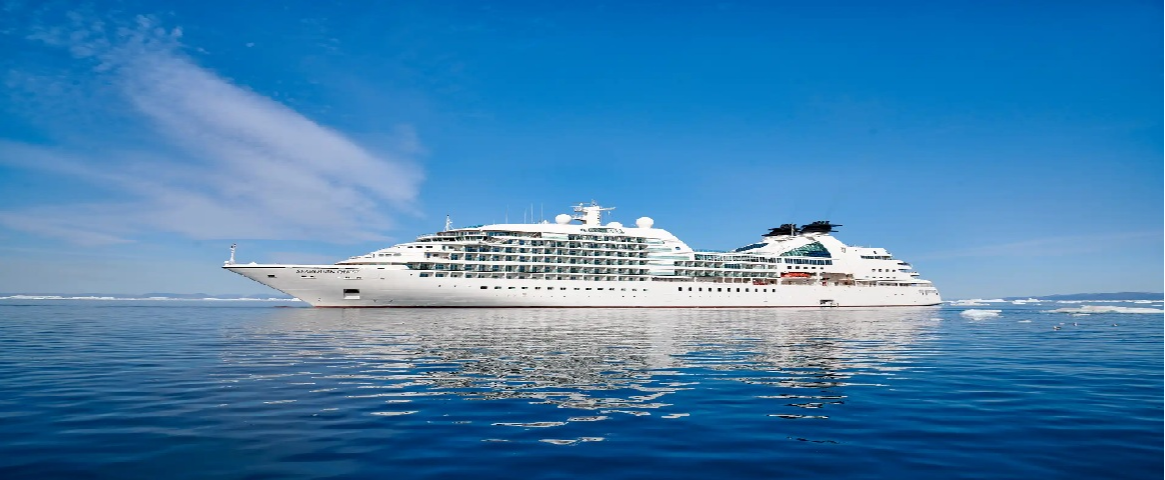
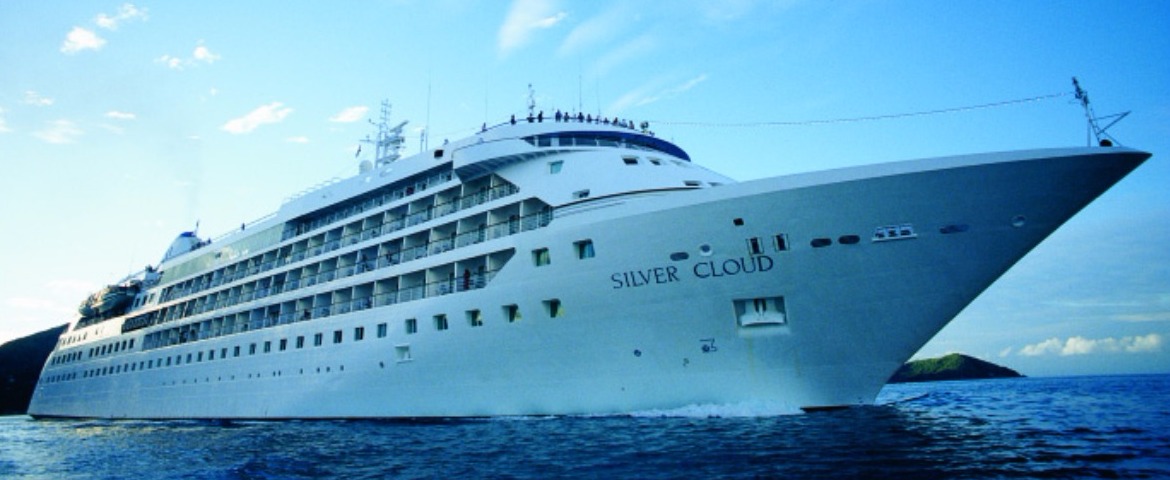
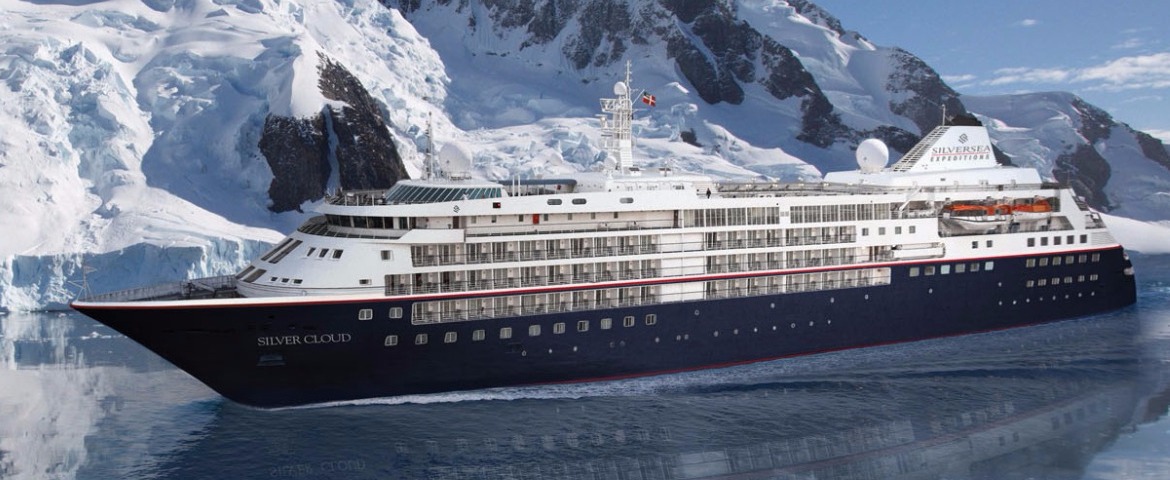
Silversea Cruises (11 Cruises)

Viking Ocean Cruises (53 Cruises)
Viking Jupiter
12 Cruises

| 6 January | 15 days | One-way from Buenos Aires to Valparaiso-Santiago |
450-628-6241
Call us
|
| 23 January | 15 days | One-way from Valparaiso-Santiago to Buenos Aires |
450-628-6241
Call us
|
Viking Octantis
23 Cruises
Viking Polaris
18 Cruises
| 26 February | 42 days | One-way from Buenos Aires to Fort Lauderdale |
450-628-6241
Call us
|
| 27 February | 40 days | One-way from Buenos Aires to Fort Lauderdale |
450-628-6241
Call us
|
| 28 March | 14 days | One-way from Buenos Aires to Valparaiso-Santiago |
450-628-6241
Call us
|
| 29 March | 12 days | One-way from Buenos Aires to Valparaiso-Santiago |
450-628-6241
Call us
|
Chilean Fjords, Patagonia | Cruise Port Guide
Frequently Asked Questions
No, no gangway comes down. The Chilean fjords are experienced from the deck as the ship threads slowly through a maze of islands where almost nobody lives. This is scenic cruising, not a port call.
The Sarmiento and Smyth channels and tight narrows such as the Angostura Inglesa, where the bridge manoeuvres with watchmaker's precision. These transits appear on itineraries linking the Valparaiso region to Ushuaia or Punta Arenas.
A river of ice descending from the Southern Patagonian Icefield into the milky water of Peel Fjord. On approach, the captain slowly pivots the ship so both sides get a full look at the blue wall and its deep crevasses.
Because it is ancient ice, dense and compressed by centuries of accumulated snow. That almost unreal blue surprises even travellers who have seen glaciers elsewhere, and the cold pouring off the face is felt out on the open decks.
Andean condors above the ridges, cormorants skimming the water, marine otters in sheltered coves and, with luck, whale blows or sea lion colonies. Nothing is guaranteed: nature decides, the passenger receives.
In layers. Patagonian weather changes without warning and wind funnels off the walls. Alternate between the top deck for the full panorama, the glassed lounges for warmth, and the bow for those who like the wind.
Yes, they become the essential accessory of the day. A tip from regulars: agree on a signal with your travel companions so you can call each other from side to side, since sightings sometimes last only seconds.
Yes. The low light breaking between squalls produces contrasts that blue skies never give, and clouds snagged on the walls are part of the character of the place. The day's best photographs are often taken in drizzle.
Usually, yes. Onboard naturalists punctuate the day with commentary on geology, the history of the expeditions, and the Kawésqar people who once travelled these channels by canoe.
Almost none. Dark walls streaked with waterfalls, impenetrable forest clinging to the slopes, snow-dusted summits, but no dwelling and no road in sight for hours. That emptiness is precisely what makes the day valuable.


