Easter Island Chile Hanga Roa
Chile

96 Cruises availables At departure or passage at this port

Seabourn Cruise Line (30 Cruises)

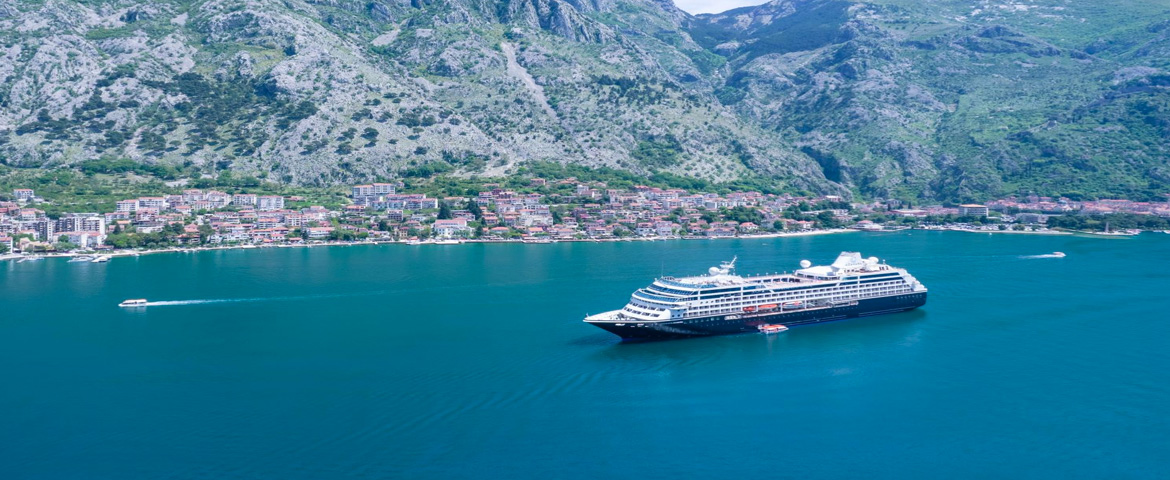
Three thousand five hundred kilometres of ocean separate Easter Island from the coast of Chile. Rapa Nui ranks among the most isolated inhabited lands on the planet: a volcanic triangle just 24 kilometres across, where a Polynesian civilization carved nearly a thousand stone giants. Ships anchor off Hanga Roa, the island's only town, and tenders drop passengers at Hanga Piko cove or the small pier downtown, depending on the Pacific swell. From your very first steps ashore, a moai is already watching over you, the island's mystery wastes no time.

Tahai, the Giants Within Walking Distance

Good news for those who'd rather stay near the landing: the ceremonial site of Tahai borders Hanga Roa, about a fifteen-minute walk along the coast. Three restored platforms hold statues facing the village, backs to the ocean, including the island's only moai with reconstructed coral eyes, a striking white gaze that hints at what these giants originally looked like. In the evening, when the sky blazes behind the statues, locals themselves come sit in the grass: the spectacle works its magic even on those who pass by it every day. At sunset or in broad daylight, Tahai delivers the essential thrill of Easter Island without needing a single vehicle.

Rano Raraku, the Quarry of the Giants

Excursions to the eastern coast lead to Rapa Nui's most fascinating site: the Rano Raraku volcano, the single quarry from which every moai originated. Nearly 400 statues remain frozen here at every stage of work, some lying unfinished in the rock, others standing halfway up the slope, still others buried up to their shoulders. Walking among them feels like stepping into a workshop abandoned mid-task, and the questions pile up: why did the work stop so abruptly? How were these masses, weighing dozens of tonnes, ever moved? Local guides, often descendants of the sculptors themselves, share both scientific hypotheses and oral traditions, two readings that complement each other more than they conflict.

Tongariki and Anakena, the Iconic Images

A few minutes from the quarry, Ahu Tongariki lines up fifteen moai on a long platform facing the waves, the largest ceremonial structure in Polynesia, re-erected after the 1960 tsunami. Further north, Anakena beach combines coral sand, a coconut grove, and statues crowned with their red tuff topknots: tradition holds that this is where the first king, Hotu Matu'a, landed with his people. A swim in this cove, watched over by the moai, ranks among the most singular memories a day ashore can offer.

Planning Your Day

With limited time ashore, it's best to choose wisely, distances remain modest, but the roads invite a slower pace: Tahai and the town on foot for a gentle introduction; the Rano Raraku–Tongariki–Anakena loop by organized excursion to cover the major sites; or the ceremonial village of Orongo, on the rim of the Rano Kau crater, for the history of the birdman cult. Rapa Nui National Park, a UNESCO World Heritage site, regulates access to the sites, a ticket is required, trails are marked, and the platforms must never be touched, out of absolute respect.

Good to Know Before Going Ashore

  • Tender landing, subject to swell conditions; operations may be adjusted depending on the sea.
  • Chilean currency and U.S. dollars accepted in Hanga Roa; services are simple but sufficient.
  • Deceptive southern sun: hat, water, and sunscreen are essential.
  • Closed-toe shoes recommended: the sites are covered in uneven volcanic ground.

As the ship leaves the anchorage, the silhouettes of the shoreline giants fade against the green slopes. No one leaves Rapa Nui with complete answers, and that may be the island's true gift: giving travellers back their taste for great mysteries.

Frequently Asked Questions

By tender, and the Pacific swell has the final word. Ships anchor off Hanga Roa, the only town, and tenders land passengers at Hanga Piko cove or the small central pier. Operations can be adjusted, or cancelled, depending on the sea.
Yes. The Tahai ceremonial site borders the village, about fifteen minutes' walk along the coast. Three restored platforms carry their statues facing the village, including the island's only moai with reconstructed coral eyes.
The single quarry from which every moai on the island came. Nearly 400 statues remain frozen at every stage of work: lying unfinished in the rock, standing midslope, buried to the shoulders. You walk among them as through a workshop abandoned mid-task.
The largest ceremonial structure in Polynesia: fifteen moai lined up on a long platform facing the waves, raised again after the 1960 tsunami. The site sits a few minutes from the Rano Raraku quarry.
Yes, at Anakena beach in the north: coral sand, a coconut grove and statues crowned with their red tuff topknots. Tradition holds that the first king Hotu Matu'a landed here with his people. Swimming in a cove guarded by moai is a singular memory.
You have to choose. Tahai and the town on foot for a gentle approach; the Rano Raraku, Tongariki and Anakena loop by organized excursion for the major sites; or Orongo, on the rim of the Rano Kau crater, for the story of the birdman cult.
Yes. Rapa Nui National Park, a UNESCO site, controls access: a ticket is required, trails are marked, and the platforms are never to be touched. Organized excursions normally include the entrance fee.
The Chilean peso, and US dollars are accepted in town. Services are basic but sufficient. Bring cash: this is one of the most isolated inhabited places on earth and not everything works as it does on the mainland.
Closed shoes, a hat, water and sunscreen. Sites are crossed on uneven volcanic ground and the southern sun is deceptive: you burn without feeling the heat, especially on windy days.
At sunset, when the sky catches fire behind the statues. Residents come and sit in the grass themselves: the spectacle still works on those who live beside it. In daylight, Tahai remains the essential Rapa Nui thrill without needing a vehicle.