San Antonio Chile
Chile
138
Cruises availables
At departure or passage at this port
Azamara Club Cruises (8 Cruises)
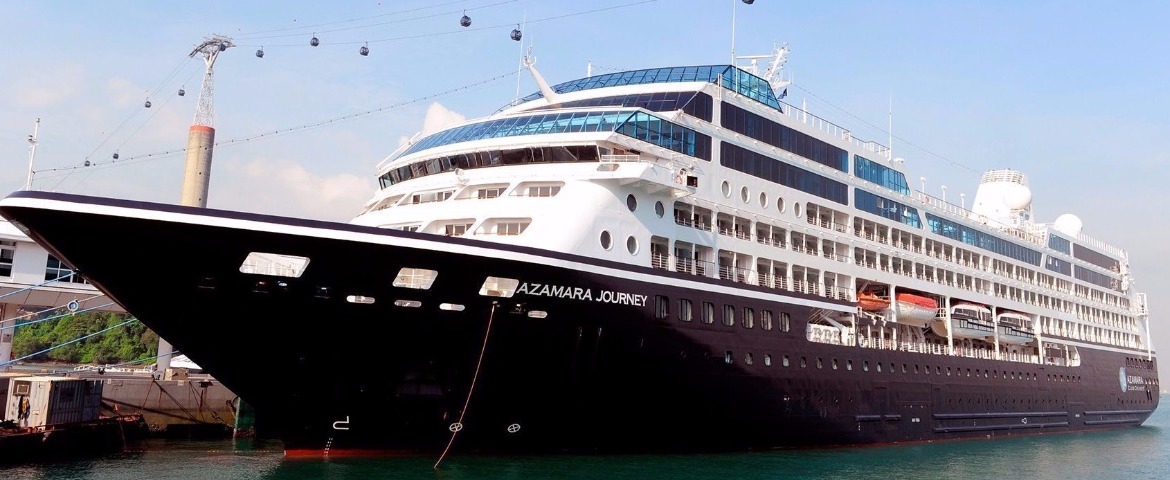
Azamara Journey
8 Cruises

| 14 January | 75 days | Round-trip from Miami, USA |
450-628-6241
Call us
|
| 14 January | 74 days | Round-trip South America Azamara Journey Miami Fl |
450-628-6241
Call us
|
Carnival Cruise Line (3 Cruises)
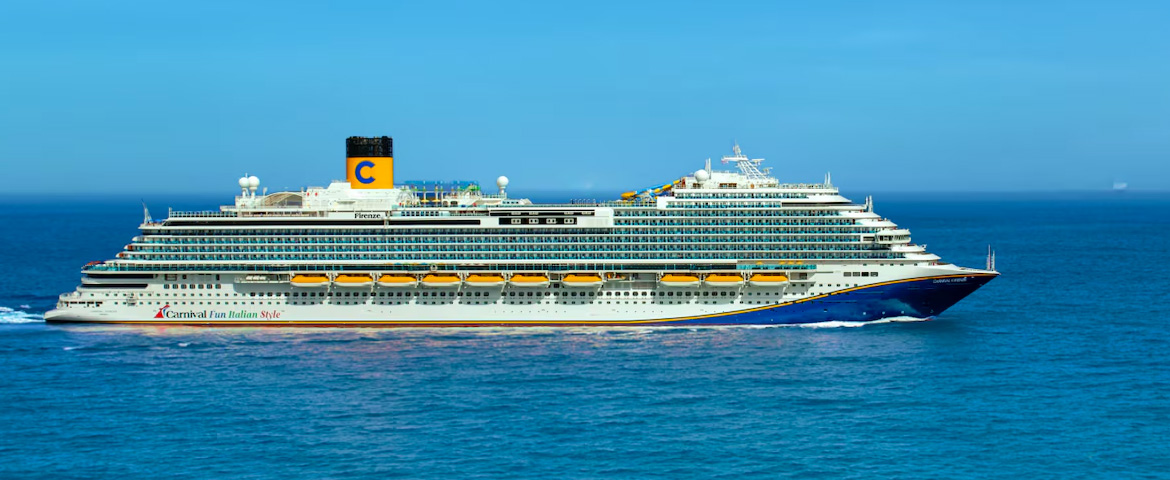

Costa Cruises (3 Cruises)
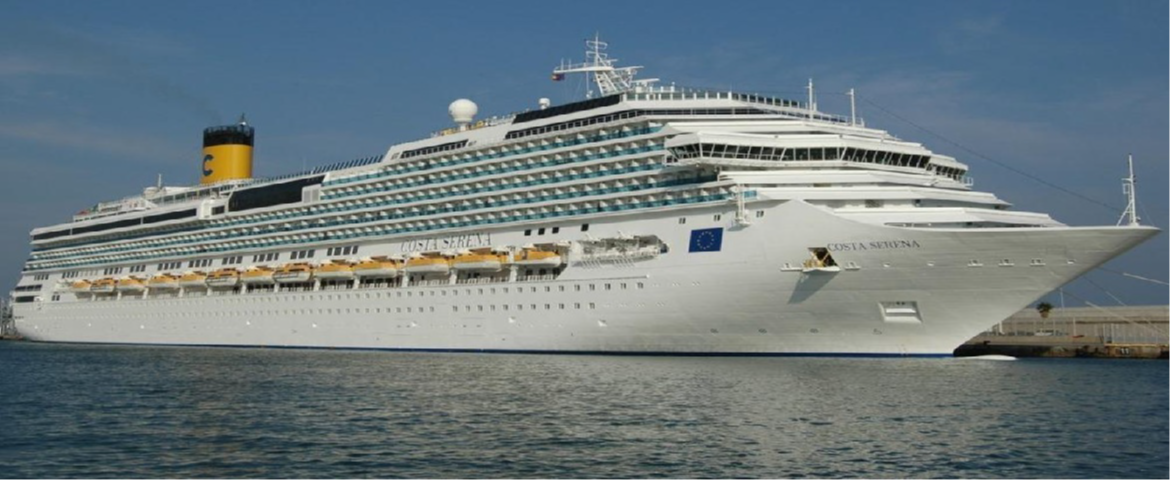

Cunard (16 Cruises)
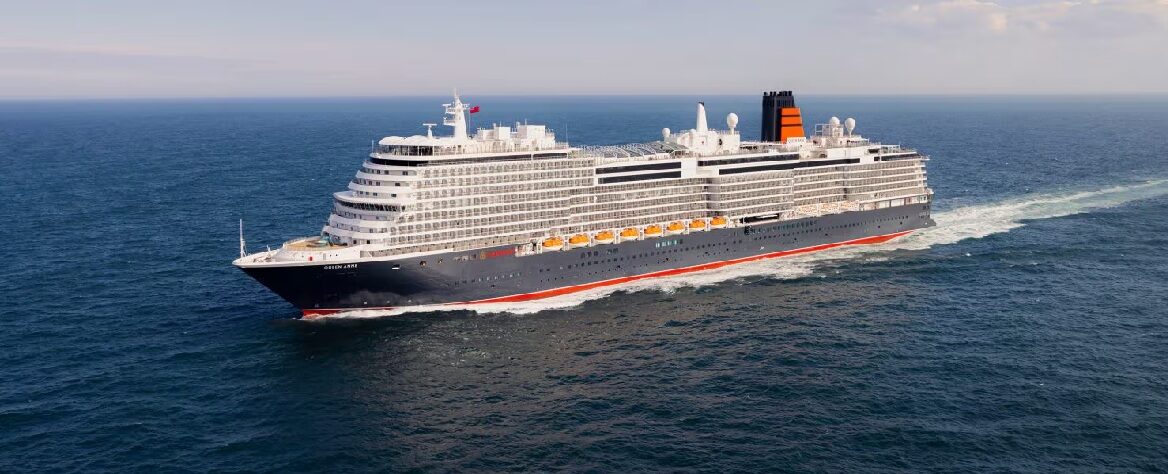
Queen Anne
16 Cruises

Holland America Line (70 Cruises)
ms Nieuw Amsterdam
25 Cruises
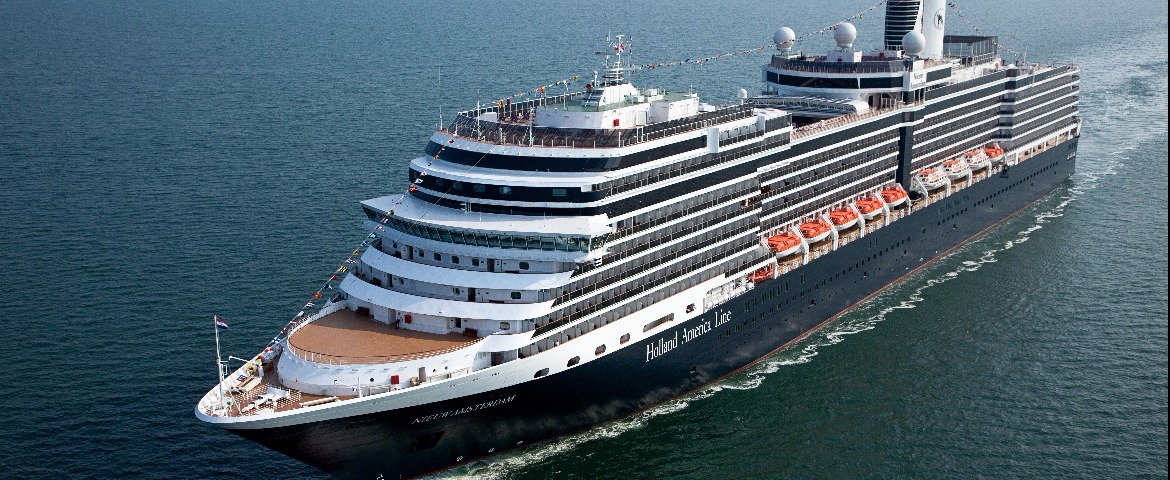

| 21 February | 15 days | One-way from San Antonio to Buenos Aires |
450-628-6241
Call us
|
| 21 February | 14 days | One-way from San Antonio to Buenos Aires |
450-628-6241
Call us
|
ms Nieuw Statendam
25 Cruises
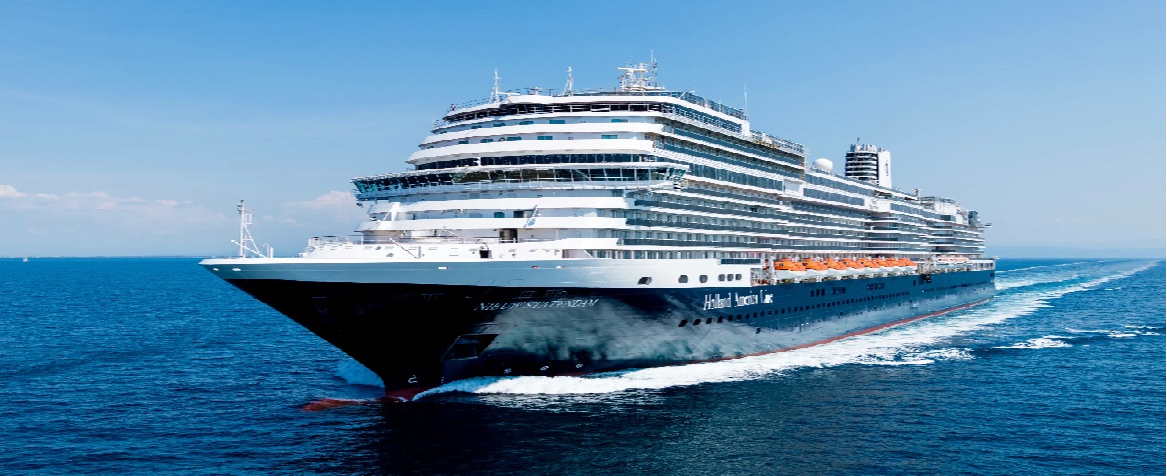
| 21 February | 14 days | One-way from San Antonio to Buenos Aires |
450-628-6241
Call us
|
| 21 February | 15 days | One-way from San Antonio to Buenos Aires |
450-628-6241
Call us
|
ms Oosterdam
17 Cruises
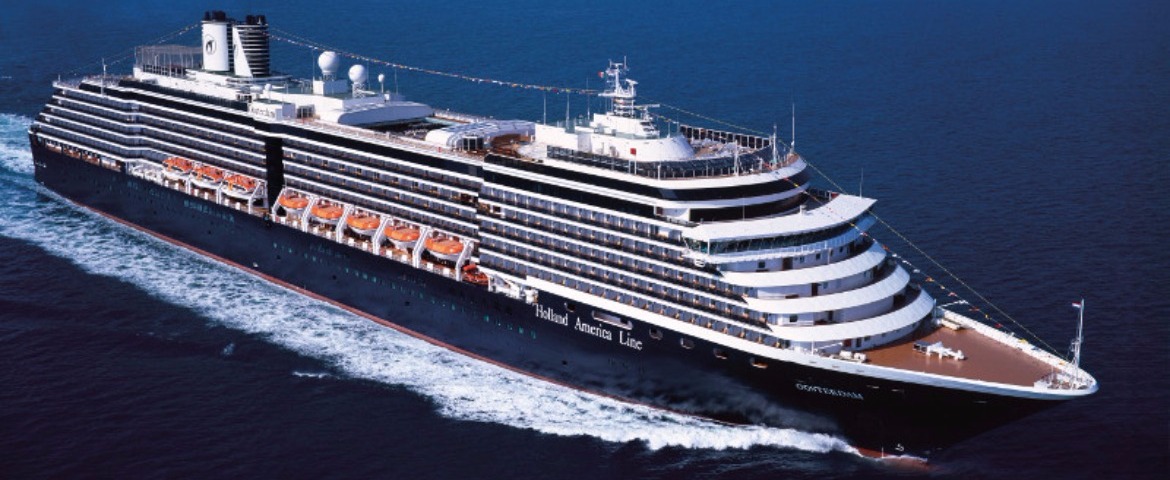
| 10 January | 22 days | One-way from San Antonio to Buenos Aires |
450-628-6241
Call us
|
| 10 January | 22 days | One-way from San Antonio to Buenos Aires |
450-628-6241
Call us
|
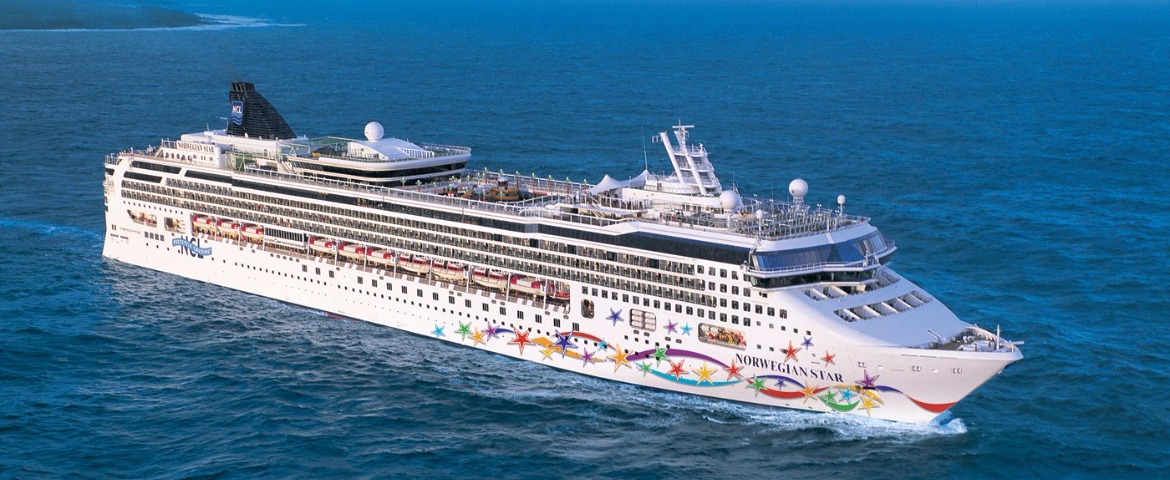
Norwegian Cruise Line (6 Cruises)
Norwegian Star
6 Cruises

Oceania Cruises (2 Cruises)

Princess Cruises (12 Cruises)
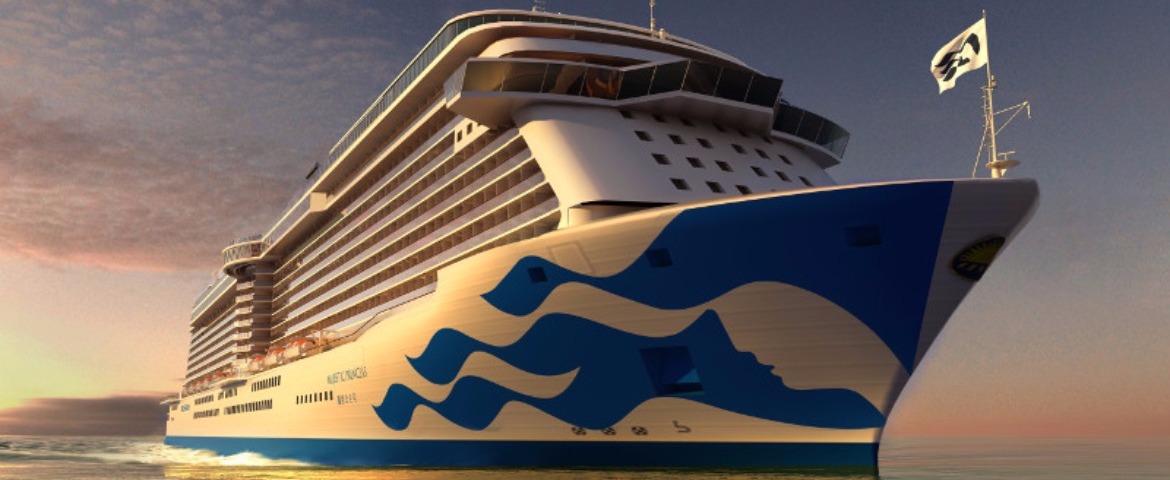
Majestic Princess
12 Cruises

| 19 November | 33 days | One-way from Fort Lauderdale to San Antonio |
450-628-6241
Call us
|
| 19 November | 34 days | One-way from Fort Lauderdale to San Antonio |
450-628-6241
Call us
|
| 30 October | 37 days | One-way from Southampton to San Antonio |
450-628-6241
Call us
|
| 30 October | 38 days | One-way from Southampton to San Antonio |
450-628-6241
Call us
|


Seabourn Cruise Line (16 Cruises)
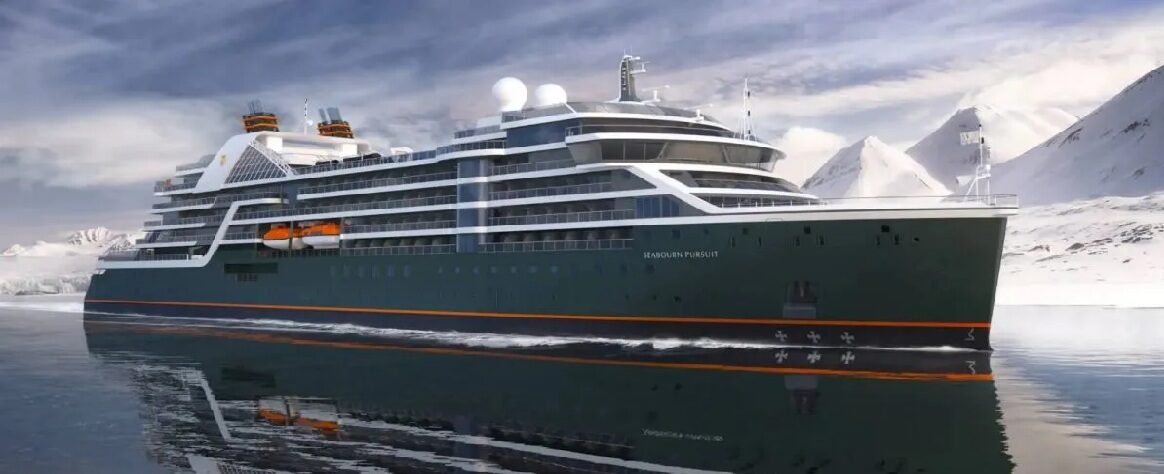
Seabourn Pursuit
16 Cruises


San Antonio, Chile | Cruise Port Guide
Frequently Asked Questions
At the commercial port, about one kilometre from the centre. This is a working port, one of Chile's busiest: cranes, grain silos and fishing nets spread on the quays. Many passengers begin or end their South American cruise here.
Not much, and it is fair to say so: the town presents itself without makeup. Those staying near the pier can walk the fishing harbour area, watch the boats come in and try seafood at a simple waterfront restaurant.
Three directions, each with its own character. Isla Negra 30 minutes south, Valparaiso 70 kilometres north, Santiago 110 kilometres east. The Casablanca Valley slots naturally into the route toward the latter two.
Pablo Neruda's house museum, his favourite home, built on a headland battered by waves. The rooms run one into the next like a ship's cabins, crowded with figureheads, shells and coloured bottles. The poet and his wife Matilde rest in the garden.
For a one-day call, Valparaiso wins: an hour and a quarter by road versus about two hours, and a human-scale, UNESCO-listed city you can walk. Santiago suits those embarking or disembarking here who can spend a night or two.
Yes, the Casablanca Valley lines up its vine rows between coast and interior. Morning Pacific fog gives it the cool climate that made Chilean whites famous: sauvignons and chardonnays are tasted facing the slopes, sometimes with a country lunch.
The Chilean peso and Spanish. English is rare outside organized excursions. Bring cash for the fishing harbour restaurants; wineries and museums generally accept cards.
About two hours by road for 110 kilometres, so four hours round trip. That leaves limited time on the ground. The historic centre and Plaza de Armas walk well, with the Andes as a backdrop in clear weather.
Yes, and for many cruisers that is its main role. If you embark or disembark here, plan a night or two in Santiago before or after: the city rewards those who give it time.
Seafood at the fishing harbour, and on the road to Santiago, markets piled with avocados, giant corn and empanadas still warm. A pisco sour on a terrace rounds out the day nicely, if the ship's schedule allows.


