Rarotonga Island Avarua, Cook Islands NZ
Cook Islands
92
Cruises availables
At departure or passage at this port
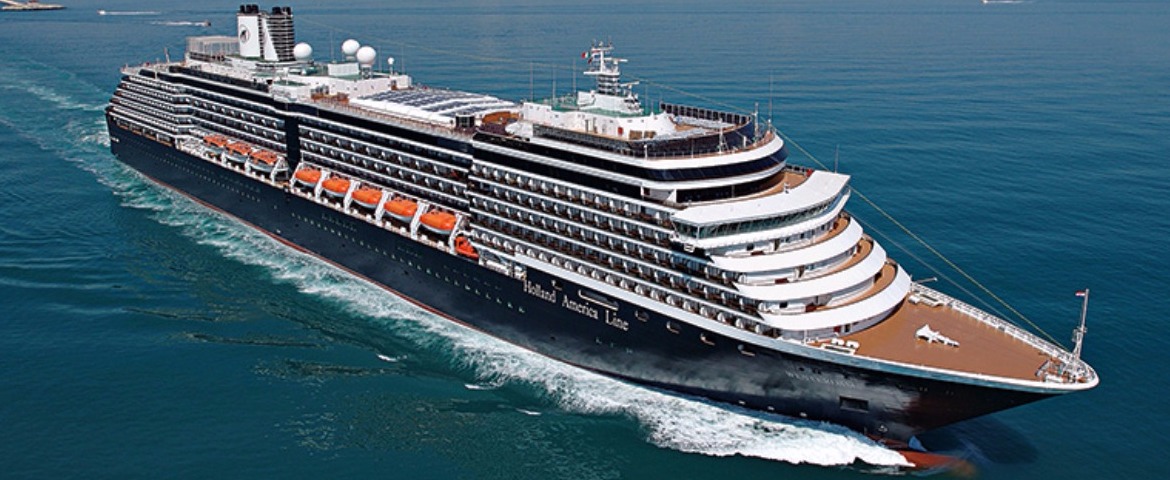
Holland America Line (4 Cruises)


MSC Cruises (10 Cruises)
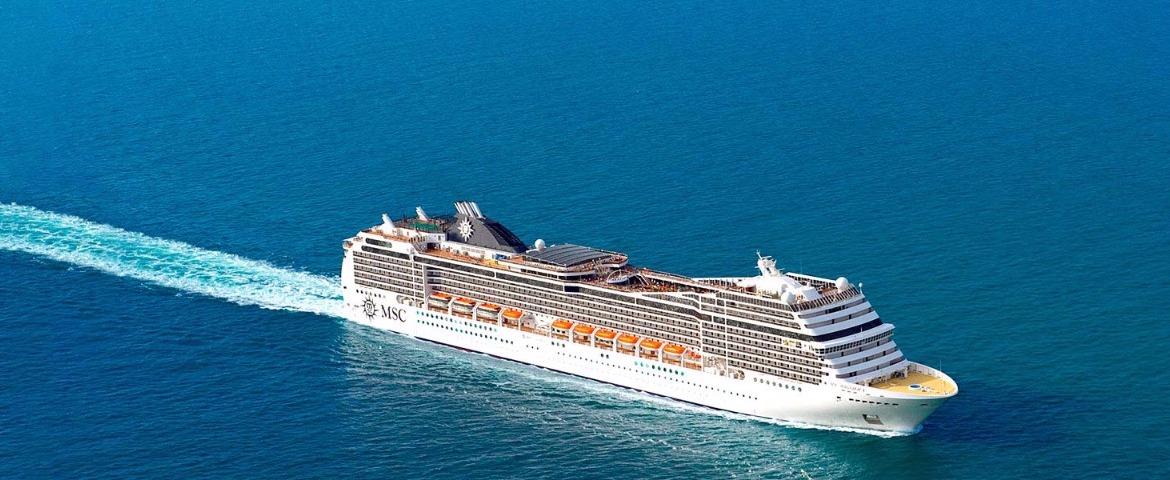
MSC Magnifica
10 Cruises

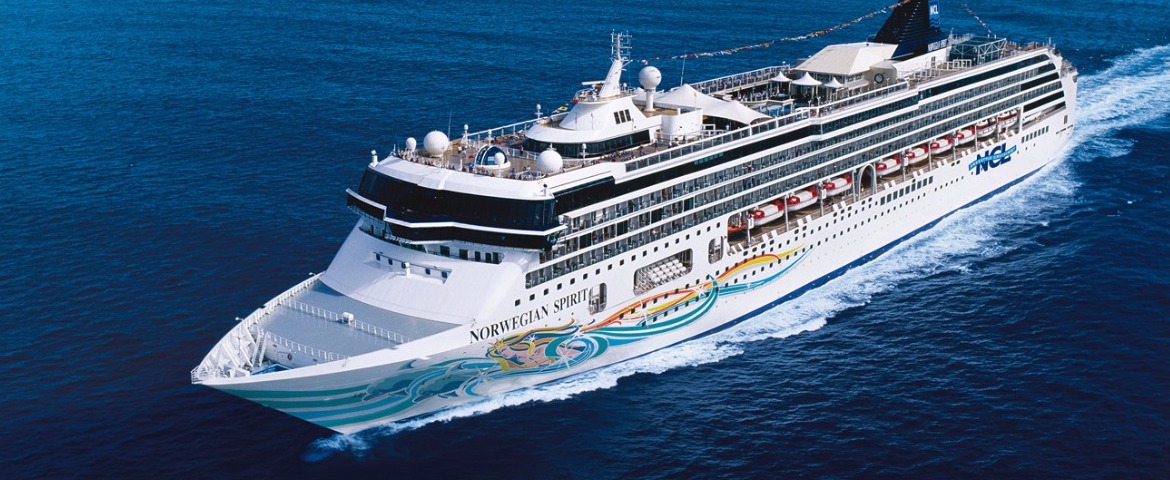
Norwegian Cruise Line (9 Cruises)

Oceania Cruises (7 Cruises)
Oceania Vista
7 Cruises
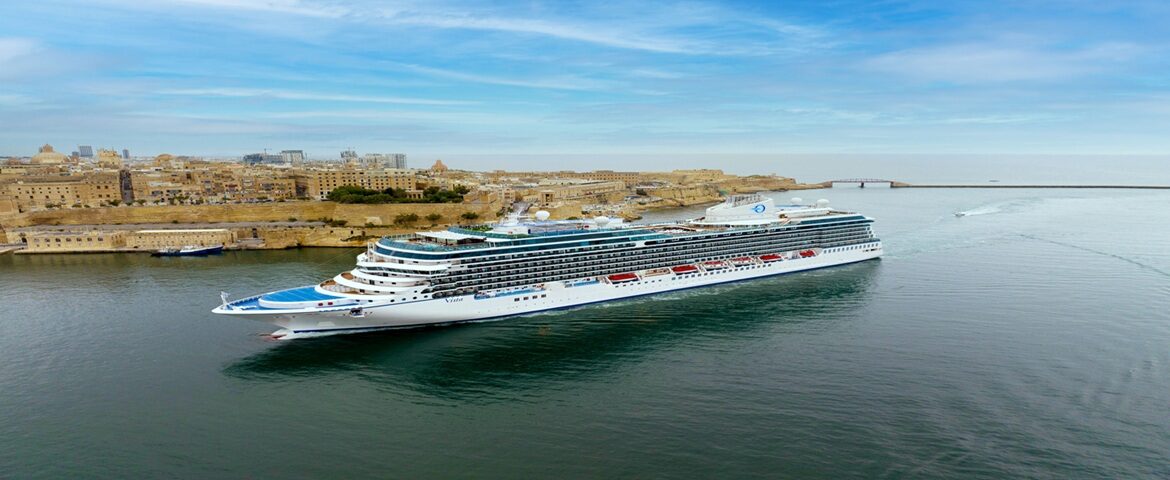

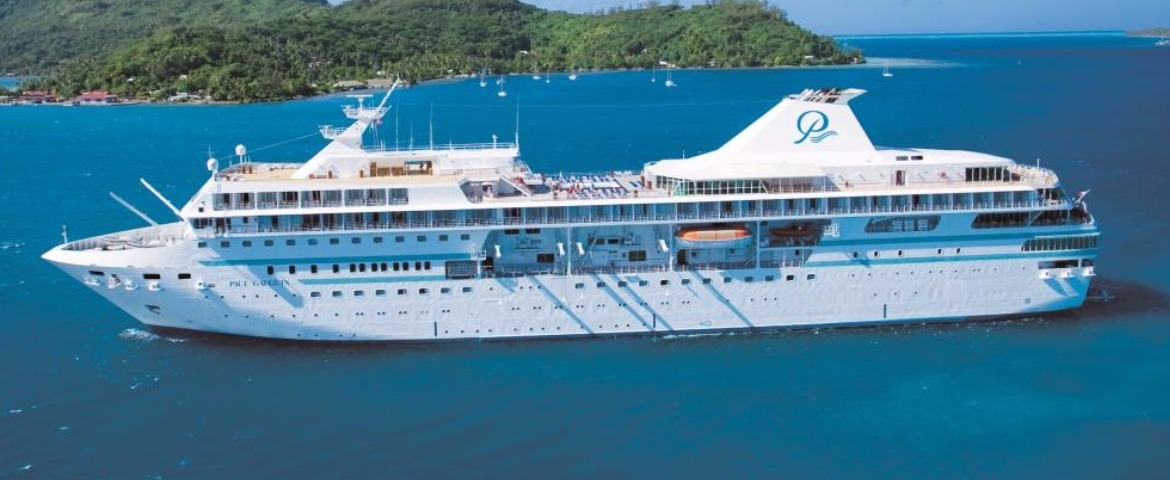
Paul Gauguin Cruises (7 Cruises)

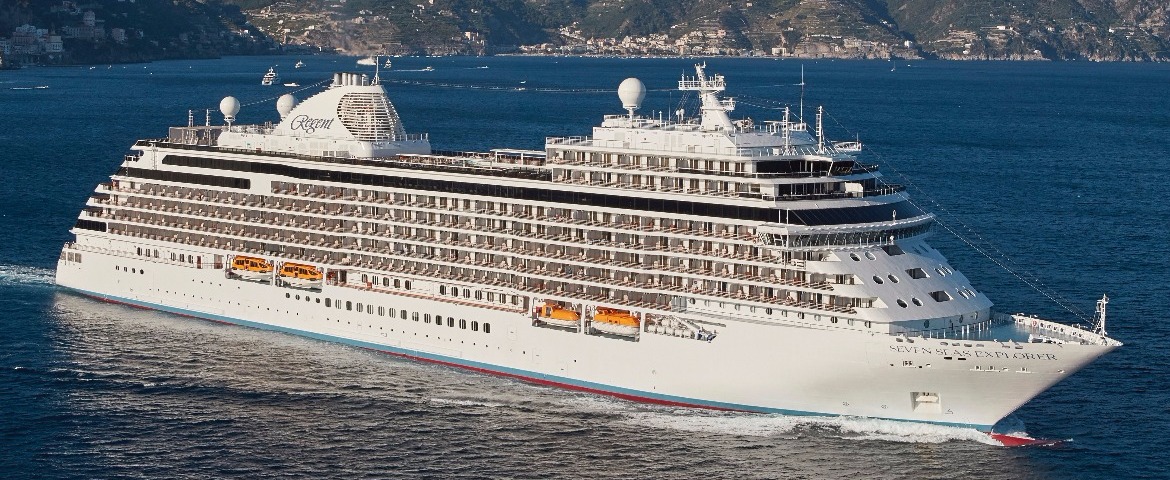
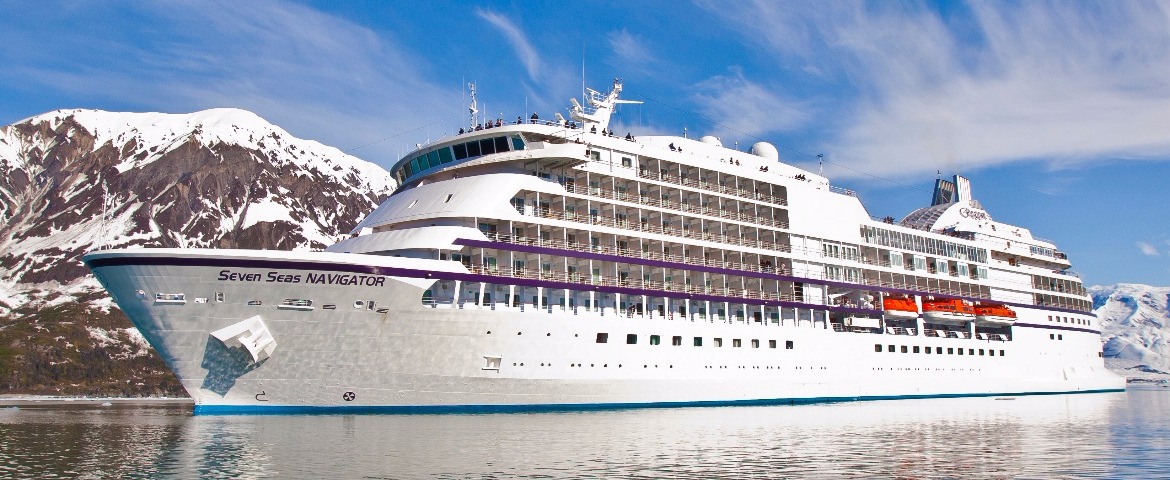
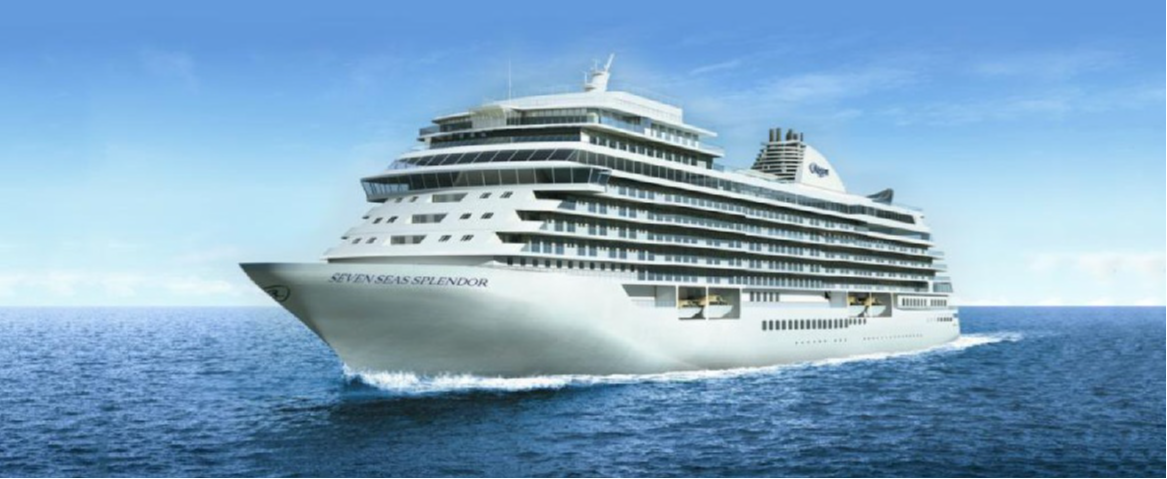
Regent Seven Seas Cruises (11 Cruises)


Seven Seas Splendor
4 Cruises
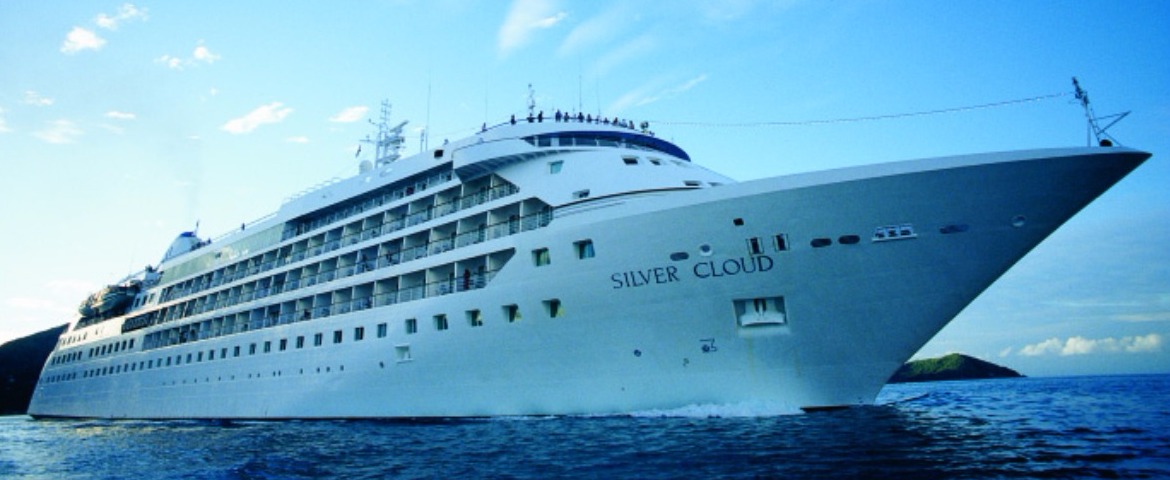
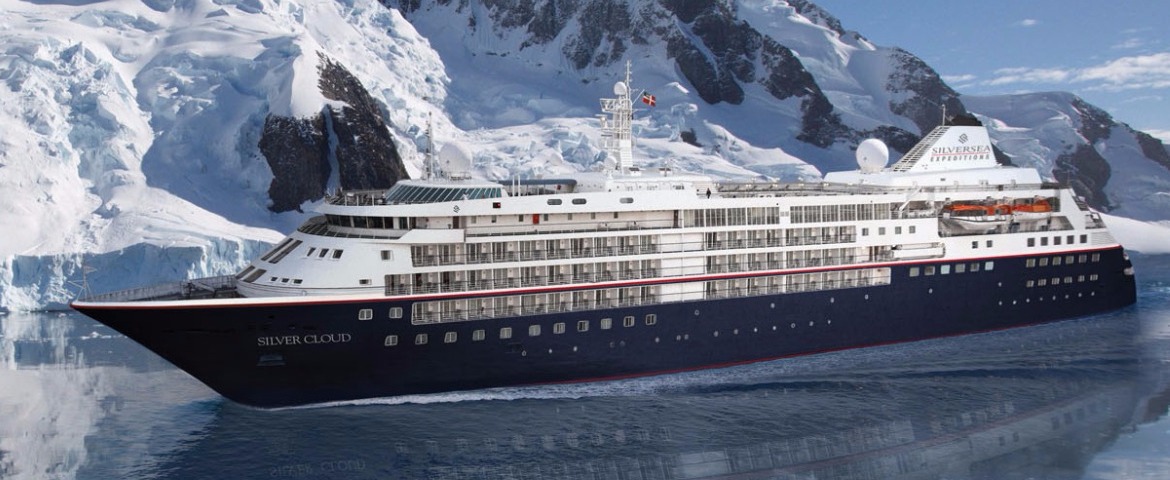
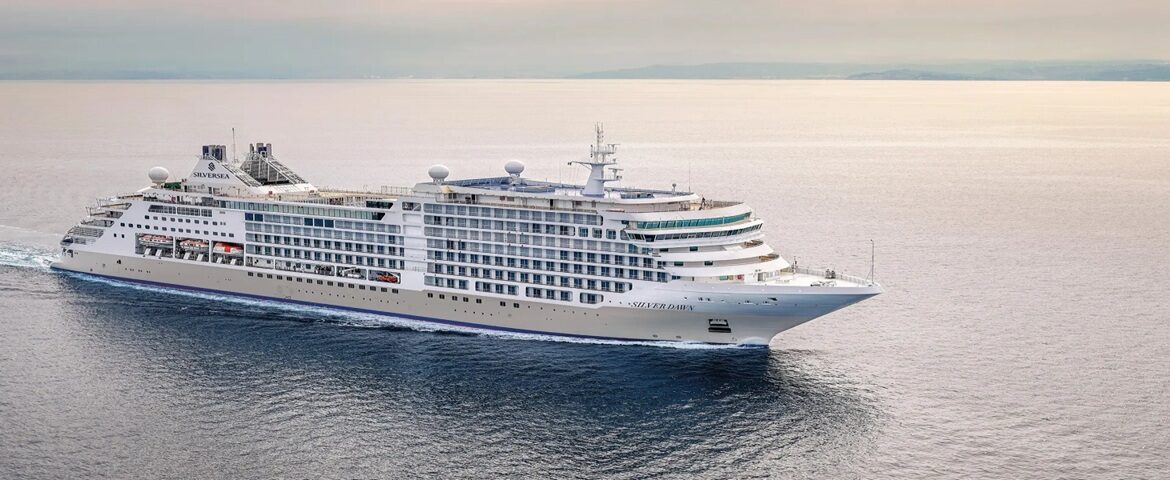
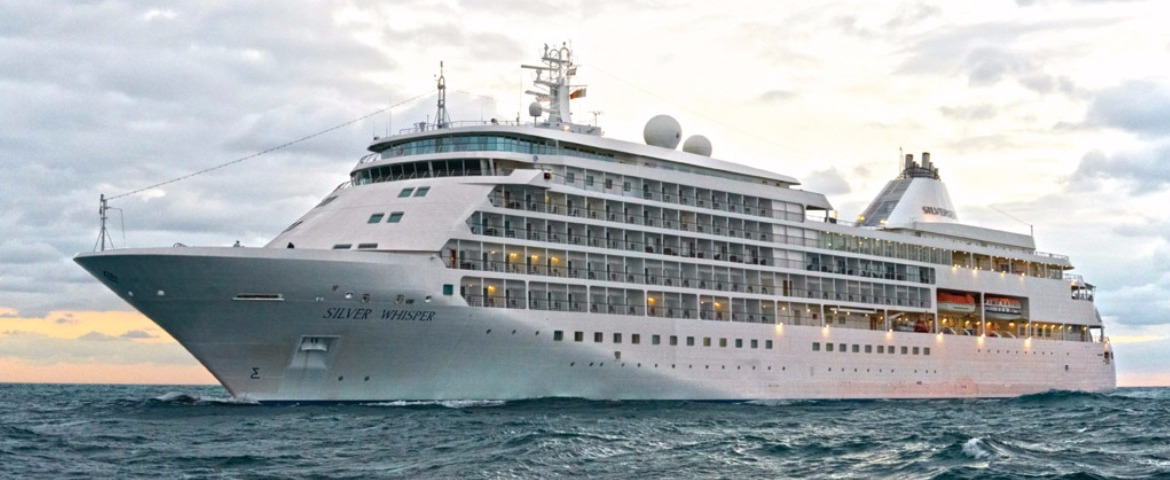
Silversea Cruises (7 Cruises)

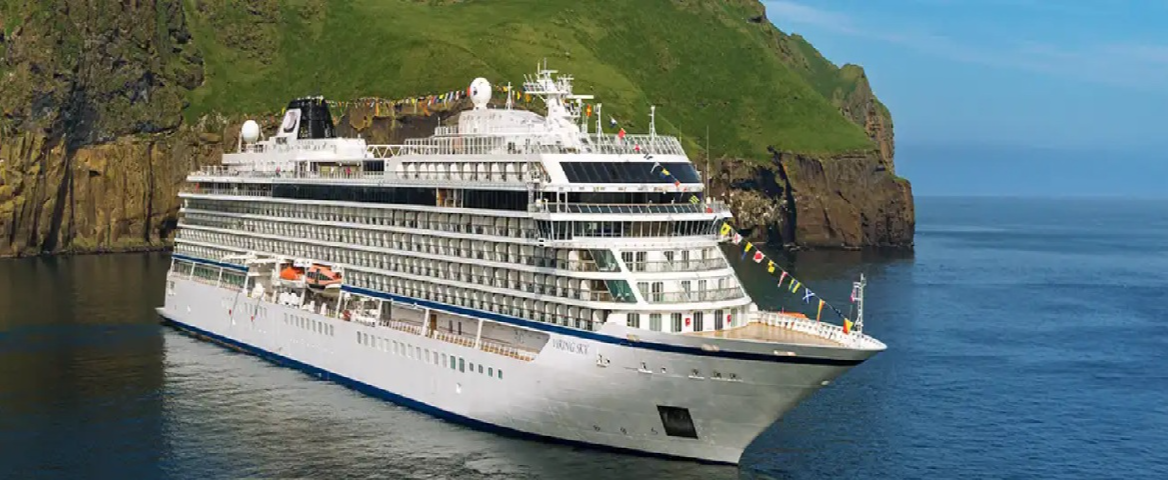
Viking Ocean Cruises (4 Cruises)

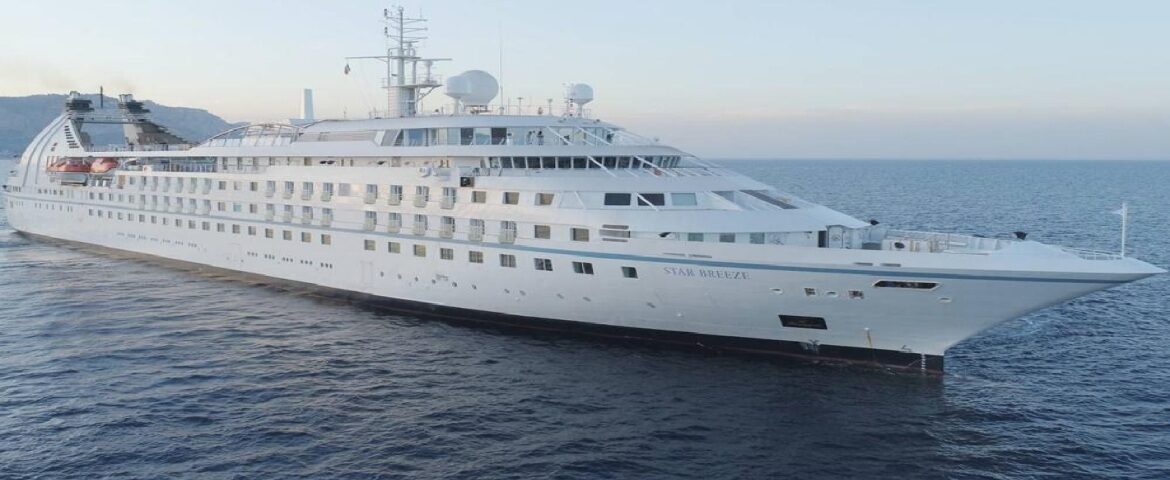
Windstar Cruises (32 Cruises)
Star Breeze
32 Cruises

| 30 May | 17 nights | Round-trip from Papeete, French Polynesia |
450-628-6241
Call us
|
| 30 May | 10 nights | Round-trip from Papeete, French Polynesia |
450-628-6241
Call us
|
| 19 August | 16 nights | Round-trip from Papeete, French Polynesia |
450-628-6241
Call us
|
| 26 August | 9 nights | Round-trip from Papeete, French Polynesia |
450-628-6241
Call us
|
| 5 September | 10 nights | Round-trip from Papeete, French Polynesia |
450-628-6241
Call us
|
| 5 September | 17 nights | Round-trip from Papeete, French Polynesia |
450-628-6241
Call us
|
| 17 February | 13 nights | One-way from Lautoka to Papeete |
450-628-6241
Call us
|
| 17 February | 27 nights | One-way from Lautoka to Papeete |
450-628-6241
Call us
|
| 11 June | 10 nights | Round-trip from Papeete, French Polynesia |
450-628-6241
Call us
|
| 11 June | 17 nights | Round-trip from Papeete, French Polynesia |
450-628-6241
Call us
|
| 20 July | 21 nights | One-way from Papeete to Lautoka |
450-628-6241
Call us
|
| 27 July | 14 nights | One-way from Papeete to Lautoka |
450-628-6241
Call us
|

Rarotonga (Avarua), Cook Islands | Cruise Port Guide
Frequently Asked Questions
By tender. Ships anchor off the north coast and tenders land passengers at the small harbour of Avatiu, a few minutes' walk from central Avarua, capital of the Cook Islands.
More a large village than a capital: a few streets of shops, lime-washed coral churches, scooters going about unhurried. You can walk the whole of it easily from the landing.
Avarua's market, right by the landing, gathering carvers, cooks and musicians. On Saturday mornings everyone seems to meet there around stalls of ika mata, raw fish in coconut milk, pareu wraps and ukuleles made on site.
A single road rings it along 32 km of coast, and two bus routes run it, one clockwise, the other anticlockwise: hard to get lost. You can also hire a scooter and stop as the beaches and viewpoints take you.
At Muri lagoon on the southeast coast, about fifteen minutes' drive from Avarua. Its shallow waters surround four islets and make it the island's most popular spot for swimming and snorkelling.
Glass-bottom boats and transparent kayaks let you watch the seabed without getting wet. Excursions often include a coconut-opening demonstration and a grilled fish feast on a motu, punctuated by ukulele songs from guides with well-practised humour.
Yes, but frankly: the cross-island trek by the Te Rua Manga trail, nicknamed the Needle, is a demanding walk suited to long calls and strong legs. The mountainous interior can also be glimpsed from taro-planted valleys, which are far more accessible.
A cultural village near Muri that introduces visitors to local traditions: star navigation, dance, weaving, plant medicine. Its drum and dance shows are among the most respected in the Pacific; check whether a daytime performance coincides with your call.
The New Zealand dollar, with cash useful for the market and the roadside stalls, where a box collects the money and nobody watches over it. English and Cook Islands Māori are spoken.
May to October, the drier and cooler season, with calmer seas for tenders. Cyclone season runs from November to April, a hotter and wetter period.


