Hvar Island Croatia Stari Grad-Hvar Town
217
Cruises availables
At departure or passage at this port
Atlas Ocean Voyages (2 Cruises)

Azamara Club Cruises (14 Cruises)
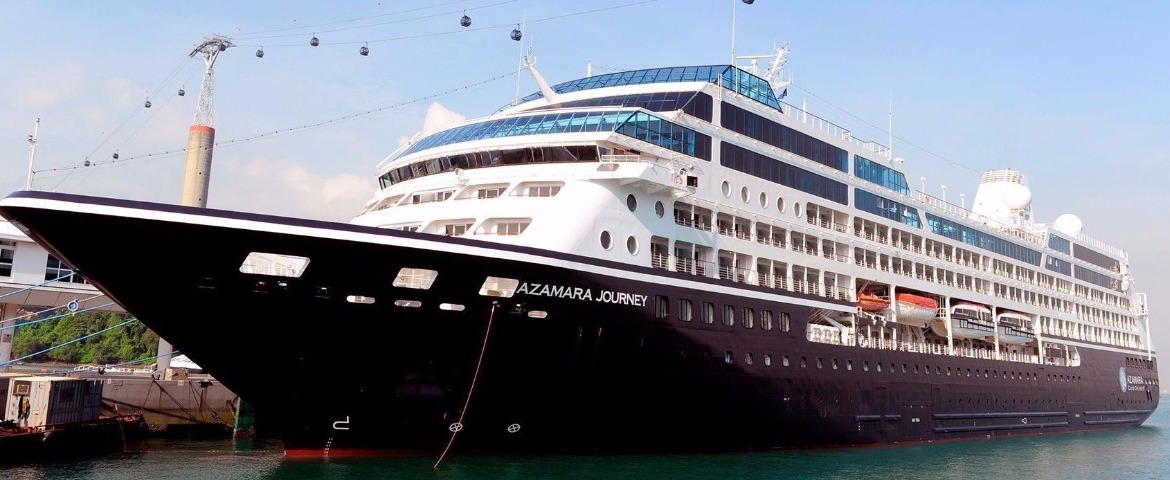
Azamara Journey
9 Cruises

| 25 March | 42 days | One-way from Lisbon to Piraeus-Athens |
450-628-6241
Call us
|
| 25 March | 43 days | One-way from Lisbon to Piraeus-Athens |
450-628-6241
Call us
|
| 15 April | 22 days | One-way from Civitavecchia-Rome to Piraeus-Athens |
450-628-6241
Call us
|
| 25 April | 12 days | One-way from Venice to Piraeus-Athens |
450-628-6241
Call us
|
| 6 May | 17 days | One-way from Piraeus-Athens to Venice |
450-628-6241
Call us
|
| 13 May | 10 days | One-way from Piraeus-Athens to Venice |
450-628-6241
Call us
|
CroisiEurope (23 Cruises)
MV La Belle de L'Adriatique
23 Cruises


| 24 June | 7 days | Round-trip Croatia and Montenegro |
450-628-6241
Call us
|
| 24 June | 8 days | Round-trip from Dubrovnik, Croatia |
450-628-6241
Call us
|
Emerald Waterways (61 Cruises)
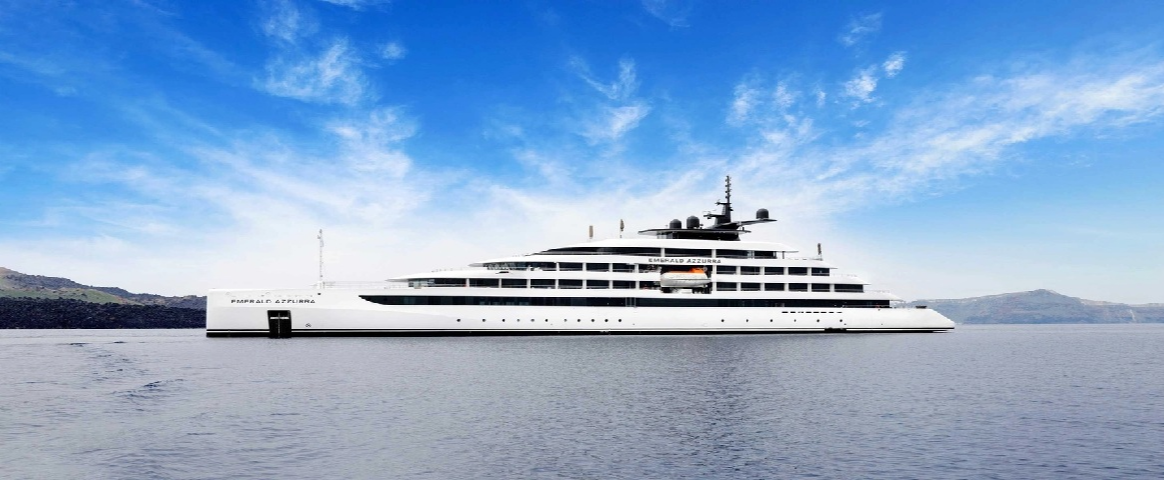
Emerald Azzurra
16 Cruises

| 24 May | 15 days | One-way from Venice to Piraeus-Athens |
450-628-6241
Call us
|
| 24 May | 8 days | One-way from Venice to Dubrovnik |
450-628-6241
Call us
|
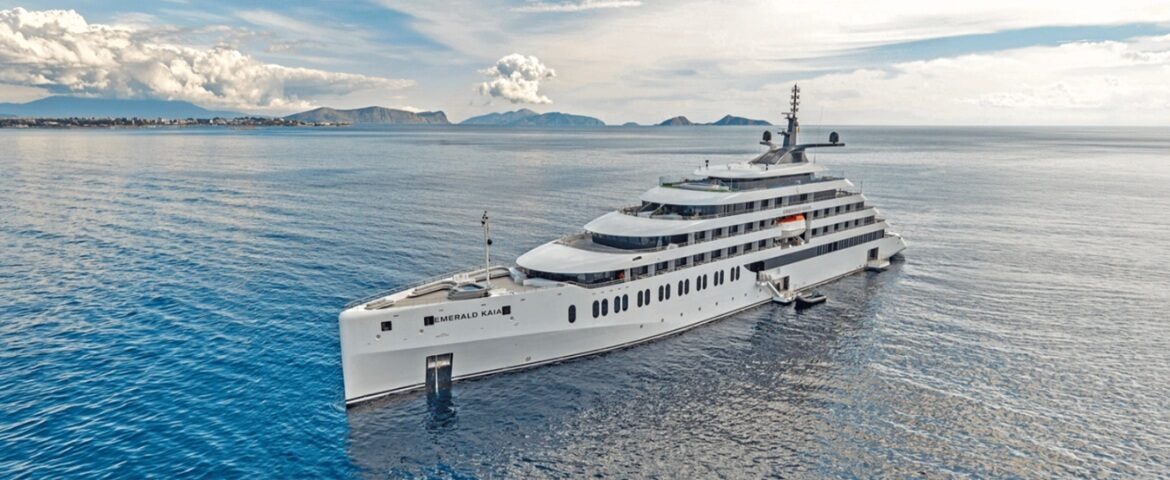
Emerald Kaia
40 Cruises
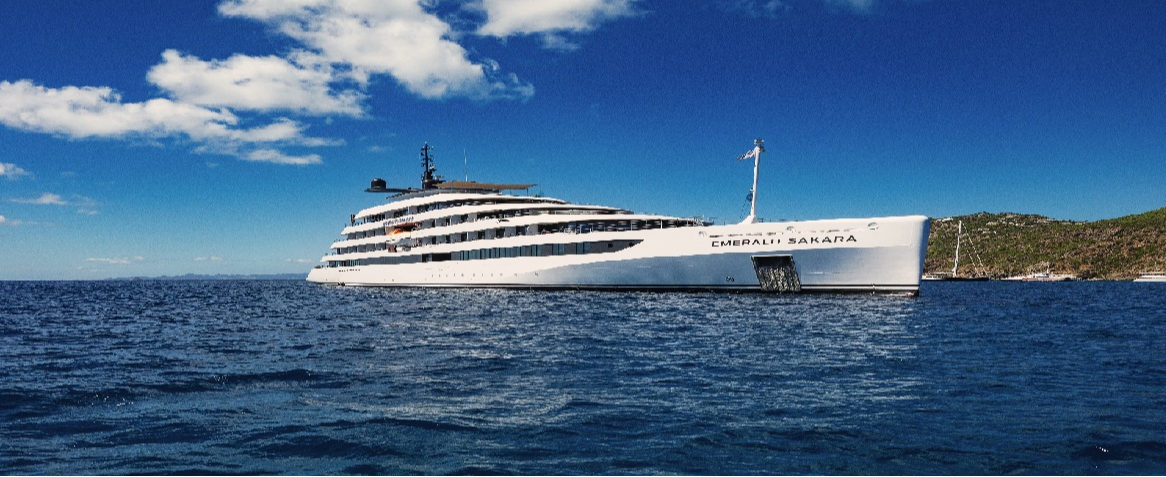
Emerald Sakara
5 Cruises
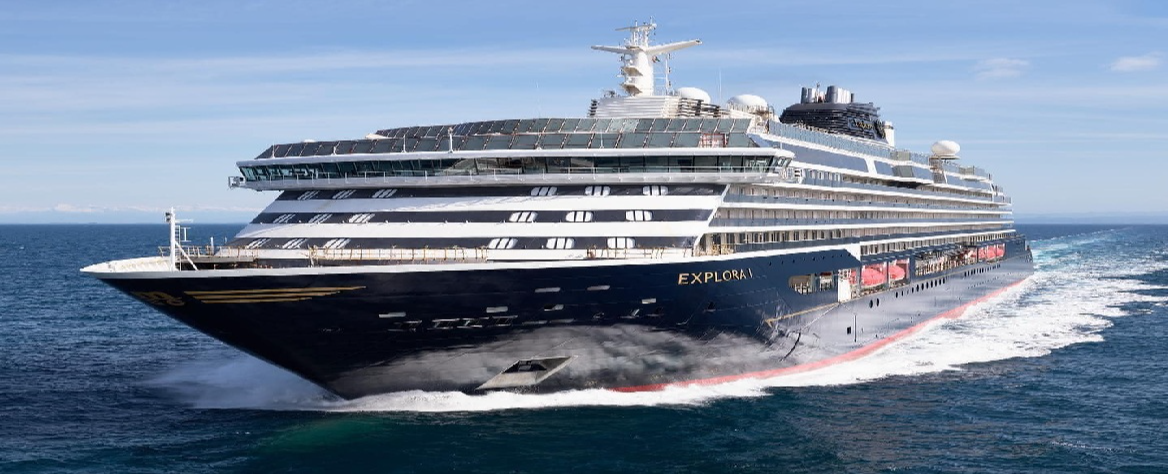
Explora Journeys (22 Cruises)

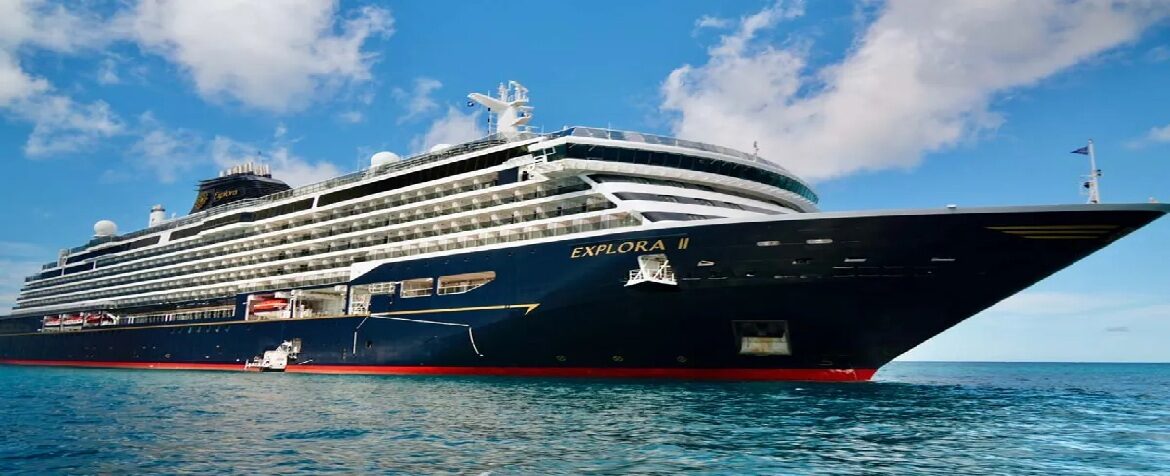
Explora II
18 Cruises
| 24 May | 15 days | Round-trip from Piraeus-Athens, Greece |
450-628-6241
Call us
|
| 24 May | 8 days | One-way from Piraeus-Athens to Venice |
450-628-6241
Call us
|
| 14 June | 15 days | Round-trip from Piraeus-Athens, Greece |
450-628-6241
Call us
|
| 14 June | 8 days | One-way from Piraeus-Athens to Venice |
450-628-6241
Call us
|


Seabourn Cruise Line (26 Cruises)
Seabourn Ovation
26 Cruises

SeaDream Yacht Club (12 Cruises)
Seadream II
12 Cruises

| 25 June | 8 days | One-way from Venice to Dubrovnik |
450-628-6241
Call us
|
| 25 June | 6 days | One-way from Venice to Dubrovnik |
450-628-6241
Call us
|
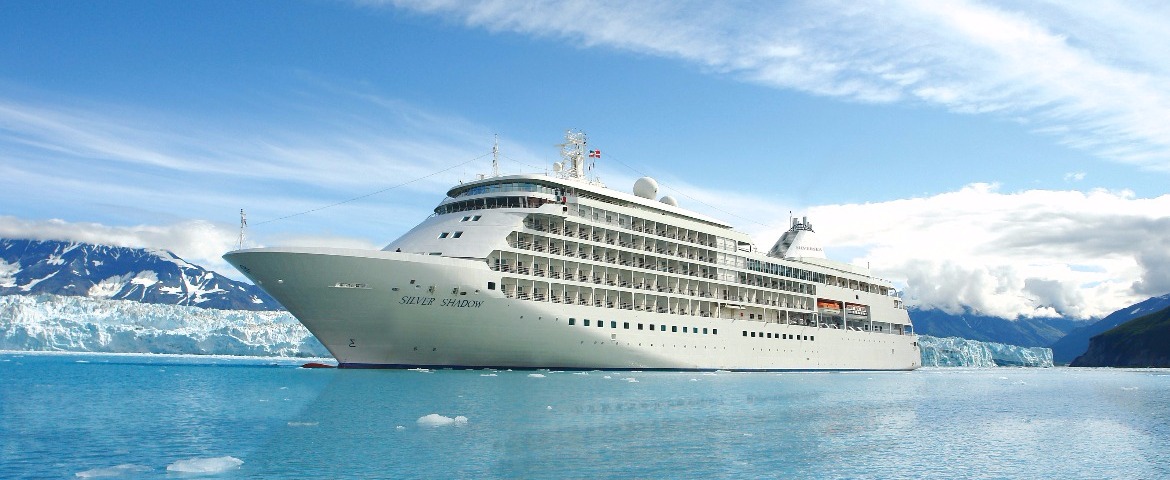
Silversea Cruises (21 Cruises)
Silver Dawn
4 Cruises

Silver Ray
10 Cruises
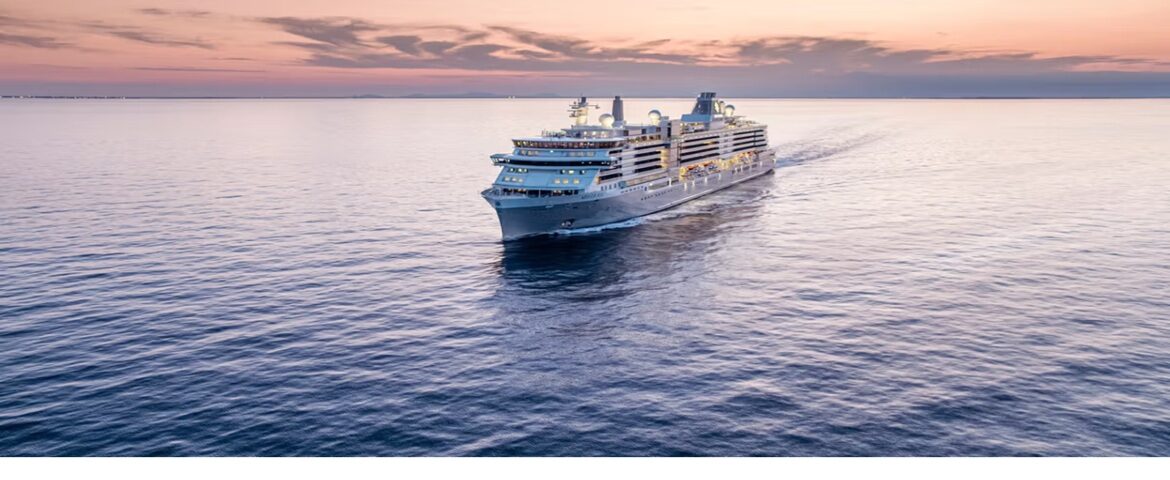
| 8 June | 19 days | One-way from Barcelona to Venice |
450-628-6241
Call us
|
| 18 June | 9 days | One-way from Monte Carlo to Venice |
450-628-6241
Call us
|
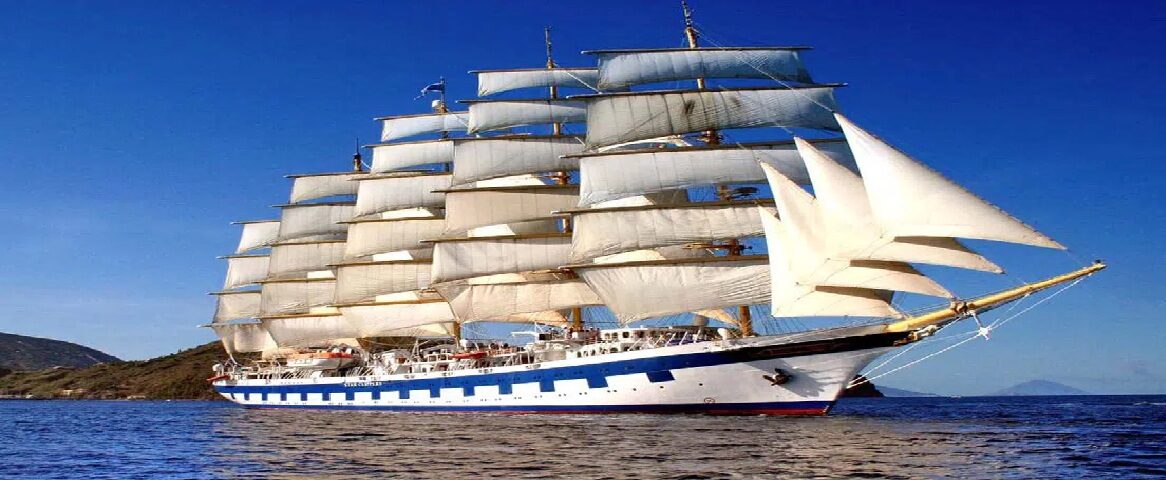
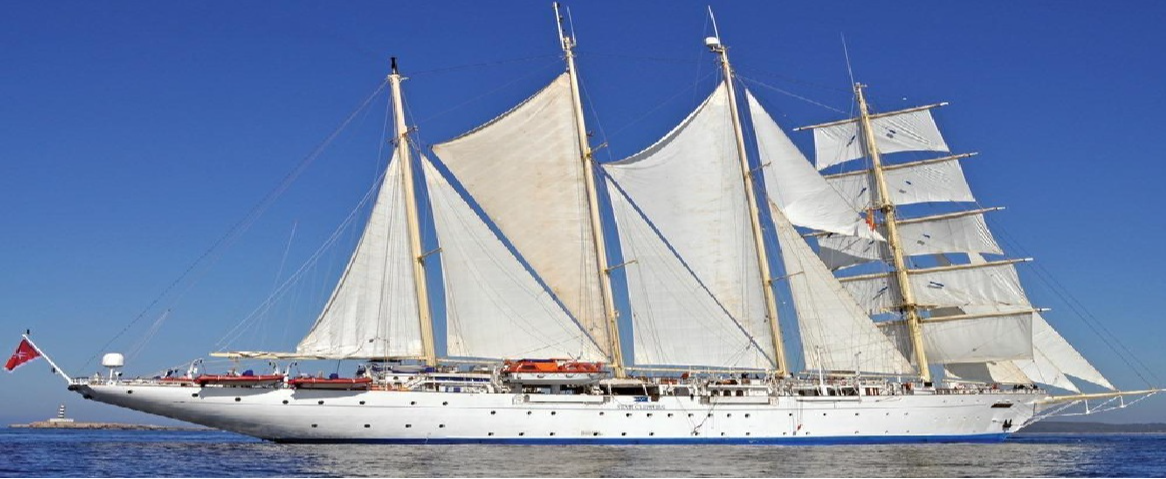
Star Clippers (4 Cruises)

Windstar Cruises (20 Cruises)
Wind Spirit
20 Cruises
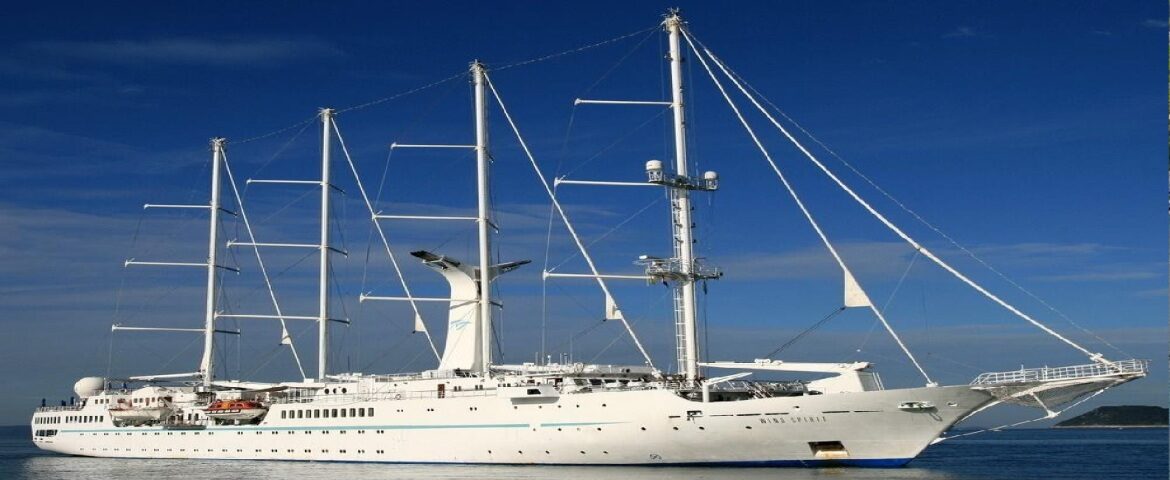

| 2 May | 15 days | Round-trip from Venice, Italy |
450-628-6241
Call us
|
| 2 May | 8 days | One-way from Venice to Dubrovnik |
450-628-6241
Call us
|
| 2 July | 14 days | Round-trip 14 Night Star Collector Adriatic Odyssey Cruise |
450-628-6241
Call us
|
| 2 July | 7 days | One-way from Venice to Dubrovnik |
450-628-6241
Call us
|
Port of Hvar, Croatia | Cruise Port Guide
Frequently Asked Questions
At anchor off Hvar Town. Ships lie in the crescent harbour facing the Pakleni Islands and tenders land passengers on the riva, a few metres from the heart of town.
Yes for the town itself. St Stephen's Square, the cathedral, the Arsenal and its theatre are two minutes from the landing, and the fortress is a twenty-minute climb. The Pakleni islets and the inland lavender villages need a boat or a vehicle.
Town in the morning, water in the afternoon. Allow an hour for St Stephen's Square and the 1612 theatre, twenty minutes uphill to the Fortica, then a ten to twenty minute water taxi to a Pakleni cove. Lavender and vineyard tours need a full half day.
A municipal theatre founded in 1612, considered one of the first in Europe open to all citizens, nobles and commoners alike. It occupies the upper floor of the 1611 Arsenal on St Stephen's Square and can be visited, complete with its miniature Italian-style hall.
On foot by a path shaded with agave and rosemary, about twenty minutes uphill from the old town, or a few minutes by taxi on the road. Go late in the afternoon: the low light gilds the rooftops and the heat drops.
By water taxi from the harbour, a ten to twenty minute crossing. Palmižana is the best equipped, with a serviced beach, private botanical gardens and well-regarded restaurants; other coves are wilder, some naturist.
The euro and Croatian. English is spoken throughout the tourism trade. Cards work in town; keep cash for water taxis and small konobas.
Because the island was one of the world's major producers in the 20th century. The blue fields still bloom around the village of Velo Grablje, a few kilometres from town, and artisanal distilleries feature in most half-day excursions.
Mid-May to late September. Hvar claims close to 2,700 hours of sunshine a year and the water stays pleasant into October. July and August are lively, including late at night along the quays: travellers seeking quiet should prefer June or September.
Yes, with the right choices. The Pakleni coves and swimming appeal to children, but the old town is sloping and cobbled, and the quayside nightlife is not designed for them. Beaches are pebble, so water shoes help.


