Korcula Island Croatia Korcula Town
212
Cruises availables
At departure or passage at this port
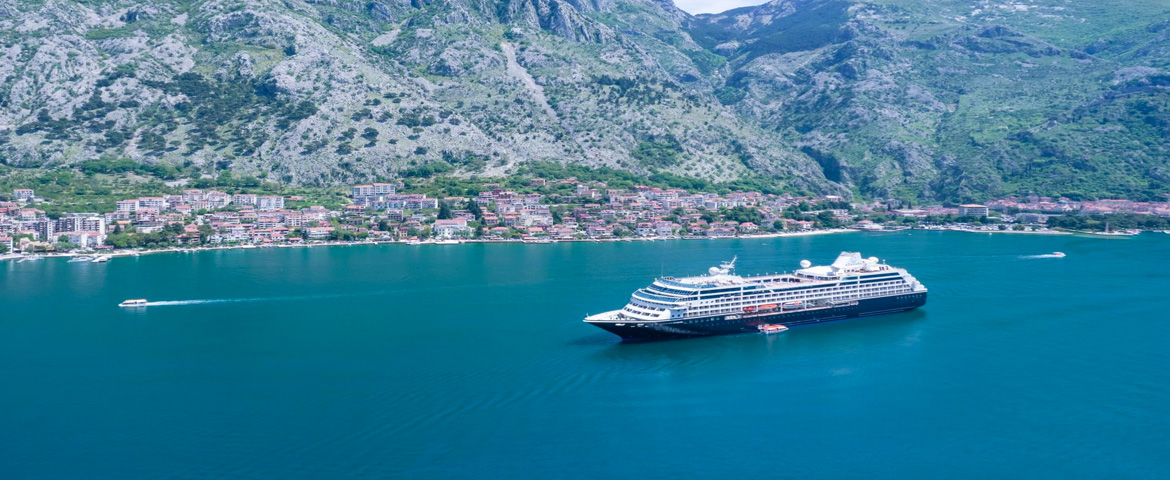
Azamara Club Cruises (3 Cruises)

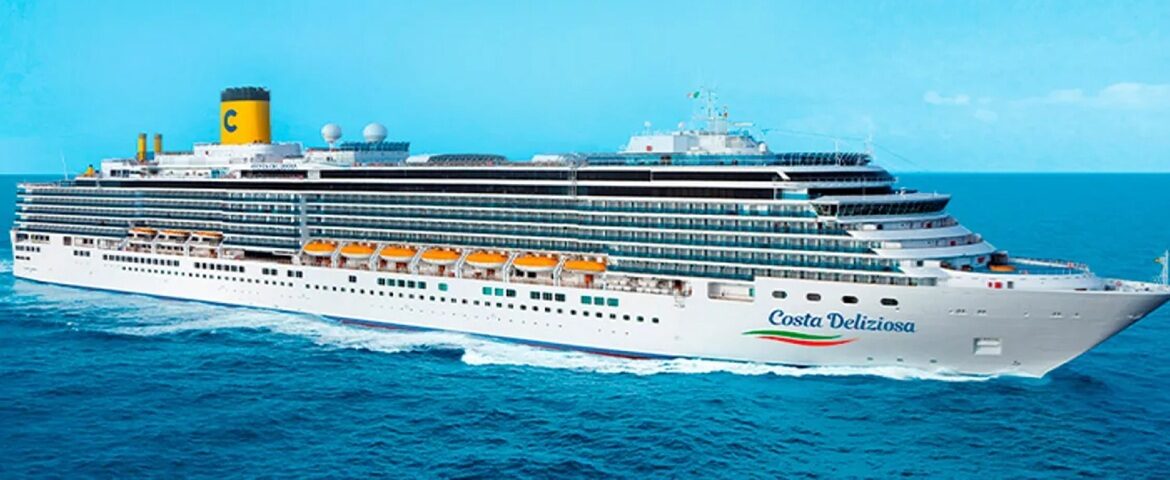
Costa Cruises (2 Cruises)

CroisiEurope (23 Cruises)
MV La Belle de L'Adriatique
23 Cruises


| 24 June | 7 days | Round-trip Croatia and Montenegro |
450-628-6241
Call us
|
| 24 June | 8 days | Round-trip from Dubrovnik, Croatia |
450-628-6241
Call us
|
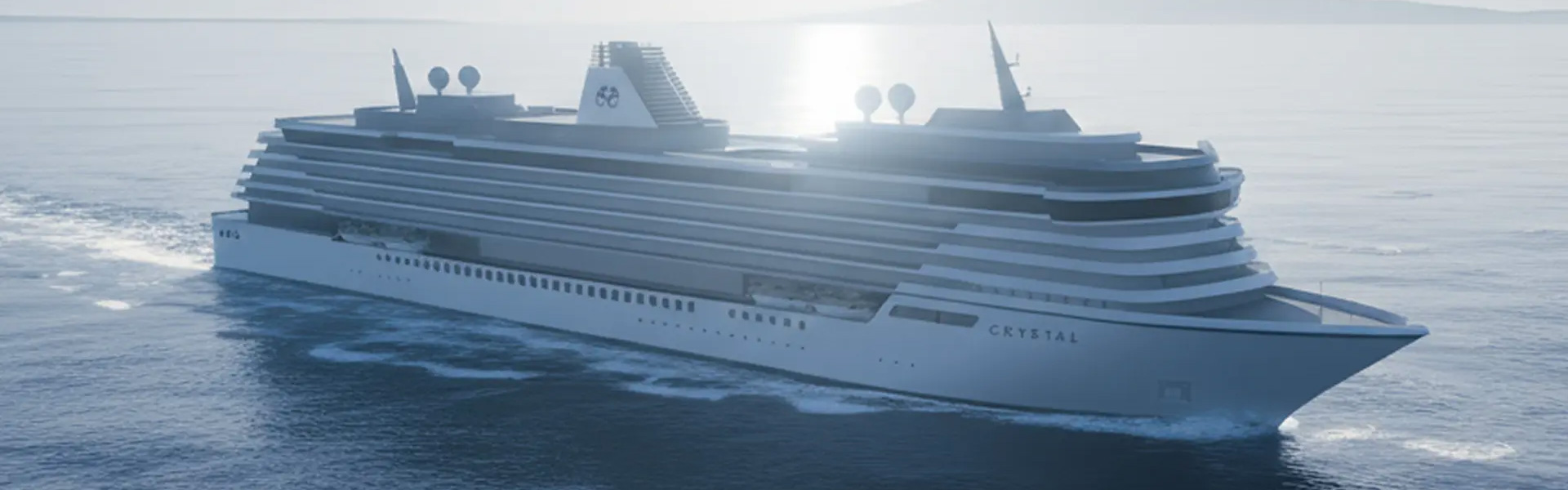
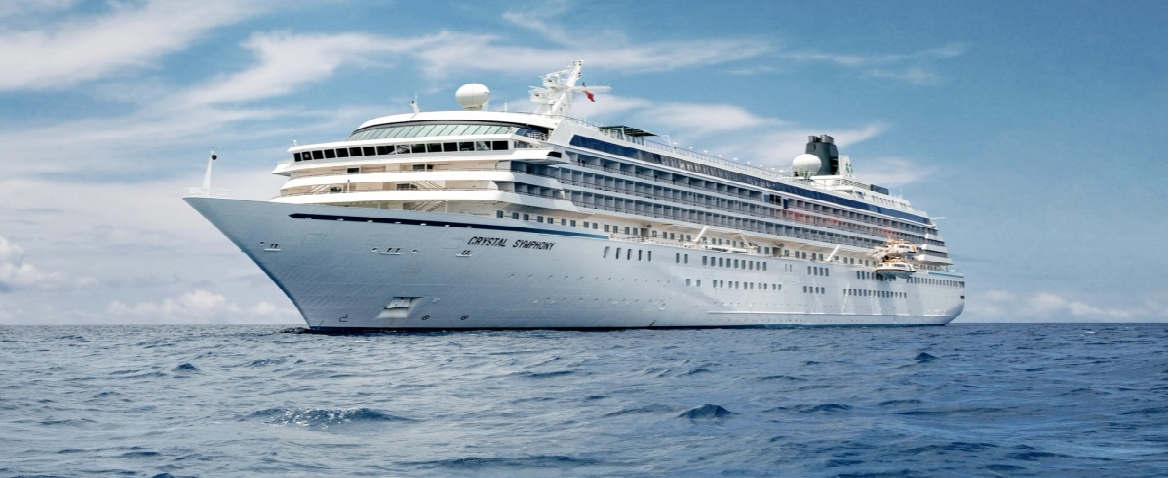
Crystal Cruises (8 Cruises)
Crystal Grace
6 Cruises

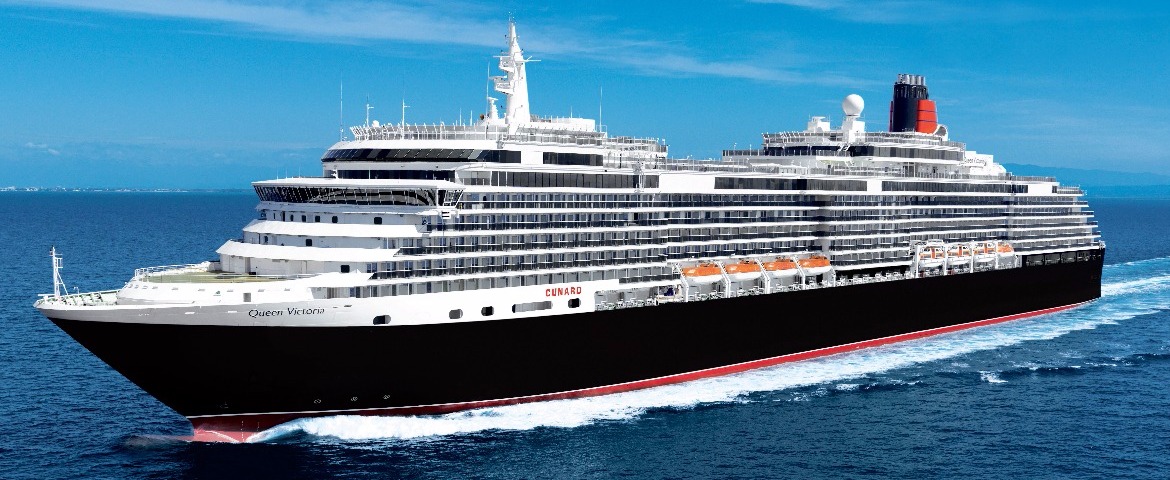
Cunard (19 Cruises)
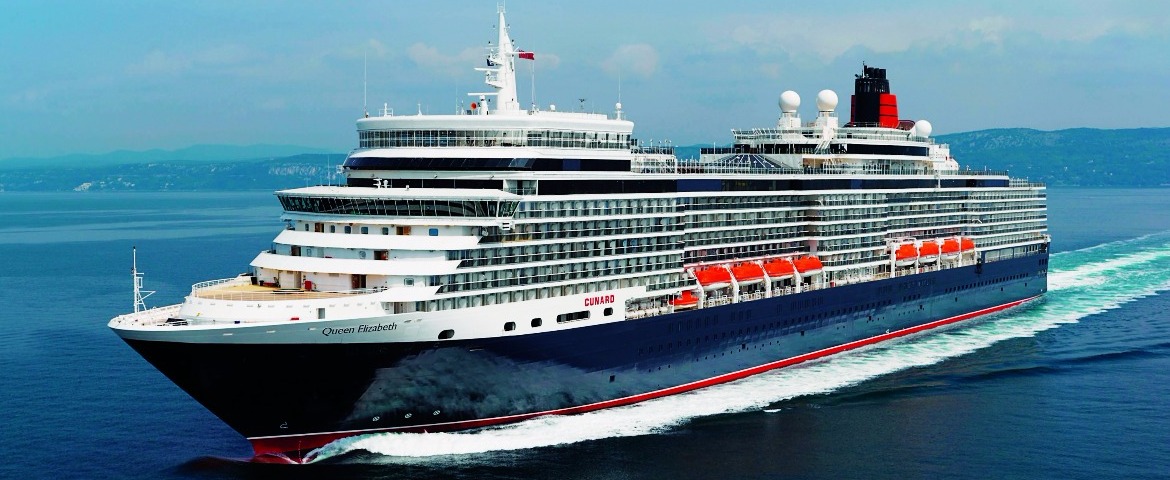
Queen Elizabeth
18 Cruises

Emerald Waterways (67 Cruises)
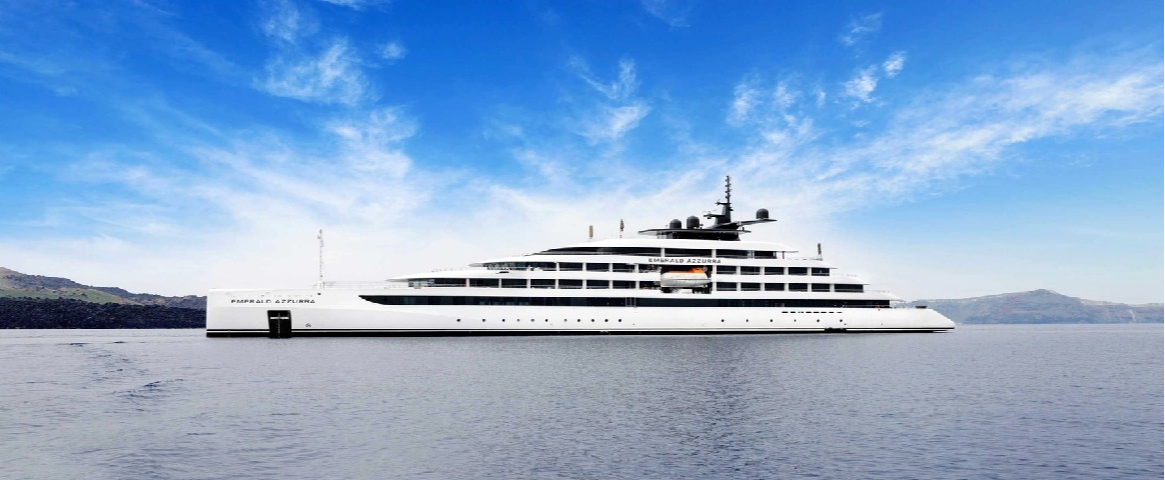
Emerald Azzurra
25 Cruises

| 7 August | 12 days | One-way from Dubrovnik to Piraeus-Athens |
450-628-6241
Call us
|
| 8 August | 10 days | One-way from Dubrovnik to Piraeus-Athens |
450-628-6241
Call us
|
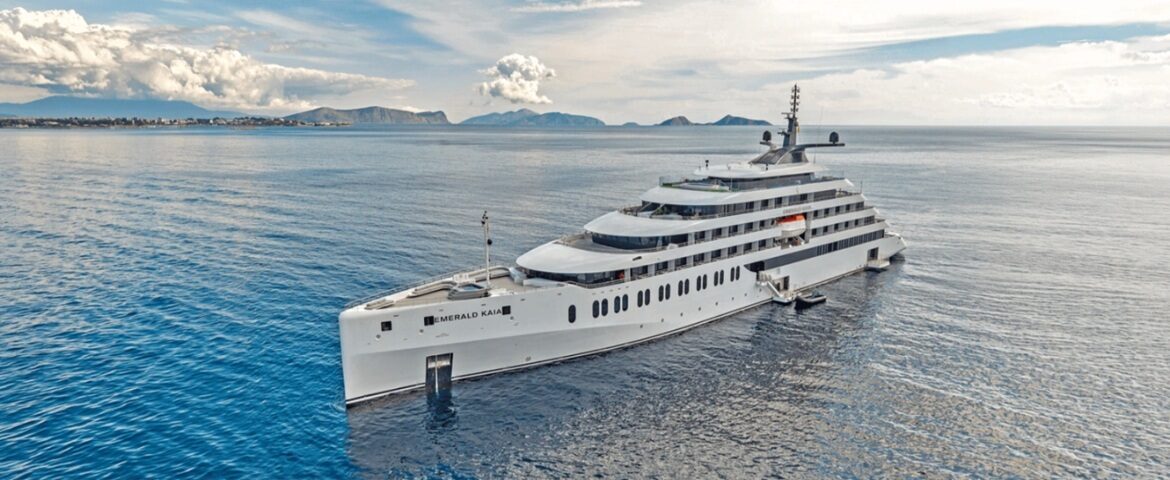
Emerald Kaia
37 Cruises
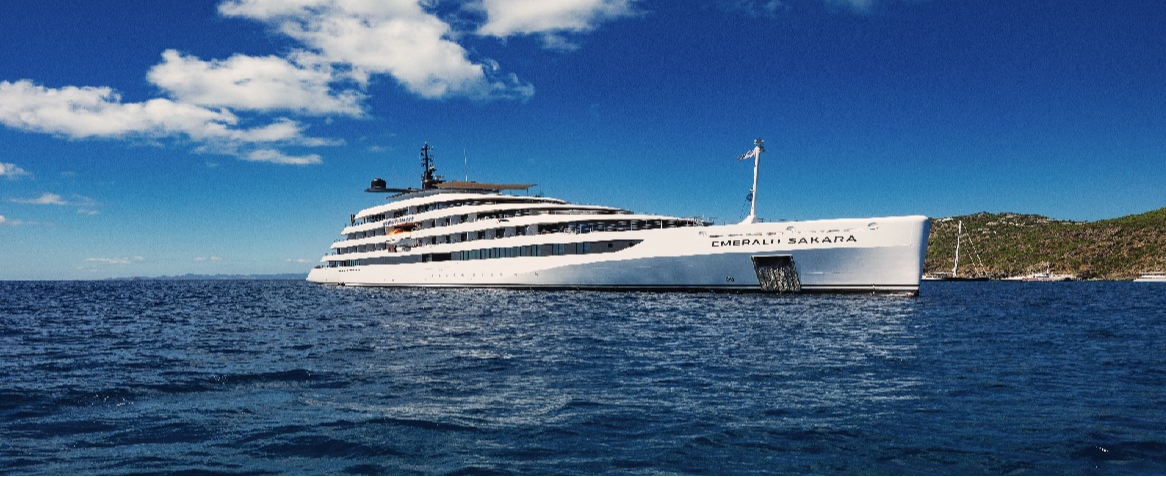
Emerald Sakara
5 Cruises
Oceania Cruises (9 Cruises)
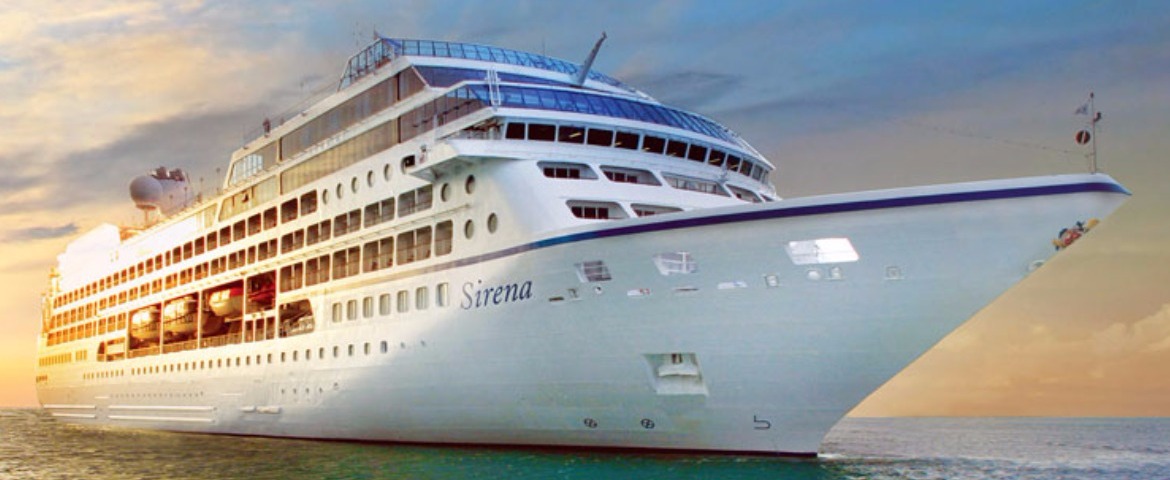
Oceania Sirena
9 Cruises

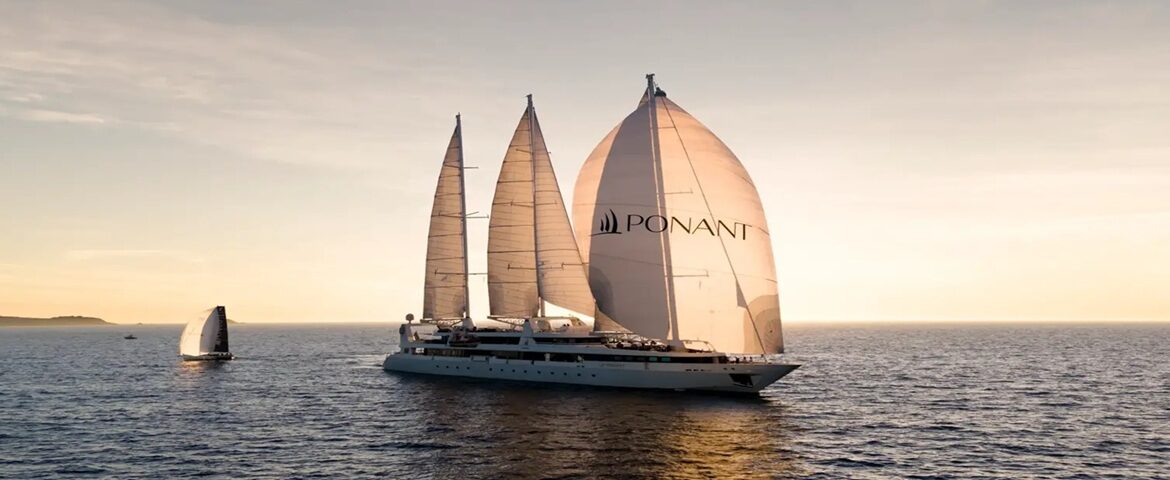
Ponant (4 Cruises)


Seabourn Cruise Line (39 Cruises)
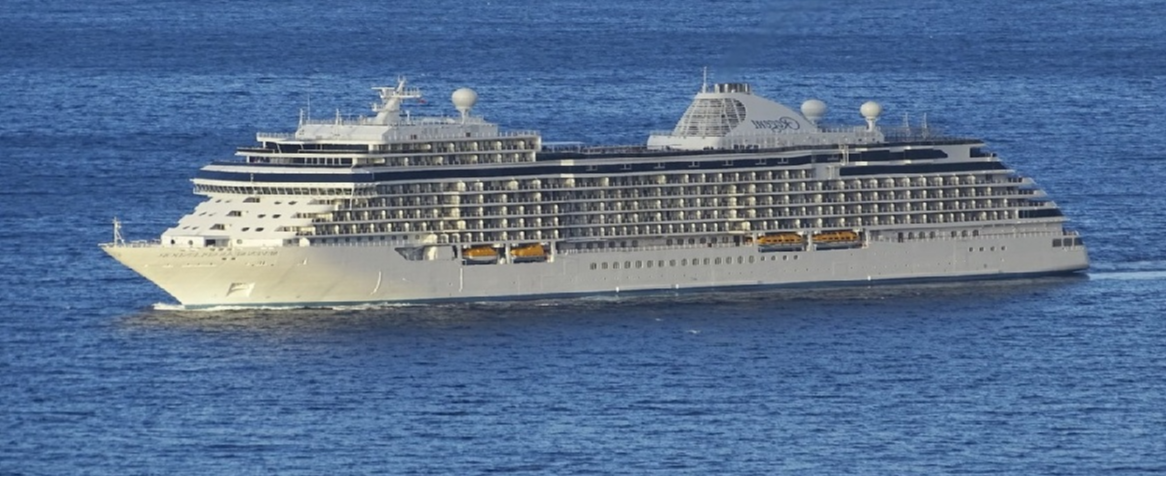
Seabourn Ovation
39 Cruises
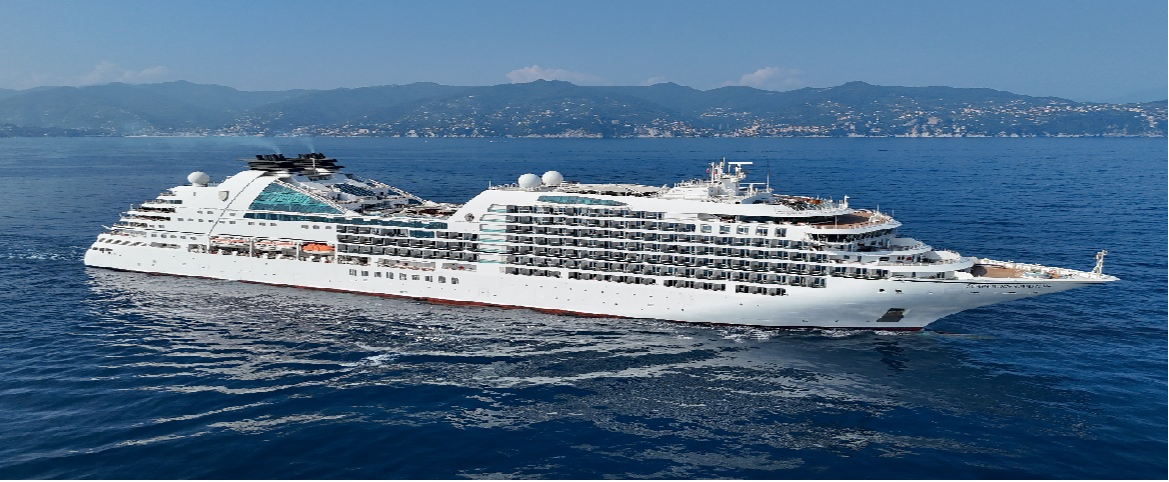

SeaDream Yacht Club (4 Cruises)
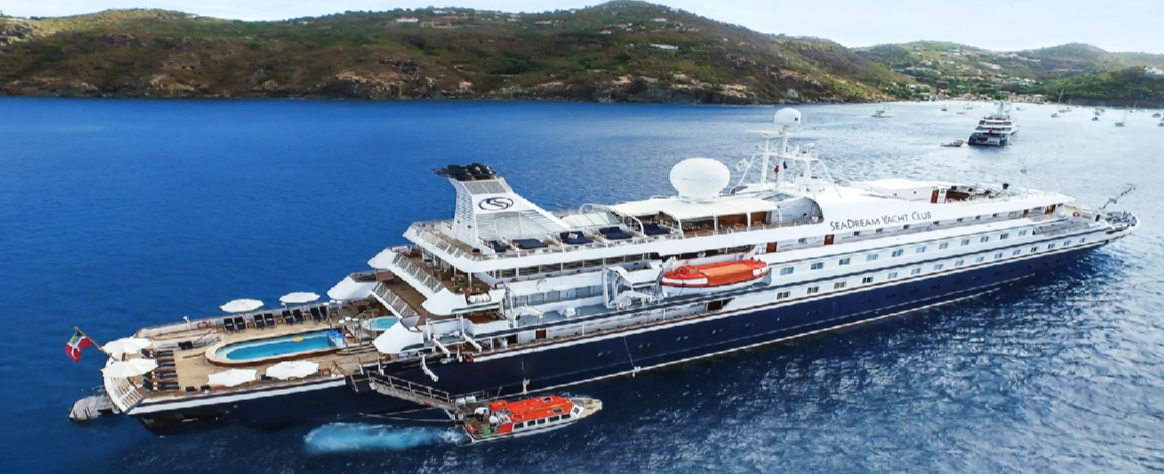

Silversea Cruises (1 Cruises)
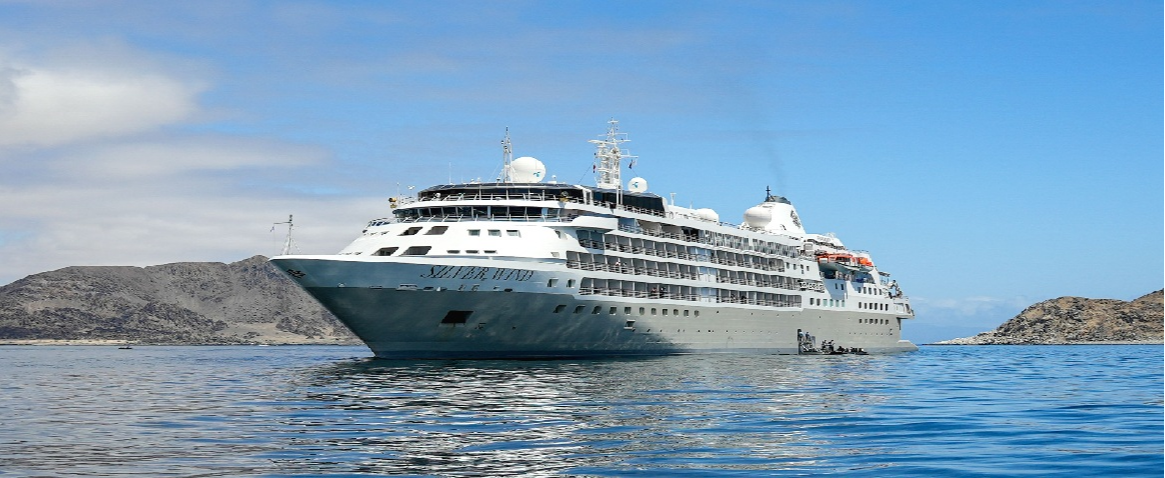

Star Clippers (9 Cruises)
Royal Clipper
9 Cruises
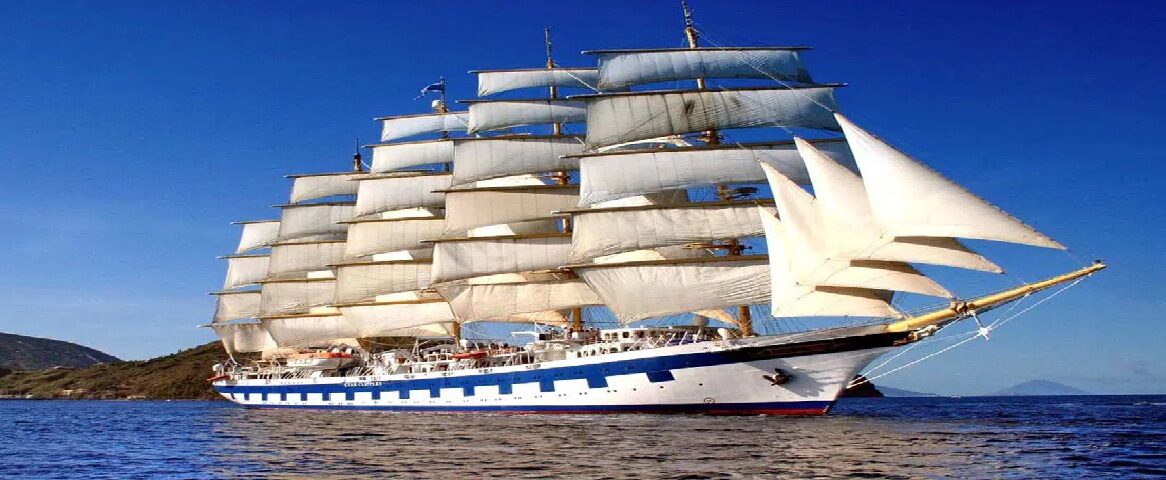

Windstar Cruises (22 Cruises)
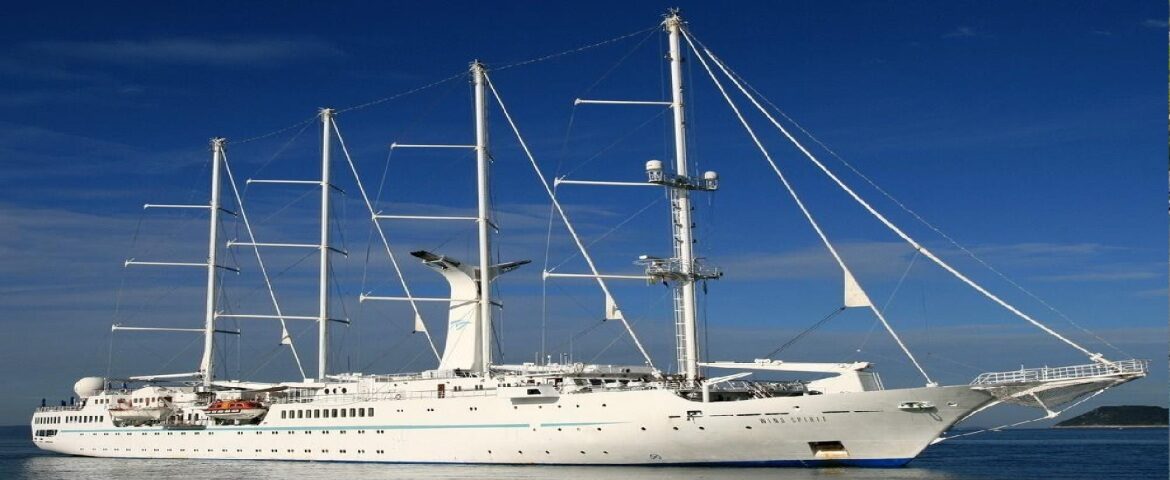
Wind Spirit
22 Cruises


Port of Korčula, Croatia | Cruise Port Guide
Frequently Asked Questions
It depends on size. Small ships tie up at the quay beside the town walls, two minutes from the main gate. Larger ships anchor in the channel and tender passengers to the same spot.
Entirely, and it is pedestrian. Ten minutes takes you across the peninsula from one wall to the other. The medieval herringbone street plan was designed to let in the summer maestral and block the winter bora.
St Mark's Cathedral with its Tintoretto altarpiece, the town museum in its Renaissance palace, the so-called Marco Polo tower house, then a pause at the terraces built against the ramparts. There is still time for a water taxi to the wooded islet of Badija.
Korčula says yes, Venice disputes it and historians stay cautious. What is documented: the traveller was captured by the Genoese in a naval battle fought off the island in 1298, which led to him dictating his Book of Marvels in prison. The tower house is worth climbing for the rooftop view.
A sword dance the island has performed since the 17th century. Children learn the figures at school. Some performances take place in the late afternoon in summer: check the schedule against your call times.
Not in the old town, which drops straight into the sea. Water taxis reach the coves of the wooded islet of Badija in a few minutes, the easiest swim from the quay.
The euro and Croatian. English is common in old town restaurants and shops. Cards are accepted; keep some cash for water taxis.
Grk, a white grape grown nowhere else, and Ston oysters, served at the terraces set against the walls. Both appear on most waterfront menus.
May to October. July and August are hot and the very compact old town fills quickly when several ships are in. June and September offer the same setting with more room.
Partly. You enter through the land gate, a monumental staircase set against the Revelin tower, and the lanes climb gently. There is no lift or ramp: anyone wary of steps can stay at quay level and follow the walls from outside.


