Rijeka Croatia
86
Cruises availables
At departure or passage at this port
Costa Cruises (11 Cruises)
Costa Deliziosa
11 Cruises
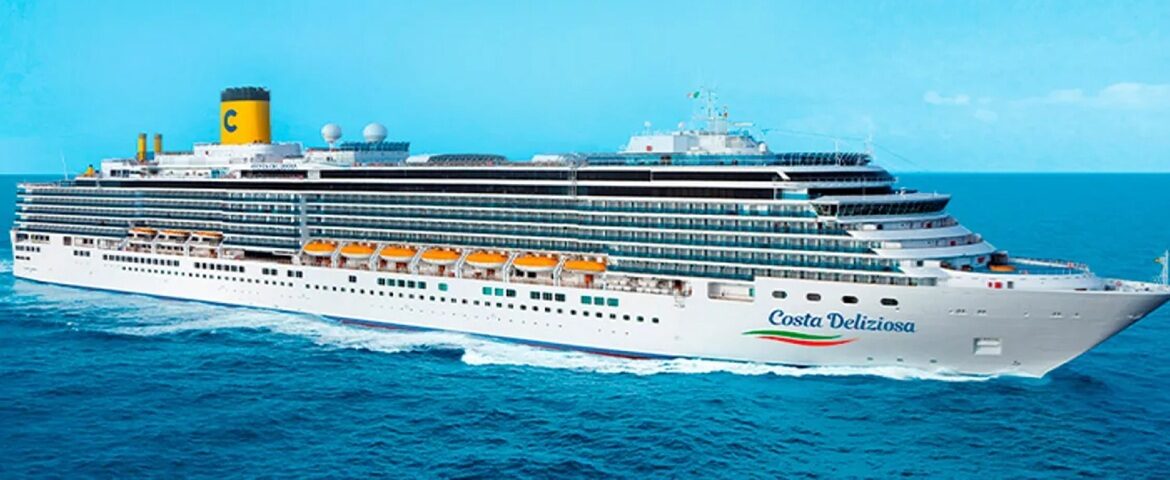

| 12 June | 15 days | Round-trip from Venice, Italy |
450-628-6241
Call us
|
| 19 June | 8 days | Round-trip from Venice, Italy |
450-628-6241
Call us
|
| 19 June | 15 days | Round-trip from Venice, Italy |
450-628-6241
Call us
|
Crystal Cruises (1 Cruises)

Norwegian Cruise Line (1 Cruises)

Oceania Cruises (25 Cruises)

Oceania Insignia
6 Cruises
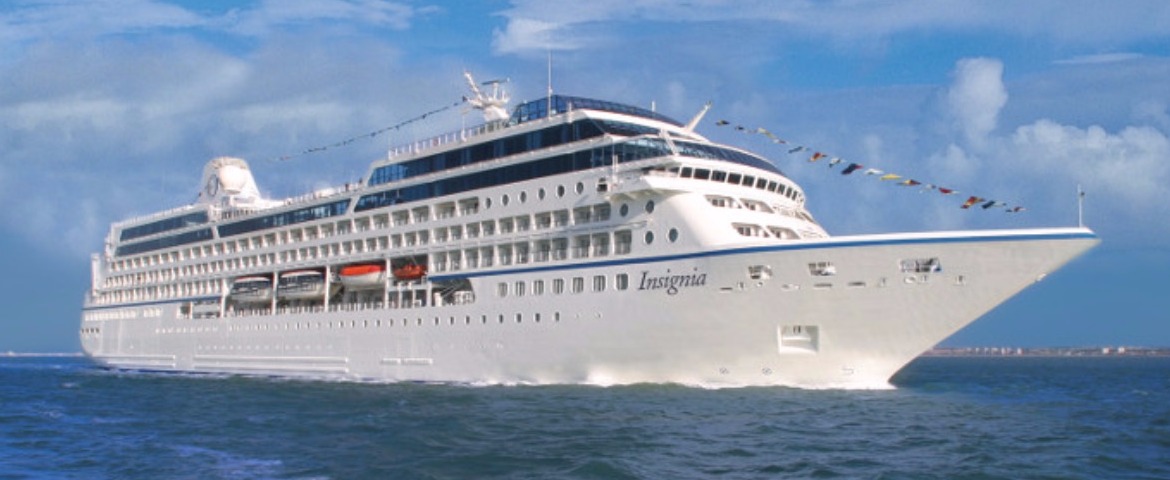
| 19 August | 67 days | One-way from Helsinki to Piraeus-Athens |
450-628-6241
Call us
|
| 19 August | 68 days | One-way from Helsinki to Piraeus-Athens |
450-628-6241
Call us
|
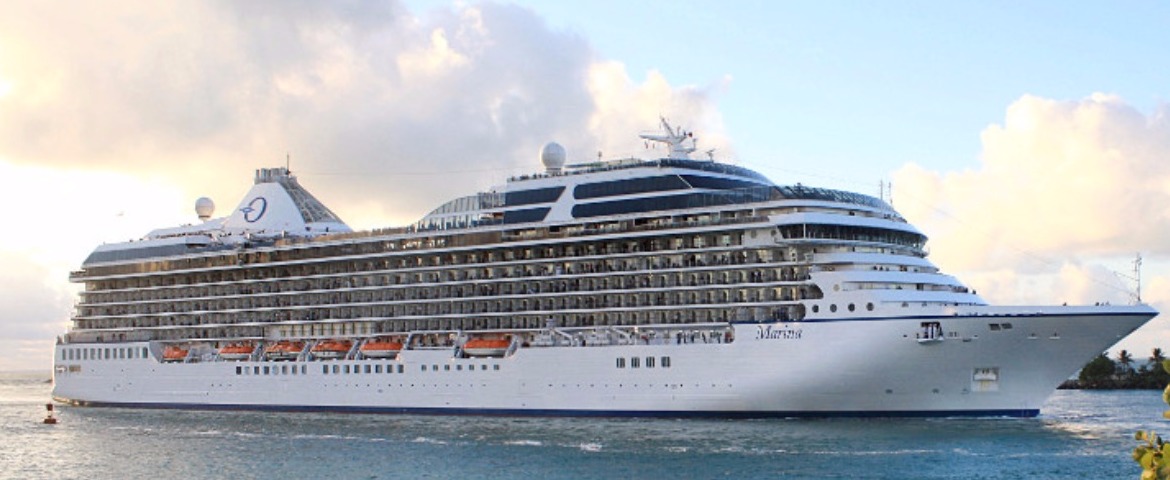
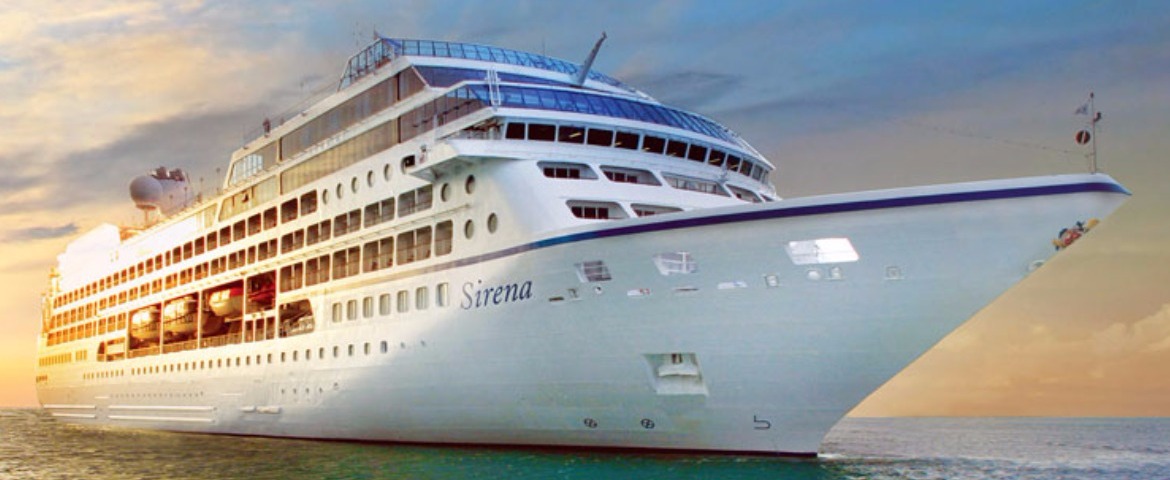
Oceania Sirena
10 Cruises
Regent Seven Seas Cruises (30 Cruises)
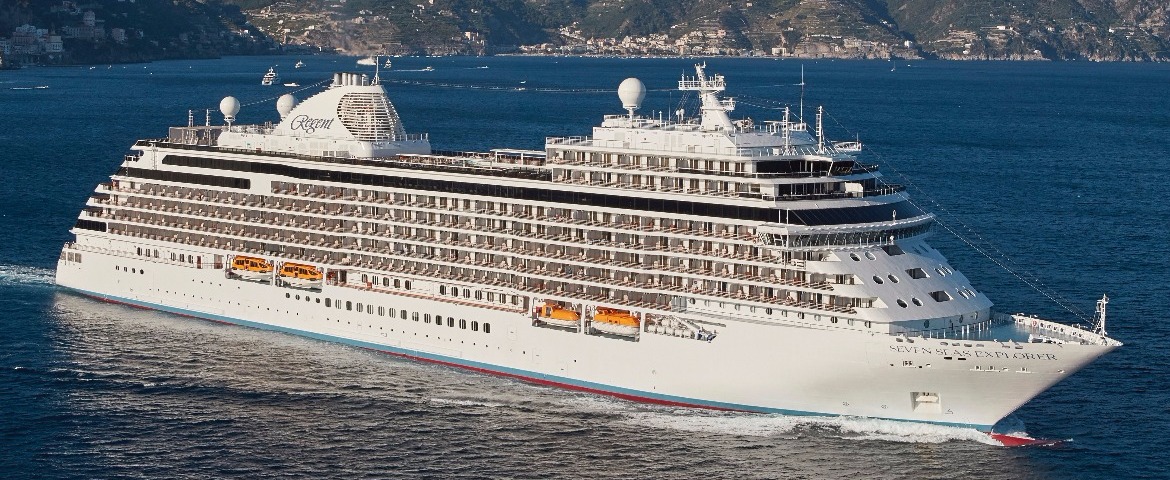
Seven Seas Explorer
4 Cruises

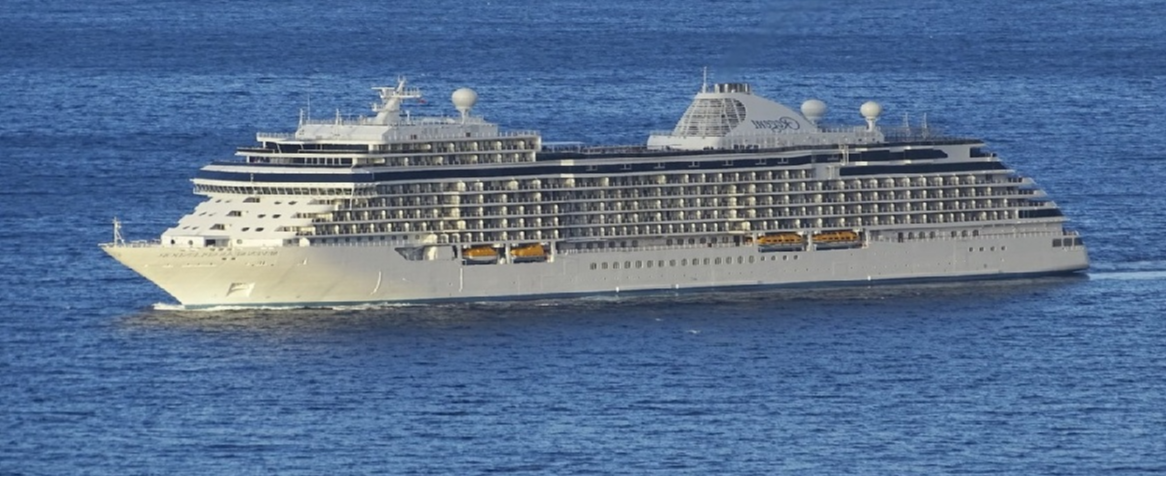
Seven Seas Grandeur
6 Cruises
Seven Seas Mariner
9 Cruises

| 29 April | 175 days | One-way from New York to Piraeus-Athens |
450-628-6241
Call us
|
| 29 April | 174 days | One-way from New York to Piraeus-Athens |
450-628-6241
Call us
|
| 30 July | 82 days | One-way from Southampton to Piraeus-Athens |
450-628-6241
Call us
|
| 30 July | 83 days | One-way from Southampton to Piraeus-Athens |
450-628-6241
Call us
|
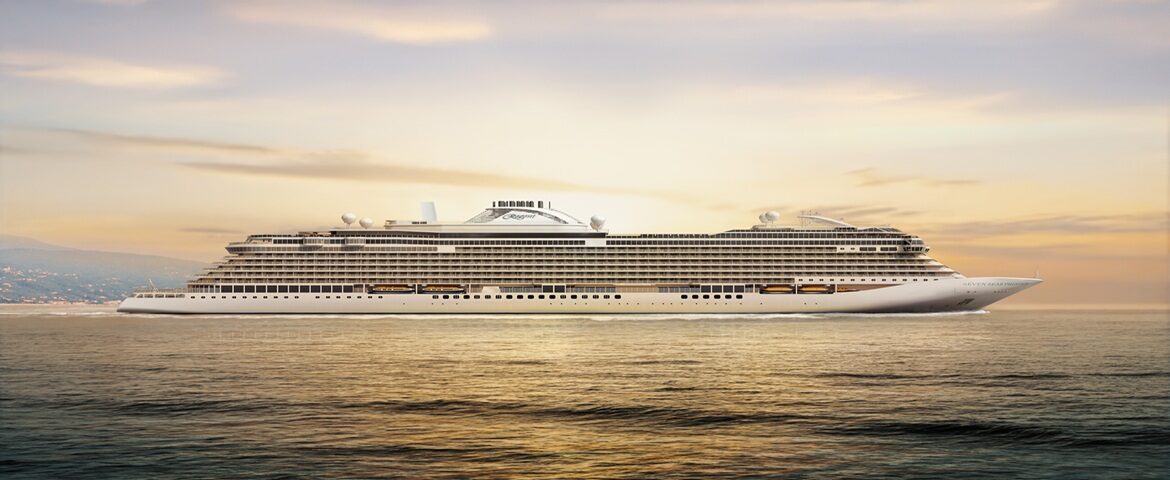
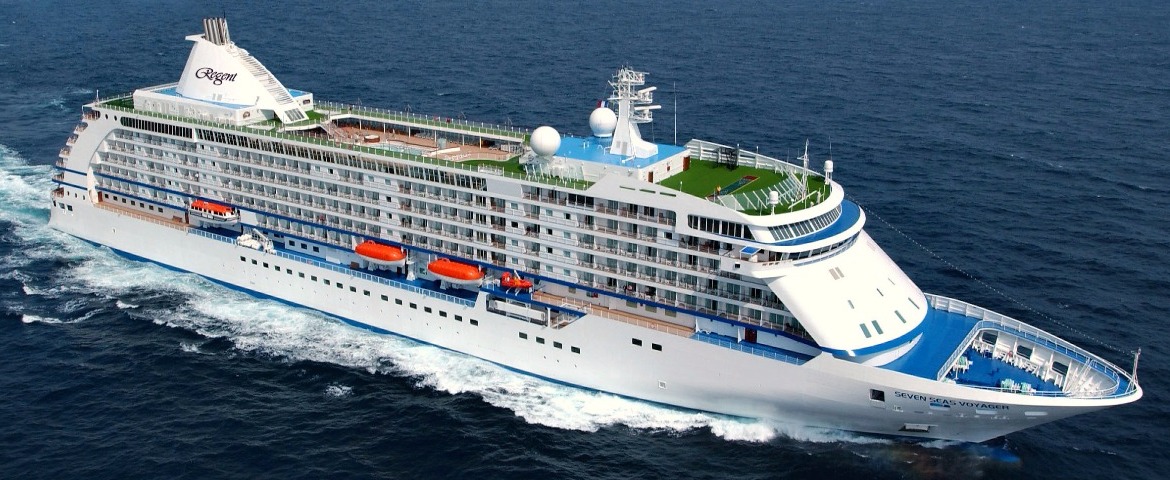
Seven Seas Prestige
10 Cruises
Seabourn Cruise Line (16 Cruises)
Seabourn Ovation
16 Cruises
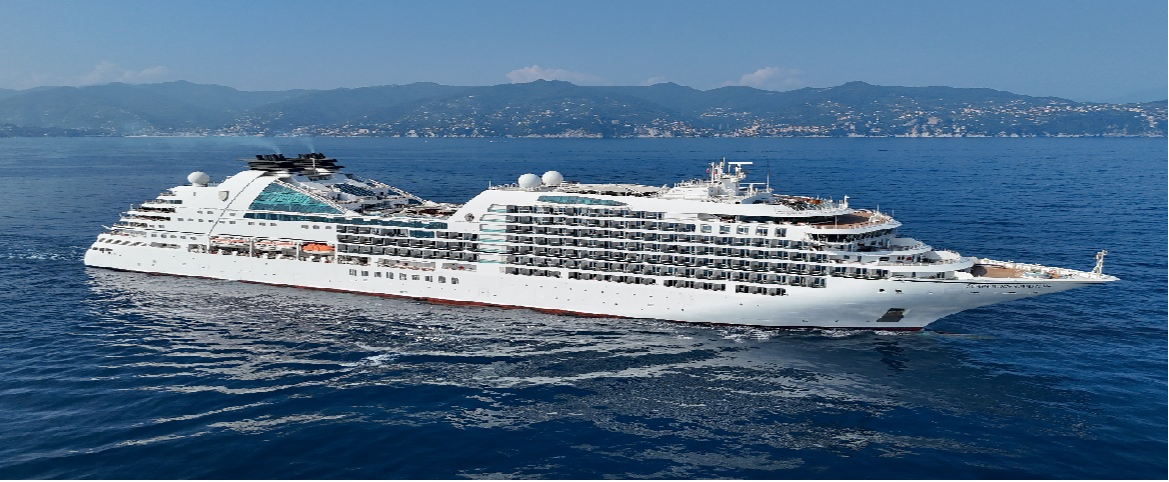

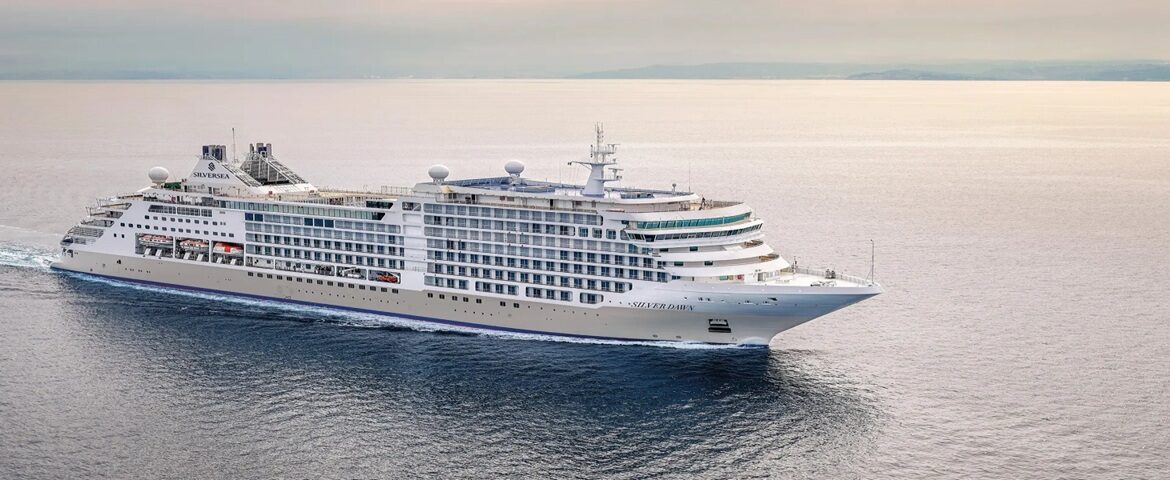
Silversea Cruises (2 Cruises)


Port of Rijeka, Croatia | Cruise Port Guide
Frequently Asked Questions
At the Molo Longo, a breakwater nearly two kilometres long that shelters the harbour. A ten-minute walk brings you to the centre. This is a working port: cranes, warehouses and cargo ships are part of the scene.
Yes for the centre, which is flat. The Korzo, the central market and the Maritime Museum are fifteen minutes from the quay at most. Trsat, on the hill, needs a bus, a taxi or more than 500 steps.
The Korzo and the three halls of the central market, the Maritime and History Museum in the former Governor's Palace, then the climb to Trsat for the castle and the view. Coming back by bus or taxi is easy.
The broad pedestrian avenue laid out where the old walls stood, where the whole life of the city converges. Yellow and ochre Austro-Hungarian facades, terraces, a Baroque clock tower topped with the double-headed eagle: it is Rijeka's living room.
By bus or taxi in a few minutes, or on foot up the Petar Kružić votive stairway — more than five hundred steps in the shade of chapels. At the top the castle walls overlook the whole bay, and a cafe inside the walls lets you catch your breath.
The self-propelled torpedo. The idea of a local officer, Giovanni Luppis, perfected by the English engineer Robert Whitehead, led in 1866 to the world's first torpedo factory on the industrial waterfront. The Maritime Museum tells the story.
Three iron and glass halls built in the late 19th century, overflowing with Adriatic fish, cheeses from the hinterland and loud conversation. It is the best place to watch the city be itself, steps from the Korzo.
The euro and Croatian. English and Italian are widespread. Cards work throughout the centre; keep cash for the market and the bus.
Honestly, no. Rijeka does not pose for photographs: it is Croatia's third city and a busy commercial port. It rewards travellers who like real cities where local life has not been replaced by souvenir shops. For ramparts and lanes, aim for Rab or Korčula.
Yes. European Capital of Culture in 2020, the city converted the former sugar refinery palace into the City Museum. The Ivan Zajc National Theatre keeps ceilings painted by a very young Gustav Klimt, and the winter carnival is renowned across central Europe.


