Rovinj Croatia
192
Cruises availables
At departure or passage at this port
Atlas Ocean Voyages (2 Cruises)
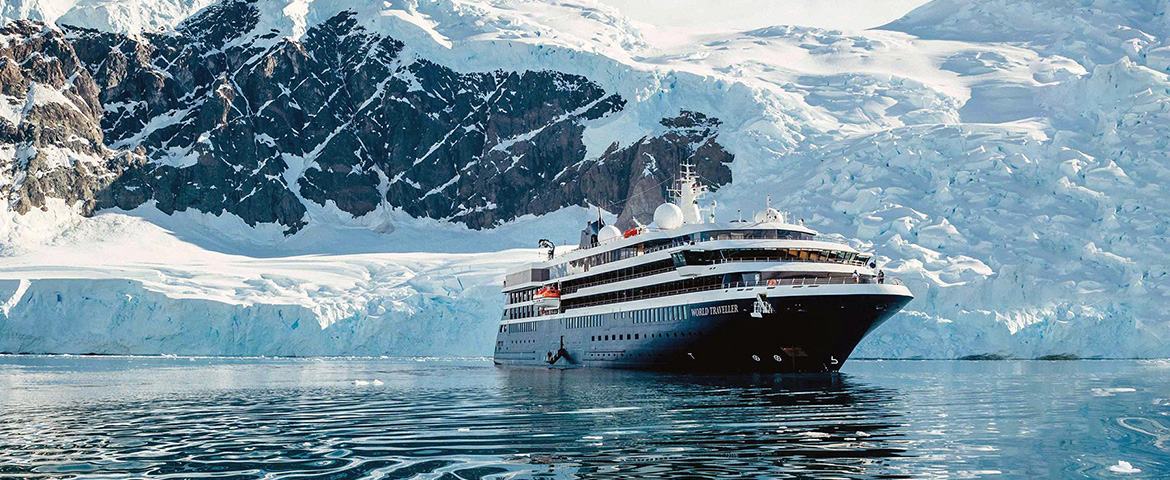

Azamara Club Cruises (10 Cruises)
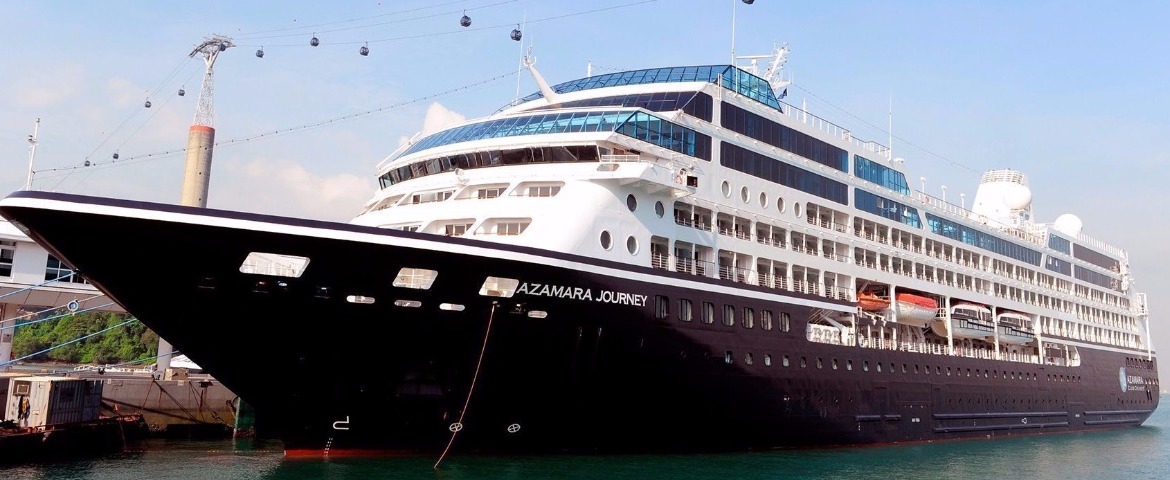
Azamara Journey
5 Cruises

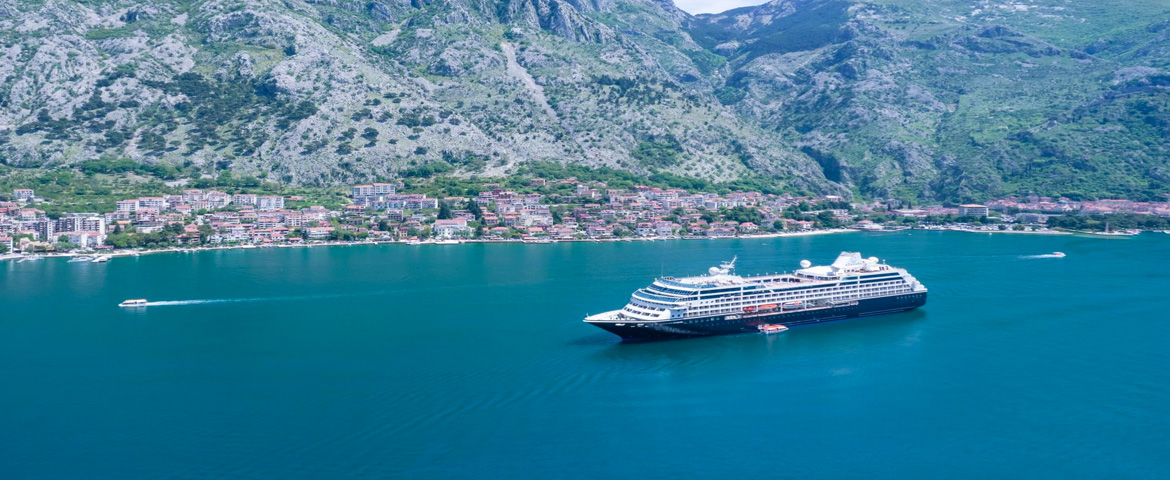
Emerald Waterways (58 Cruises)
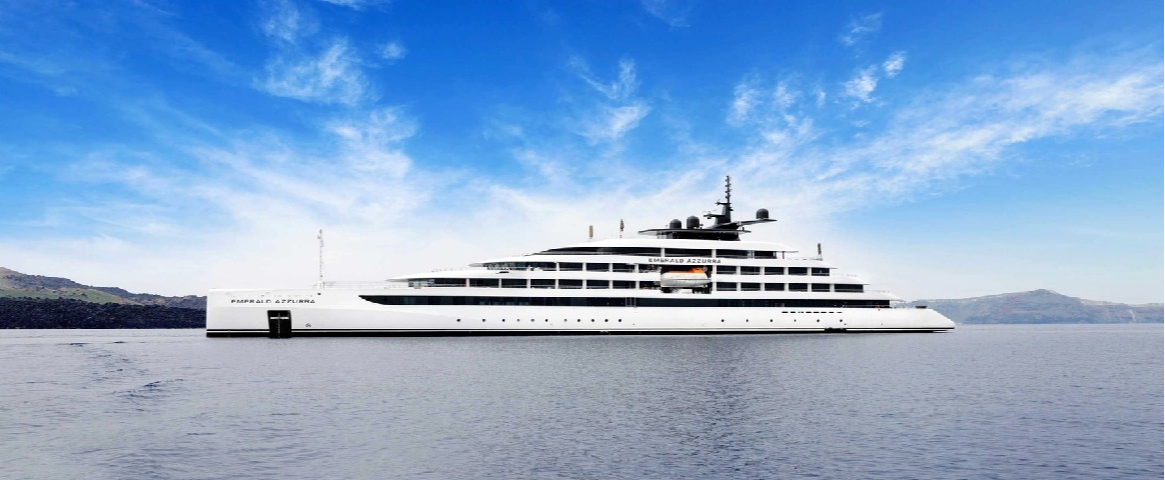
Emerald Azzurra
16 Cruises

| 24 May | 7 nights | One-way from Venice to Dubrovnik |
450-628-6241
Call us
|
| 24 May | 14 nights | One-way from Venice to Piraeus-Athens |
450-628-6241
Call us
|
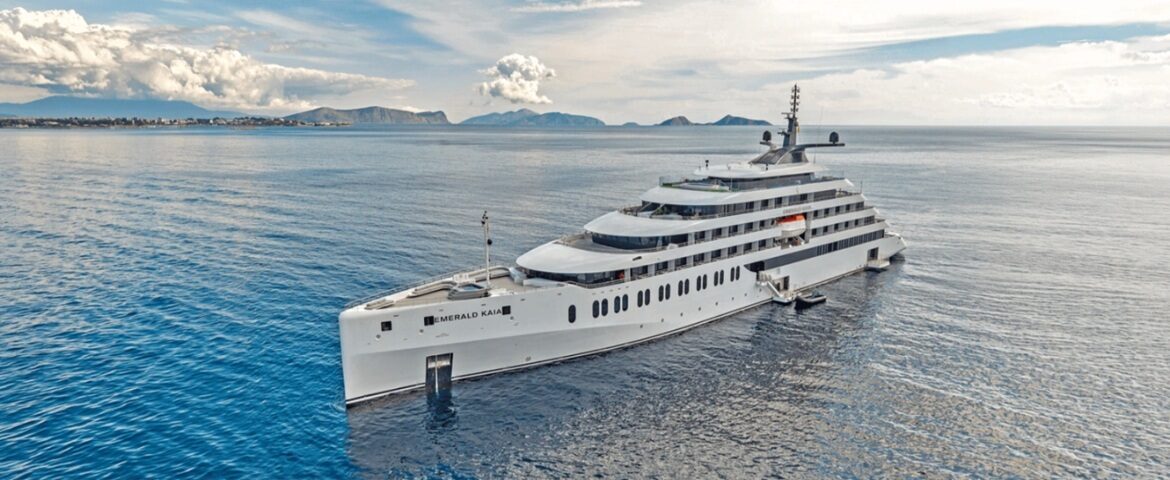
Emerald Kaia
37 Cruises
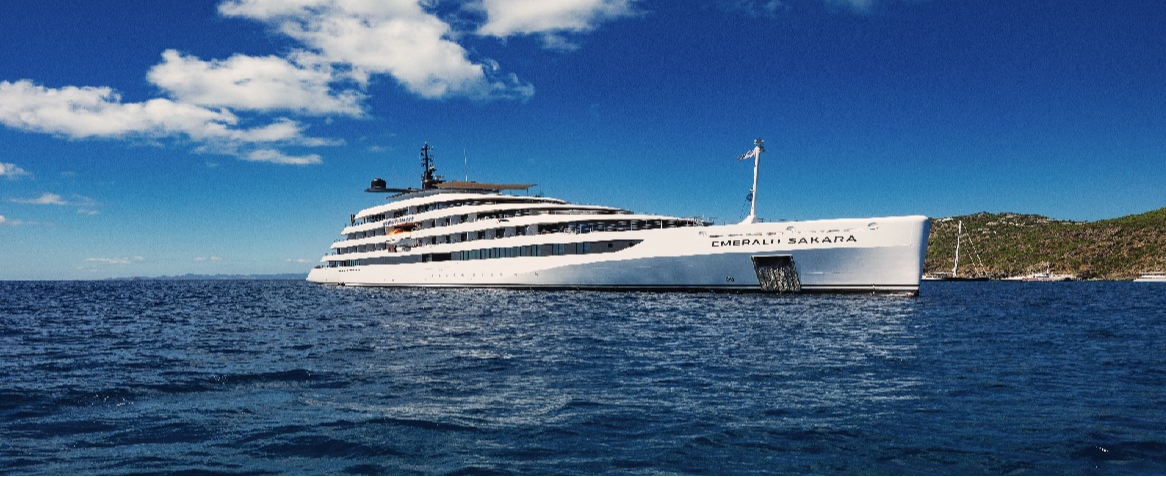
Emerald Sakara
5 Cruises
Explora Journeys (16 Cruises)
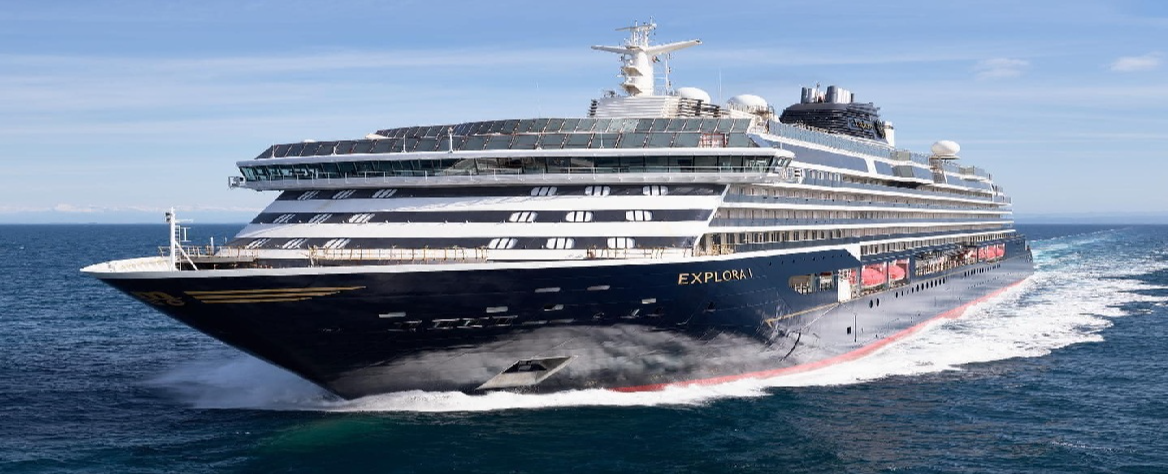
Explora I
6 Cruises

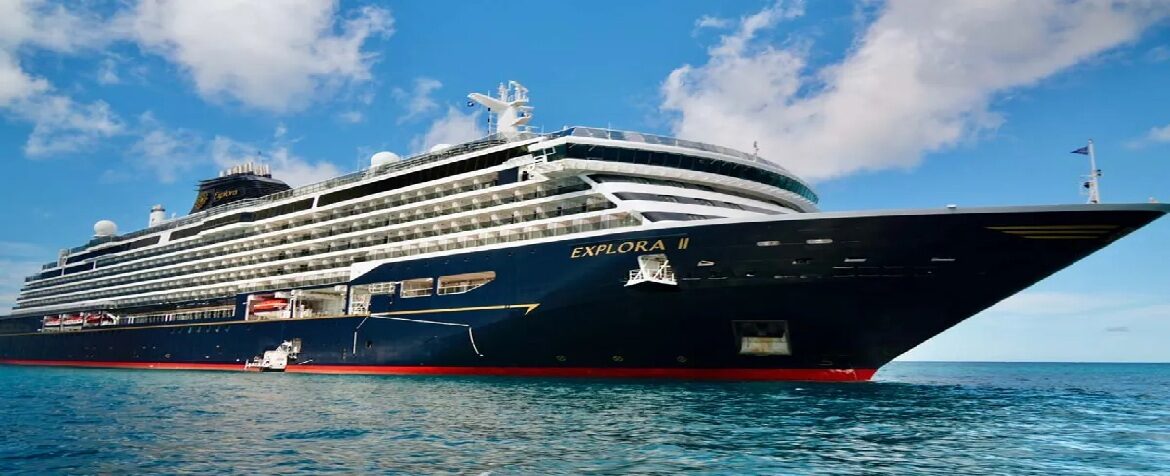
Explora II
10 Cruises
| 24 May | 14 nights | Round-trip from Piraeus-Athens, Greece |
450-628-6241
Call us
|
| 31 May | 7 nights | One-way from Venice to Piraeus-Athens |
450-628-6241
Call us
|
Regent Seven Seas Cruises (4 Cruises)
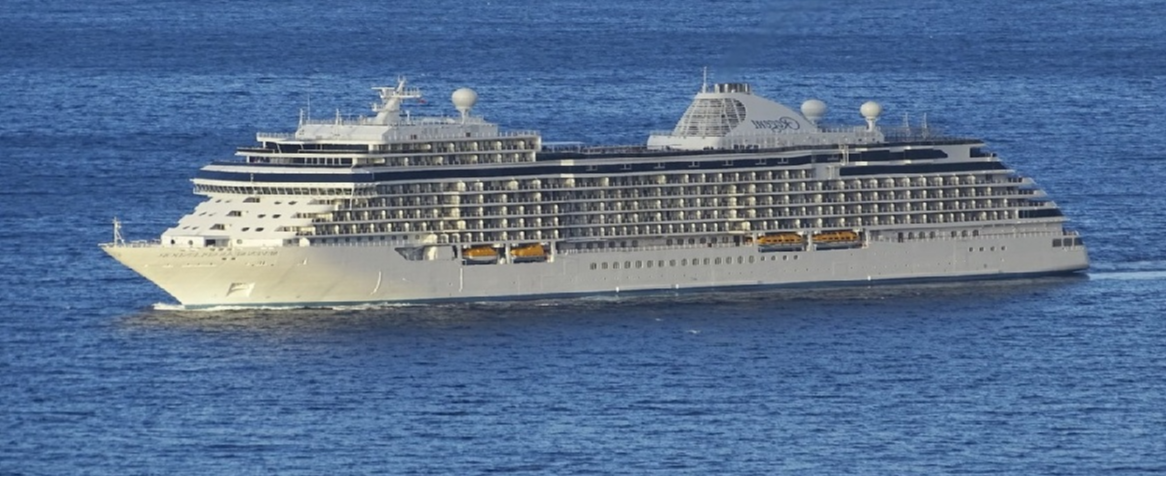

Seabourn Cruise Line (36 Cruises)
Seabourn Ovation
36 Cruises
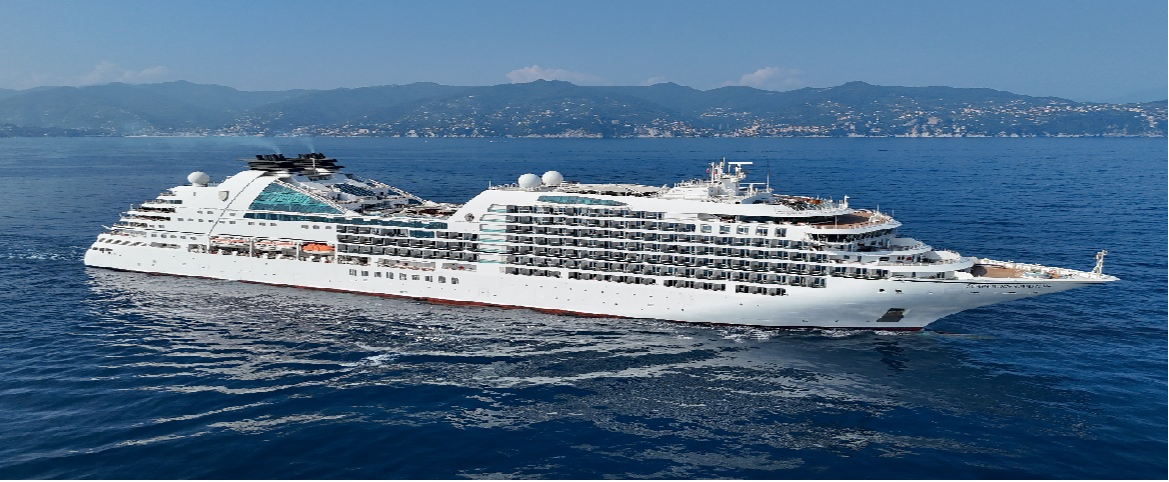

| 15 May | 37 nights | One-way from Dubrovnik to Civitavecchia-Rome |
450-628-6241
Call us
|
| 29 May | 23 nights | One-way from Istanbul to Civitavecchia-Rome |
450-628-6241
Call us
|
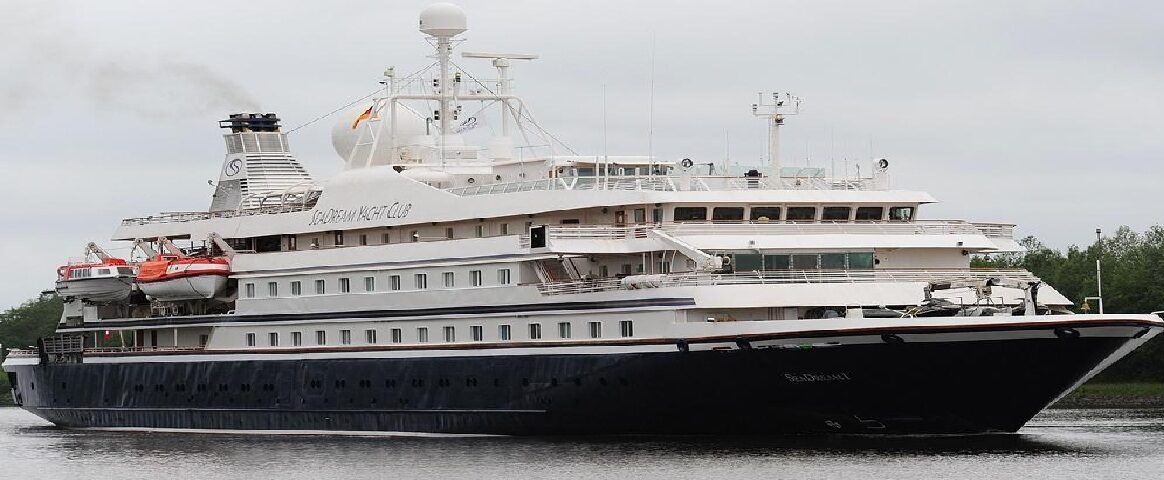
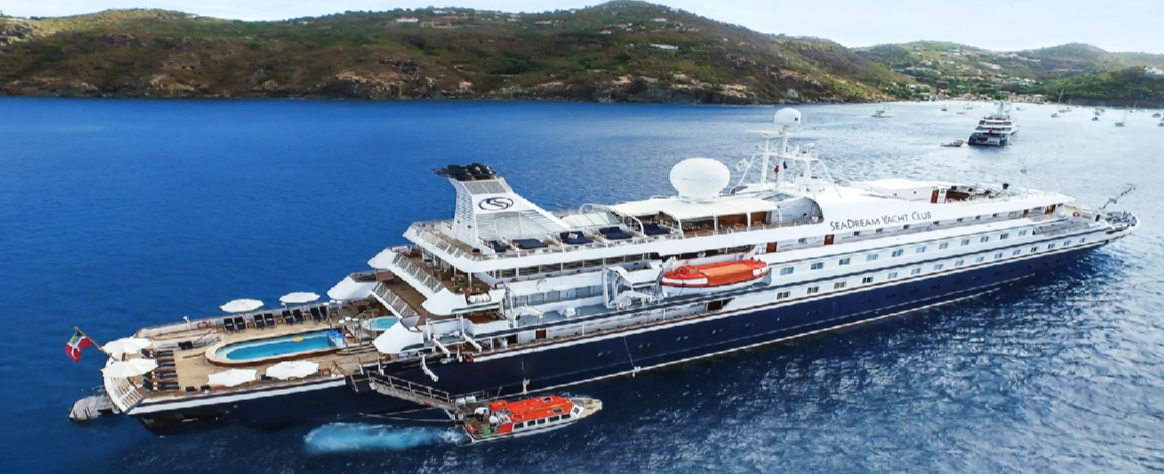
SeaDream Yacht Club (8 Cruises)
Seadream I
5 Cruises

Silversea Cruises (19 Cruises)
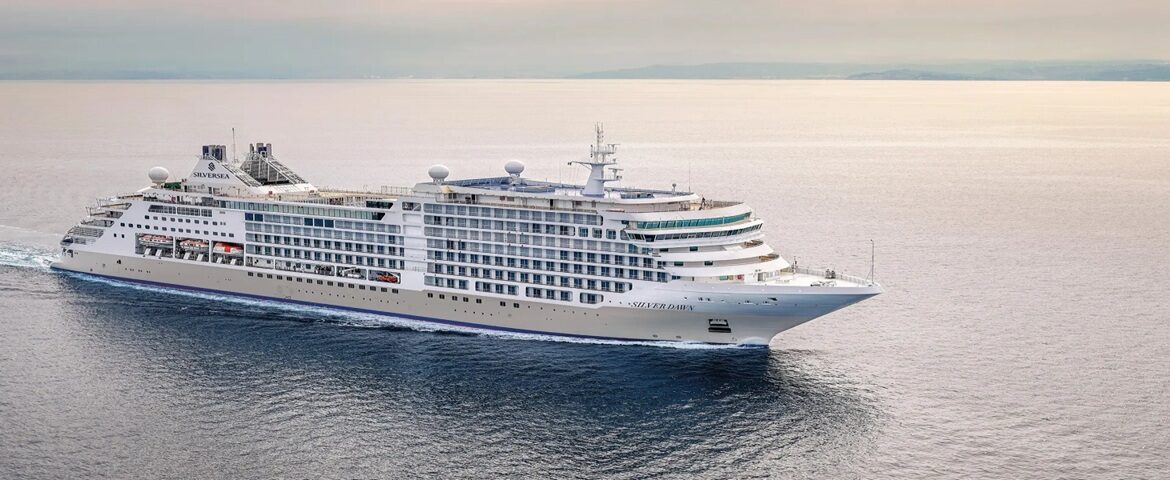
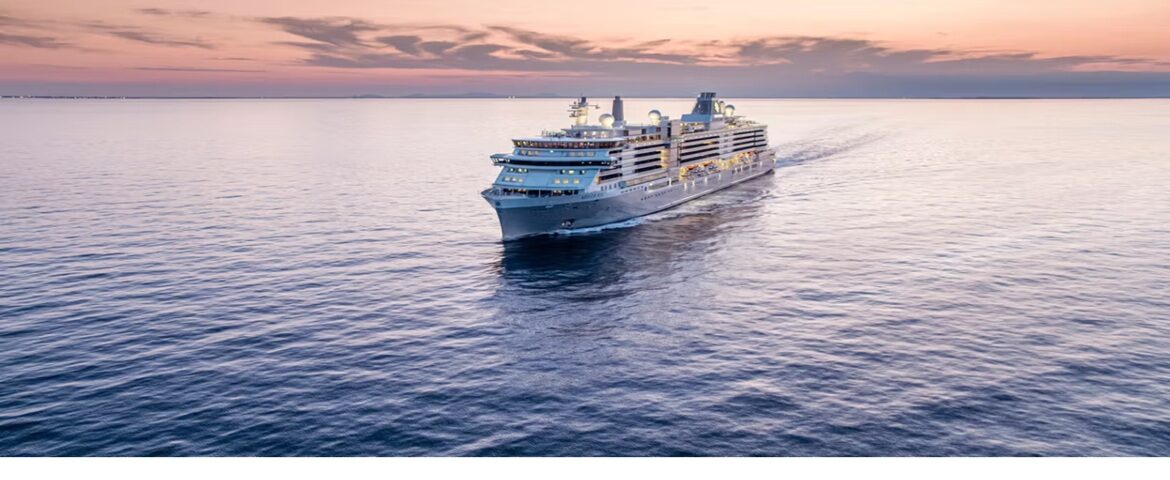
Silver Dawn
4 Cruises

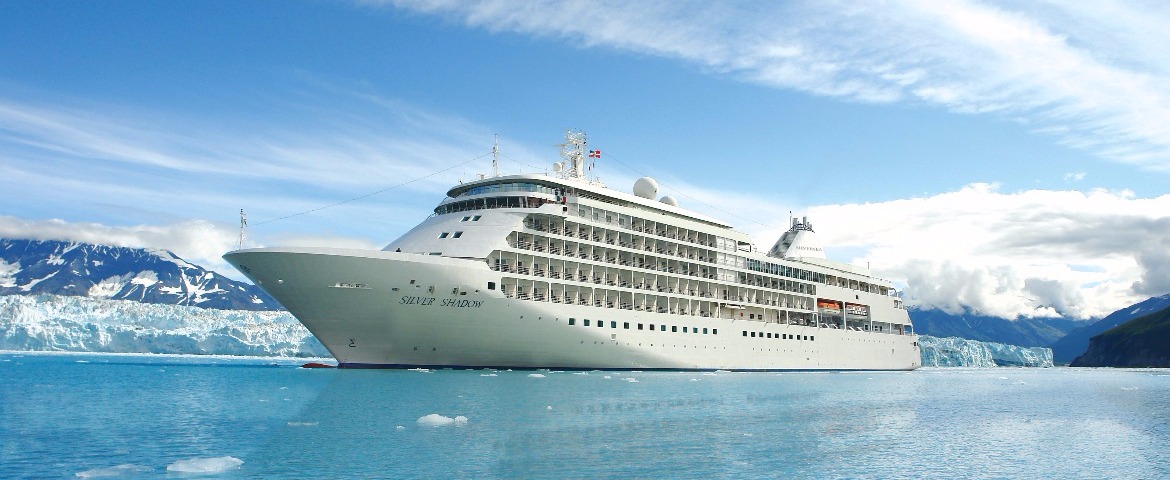
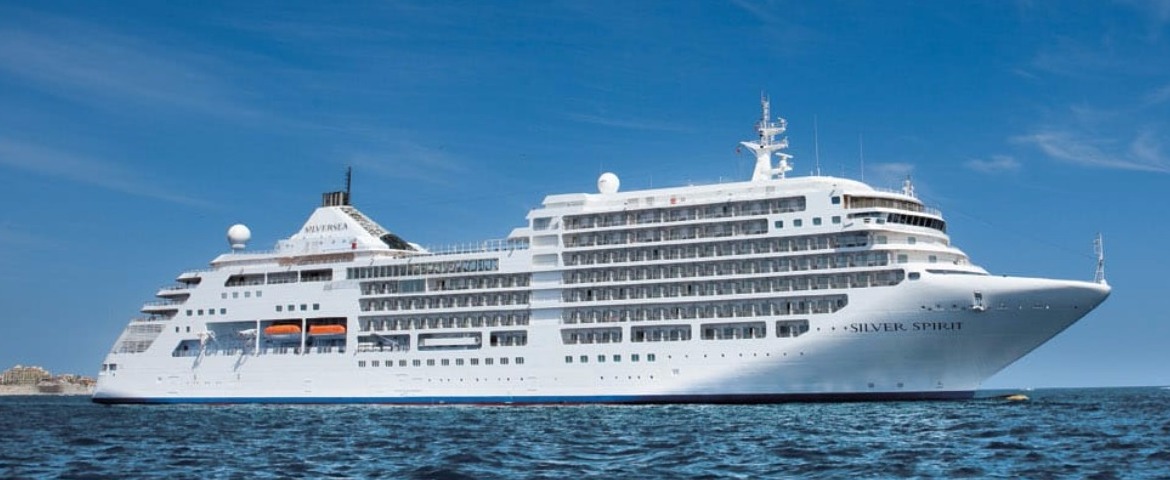
Silver Shadow
8 Cruises
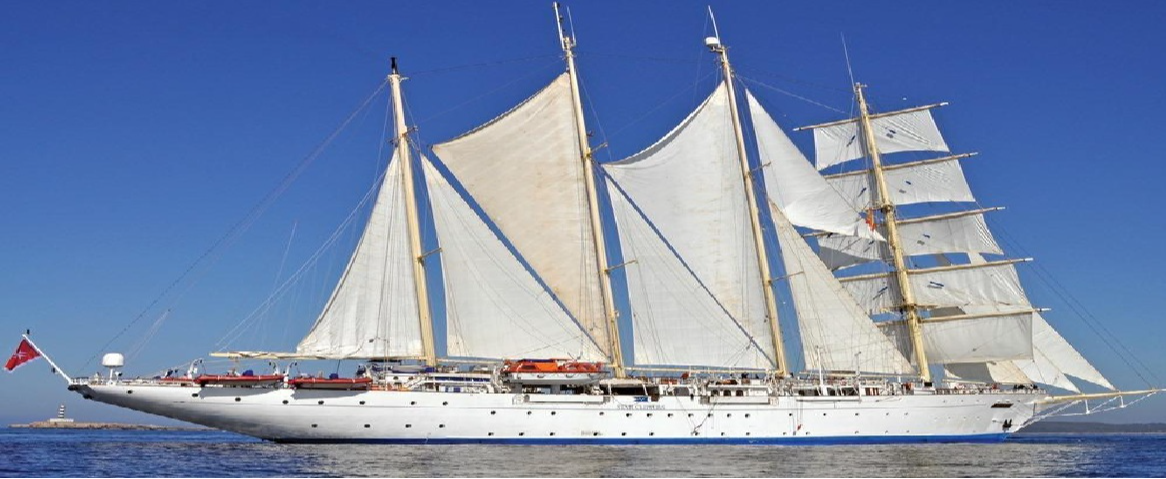
Star Clippers (11 Cruises)
Royal Clipper
9 Cruises
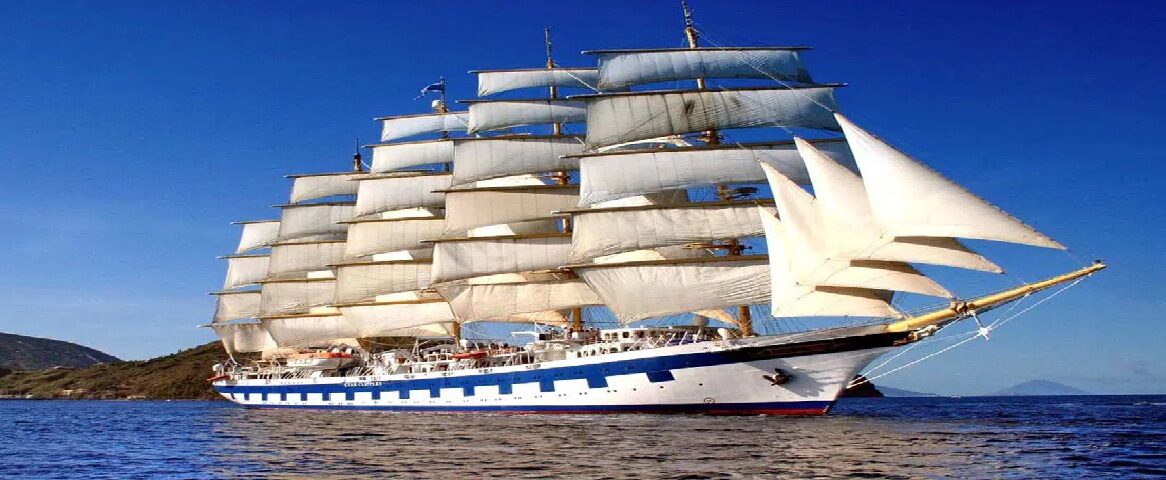

| 12 June | 14 nights | Round-trip from Venice, Italy |
450-628-6241
Call us
|
| 19 June | 7 nights | Round-trip from Venice, Italy |
450-628-6241
Call us
|
Windstar Cruises (28 Cruises)
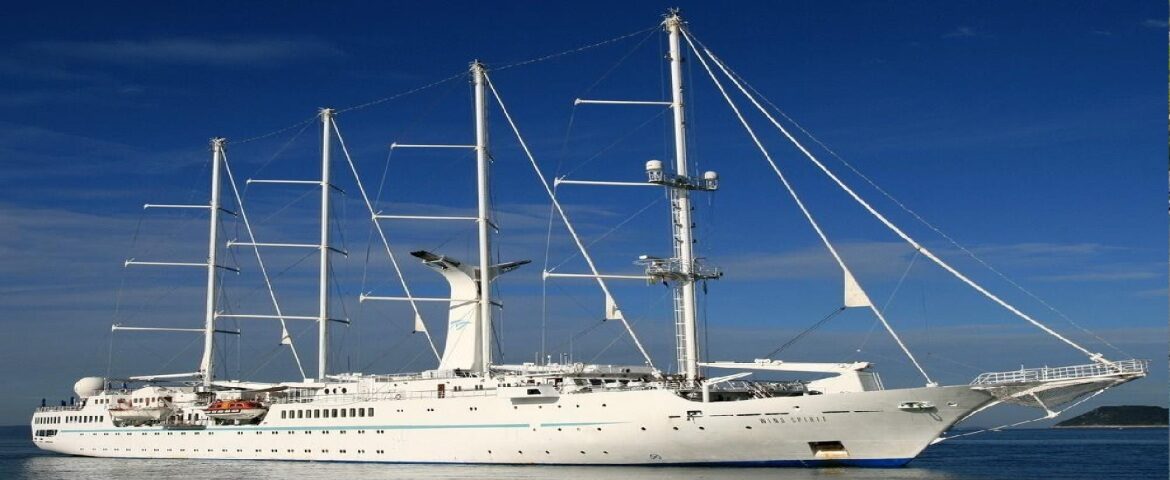
Wind Spirit
28 Cruises


Port of Rovinj, Croatia | Cruise Port Guide
Frequently Asked Questions
Offshore, with tender landing at the small harbour at the foot of the first lanes. The old town begins where the tender stops.
Entirely. The peninsula is compact and pedestrian: Grisia street climbs straight to St Euphemia's church, and the Punta Corrente forest park is a fifteen-minute walk from the harbour.
Climb Grisia street between the painters' studios, visit St Euphemia's and go up its bell tower, wander back down through the maze without a plan, then walk to Punta Corrente park for a swim in the coves.
A 61-metre tower modelled on St Mark's in Venice, topped by a copper statue that turns with the wind. You climb it by wooden stairs; the view takes in the whole peninsula, the archipelago and the vine-planted hills.
Because the old town once occupied an island. Residents filled in the channel in 1763, and the peninsula keeps that compact shape, wound around its hill. No quay, no parapet: the facades drop straight into the Adriatic.
A flat-bottomed boat that Rovinj fishing families have built for centuries. An ecomuseum on the waterfront is devoted to them, and the tradition is on the UNESCO register of good safeguarding practices. On some summer evenings the batanas parade with lanterns lit.
At Punta Corrente forest park, south of the harbour, a fifteen-minute walk: umbrella pines, cypresses and pebble coves where locals swim year round. Flat rocks serve as natural sun decks.
Yes, many residents still speak it and the town is officially bilingual. The euro is the currency, Croatian the official language, and English gets you through anywhere in the tourism trade.
May to October. July and August are busy in narrow Grisia street. June and September give the same light with more room to look around.
Moderately. Grisia street climbs steadily over polished slabs that can be slippery, and the bell tower is reached by narrow wooden stairs. The waterfront and Punta Corrente stay flat and easy.


