Manta Ecuador
Ecuador
97
Cruises availables
At departure or passage at this port
Azamara Club Cruises (18 Cruises)
Azamara Onward
9 Cruises
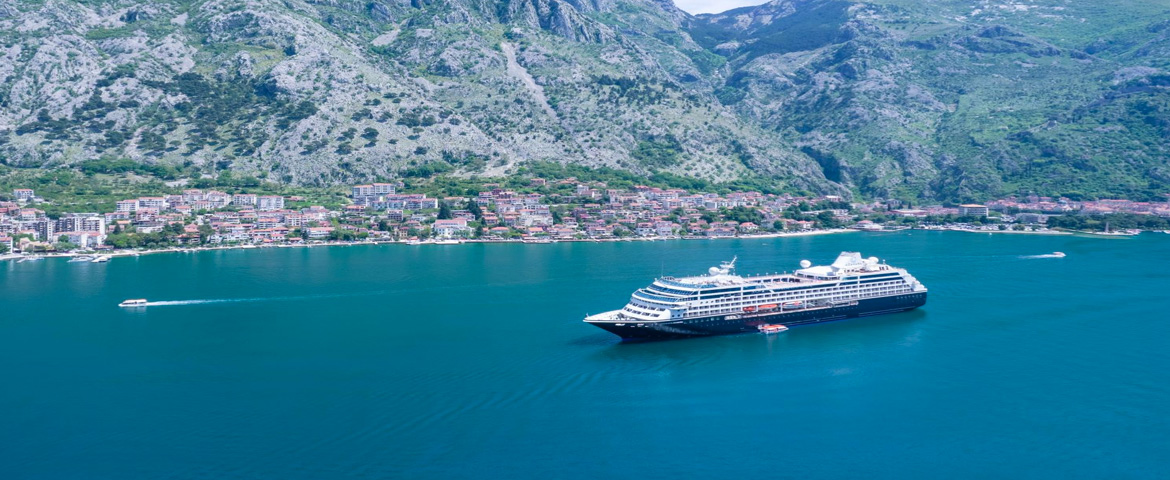

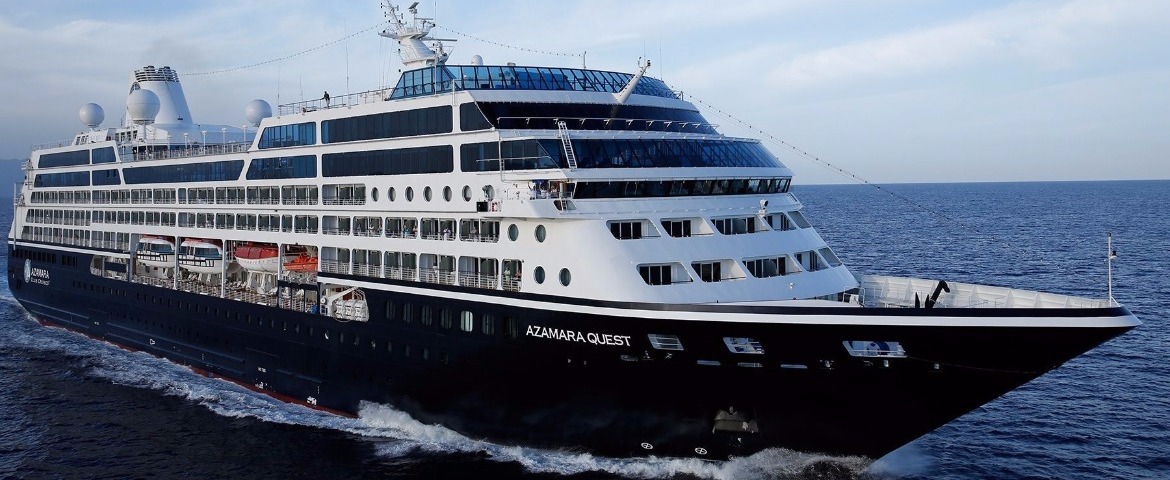
Azamara Quest
9 Cruises
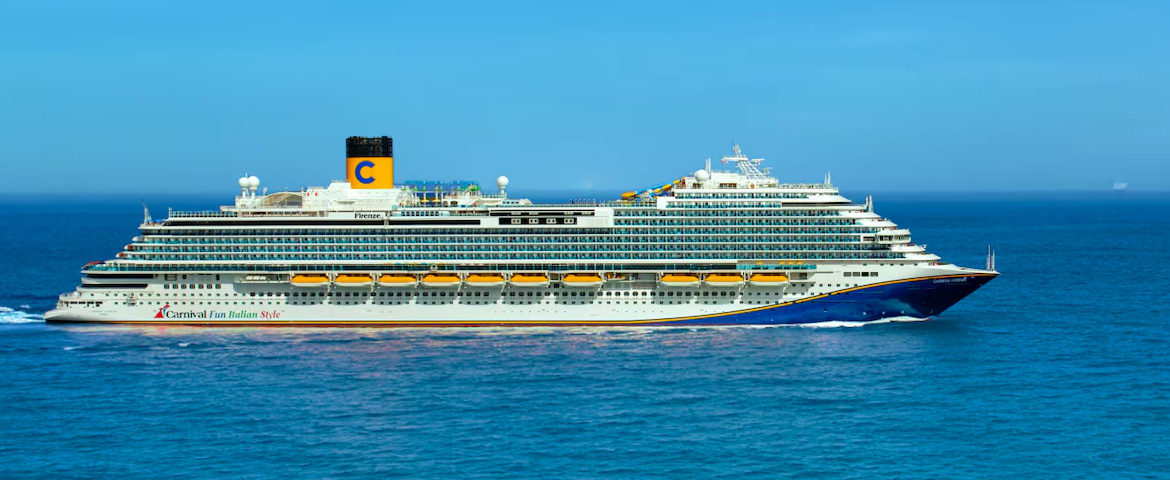
Carnival Cruise Line (1 Cruises)

Crystal Cruises (10 Cruises)
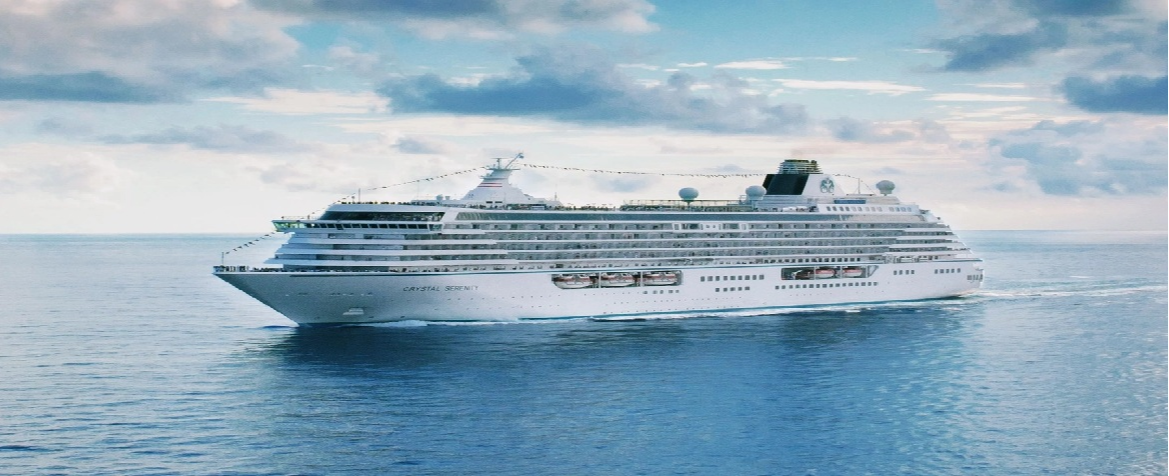

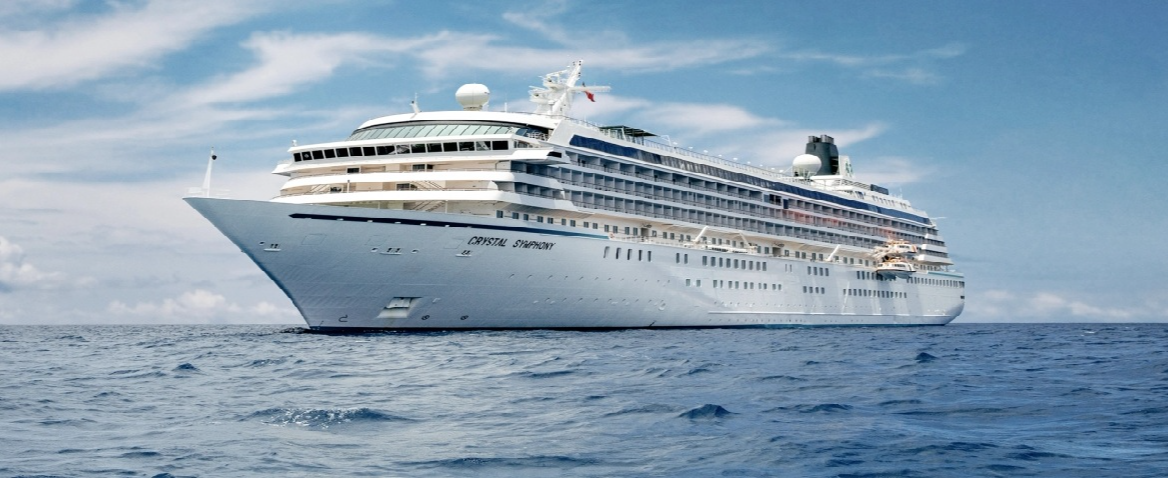
Crystal Symphony
6 Cruises
Cunard (6 Cruises)
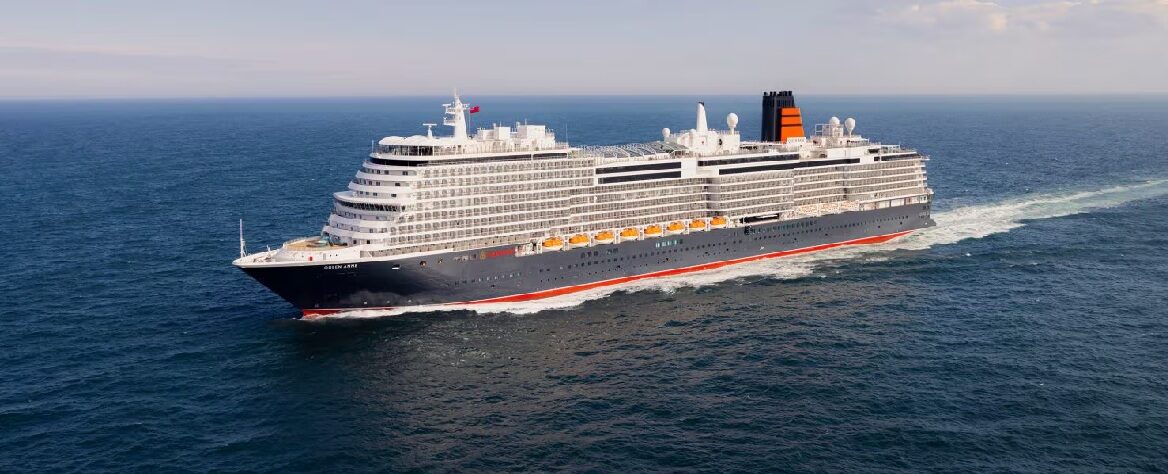
Queen Anne
6 Cruises
Explora Journeys (3 Cruises)
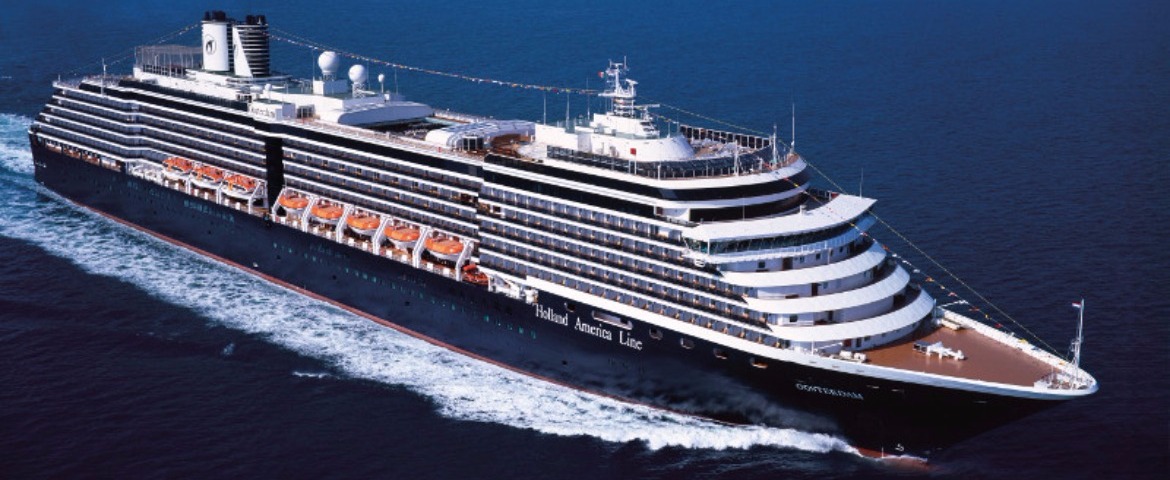
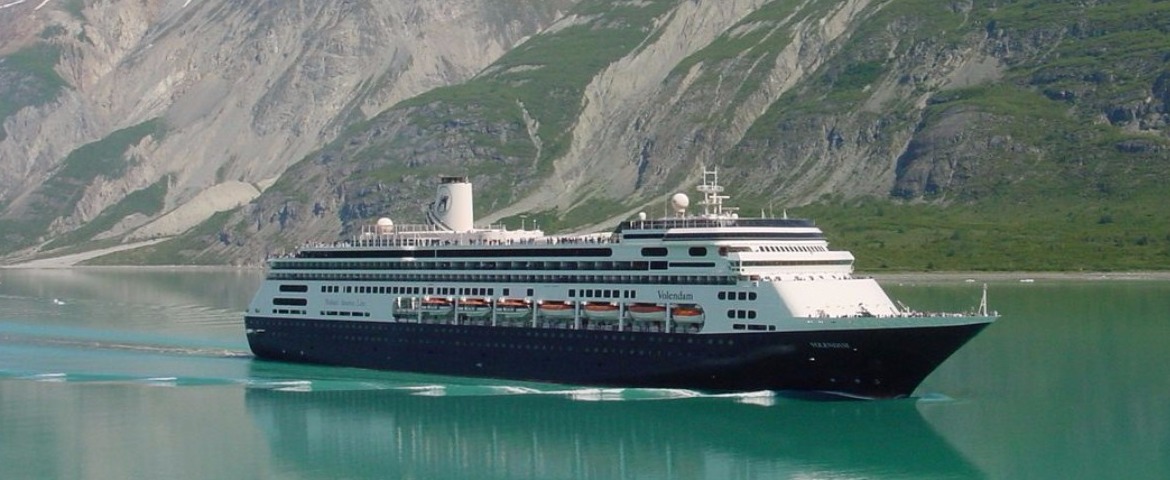
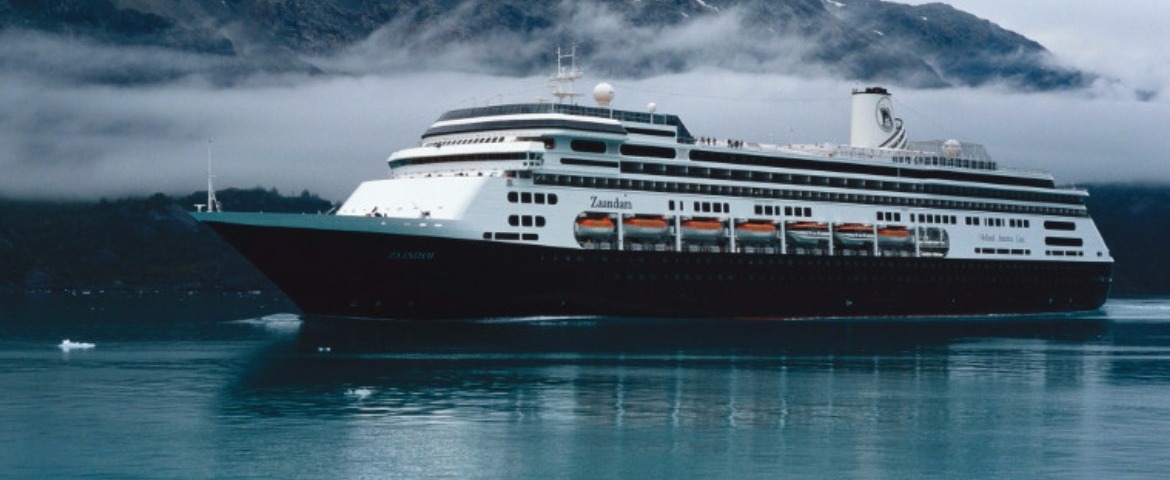
Holland America Line (28 Cruises)
ms Nieuw Amsterdam
9 Cruises
ms Nieuw Statendam
9 Cruises
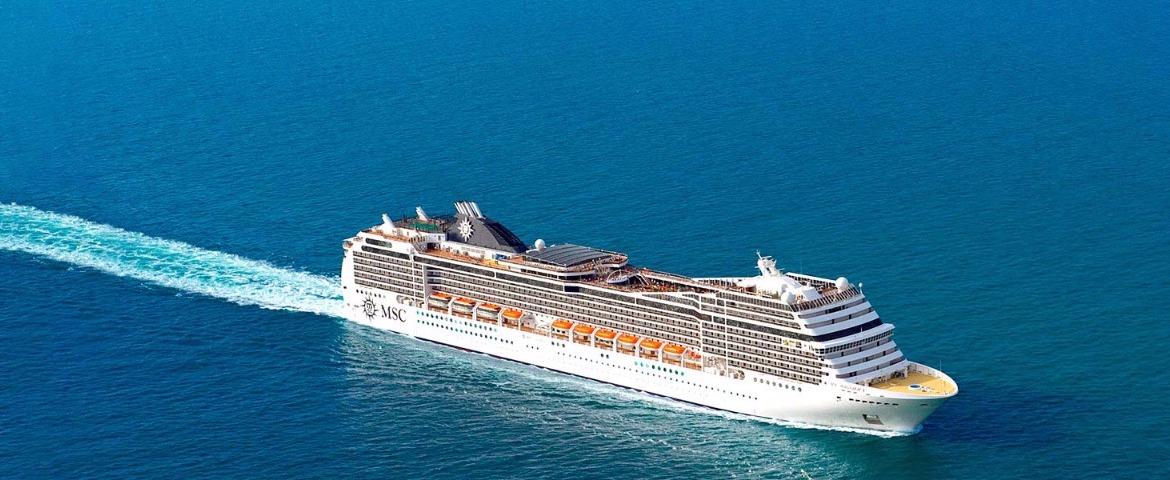
MSC Cruises (4 Cruises)

Oceania Cruises (7 Cruises)
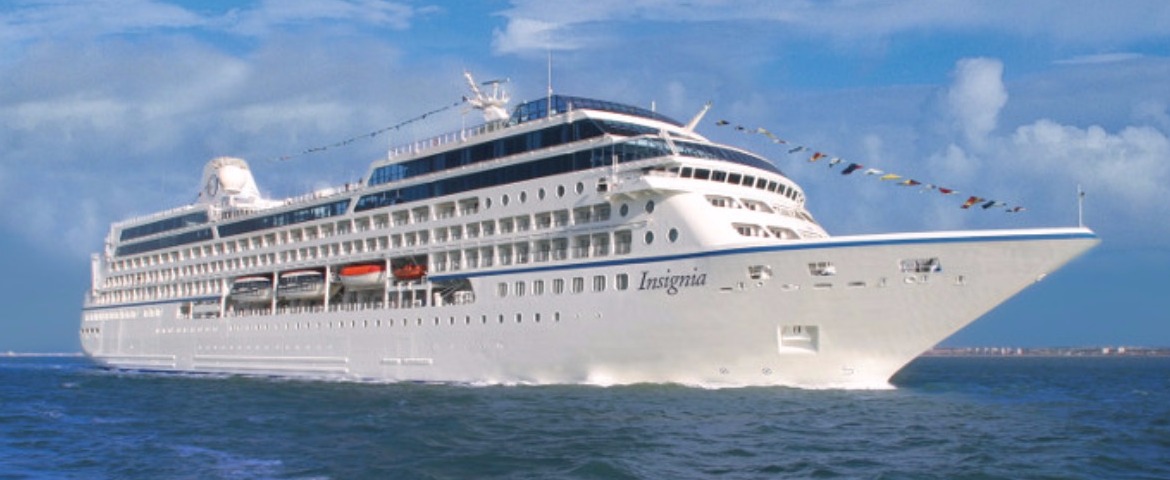

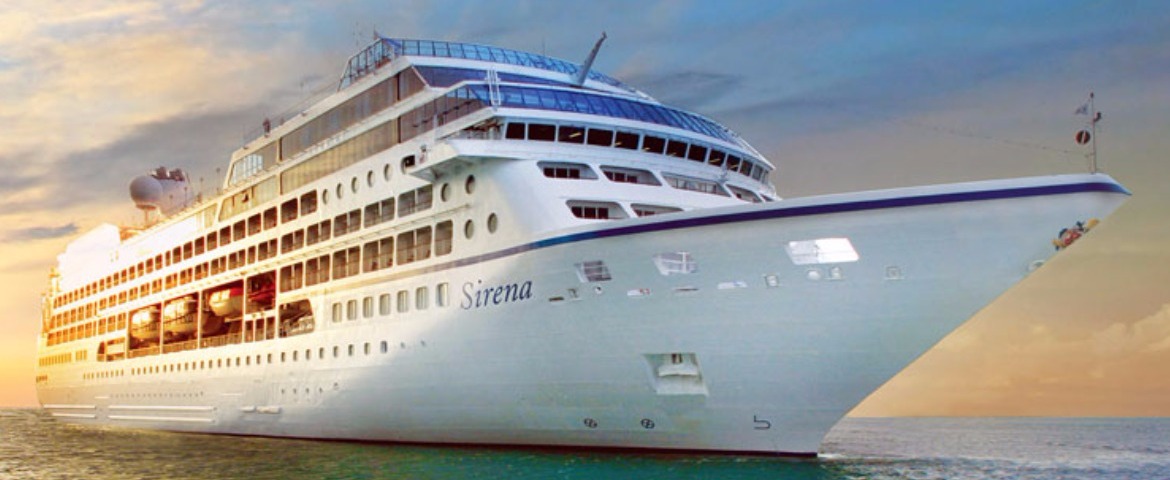
Oceania Sirena
4 Cruises
Scenic Cruises (4 Cruises)


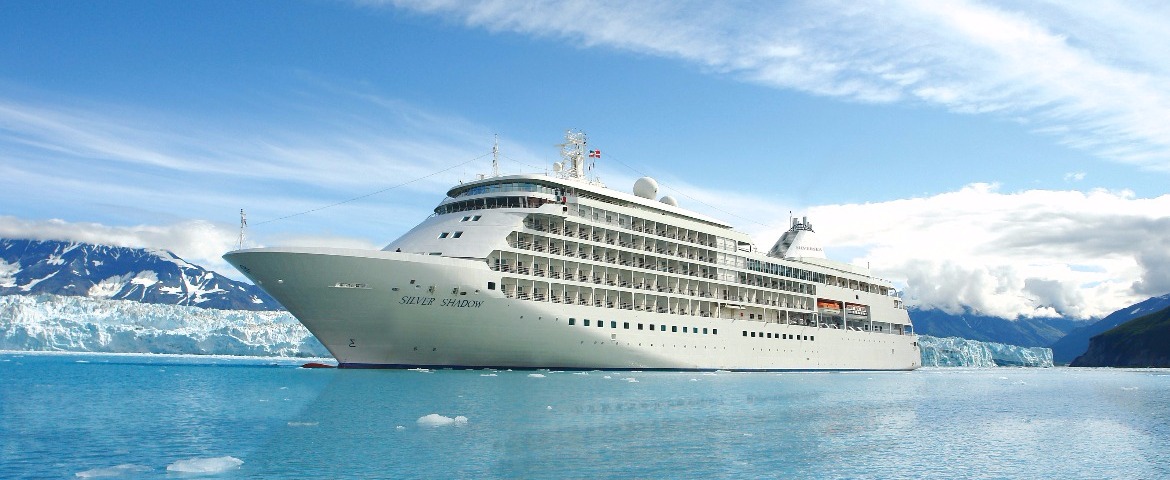
Silversea Cruises (7 Cruises)

Silver Shadow
4 Cruises
Frequently Asked Questions
Inside the commercial port, about two kilometres from downtown. A free shuttle links the pier to the edge of town in around fifteen minutes. Manta is one of the world's largest tuna ports, and you notice it from the gangway.
Yes. Murciélago beach, the busiest in the bay, is about a twenty-minute walk along the developed waterfront, or five minutes by taxi.
The local ceviche, encebollado — a fish and cassava soup regarded as the national dish of the coast — or viche, a thick fish and peanut soup typical of Manabí province. The restaurants along the malecón and at Murciélago all serve them.
It comes from Montecristi, about fifteen kilometres from Manta, and not from Panama. The confusion dates to the canal workers who wore them in the early 1900s. That is where the world's finest toquilla straw hats have been woven for generations.
Up to eight months for a single top-grade piece. Weavers work the damp fibre in the shade, and the result is supple enough to fold without cracking. The craft market on Montecristi's main square lets you compare weave grades.
Two options. Short: the malecón, Murciélago beach and a seafood lunch, without leaving town. Half day: Montecristi and its hat workshops, rounded out with Ciudad Alfaro on the hill.
A complex on the heights of Montecristi honouring Eloy Alfaro, a former president born in the town and a leading figure of Ecuadorian liberalism. A museum, mausoleum and exhibition halls trace his era and the Andean railway he had built. The view extends to the ocean.
The seafarers who occupied this coast long before the canneries, trading as far as Peru on large sailing balsa rafts. The museum at Manta's cultural centre displays their ceramics, figurines and ceremonial stone chairs: an hour well spent.
Yes, and the city rebuilt with energy. Its renewed waterfront shows it. Manta is a working port and a beach town at once, and it presents itself without pretence.
Taxis are easily negotiated outside the port gate; agree on the fare before setting off. Organised excursions cover the same routes with a French- or English-speaking guide depending on the ship. The currency is the US dollar, official in Ecuador.


