Port Stanley East Falkland Island UK
Falkland Islands
228
Cruises availables
At departure or passage at this port
Atlas Ocean Voyages (3 Cruises)
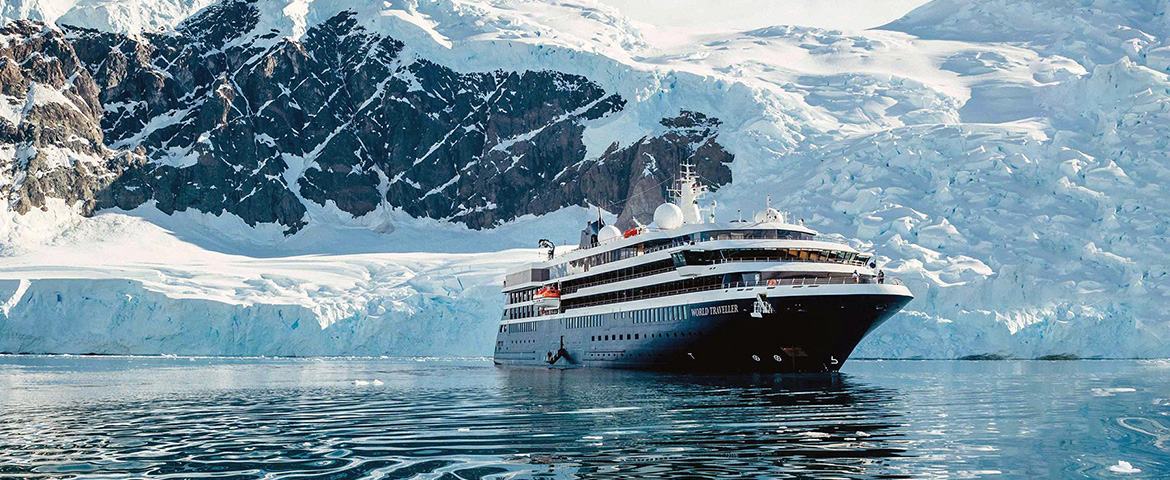

Azamara Club Cruises (12 Cruises)
Azamara Journey
5 Cruises
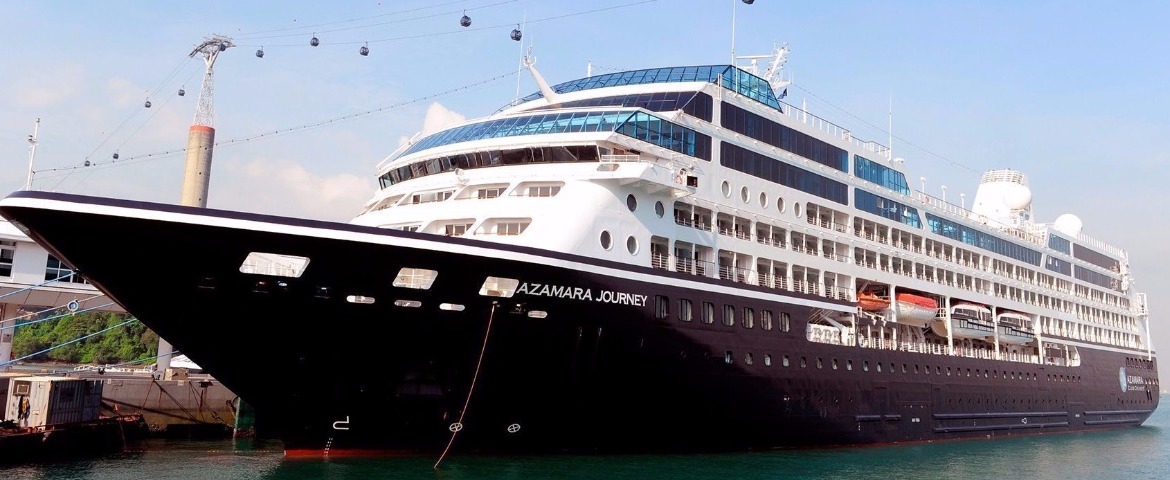

Azamara Quest
7 Cruises
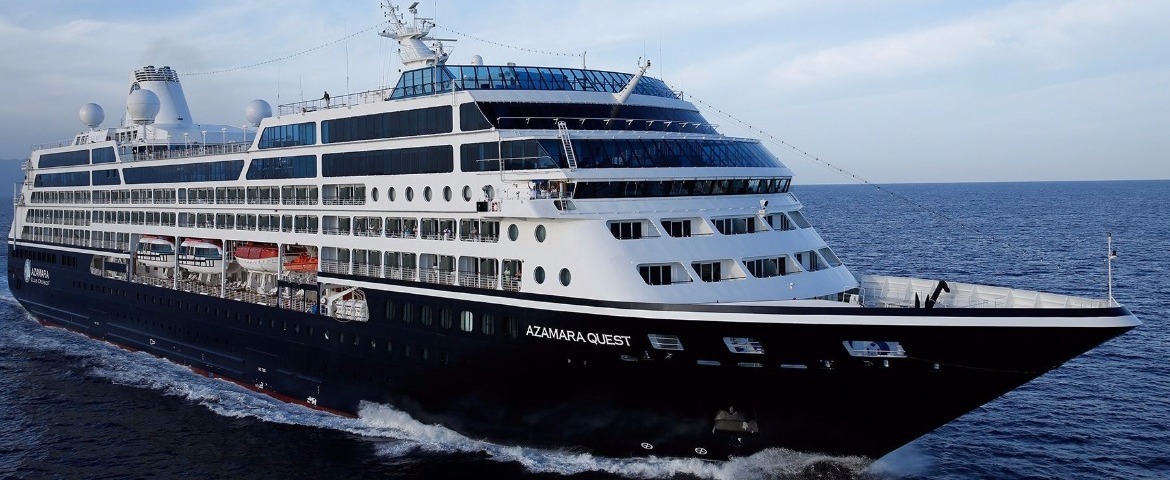
Celebrity Cruises (13 Cruises)
Celebrity Equinox
13 Cruises
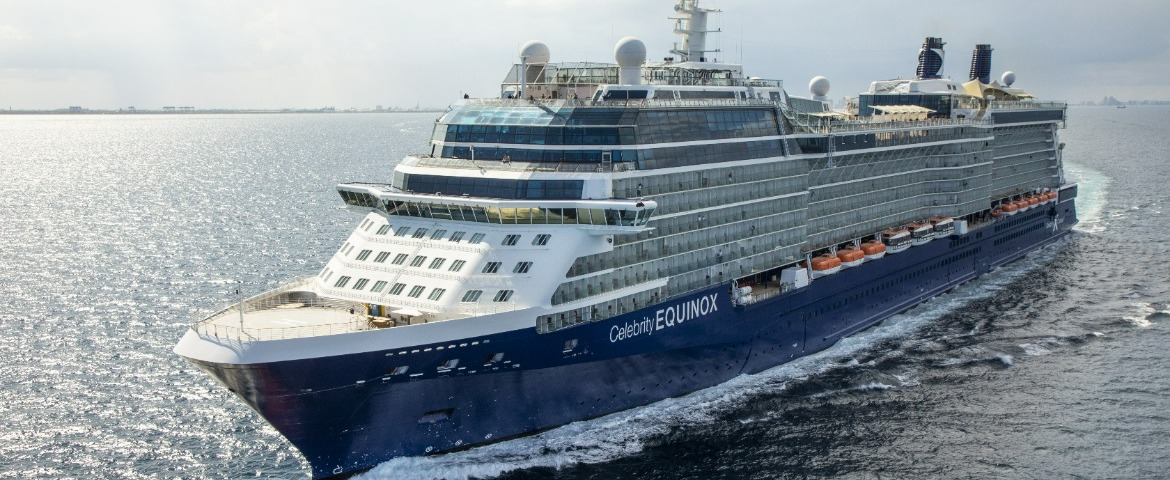



Holland America Line (45 Cruises)
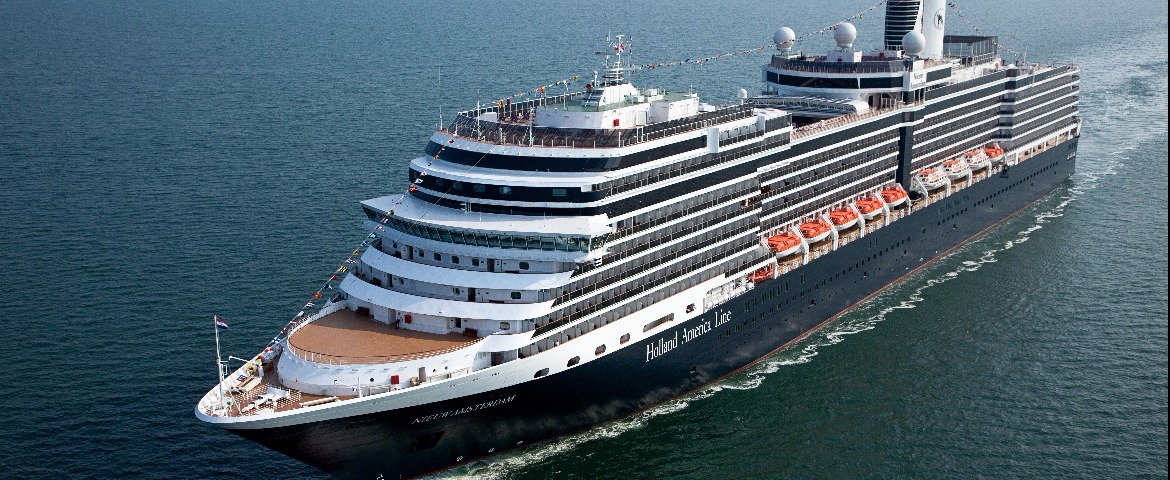
ms Nieuw Amsterdam
16 Cruises

| 7 October | 40 nights | One-way from Vancouver to Buenos Aires |
450-628-6241
Call us
|
| 12 October | 35 nights | One-way from San Diego to Buenos Aires |
450-628-6241
Call us
|
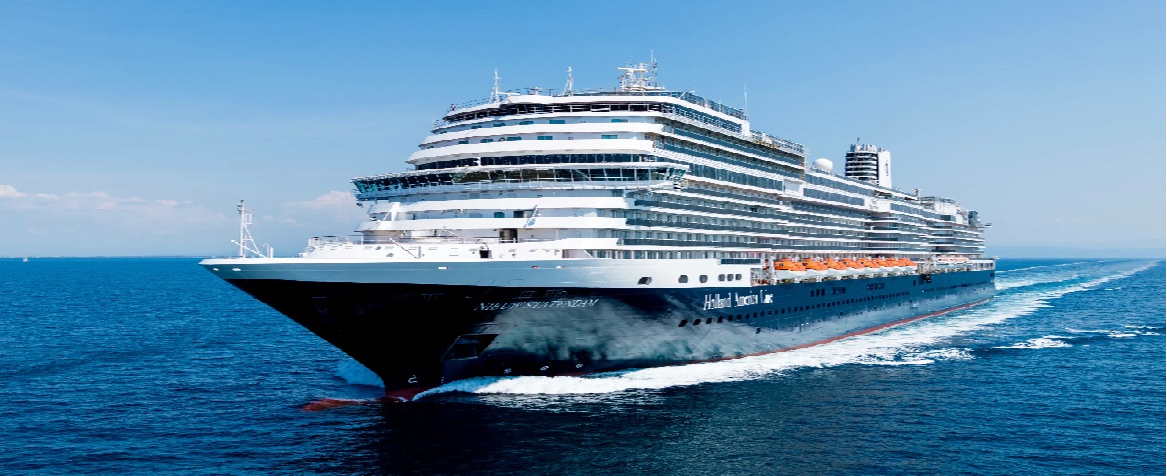
ms Nieuw Statendam
16 Cruises
| 7 October | 40 nights | One-way from Vancouver to Buenos Aires |
450-628-6241
Call us
|
| 12 October | 35 nights | One-way from San Diego to Buenos Aires |
450-628-6241
Call us
|
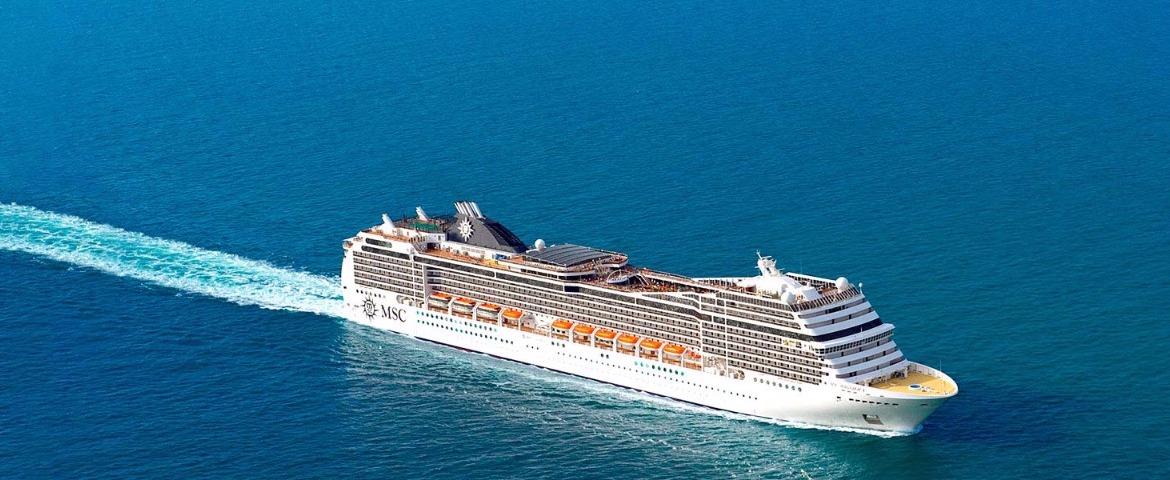
MSC Cruises (8 Cruises)
MSC Magnifica
8 Cruises

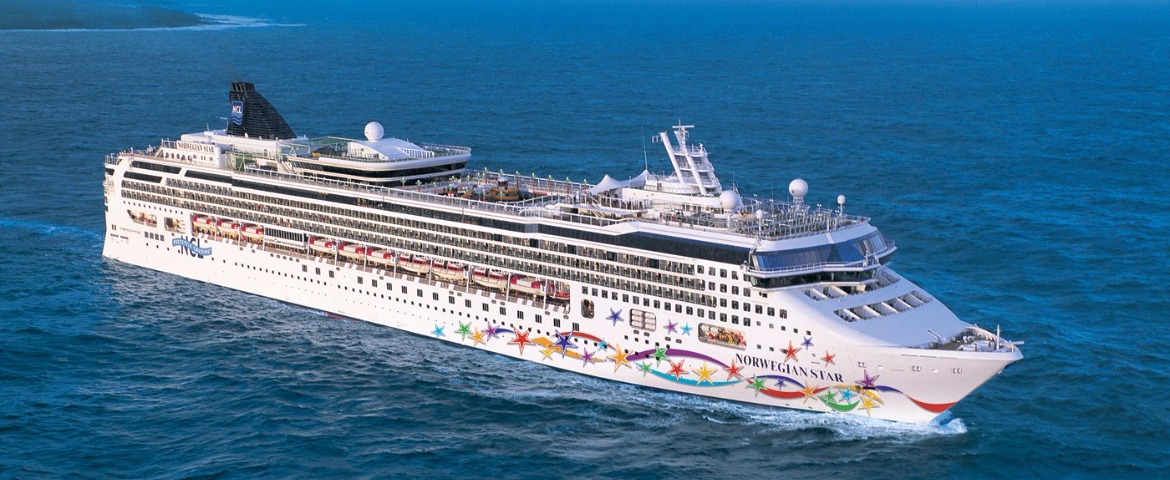
Norwegian Cruise Line (6 Cruises)
Norwegian Star
6 Cruises

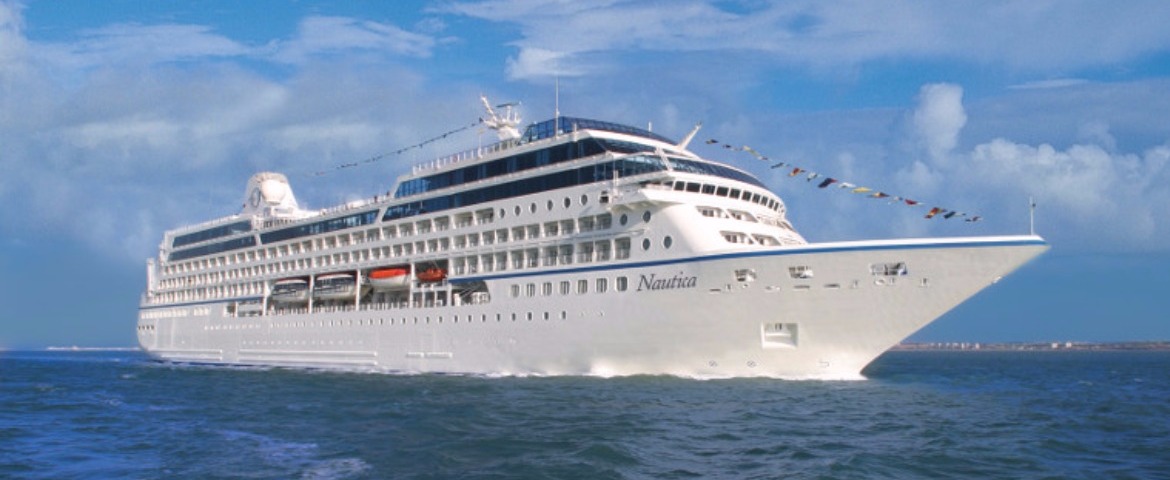
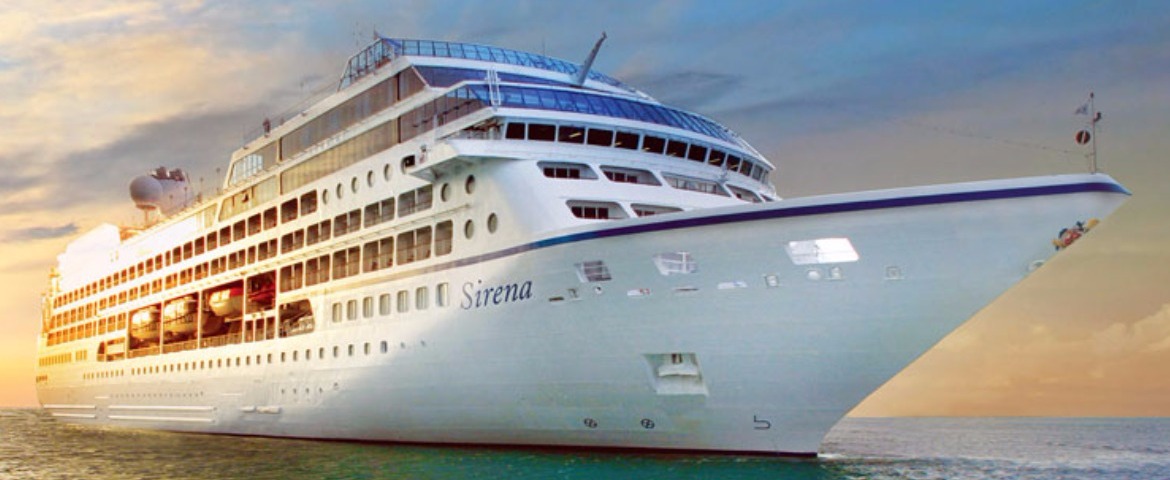
Oceania Cruises (12 Cruises)
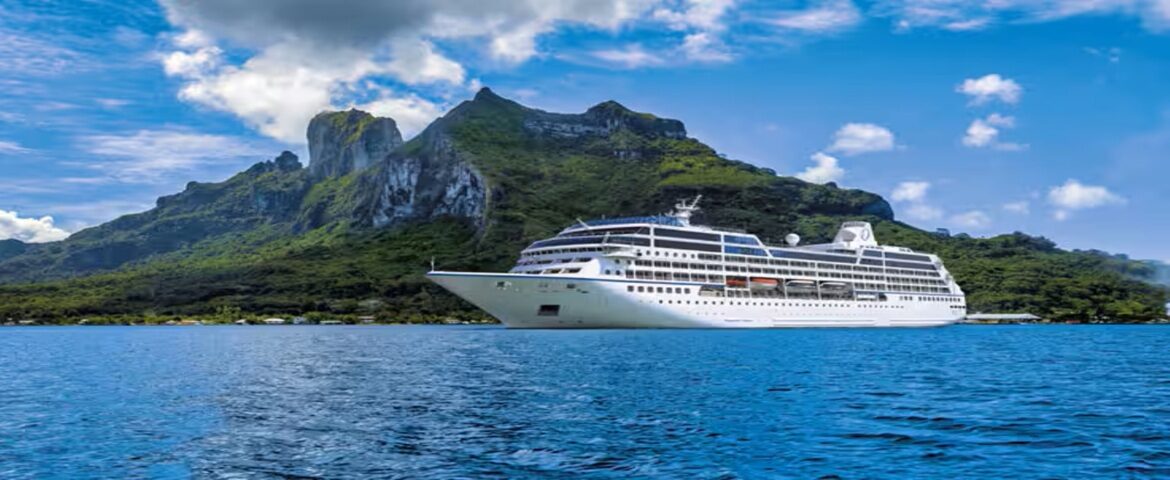

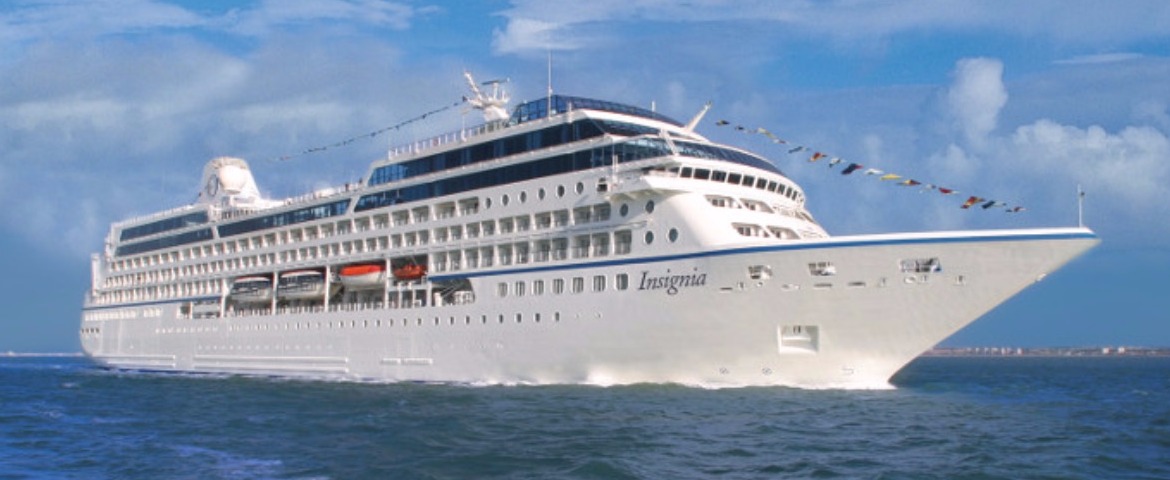
Oceania Insignia
6 Cruises

Princess Cruises (20 Cruises)
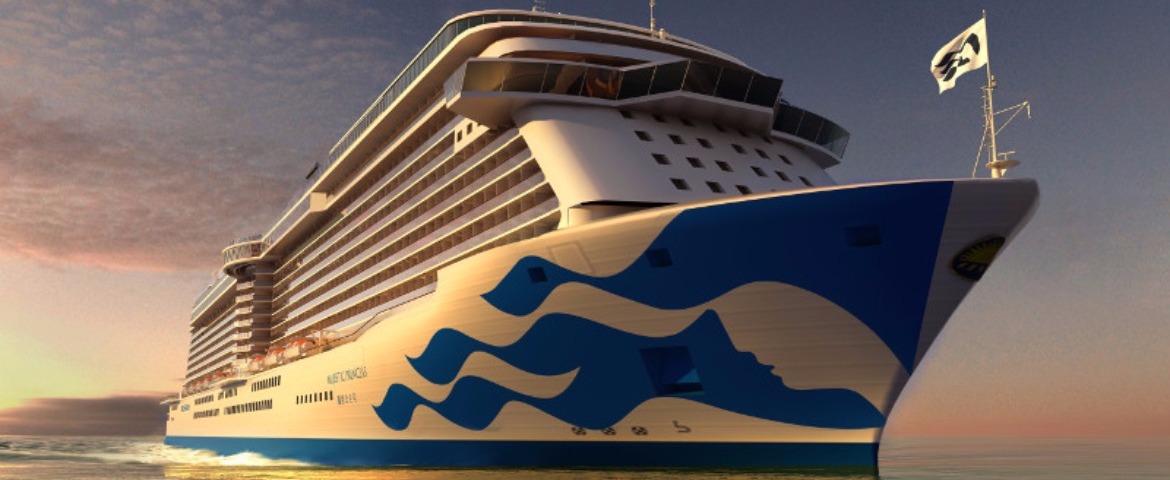
Majestic Princess
20 Cruises



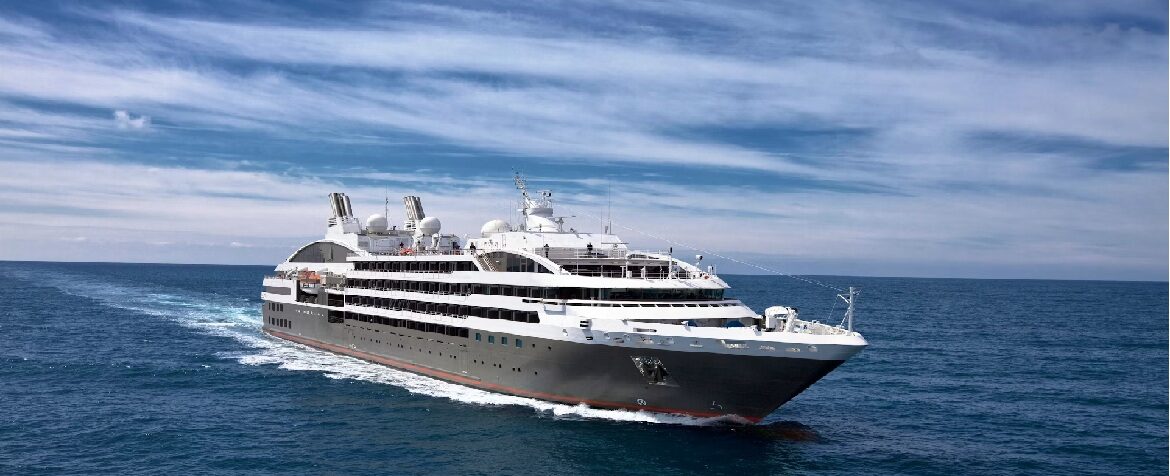
Seabourn Cruise Line (47 Cruises)
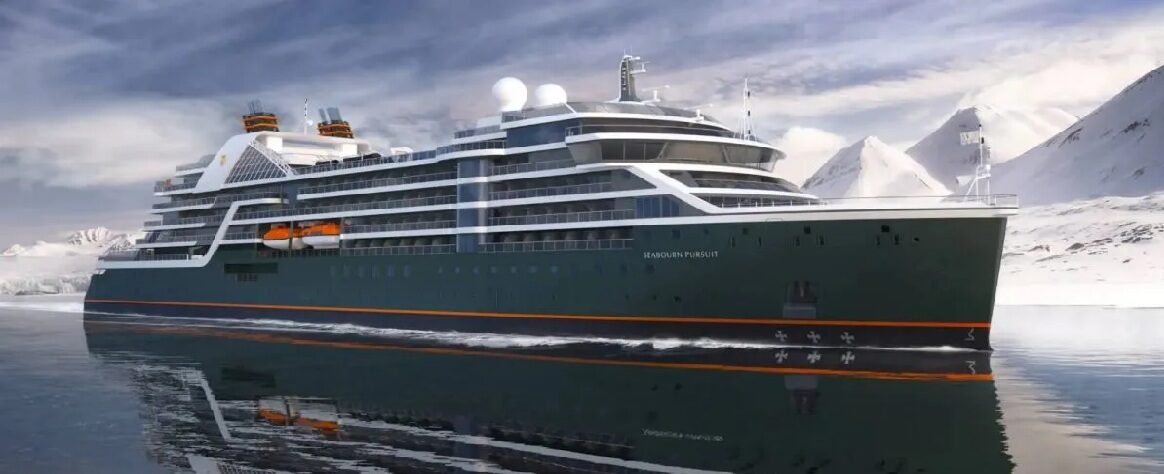
Seabourn Pursuit
7 Cruises

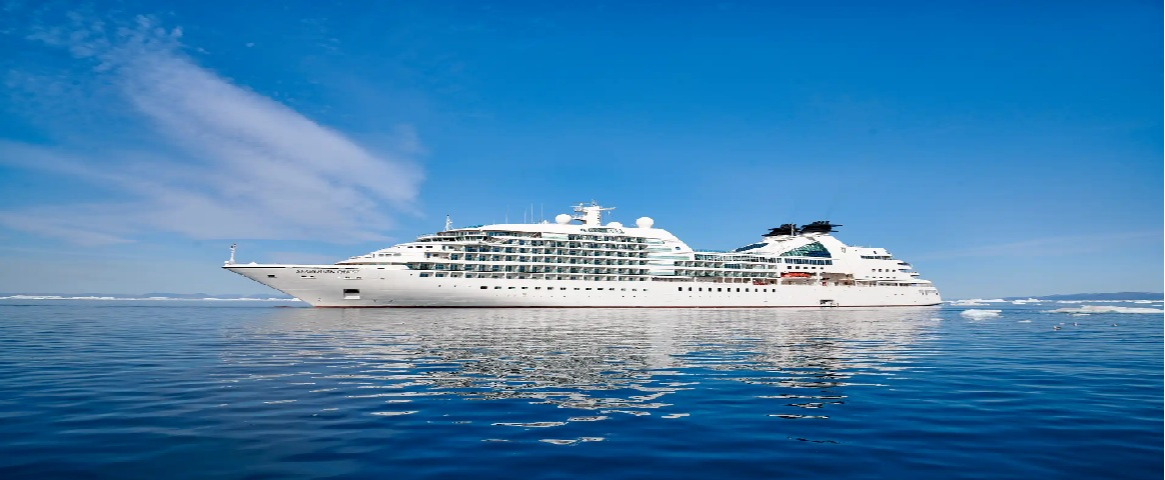
Seabourn Quest
6 Cruises
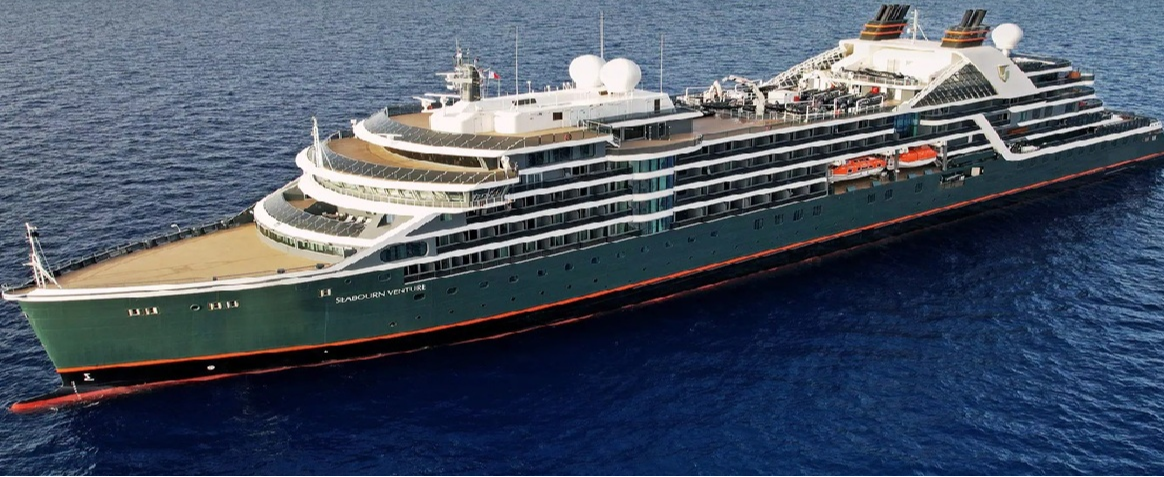
Seabourn Venture
34 Cruises
| 18 August | 93 nights | One-way from Kangerlussuaq to Ushuaia |
450-628-6241
Call us
|
| 30 August | 81 nights | One-way from Kangerlussuaq to Ushuaia |
450-628-6241
Call us
|
| 17 August | 95 nights | One-way from Kangerlussuaq to Ushuaia |
450-628-6241
Call us
|
| 31 August | 81 nights | One-way from Kangerlussuaq to Ushuaia |
450-628-6241
Call us
|
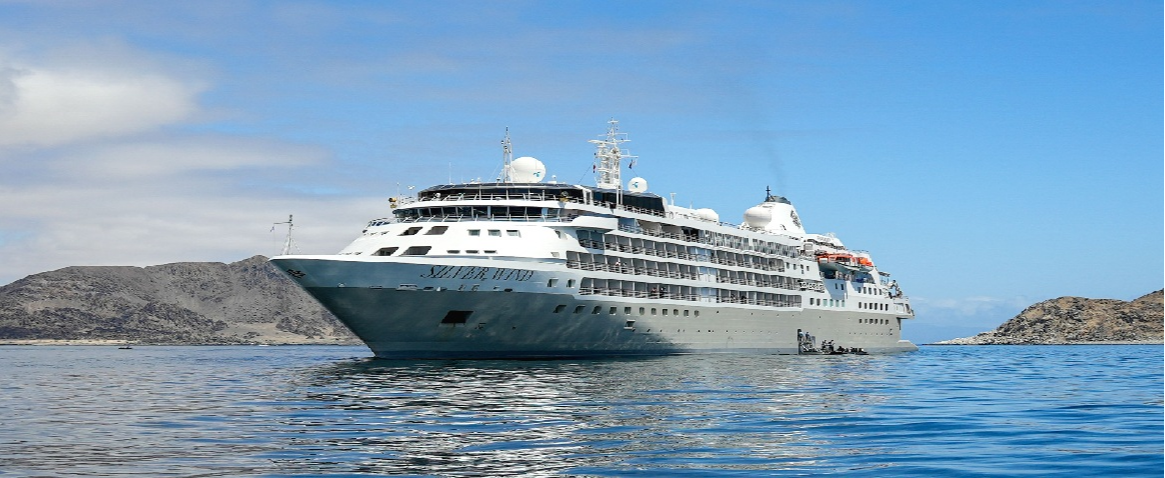
Silversea Cruises (20 Cruises)
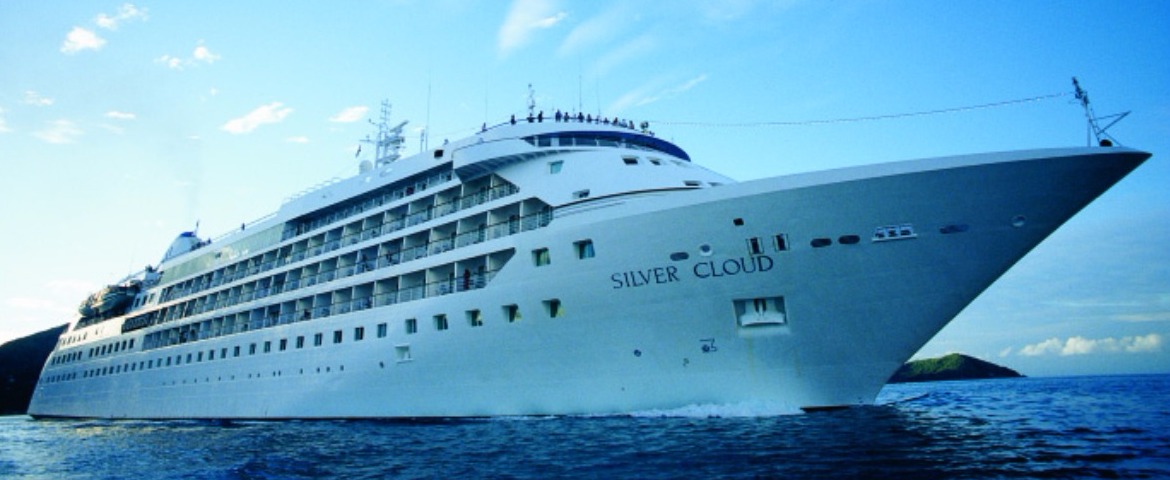

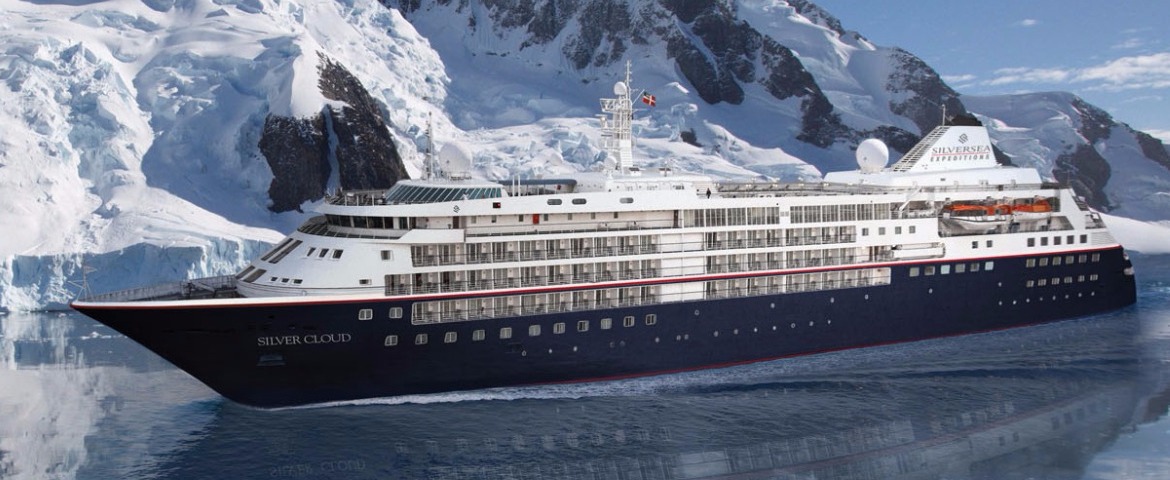
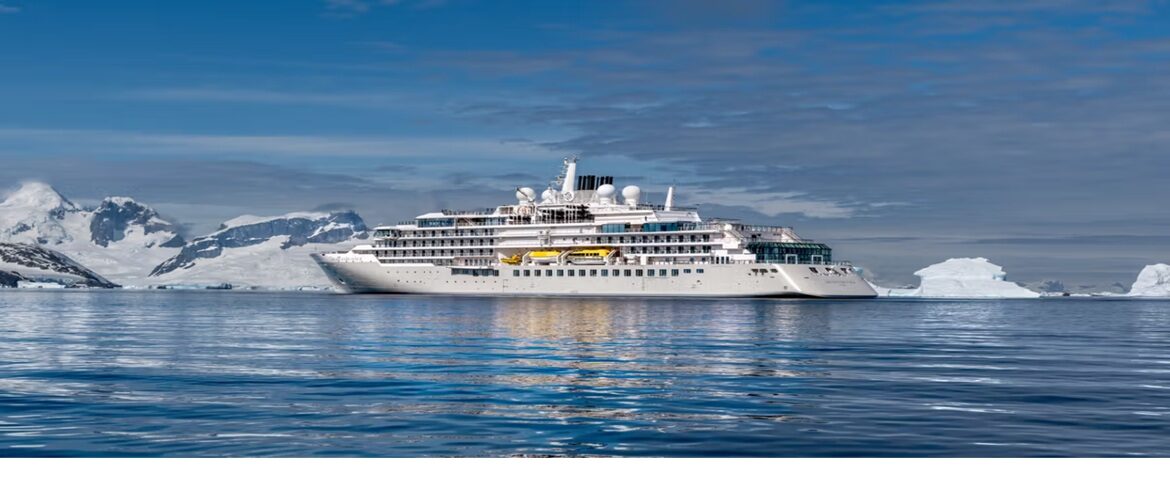
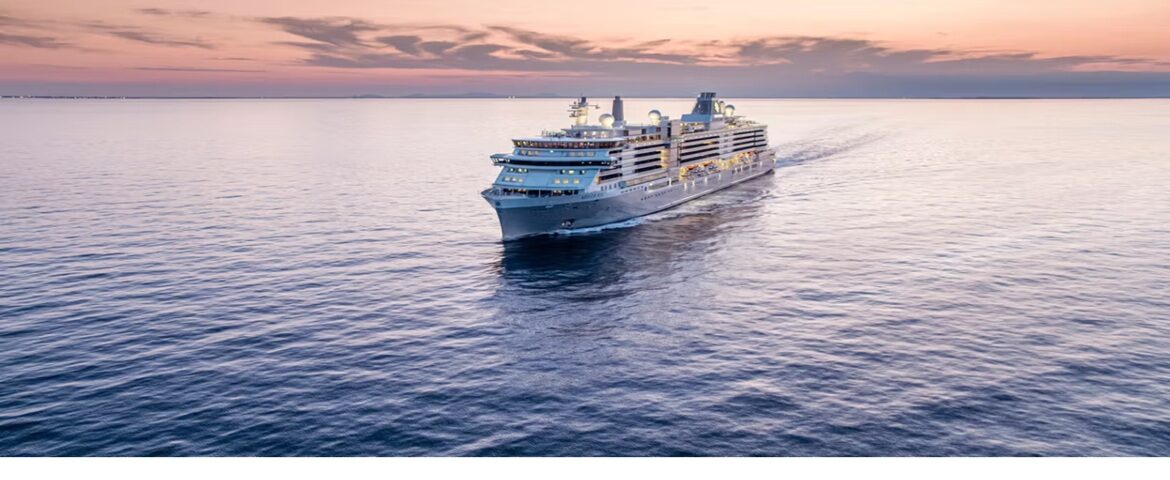
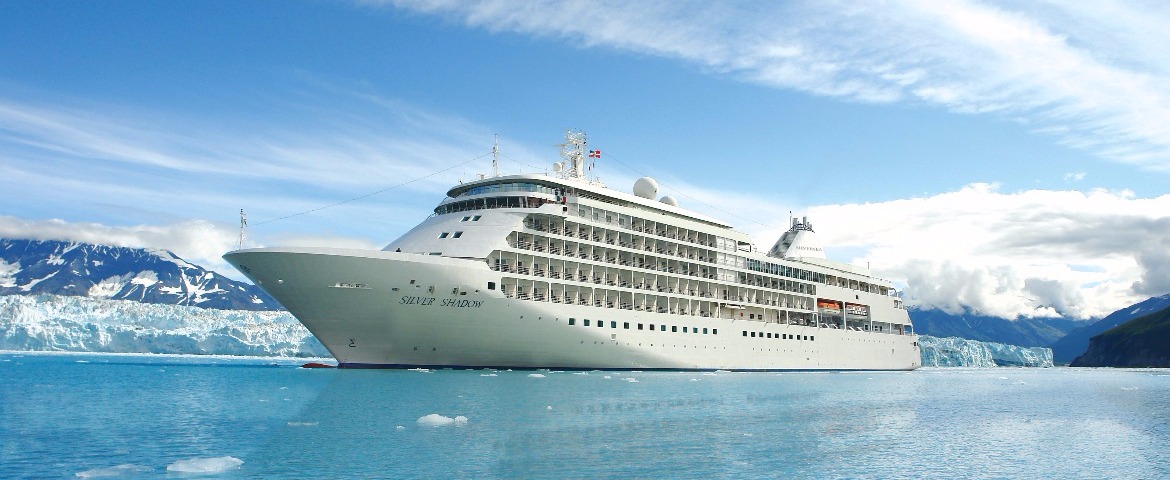
Silver Ray
4 Cruises
Viking Ocean Cruises (24 Cruises)
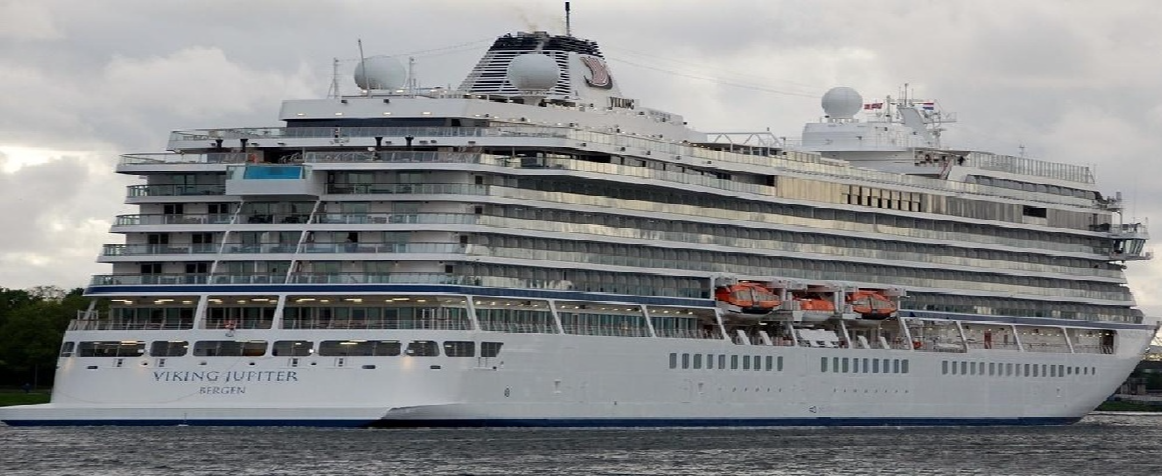
Viking Jupiter
12 Cruises

| 6 January | 15 nights | One-way from Buenos Aires to Valparaiso-Santiago |
450-628-6241
Call us
|
| 23 January | 15 nights | One-way from Valparaiso-Santiago to Buenos Aires |
450-628-6241
Call us
|
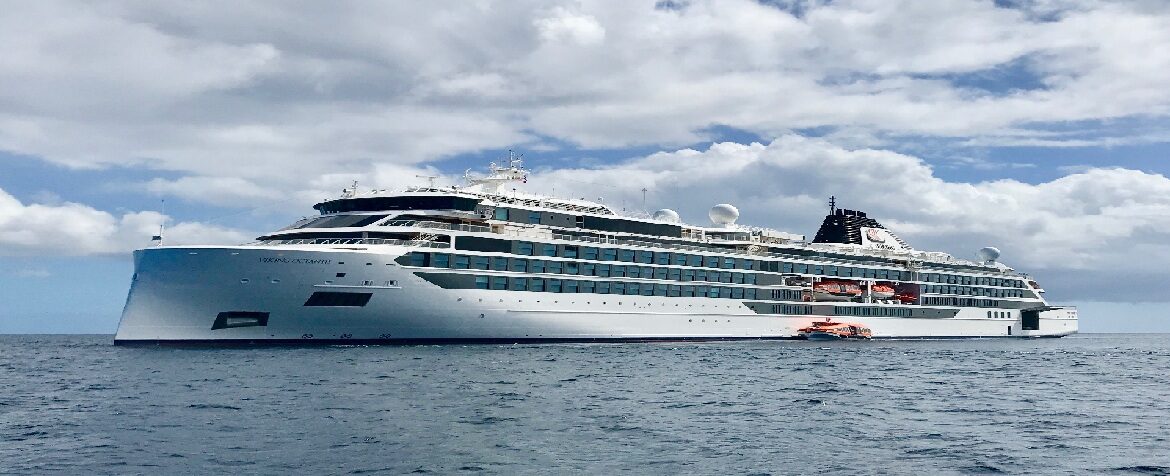
Viking Octantis
6 Cruises

Port Stanley, Falkland Islands | Cruise Port Guide
Frequently Asked Questions
Ships anchor in the harbour and tender passengers to the public jetty in the middle of town, on Ross Road. Everything is then within walking distance.
The main street follows the water for a few hundred metres: houses with red, green and blue tin roofs, lupin gardens behind white fences, wool shops, pubs and scarlet phone boxes. Further west, Government House, an 1845 manor flanked by greenhouses, can be photographed from the gate.
The Anglican cathedral reputed to be the southernmost in the world, consecrated in 1892. In front of it, an arch made from the jawbones of two blue whales, raised in 1933 for the centenary of British presence, recalls the whaling era.
Yes, the Historic Dockyard museum, worth an hour: shepherds' lives, shipwrecks, philately and memories of the 1982 conflict, presented with moving care. Nearby, the Liberation Memorial and its granite plaques recall weeks that remain vivid for islanders.
At Gypsy Cove, about fifteen minutes away by road. A marked path overlooks a white-sand inlet where Magellanic penguins dig their burrows in the peat. The return walk takes barely an hour.
No, and the signs say so: keep your distance. The birds go about their business a few metres from visitors, indifferent to cameras, but here wildlife has priority over everything.
A colony of king penguins, the largest in the archipelago, standing in their hundreds on an immense beach. It takes more than two hours of track in a four-wheel drive driven by seasoned islanders, and it fills the whole day.
Yes, and early: places are limited. The excursion also depends on the weather, changeable at these latitudes, and is only possible on longer calls.
Layers, even in the austral summer. Sun, squalls and gusts can follow one another within the hour. The wind is near-constant: a good windbreaker turns the walk into a pleasure.
The Falkland pound locally, though shops generally accept pounds sterling and cards. Stamps and local sheep's wool make well-liked souvenirs.


