Saint-Malo France
80
Cruises availables
At departure or passage at this port
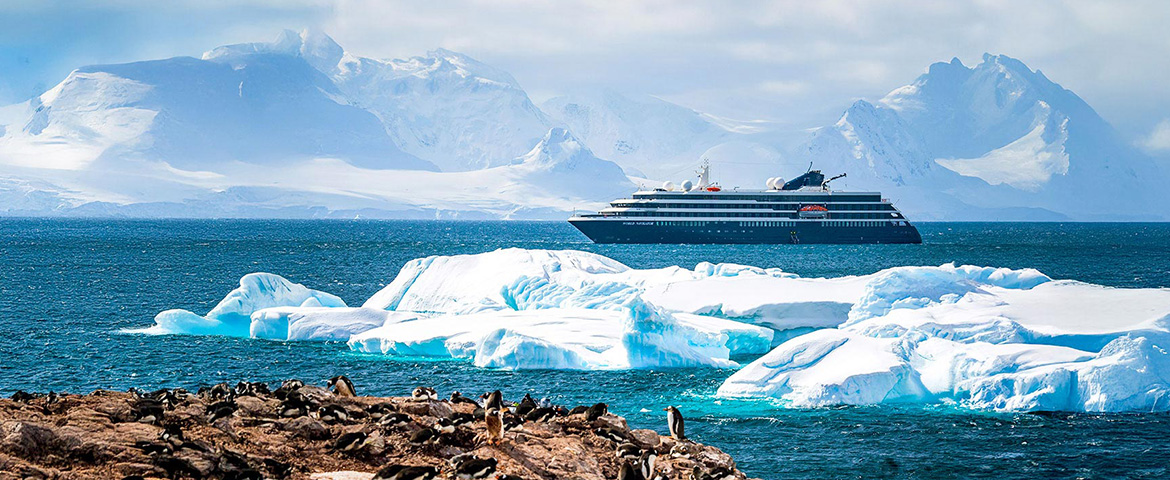
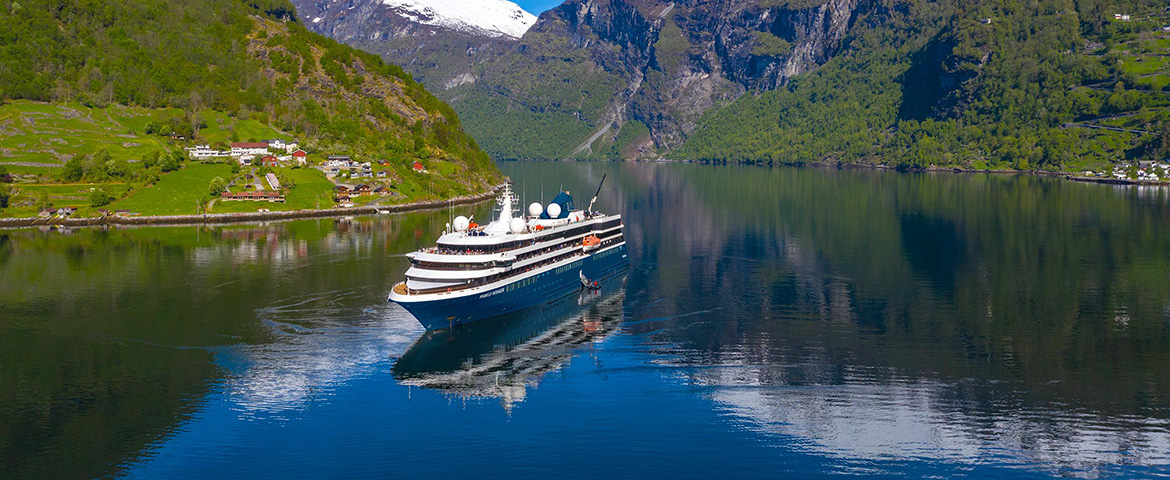
Atlas Ocean Voyages (4 Cruises)

Avalon Waterways (9 Cruises)
Avalon Tapestry II®
9 Cruises


Azamara Club Cruises (16 Cruises)
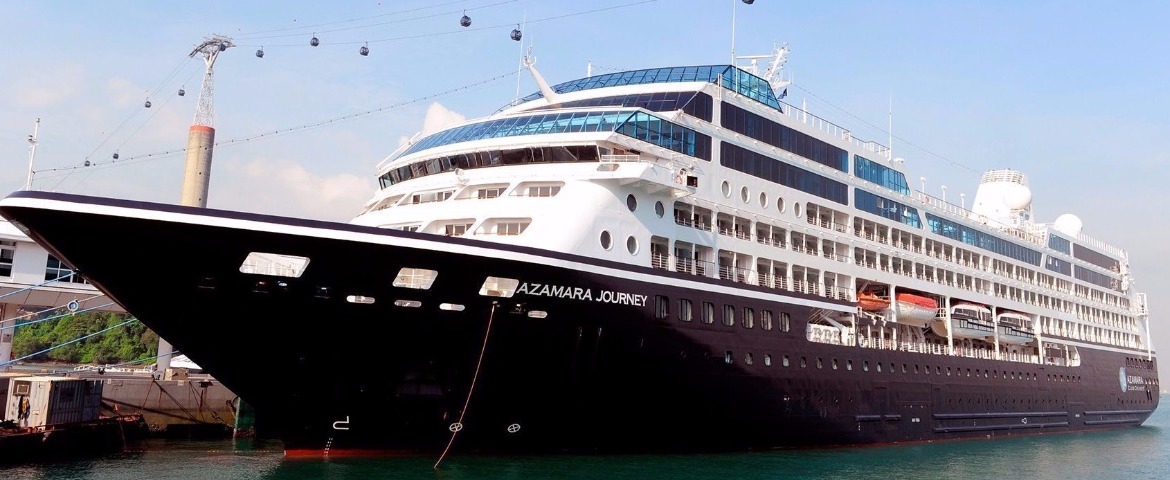
Azamara Journey
9 Cruises

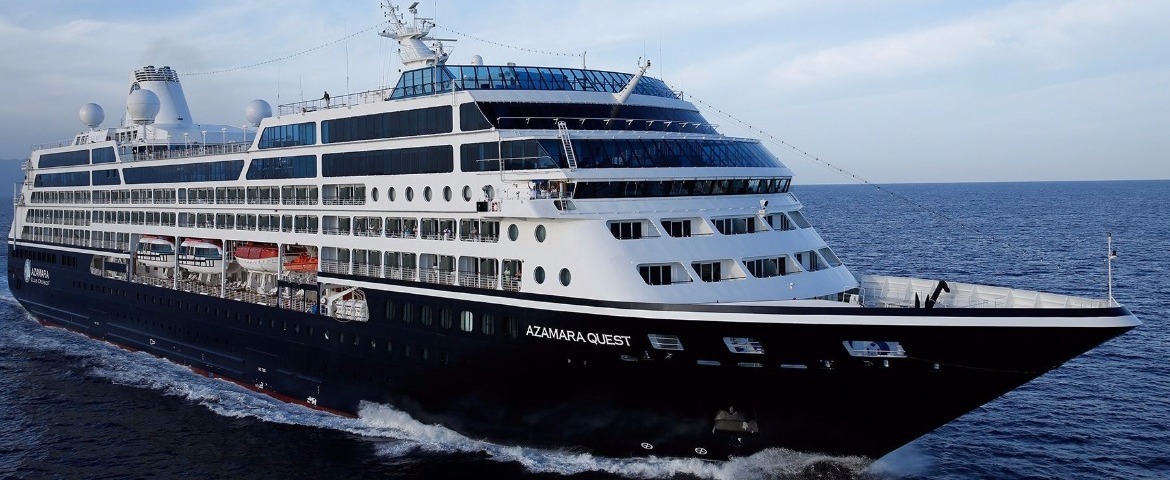
Azamara Quest
7 Cruises
| 21 April | 29 nights | One-way from Barcelona to Portsmouth UK |
450-628-6241
Call us
|
| 29 April | 21 nights | One-way from Civitavecchia-Rome to Portsmouth UK |
450-628-6241
Call us
|
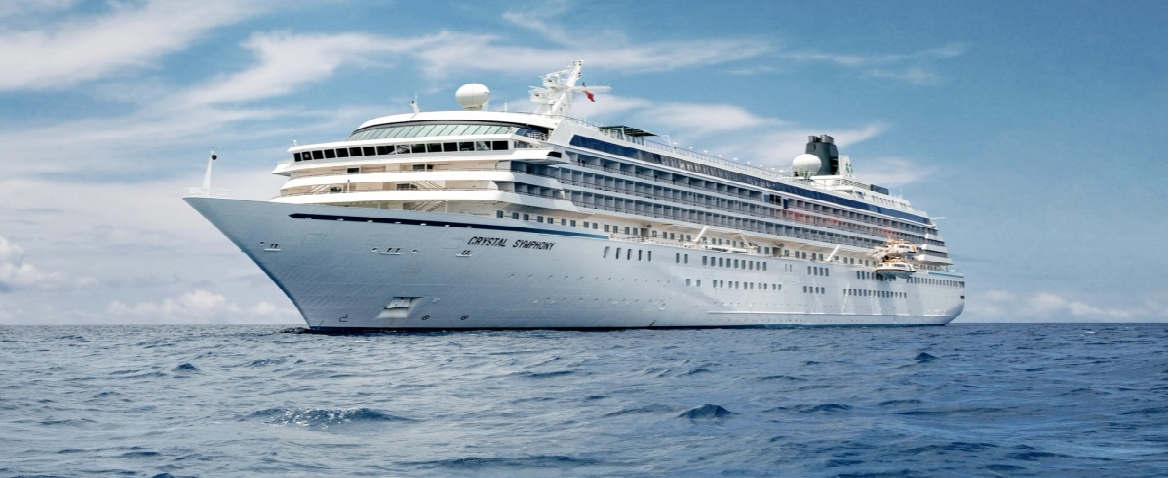
Crystal Cruises (2 Cruises)

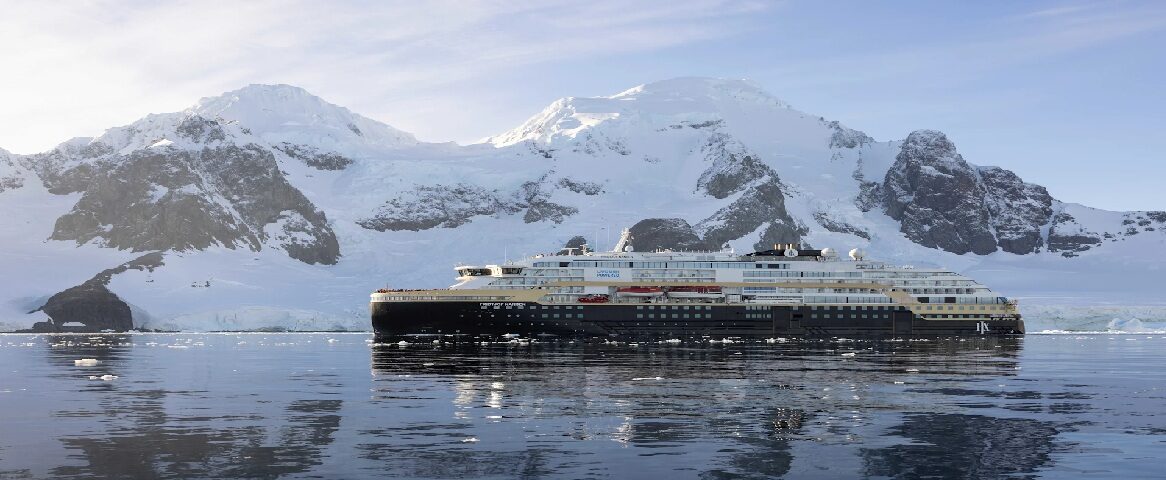
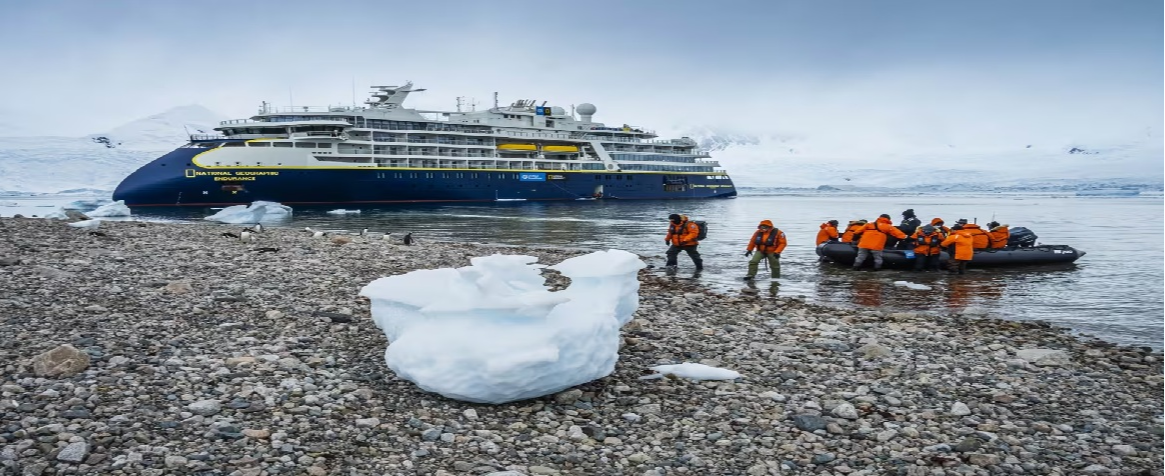
HX Expeditions (1 Cruises)


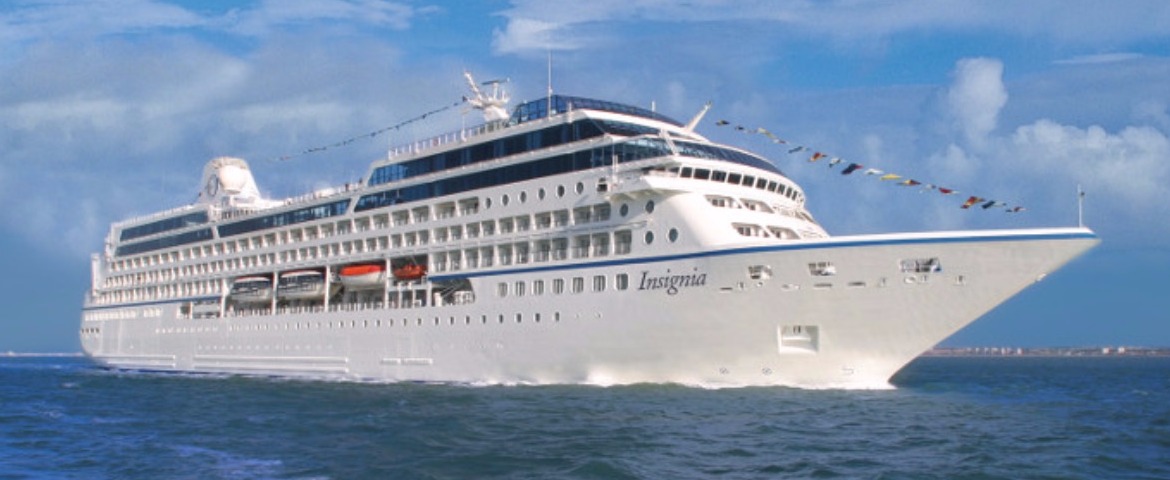
Oceania Cruises (3 Cruises)

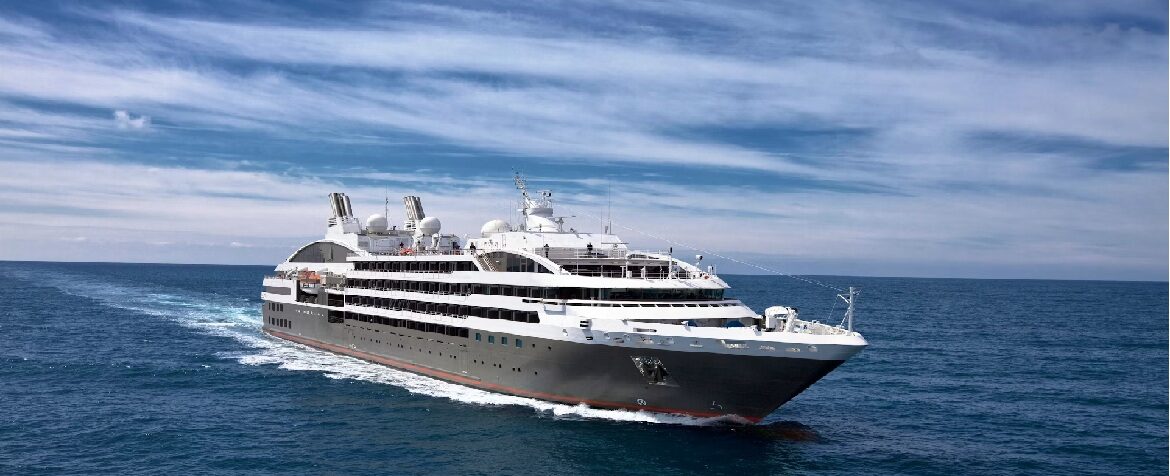
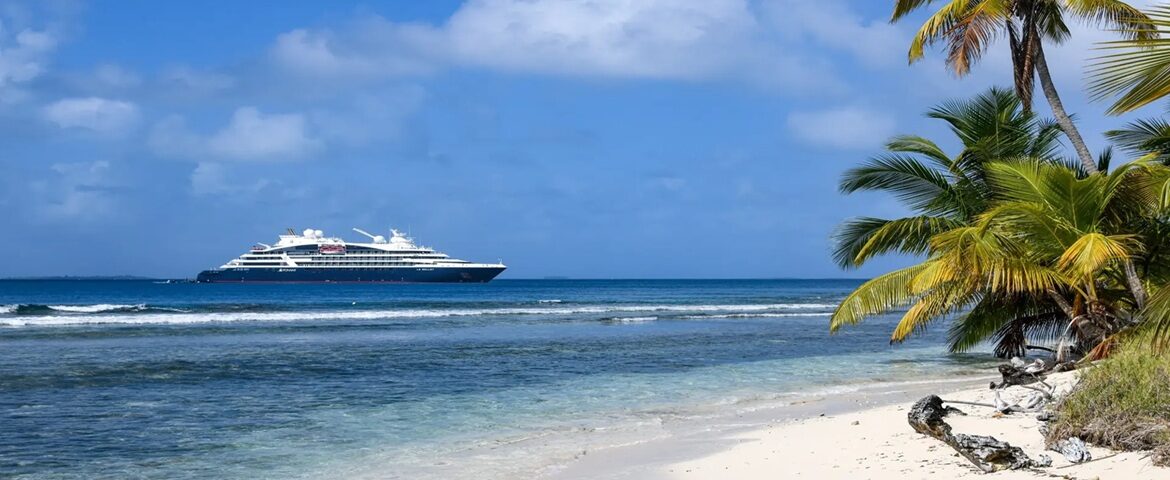
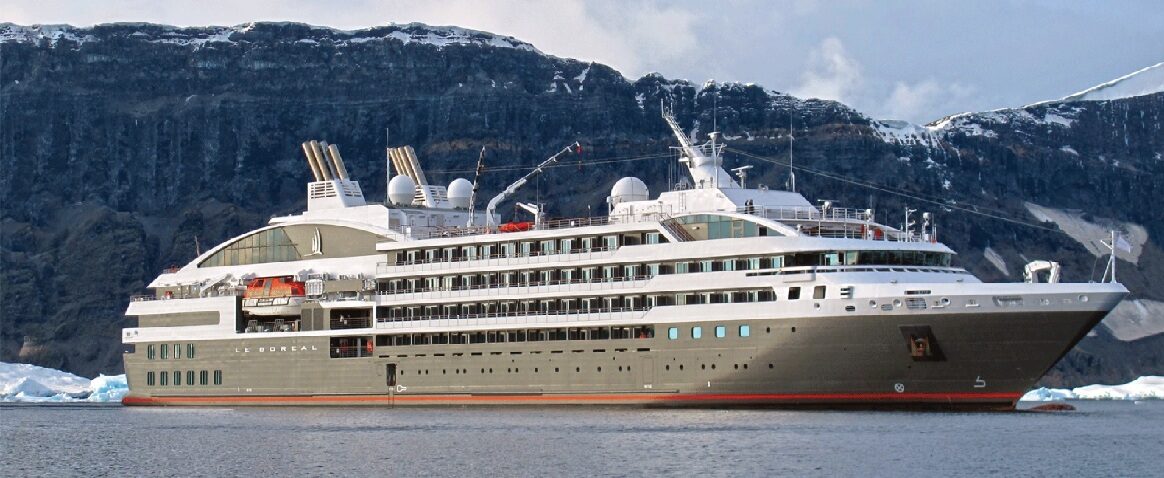
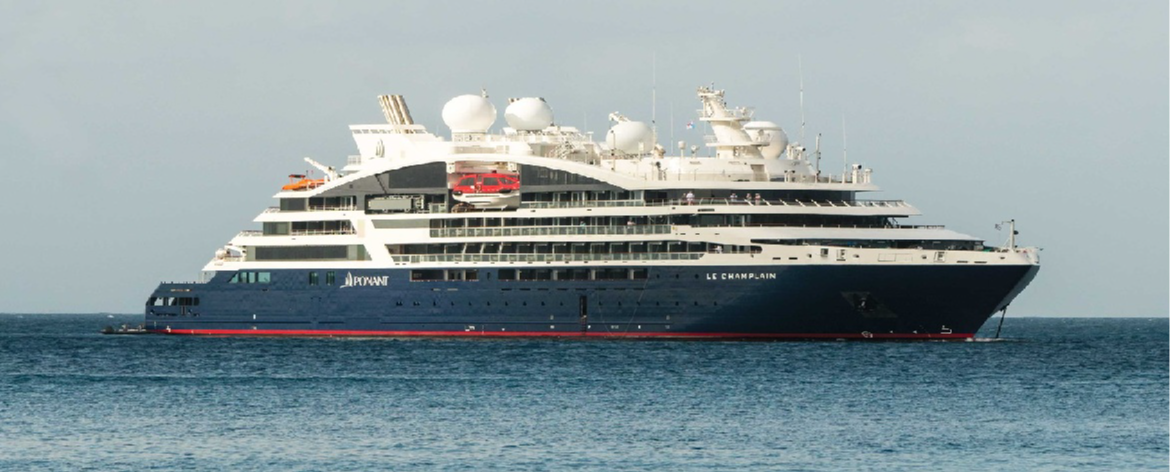
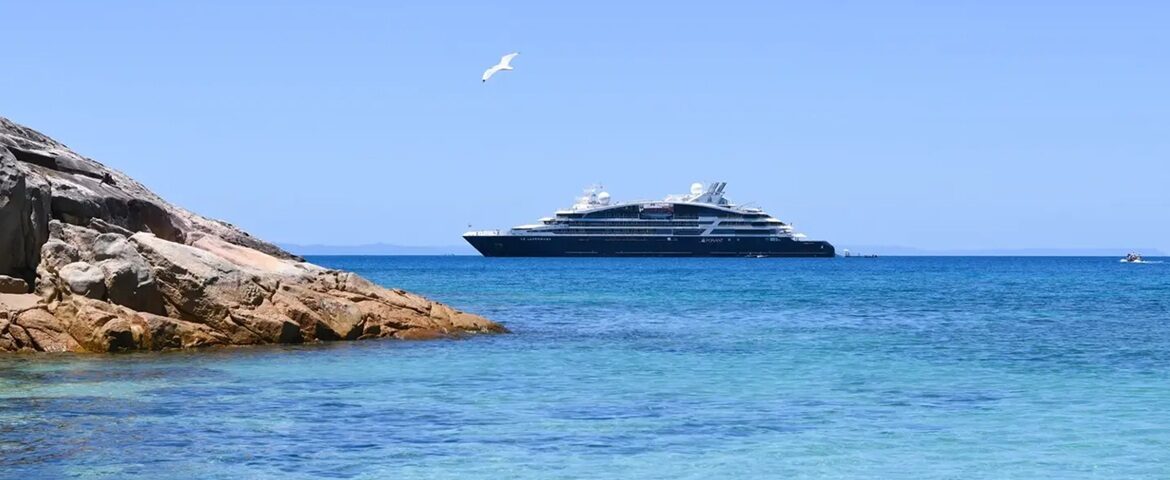
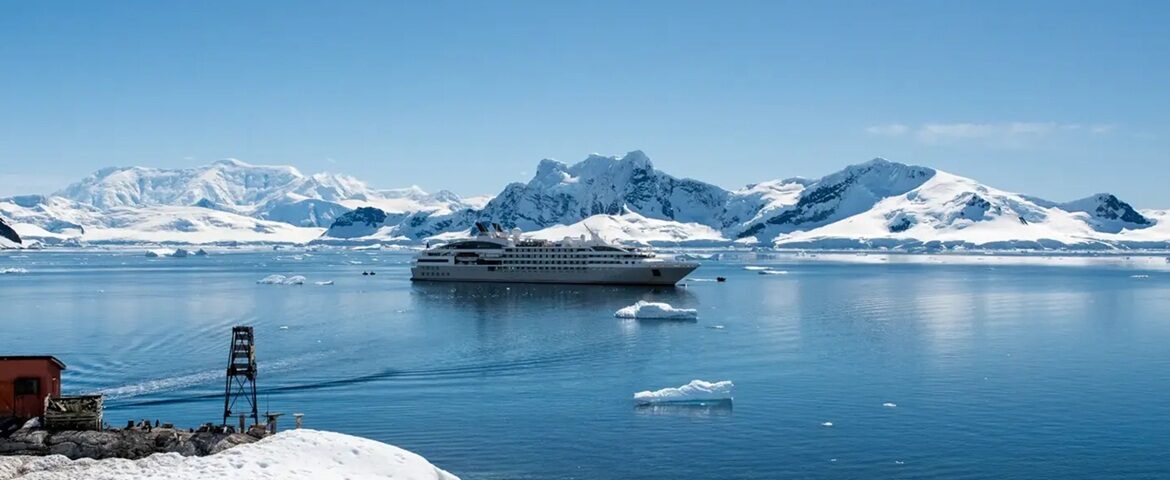
Ponant (9 Cruises)

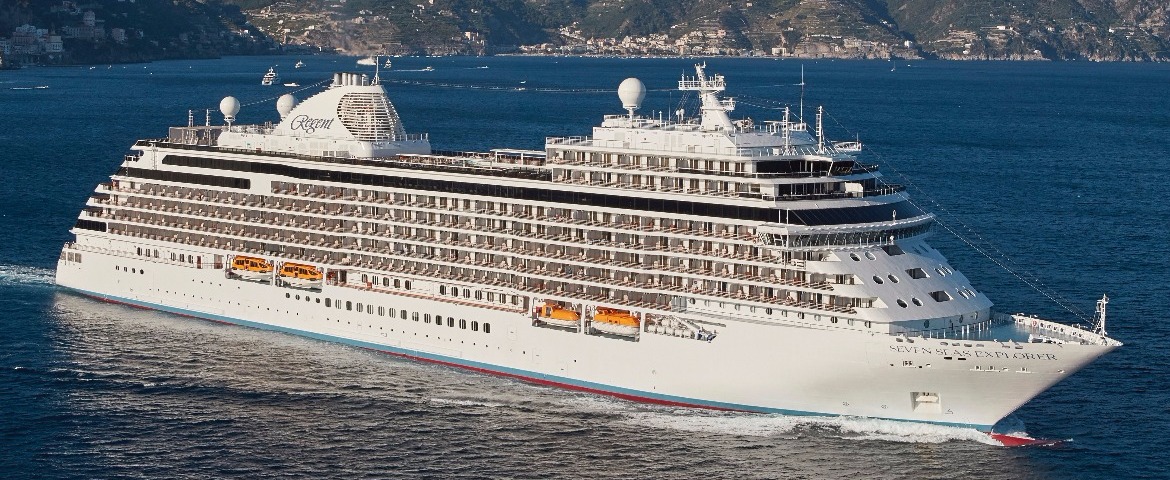
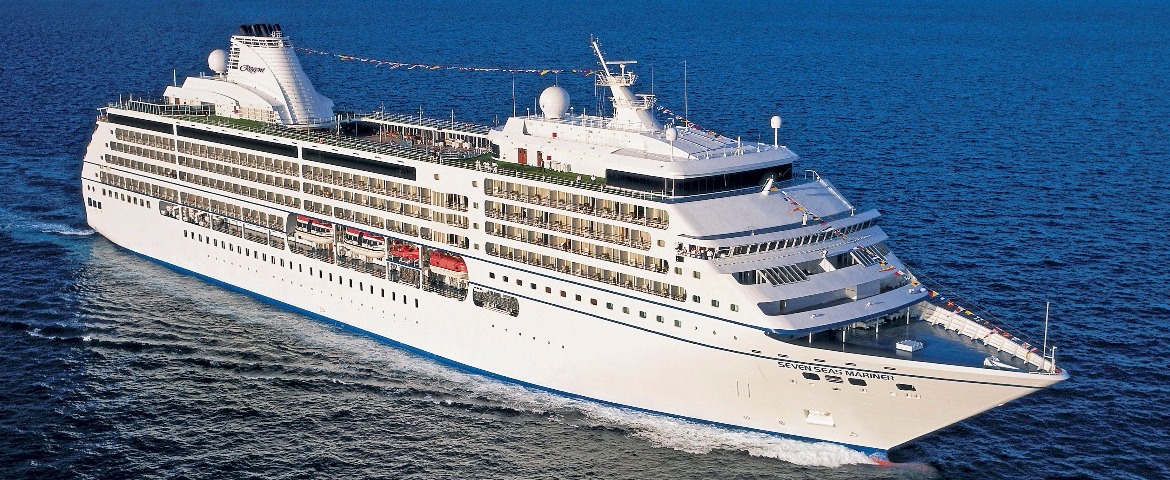
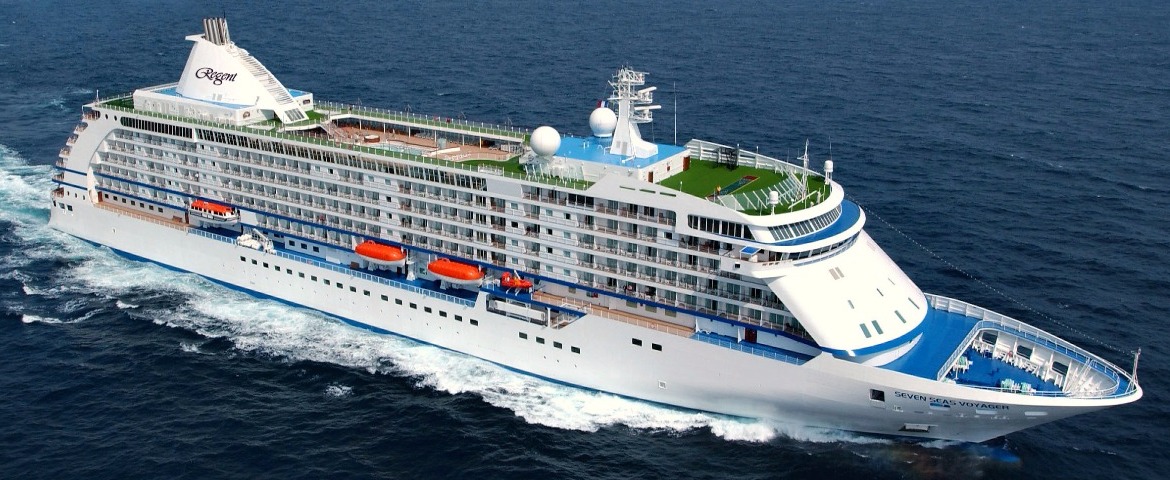
Regent Seven Seas Cruises (9 Cruises)

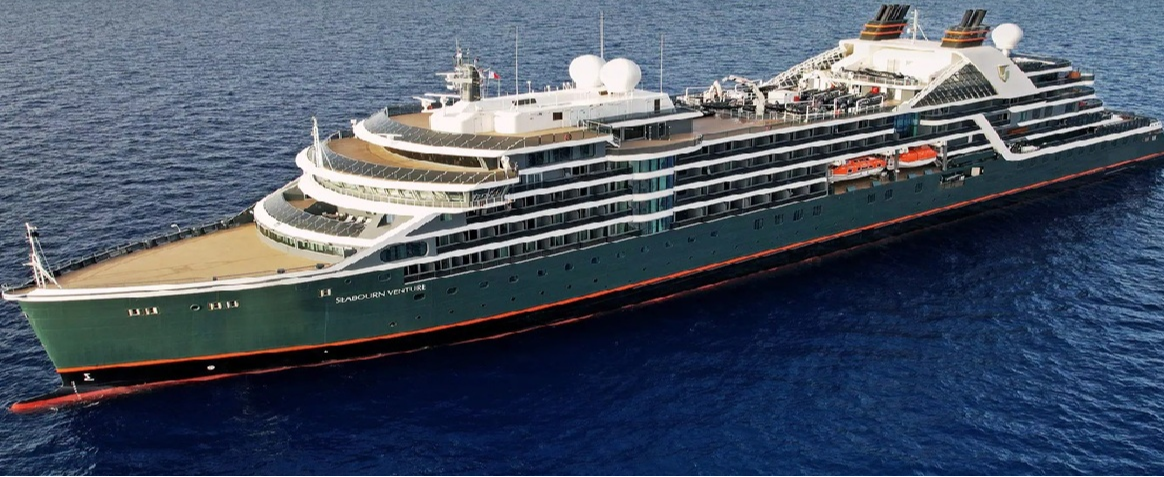
Seabourn Cruise Line (18 Cruises)
Seabourn Quest
14 Cruises


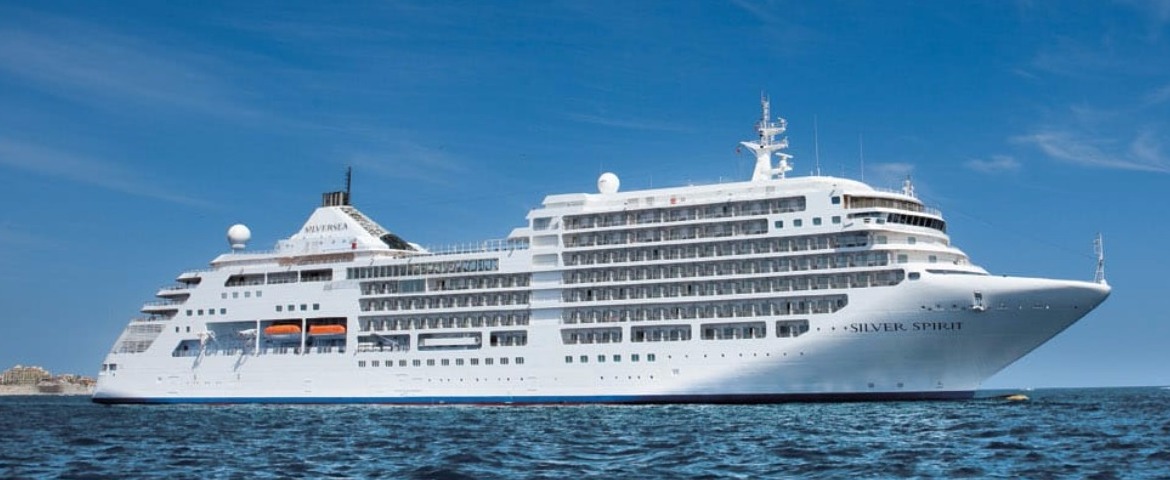
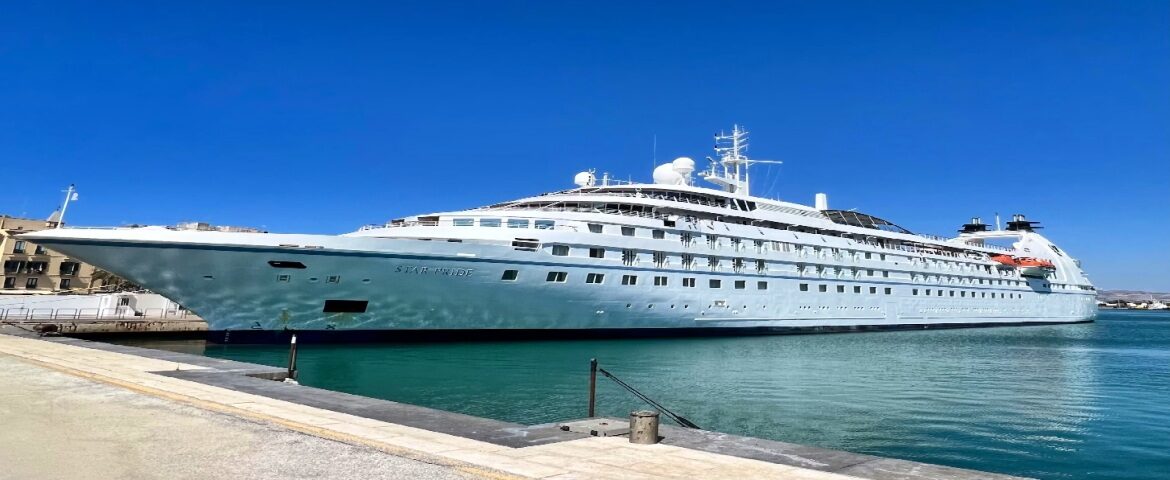
Windstar Cruises (1 Cruises)


Port of Saint-Malo, France | Cruise Port Guide
Frequently Asked Questions
It depends on size. Ships under 150 metres pass through the lock and tie up at the foot of the fortifications. Larger vessels anchor in the roadstead, and the tender reaches a quay steps from the Porte Saint-Louis in about ten minutes. Few calls begin so close to what matters.
Yes, entirely. The walled town takes an hour or a full day depending on your mood: cobbled streets, Place Chateaubriand, rue Saint-Vincent with its butter biscuit shops, crêperies in the lanes.
It was from this port that Jacques Cartier set sail in 1534 before entering the Gulf of St. Lawrence. The navigator lies in Saint-Vincent cathedral in the heart of the walled town, where a plaque recalls his voyages to Canada. The Maison du Québec, steps from the ramparts, keeps the link alive with exhibitions and events.
The rampart walk and the walled town, without an excursion. The parapet walk runs about two kilometres, access is free, and it gives you both the slate roofs and the sea. Add the cathedral and a crêperie. Mont-Saint-Michel, by contrast, eats the whole day.
Yes, but only at low tide, when the sand opens the way. Watch the clock closely: the water rises fast and cuts off the islets within minutes. Chateaubriand chose to be buried on the Grand Bé, facing the open sea.
Among the largest in Europe: over twelve metres on the biggest coefficients. That is what makes the landscape shift so much from hour to hour, and why crossing to the islets without checking the timetable is risky.
Rebuilt, and it is worth knowing. Largely destroyed in 1944, the walled town was raised stone by stone after the war, so faithfully that it is hard to tell today. The tall grey facades tell of the fortunes of Malouin shipowners and privateers, Duguay-Trouin and Surcouf foremost.
The Saint-Servan district and its Solidor tower at the mouth of the Rance. A water bus also crosses the estuary to Dinard, the seaside resort of 19th-century villas, in about ten minutes. Families enjoy the Grand Aquarium and its shark ring.
To Mont-Saint-Michel, under an hour by road, to the old town of Dinan, or to Cancale where oysters are eaten right on the quay facing the beds. Choose only one: each fills the day.
Crêpes and buckwheat galettes, kouign-amann, cider, and Cancale oysters. The butter biscuits from rue Saint-Vincent travel well and make the simplest souvenir.


