Bamberg Germany Bavaria
1696
Cruises availables
At departure or passage at this port
AmaWaterways (33 Cruises)
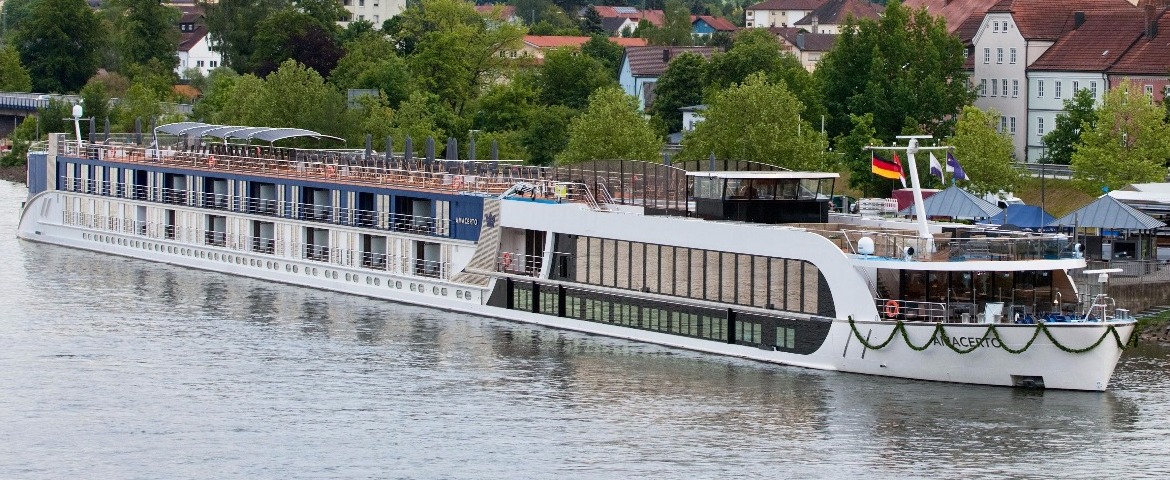

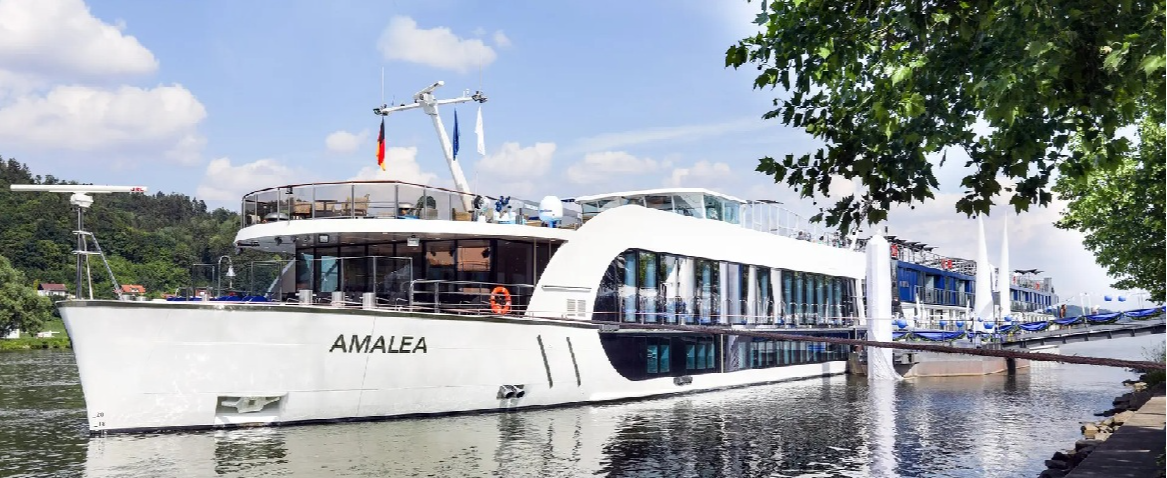
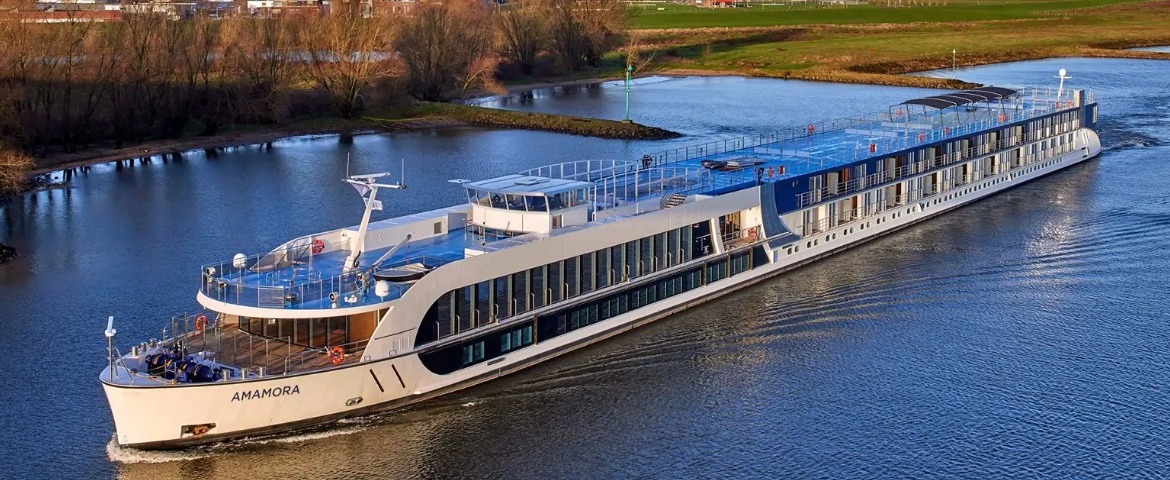
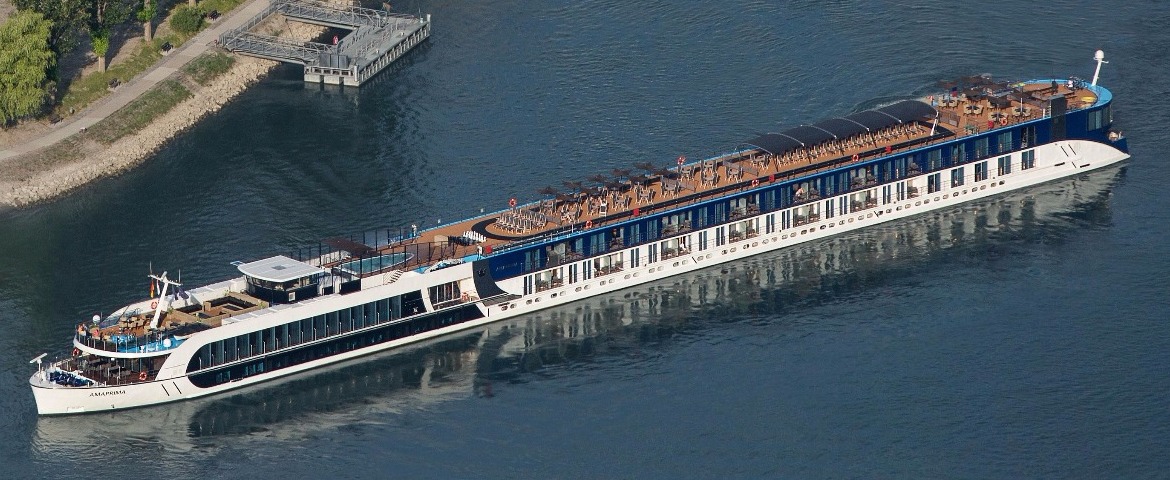
Avalon Waterways (121 Cruises)
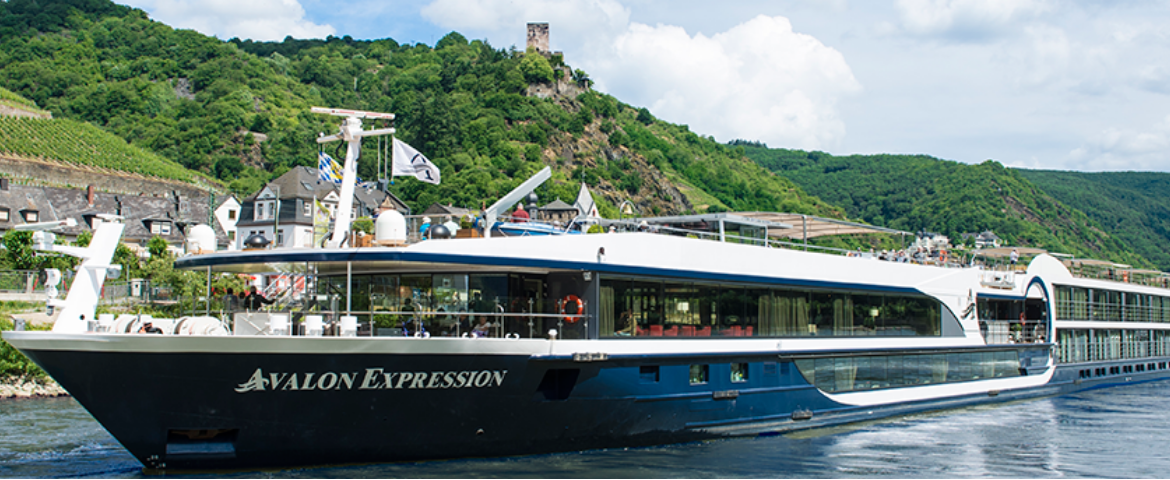
Avalon Expression®
23 Cruises

| 26 August | 15 days | One-way from Budapest to Amsterdam |
450-628-6241
Call us
|
| 26 August | 14 days | One-way from Budapest to Amsterdam |
450-628-6241
Call us
|
| 9 September | 15 days | One-way from Amsterdam to Budapest |
450-628-6241
Call us
|
| 9 September | 14 days | One-way from Amsterdam to Budapest |
450-628-6241
Call us
|
| 19 October | 14 days | One-way from Budapest to Amsterdam |
450-628-6241
Call us
|
| 19 October | 15 days | One-way from Budapest to Amsterdam |
450-628-6241
Call us
|
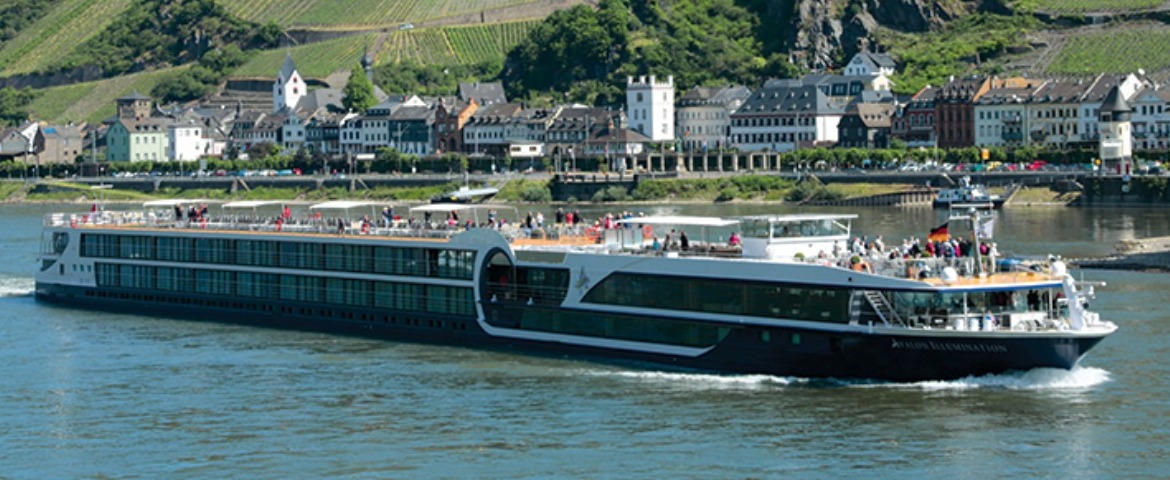
Avalon Illumination®
12 Cruises
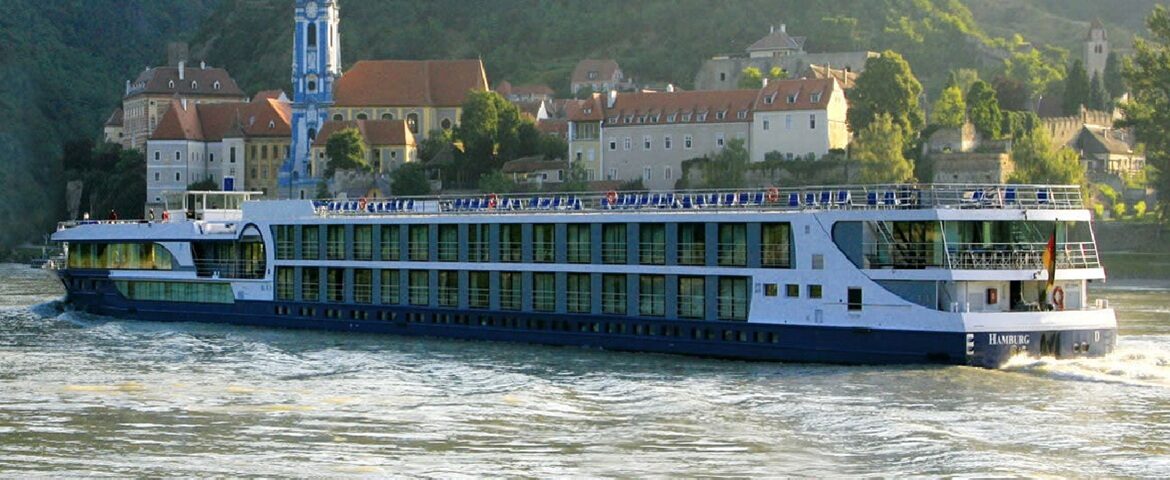
Avalon Imagery II®
17 Cruises
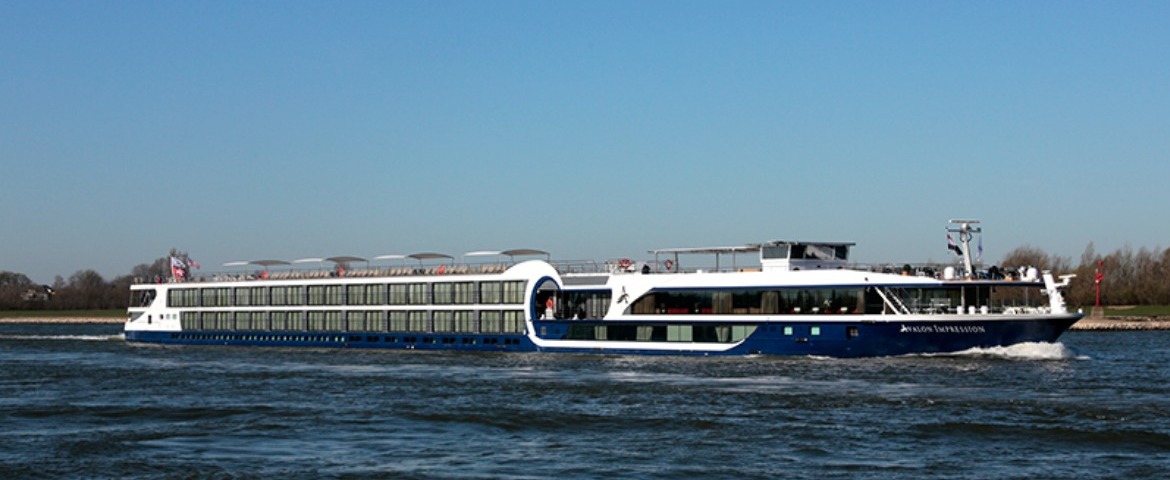
Avalon ImpressionSM
14 Cruises
| 28 May | 15 days | One-way from Budapest to Amsterdam |
450-628-6241
Call us
|
| 28 May | 14 days | One-way from Budapest to Amsterdam |
450-628-6241
Call us
|
| 11 June | 14 days | One-way from Amsterdam to Budapest |
450-628-6241
Call us
|
| 11 June | 15 days | One-way from Amsterdam to Budapest |
450-628-6241
Call us
|
| 21 July | 15 days | One-way from Budapest to Amsterdam |
450-628-6241
Call us
|
| 21 July | 14 days | One-way from Budapest to Amsterdam |
450-628-6241
Call us
|
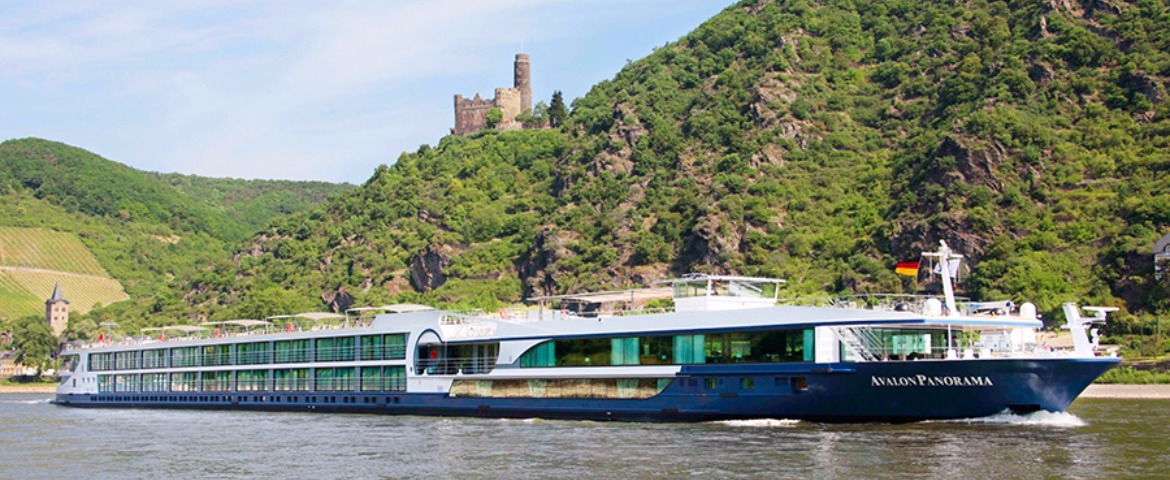
Avalon PanoramaSM
18 Cruises
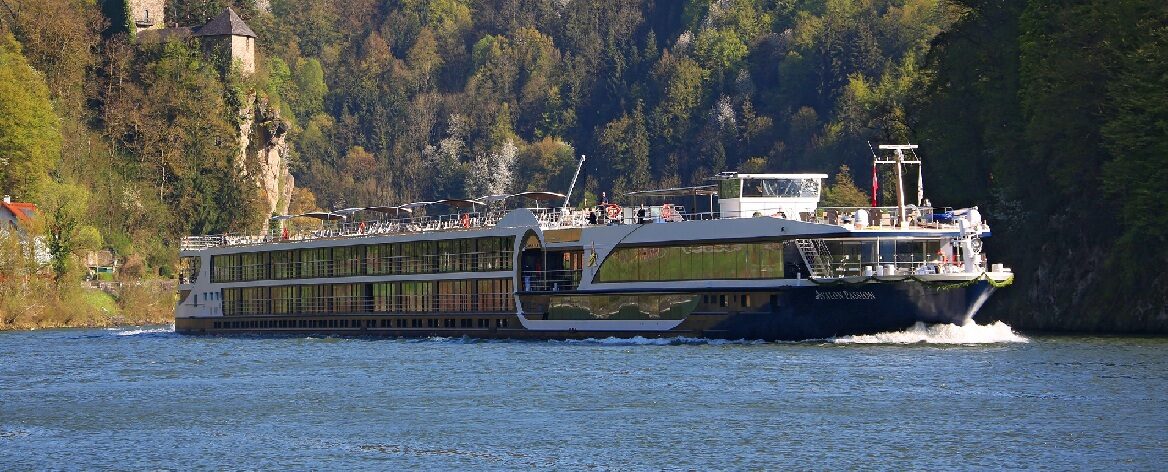
Avalon Passion®
10 Cruises
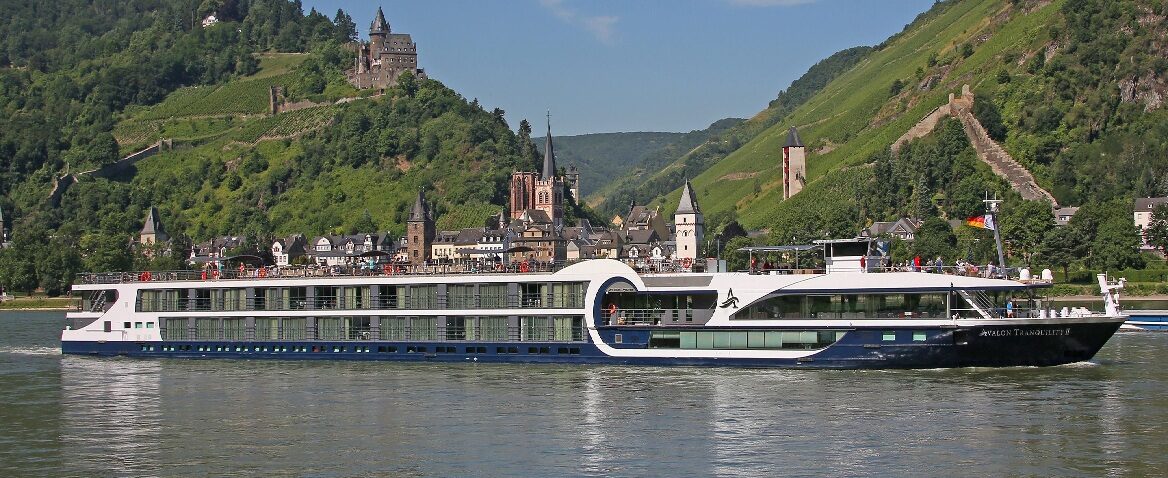
Avalon Tranquility II®
15 Cruises
| 4 November | 16 days | One-way from Budapest to Basel |
450-628-6241
Call us
|
| 11 November | 9 days | One-way from Nuremberg to Basel |
450-628-6241
Call us
|
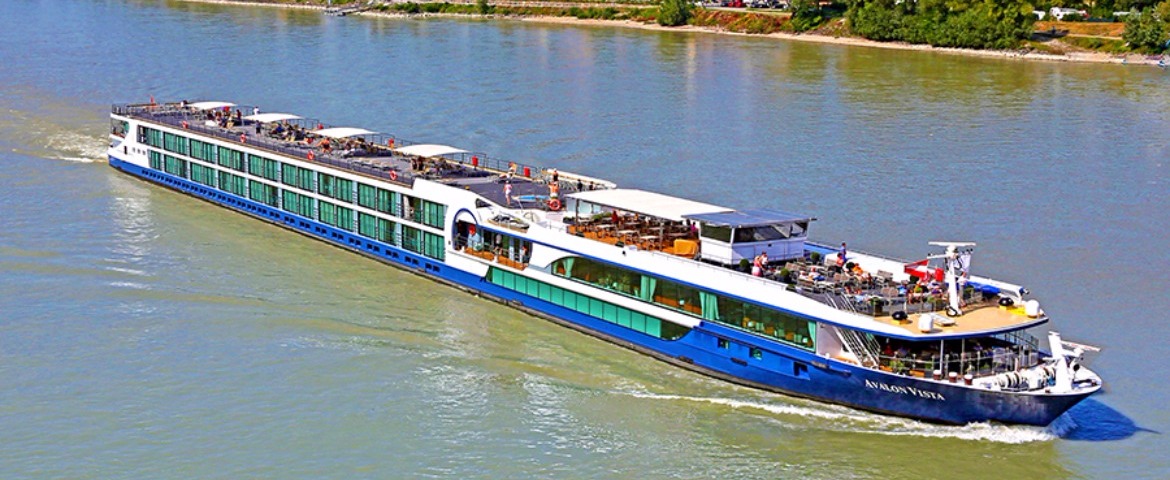
Avalon VistaSM
12 Cruises
CroisiEurope (14 Cruises)
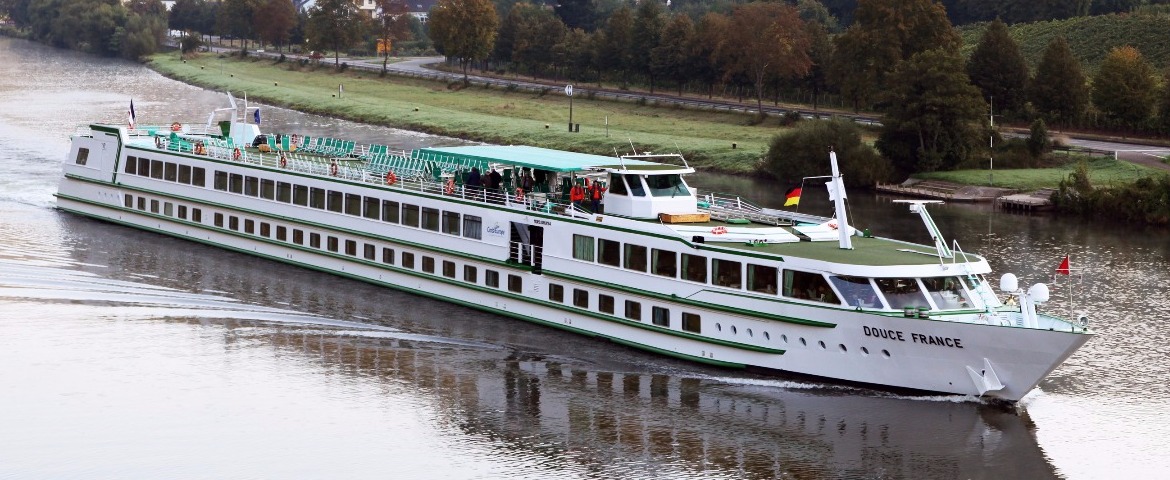

MS L'Europe
2 Cruises
 Image not available
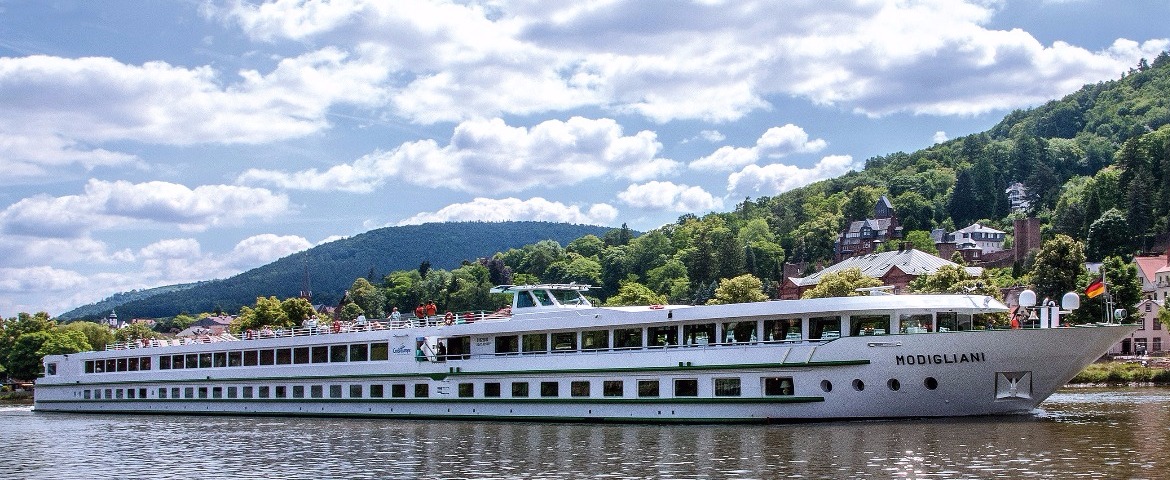
MS Modigliani
8 Cruises
| 13 May | 12 days | One-way from Kehl-Strasbourg to Budapest |
450-628-6241
Call us
|
| 13 May | 13 days | One-way from Kehl-Strasbourg to Budapest |
450-628-6241
Call us
|
| 13 June | 12 days | One-way from Kehl-Strasbourg to Budapest |
450-628-6241
Call us
|
| 13 June | 13 days | One-way from Kehl-Strasbourg to Budapest |
450-628-6241
Call us
|
Emerald Waterways (274 Cruises)
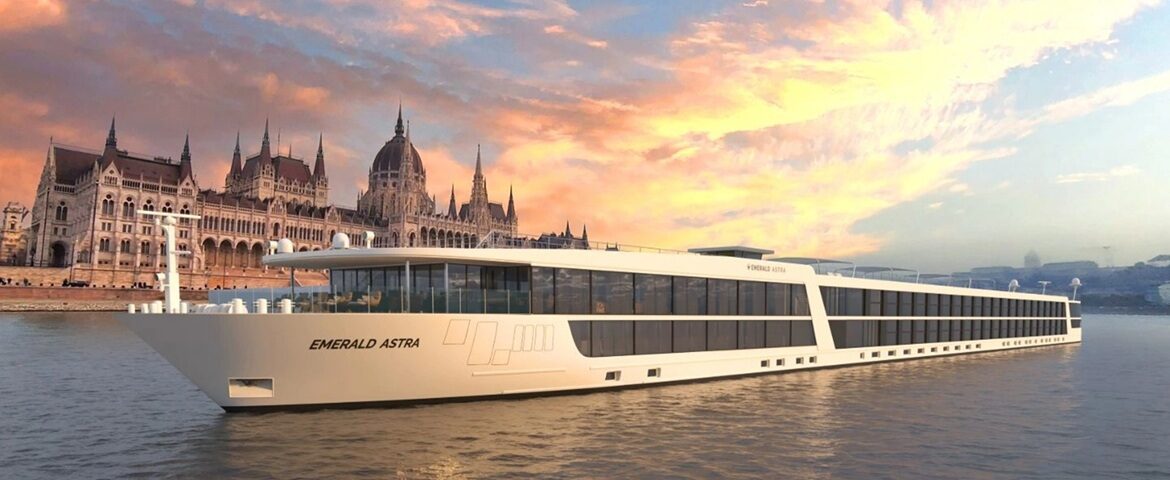
Emerald Astra
12 Cruises

| 24 April | 15 days | One-way from Amsterdam to Budapest |
450-628-6241
Call us
|
| 25 April | 12 days | One-way from Amsterdam to Budapest |
450-628-6241
Call us
|
| 19 June | 15 days | One-way from Budapest to Amsterdam |
450-628-6241
Call us
|
| 20 June | 12 days | One-way from Budapest to Amsterdam |
450-628-6241
Call us
|
| 3 July | 15 days | One-way from Amsterdam to Budapest |
450-628-6241
Call us
|
| 4 July | 12 days | One-way from Amsterdam to Budapest |
450-628-6241
Call us
|
| 29 October | 15 days | One-way from Budapest to Amsterdam |
450-628-6241
Call us
|
| 30 October | 12 days | One-way from Budapest to Amsterdam |
450-628-6241
Call us
|
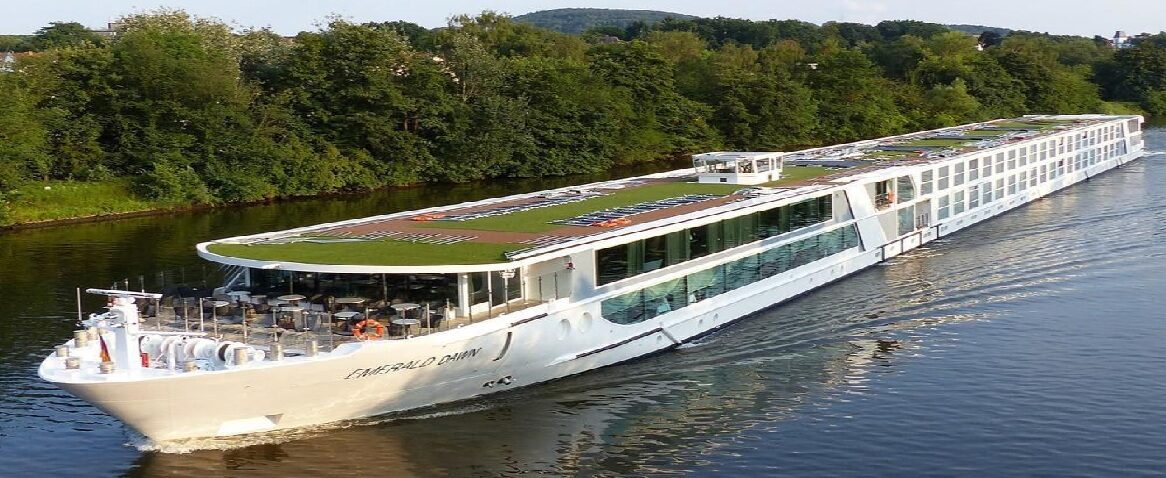
Emerald Dawn
52 Cruises
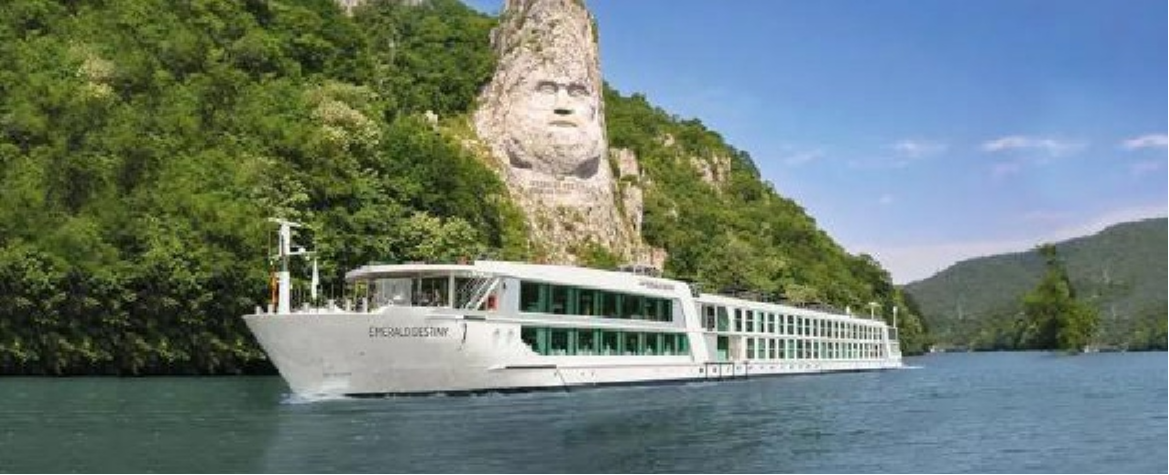
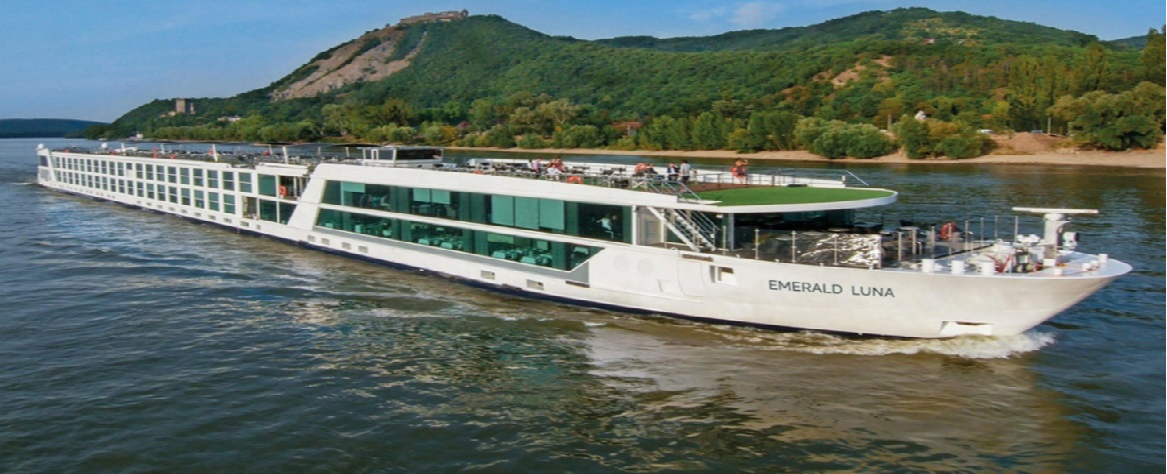
Emerald Luna
64 Cruises
| 31 October | 15 days | One-way from Amsterdam to Budapest |
450-628-6241
Call us
|
| 31 October | 14 days | One-way from Amsterdam to Budapest |
450-628-6241
Call us
|
| 30 October | 15 days | One-way from Amsterdam to Budapest |
450-628-6241
Call us
|
| 30 October | 14 days | One-way from Amsterdam to Budapest |
450-628-6241
Call us
|
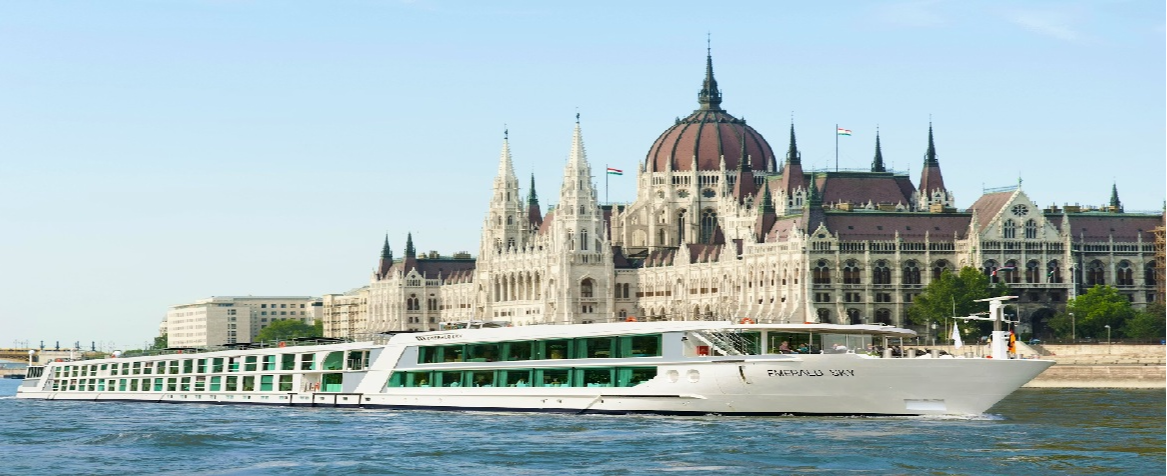
Emerald Sky
31 Cruises
| 22 February | 14 days | One-way from Budapest to Amsterdam |
450-628-6241
Call us
|
| 22 February | 15 days | One-way from Budapest to Amsterdam |
450-628-6241
Call us
|
| 8 March | 15 days | One-way from Amsterdam to Budapest |
450-628-6241
Call us
|
| 8 March | 14 days | One-way from Amsterdam to Budapest |
450-628-6241
Call us
|
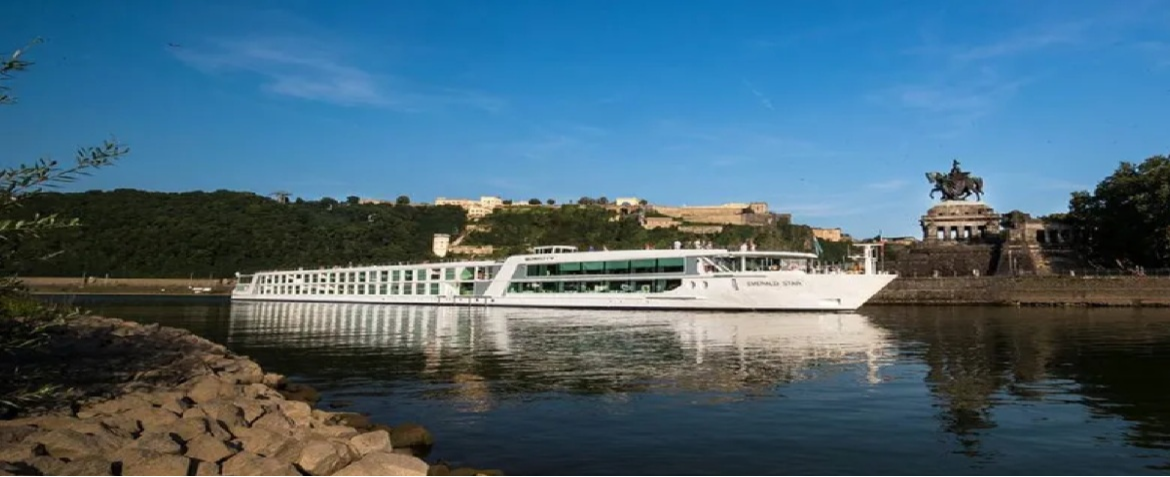
Emerald Star
69 Cruises
| 20 February | 15 days | One-way from Amsterdam to Budapest |
450-628-6241
Call us
|
| 20 February | 14 days | One-way from Amsterdam to Budapest |
450-628-6241
Call us
|
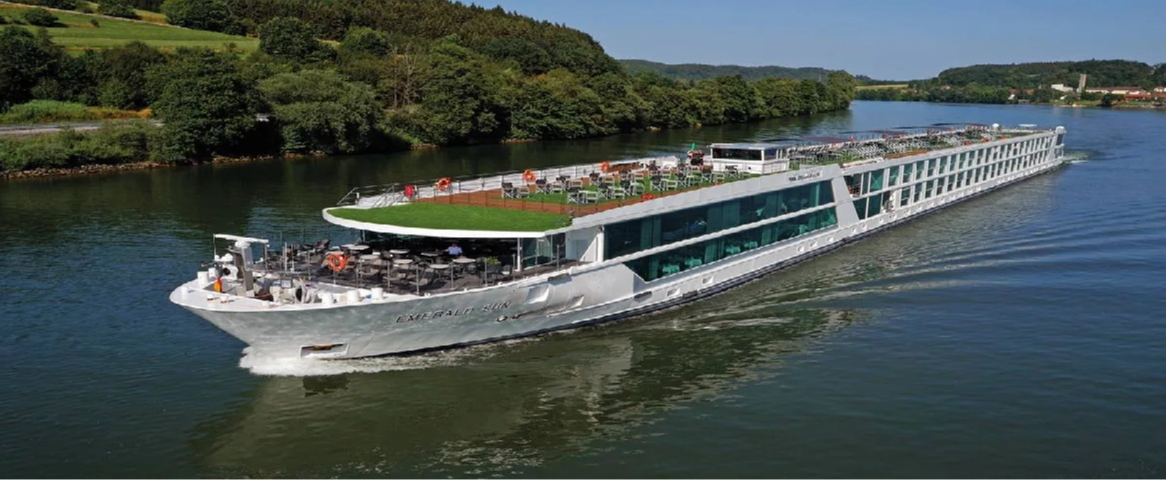
Emerald Sun
44 Cruises
Riviera Travel (22 Cruises)
MS George Eliot
6 Cruises
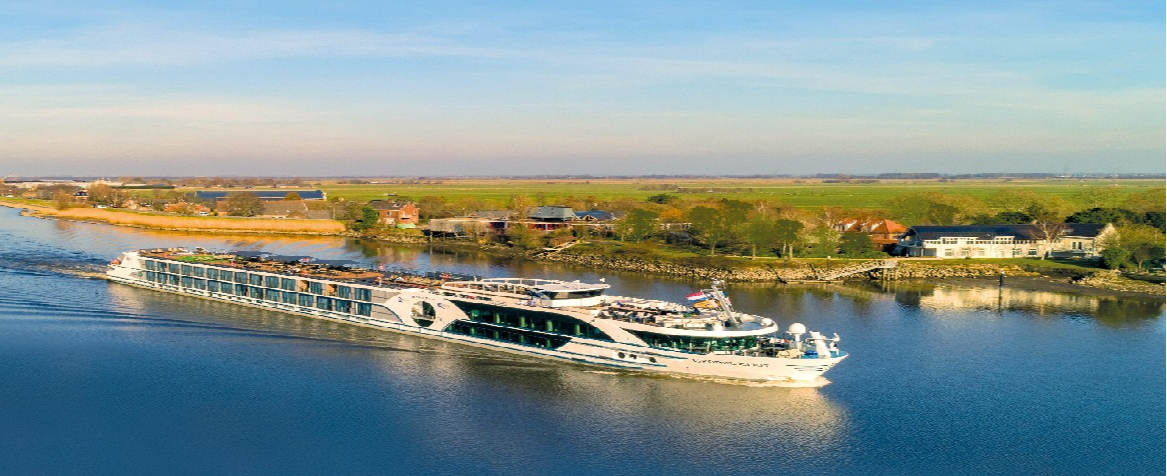

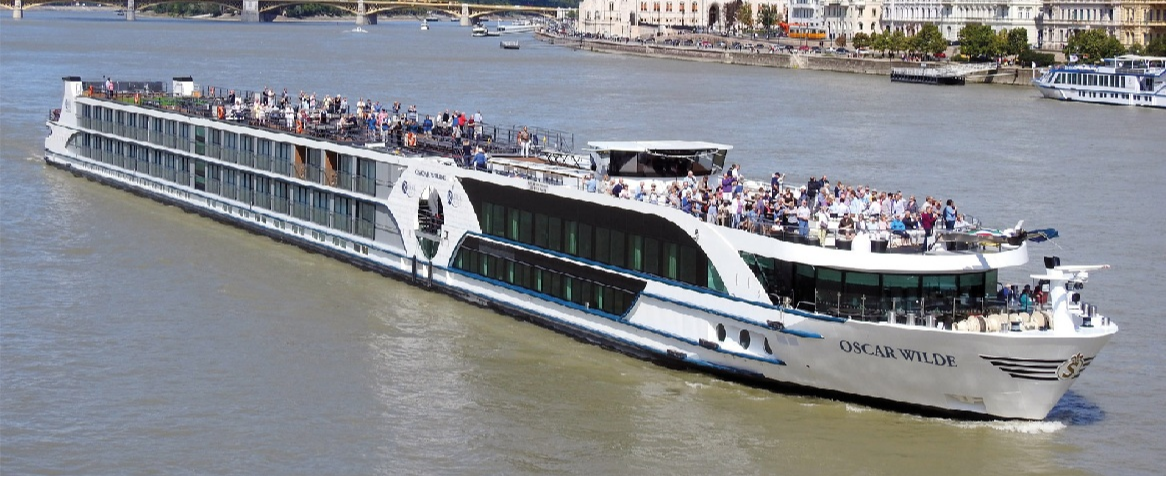
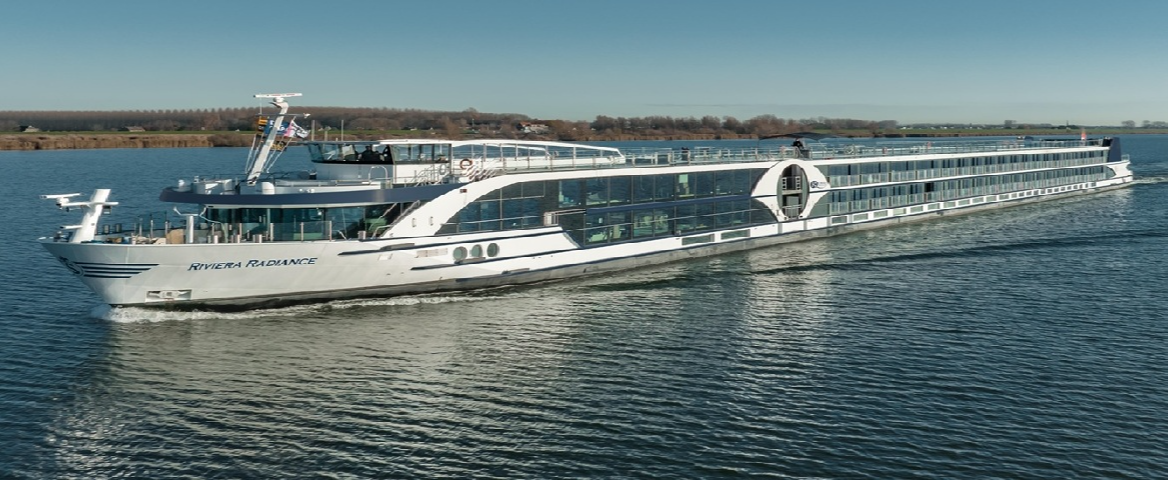
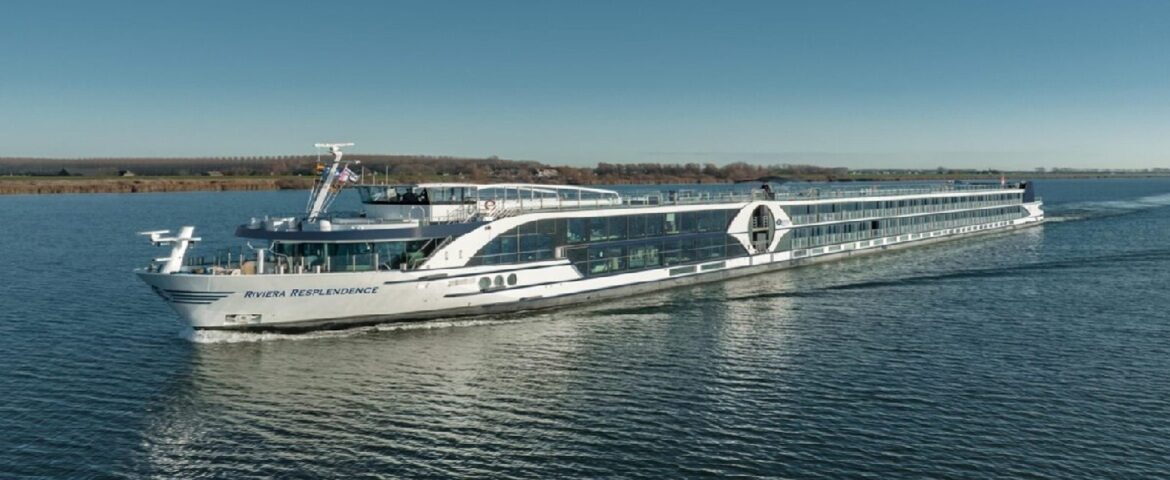
MS Riviera Resplendence
8 Cruises
Scenic Cruises (489 Cruises)
Scenic Amber
85 Cruises


| 22 February | 15 days | One-way from Budapest to Amsterdam |
450-628-6241
Call us
|
| 22 February | 14 days | One-way from Budapest to Amsterdam |
450-628-6241
Call us
|
Scenic Crystal
42 Cruises

Scenic Gem
11 Cruises

Scenic Jade
105 Cruises

| 21 October | 14 days | One-way from Amsterdam to Budapest |
450-628-6241
Call us
|
| 21 October | 15 days | One-way from Amsterdam to Budapest |
450-628-6241
Call us
|
Scenic Jasper
82 Cruises

| 28 May | 18 days | One-way from Zagreb to Amsterdam |
450-628-6241
Call us
|
| 28 May | 19 days | One-way from Zagreb to Amsterdam |
450-628-6241
Call us
|
Scenic Jewel
66 Cruises

| 12 March | 15 days | One-way from Amsterdam to Budapest |
450-628-6241
Call us
|
| 12 March | 14 days | One-way from Amsterdam to Budapest |
450-628-6241
Call us
|
Scenic Opal
69 Cruises

| 7 September | 14 days | One-way from Amsterdam to Budapest |
450-628-6241
Call us
|
| 7 September | 15 days | One-way from Amsterdam to Budapest |
450-628-6241
Call us
|
Scenic Pearl
8 Cruises

Scenic Ruby
21 Cruises

Tauck Cruises (8 Cruises)
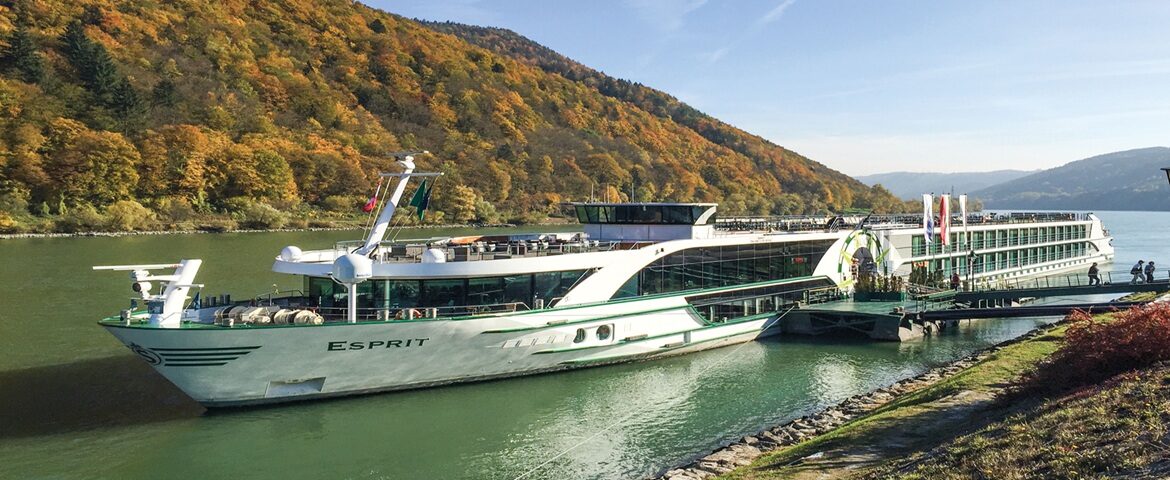
MS esprit
6 Cruises

Uniworld Boutique River Cruise (49 Cruises)



S.S Audrey
14 Cruises
| 1 May | 12 days | One-way from Paris City to Prague |
450-628-6241
Call us
|
| 8 May | 12 days | One-way from Prague to Paris City |
450-628-6241
Call us
|
| 18 June | 12 days | One-way from Paris City to Prague |
450-628-6241
Call us
|
| 25 June | 12 days | One-way from Prague to Paris City |
450-628-6241
Call us
|
S.S Elisabeth
8 Cruises
| 25 November | 7 days | One-way from Frankfurt am Main to Nuremberg |
450-628-6241
Call us
|
| 25 November | 8 days | One-way from Frankfurt am Main to Nuremberg |
450-628-6241
Call us
|
S.S Marlene
15 Cruises
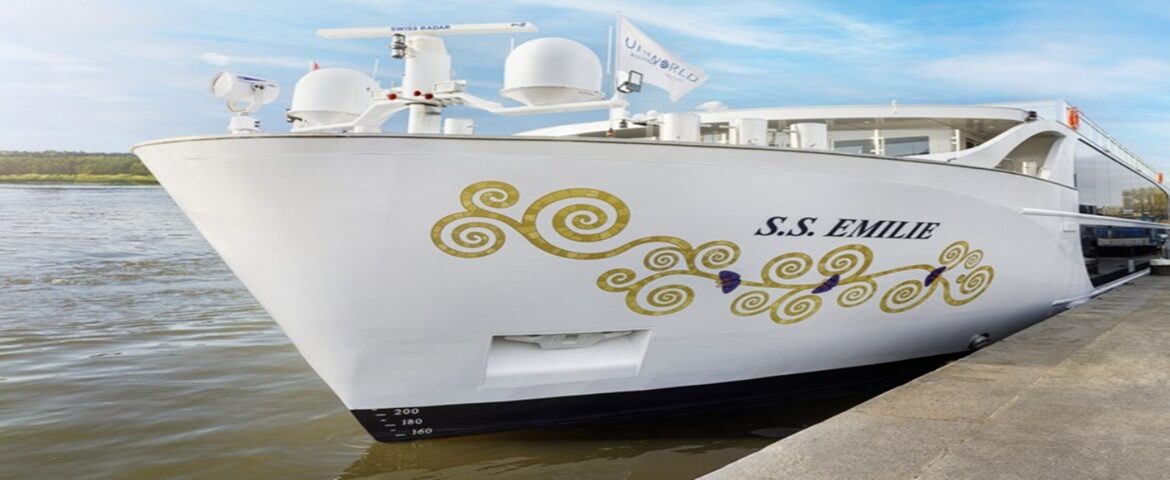
Viking River Cruises (686 Cruises)
Viking Longship Gefjon
43 Cruises
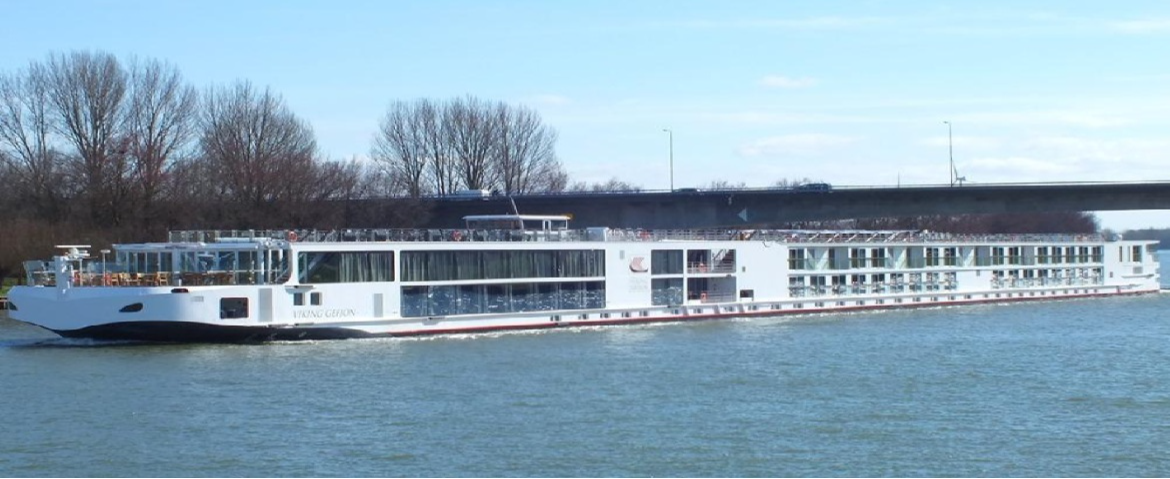

Viking Longships Alsvin
151 Cruises
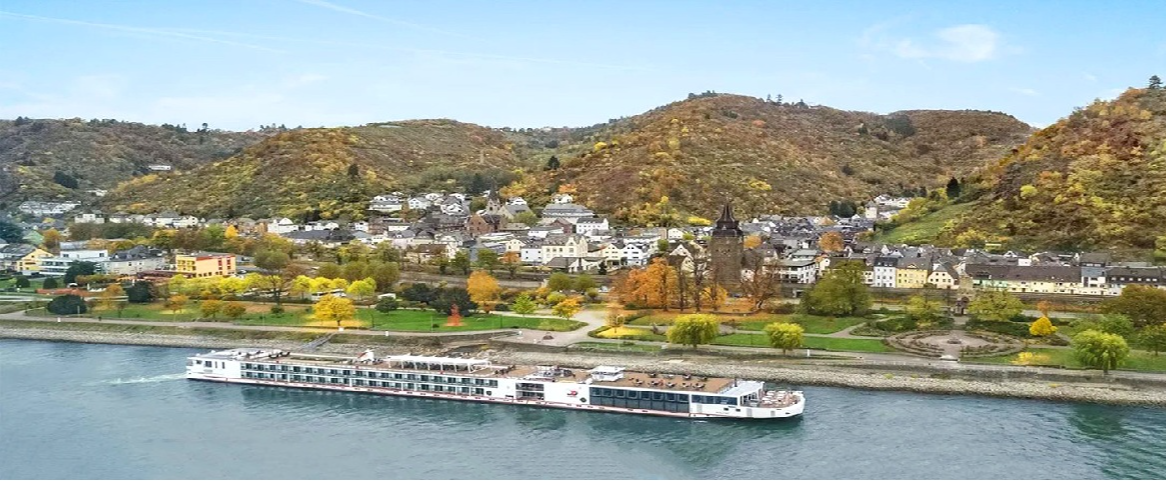
| 30 April | 7 days | One-way from Trier to Bamberg |
450-628-6241
Call us
|
| 30 April | 8 days | One-way from Trier to Bamberg |
450-628-6241
Call us
|
Viking Longships Atla
6 Cruises
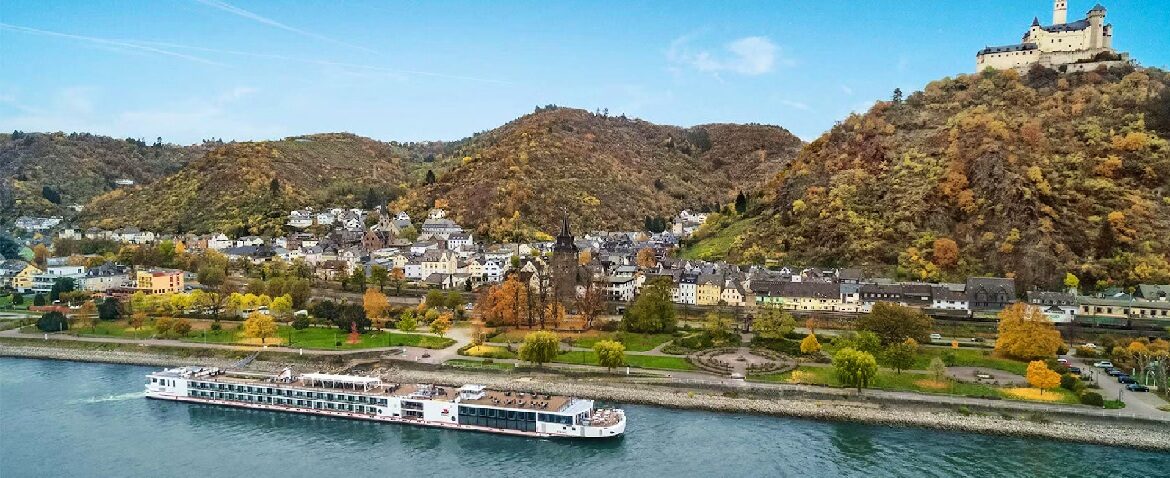
Viking Longships Baldur
22 Cruises
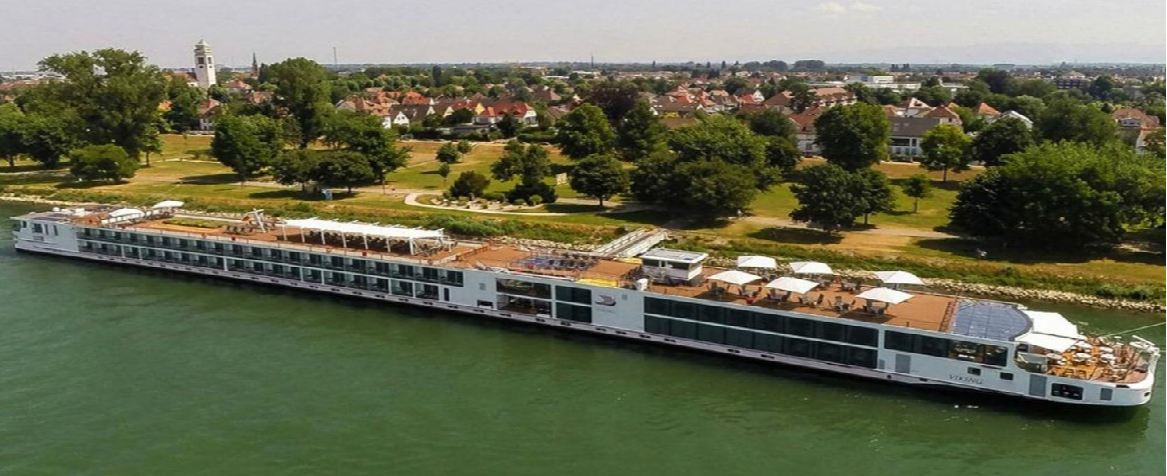
Viking Longships Gullveig
6 Cruises
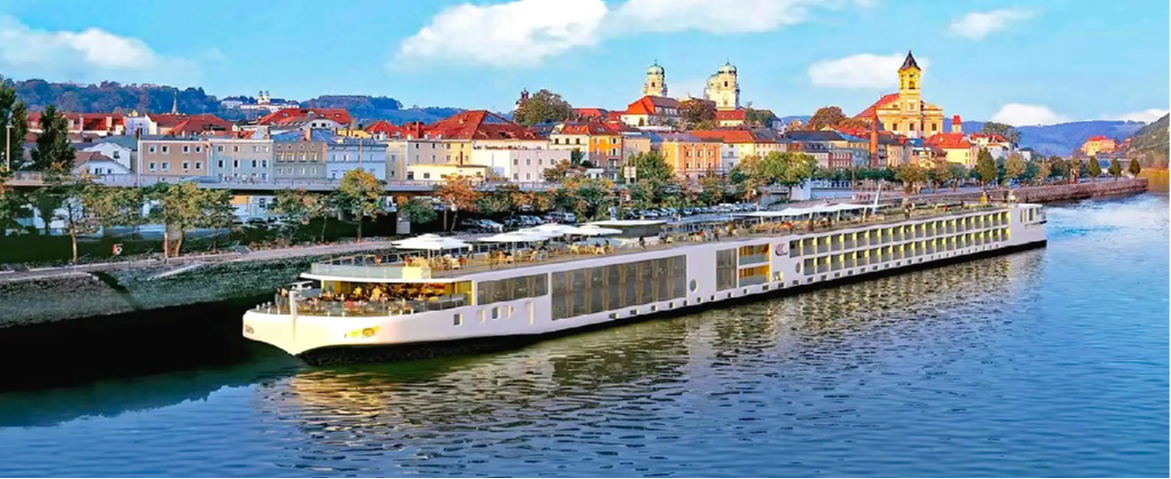
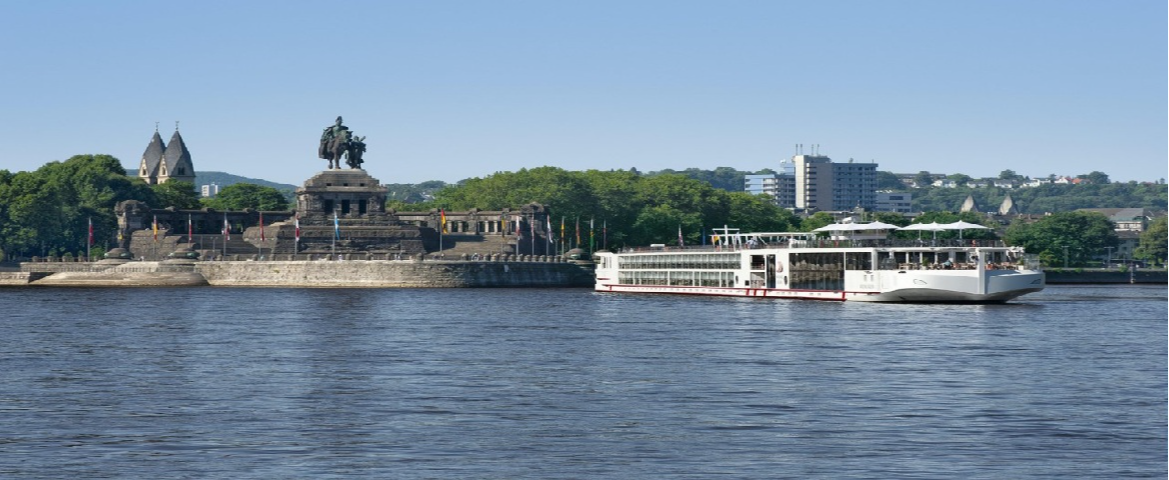
Viking Longships Idi
154 Cruises
| 3 March | 8 days | One-way from Bamberg to Trier |
450-628-6241
Call us
|
| 3 March | 7 days | One-way from Bamberg to Trier |
450-628-6241
Call us
|
Viking Longships Kvasir
5 Cruises
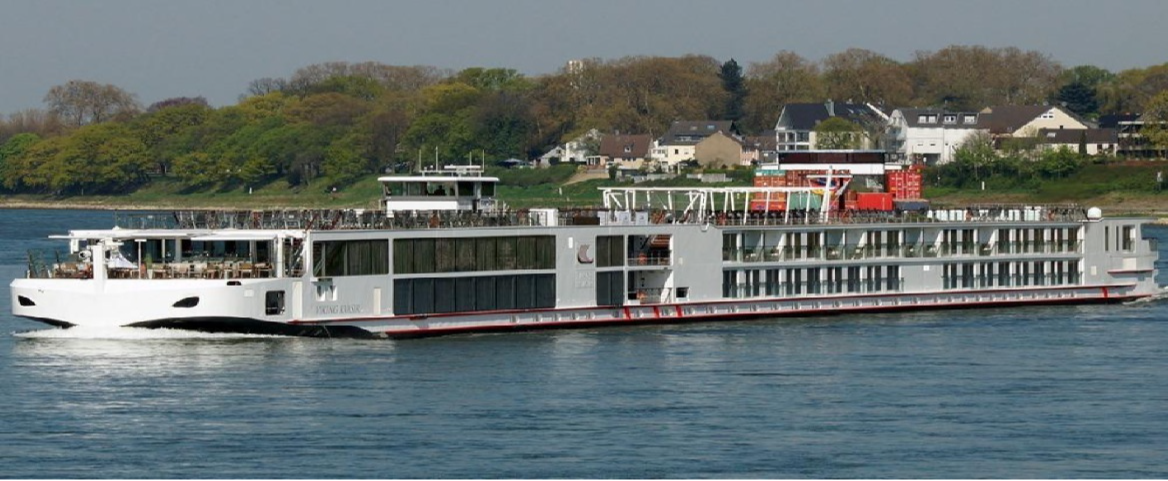
Viking Longships Lif
23 Cruises
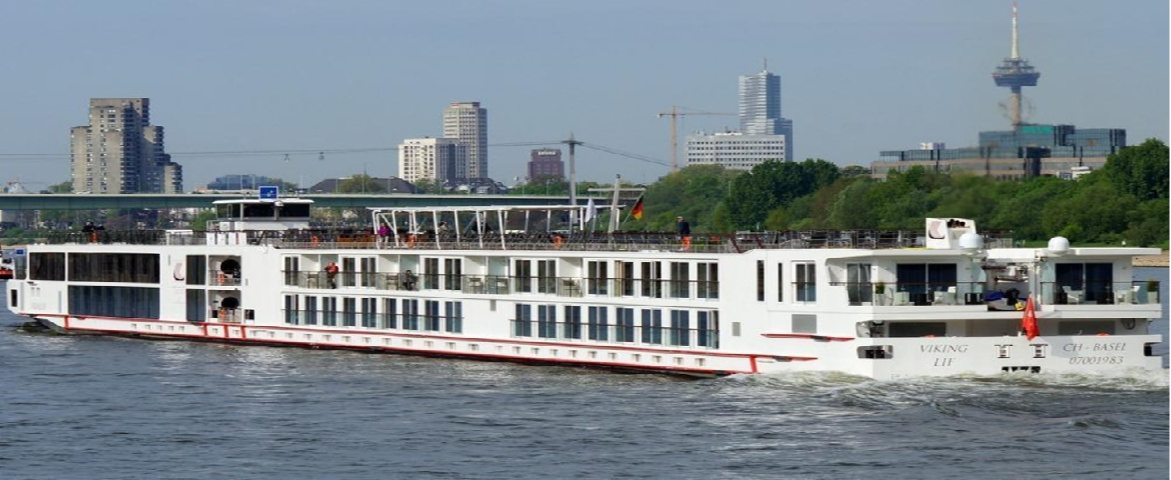
| 21 July | 22 days | One-way from Bucharest to Amsterdam |
450-628-6241
Call us
|
| 28 July | 15 days | One-way from Budapest to Amsterdam |
450-628-6241
Call us
|
Viking Longships Magni
26 Cruises
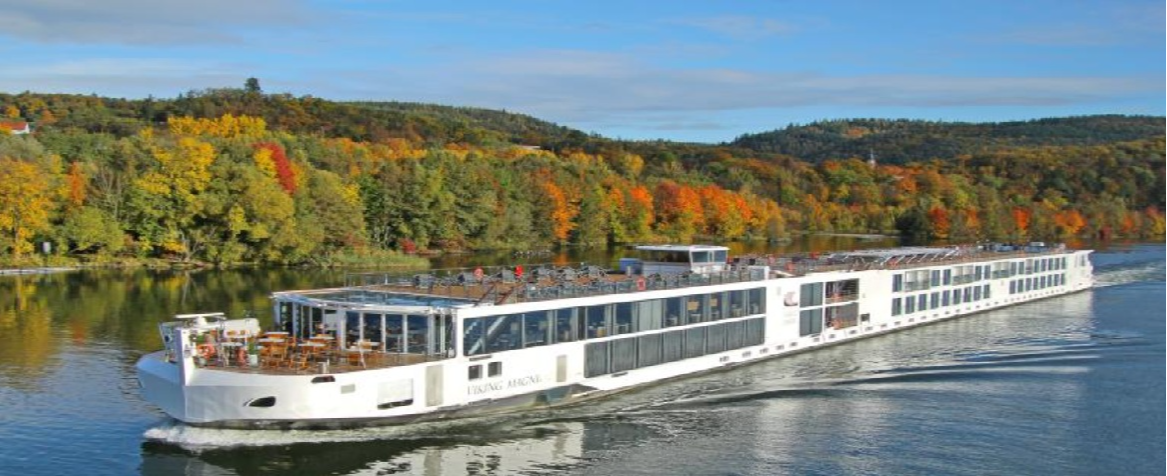
| 25 April | 15 days | One-way from Amsterdam to Budapest |
450-628-6241
Call us
|
| 25 April | 14 days | One-way from Amsterdam to Budapest |
450-628-6241
Call us
|
Viking Longships Mimir
25 Cruises
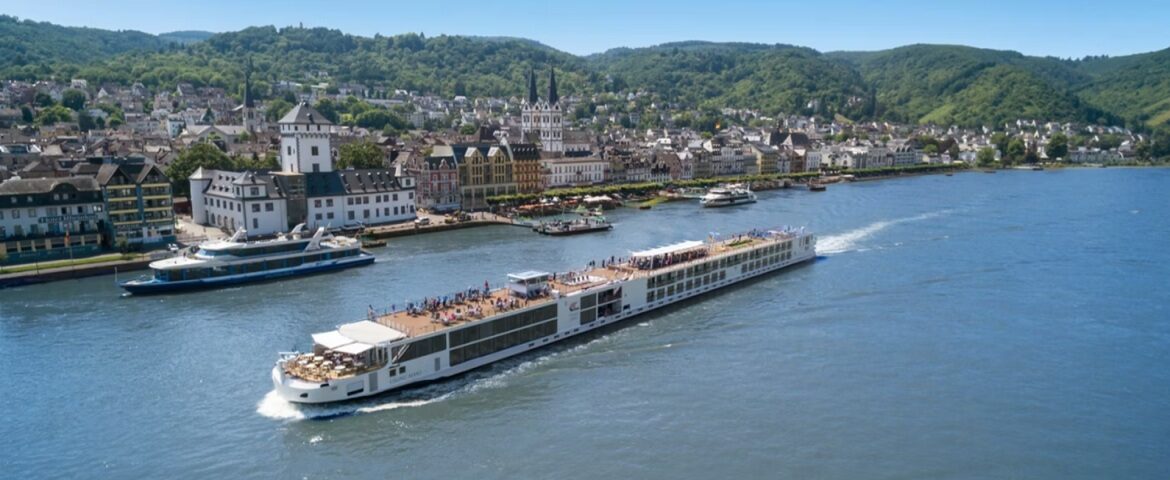
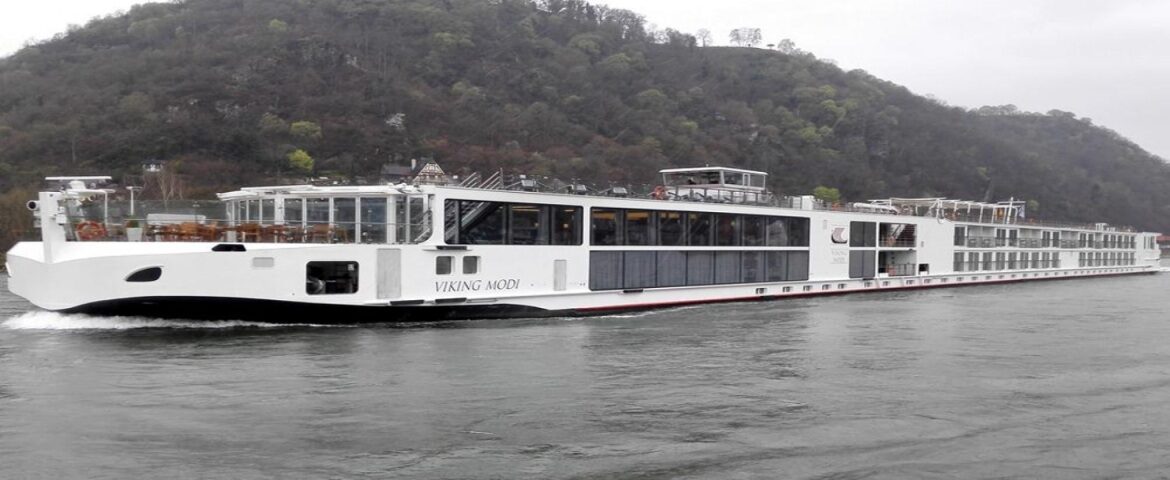
Viking Longships Modi
59 Cruises
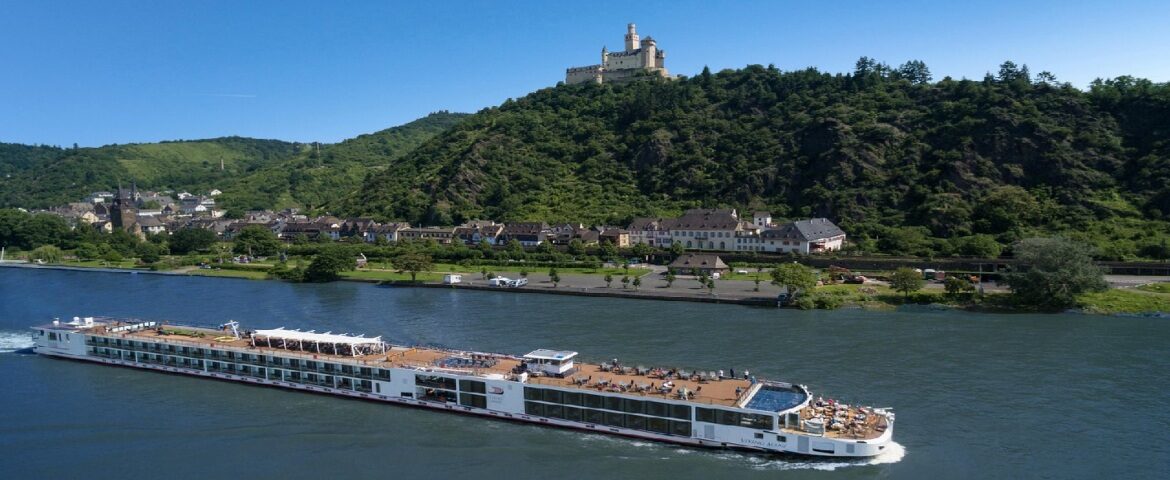
Viking Longships Skirnir
63 Cruises
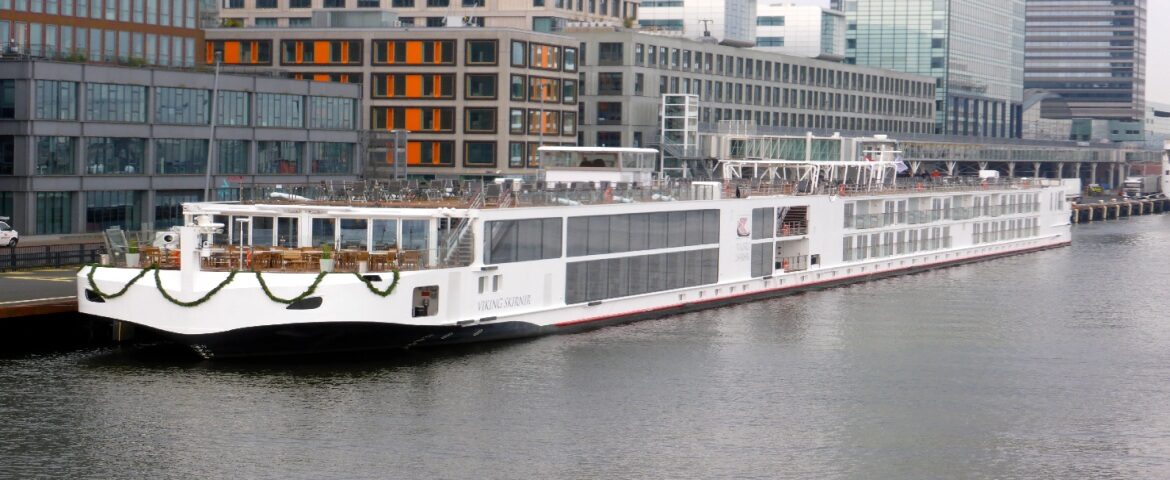
Viking Longships Var
6 Cruises
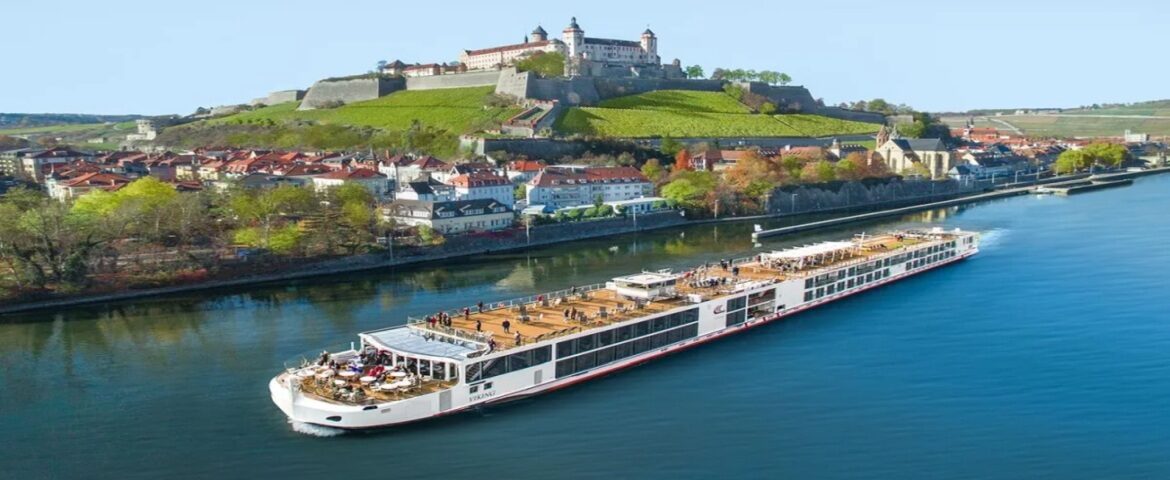
Viking Longships Ve
41 Cruises
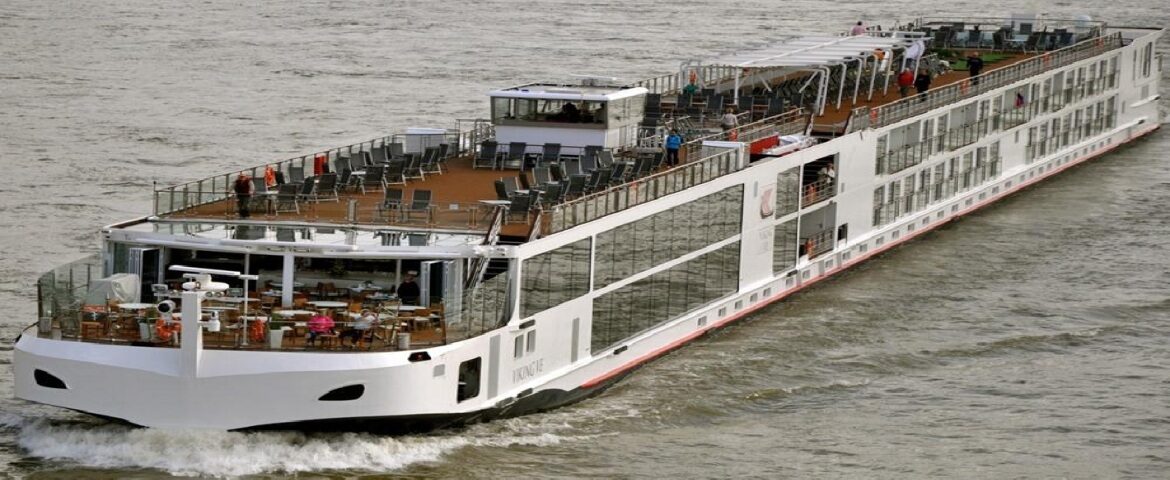
| 18 May | 14 days | One-way from Amsterdam to Budapest |
450-628-6241
Call us
|
| 18 May | 15 days | One-way from Amsterdam to Budapest |
450-628-6241
Call us
|
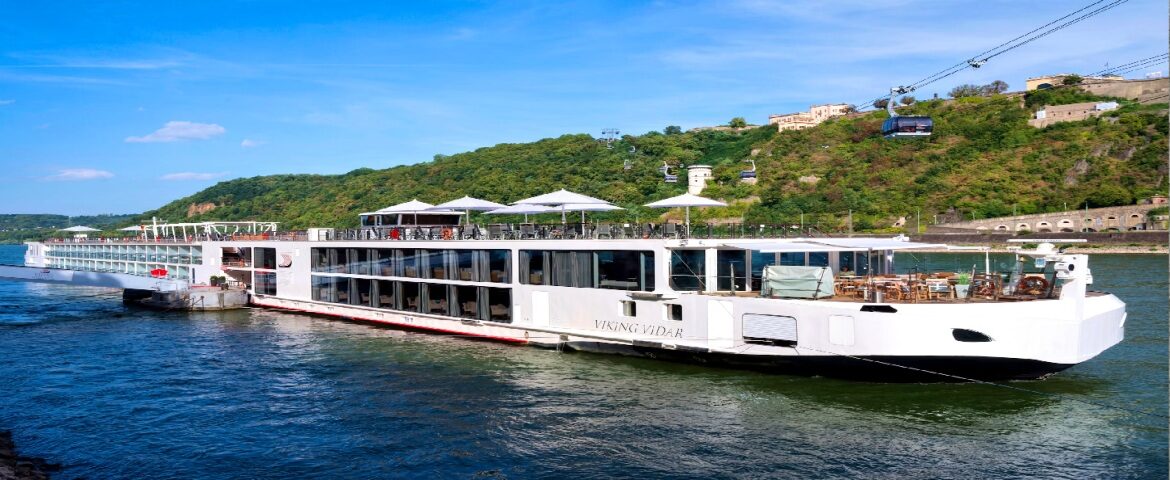
Viking Longships Vidar
27 Cruises
| 18 August | 22 days | One-way from Bucharest to Amsterdam |
450-628-6241
Call us
|
| 25 August | 15 days | One-way from Budapest to Amsterdam |
450-628-6241
Call us
|
Viking Longships Vili
27 Cruises
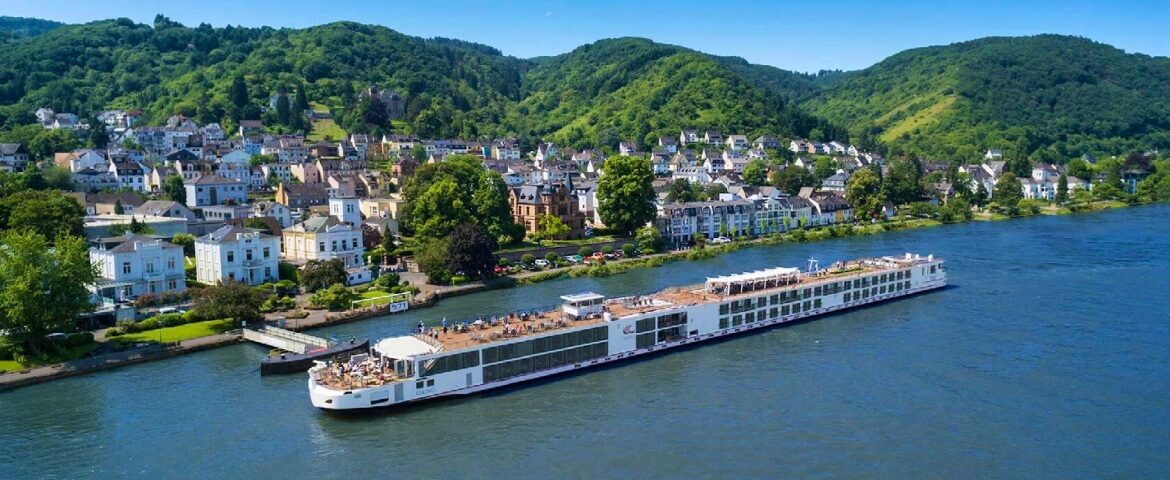

Bamberg, Germany | Cruise Port Guide
Frequently Asked Questions
On the Regnitz, a tributary of the Main, or along the Main-Danube Canal depending on water levels and traffic. Either way the old centre is easy to reach: five to fifteen minutes on foot, and several lines run a shuttle when the berth is further out.
Yes, entirely. The historic centre, the Old Town Hall and the Domplatz link up on foot, with no transport to arrange and no timetable to watch. That is the charm of this call.
Legend says the prince-bishop refused to grant the townspeople any land, so they built their town hall on an islet between two stone bridges, where no one could take it from them. The Altes Rathaus is now covered in trompe-l'oeil frescoes, with a half-timbered house clinging to its flank as if suspended over the current.
Klein-Venedig, a row of fishermen's houses with tightly packed facades along the Regnitz, each with a tiny garden and a mooring ring for the boat. The best view is from the neighbouring bridge, or from the water on a short excursion boat trip.
The imperial cathedral, consecrated in the 13th century, home to the Bamberg Horseman, an equestrian statue whose identity historians still argue about, and to the tomb of Emperor Henry II and Cunigunde. Pope Clement II also rests here, the only papal burial north of the Alps. Opposite, the New Residence hides a rose garden with a sweeping view over the red roofs of the old centre.
No, and that is rare in Germany. The city came through the Second World War without major destruction. The streets you walk have stood as they are for centuries, which is part of why Bamberg has been a UNESCO World Heritage site since 1993.
A smoked beer, the local speciality, made with malt dried over a beechwood fire. It tastes of smoked ham: you either take to it or set the glass down. It is worth at least a sip, ideally in a century-old tavern a few minutes from the cathedral. Several family breweries serve their own.
Allow about fifteen minutes on foot from the quay to the Old Town Hall and twenty to the Domplatz. Half a day covers the essentials, though the city rarely lets itself be exhausted in a single call.
The lanes climb gently toward the Domplatz: the gradient stays moderate, but the cobbles are old and uneven. Good shoes are enough for most walkers. Anyone who struggles with slopes can stay in the lower town, which already holds the Old Town Hall and Little Venice.
The euro and German. Cards work in shops and restaurants, but traditional taverns and small breweries often prefer cash, so carry a few euros. English is understood in the tourist centre.


