Thessaloniki Greece
89
Cruises availables
At departure or passage at this port
Azamara Club Cruises (18 Cruises)
Azamara Journey
8 Cruises
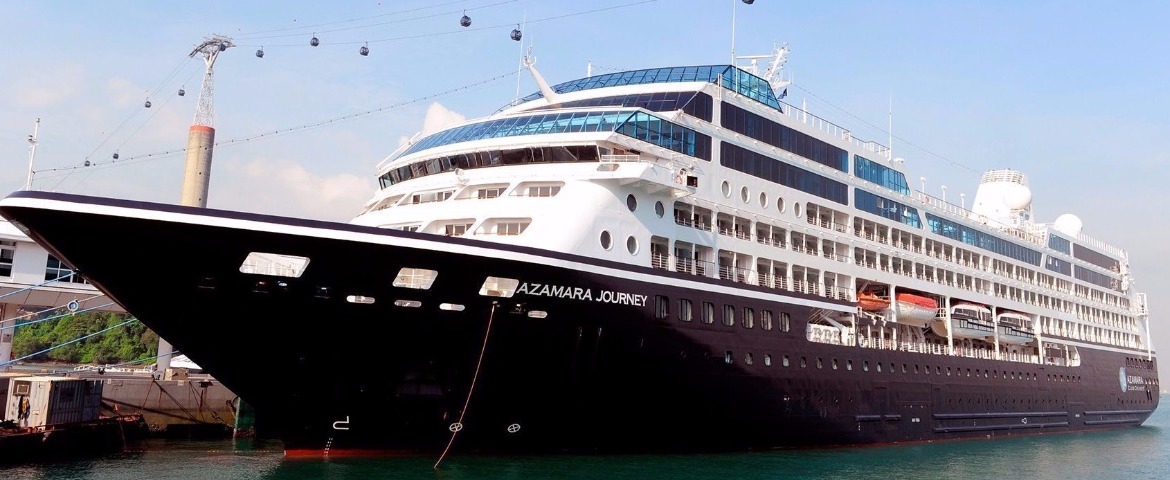

| 22 January | 49 nights | One-way from Lisbon to Barcelona |
450-628-6241
Call us
|
| 22 January | 23 nights | One-way from Lisbon to Piraeus-Athens |
450-628-6241
Call us
|
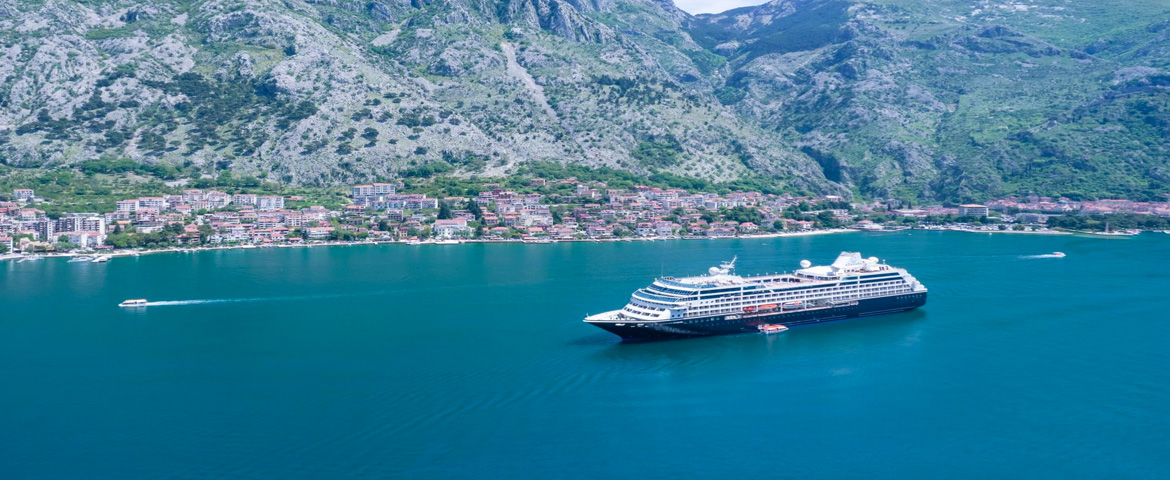
Azamara Onward
10 Cruises
Celebrity Cruises (14 Cruises)
Celebrity Infinity
14 Cruises
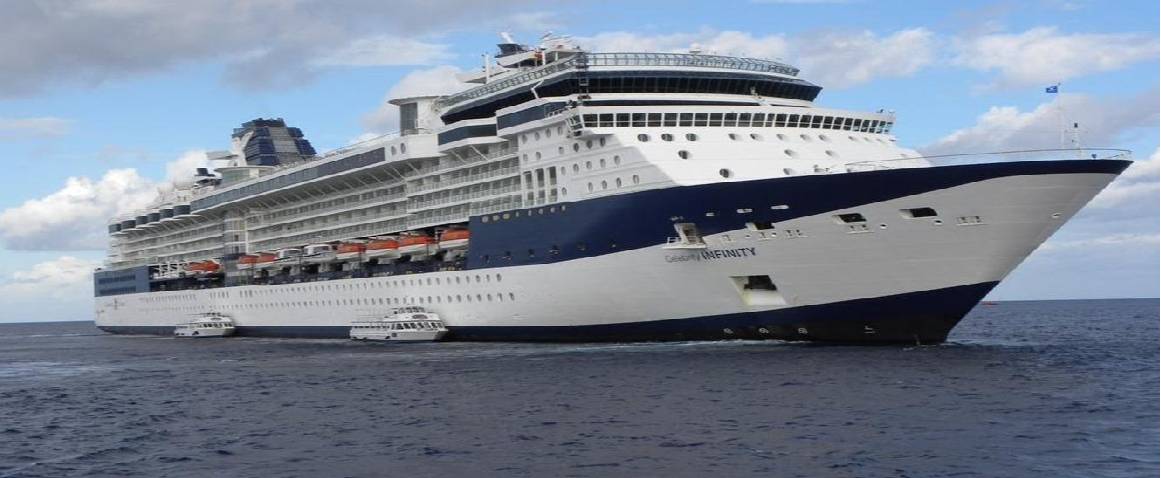

| 3 May | 11 nights | Round-trip from Piraeus-Athens, Greece |
From
3917$
|
| 14 May | 9 nights | Round-trip from Piraeus-Athens, Greece |
From
1787$
|
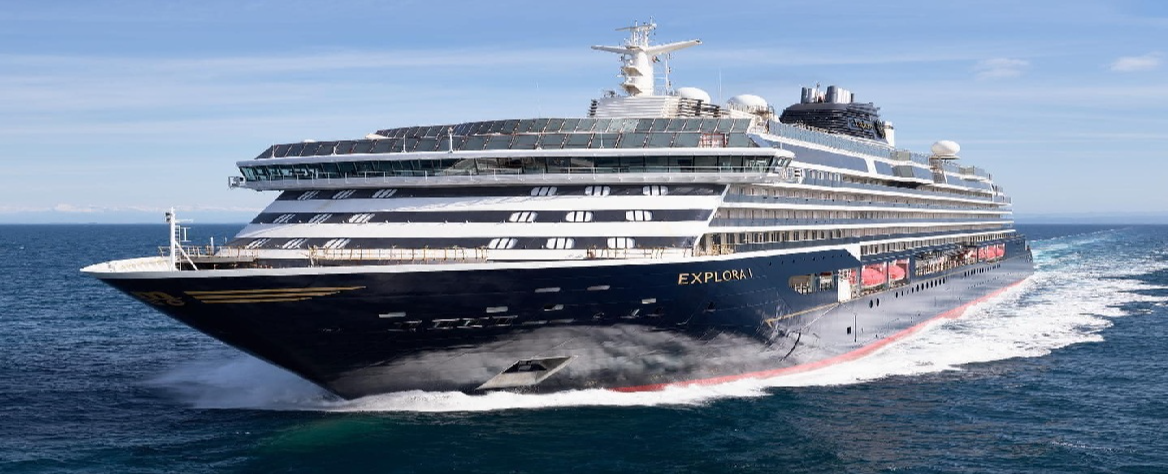
Explora Journeys (2 Cruises)

Holland America Line (5 Cruises)
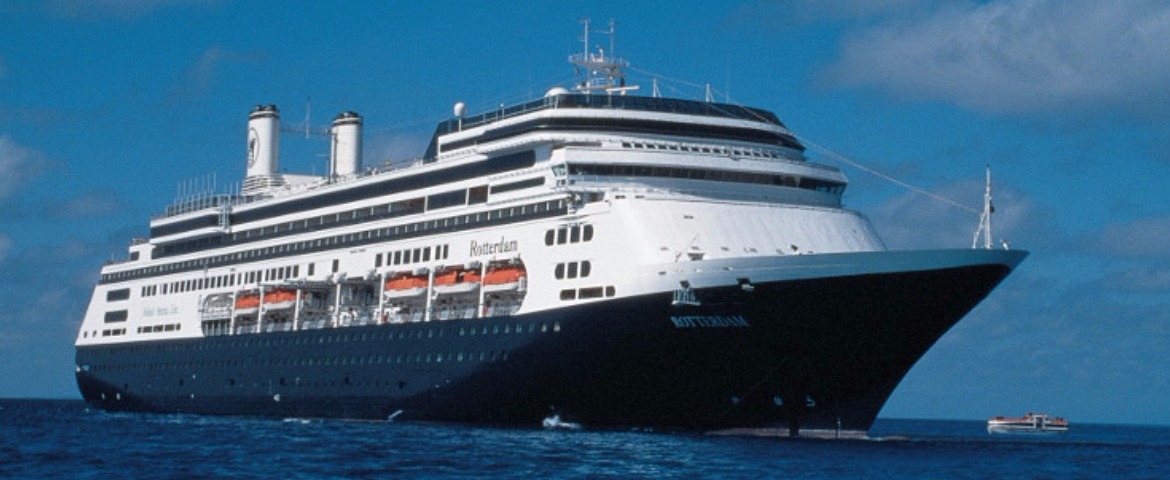
ms Rotterdam
5 Cruises

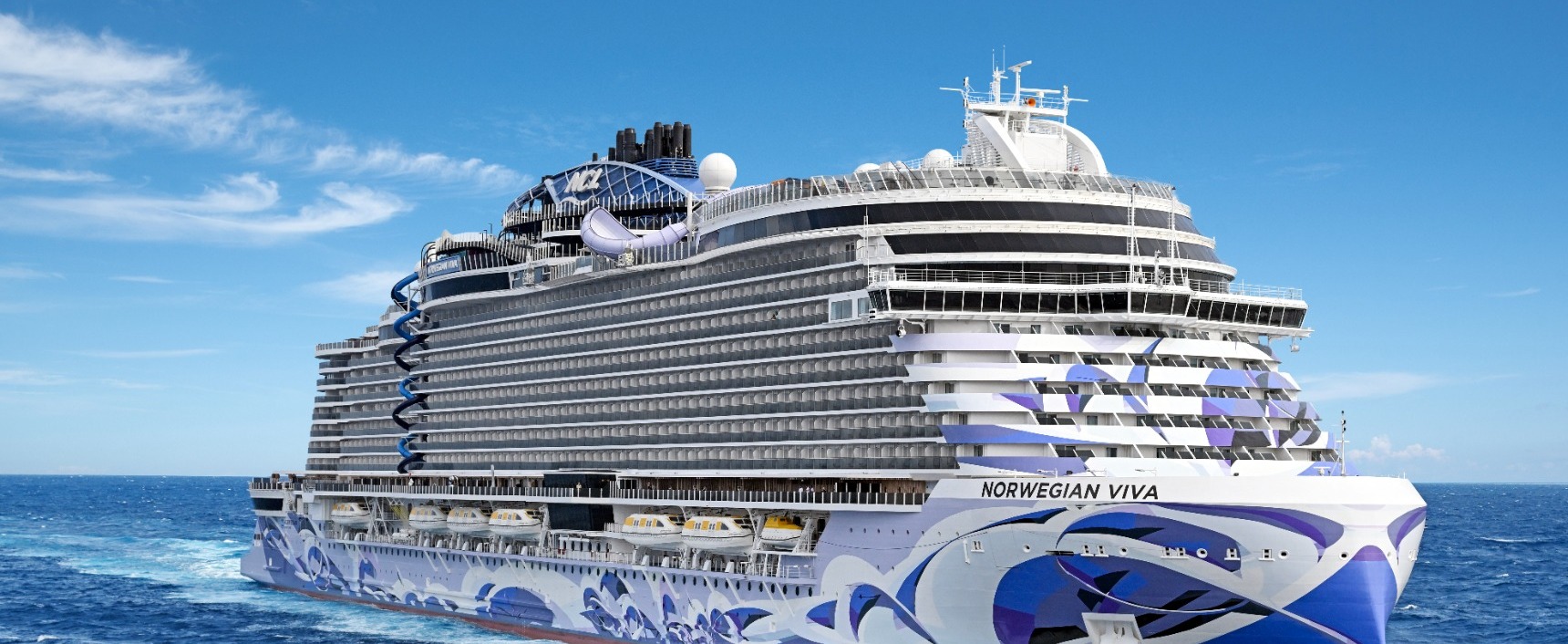
Norwegian Cruise Line (3 Cruises)
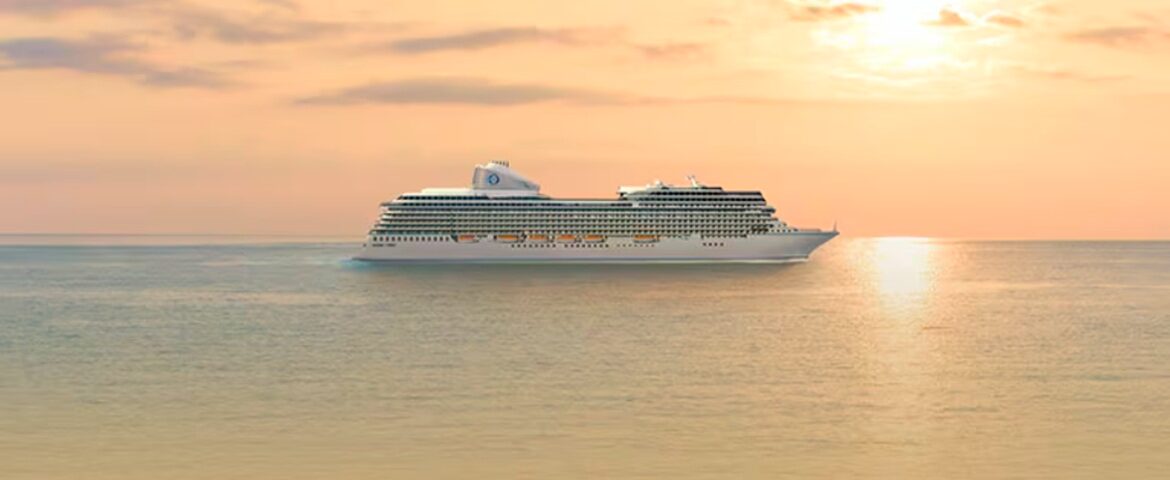
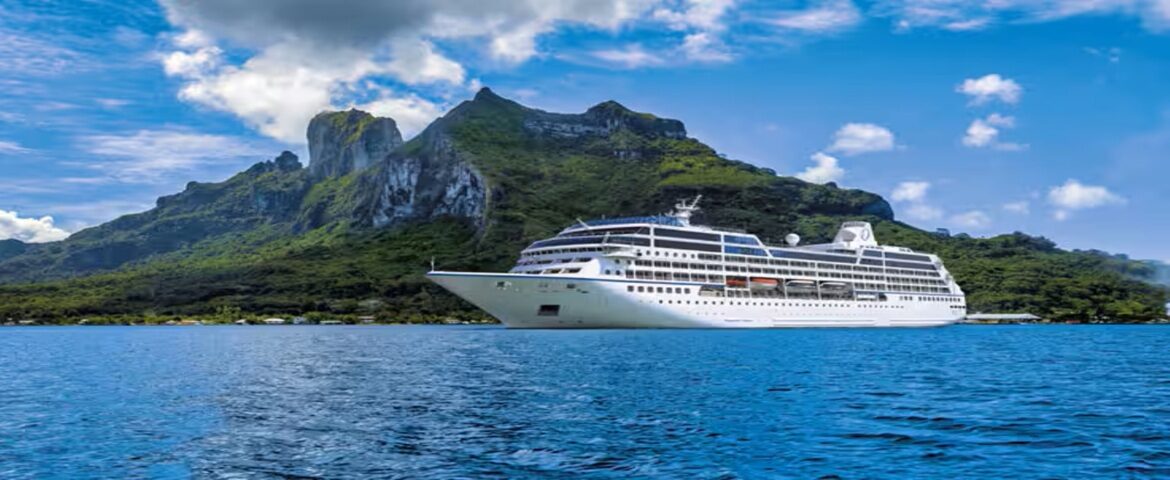
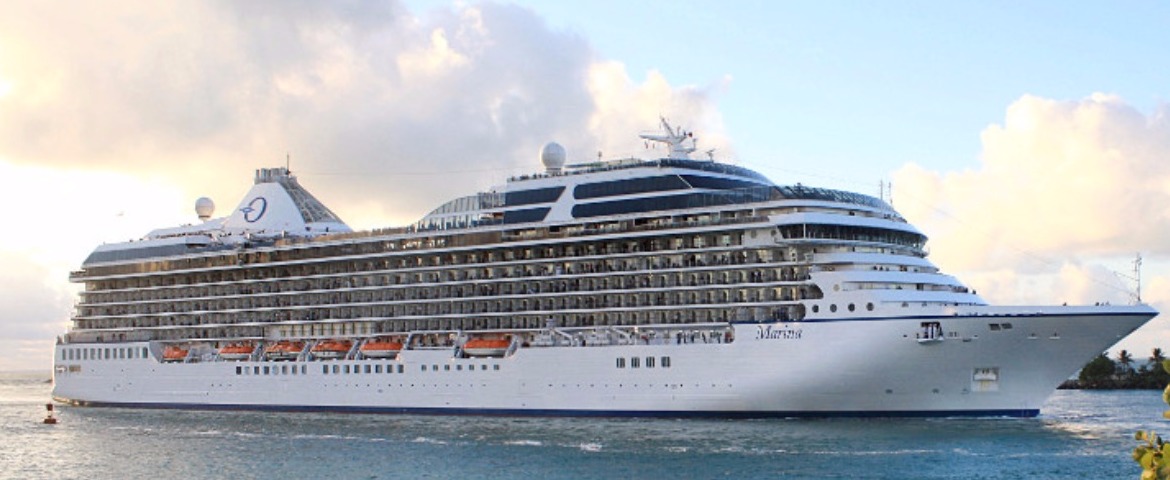
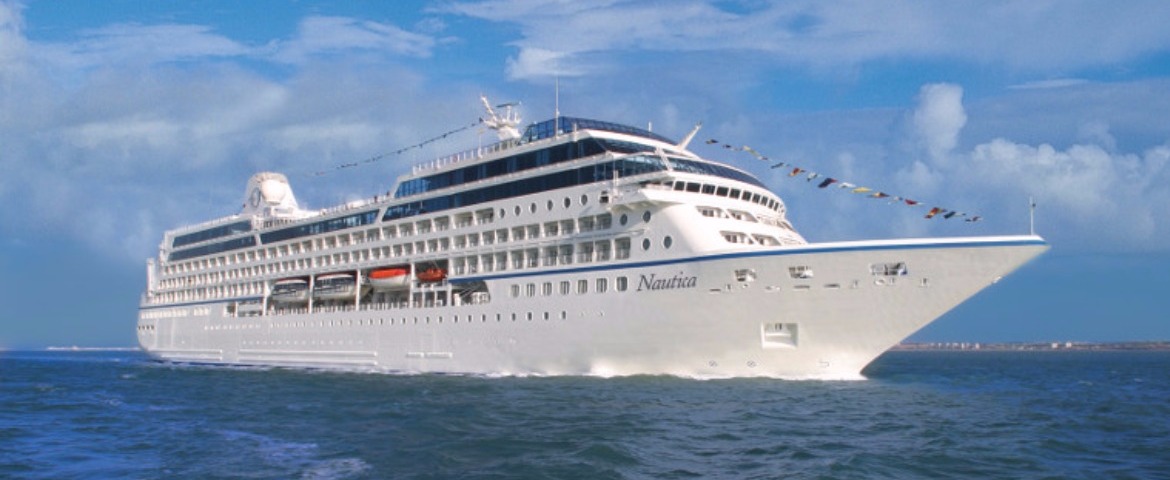
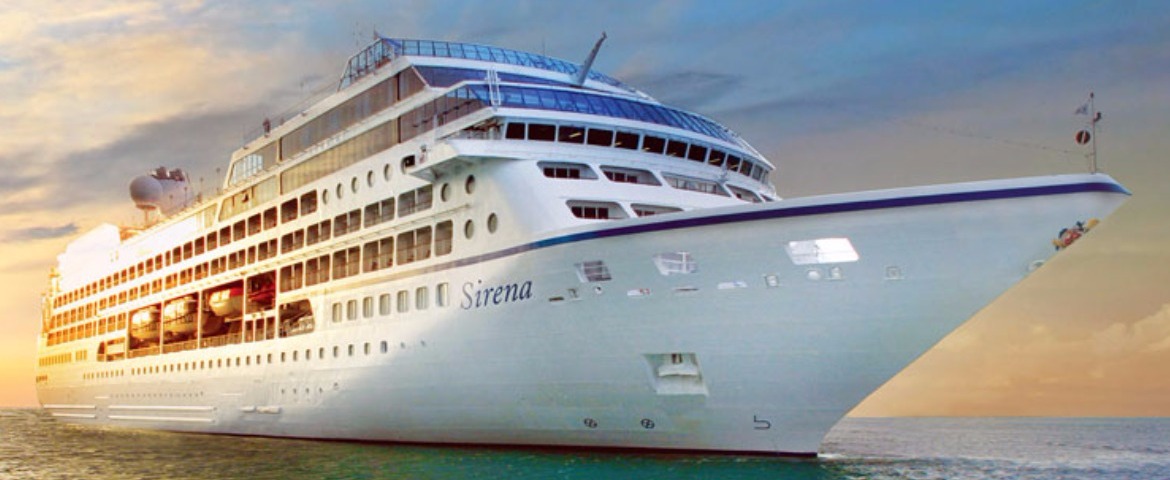
Oceania Cruises (11 Cruises)

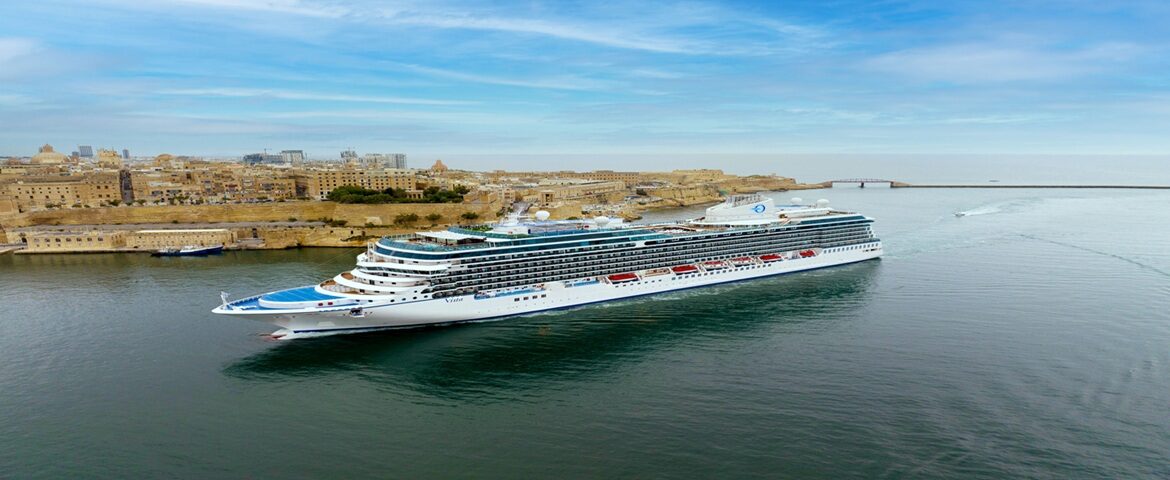
Silversea Cruises (13 Cruises)
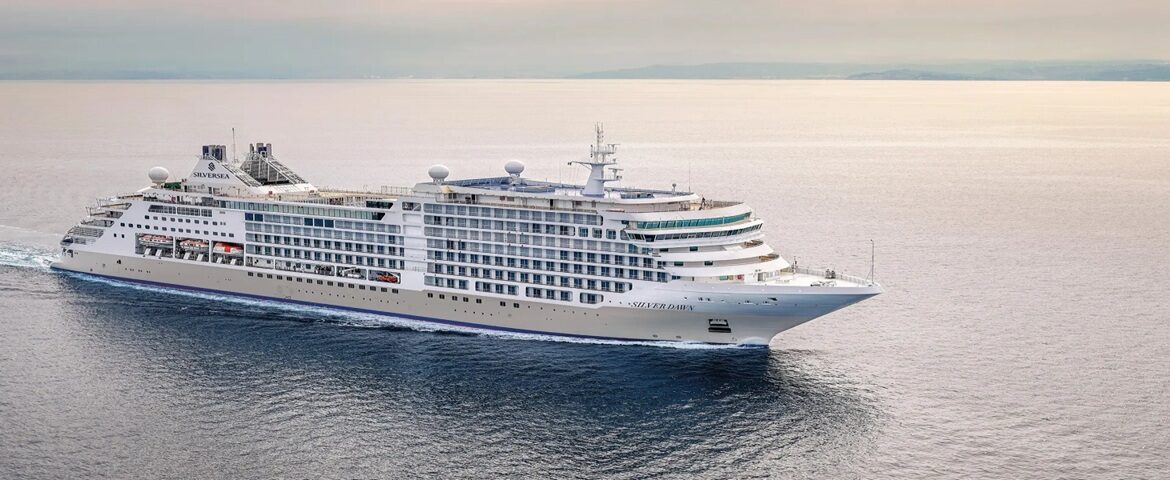

Silver Shadow
7 Cruises
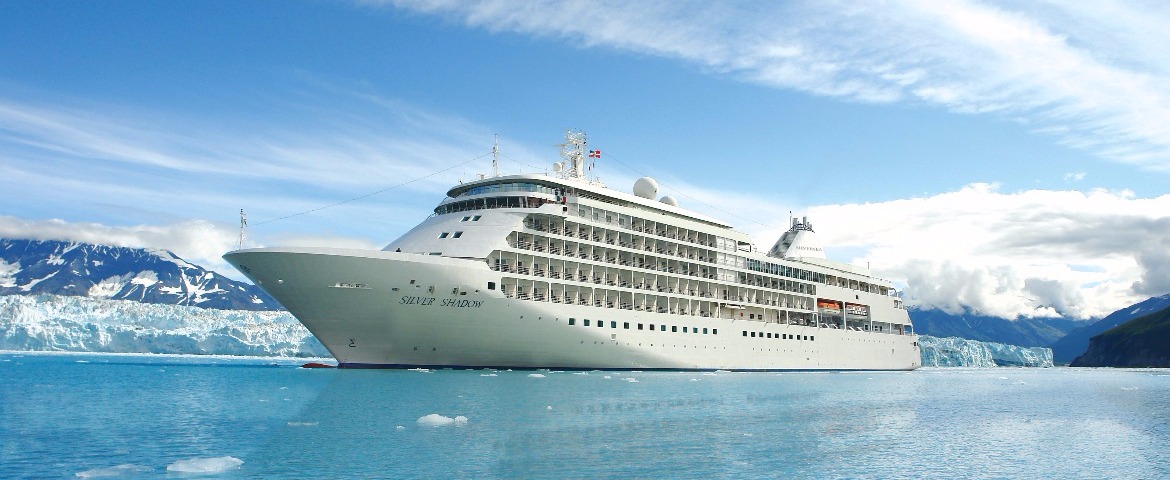
| 16 May | 24 nights | One-way from Villefranche-sur-Mer to Piraeus-Athens |
450-628-6241
Call us
|
| 28 May | 12 nights | Round-trip from Piraeus-Athens, Greece |
450-628-6241
Call us
|
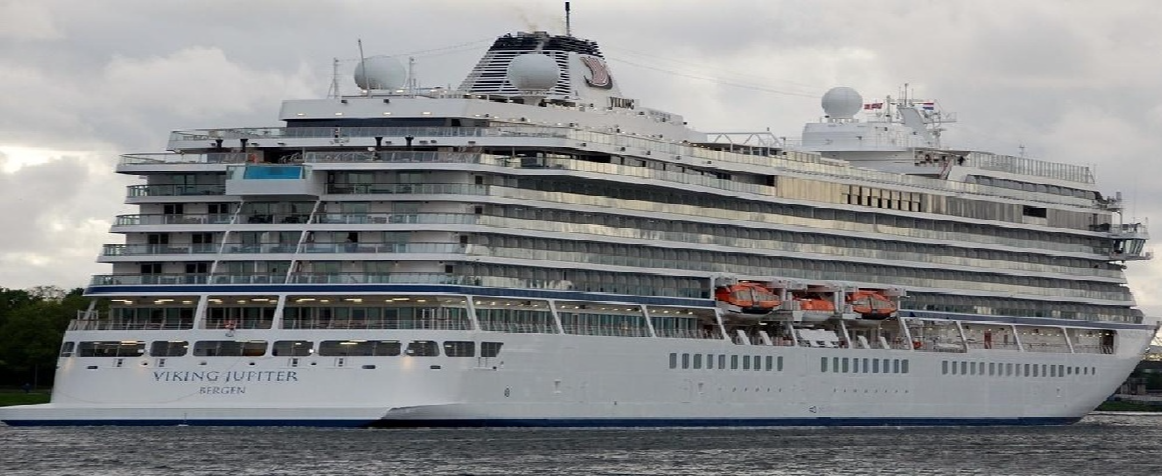
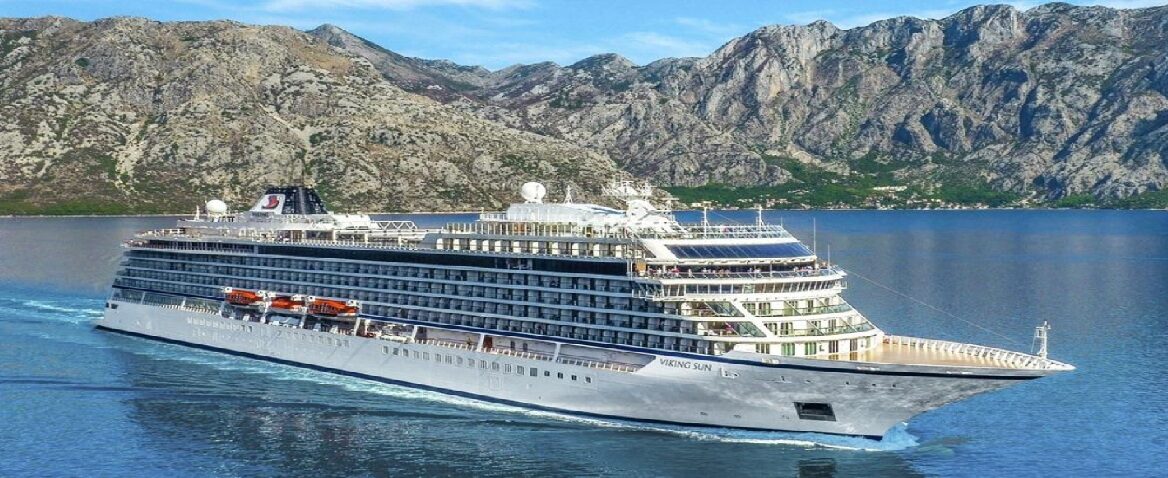
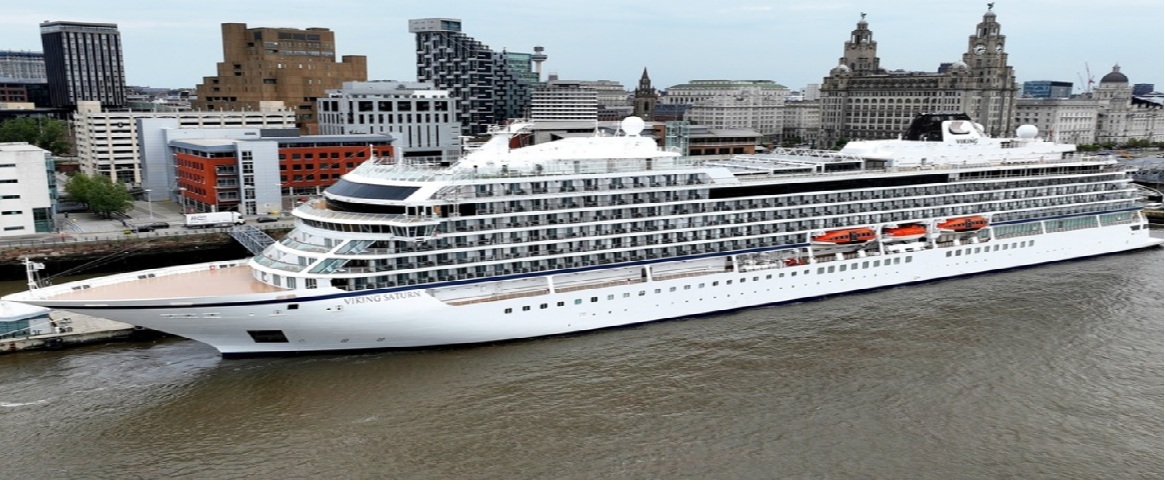
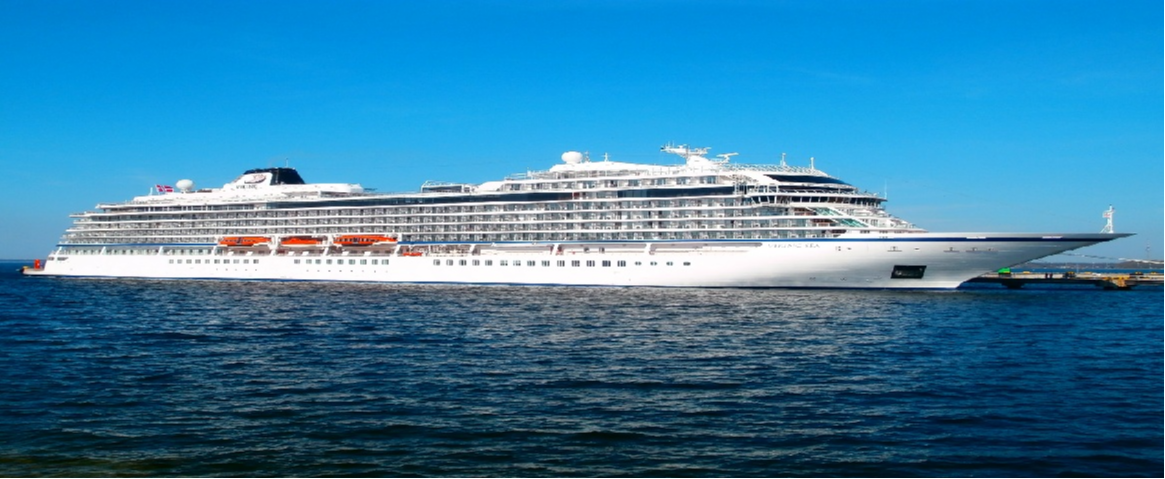
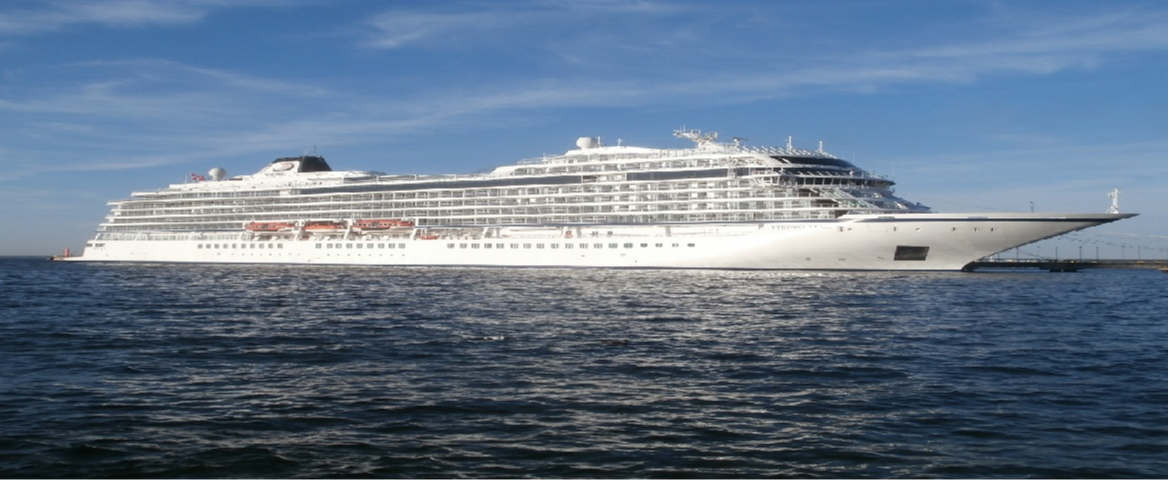
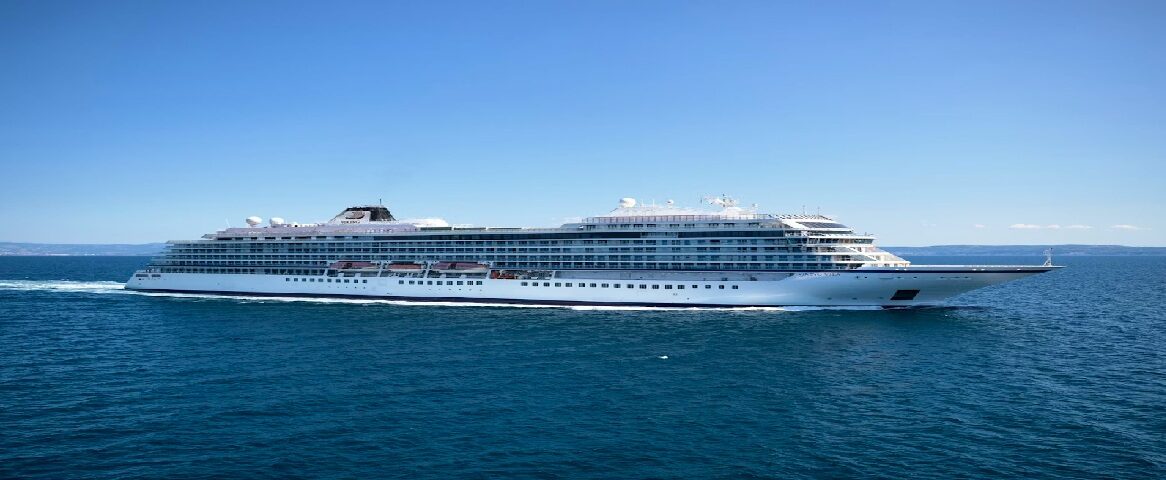
Viking Ocean Cruises (17 Cruises)

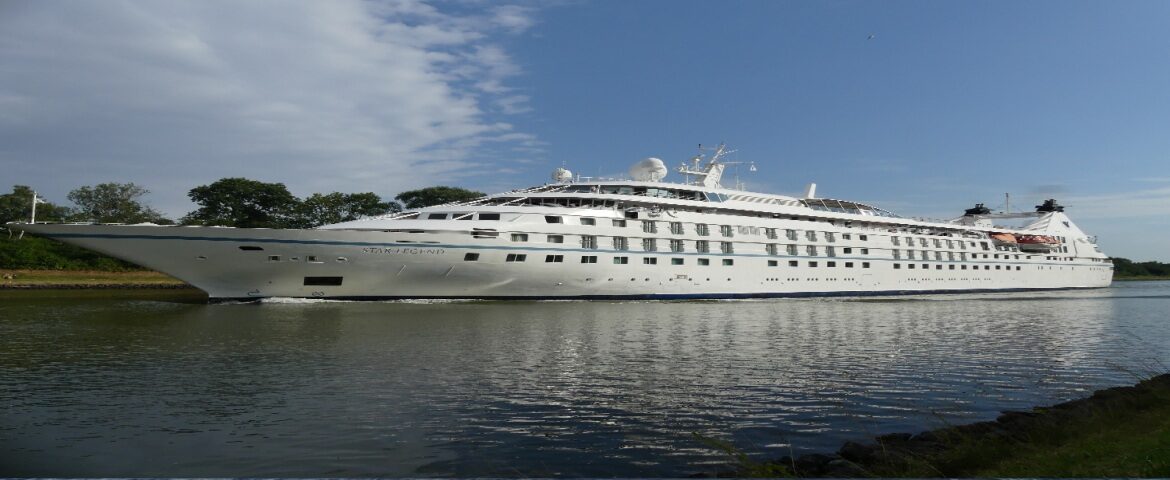
Windstar Cruises (6 Cruises)


Port of Thessaloniki, Greece | Cruise Port Guide
Frequently Asked Questions
About 1.5 km. A quarter-hour walk along the waterfront takes you to Aristotelous Square, the beating heart of Greece's second city.
The White Tower, the Arch of Galerius and the Rotunda, then the Modiano and Kapani markets, all on foot, since each monument stands a few streets from the last. Ano Poli, the upper town, needs a taxi or a bus.
A fifteenth-century fortified rotunda, a former Ottoman prison now a museum that unfolds the city's history floor by floor. The spiral climb leads to a terrace with views over the Thermaic Gulf and, on a clear day, Mount Olympus.
A colossal fourth-century circular building that served in turn as mausoleum, church and mosque. Its gilded mosaics are among the oldest in Christian art, and the Arch of Galerius stands just in front.
The old upper quarter, spared by the great fire of 1917, where corbelled Ottoman houses cling to the slopes beneath the Byzantine walls. A taxi or bus climbs up; walking back down with no fixed route yields the best surprises.
Yes, they are UNESCO World Heritage sites. The basilica of Agios Dimitrios, dedicated to the city's patron saint, hides in its crypt the remains of the baths where he was imprisoned.
Bougatsa, a cream or cheese pastry locals eat at any hour, and koulouri, the sesame bread ring sold in the street. The city disputes the title of national culinary capital with Athens.
The Modiano and Kapani markets concentrate the scents of the Levant: olives, spices, fish on ice, mountains of cheese. Traders happily offer an olive or a cube of feta to taste.
The Nea Paralia, a long redesigned esplanade running east along the sea, where the Umbrellas sculpture by Zongolopoulos has become the city's modern emblem. At sunset, photographers gather there in good-natured competition.
The euro and Greek, with English very present in this large university city. Cards work everywhere; keep cash for the markets and street vendors.


